
In 40 Years Since Arthur Ashe's Historic Wimbledon Win, Progress Still Needed
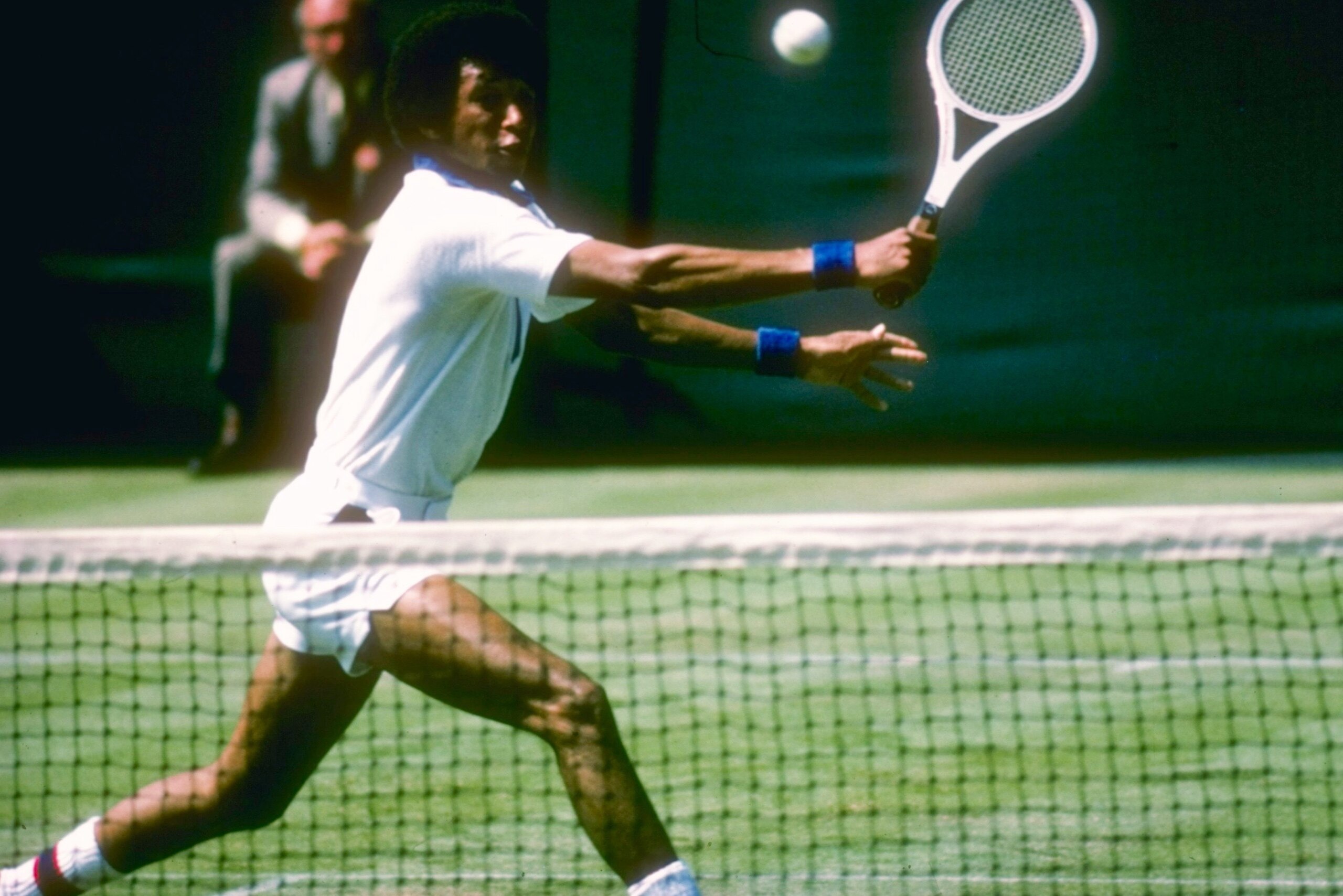
Sunday marks 40 years since Arthur Ashe became the first black man to win Wimbledon. So much has changed. Too much remains the same.
On the same week we celebrate the anniversary of Ashe's historic upset win over Jimmy Connors, one of the most thrilling matches at the 2015 Wimbledon Championships featured the women's British No. 1, Heather Watson, taking on the top American, world No. 1 Serena Williams, both of African descent. The All England Club was still abuzz about Dustin Brown, a German of Jamaican descent, defeating Rafael Nadal.
It's a far cry from what Ashe did 40 years ago, which is what makes his achievement all the more remarkable.
.jpg?w=2560 "Texans Titans Football")
.jpg?w=2560)
.jpg?w=2560 "Cardinals Giants Football")
The head of the USTA, Katrina Adams, is black. Four of the top five women in American tennis, Serena, Venus Williams, Madison Keys and Sloane Stephens, are all African-American.
Oh yes, times have changed.
Yet at the same time, they haven't. Broadcasters routinely refer to darker-skinned tennis players, such as Gael Monfils and Nick Kyrgios, as athletically gifted and lacking in discipline. Their "work ethic" is challenged. The athletically gifted Sam Querrey, who played baseball, basketball and football, is not considered a failure because he's yet to win a Slam.
Maria Sharapova is called the most mentally tough woman on tour despite her decade-long losing streak to Serena Williams. Meanwhile, Williams' physique is noted as an advantage, but never is Sharapova's height. The Russian is taller than any woman in the top 100 and has close to a five-inch height advantage over Williams.
Some things remain the same.
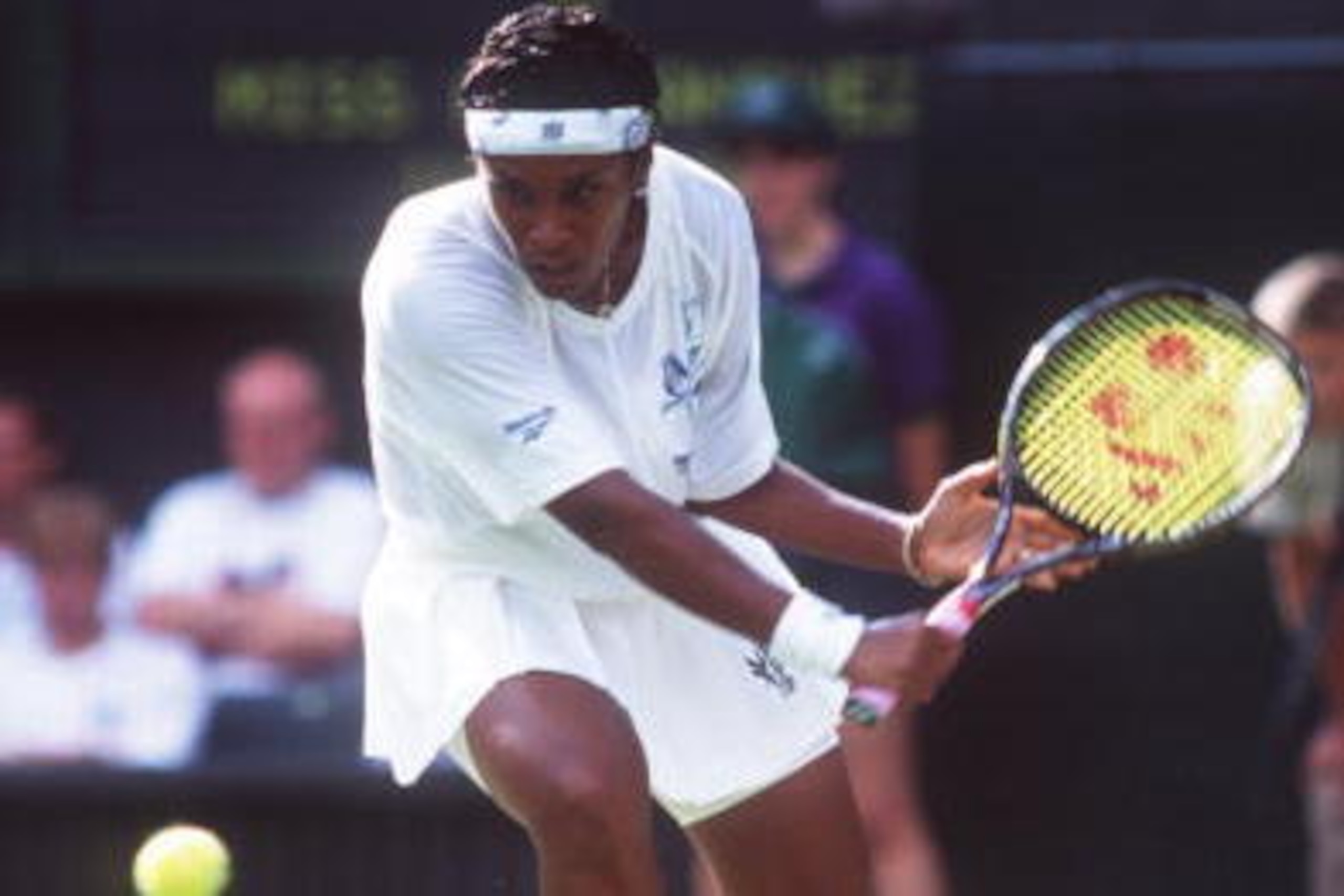
Just 25 years ago, Zina Garrison became the first black woman to reach the final at Wimbledon since Althea Gibson in 1958. That was a big deal then. Gibson even flew to London to witness the event. Last year, seven black women made the main draw at the U.S. Open, and it wasn't even a story. Nothing says progress like indifference.
Ashe made history during this country's Civil Rights movement, winning his first Slam in 1968 at the U.S. Open. That same year, Martin Luther King Jr. was assassinated.
That was also the year Tommie Smith and John Carlos held up their fist in protest at the 1968 Summer Olympics. Brent Musburger described them as looking like "a pair of black-skinned storm troopers." Musburger wrote, "Protesting and working constructively against racism in the United States is one thing, but airing one's dirty clothing before the entire world during a fun and games tournament was no more than a juvenile gesture by a couple of athletes who should have known better."
In 2008, on the 40th anniversary of the 1968 Olympics, Smith and Carlos received the Arthur Ashe Courage Award at the ESPYs.
Today, black people protest police brutality, voter suppression and double standards that seem to ask them to do more, prove more. Meanwhile, black athletes are free to protest without fear, even if management or members of the media disagree with the cause.
Yes, as far as we've come in sports and in society in general, there is still much work to do.
Ashe Groomed for Victory Long Before Wimbledon
"What made Arthur able to be successful at Wimbledon started way before he ever got to Wimbledon," said Camille Riggs Mosley, whose late husband, Dwight Mosley, was the first African-American to be elected to the USTA board.
Mosley, who has served on USTA diversity committees, continued, "It started with the messages he got from home, about who you have to be, how you have to be better and how you have to work harder just to be on par."
Long before social-media activists shamed people into action, Ashe, the quiet protester, used his status as an internationally known athlete to raise awareness about racial injustice.
Ashe's activism meshed his experiences as a world citizen with the Civil Rights tradition rooted in his Southern upbringing.
Discipline honed on the tennis courts under the direction of Dr. Robert Walter Johnson, a black physician who started the youth development program at the American Tennis Association, was ingrained in his activism. The ATA was to black tennis players what the black church is to communities in the segregated South, a reservoir of support, training and encouragement.
Founded in 1916, the ATA hosted tennis tournaments and developed young black players denied access to clubs and championships reserved for whites.
"Dr. Johnson prepared all of them for a bigger stage," said Mosley. "That preparation is what still allows people to be successful, to persevere. We had black professionals who had tennis courts in their backyards who understood their mission was so much broader than just playing tennis.
"He had all this (those lessons) in his tennis bag when he walked on that court. They were lessons from Dr. Johnson. From all the ATA tournaments, from all the people who felt invested in his success, he carried all of them onto the court. Arthur and Althea made sure that Zina had what she needed when she stepped out on the court."
Those lessons helped Ashe pull off his biggest tennis triumph. Here he was, a black child of the South, outthinking Connors, the California kid.
So often, black athletes are celebrated for their physical prowess instead of intellect. Black men are too often labeled as hotheads, too emotional or unruly.
Ashe's performance against Connors turned those stereotypes on their head. Ashe, the strategist, outplayed Connors, the hothead.
The tournament was less than 10 years removed from racial unrest in the South that saw police unleash dogs on civil-rights marchers. Yet Ashe proudly stood wearing a jacket with USA on the front.
Playing for a country where you're treated as second class has always been an emotional burden black U.S. athletes carry. Muhammad Ali famously stated, "I ain't got no quarrel with the Viet Cong," when he refused to fight in the army, citing racial injustice at home.
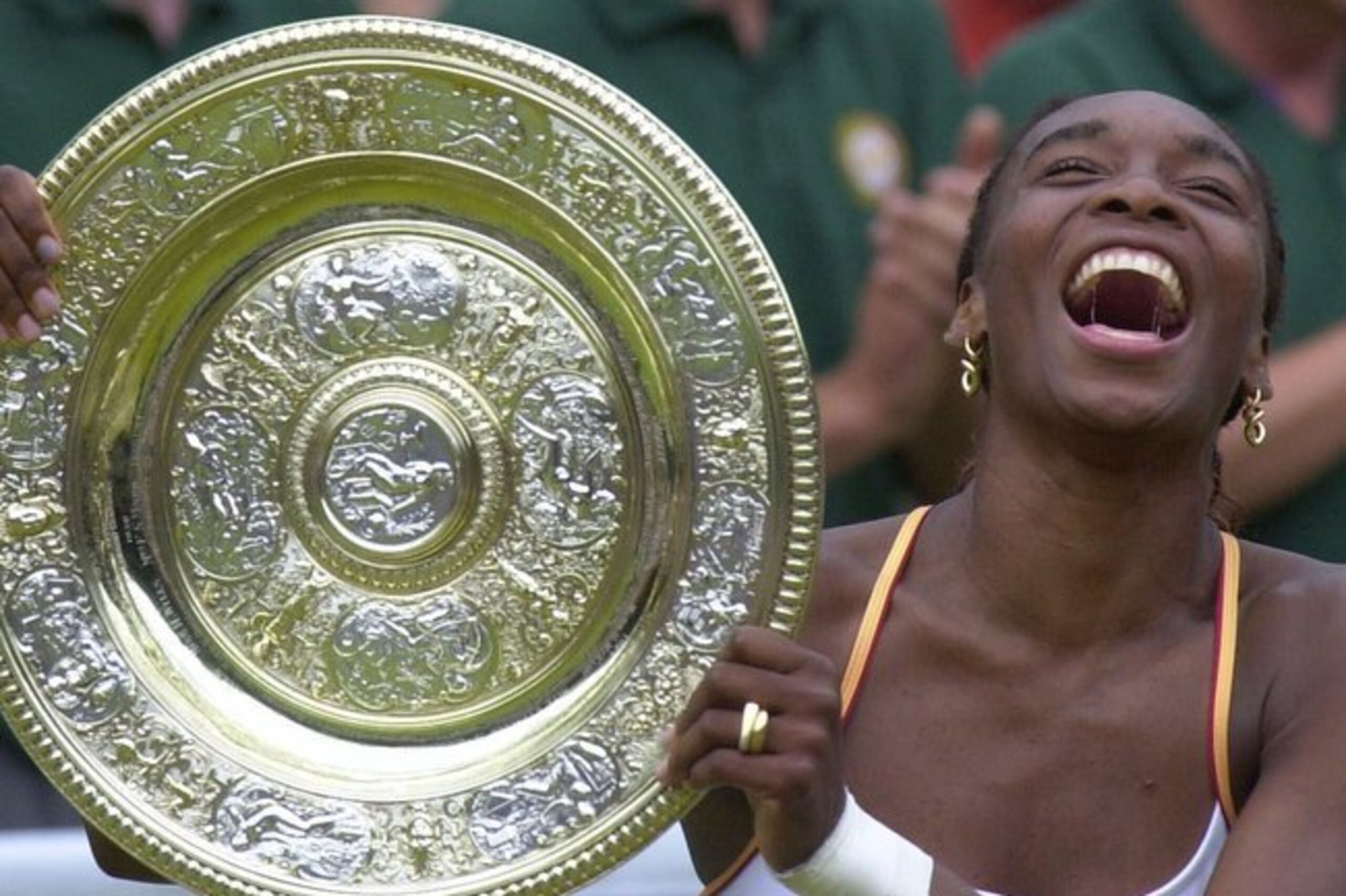
In 2012, after losing to Angelique Kerber at the U.S. Open, Venus Williams told ESPN, she was taken aback by what she considered newfound support from the home crowd.
"I know this is not proper tennis etiquette, but this is the first time I've ever played here that the crowd has been behind me like that. Today I felt American, you know, for the first time at the U.S. Open," Williams said. "I've waited my whole career to have this moment and here it is."
When Venus played Amelie Mauresmo in the 2002 U.S. Open, the American crowd supported the Frenchwoman. Martin Jacques of the Guardian wrote, in an article headlined "Tennis Is Racist—It's Time We Did Something About it, "for the overwhelmingly white, middle-class crowd, the bond of colour clearly counted for more than the bond of nation."
Despite this, Venus and Serena jump at the chance to play for their country, competing in the Olympics and Fed Cup multiple times.
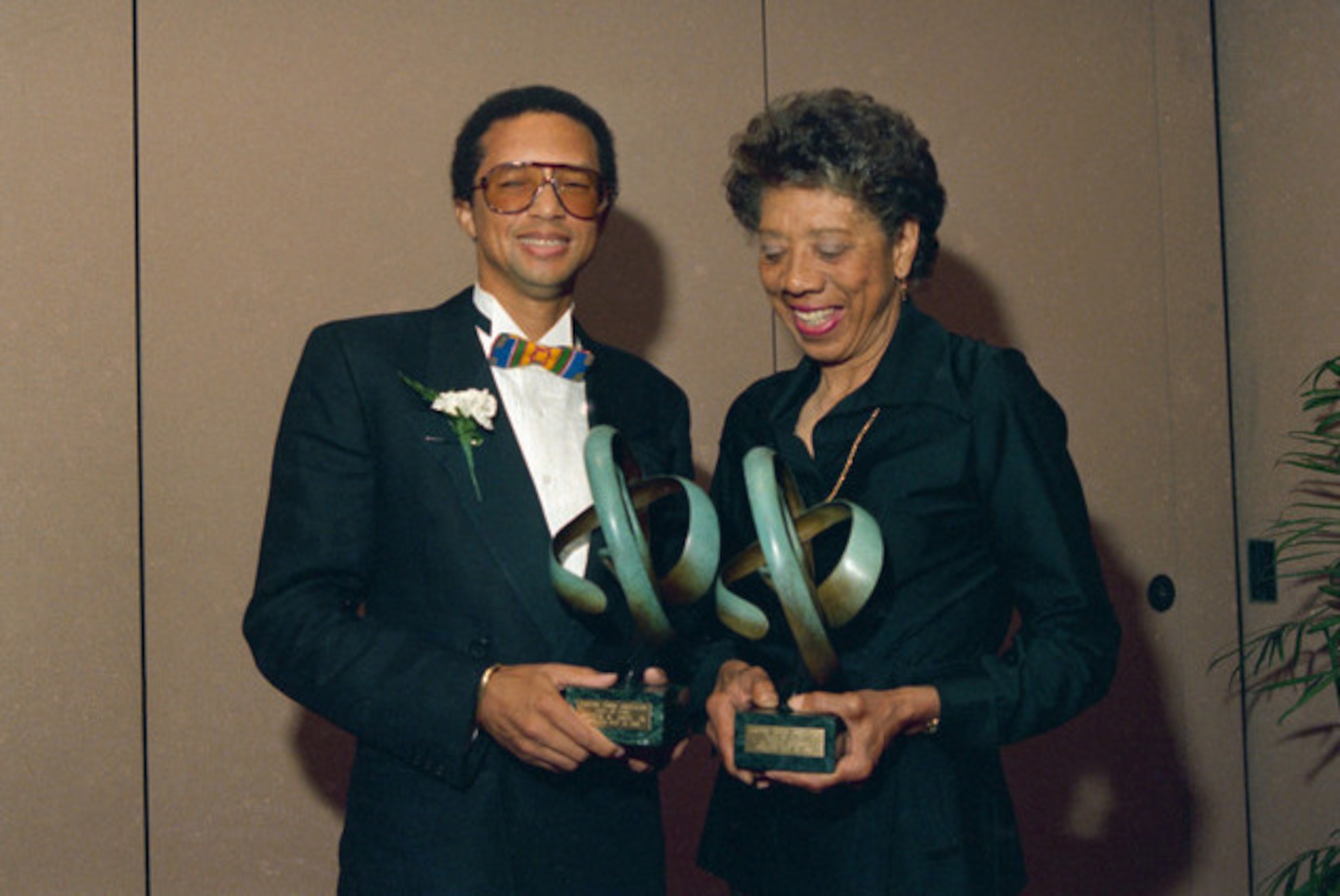
Mosley believes the Williams sisters were brought up and trained in the tradition of Dr. Johnson. Richard Williams may have used different methods, but the lessons were the same. Those teachings, handed down from Dr. Johnson to Gibson and Ashe and on to Zina, Serena and Venus, are evident.
Ashe was arrested in 1985 for protesting outside the South African embassy in Washington, D.C., during an anti-apartheid rally.
Nearly 40 years after Ashe broke the tennis color barrier in South Africa, Serena and Venus played an exhibition as part of their "Africa Tour" to promote women's rights. The tour included a stop at the Arthur Ashe Tennis Centre in Soweto.
In September 1992, Ashe was arrested outside the White House for protesting the recent crackdown on Haitian refugees. Fast-forward to August 2013, and Victoria Duval, the daughter of Haitian immigrants, wowed the crowd at Louis Armstrong Stadium with an upset win over 2011 U.S. Open champion Sam Stosur.
Even in the South, Things Are Changing
A white man recently took the lives of nine innocent people, reportedly in hopes of starting a race war. Instead, black and white members of the Charleston community united to mourn the victims.
President Obama delivered the eulogy in South Carolina, with white politicians in the audience urging them to take down the Confederate flag, a symbol of hatred for most black Americans.
Meanwhile, in London, a young white woman, Charleston's own Shelby Rogers, was preparing to play in her first Wimbledon. She tweeted support for her hometown and spoke of wanting to donate money to support the victims' families.
Winning at Wimbledon may have been the most notable thing Ashe did in the sport. However, lending his face and celebrity to further the conversation about race and injustice is his gift that continues to live on.
We are having conversations and asking questions about injustices too many of us have dismissed as the norm.
We've seen powerful progress since Ashe's victory. Yet too much remains the same. But if we continue to get the conversation started, as Ashe encouraged, more positive changes are on the way.
Quotes obtained firsthand unless otherwise noted.
.jpg?w=2560 "Broncos Chargers Football")
.jpg?w=2560 "MHJ Bought Own Jugs Machine")