Browns vs. Falcons: Revisiting Trade That Brought Julio Jones to Atlanta
In the NFL, things can become topsy-turvy in one season, let alone three. Three seasons ago, the Atlanta Falcons were coming off a 13-3 year, while the Cleveland Browns had one of many 5-11 seasons. Now, the Falcons have surpassed their losses and the Browns their wins.
As the two teams face off this Sunday, the game has big implications for both. The Falcons are somehow tied for first in the NFC South despite a 4-6 record, and with the Arizona Cardinals and Green Bay Packers next on their schedule, they need to win these types of games.
The Browns, meanwhile, are 6-4 yet are tied for last in the AFC North, and falling to 6-5 on top of the injuries to the front seven would be too much to overcome. In short, it's a must-win for both teams.
.jpg?w=2560 "Chargers Mack")
.jpg?w=2560 "Green Bay Steelers Football")
.jpg?w=2560 "Giants Football")
The two teams haven't met since the 2011 NFL draft, one that has made a great impact due to one trade. Cleveland traded its sixth overall pick to Atlanta for five picks in all: its first-, second-, and fourth-round picks in 2011, as well as its first- and fourth-round picks in 2012.
The Falcons selected wide receiver Julio Jones, figuring that a Roddy White-Julio Jones combo would be the key to getting them over the playoff hump and into the Super Bowl.
To the Falcons' credit, Jones has performed as advertised. He has 3,649 yards and 23 touchdowns entering Sunday's game, and he is a tough player for any cornerback to cover. His addition has given quarterback Matt Ryan one of the best wide receiver duos in the league the past four seasons.
As great as Jones has been, the Falcons' recent record speaks volumes. NFL battles are won in the trenches, and that is where they have struggled the past two seasons. White and Jones can only do so much when Matt Ryan gets sacked 44 times in a season, which was the case last year.
The Falcons could have drafted five players with those picks to shore up the offensive and defensive lines, and even if just a couple stuck, that would be a big improvement, especially since Ryan has never been short on targets to throw to.
When the trade happened, the Browns had little at the wide receiver position, which was the norm for them for many years. Ironically, they did use their first-round pick to shore up the trenches by drafting Phil Taylor.
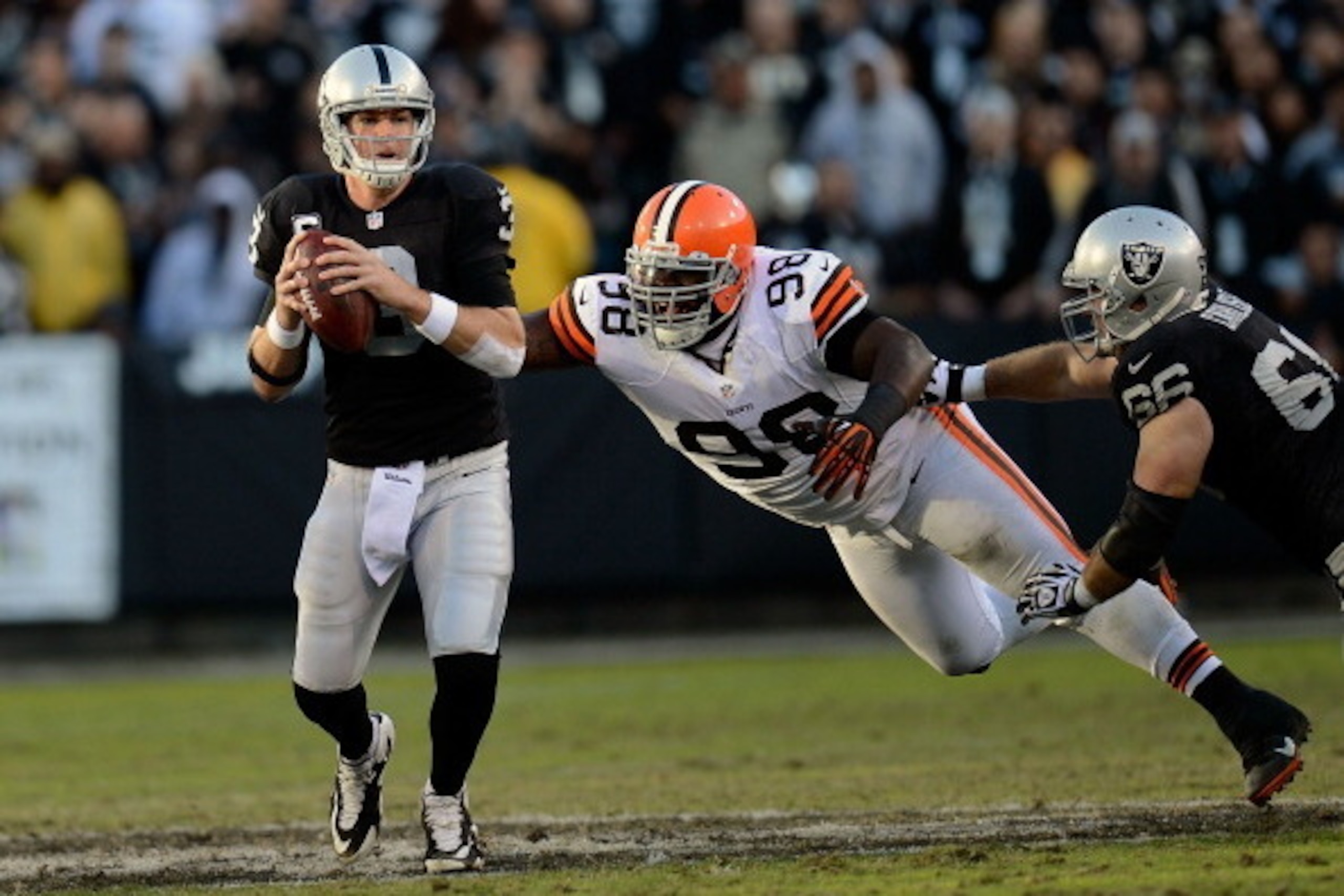
The Browns used their second-round pick on Greg Little, a wide receiver, and while he fell flat, they at least tried to address that need and had four extra picks to work with while simultaneously shoring up the wide receiver position.
The other two picks were fullback Owen Marecic and quarterback Brandon Weeden, which leaves the Browns with zero out of three offensive players remaining from the Jones picks. The remaining pick was traded, which leaves the Browns with Taylor for Jones.
Now, would the Falcons have made better selections with the picks, or would they have ended up with struggling players instead? There's no way of knowing, but isn't it enough that the picks the Browns did make failed to produce?
To me, the Jones trade is far from that simple, and painting it as a Jones/Taylor-and-change trade does not do it justice. How did the trade affect both teams moving forward?
The Falcons continued to mostly ignore the trenches with their six picks in 2011. Aside from Jones, the two players who are still on the team in impact roles are running back Jacquizz Rodgers and punter Matt Bosher.
With White and Jones, the Falcons continued to have a top-10 passing attack each year. They did try to address the offensive line in the 2012 NFL draft, a move that was not as easy without a first-round pick. They selected Peter Konz and Lamar Holmes in the second and third rounds, both of whom are on injured reserve this season.
Without a healthy line and with a lack of defensive talent coming in, either in the draft or free agency, the Falcons fell from 13-3 in 2013 to 4-12 in 2013, and they are now stuck with talent on offense who cannot turn that talent into victories.
The Browns went the other way, mostly ignoring the wide receiver position while focusing on the trenches. Yes, they drafted Travis Benjamin in the fourth round in 2012, but they seemed to stick with the idea of that position being one you improve late.
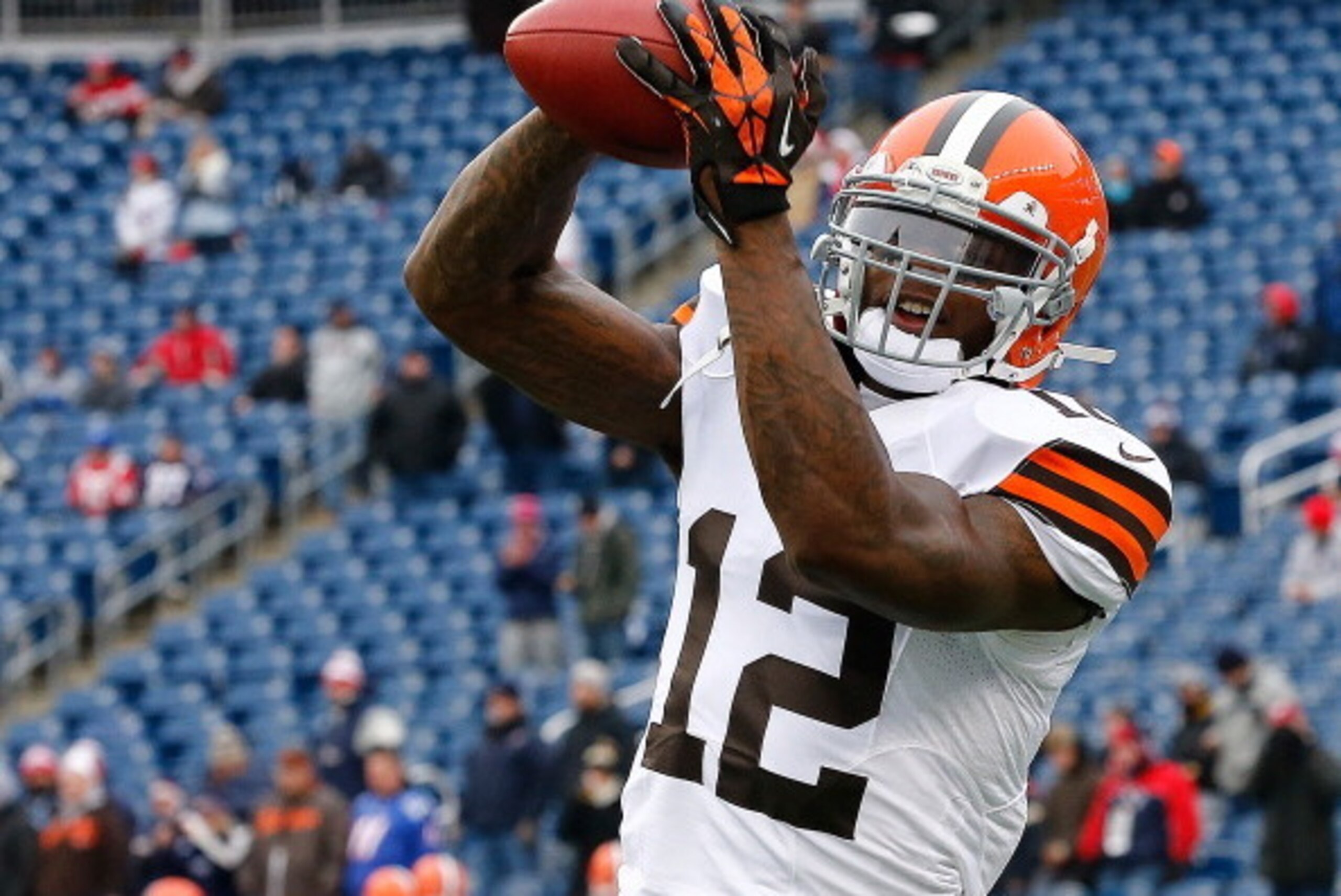
That changed with the supplemental draft in 2012. That year, the Browns used their 2013 second-round pick to select Josh Gordon, a player I don't believe they would have bothered taking a change on had they selected Jones.
Gordon has been a force when he's been able to play, leading the league in receiving yards last year. He plays at an elite level even when he hasn't had a good quarterback, and he's the type of player who can draw attention away, getting other receivers open.
It's a tale of two teams that, due to where they were in 2011, decided to build and modify their rosters completely differently. The Falcons focused on the peripherals, while the Browns focused on the trenches. And they have one of the top wide receiver groups and offensive line groups in the league respectively.
Usually, for a team to lose a deal, a player has to perform poorly. Instead, the Falcons got exactly what they wanted when they made the trade, and yet the deal looks poor for them in spite of that and in spite of the picks the Browns got mostly not panning out.
The Julio Jones trade is, in short, a microcosm of how two teams have been built.
The Browns are a team on their way up, while the Falcons are on their way down, as it's a lot easier to add a wide receiver to an already solid team than it is to retool a defensive front seven that allows too many yards. Besides, in the end, both teams got that playmaking wide receiver who can break open a game, yet it cost one team a good deal more than just one draft pick.
.jpg?w=2560 "Seahawks Cardinals Football")
.jpg?w=2560 "Commanders Cowboys Football")