NFL Needs Strong, Clear Policy Above All in Handling Cases Like Peterson, Rice
Some people demand strict penalties for NFL players who commit disturbing acts of violence. Others want flexible penalties that stress case-by-case fairness.
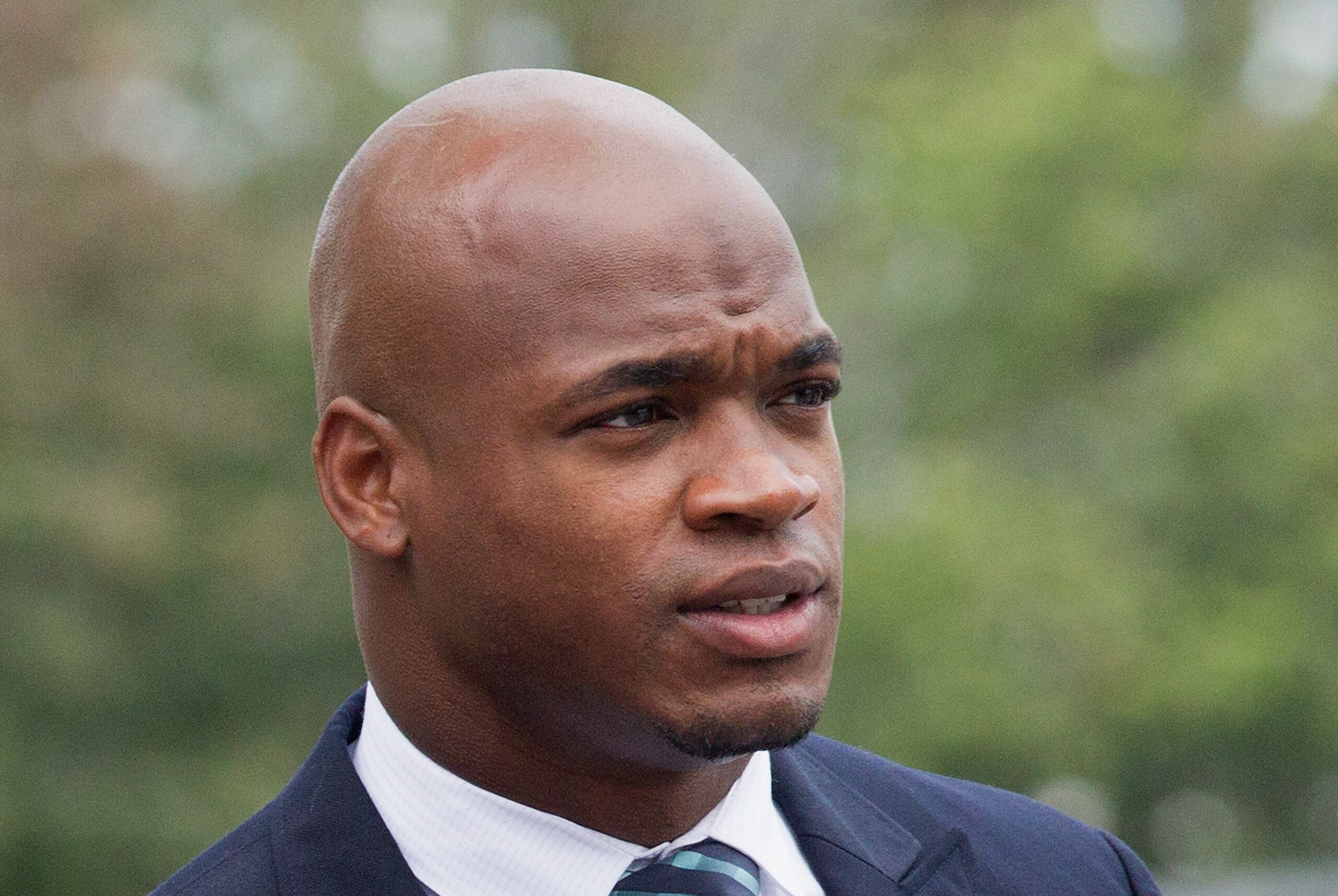
Some people would be happy if Adrian Peterson were suspended forever. Others want him to acknowledge his wrongdoing, undergo counseling and serve a fair suspension, if in fact he has not already done so. A few people—honest, fair people in your office or Facebook timeline—don't think he did very much wrong at all.
Some people want Roger Goodell to make strong, unequivocal statements on child abuse and domestic violence. Others want him locked in stocks in Central Park so we can pelt him with vegetables. Still, others want him to just shut his mouth and concentrate on running a sports league like a businessman, not some secular archbishop.
.jpg?w=2560 "Chargers Mack")
.jpg?w=2560 "Green Bay Steelers Football")
.jpg?w=2560 "Giants Football")
But deep down, we all want the same simple things more than any of the others. We want clarity. We want procedure. We want a good, fair policy.
Fans don't want an 18-game season, expanded playoffs or more exciting extra points. We don't want eye-for-an-eye or guilt-by-accusation justice, nor do we want criminals to start on Sunday because all that matters to us are our fantasy lineups.
We want a road map that takes us from accusation to hearing to judgment to appeal to conclusion, with reasonable timelines and precise guidelines. We want to know that the arrest of a player means x, that the parameters of discipline are y to z, and that investigations, hearings and appeals will take place within t business days.
We want to see good policy more than we want to see a good Super Bowl. Because right now, NFL discipline looks like a game that lasts from three to five quarters and gives the offense three to five downs for a first down, depending on which rules the NFL chooses to apply. No one wants to follow a sport with seat-of-the-pants rules, on the field or off.
Policy is usually boring. Policy is the stuff you click without reading when you buy a new smart phone. It's the training video you sleep through when you are hired. It's the red tape that emanates from the legal and human resources departments. For 99 percent of employees on 99 percent of workdays, policy hums in the background while we score touchdowns, teach algebra or write columns, sometimes popping up like a low hurdle to productivity. (Please send confirmation that you read and understood the terms and conditions of the Breakroom Refrigerator and Microwave Usage Policy to both your immediate and department supervisors; otherwise you're fired.)
Then comes that one day for that one employee, and suddenly policy has sizzle: It means the difference between being escorted from the premises in shame and getting a stern reprimand, or between earning fair treatment and suffering intimidation. When that day comes, policy is the most important thing in the world.
The NFL had a bunch of those "one days" in a row earlier this year. Its policy proved inadequate, its application of it terrible. The league promised to revise its policy. In the meantime, it has implemented the worst policy of all: no policy.
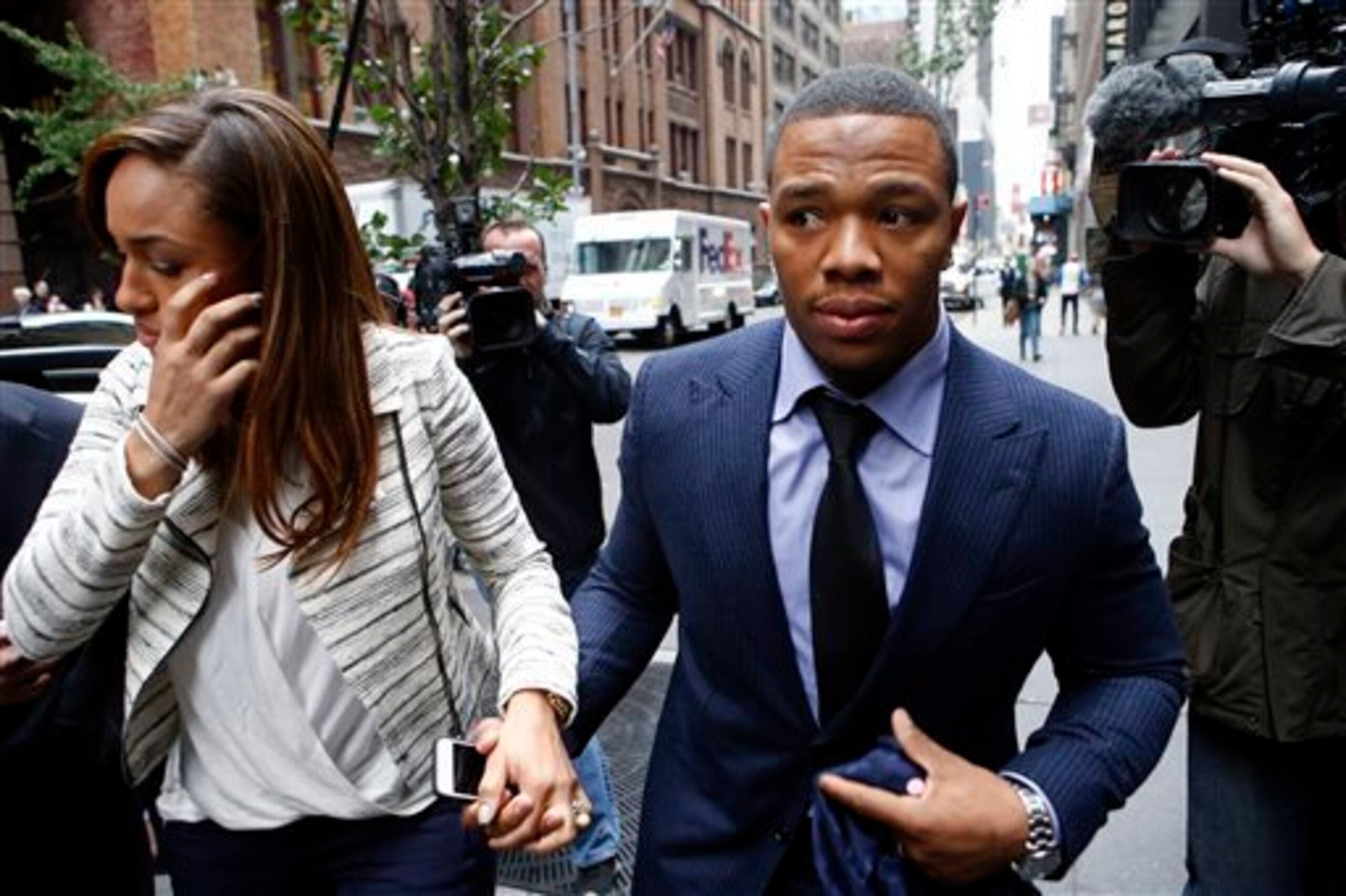
The NFL dusted off an old "Exemption/Commissioner's Permission List" and used it as a temporary holding cell. Then the league waited, indefinitely. There was not only no timeline for a Peterson hearing or ruling (or for Ray Rice or others), but no real timeline for when a timeline would be established.
It was management by procrastination, with everyone from the accused to the union forced to play a weekly waiting game. The league waited for Peterson's plea bargain on Nov. 4, even though the league is no longer tying its discipline to legal results, then waited some more.
When the NFL suddenly tried to schedule some sort of super-secret pre-meeting meeting last week, the NFL Players Association advised Peterson to refuse in the name of not establishing precedent. The four days of Peterson news before his suspension Tuesday became a procedural meetings-about-meetings boondoggle.
The union did not want to let the league put the cart before the horse, wedging a discipline hearing before the union's grievance pertaining to the discipline Peterson has already served. Got that? Basically, the NFL delayed a hearing for months, then tried to essentially backdate it, so the union went to the mattresses. It's a situation that makes all parties look terrible, because "due process" has been replaced with "no process."
There's those dirty words: due process. For years, it was NFL-speak for "let's wait for a plea bargain in the court system, then use that as an excuse to do little or nothing, because fans will be bored with the story by then, anyway." Now, it's more of a Wild West sheriff's procedure, except that the old sheriff promised a "fair trial" in the morning and a hanging by sundown, not a fair trial in 10 weeks, give or take.
Due process is not a bad thing. All of us crave a strong, fair discipline process for the NFL right now. Players want to know precisely what will happen if they do something wrong. Coaches and owners want clarity about their roles. Fans need something they can wrap their brains around when a favorite player gets in trouble. The NFL needs the credibility to enforce discipline without being beset on all sides by accusations, grievances and criticisms.
Better policy leads to better decisions. Better policy encourages better behavior: We all laugh at sexual harassment training videos, but no one calls the secretary "sweet cakes" anymore. Good policy takes personalities and emotions out of the equation, or at least minimizes them: Steps are followed because they are steps, not because a commissioner wants to look tough, an employee is too important to discipline or a public relations headache is looming.
The NFL promised a better personal conduct policy in the wake of the Peterson and Rice incidents. The league is taking its time and bargaining with the union to establish that revised policy, which in itself is, well, good policy.
But the NFL has done some troubling things in the interim between the blind-eye days of summer and what it promises will be a bright new future. The league has acted unilaterally and ruled summarily, dragging its feet as a combination de facto punishment and public relations boiling chip. These are precisely the behaviors that keep causing the league problems and eroding the commissioner's credibility.
Goodell made several emphatic statements in his ruling on Peterson. His statements that Peterson essentially used a weapon on a child and has not shown "meaningful remorse" were powerful condemnations of Peterson's behavior, while his insistence on counseling and reevaluation reveals an understanding of family violence issues that goes beyond just levying punishments. We want leaders who will say those things and back up their words with actions.
But we want clarity even more. Goodell sentenced Peterson and the others to two months in the Bastille, then played bait-and-switch with hearing dates, then suddenly fell back on "policy"—the six-game suspension, increased because of extenuating circumstances, with a hearing scheduled for a specific date in the far future of April 15—when it suited him. It was not more of the same from September. It was worse than the same.
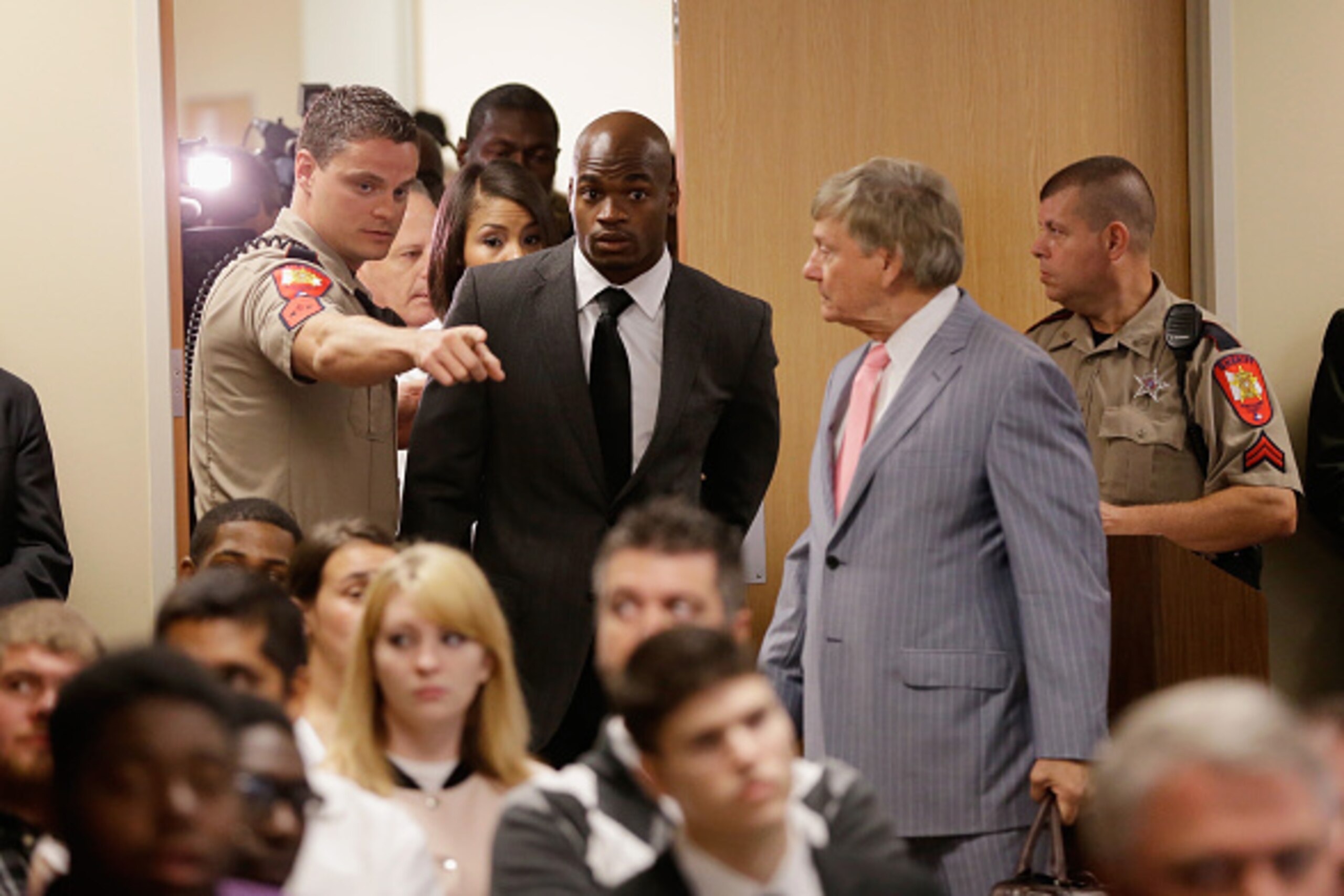
It's hard to work up a lot of sympathy for Peterson or the other perpetrators from the NFL's September of Shame. What about the next NFL player facing a serious accusation? Will he be sent to purgatory while the NFL investigates? Can he appeal that sentence? Is there a timeline for the NFL's investigation?
The precedent set by Peterson is that the NFL can create one-year suspensions by sending an accused player's soul to limbo for two months, then suddenly declaring an additional six-game suspension. If you want to appeal that, the league will schedule that appeal after the sentence, whenever that happens.
That's not a bad policy, it's a non-policy. It's a razor's edge between dictatorship and anarchy. That's not what anyone wants, even Goodell.
So jeers to Adrian Peterson. Jeers to Roger Goodell. Let's have three big cheers for strict, fair, logical, comprehensible, collective-bargained and mutually accepted policy. May the NFL finally find it and hold everyone from players to owners to the commissioner to it, so that we can stop wishing and waiting for clarity and go back to watching touchdowns. Hip-hip hooray. Hip-hip hooray. Hip-hip hooray.
Mike Tanier covers the NFL for Bleacher Report.
.jpg?w=2560 "Seahawks Cardinals Football")
.jpg?w=2560 "Commanders Cowboys Football")