Inside the Locker Room: How to Cope with a Losing Season
We’re now 11 weeks into the NFL season and by now we have a pretty good idea which teams are lousy and which ones can ball. What most of us don’t think much about is that the athletes inside those losing locker rooms also begin to develop a firm awareness of their team’s deficiencies. This self-awareness not only perpetuates the problem but also takes an emotional toll on the individual as they try to cope with the realities of a losing season.
Try to imagine what it must be like to show up for practice every morning, lifting weights, putting on the pads, meetings, watching film, then spending time preparing for games late into the evening on your own all while a huge part of you doubts there’s any hope for such efforts producing a victory.
TOP NEWS

Bears' Santos Wanted to Kick 58-Yarder
Picking Each NFL Division Winner 🔮
.jpg?w=2560)
B/R's Expert Week 7 NFL Picks 🔮
If leadership wanes—which is so often does on a losing team—players begin to lose faith in each other and in their coaches. Every game is soon approached with this underlying sentiment of inferiority relative to the guys on the other sideline.
Before long, coaches start overcorrecting everything they see on tape. This hyper-criticism compounds with the feeling of failure and eventually erodes the players’ confidence even more.
Once confidence is lost, the momentum of losing begins to gain steam and take a stranglehold over the organization from top to bottom. This dark cloud looms over every facet of the day, from watching the optimistic looks on the die-hard fans who hang outside the facility, to the conversations among teammates in the locker. For the players hanging onto their careers by a thread, it seems everything during a slump is accompanied by the putrid aroma of paranoia.
Most of the players and coaches wind up walking around the facility wondering if the axe will drop and send them home for good, without a job.
During this time, the locker room can be a gloomy place. Suddenly everything you do during the week and throughout the day becomes less fun.
When I was in Oakland with the Raiders, it was well-known to players within the organization that they’re best to avoid a run-in with owner Al Davis when the team was losing. As a rookie who was late to get the message, I saw Al Davis walking down the hallway just after one of our many losses and didn’t think much of it. He had his usual walker with him and was dressed in his traditional black Raiders jumpsuit.

As Mr. Davis walked by, he looked at me with a fury uncommon in a man so old, and said “[expletive] damn it Riddle! Why don’t you make a tackle for once!”
Stunned and taken aback, I just stood there (likely with my mouth hanging open) without a good response to his outburst. Luckily he kept moving along mumbling stuff under his breath. Oddly, there was still a part of me that was just happy to see Al Davis knew who I was—not to say I didn’t learn a valuable lesson that day.
Having spent that rookie year losing nearly every game we played, I certainly understand what it feels like trying to make your way within a losing rocker room.
Football is a game of emotions.
Trying to cope with a locker room that’s bogged down by losing is a tricky matter. One of the coping mechanisms we hear about is the acceptance of losing. This phenomenon is similar to the inmates at the Shawshank Redemption being institutionalized over time.
As a way to handle the stress and anxiety of the losses, the mind eventually conditions us to accept the current situation and to seek fulfillment through other means rather than dwell endlessly in failure.
If the flight home after a loss is full of guys laughing and having a good time, there’s a high likelihood that particular team has been poisoned by “a culture of losing.” This happens when the players have emotionally detached themselves from the outcome of the game to save themselves from the constant pain and disappointment of falling short. Unfortunately, one of the primary side effects from this emotional status is only more losing.
But as a former teammate of mine at the Jets once told me:
"Under Herm Edwards we were losing all the time but were happy. We’d go the clubs after the game and party it up, dance and have a good time. But with the Penguin (Eric Mangini) we are winning but not having any fun.
"

Coach Mangini held his team to a high standard during his first year as head coach of the Jets and I could certainly attest to the idea that it was not a fun season, despite the winning record.
The point, however, is that the Jets under Herm Edwards, and the coaches before him, had to overcome a losing mentality—something they failed to do. Even though they were winning games early under Mangini, there was still an expectation of losing throughout the organization which would eventually take a few years and a few trips to the Conference Championships to completely overcome.
Another way to cope with losing is by shutting yourself off the outside world.
When you’re victorious, you go home after the game and turn on Sportscenter to catch the game’s highlights. You read the sports page in the bathroom, you check articles online etc. But when you’re losing, you don’t want to read or see anything about it. You don’t want to talk to the media and you stop caring about where guys are ranked in the statistics. This practice is also poisonous to the betterment of the organization. The more people on the team start isolating themselves from all these things, the less fun the whole season becomes.
By mid-November, most of the players are ready for the season to end. It is frustrating stepping onto the field knowing the team across the way has absolutely no respect for you. You can see it in their demeanor—the smug way in which they dance around the field during warm-ups as if they can already taste victory.
It was this time of year when CB and future Hall of Famer Charles Woodson organized a players’ only meeting.
In the meeting the often aloof Woodson sat at the steps of the stage in front of the team meeting room and calmly addressed us about putting forth a certain level of effort. He asked us to look at the way he plays, the way he sacrifices his body and leaves it all on the field each and every down. Everything he described about his game was absolutely true, which is why I’ve always been such a big fan of his.
For better or for worse, this is how Woodson tried to cope with the mounting losses. Personally, I think it inspired the team, at least somewhat, but failed to change the course of our losing destiny. By season’s end, our head coach Norv Turner had been fired.
Currently, there are a few teams in the NFL who must figure out how to cope with their ignominious plight.
The Jets (2-8), Jaguars (1-9), Raiders (0-9) and Buccaneers (1-8) are all unofficially eliminated from the playoffs. What must they use as motivation to put in the work required to beat their opponent?
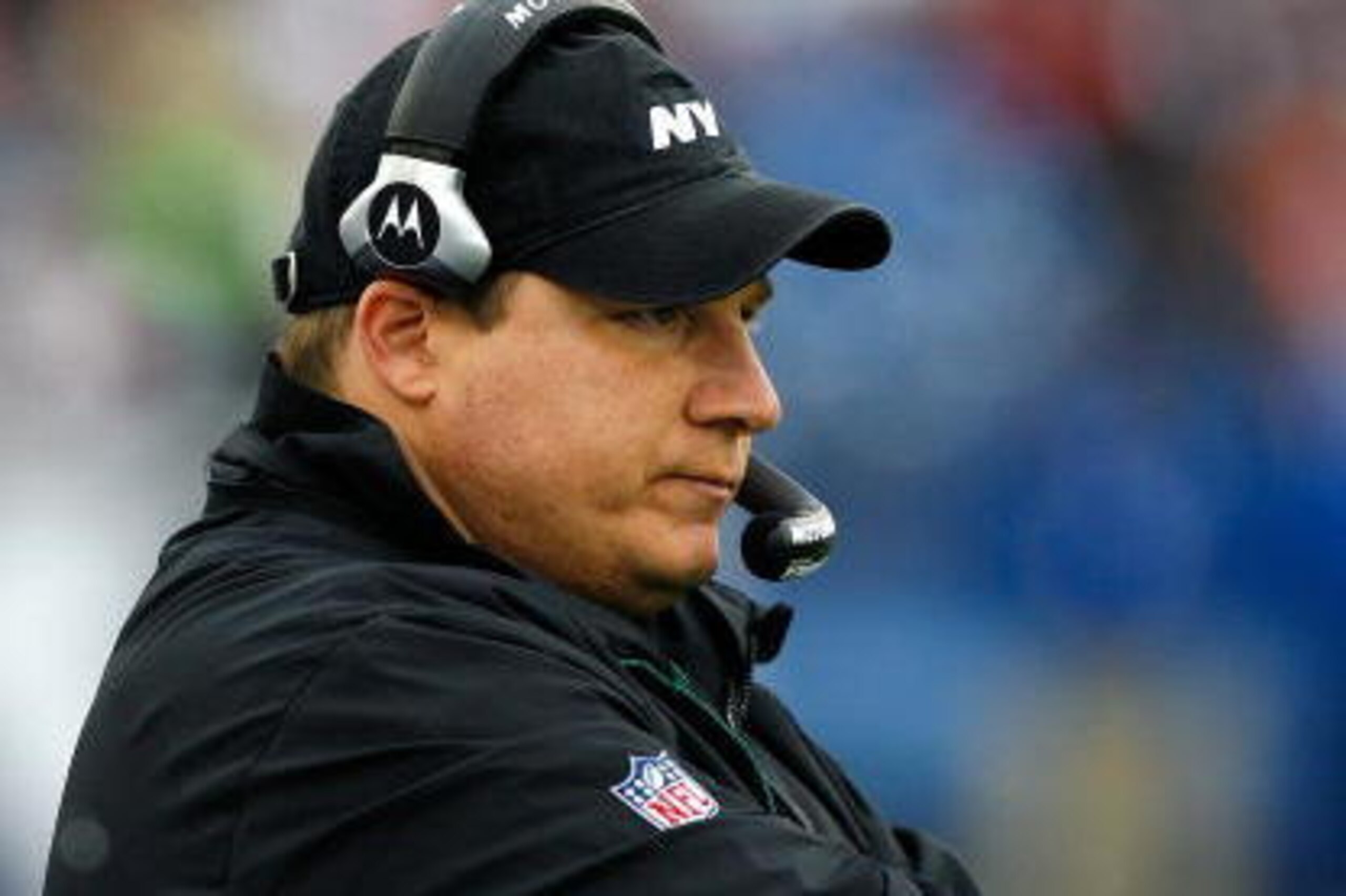
These players are expected to be professionals and go out there and give it everything they’ve got despite playing only for pride. However, in reality, this is easier said than done.
After all, how much of your body and your health are you willing to give when there’s nothing left to play for?
As many of you already know, there is always something to play for in the NFL.
Obviously there are dozens of guys on each roster looking for an opportunity to prove themselves so they can carve out not just a new role within the organization, but a fruitful career in the NFL.
For this reason, the teams mentioned may actually be more competitive if they opted to play some of the youngsters and fringe players fighting for a shot. As the saying goes, hard work beats talent when talent doesn’t work hard.
As for how to cope, perhaps one way is to take a step back and realize how blessed you are to be paid a king’s ransom to play a kids game. Stare at your bank account and remind yourself that everything you have today can be gone tomorrow.
Ryan Riddle is a former NFL player who writes for Bleacher Report
Follow him on Twitter