What Does Connor McDavid's Injury Reveal About Fighting in the NHL?
Connor McDavid is one of those rare prospects whom scouts praise as a franchise-defining player. Not since Sidney Crosby has a prospect been touted in the way that the Erie Otters’ centre has. Anything that impacts a skater of that calibre is obviously going to be big news in the hockey world. Fighting, meanwhile, is perhaps the most controversial issue in hockey today, with its place in the game heatedly debated by the camps on either side of the debate.
So it’s only to be expected that when McDavid breaks his hand in a fight against an opponent, it sparks all sorts of conversation. But as inevitable as the discussion is, it’s also a little silly.
TOP NEWS
Report: Devils Get Hellebuyck in Blockbuster Trade 🚨
NHL's Tallest Goalie EVER 😲

Offseason Moves Paying Off ‼️
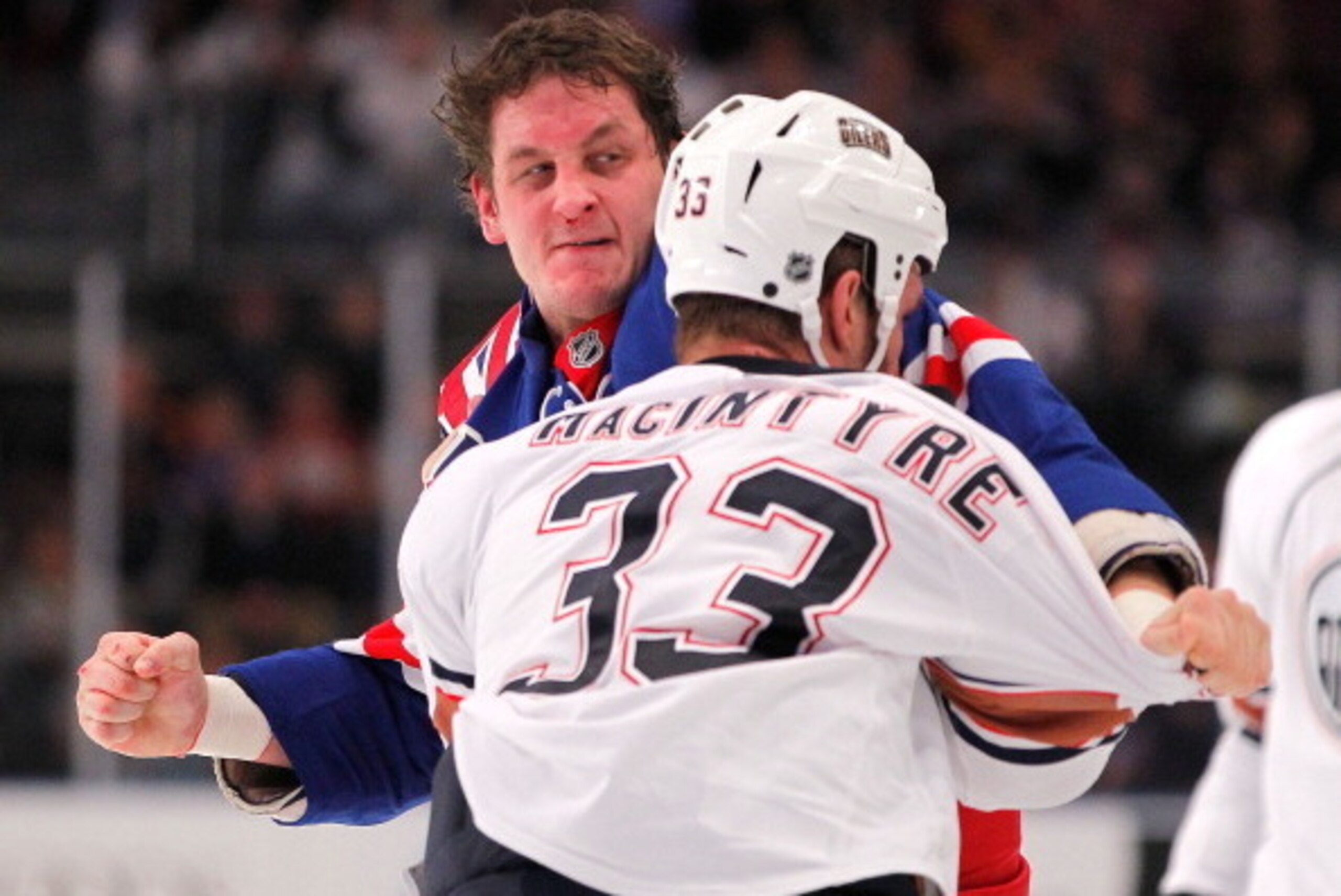
The issue of fighting in the NHL and more generally in hockey period is a mammoth one with so many different facets that keying in on a single incident, even one involving a player like McDavid, doesn’t make sense. For team owners, the people who will ultimately decide what happens to fighting, it probably doesn’t even rate a mention on the list of pros and cons that they need to balance, a list which includes items like:
- What purpose does fighting serve in the game? Does it protect players by creating an outlet for their emotions, or does it put them in more danger by feeding rather than defusing the anger and the tension? Does it prevent injuries through deterrence or increase injuries both through the actual act of fighting and the anger that a lopsided fight can spark?
- What are the long-term health ramifications for players who do fight? Are regular fighters being put at an increased risk of concussion or long-term brain damage?
- What are the ethical and legal issues involved in allowing fighting to continue? If it does create increased risk for the players who engage in it, are those players really assuming all that risk or are the teams and leagues that (at a minimum) condone fighting vulnerable to lawsuits? Morally, can teams really disavow all responsibility for putting a fighter’s long-term mental functions at risk, if they're at stake?
- What are the business implications of continuing to allow fighting? Do fans who support it outnumber fans who oppose it? Does fighting limit the ability of the league to market itself to families and new fans who aren’t used to seeing bare-knuckle fighting break out in the middle of the game?
Those are just a few of the issues involved. There are others, and the arguments for and against range from moral and ethical dilemmas to the tradition of the sport to the legal and financial spheres. It’s a massive, emotionally charged subject that produces a range of opinion.
Against all those other issues, the actions of a 17-year-old in a junior game in Ontario shouldn’t really rate. In a Wednesday interview with Edmonton radio station 630 CHED, Erie Otters general manager Sherry Bassin did a nice job of putting what went through McDavid’s head in perspective.
“We’re not robots,” he said, after explaining that the club would obviously prefer McDavid not fight. “[McDavid] said ‘Look it, I’ve had enough and I don’t need an enforcer to come here and look after me.’ That transpired in his brain within half a second, I’m sure, and not mechanically.”
In the heat of the moment, a potential superstar decided that the best thing he could do was react physically in the form of a fight. It happens all the time in rinks across the world; all that differentiated this particular bout from all the others was McDavid’s participation and the hand injury that resulted. These sorts of incidents do matter, but not in isolation; they matter in the aggregate. One moment shouldn’t really count for much in the grand scheme of things, regardless of how famous the player involved is.
That hasn’t stopped those on one side of the argument from lamenting the loss of a superstar to a pointless and barbaric exercise, or those on the other side from fondly recalling those halcyon days where every superstar had a pure enforcer on his wing to prevent precisely this sort of thing from happening. But those comments aren’t terribly relevant when considered against the broader implications of fighting in hockey.
Jonathan Willis covers the NHL for Bleacher Report. Follow him on Twitter for more of his work.