
Roger Federer Serves It Up Swiss Style
Not only did Pete Sampras fly in from the States to attend the Wimbledon men’s final on Sunday, but his game also made a rare appearance on Centre Court.
While it wasn’t classic serve and volley, it was instead exponential serve and serve as Roger Federer and Andy Roddick painted corners and cratered holes close to the service line, trying to blow each other off the court.
Never has there been a more impressive serving display on both sides of the net. Breaks of serve were as scarce as a proverbial hen’s teeth. Federer’s serve was broken twice and Roddick’s just once in the last break of the match.
TOP NEWS
.jpg?w=2560 "Saints Lions Football")
Rap: Lions, LaPorta End Contract Talks
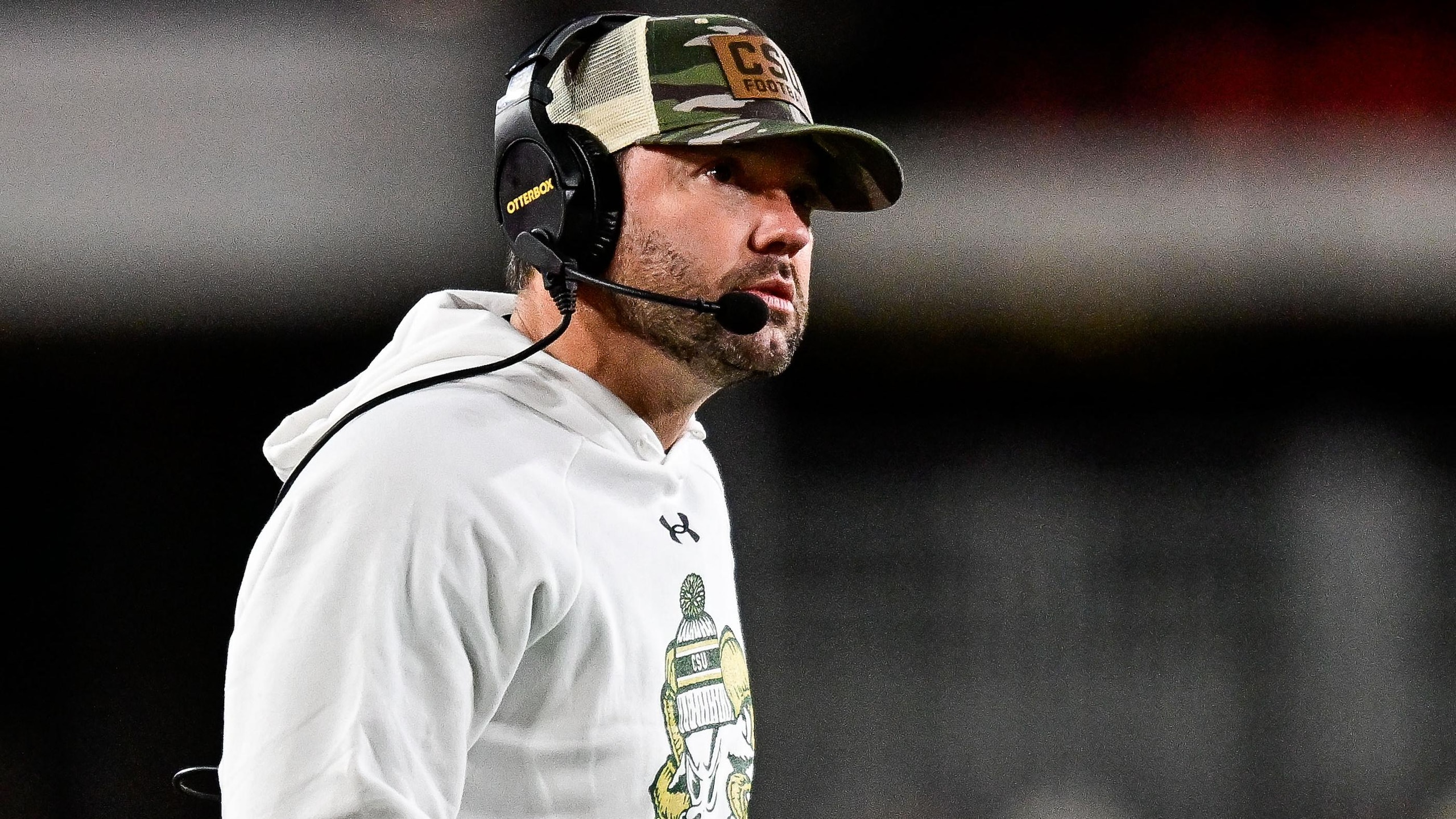
Colorado State DC gets fired mid-game during blowout loss
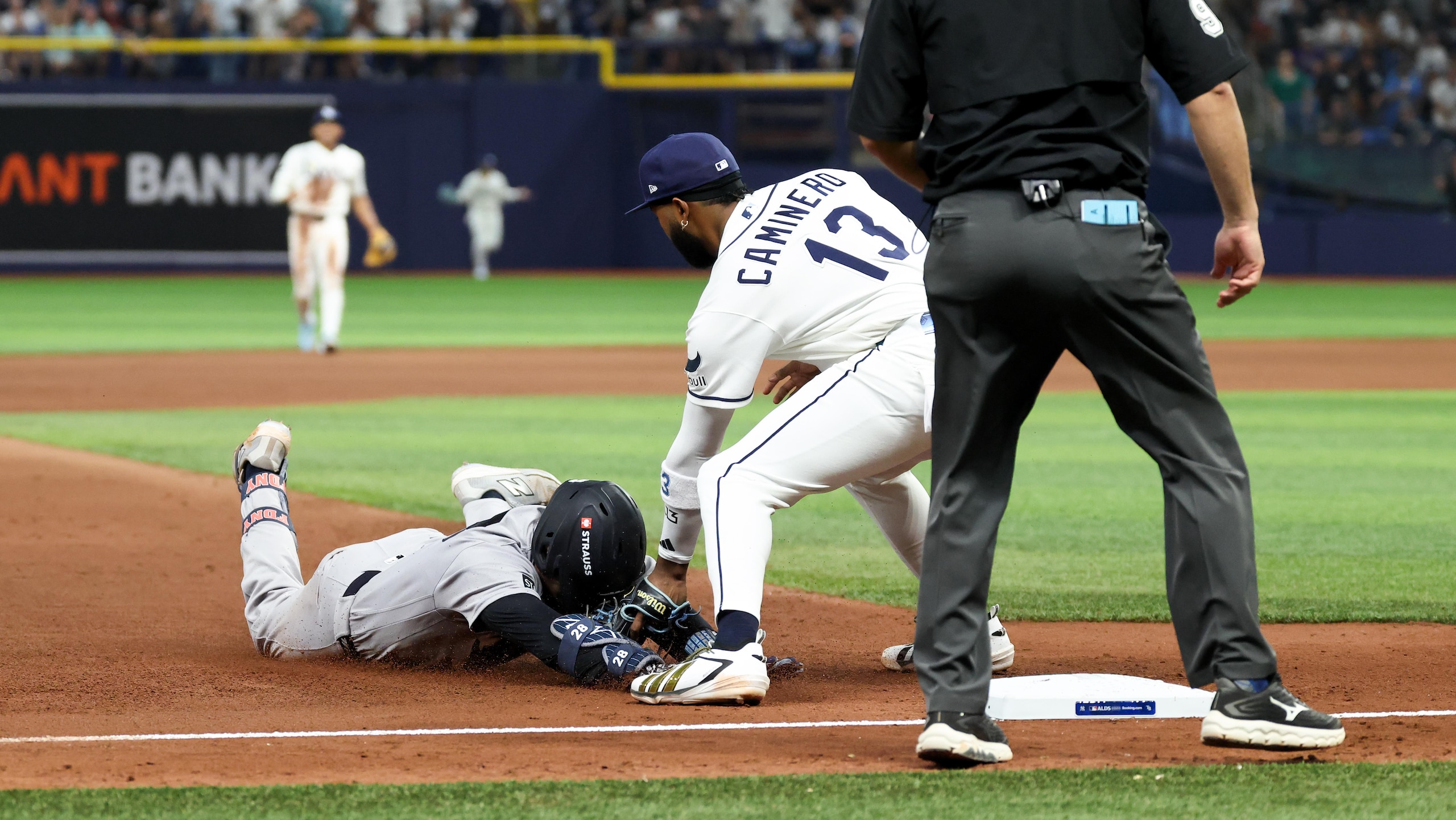
Aaron Boone Calls Out Yankees Catcher 🗣️
The action was intense and edgy as all assembled waited for Roddick to cave into the pressure. He never did. His steely-nerved performance was the most remarkable feat of the day’s action.
He never blinked, he never backed down, and he was never broken, except once. This was Roddick’s finest hour.
It took the greatest man in the history of the game to take down Roddick—during the most extensive match in the history of Grand Slam finals, lasting four hours and 16 minutes.
The fifth set was extended to 30 games. In total there were 77 games played—the previous record was 71 games at the 1927 Australian Open final
What defeated Roddick in the long run were two tie breaks in the second and third sets. Bad decisions and bad luck during these two tiebreaks cost Roddick the match.
In the first tiebreak Roddick was up, 6-2, and let four match points slip away. Then Federer served it out and stole the breaker, 8-6.
The third set was equally as tight, finally ending in another tiebreak. Federer shot out to a 4-1 lead and, even though Roddick fought back, the American never regained momentum and Federer secured the third set.
Roddick had taken the first set, 7-5, on a break of the Federer serve at 6-5. After the two tiebreaks, Federer led two sets to one, and most expected him to take it in four.
But Roddick broke Federer’s serve again and won the fourth set, 6-3. The Wimbledon final match would be decided for the third year in a row by a fifth set.
The fifth was a marathon. It built like a crescendo—one note higher and more piercing than the previous one. This mounting reverberation lasted until the game stood with Federer leading, 15-14, and Roddick serving.
On the second deuce during the 30th game, Roddick misplayed a forehand and gave Federer his first match point.
Finally on match point with a bad bounce reflex Roddick shanked a forehand and Federer won the match. Until that point Federer was 0-6 on break point conversions.
The match statistics tell the tale. Roger Federer served 50 aces in this match, just one short of the tournament record held by Ivo Karlovic with 51. Andy Roddick served 27 aces—just about half as many as Federer.
Roddick fired in the fastest serve at 143 mph while Federer’s fastest was 135 mph. On average Federer’s first serve was clocked at 118 mph and his second-serve average speed was 98 mph.
Roddick’s first serve, on the other hand, averaged 127 mph while his second serve came in at about 105 mph.
Federer won 223 total points while Roddick won 213. Federer had 107 winners in the match as compared to Roddick’s 74. They each fired in four double faults. Unforced errors for Federer numbered 38 while Roddick’s stood at 33.
It was a match of the highest quality with not much separating these two worthy opponents.
Federer won the match by serving well. His serve was a life preserver, keeping him afloat. Until the last game, he had been unable to break the Roddick serve.
Being able to hold his own serve was tantamount to victory because with patience and persistence, he believed he would eventually be rewarded. It was in the 30th game of the fifth set that he finally reaped the benefits.
By winning, Roger Federer became the holder of 15 grand slam victories—more than any other man. He is also the winner of his sixth Wimbledon Championship, only one shy of Pete Sampras who won at Wimbledon seven times.
Also on Sunday, Federer became the third man in 40 years to win the French Open and Wimbledon in the same year, joining Borg and Nadal.
It goes without saying that recapturing his No. 1 ranking is also a sweet reward, having lost it about a year ago.
Most of the press wrote Federer off after his seeming collapse in the fifth set against Nadal at the Australian Open. The tears of frustration and disappointment remained in the headlines for days, and yet the records just keep on rolling in.
As Federer gets ready again for hard-court season and the U.S. Open, where he will seek his sixth consecutive victory, the question remains—just how far will his domination extend, and how many more records will he set?
Stay tuned...
.jpg?w=2560 "Vikings Buccaneers Football")
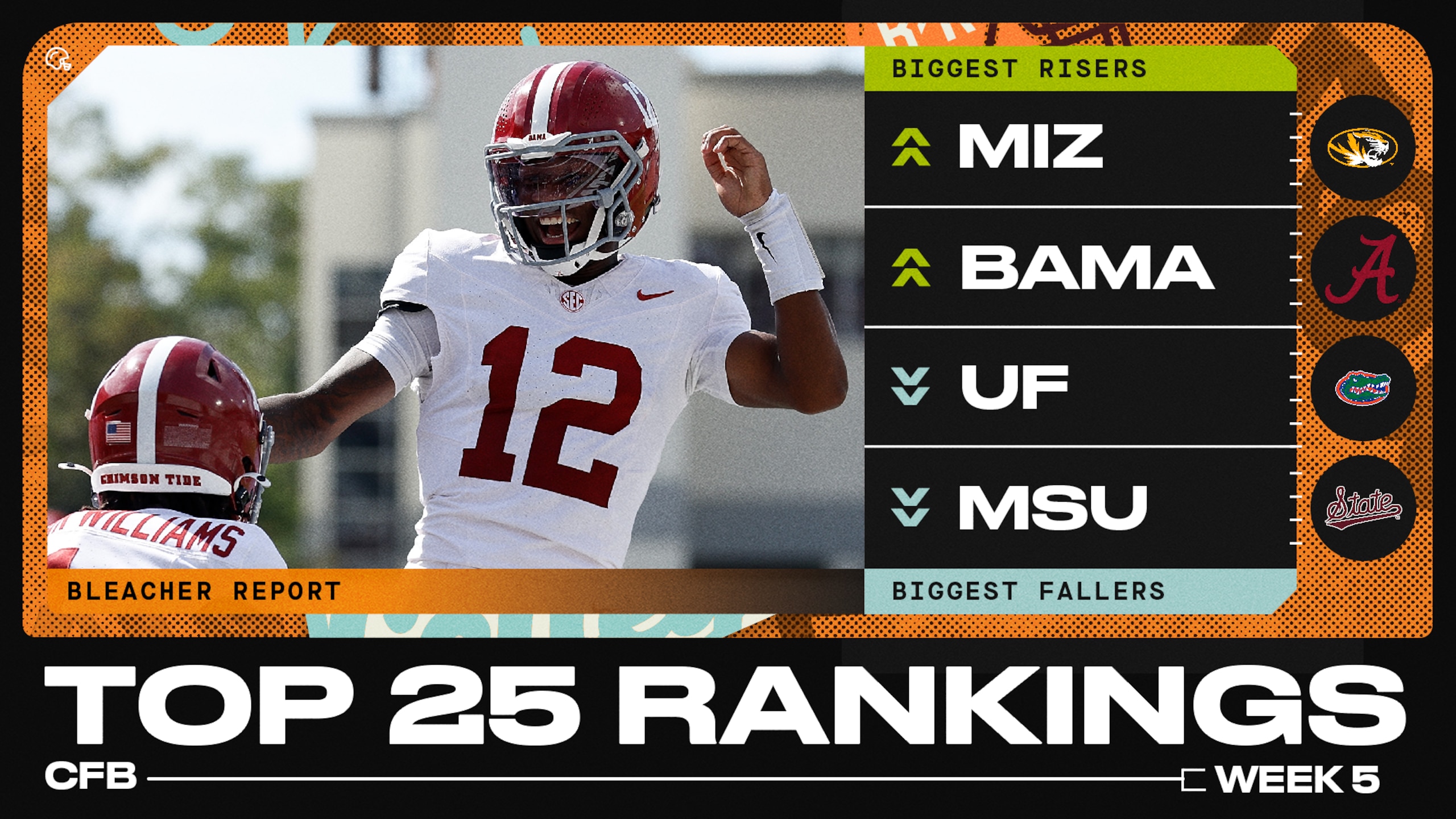
.jpg?w=2560 "EVERY Fantasy Football Update")
_0.png?w=2560 "Week 5 Winners & Losers 📊")

.jpg?w=2560 "Commanders May Change Logo 👀")