
Federer's Wedding Bells Drown Out Real Story: Why, Suddenly, Monte Carlo?
An Easter wedding. If this was anyone else, the news would be about as remarkable as exchanging gifts at Christmas.
But this is Roger Federer and long-standing consort Mirka Vavrinec, and it seemed to shock the world.
It was, of course, the conclusion of a singularly constant love-affair, a fairytale ending. Inseparable since their meeting—he just 18, she 21—it was always a matter of when, not if. And with the rather more unexpected announcement of Mirka’s pregnancy a month ago, a wedding was likely to be sooner rather than later.
In fact, the sensible money was always going to be placed on an Easter celebration. As soon as they knew they were to be parents before Christmas (surely), this very proper and private couple probably picked the most opportune date in the tennis schedule.
By dropping Monte Carlo from the calendar, Easter ticked all the boxes, including the romantic ones. It was before the birth. It allowed time for planning down to the last detail. And they could hold it in their home town.
So it’s reasonable to assume that the wheels were set in motion by the end of 2008, and that the mysterious exclusion of all but two clay tournaments in Federer’s spring months was to accommodate marriage and honeymoon.
So, the big story revolves around the announcement, just a day or so before, that Federer had decided to replace the honeymoon period with Monte Carlo. What made him change such important personal plans?
A lot of the blame must fall on his results in North America.
His early-season tournaments in the Middle East were, essentially, warm-ups to get his game back in the groove, test out coaching options, get himself into top condition. He said as much himself. His form blew hot and cold, but that was to be expected after an extensive injury lay-off.
Then the first plan was derailed at Melbourne, where he failed to pull off his own self-confessed target. Not only that, the loss clearly hit him both emotionally and physically. The resulting period of rest and recuperation forced him to withdraw from the Davis Cup and from Dubai—one of his favourite tournaments.
As the tour headed for the first Masters tournaments at Indian Wells and Miami, the media were rife with comments about Federer’s need to reassert his status as one of the game’s top players.
He, and we, were reminded, ad nauseam, that he had failed to lift a Masters trophy since August 2007. He was told he needed a coach or a sports psychologist. He was upbraided for being too stubborn. His choice of racket and even his single-handed backhand were criticized.
He, however, remained upbeat and positive, pragmatic both about Nadal’s current superiority and the threat from those below him.
And things began well. He deployed the old “Federer game” in spades, and seemed physically fit and strong. The media were temporarily appeased.
Then he threw a spanner in the works in that final set against Andy Murray at Indian Wells. In fact, he threw a second, bigger, spanner in for good measure in his final set against Novak Djokovic at Miami.
It was not so much the losses in both semifinals that had the hounds baying again. It was the nature of the losses.
Once upon a time, with opponents on the ropes, he would have dealt a knock-out blow, shaken hands and strolled on, smiling, to the next round.
At Indian Wells, his concentration wavered fatally when Murray fell, and it was never regained. Against Djokovic, he had a Dorian Gray transformation from classic, classy Federer into a flailing, downcast, angry version of his usual self.
Had he performed according to his own hopes and expectations, he may now be enjoying a week in some sun-kissed, distant hideaway.
But instead he seems to have decided that he needs to turn the hideous portrait to the wall and present his old face to the world. It’s hard to imagine, though, that Monte Carlo will serve up that elusive Masters trophy.
Despite a string of final match-ups with his nemesis, Rafael Nadal, on the beautiful Mediterranean courts, there has been little to suggest that this event will yield up any more success to Federer than it has in previous years.
He’s had little time to practise on clay—there has, after all, been a wedding to fit in. He is still plagued by rumours of coaches. And he’s still to be unequivocal about the full health of his back.
Looking at all these negatives together, his last-minute decision to play is nothing short of stunning.
Will it be anything more than further confirmation that he cannot beat Nadal?
Is it just a “loss leader,” getting his feet onto clay and with little interest in the ranking points? (He had, of course, forsaken those in his original decision to miss Monte Carlo.) Rome is around the corner, swiftly followed by Madrid, and he will desperately want one of those.
Is it a craving to drive out the demons that have taken up residence in the back his mind?
Whatever the motive, it’s brave. He’s been knocked off his horse in joust after joust, and is getting back into the saddle at the earliest opportunity, on the most slippery of surfaces, and with the world’s media at his back now more than ever.
That takes guts. And a very, very supportive wife.
Footnote: The really big question, of course, is how the Federers managed to keep their marriage so private. Considering the current media attention both on his tennis and on his private life in recent weeks, it is truly impressive that he was able to announce the news—after the wedding was over—on his own Web site.
TOP NEWS
.jpg?w=2560 "Election 2024 Julie Pace Column")
Tennis Player Gets 24-Year Ban for Match Fixing (AP)
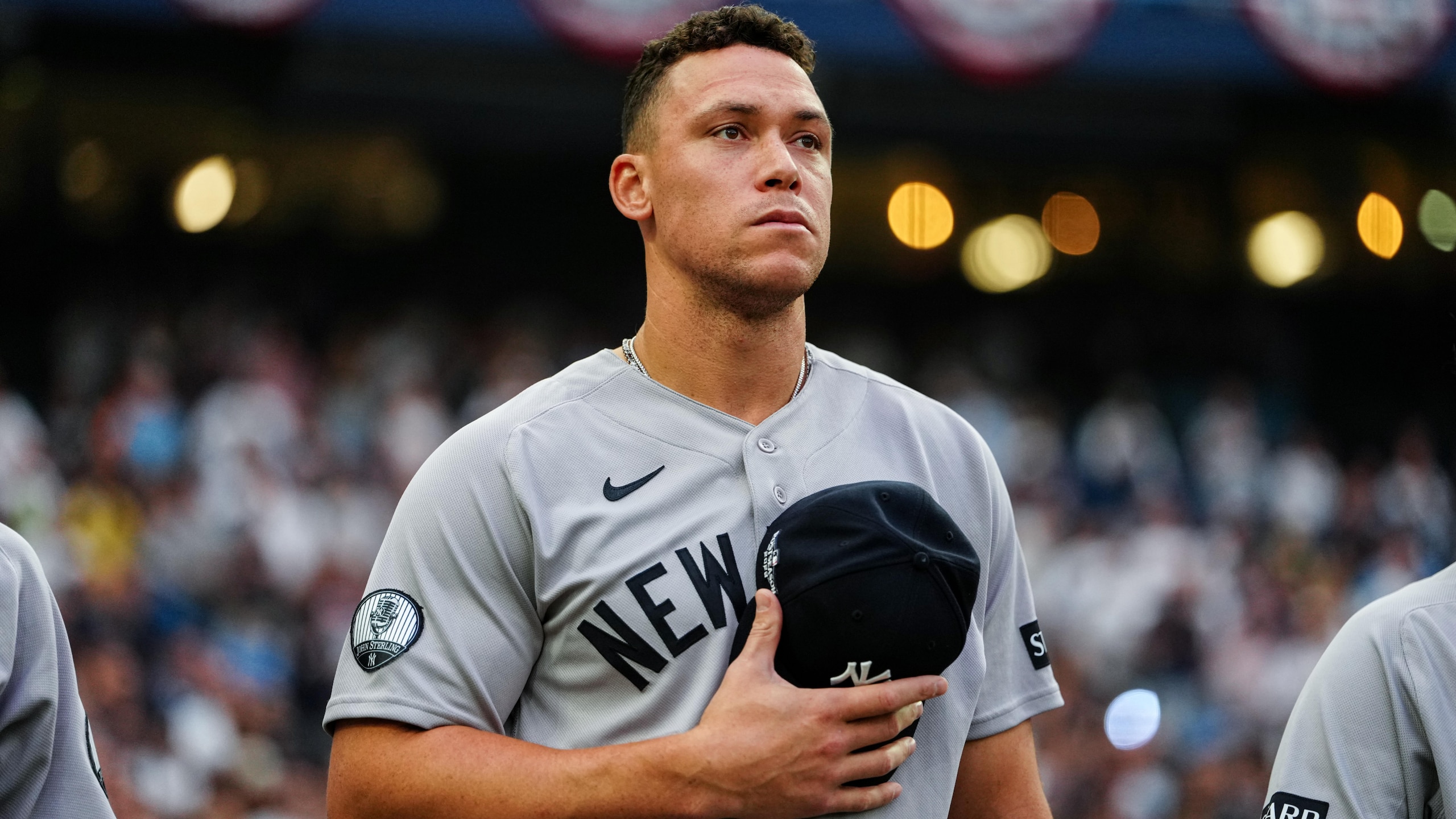
Yankees higher ups annoyed with Aaron Judge
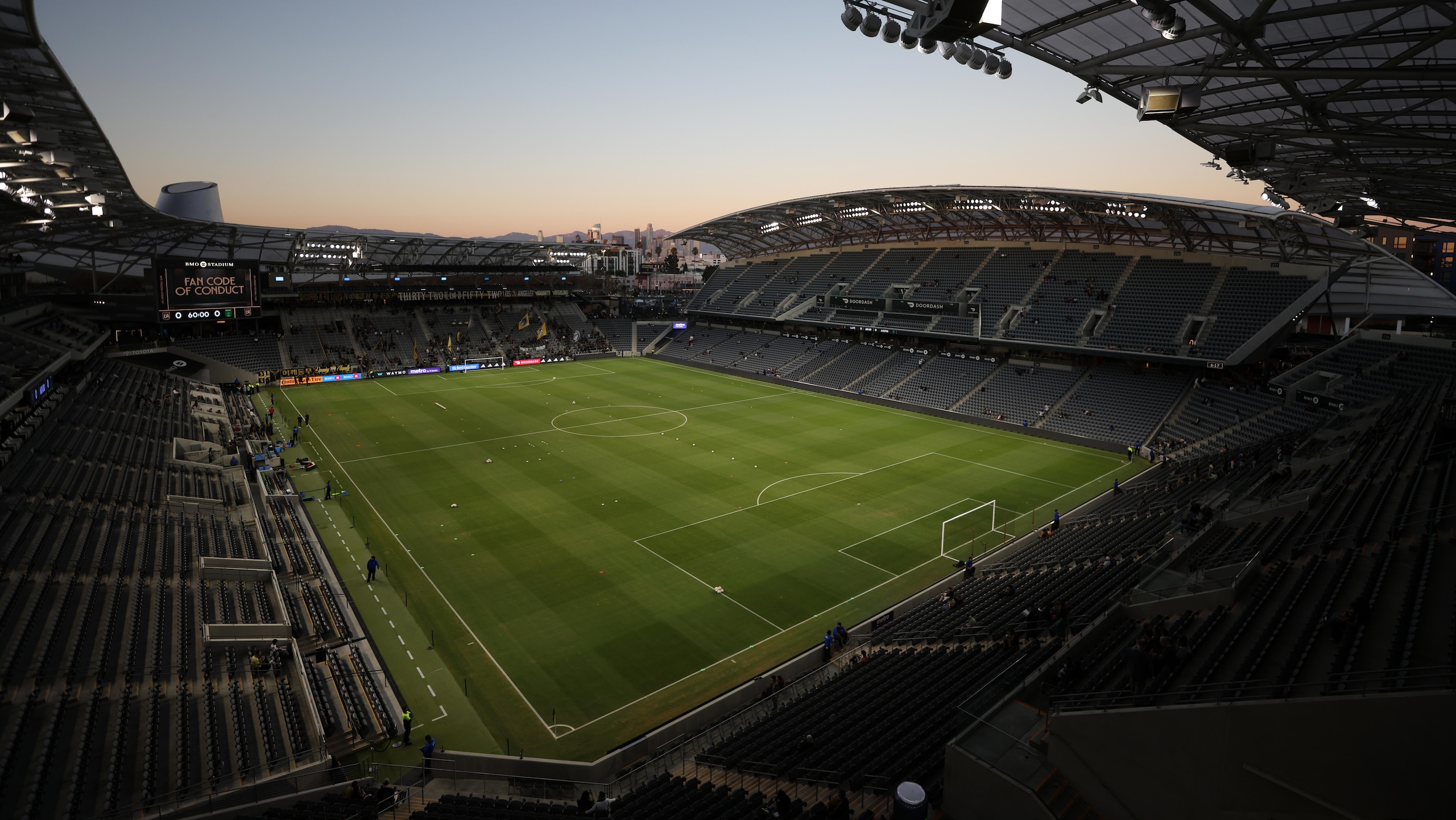
$55 Stadium Nachos in LA 🤨
The Federers have chosen their friends very wisely.
.png?w=2560 "Is Darnold Part of the Problem? 🤔")
.jpg?w=2560 "Bleacher Report's Expert NFL Picks 🔮")
