
Chaos Is Fun and More Takeaways from Divisional Round of 2023 MLB Postseason

Five Major League Baseball teams won at least 92 games this season, but after some narrative-driving chaos, the final four teams still standing were ones that won 84, 90, 90 and 90 games.
As we prepare for Houston-Texas in the ALCS and Arizona-Philadelphia in the NLCS, let's look back on some of the biggest takeaways from the upset-riddled ALDS/NLDS.
Most of the discourse has been about what should or shouldn't be shared from open media sessions in clubhouses and/or whether the current best-of-five format needs an overhaul to provide more of an advantage to the favorites. And we'll certainly touch on both of those subjects.
But it's also worth taking some time to marvel at Bruce Bochy's post-retirement run, reflect on the trade deadline's impact on the postseason and discuss a couple of other on-the-field trends and developments from the past week of action.
Best-of-5 Series Are Brutal...But What Else Is New?
1 of 8
There was an awful lot of chatter over the past week about whether the best-of-five ALDS/NLDS format is the best or fairest avenue to crowning a champion.
And to everyone fanning those flames, all I can say is: Welcome to the past three decades of Major League Baseball?
From 1995-2011—AKA the eight-team postseason era of baseball—the wild-card team won 18 out of the 34 best-of-five quarterfinals series, five of which went on to win the World Series. (In each of 1999, 2000, 2002, 2003 and 2004, both wild-card teams made it into the semifinals.)
Even after the field expanded to 10 teams in 2012—supposedly making the path harder for the "barely qualified" teams by forcing each league's two wild-card teams to face each other in a one-game playoff for the right to face the No. 1 seed—the winner of that initial do-or-die game went on to win the ALDS/NLDS nine out of 18 times.
When the field expanded to its current 12-team format for last season, many assumed that each league's No. 1 and No. 2 seeds would have a big advantage in this round, as the winners of the wild-card series would be forced to use their No. 3 or No. 4 starter on the road against the better team's ace in Game 1.
But these best-of-five series remain an absolute crapshoot, with the lower-seeded team taking three out of four this year after going two for four last October.
Such is life with small sample sizes where Mookie Betts and Freddie Freeman can go a combined 1-for-21, or where Nick Castellanos can single-handedly out-homer the team that tied the MLB record for home runs in a single season.
Well, OK, Best-of-5 Series Are Brutal for Everyone EXCEPT the Houston Astros
2 of 8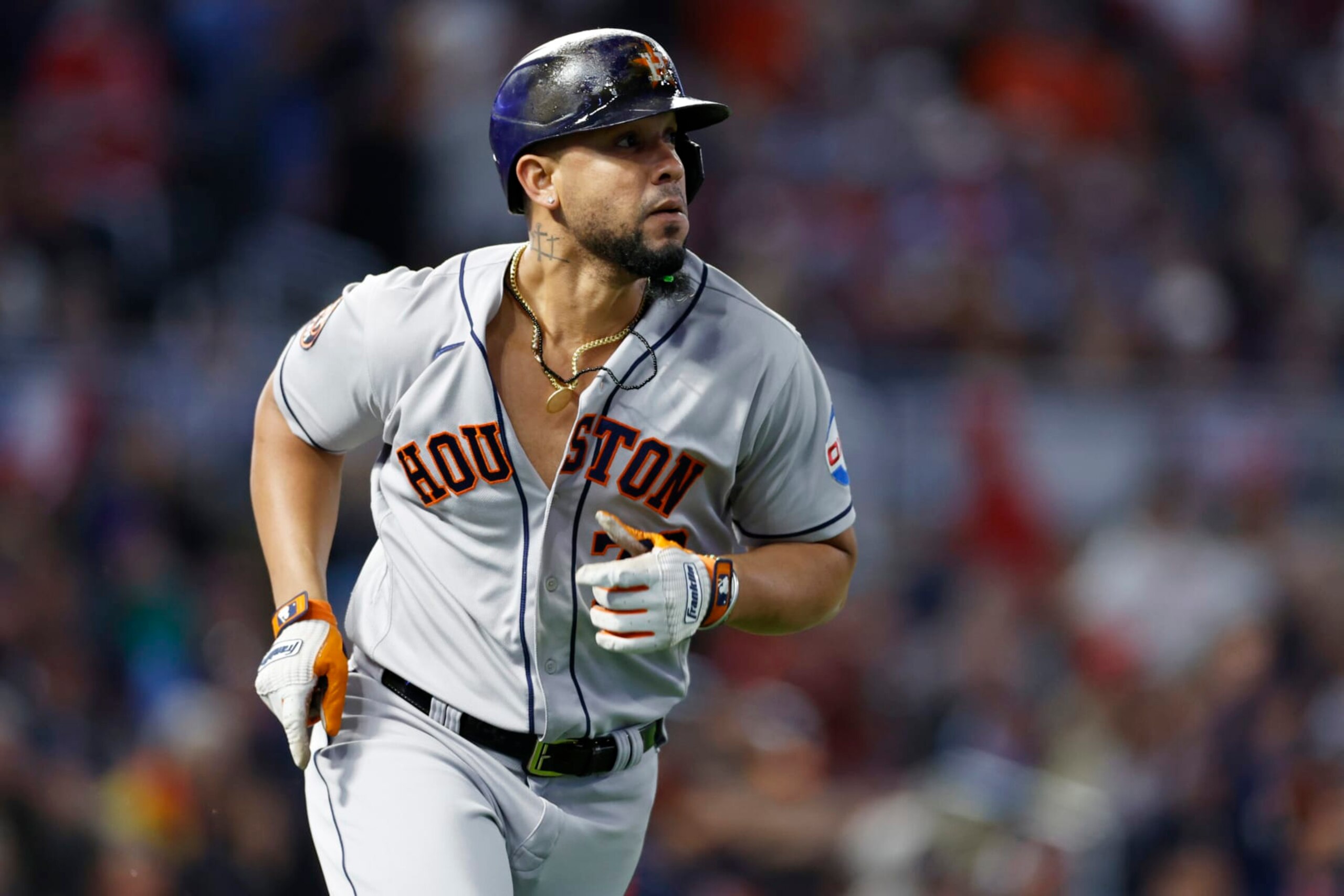
In the sea of seemingly total randomness that is Major League Baseball's division series round, the Houston Astros just continue to assert their dominance.
In advancing to now seven consecutive ALCS, the Astros have owned the ALDS, going a combined 21-6 with a +57 run differential.
At least Minnesota managed to make things a little bit interesting this year by winning Game 2 in Houston. In each of the previous six ALDS, Houston jumped out to a 2-0 series lead. The Astros had also gone 12-1 at home in those six ALDS, with the lone loss coming in Game 3 in 2020 when they blew a late lead after winning the first two games in Oakland.
But Minnesota's Game 2 win simply awoke a sleeping dragon.
Between Games 3 and 4, the Astros hit six home runs—three by José Abreu, who really turned his season around after we all raked him through the coals during his homerless 50-game start in Houston—while the pitching staff allowed just three total runs amid racking up 28 strikeouts.
'Atta Boy, Harper' Was Absurdly Overblown, but Also Exactly What Philadelphia Needed
3 of 8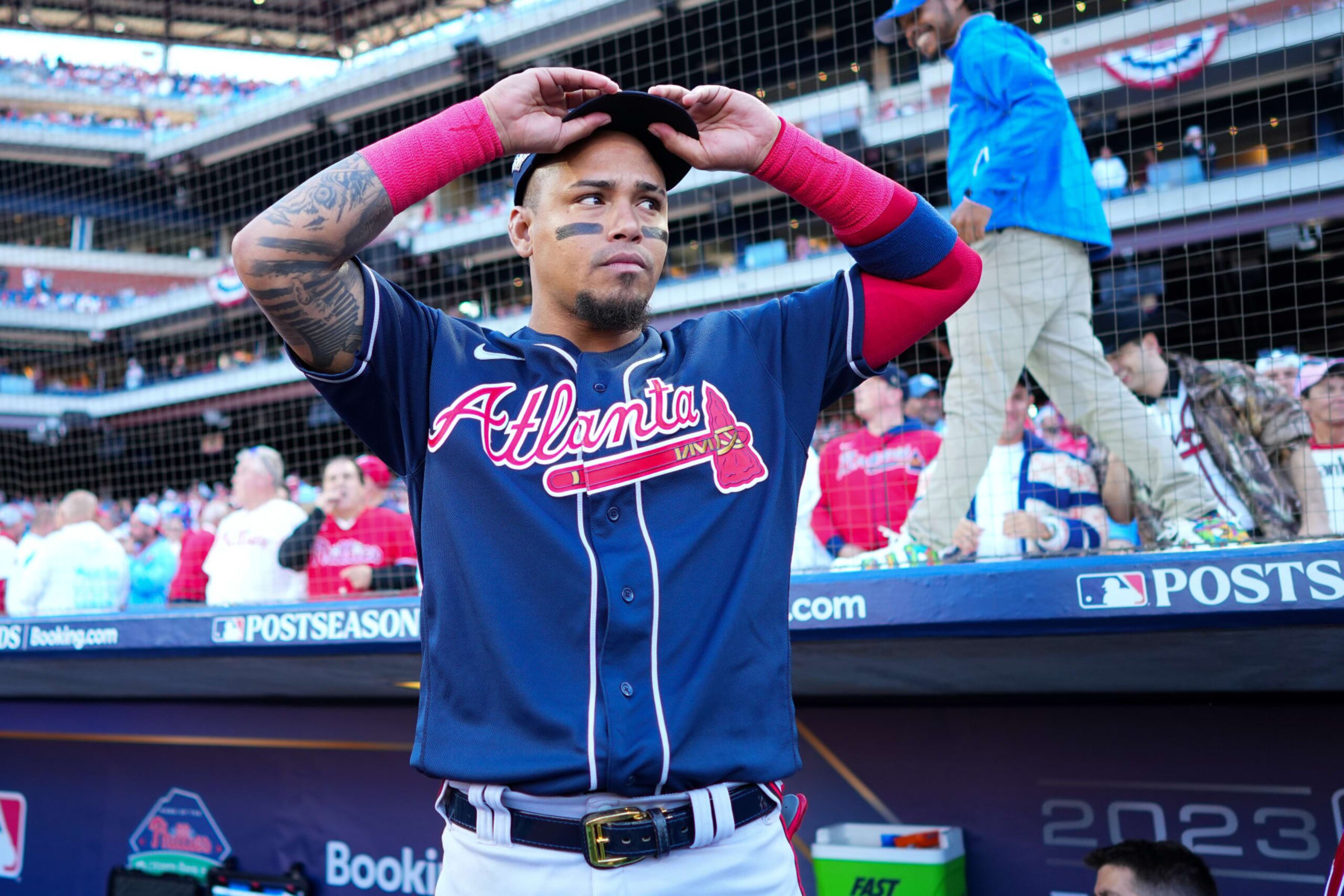
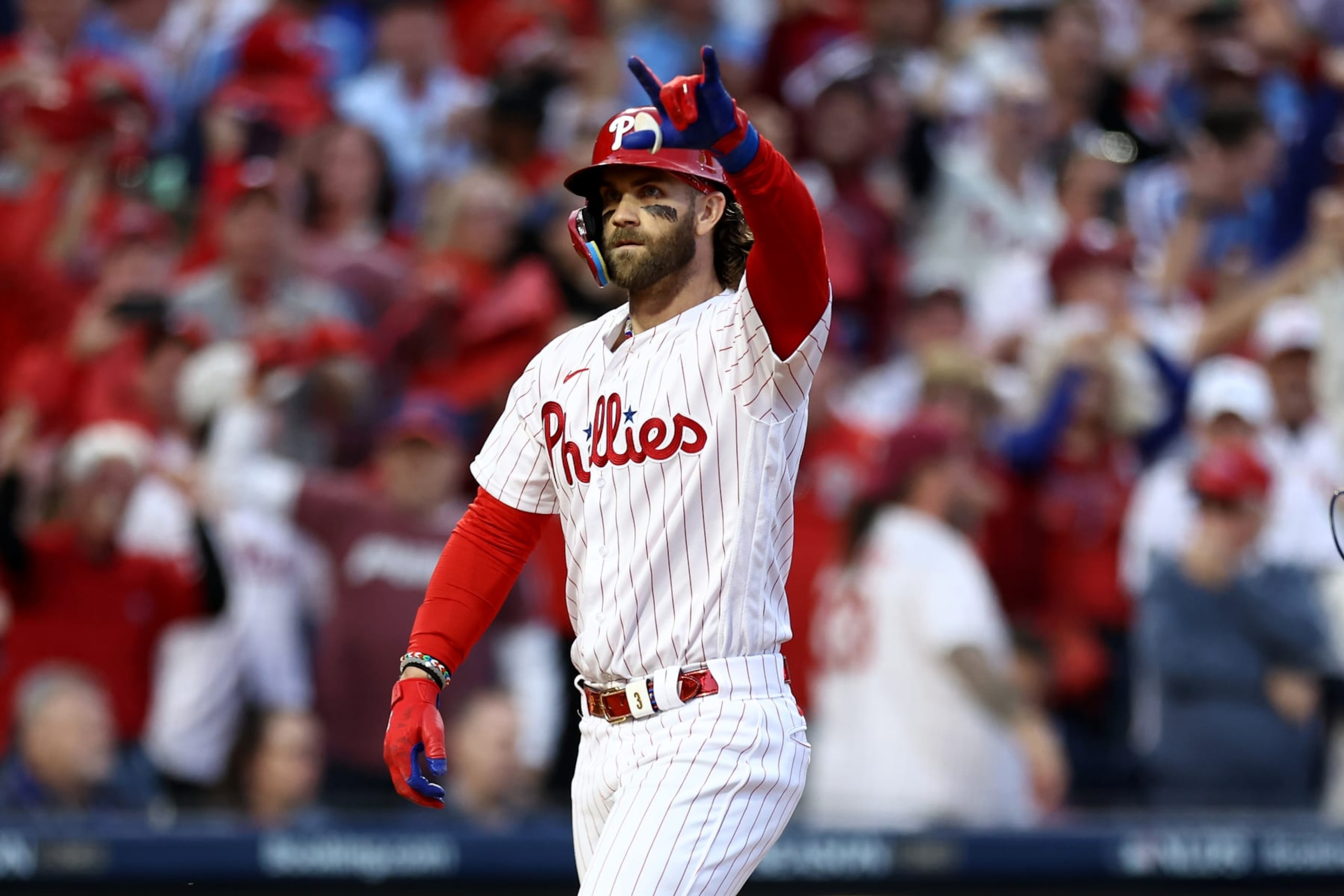
To recap, in case you somehow missed this weird drama in the Atlanta-Philadelphia NLDS: Game 2 ended with Atlanta's Michael Harris II making an incredible catch on the warning track in right-center and subsequently doubling off Bryce Harper at first base, who was planning to score the game-tying run if Harris couldn't track it down. In the clubhouse after the game, Atlanta shortstop Orlando Arcia was reportedly repeatedly saying "Atta boy, Harper."
And for some reason, that turned into a whole big thing, and gave Philadelphia back all of the momentum that Atlanta had generated from that come-from-behind victory.
Many people—Braves players, Braves fans, pompous journalists with apparently no better ax to grind, etc.—were upset that the general public was able to find out about what Arcia said in a clubhouse filled with reporters and cameras and recorders.
Once that bit of trash talk—if it can even be called trash talk—got out, Harper evidently used it as motivation, mashing two home runs in Game 3 before staring down Arcia as he rounded second base during each leisurely trot around the bases.
Why in the world a two-time NL MVP needed something as innocuous as a sarcastic "Atta boy" to fire him up, we'll never know.
But so often, championship runs are fueled by the most random little things, aren't they?
Rally monkeys and rally squirrels.
Baby Shark walk-up music.
Heck, the ALCS-bound Rangers apparently turned a corner because of Creed.
Why not an "Atta Boy, Harper" rallying cry en route to a title?
(Though, if this all culminates in Scott Stapp diving deep into his "Marlins Will Soar" repertoire for some sort of "Atta Boy, Harper" ballad during a Phillies-Rangers World Series, God help us all.)


The Pitch Clock Is Still Working Well
4 of 8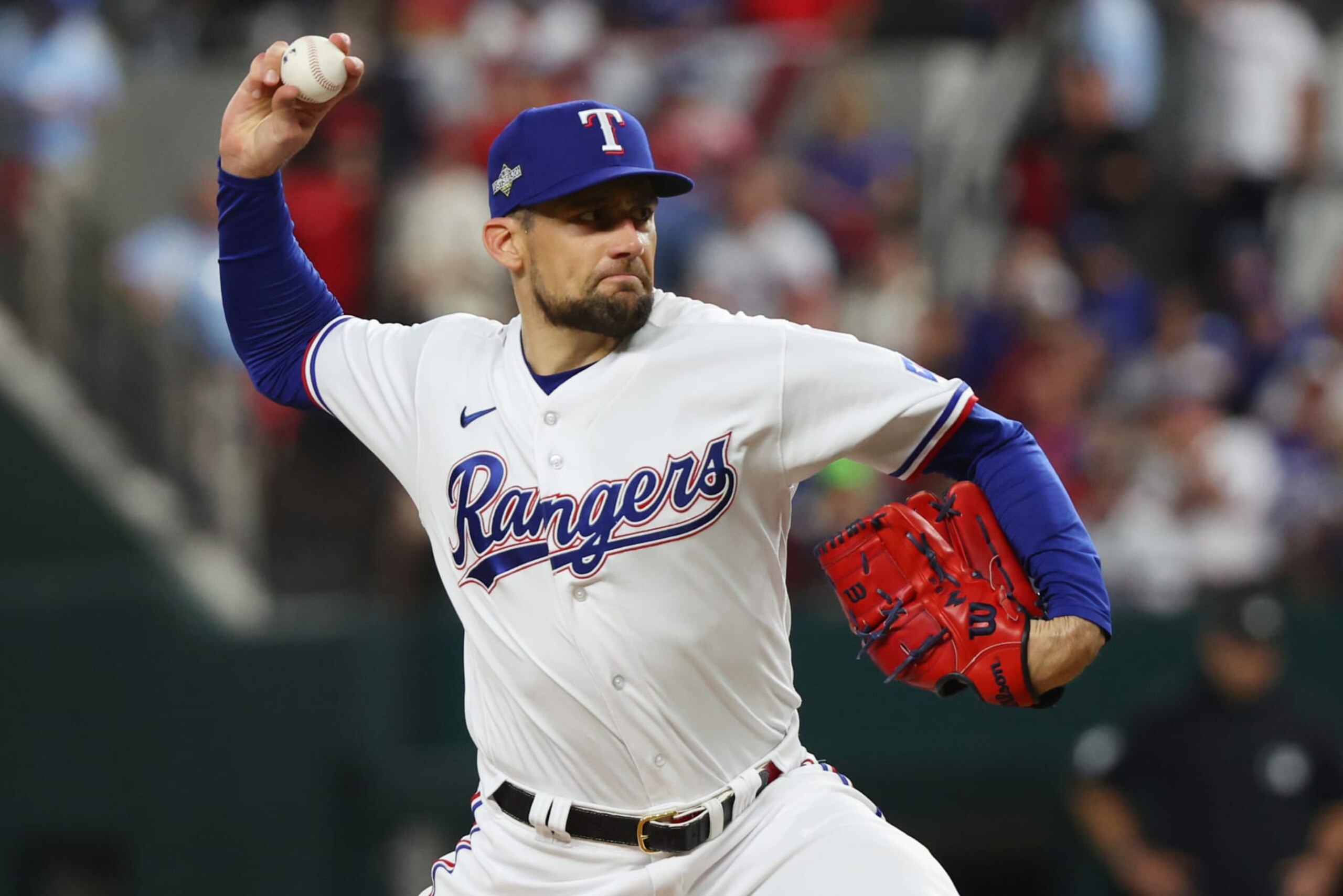
Stolen bases weren't as prevalent during the ALDS/NLDS round as they were during the regular season with the newer, bigger bases and pitcher disengagement limits. In total, there were 15 bases stolen in 14 games. By comparison, there were 16 stolen bases in 16 ALDS/NLDS games last year, and the rate of stolen bases per game (1.07) was down considerably from the regular-season average of 1.44.
It's probably just a sample-size oddity. Maybe there weren't as many opportunities for stolen bases. Or perhaps teams (aside from the Phillies) are simply a little more reluctant to run the risk of stealing bases in the postseason. We'll keep a closer eye on this trend in the ALCS/NLCS round.
But the pitch clock that was added before this season?
We definitely know that's still having a major, positive impact on the pace of play.
In last year's ALDS/NLDS round, the average length of the 16 games was 3 hours and 36 minutes. Even if you take out the 18-inning, more-than-six-hour marathon that was Game 3 between Houston and Seattle, the average length was still a little over 3 hours and 25 minutes.
Conversely, the 14 games played over the past week took an average of 3 hours and 5.7 minutes to complete.
The only game that lasted at least 3 hours and 20 minutes was Game 2 between Texas and Baltimore, and that was an anomaly featuring 19 runs, 13 walks and five mid-inning pitching changes.
Coincidentally, I was at that game and it did feel like an eternity compared to the brisk pace of play we've enjoyed all season long. Still, it only lasted 3 hours and 45 minutes, which would have been standard fare one year ago.
Of note, there were just two pitch-clock violations in the ALDS/NLDS, neither of which resulted in an automatic walk or strikeout. Anyone who was panicking back in March that the World Series might end on a violation can relax.
If You Ain't Homering, You Probably Ain't Winning
5 of 8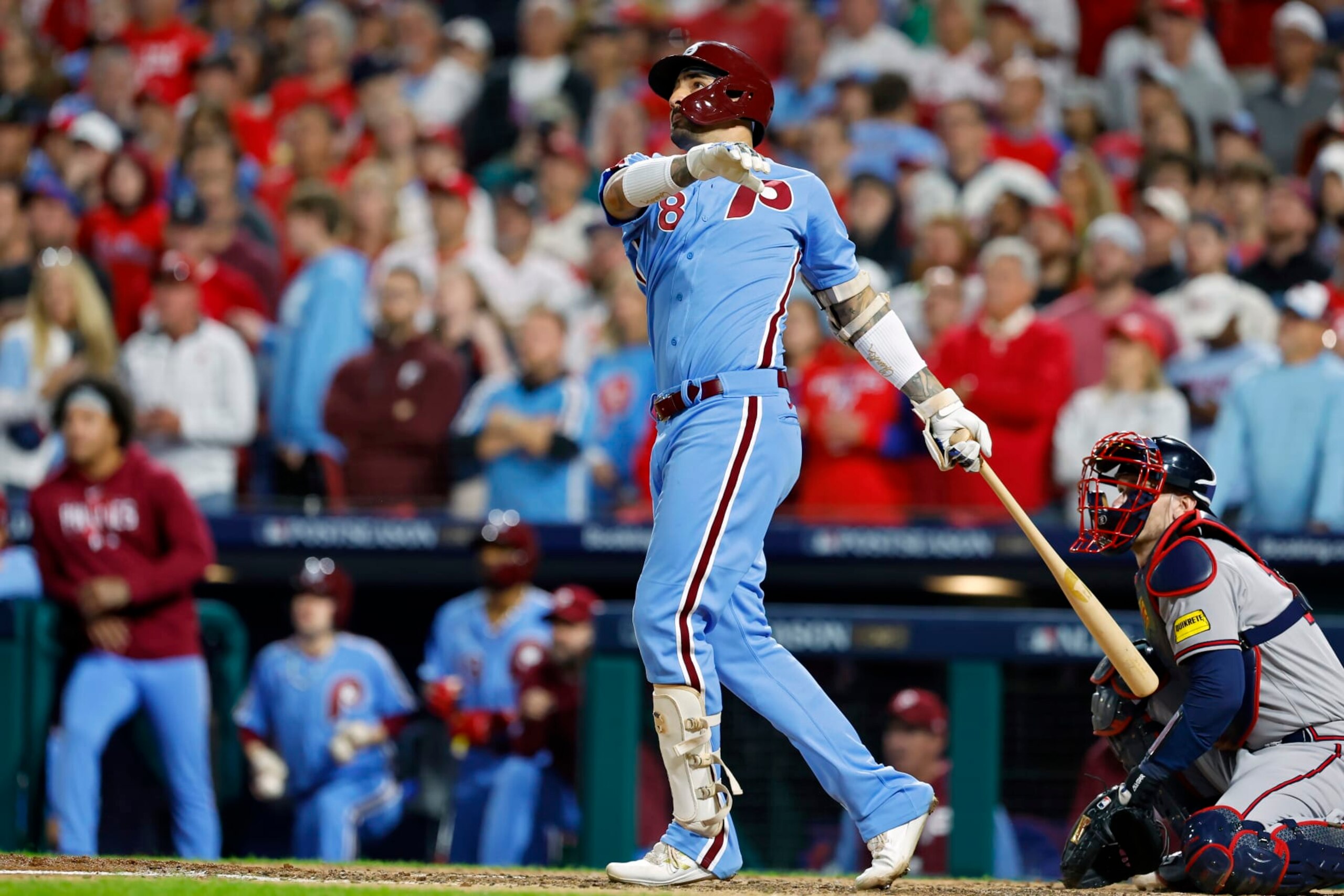
Here's some earth-shattering news from the past 14 games of playoff baseball: It's a lot easier to win when you're hitting home runs.
In total, there were 47 home runs hit in the division series round (3.4 per game).
Of the 118 runs scored, 70 were driven in on home runs (59.3 percent).
The only game that didn't feature multiple home runs was Game 1 between Atlanta and Philadelphia, in which Bryce Harper's laser of a solo shot was the only dinger in the lowest scoring game (three total runs) of the division series round.
Moreover, the only instance of one team winning the home run battle but failing to win the game was Game 2 between Texas and Baltimore, in which the Rangers had 11 runs from 11 hits and 11 walks while clubbing just one home run (a Mitch Garver grand slam) to the Orioles' two.
But here's the bizarre part of this home run banter.
During the regular season, Atlanta (307) hit 87 more home runs than Philadelphia (220) while Los Angeles (249) finished 83 home runs ahead of Arizona (166). That's a combined margin of +170, or darn near one per calendar day over the course of six months.
In the NLDS, however, the Diamondbacks hit nine home runs—including four in one inning!—to the Dodgers' lone solo homer by J.D. Martinez, and the Phillies crushed 11 round-trippers while the Braves managed just three.
Everyone knows you've got to hit home runs to win in October, and the NL's co-favorites were certainly built to be able to out-slug any foe that came their way. But they stunningly lost the home run battle by a combined margin of 20-4.
Bruce Bochy Still Has Plenty of October Magic Up His Sleeve
6 of 8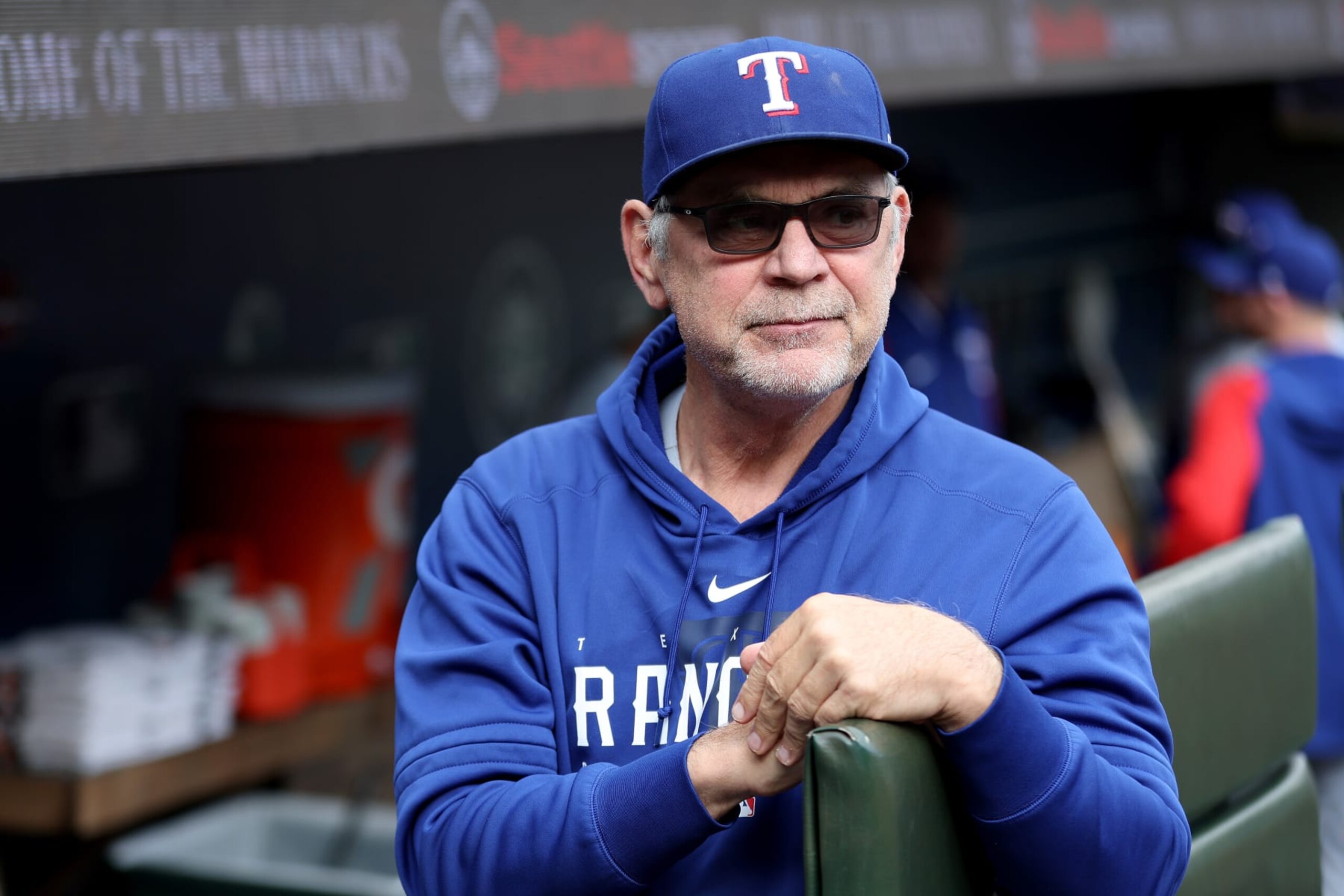
When the Chicago White Sox brought three-time World Series-winning manager Tony La Russa out of retirement in 2021 to take over a team that was ready to finally emerge from a lengthy rebuild, the result was less than great. They did win the division in his first season, but they were immediately smoked by Houston in the ALDS before completely imploding in 2022.
Undeterred by that development, the Texas Rangers brought three-time World Series-winning manager Bruce Bochy out of retirement to put the finishing touches on their six-year, very-expensive rebuild.
And, well, so far, so good.
Texas collapsed for a few weeks beginning in mid-August and ended up losing the AL West on the final day of the regular season on a tiebreaker with Houston. But Bochy and the Rangers have rallied to win each of their first five postseason games.
Dating back to his days with the San Francisco Giants, Bochy has now won 13 of his last 14 postseason series, going a combined 41-17 (.707 winning percentage) in those 58 games.
Is Bochy the reason rookies Evan Carter and Josh Jung have gone a combined 14-for-34 with six home runs and 28 RBI?
Why Jordan Montgomery and Nathan Eovaldi have combined to toss three gems?
Or why what had been a problematic bullpen all season long has suddenly turned into Fort Knox when protecting a lead?
To some extent, yes, absolutely.
The manager with more playoff experience doesn't always win the series—see: Torey Lovullo's Diamondbacks sweeping Dave Roberts' Dodgers, or Philadelphia's entire 2022 run with an interim, first-year manager at the helm—but sometimes it does matter in a big way. And Bochy seems to know what words to say and what buttons to push when October rolls around.
The Trade Deadline Ended Up Making a Big Difference in the ALDS
7 of 8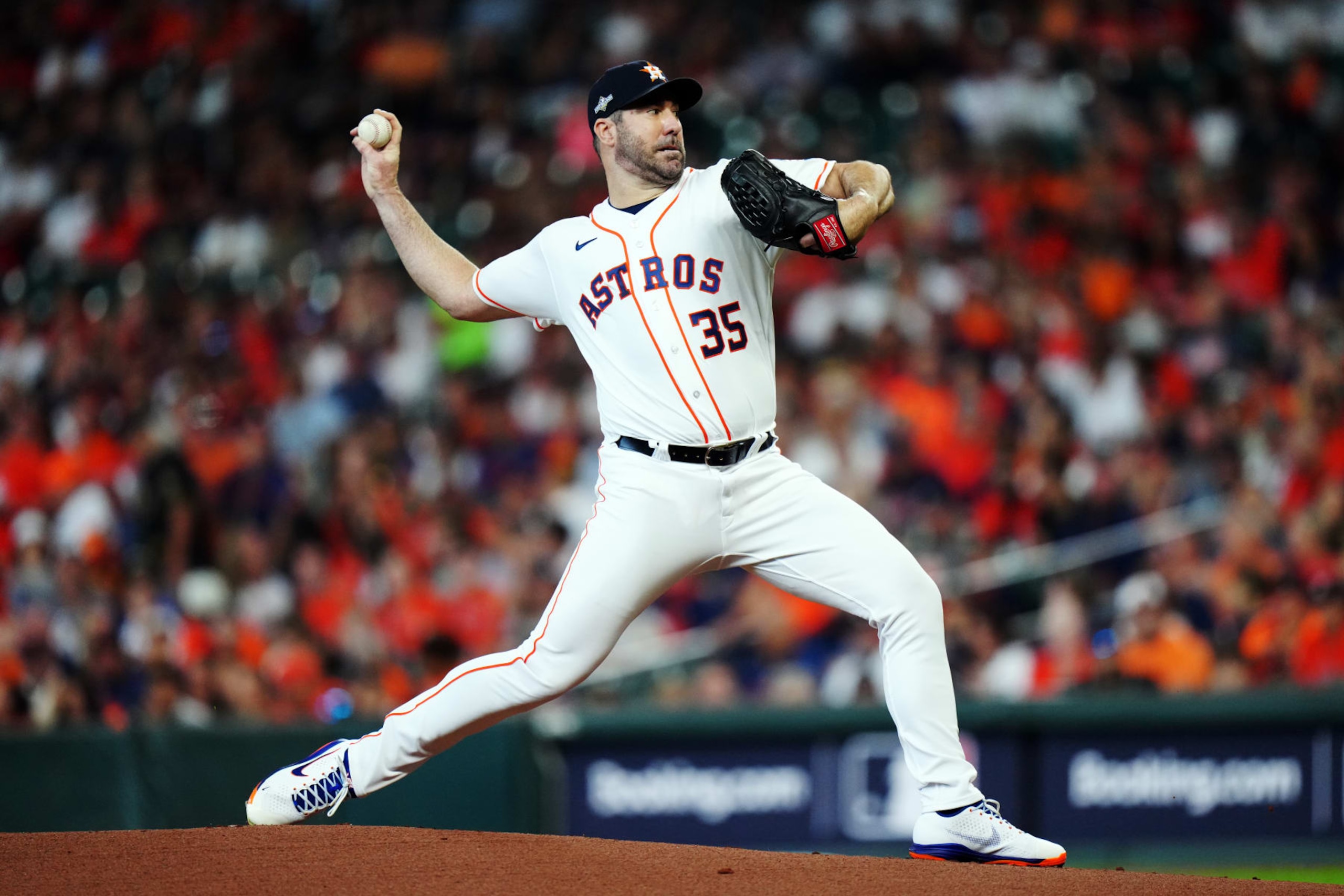
If you'll recall, both Baltimore and Minnesota did very little at the trade deadline.
The Twins merely made one swap of middle relievers with Miami (Dylan Floro for Jorge López), while the Orioles made the seemingly last-possible-second decision to send three minor leaguers to the Cardinals in exchange for Jack Flaherty—a two-month rental of a pitcher who had a 4.43 ERA at the time and only got worse from there.
Floro was designated for assignment in late September; Flaherty walked three and allowed two hits in two innings of mop-up work in Game 2 against Texas.
But Houston and Texas were rewarded for their more aggressive approaches.
The Astros traded away by far their top prospect (Drew Gilbert) as well as Ryan Clifford to have a reunion with Justin Verlander, who gave them six scoreless innings of work in Game 1 against the Twins. (They also traded Korey Lee for Kendall Graveman, but that veteran reliever missed the ALDS with shoulder discomfort.)
And the Rangers went all-in, trading away six prospects for Aroldis Chapman, Max Scherzer, Jordan Montgomery and Chris Stratton. Scherzer missed the ALDS with his teres major strain—He might be back for the ALCS, though?—but Montgomery pitched just well enough for Texas to get the win in Game 2 against the Orioles while Chapman provided shaky-but-scoreless work in both Games 1 and 3.
Even in the Arizona-Los Angeles NLDS, the impact of the trade deadline was self-evident.
The Dodgers were the marginally more aggressive buyer two months ago, but it was Tommy Pham delivering six hits and Paul Sewald saving two games for the Diamondbacks while LA's biggest acquisition, Lance Lynn, was the one serving up all four of the home runs in Arizona's historic inning of Game 3.
The Rest vs. Rust Debate
8 of 8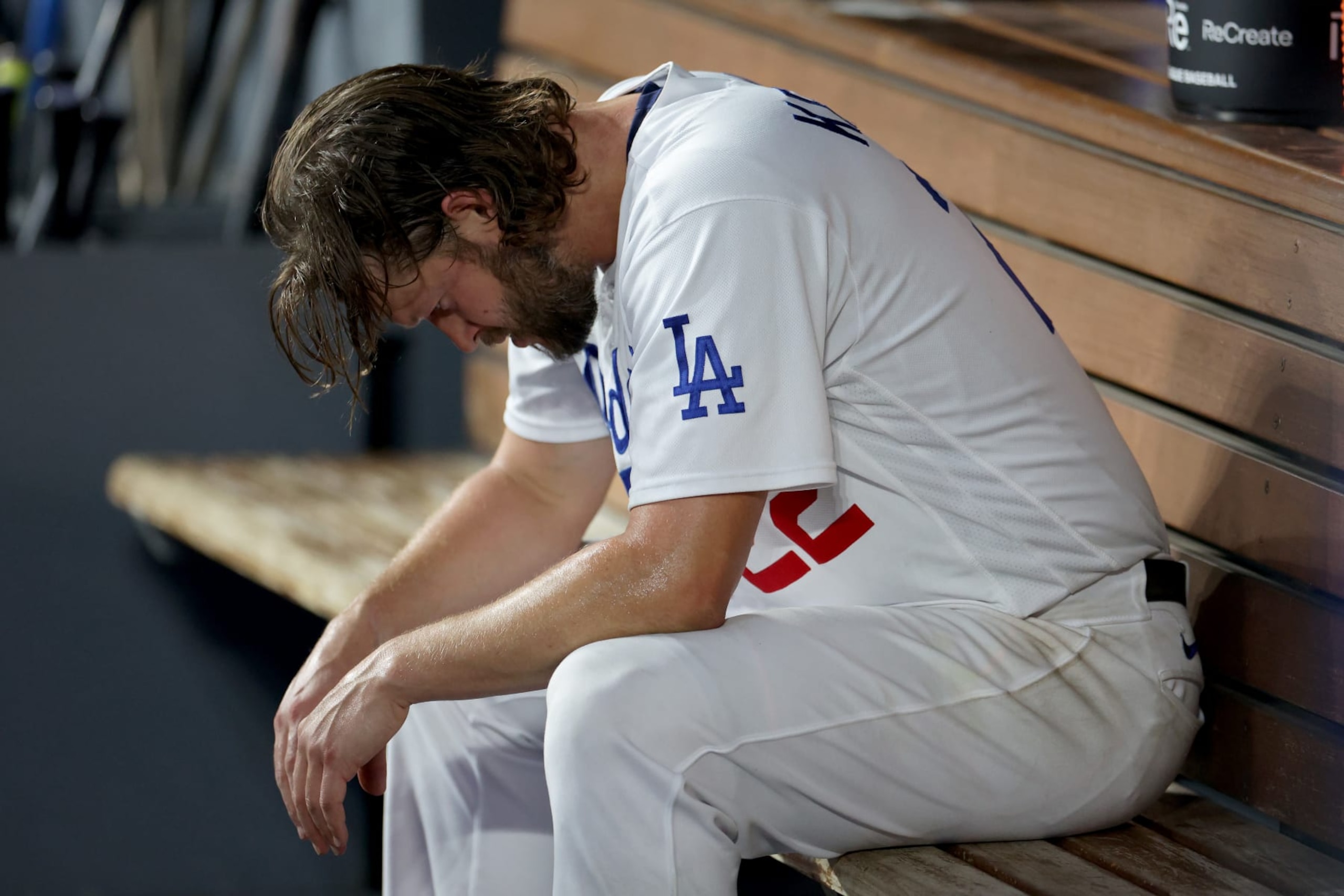
In each of the past two years, Atlanta finished 14 games ahead of Philadelphia in the NL East standings, earning a first-round bye before losing to their division rival in the NLDS.
Likewise, Los Angeles finished 16 games ahead of Arizona this year and 22 games ahead of San Diego last year, but the Dodgers were immediately eliminated by those familiar foes after receiving a bye to the NLDS.
So, is kicking ass for six months en route to 100+ wins and a first-round bye actually an advantage or a disadvantage?
For the 30 years (1990-91 through 2019-20) that the NFL had the 12-team postseason bracket, rest was definitely an advantage. Of the 120 teams to earn either a No. 1 or No. 2 seed and the bye that came with it, 89 (74.2 percent) won their postseason opener in the divisional round. Eight times, all four ones and twos advanced, and only once (2008-09) did at least three of the teams with a bye immediately get eliminated.
But football is substantially less random than baseball, as well as drastically more physical. Even if NFL players do acquire some rust by sitting out a week, it's more than counter-balanced by getting the extra week to heal from the season-long grind.
Baseball is much more about getting into and staying in a rhythm, so there's certainly some merit to the theory that players—not all, but a significant percentage of them—are negatively impacted by the routine-destroying nature of a first-round bye.
We only have two years' worth of data, though. And it's a small sample size of what is already small sample-size data. Even if a best-of-five series goes the distance, it's still proportionately the rough equivalent of one half of one football game. (5 is to 162 almost as 0.5 is to 17.)
But if you're trying to argue that you're better off not getting the first-round bye, that's a clown stance, bro.
While it's true that only 3-of-8 (37.5 percent) teams that earned a first-round bye between 2022 and 2023 made it past the ALDS/NLDS, 50 percent of teams that earn a No. 3-6 seed get eliminated in the first coin flip known as the wild-card round.
Even though it hasn't worked out too well for the favorites in the first two years of this brave new playoff format, I'll always take the first-round bye over hoping to build momentum and avoid rust by first surviving a best-of-three crapshoot.

.jpg?w=2560 "Malik Beasley Negotiating Plea Deal (AP)")


.jpg?w=2560 "Aikman Blasts Cowboys WR 🫣")

.jpg?w=2560 "Jonathan Taylor Landing Spots")