
After several weeks of fun that all started when the Islanders acquired Bo Horvat on Jan. 30, the 2023 NHL trade deadline is officially behind us.
The final day was almost as slow as anticipated until John Klingberg going to the Minnesota Wild and Troy Stecher to the Calgary Flames hit at the 3 p.m. ET buzzer. But even if those bigger names never happened and Friday was a complete salary-cap-compliant snoozefest, this still would've been the most eventful NHL trade period in recent memory.
Multiple franchise cornerstones were moved, players who have been floating around the rumor mill for years were finally freed, and a boatload of salary was retained through it all.
Now that it's all over, let's reflect on some of the biggest takeaways from all the trades that did—and didn't—happen.
A Fun NHL Trade Deadline? In This Economy?
1 of 6
Maybe the biggest blockbusters were already completed earlier in the week. So what? If anything, the weeks of suspense and waking up every day wondering what you missed added to the excitement.
NHL fans and media have longed for a more exciting trade deadline featuring more big players moving as opposed to the usual prospects and picks, and did that finally happen for the first time in recent memory.
There was something for everyone, whether that be St. Louis unloading Vladimir Tarasenko and Ryan O'Reilly, the Jakob Chychrun saga finally ending in Ottawa of all places, and Patrick Kane and Jonathan Quick—two league stars who spent their careers with one franchise—moving on.
It was also the first time we had clubs admit they were sitting players out because of "trade-related reasons." The best part? The NHL salary cap hasn't even risen as much as it's supposed to in the coming years. The usage of third-party brokers (looking at you, Minnesota) showed there are ways to get around taking on huge contracts and that contending teams can use some more creativity and fewer excuses when it comes to their deadline hauls.
You have to wonder if this year's constant stream of moves and creative navigation will set a precedent for more lively trade deadlines in the coming years.
The Rangers' Top 6 Gets a Serious Upgrade, But How Much Does It Matter?
2 of 6Remember less than two weeks ago when Jimmy Vesey was on the Rangers' first line? No shade to him, but one Kane, one Vladimir Tarasenko and one Kid Line kept intact later, and suddenly he's on the fourth line.
They'll surely test out several line combinations before the playoffs roll around, but the Rangers' top six looked like this for Kane's debut Thursday:
- Chris Kreider - Mika Zibanejad - Tarasenko
- Artemi Panarin - Vincent Trocheck - Kane
Then there were the depth additions of Tyler Motte and Niko Mikkola. The Rangers' ratio of quality moves-to-quantity moves was probably the best of the trade deadline, even if they didn't exactly have to twist Kane's arm.
While it's OK to compile a superteam, it'd be silly to assume that leads to any promises in a conference so stacked. New York would be taking on New Jersey in the first round if the NHL season ended today, and the acquisition of Timo Meier on top of what's already been cooking with Jack Hughes and Co. would make this matchup a bloodbath.
One can keep going back to what the Rangers didn't have to give up for all of this, though. St. Louis retained 50 percent of Tarasenko's salary, and Chicago and Arizona retained 75 percent of Kane's salary. The Rangers (potentially) only gave up one of their two first-round picks and no staple roster players.
We can ask ourselves again and again how much the Rangers' acquisitions will matter when the playoffs get here, but at the absolute worst, they make a minimal impact and not hurt the team. And so much potential value for giving up so little is the biggest win of the 2023 deadline.
The Bruins Go All-In for Now and Secure the Biggest Piece of Their Future for Late
3 of 6
As well as the Rangers made out in this trade deadline, their league-leading, conference rival Bruins are right there with them now that the dust has cleared.
While New York opted for some of the biggest names in the rumor mill, Boston got more creative and addressed various "wants." It's hard to say this Bruins team—the fastest to 100 points in NHL history in a season—really "needed" anything.
But this deadline, the Bruins and general manager Don Sweeney looked like a team that's actually "going all-in" for their aging-yet-still-excellent core. What do you get the team that has everything?
Of course, you get a New England-raised gritty fourth-liner in Garnet Hathaway. You address defensive depth with Dmitry Orlov, who has eight points in four games since donning the spoked B. And the last-second nature of that trade with the Capitals proves once and for all that Sweeney's bread and butter is the trade deadline, not the draft—and that's perfectly fine.
Then you decide you're not done and acquire Tyler Bertuzzi from the Red Wings when it became clear amid the Dylan Larkin deal that Detroit couldn't fit the winger who hit the 30-goal mark last season in their plans. With Taylor Hall on long-term injured reserve, it's perfect insurance just in case the former Hart Trophy winner isn't able to get back on the ice.
We can't forget star David Pastrnak's $90 million deal that got done this week after months of tough negotiations. One can run out of words to describe the magical season the Bruins are having, but count them in as trade deadline winners.
.jpg?w=2560 "NHL Trade Grades Connor Hellebuyck")

The West Was Fashionably Late to the Party, But It Showed Up
4 of 6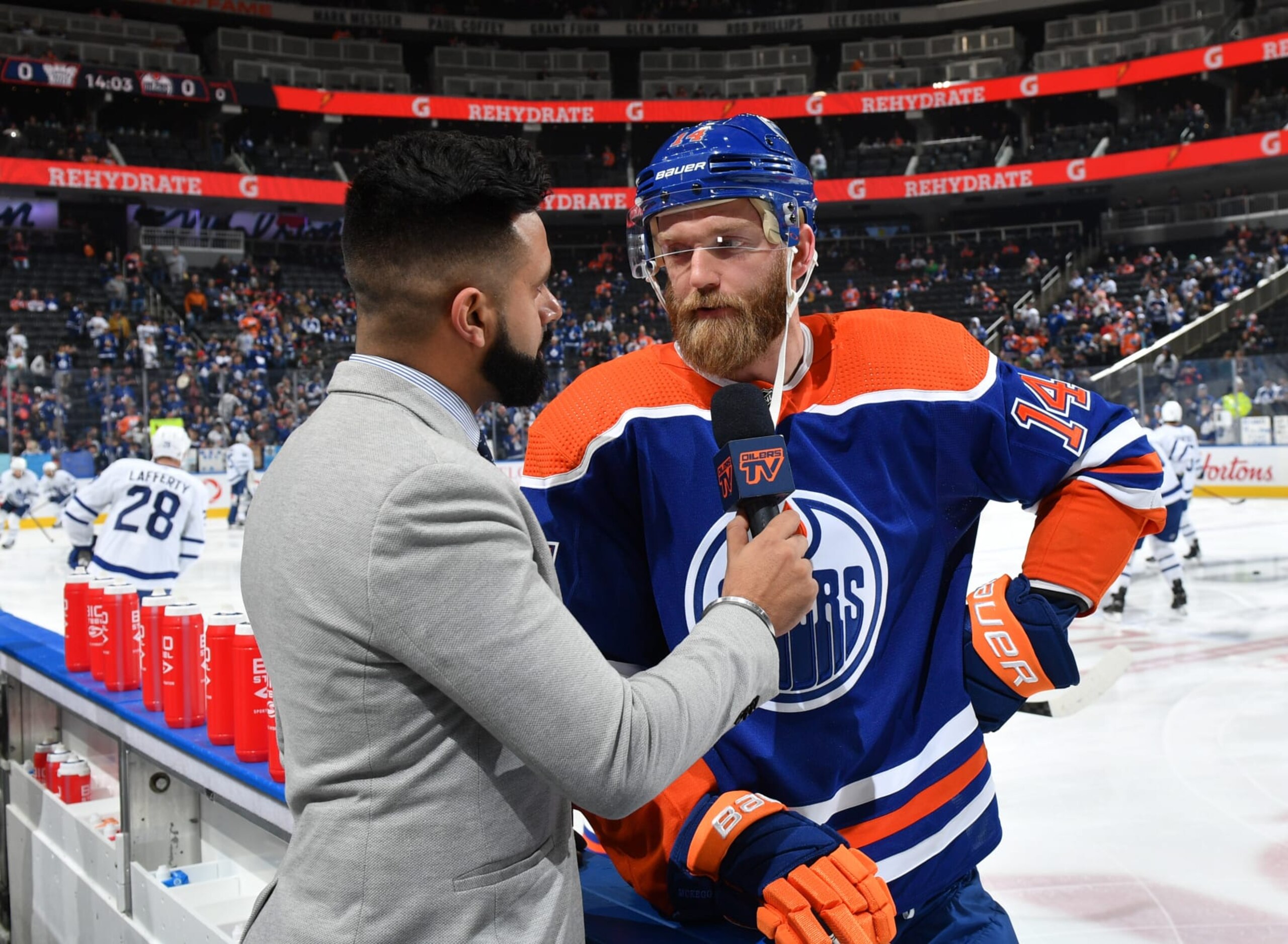
Hello, Western Conference, nice of you to join us.
This trade deadline period was utterly dominated by the Eastern Conference—and for good reason. Take a look at the middle of the pack in the Atlantic Division, where the Sabres, Senators and Panthers entered Friday tied for fourth place with 66 points and with the Red Wings at 65. Then you've got the Metropolitan Division, with the Penguins at 71, the Islanders at 70 and the Capitals at 66.
It makes sense the East was opting more for buying. Meanwhile there's such a significant difference between the top and bottom teams in the West that more selling was underway.
Still, the West eventually arrived to the party. Minnesota played designated driver for several East teams as the Wild facilitated huge trades by retaining salary and getting late-round picks in the process. Then Minnesota hopped in an Uber right before the bar was closing and bought whatever shot that made John Klingberg agree to come on over. The Predators finally became sellers with Nino Niederreiter to the Jets, Mattias Ekholm to the Oilers and Tanner Jeannot to the Lighnting as Nashville added valuable draft capital.
My favorite Western Conference happening was Jonathan Quick from the Kings to the Blue Jackets to the Golden Knights—is a spicy second-round matchup brewing?
The East had a significantly more eventful trade deadline than the West, but at the end of the day, there's going to be one team from each conference in the Stanley Cup Final. Maybe the real end game is winning it all without lifting a finger at the deadline?
The Tampa Bay Lightning: No More Draft Picks, Just Vibes
5 of 6
As much fun as the trade deadline was, here's a proposal for a new rule: Your return has to be shorter than a CVS receipt at the very least.
The Lightning acquired Tanner Jeannot from the Predators on Sunday for five draft picks: their 2025 first-rounder, their 2024 second-rounder, and their 2023 third-rounder, fourth-rounder and fifth-rounder.
Tossing in the first-rounder, which is top-10-protected, makes this an overpay for almost any other team. But the Lightning are right to go all-in with their dynasty in the twilight, and they've stated that as their intention. Besides, who would be better at optimizing this sort of player?
The Lightning have been criticized for overpaying for this playoff-built middle-to-bottom-six-type player in the past (Barclay Goodrow, Blake Coleman, Brandon Hagel), and Tampa has proved people wrong again and again.
I'm not going to be the one to count out this kind of player making an impact for the Lightning. All I ask is to keep the return to four or fewer assets.
A New Phase of the 'Yzerplan' Is Upon Us
6 of 6
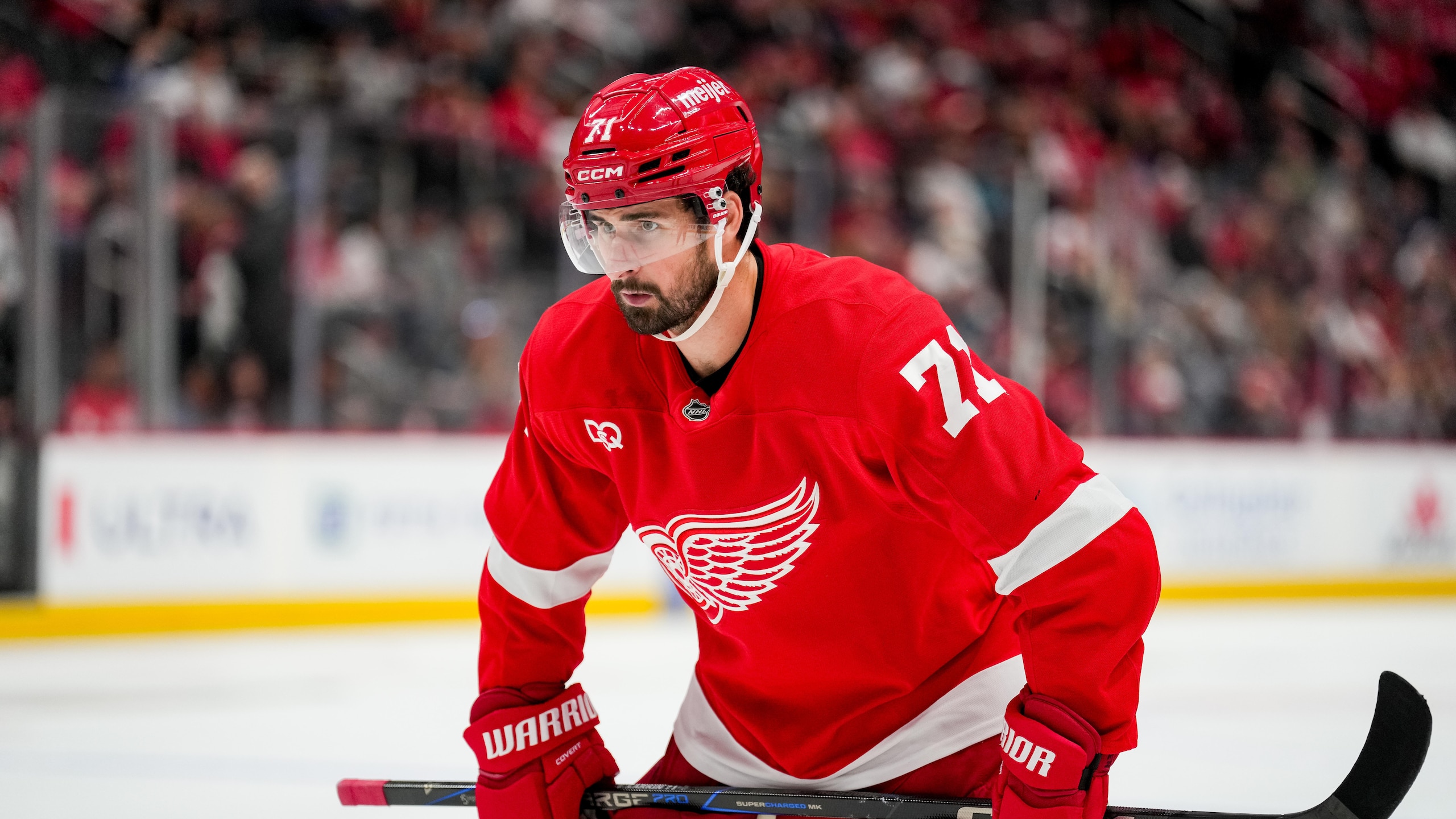
The Red Wings were active in a few sort-of confusing ways this deadline. In a vacuum, you look at the moves general manager Steve Yzerman made and wonder what they're going for. With context, first of all, you know enough to trust the "Yzerplan." Second of all, you know enough to not trust anything going on in the Eastern Conference.
Red Wings fans are rightfully excited that Hockeytown has found itself back in the playoff race, but this playoff race is particularly wild. Here's a rundown of what the playoff-fringe, slightly-ahead-of-schedule Red Wings did:
- Signed first-line center Dylan Larkin to an eight-year, $69.6 million deal.
Then Yzerman made four consequential trades in three days:
- Filip Hronek and a 2023 fourth-round pick to the Canucks for a conditional 2023 first-round pick and a 2023 second-round pick
- Tyler Bertuzzi (with 50 percent salary retained) to the Bruins for a protected 2024 first-round pick and a 2025 fifth-round pick
- Oskar Sundqvist to the Wild for a 2023 fourth-round pick
- Jakub Vrána (with 50 percent salary retained) to the Blues for a seventh-round pick and minor leaguer Dylan McLaughlin
In a trade deadline when returns weren't that great, the Red Wings snagged two potential first-round picks. And as exciting as it is for the team to be this close to the playoffs, the chances of advancing past the first round—if they even make it—are bleak this year.
Detroit is nothing if not consistent when sticking to the Yzerplan, and while I'm usually partial to going all-in and chaos, I respect the patience and the vision here.

.jpg?w=2560 "Grading SmackDown 🔠")
.jpg?w=2560 "Reported Details of Seahawks-K9 Split")