
NFL Draft History: Ranking the 25 Best Draft Classes of the Last 10 Years
Now that the NFL draft is in hindsight, we would normally turn our attention towards training camp at this time of year. However, this isn't your typical offseason. The NFL and the NFLPA remain entrenched in an ugly bout, with closure remaining unknown—and increasingly doubtful.
So, in the meantime, let's revert our attention back towards the draft. Each NFL team now has a fresh crop of rookies waiting to spring into action, which in turn has fans speculating which prospects will morph into Pro Bowlers. The most optimistic of fans will project starting roles for all of their team's newest draftees, but in reality, they can only hope it turns out to be as great as the following 25 (from 2000-2010).
No. 25: 2008 Kansas City Chiefs
1 of 25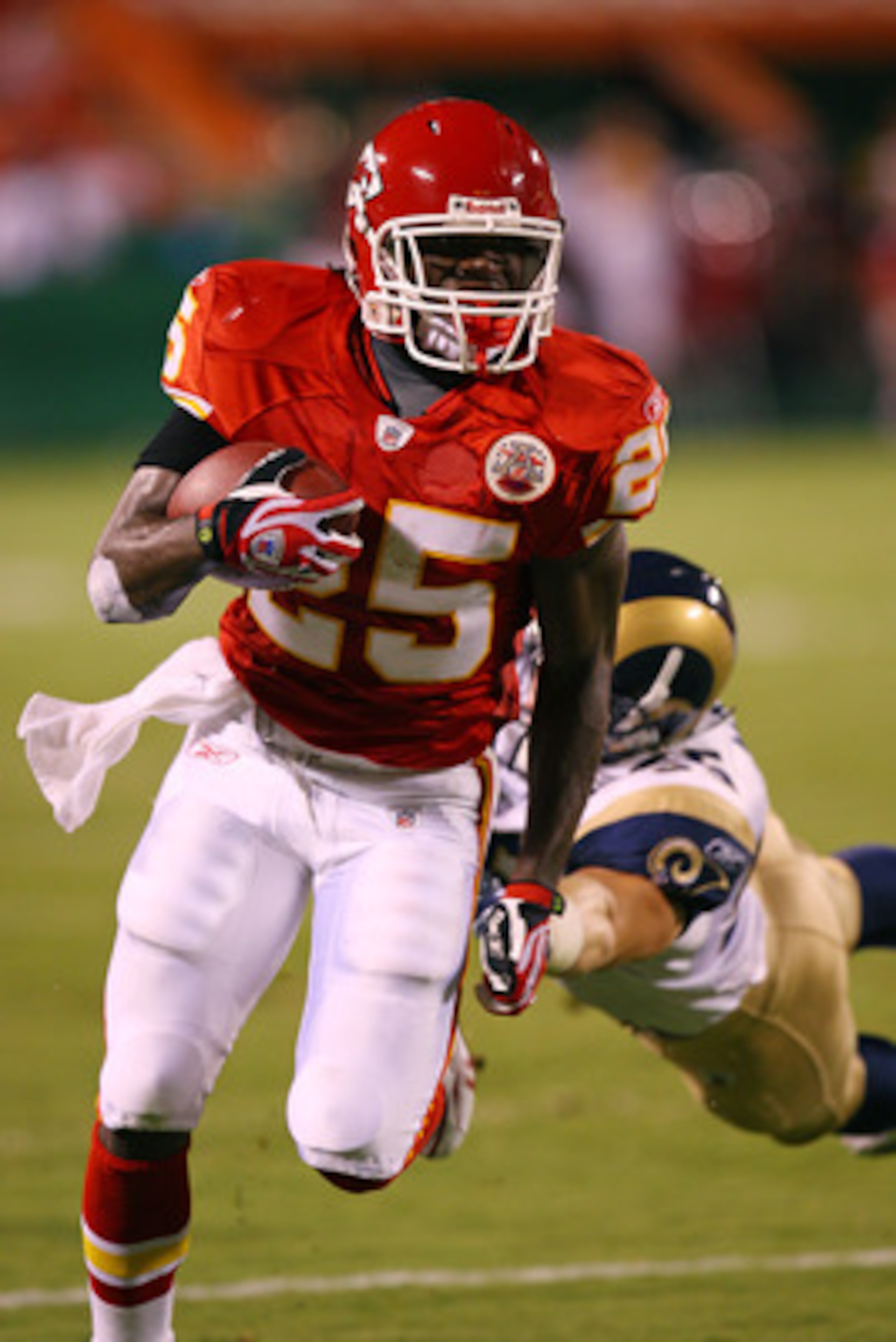
- First Round: Glenn Dorsey
- First Round: Brandon Albert
- Second Round: Brandon Flowers
- Third Round: Jamaal Charles
- Fifth Round: Brandon Carr
Ironically, Herm Edwards' final draft class was his finest. After Herm landed five future starters with 12 draft picks, he led Kansas City to a 2-14 record, more than enough ammo for the team to oust him. The following summer, the Chiefs would land former Patriots personnel chief Scott Pioli. Though the jury is still out on Pioli's first two draft classes, even he hasn't been able to top Herm's final efforts.
No. 24: 2006 Minnesota Vikings
2 of 25
- First Round: Chad Greenway
- Second Round: Cedric Griffin
- Second Round: Ryan Cook
- Second Round: Tarvaris Jackson
- Fourth Round: Ray Edwards
Although Brad Childress' tenure in Minnesota culminated in an ugly ending, it started off with a boom. Chili's first draft class was seething with future contributors who would aid in the Vikings' recent Super Bowl quest. Greenway, Griffin and Edwards still likely have their best days ahead, which bodes very well for Minny's defense.
No. 23: 2004 New York Giants
3 of 25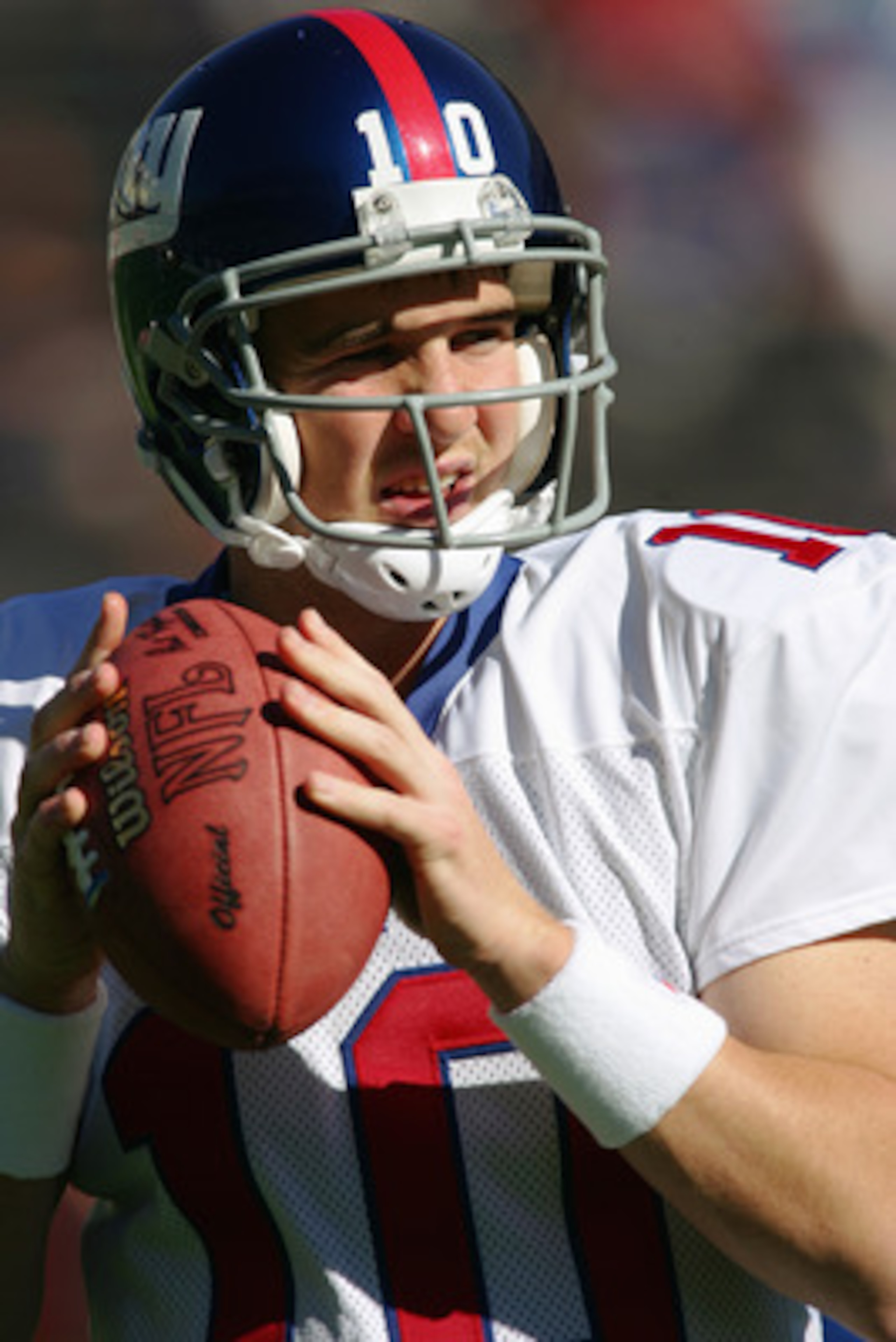
- First Round: Eli Manning (technically Phillip Rivers)
- Second Round: Chris Snee
- Fourth Round: Reggie Torbor
- Fifth Round: Gibril Wilson
- Seventh Round: Derrick Ward
One constant characteristic between all of the recent Super Bowl champions is the presence of a pair—or more—of unbelievable draft classes. In 2004 and 2005, the Giants got theirs and were subsequently crowned champs just two years later. Oddly, Torbor, Wilson and Ward completely fell off of the map after they left the Giants, but all three were integral pieces of that '07 roster.
.jpg?w=2560 "Seahawks Chiefs Football")


No. 22: 2003 Arizona Cardinals
4 of 25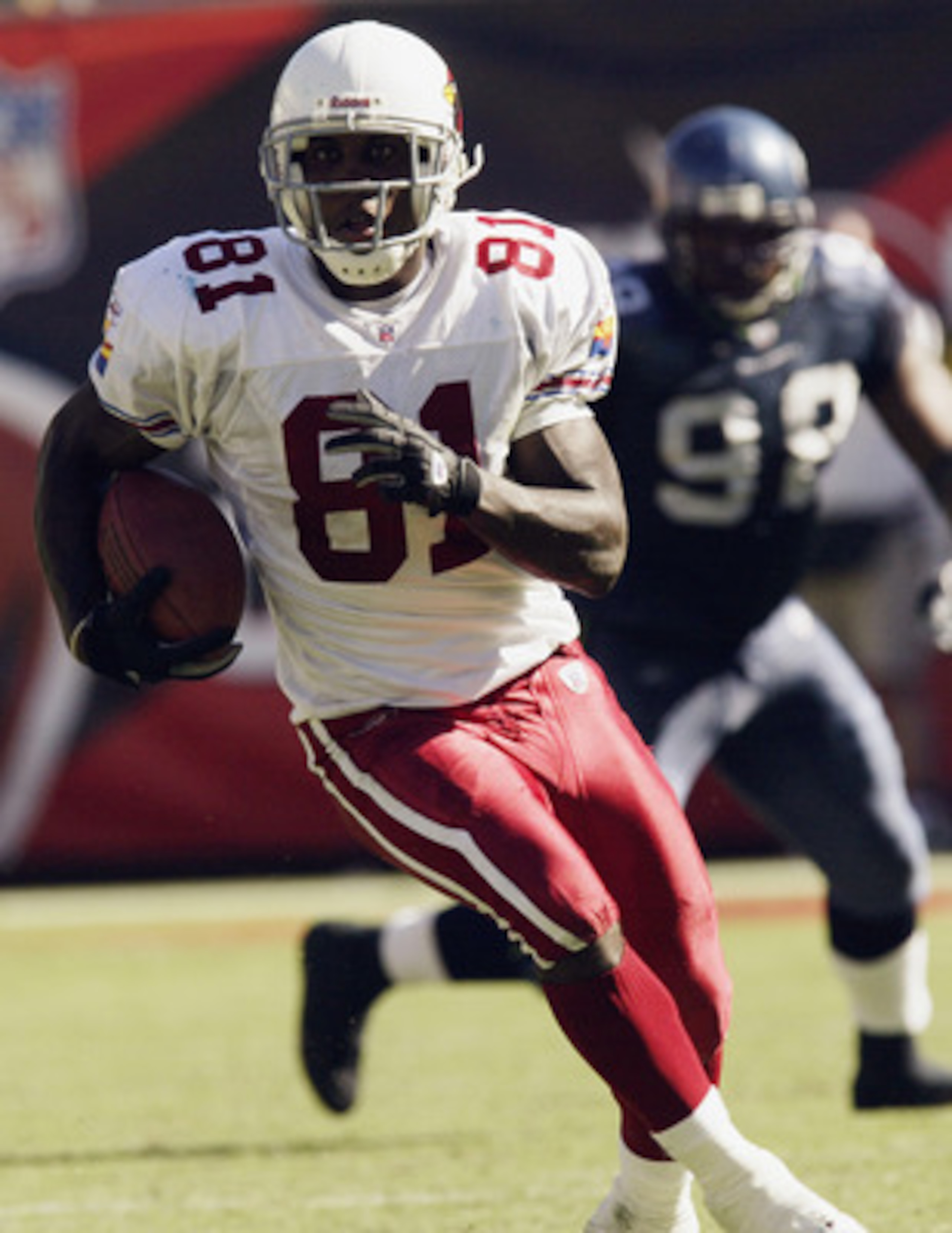
- First Round: Bryant Johnson
- First Round: Calvin Pace
- Second Round: Anquan Boldin
- Third Round: Gerald Hayes
- Sixth Round: Reggie Wells
Arizona's lightning-fast rise to Super Bowl participant should be attributed to the scouting prowess of former head coach Dennis Green and the on-field tactics of current coach Ken Whisenhunt. But their sudden collapse to bottom feeder? It may be Whisenhunt's fault. The evidence lies in the four draft classes he has assembled since his arrival in Arizona.
Only one of his first-round picks has earned a Pro Bowl nod (Dominique Rodgers-Cromartie), and only a handful of Whisenhunt's draftees have actually become impact players. Perhaps more importantly, he failed to brace the Cardinals for Kurt Warner's departure. Whisenhunt's 2011 class looks spectacular, and Rod Graves must factor into the team's struggles as well. But until Arizona starts compiling draft classes like this one above, they won't see another Super Bowl for a long time.
No. 21: 2007 Pittsburgh Steelers
5 of 25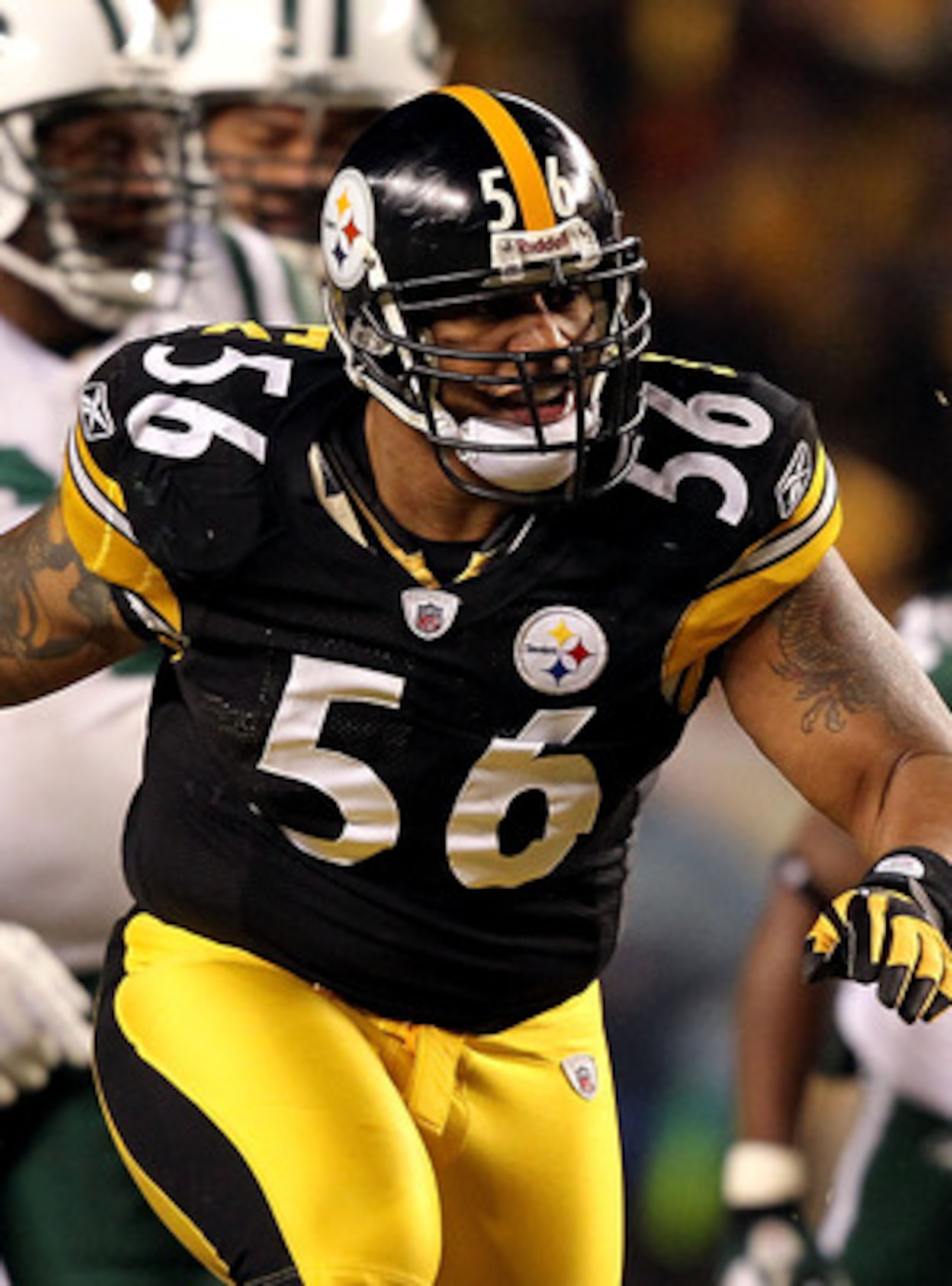
- First Round: Lawrence Timmons
- Second Round: LaMarr Woodley
- Third Round: Matt Spaeth
- Fourth Round: Daniel Sepulveda
- Fifth Round: William Gay
Once the Steel Curtain became a domineering and iconic force in the NFL, Pittsburgh began an uncanny pattern. After their historic run in the 70s, the Steelers resurfaced in the 90s with another string of fierce defenders. Greg Lloyd, Kevin Greene, Chad Brown and Levon Kirkland teamed up to create "Steel Curtain II." But after their era concluded, "Steel Curtain III" was born, thanks in large part to Mike Tomlin's first draft as Steelers' head coach.
This regime of linebackers already has two rings and doesn't project to slow down anytime soon. If they continue down this path of grand success, they could conceivably surpass the original Steel Curtain.
No. 20: 2008 Atlanta Falcons
6 of 25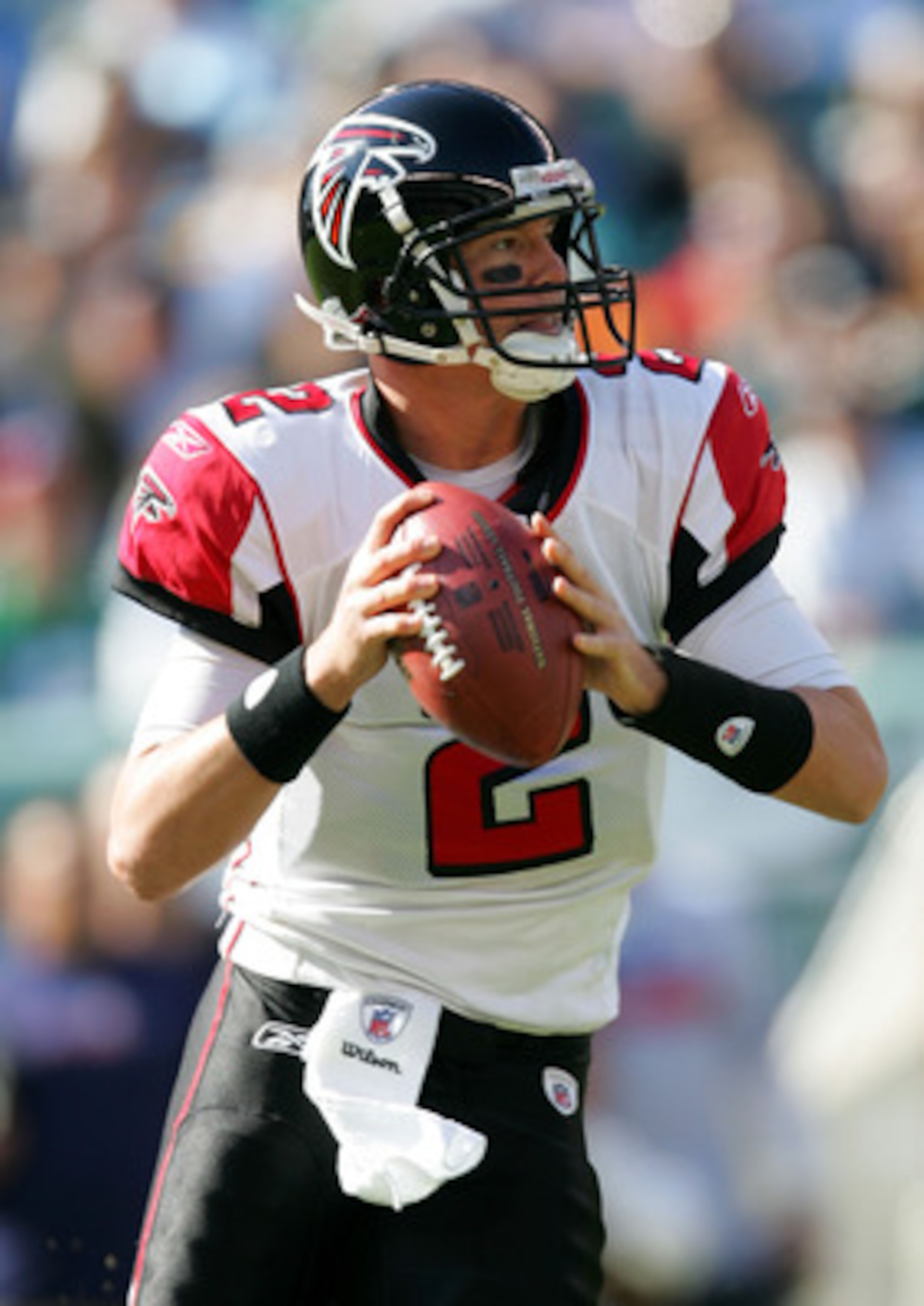
- First Round: Matt Ryan
- First Round: Sam Baker
- Second Round: Curtis Lofton
- Third Round: Harry Douglas
- Third Round: Thomas DeCoud
- Fifth Round: Kory Biermann
The abrupt incarceration of Michael Vick left the Falcons in a complete tailspin. Not only did the team lose its franchise quarterback, but the rest of their offense looked significantly less potent without Vick's innovative style of play. General manager Thomas Dmitroff wasted no time in grievance and spent the second-overall pick of the 2008 draft on Matt Ryan.
Many questioned Ryan's ability to replace Vick and carry a hapless team, but thanks in part to the rest of the Falcons' '08 class, the results speak for themselves.
No. 19: 2006 San Diego Chargers
7 of 25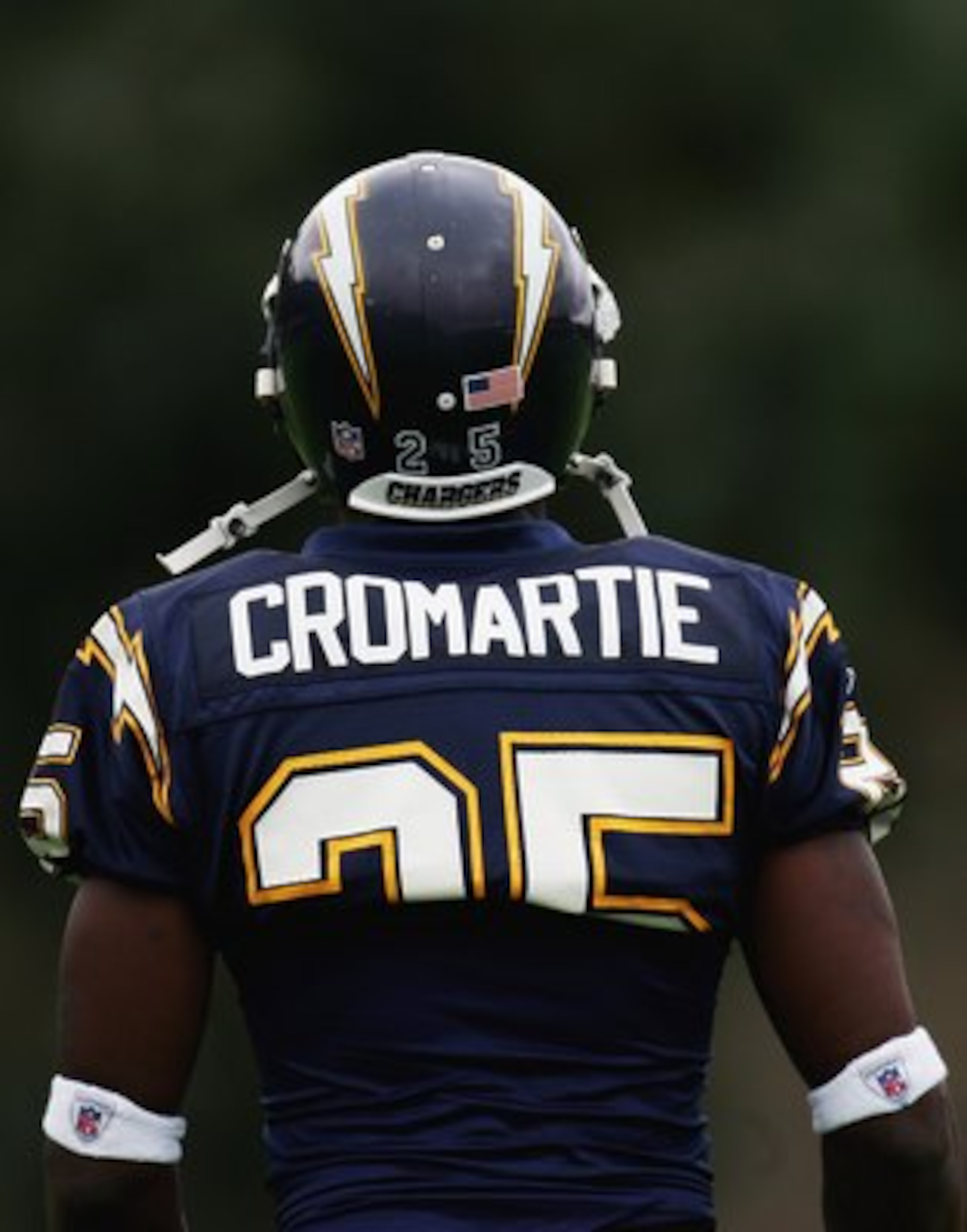
- First Round: Antonio Cromartie
- Second Round: Marcus McNeill
- Third Round: Charlie Whitehurst
- Fifth Round: Tim Dobbins
- Sixth Round: Jeromey Clary
Even though only two players from the Chargers' '06 draft class are still with the team, it persists as a tremendous compilation of talent. Marcus McNeill and Jeromey Clary are the bookends to San Diego's offensive line. Meanwhile, Whitehurst and Dobbins were both flipped for draft picks that made the acquisition of Ryan Mathews possible during the 2010 draft.
No. 18: 2008 Baltimore Ravens
8 of 25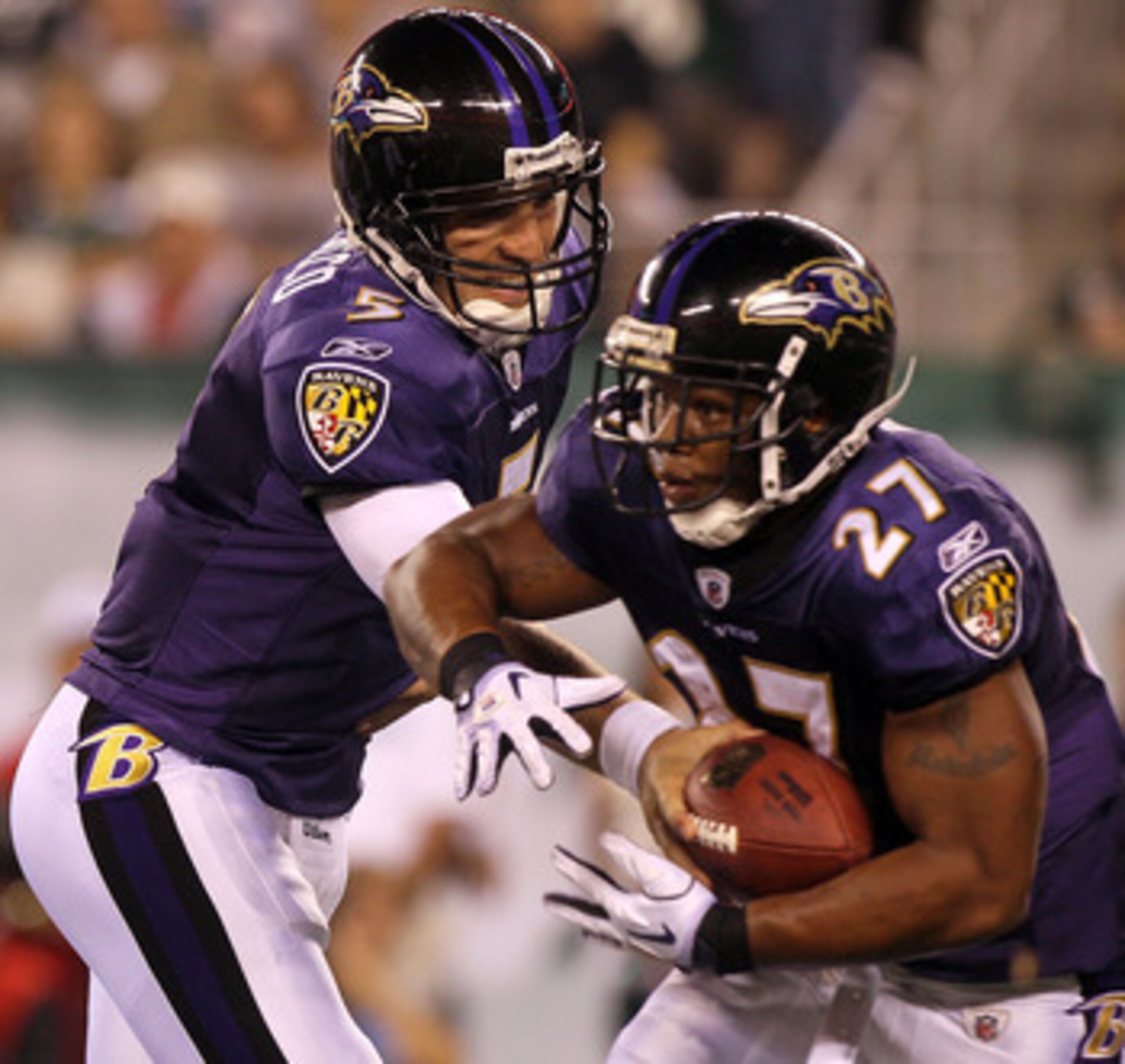
- First Round: Joe Flacco
- Second Round: Ray Rice
- Third Round: Tavares Gooden
- Third Round: Tom Zbikowski
Since the Ravens' inception in 1996, they suffered from the same, recurring issue: they had an elite defense and a very sub-par offense. Even though Baltimore managed to win a Super Bowl in 2000, times have changed, and a potent offense is a vital ingredient for a championship.
Once Jamal Lewis bolted and Steve McNair retired, the Ravens were without a running back and a quarterback. But no task is too daunting for Ozzie Newsome, and he picked up instant solutions to both vacancies in the '08 draft. The Ravens have since reestablished themselves as perennial contenders in the AFC.
No. 17: 2007 Minnesota Vikings
9 of 25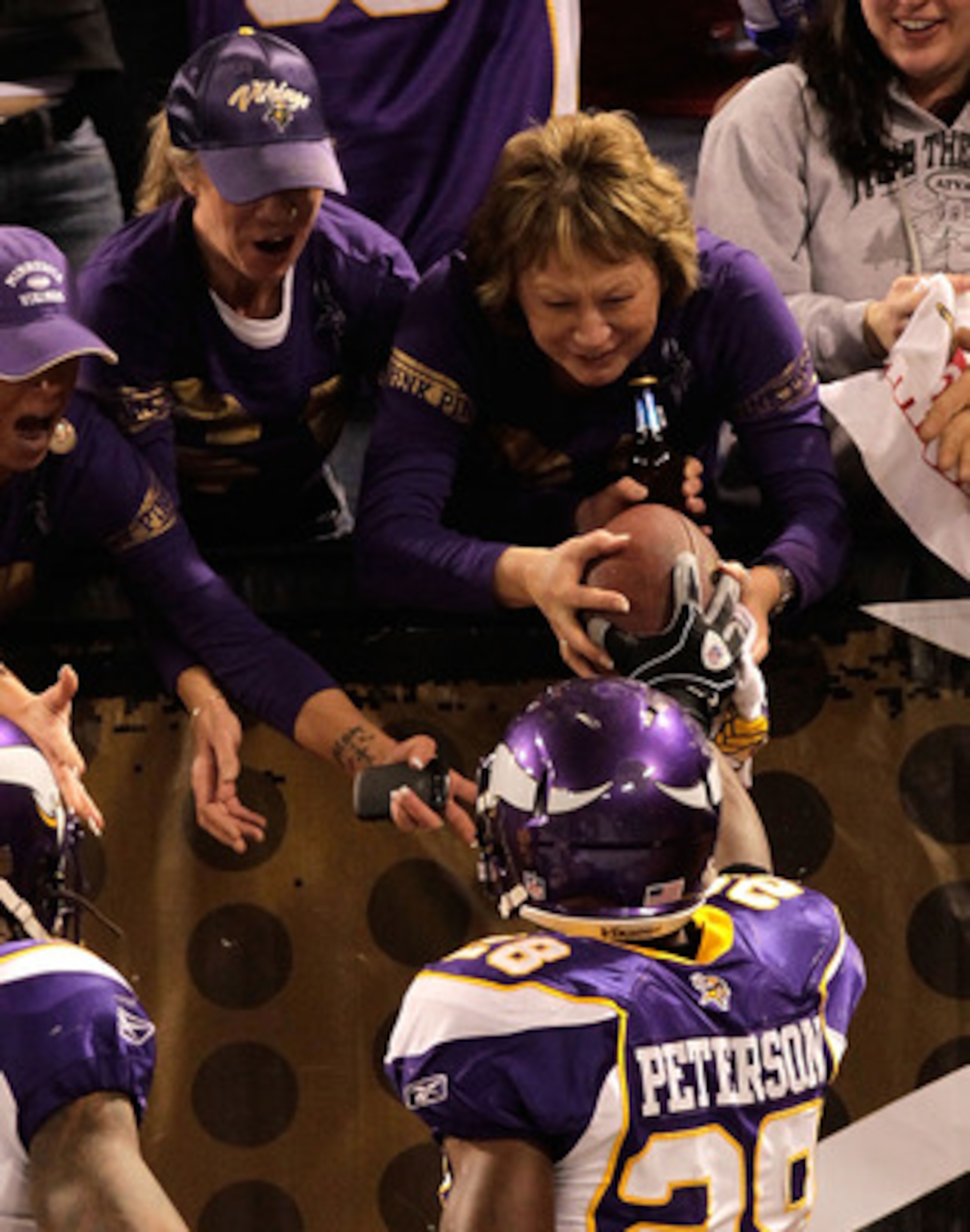
- First Round: Adrian Peterson
- Second Round: Sidney Rice
- Seventh Round: Tyler Thigpen
Rick Spielman's debut draft as general manager of the Minnesota Vikings was impressive. He drafted five future starters with the team's first five picks, but his best work was still ahead. In 2007, Spielman drafted two more players who would not only become starters, but superstars. Without this draft class, it's fair to assume Minnesota would not have made their 2009 NFC championship run.
No. 16: 2003 New England Patriots
10 of 25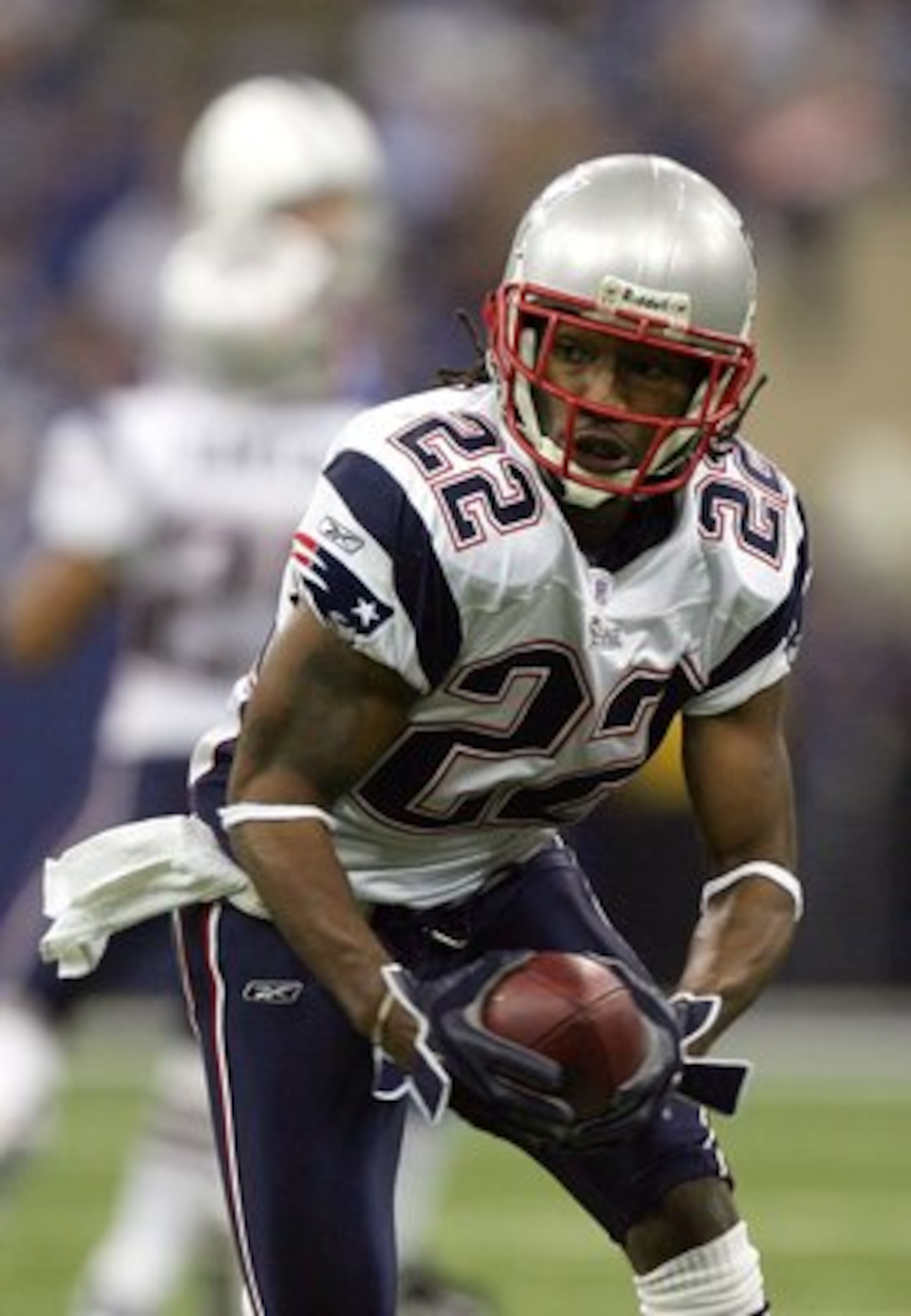
- First Round: Ty Warren
- Second Round: Eugene Wilson
- Fourth Round: Asante Samuel
- Fifth Round: Dan Koppen
- Seventh Round: Tully Banta-Cain
The "Patriot Way" wasn't born out of myth. New England's approach to talent and their team affairs—build and develop through the draft, keep your head down, and don't play flashy—spawned from years of great Bill Belichick draft classes. Surprisingly, no one class stood high above the rest. Instead, they are all studded with their respective contributors.
No. 15: 2005 New York Giants
11 of 25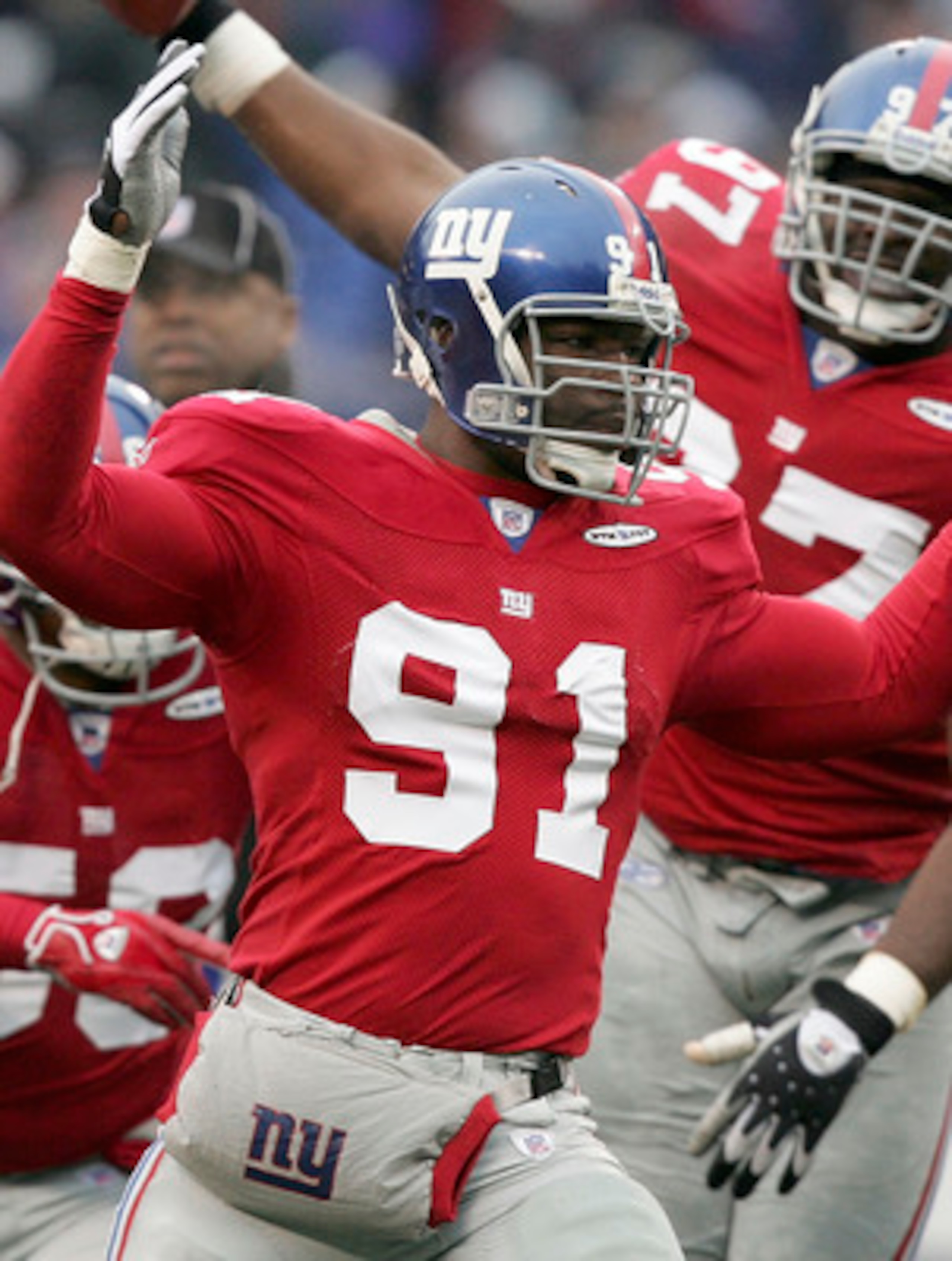
- Second Round: Corey Webster
- Third Round: Justin Tuck
- Fourth Round: Brandon Jacobs
Prior to the 2004 NFL Draft, Eli Manning informed the San Diego Chargers that he would not play for their franchise if they chose to select the Ole Miss quarterback. Manning, reluctant to play with the recently-futile Bolts, got his wish when the Giants traded for his rights. New York was forced to surrender almost half of their 2005 picks (turned into Shawne Merriman and Nate Kaeding).
Realistically, fans can only hope that two or three players from a given draft class pan out, so when the Giants headed into '05 with only four picks, little was expected. Instead, Tom Coughlin churned out two Pro Bowlers and a starting corner.
No. 14: 2006 Green Bay Packers
12 of 25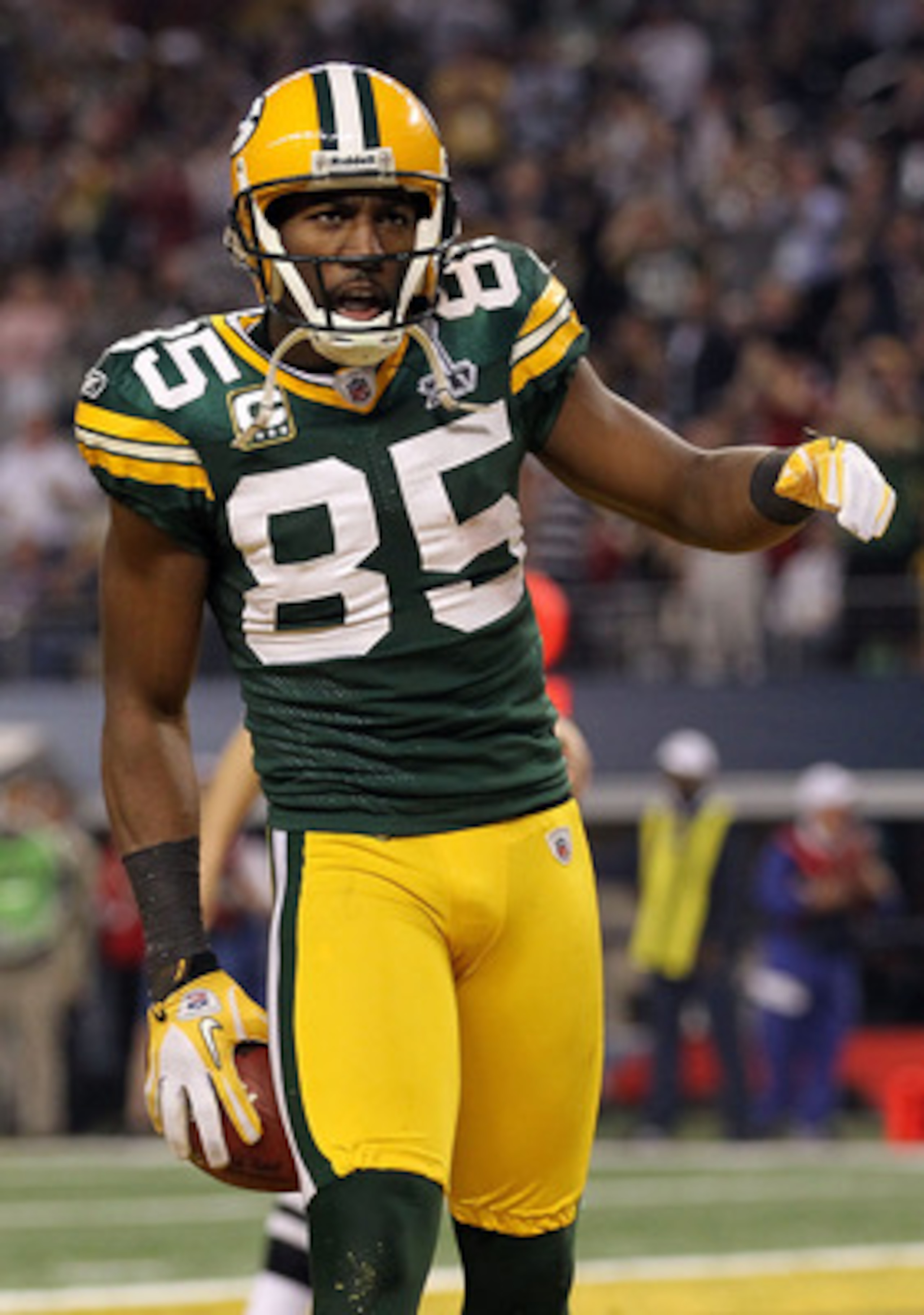
- First Round: A.J. Hawk
- Second Round: Daryn Colledge
- Second Round: Greg Jennings
- Third Round: Jason Spitz
- Fourth Round: Will Blackmon
- Sixth Round: Johnny Jolly
The free-agency era has divided the NFL into two schools of teams: the big spenders and the developers. The "developers" take a build-through-the-draft approach and includes many of the NFL's elite squads (Packers, Ravens, Steelers, Chargers, Patriots, Colts). Perhaps teams like the Cowboys and Redskins would be better served spending the time, energy and money they waste on pricey free agents and utilize it to find a great personnel evaluator, such as Green Bay's Ted Thompson.
No. 13: 2005 San Diego Chargers
13 of 25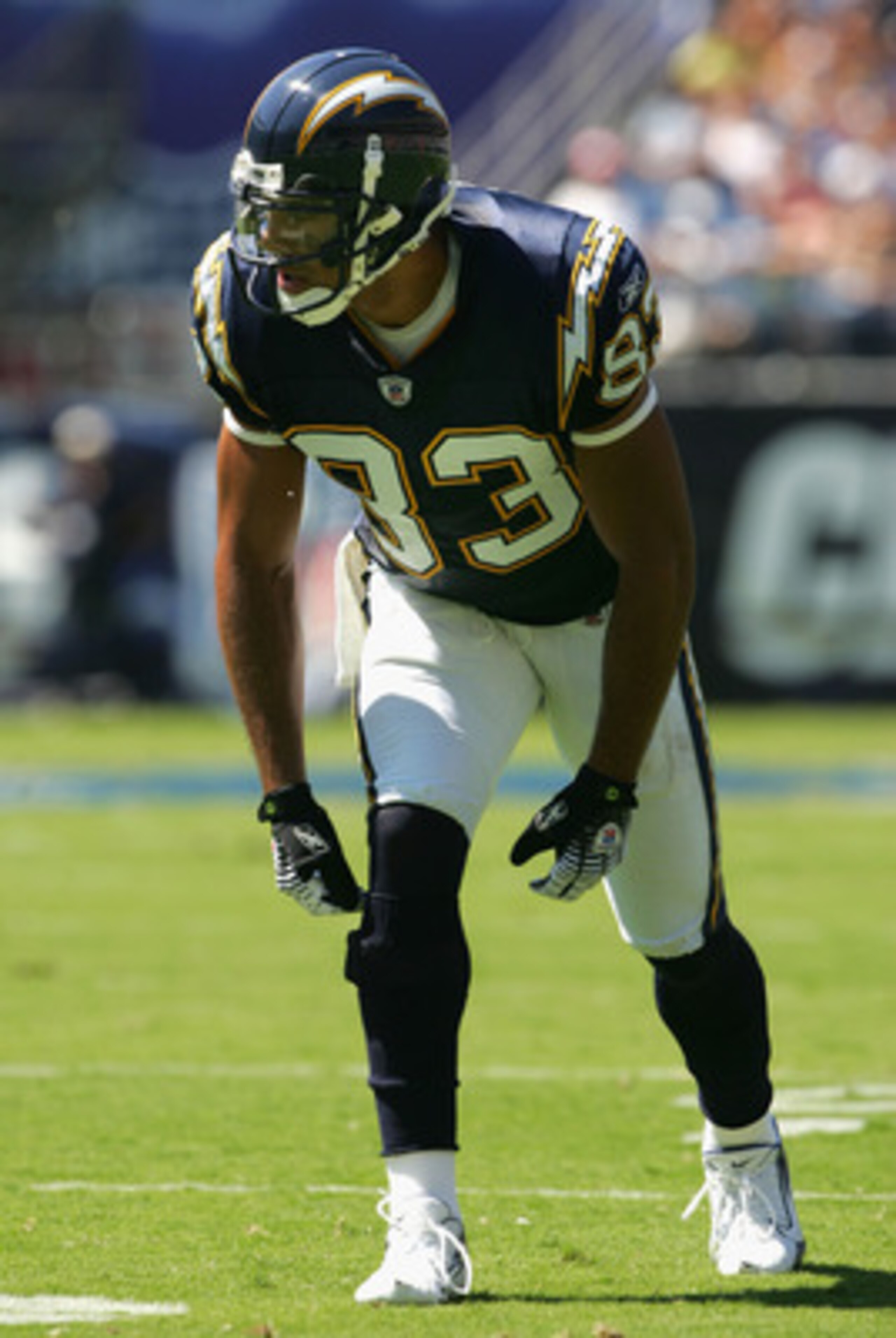
- First Round: Shawne Merriman
- First Round: Luis Castillo
- Second Round: Vincent Jackson
- Fourth Round: Darren Sproles
Chargers' general manager A.J. Smith has absorbed more than his fair share of criticism for his stern, unwavering approach to disgruntled players. Though he may be much maligned, Smith might be the best talent evaluator in the entire league. Virtually all of his draft classes have produced studs from top to bottom. So, while his methods may rub some the wrong way (Vincent Jackson, LT, Marty Schottenheimer, Antonio Gates fiascoes come to mind), Chargers fans should not take him for granted.
No. 12: 2001 Carolina Panthers
14 of 25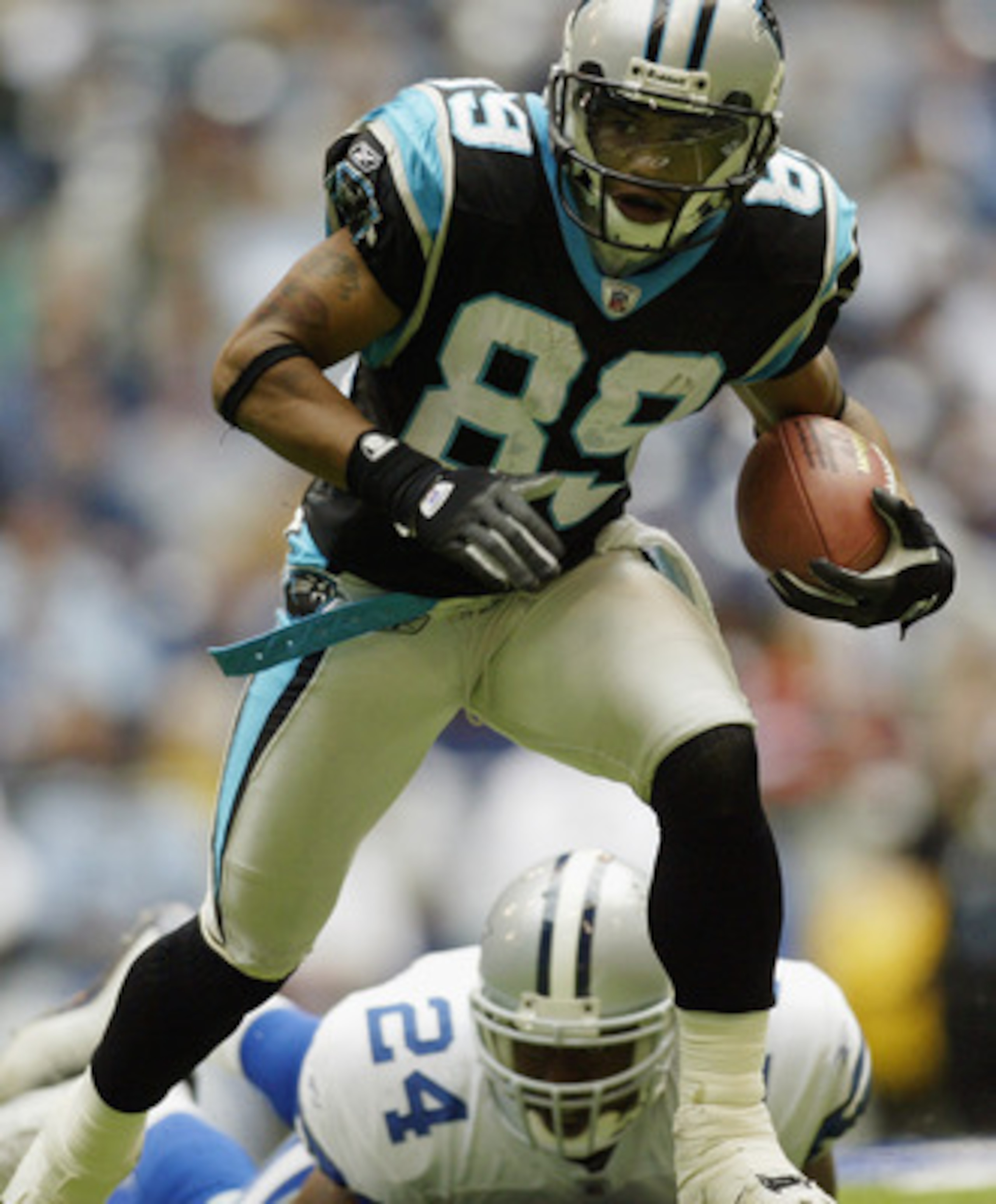
- First Round: Dan Morgan
- Second Round Kris Jenkins
- Third Round: Steve Smith
The Carolina Panthers never seem to receive recognition for their lightning-fast rise from expansion team to contender. In 1996, only the team's second year of existence, the Panthers lost in the NFC Championship. Carolina finally got over the hump in 2003, but lost in the Super Bowl to the Patriots. Had it not been for the team's '01 draft class, there's a good chance Carolina would have never done so.
Jenkins and Smith have eight Pro Bowls and four first-team All-Pro nods between them. Unfortunately, concussions derailed Morgan's career, but even he earned a Pro Bowl bid in '04, and spent his last legitimate NFL season with the NFC championship squad in '05.
No. 11: 2005 New England Patriots
15 of 25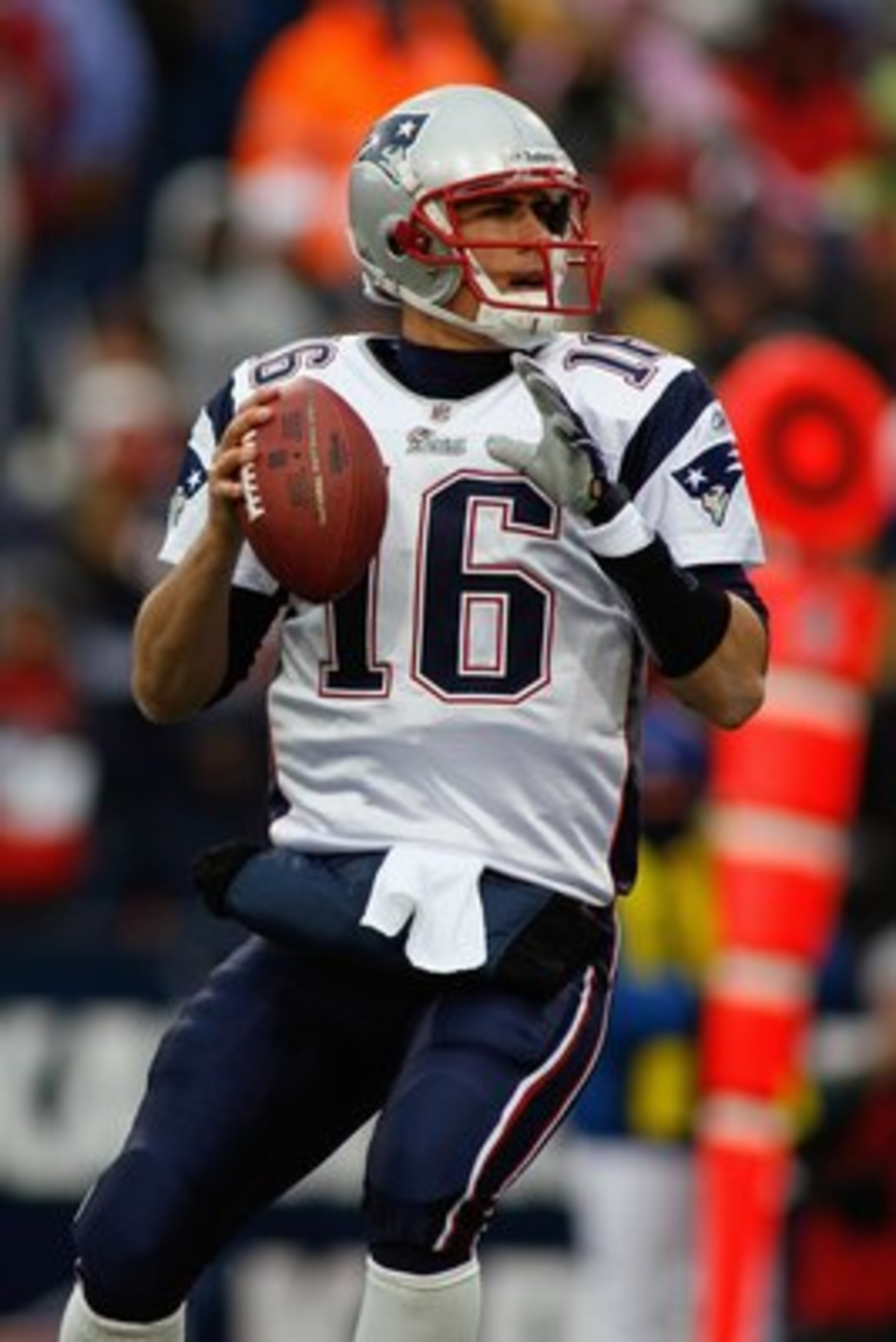
- First Round: Logan Mankins
- Third Round: Ellis Hobbs
- Third Round: Nick Kaczur
- Fourth Round: James Sanders
- Seventh Round: Matt Cassel
Needless to say, drafting a future Hall of Fame quarterback in the sixth round is just absurd. But for the same coach to draft another Pro Bowl quarterback in the seventh round? It's ludicrous. Bill Belichick absorbs plenty of praise for drafting Tom Brady in 1999, but rarely is he mentioned for scooping up Matt Cassel in '05.
Belichick also drafted arguably the best lineman in football with the 32nd-overall pick in the first round. When he hangs the hoodie up for good, Belichick might go down as the best drafter in NFL history.
No. 10: 2001 Cincinnati Bengals
16 of 25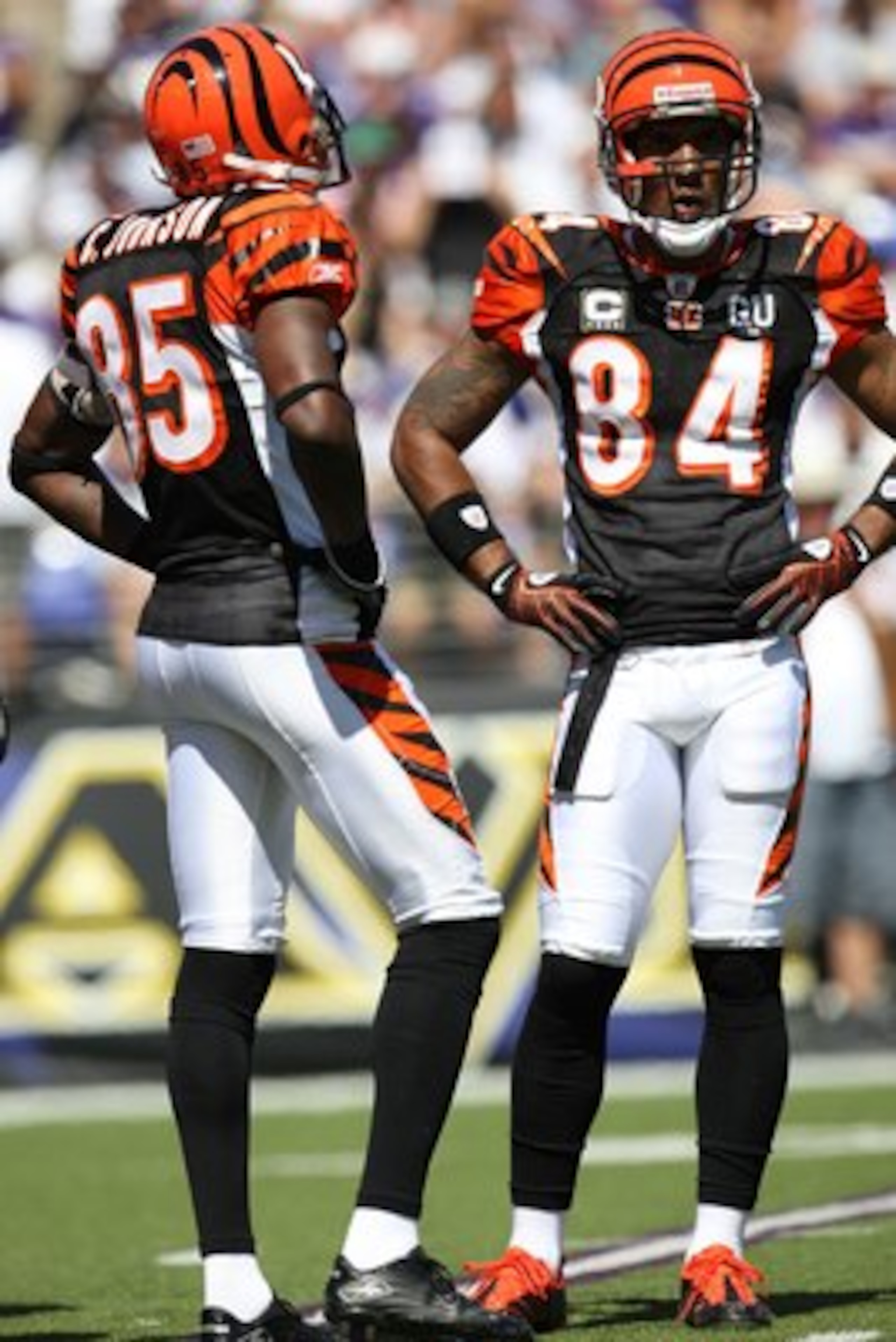
- First Round: Justin Smith
- Second Round: Chad Johnson
- Fourth Round: Rudi Johnson
- Seventh Round: T.J. Houshmandzadeh
In the years leading up to the 2001 draft, the Bengals may have been the most inefficient personnel evaluators in the entire league. In the two years prior, Cincinnati wasted a pair top-five picks on Akili Smith and Peter Warrick. And throughout the 1990s, the team wasted a handful of top-10 picks on monumental busts such as Ki-Jana Carter and Dave Klingler.
But once the millennium turned, so did the Bengals fortunes. In the 2001 draft, Dick LeBeau drafted the nucleus of Cincinnati offenses he would later struggle to stop as the Steelers defensive coordinator.
No. 9: 2005 Dallas Cowboys
17 of 25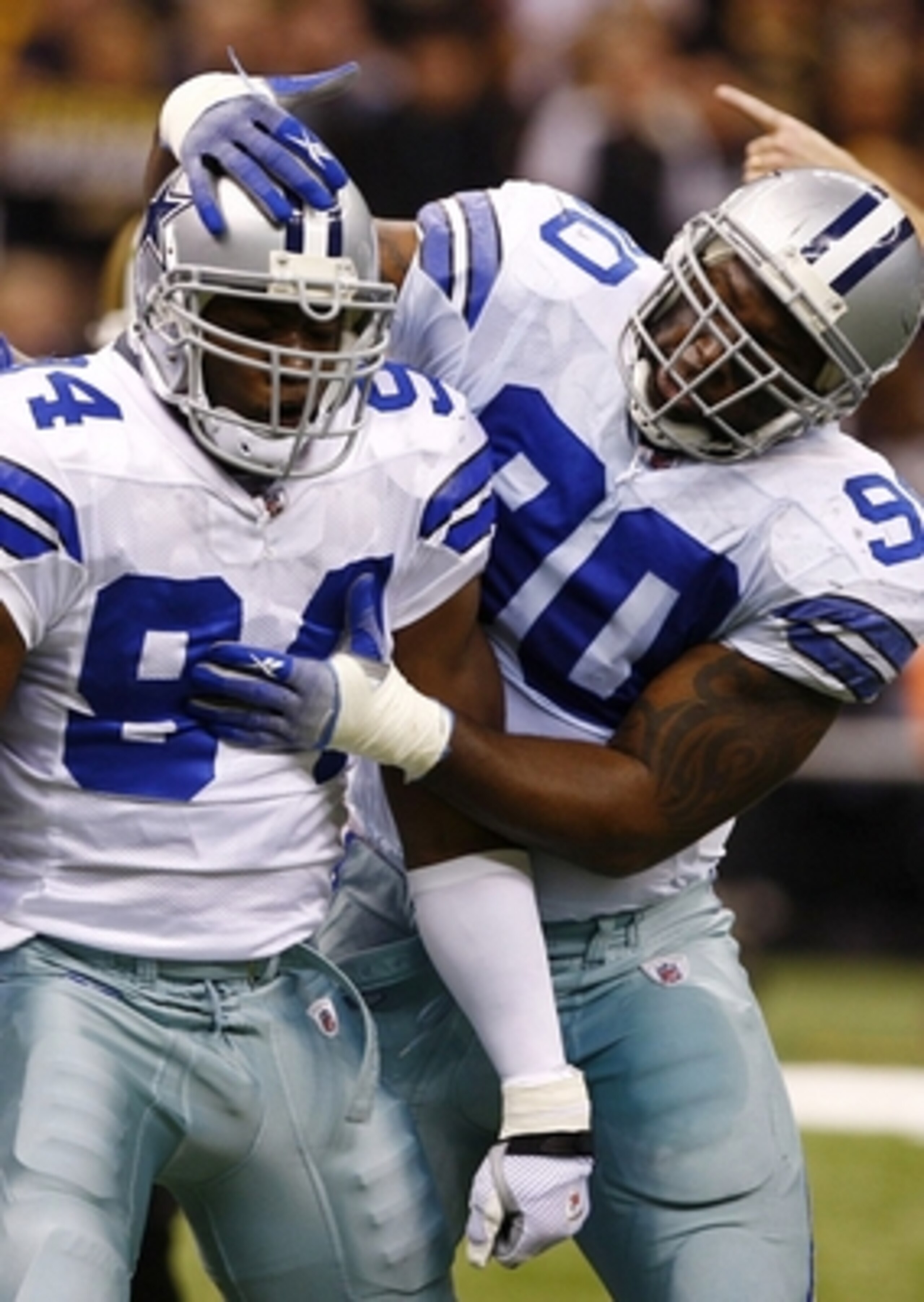
- First Round: DeMarcus Ware
- First Round: Marcus Spears
- Second Round: Kevin Burnett
- Fourth Round: Marion Barber
- Fourth Round: Chris Canty
- Seventh Round: Jay Ratliff
The Cowboys' inexplicable collapse from Super Bowl favorites to bottom feeders can be partially explained by Bill Parcells' departure. Parcells studded Dallas' roster with diamonds in the rough and great draft classes (such as this one), but once he left, Wade Phillips and Jerry Jones failed to replicate his scouting prowess.
No. 8: 2006 Houston Texans
18 of 25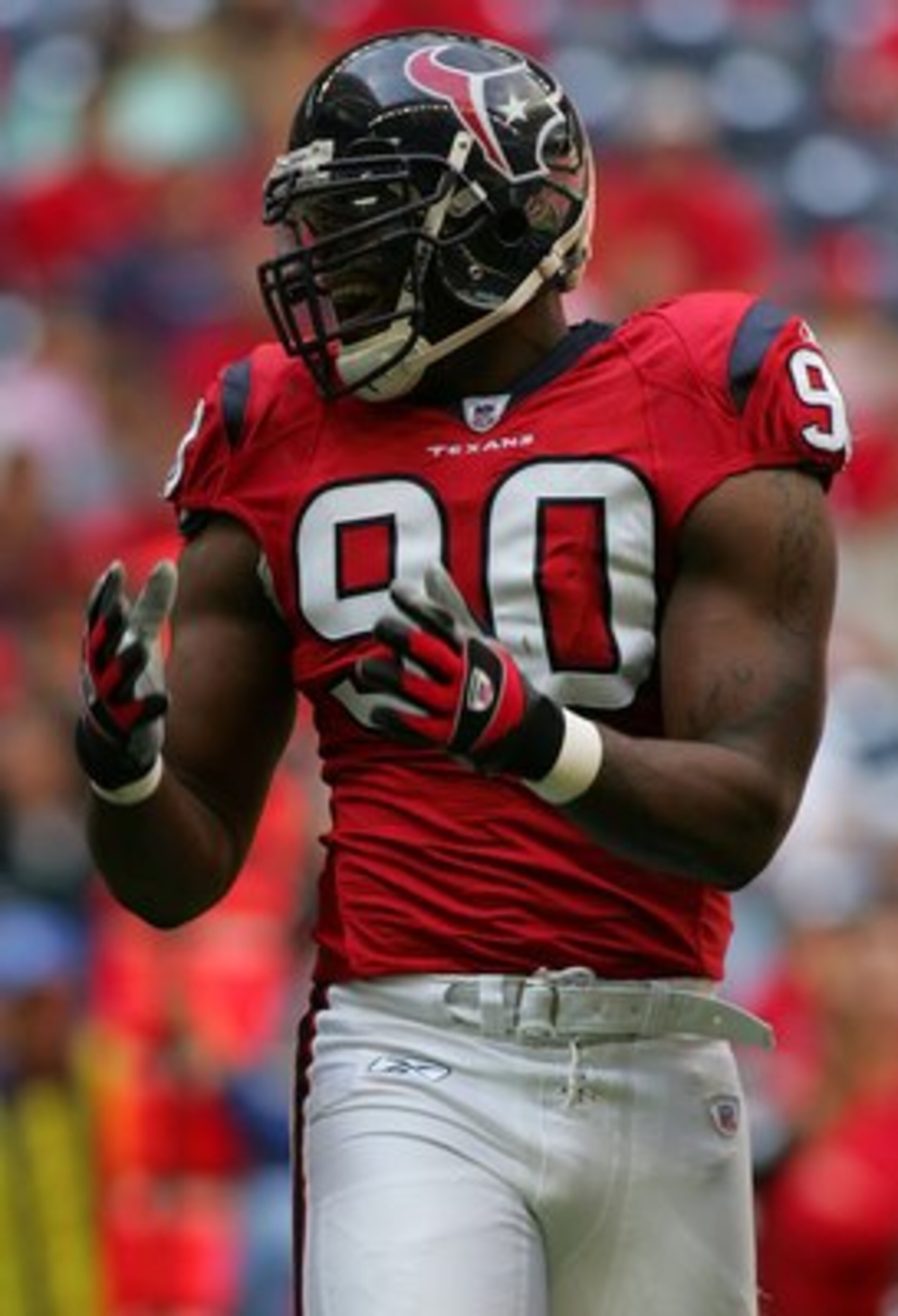
- First Round: Mario Williams
- Second Round: DeMeco Ryans
- Third Round: Eric Winston
- Fourth Round: Owen Daniels
- Seventh Round: David Anderson
With the first overall pick the in 2006 NFL Draft, both common sense, popular opinion and insider information suggested the Houston Texans would take either Vince Young or Reggie Bush to enliven the struggling franchise. However, then-general manager Charley Casserly pulled a fast one on everybody and drafted Mario Williams. In retrospect, it was a brilliant pick, as were most of the selections Casserly would make in his final draft as Houston's GM.
No. 7: 2006 Denver Broncos
19 of 25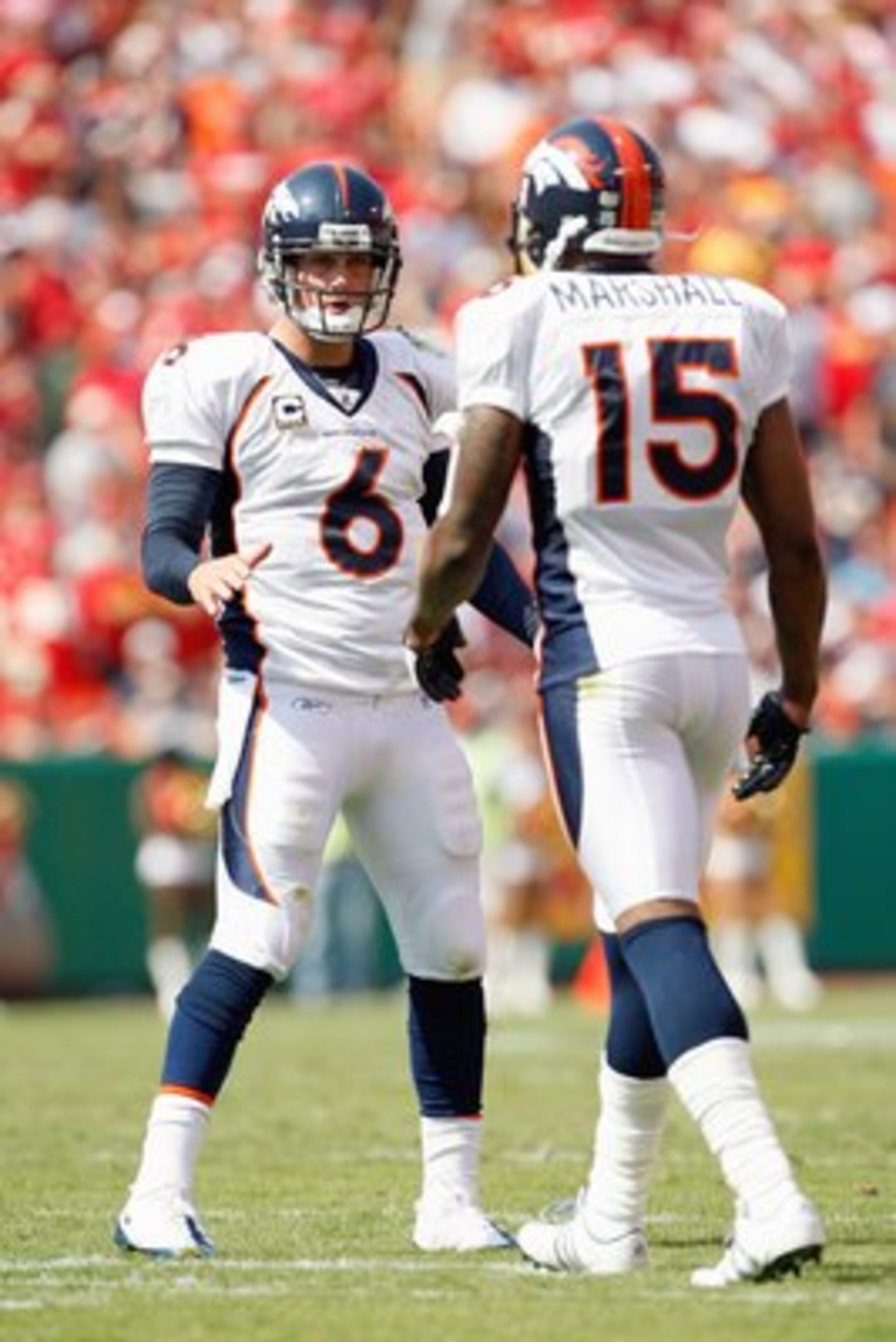
- First Round: Jay Cutler
- Second Round: Tony Scheffler
- Fourth Round: Brandon Marshall
- Fourth Round: Elvis Dumervil
- Fifth Round: Chris Kuper
Most of the teams that landed on this list were propelled by their respective draft classes onto great playoff runs, but the Broncos are one of the few exceptions. Just as Jay Cutler and Brandon Marshall were blossoming into an unstoppable aerial force, Broncos owner Pat Bowlen fired Mike Shanahan. His replacement, Josh McDaniel, single-handedly disbanded the duo, and Denver is now suffering the side effects.
During his last season with the Broncos ('08), Cutler threw for 4,526 yards and tossed 25 touchdowns. Just imagine if the team held onto both and kept fortifying that defense.
No. 6: 2002 Philadelphia Eagles
20 of 25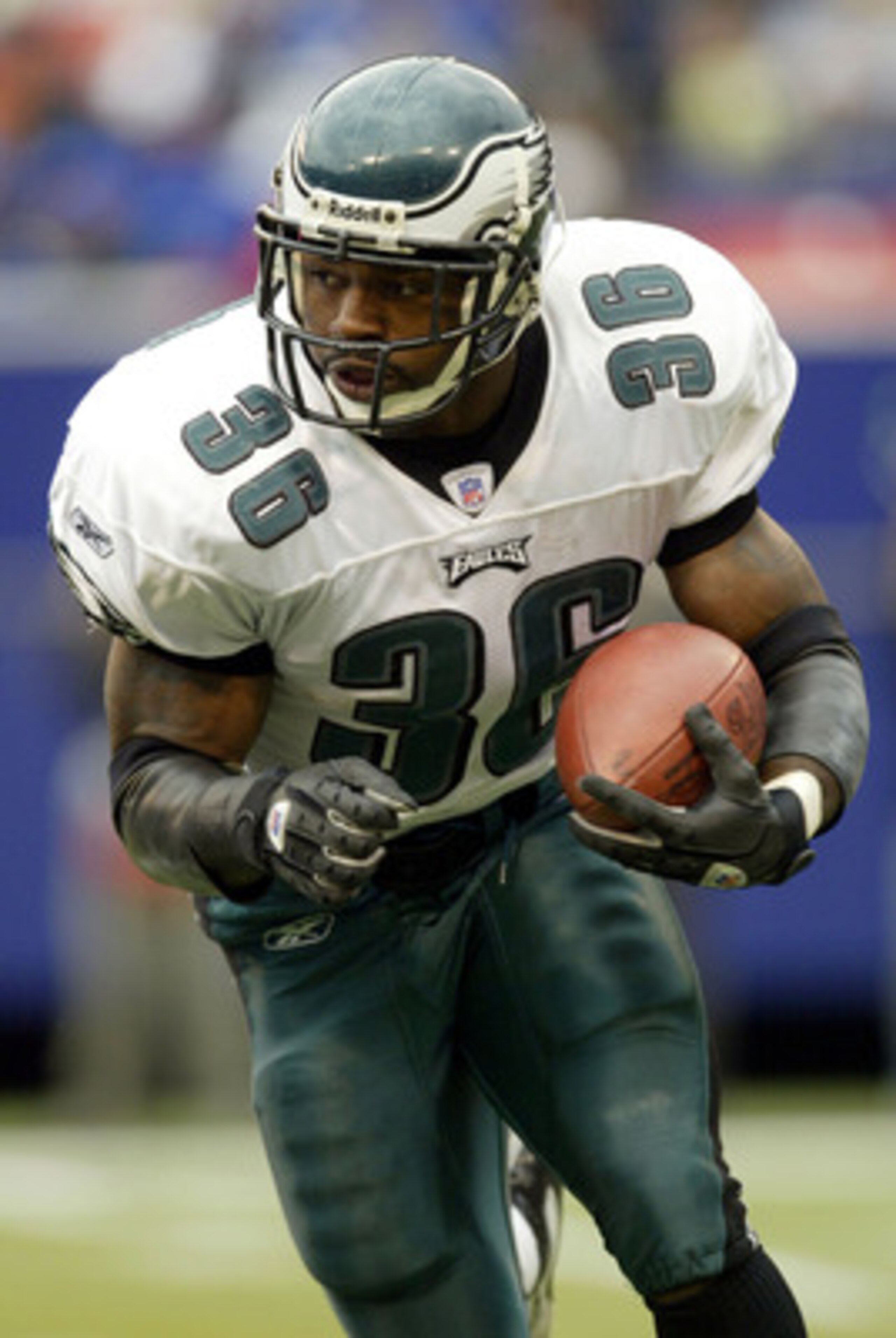
- First Round: Lito Sheppard
- Second Round: Michael Lewis
- Second Round: Sheldon Brown
- Third Round: Brian Westbrook
- Sevemth Round: Raheem Brock
Even though the Eagles already boasted a suffocating secondary that ranked third against the pass in 2001, Andy Reid used the team's first three selections of the 2002 draft on defensive backs. Perhaps, he was prepping for the departures of Troy Vincent and Bobby Taylor, but regardless, it paid huge dividends. Sheppard, Lewis and Brown all became stable starters for Philly during their dominant reign over the NFC.
The Eagles may have been able to succeed without that trio of defensive backs, but they would have never done so without Brian Westbrook. And Reid took a seventh-round flier on a Raheem Brock, who later became a force with the Colts. Maybe Philly would have won a Super Bowl had they held onto Brock.
No. 5: 2006 New Orleans Saints
21 of 25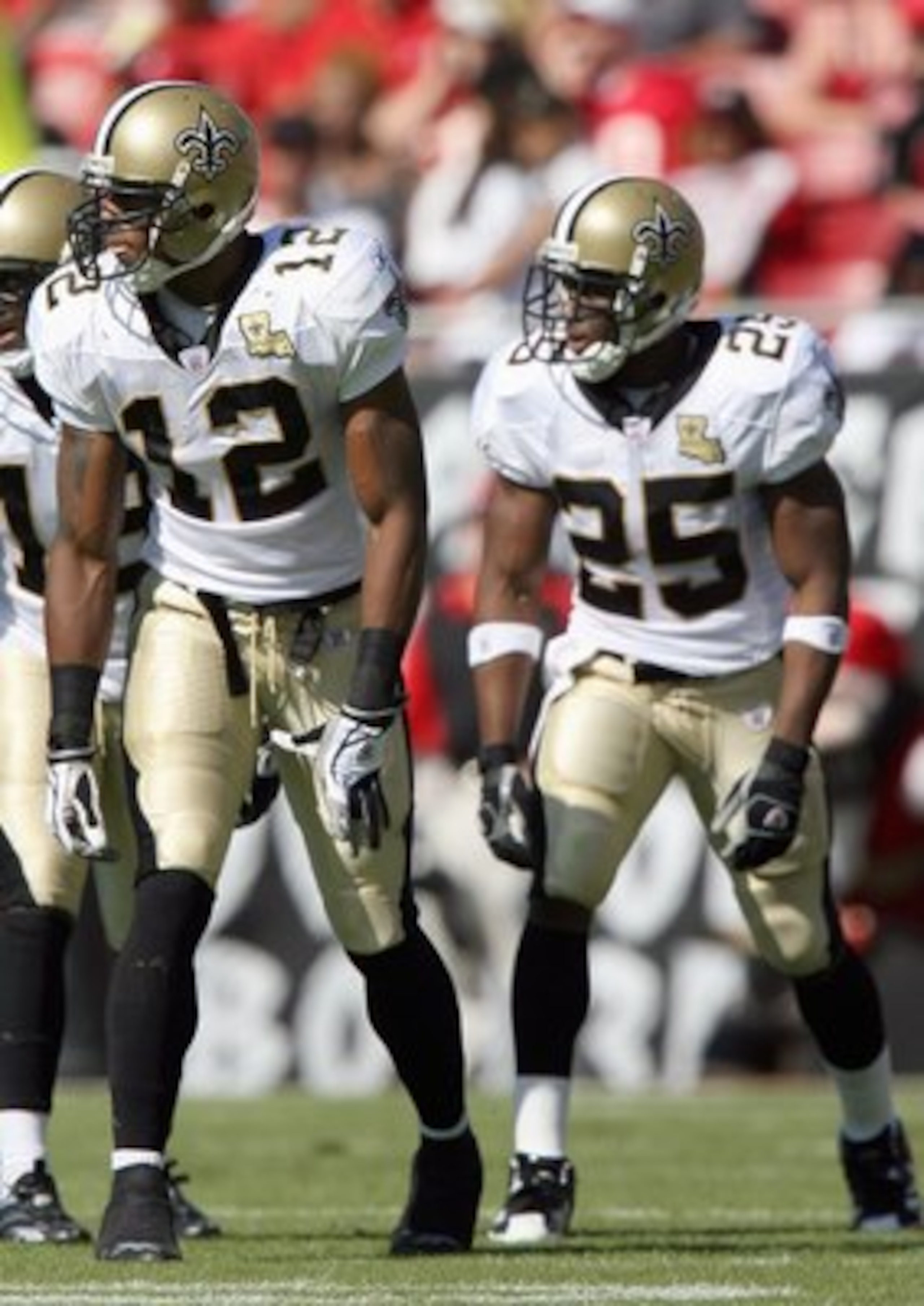
- First Round: Reggie Bush
- Second Round: Roman Harper
- Fourth Round: Jahri Evans
- Seventh Round: Marques Colston
Which player was the second-overall pick in the 2006 NFL Draft and which player was the 252nd?
Player 1 Career Stats: 4,232 total yards; 20 TDs
Player 2 Career Stats: 5,097 total yards; 40 TDs
Player 1 is Reggie Bush and Player 2 is Marques Colston. How often does a seventh-round pick outperform a first-round pick who also happens to be a Pro Bowler? It's absolutely astounding.
No. 4: 2000 New York Jets
22 of 25
- First Round: Shaun Ellis
- First Round: John Abraham
- First Round: Chad Pennington
- First Round: Anthony Becht
- Third Round: Laveranues Coles
After some illustrious wheeling and dealing, Bill Parcells strutted into the 2001 NFL Draft with four first-round picks (has to be some kind of record). With the 12th, 13th, 18th and 27th overall selections, the Big Tuna laid the foundation for a Jets team that would become a perennial contender from '01-'06.
No. 3: 2004 San Diego Chargers
23 of 25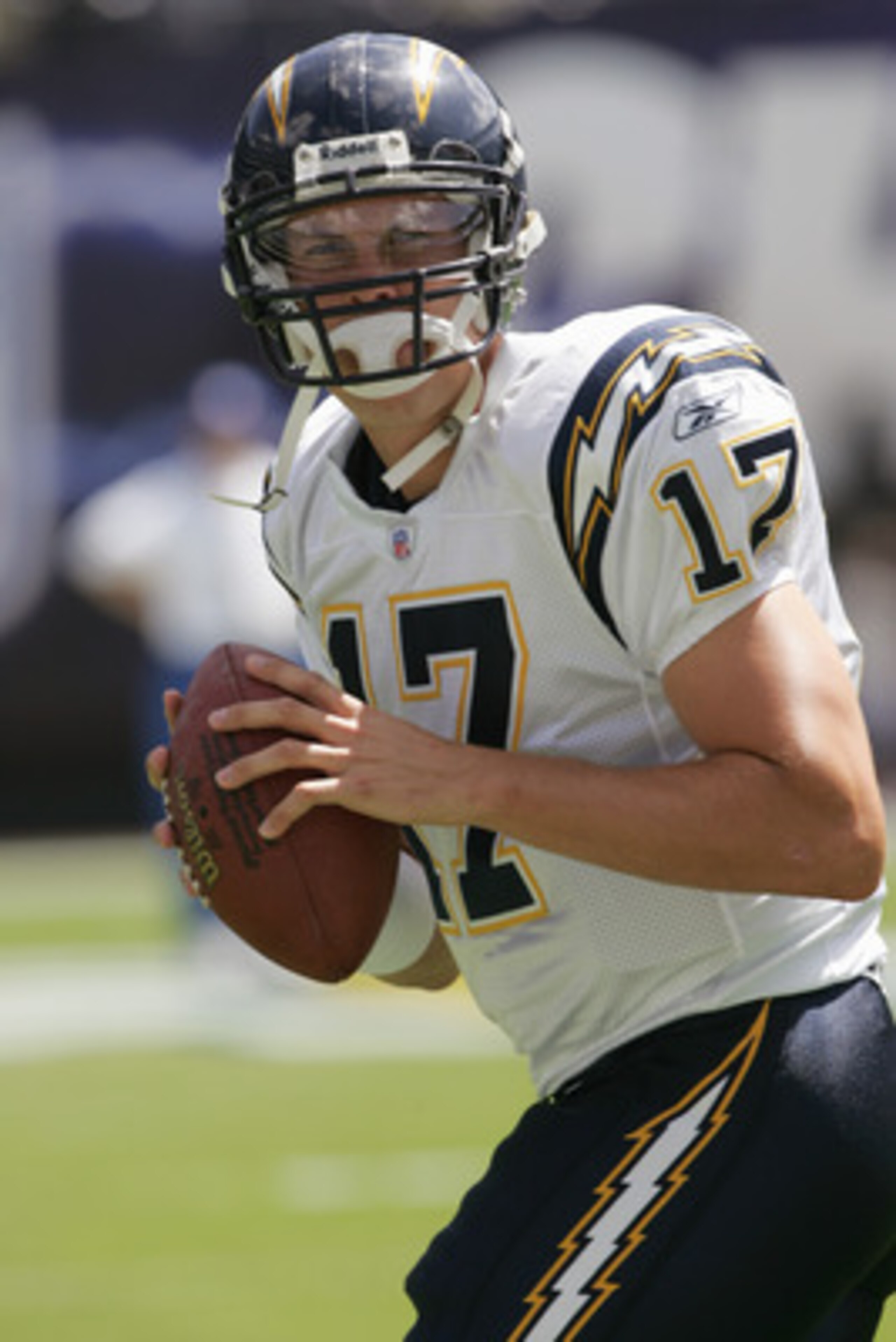
- First Round: Phillip Rivers (technically Eli Manning)
- Second Round: Igor Olshansky
- Third Round: Nate Kaeding
- Third Round: Nick Hardwick
- Fourth Round: Shaun Phillips
- Fifth Round: Michael Turner
Just as frustration with Drew Brees had finally hit its boiling point, the Chargers reacted as any team would—by drafting another quarterback. The rest is history, and the Brees-Rivers debate is a topic for another time. Rivers has grown into one of the league's premier quarterbacks, while Kaeding, Hardwick, Phillips and Turner have all made a Pro Bowl, earned an All-Pro selection or both.
No. 2: 2004 Arizona Cardinals
24 of 25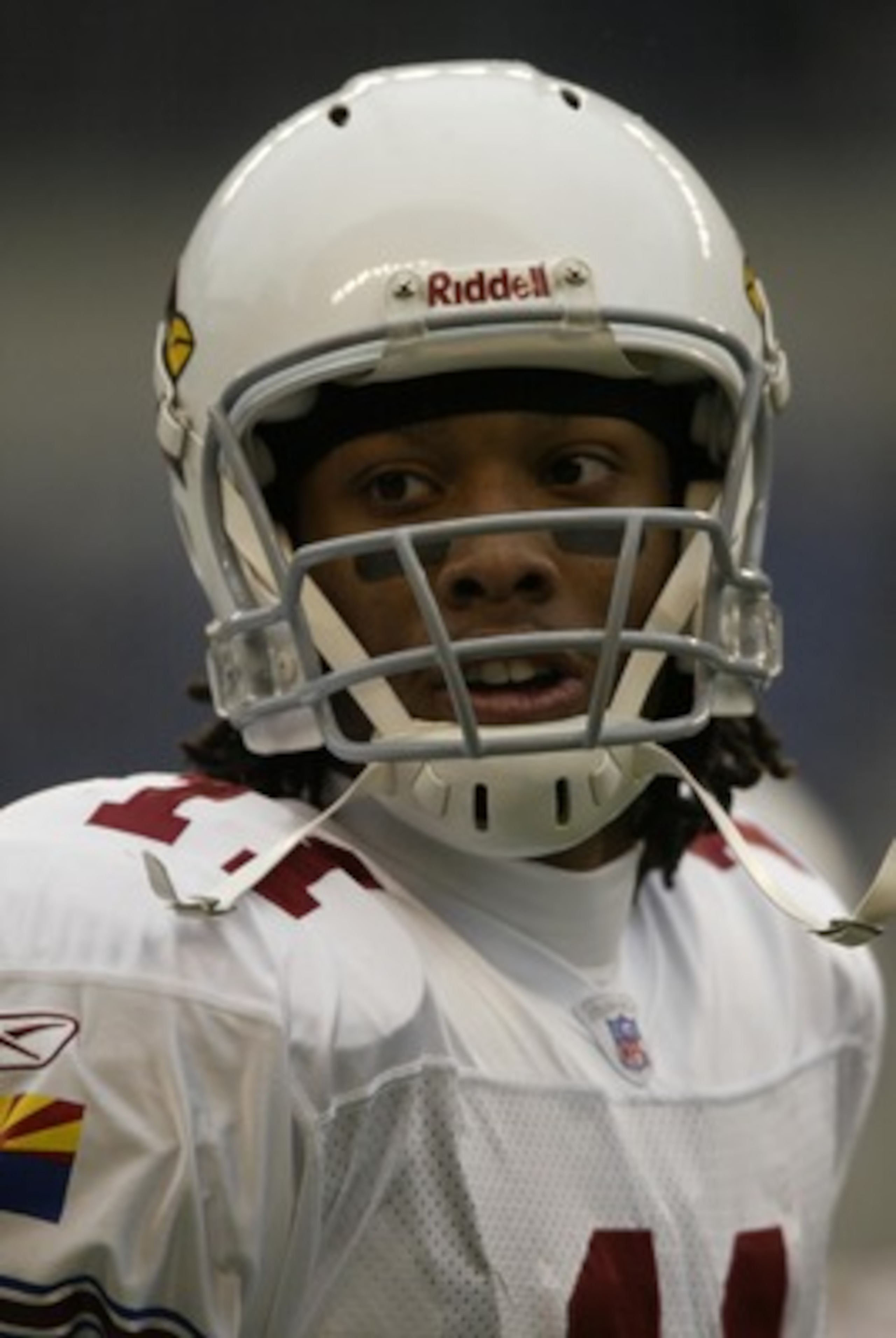
- First Round: Larry Fitzgerald
- Second Round: Karlos Dansby
- Third Round: Darnell Dockett
When the Cardinals made their stunning Super Bowl push in 2009, the masses asked: "Where did this team come from?" In reality, Arizona had essentially been a super cell just waiting for the right coach and quarterback to ignite its potential.
One year after Dave McGinnis drafted Calvin Pace and Anquan Boldin, Dennis Green used the 2004 NFL Draft to stockpile even more talent. But Green not only got talent, he also drafted three Pro Bowlers who became faces of the franchise.
Once Kurt Warner and Ken Whisenhunt arrived, the Cards were finally able to put it all together.
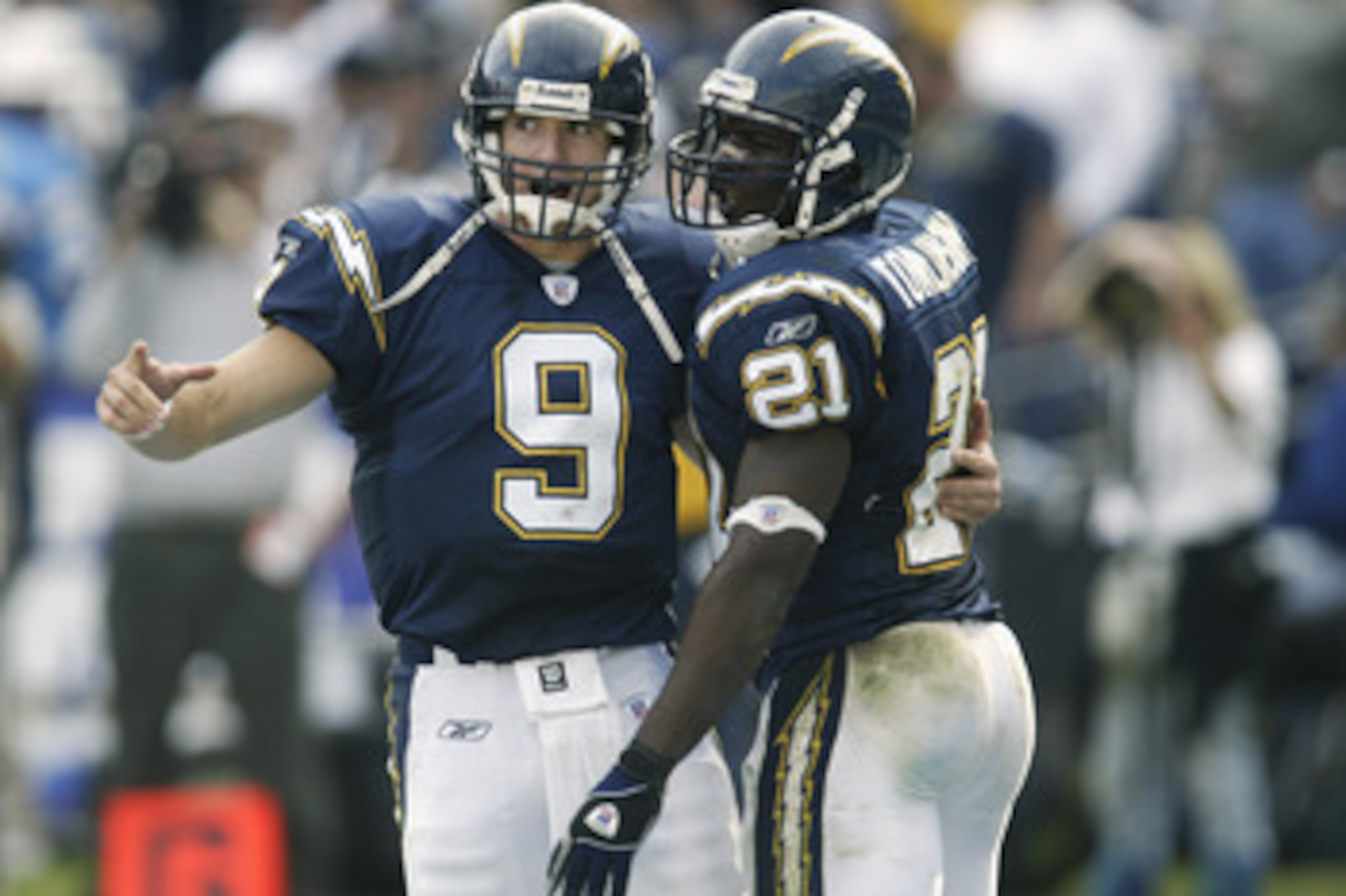
No. 1: 2001 San Diego Chargers
25 of 25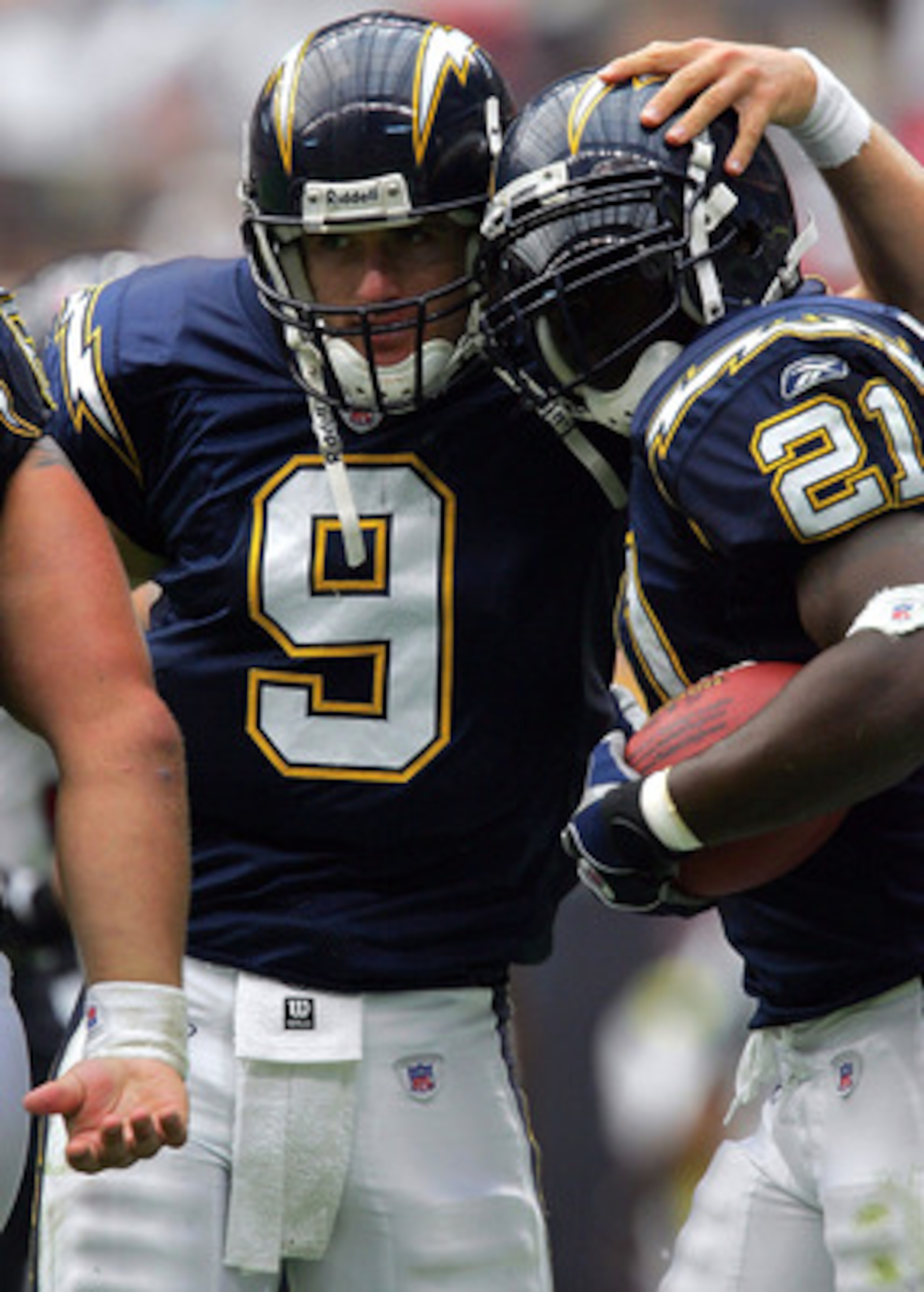
- First Round: LaDainian Tomlinson
- Second Round: Drew Brees
Two future Hall of Famers in one draft class? It's the stuff of legends, and it's the kind of landmark class that every fan so optimistically hopes his team just compiled. Even though this draft class has the fewest number of notable players, quality over quantity, right?
You can ignore the futility that characterizes the rest of San Diego's 2001 draft class because Drew Brees and LaDainian Tomlinson are generational talents. Although Brees was a late bloomer with the 'Bolts, he has since established himself as one of the most prolific passers of our generation with the Saints. Meanwhile, Tomlinson's accolades speak for themself. With 10 combined Pro Bowls, it's a shame we couldn't watch this duo dominate with some of the later Chargers draft classes.