St. Louis Blues' First Superstar Was Gary Unger: Do You Remember Him?

Recently, when I was in Missouri I had the opportunity to have breakfast with a native Missourian who grew up playing youth hockey and following the NHL hockey team.
Now grown up and a successful executive vice president with a Fenton, Missouri based company, Terry Erwin reminisced about the Stanley Cup finals matchups against Montreal and the Boston Bruins years ago.
TOP NEWS

BS Meter on NHL Trade Rumors 🌡️
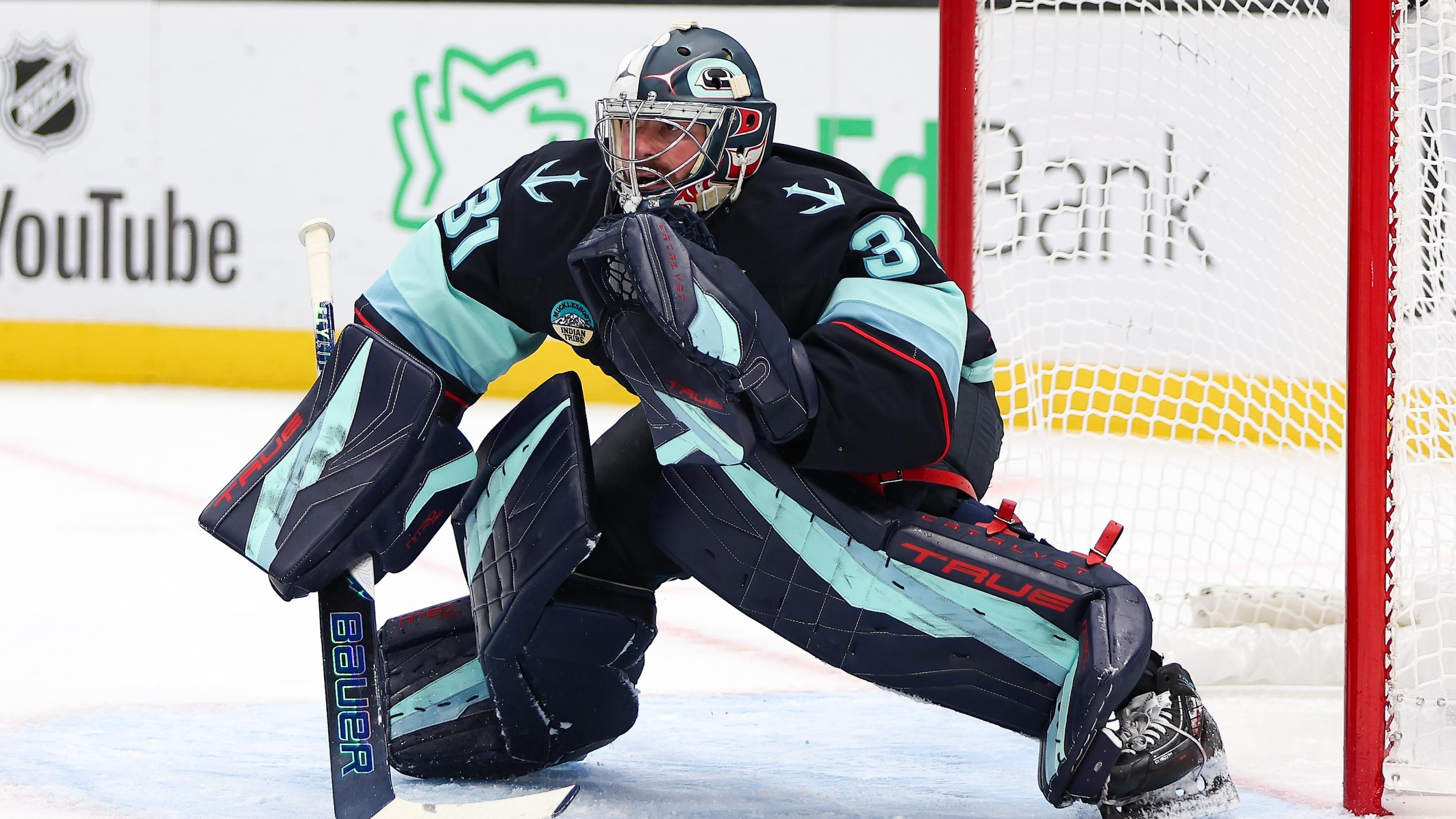
Teams That Need Goalie Trade💡
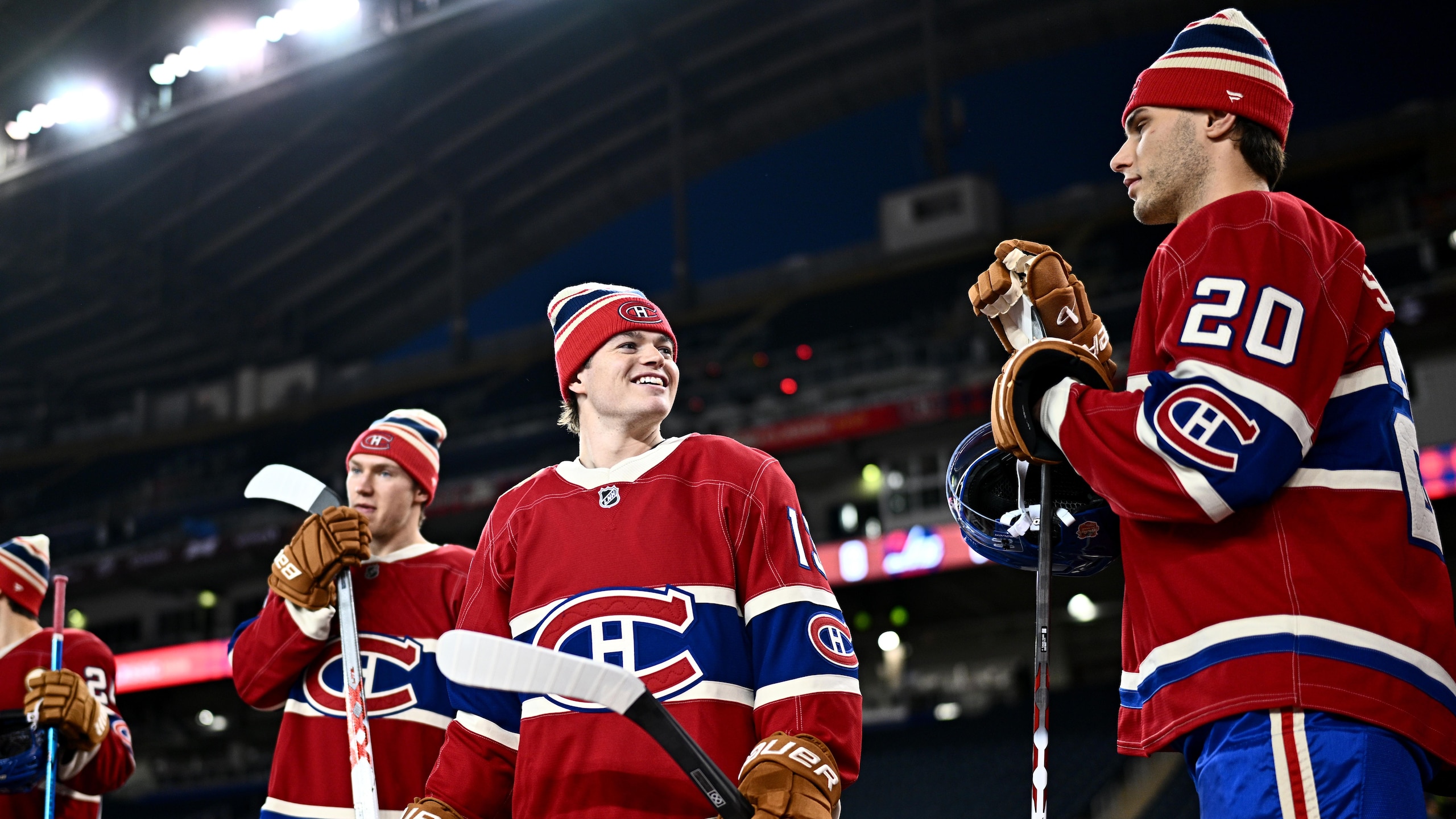
Best NHL Heritage Classic Jerseys 📋
His daughter, who also joined us for breakfast, remembered having a crush on former St. Louis forward Brendan Shanahan who lived down the street from them.
Although always on the go, Mr. Erwin was knowledgeable about the Blues recent blockbuster trade of high potential defenseman Erik Johnson for Colorado Avalanche forward Chris Stewart.
While discussing the Blues he spoke of several important members of early Blues rosters.
After naming several members of the early squads including Bob and Barclay Plager he fondly recalled the player who is still in my opinion Mr. St. Louis Blue—No. 7 Gary Unger.
Unger’s style and charisma combined with his all-star talent made hockey popular in St. Louis and quickly made the Blues a popular attraction in other NHL cities.
Unger was acquired from the Red Wings on a trade that sent the popular veteran Red Berenson to the Detroit Red Wings.
You might remember that Berenson scored an NHL-record six goals in one game against the Philadelphia Flyers. Despite that it did not take Unger long to endear himself to the St. Louis hockey community.
The Red Wings, owned by the Norris family back then, made some ridiculous moves during that period.
Today, it is difficult to believe that the Wings let a budding young star like Unger get away because of his haircut.
Ned Harkness, who was a strict disciplinarian, and the young Unger clashed immediately. Unger scored 42 goals as a sophomore in 1969-70 was a emerging new era star in the NHL, but to Ned he was a albatross and a hippie.
It did not help that he was good looking and had quite a following among young female fans including Miss America.
His trademark was his shoulder-length blond hair and creativity with the puck.
Although star players like Boston’s Bobby Orr and Derek Sanderson had done the same thing (wear long hair), Harkness would not tolerate Unger’s refusal to get a crew cut.
On Feb. 6, 1971 he along with, Tim Ecclestone and Wayne Connelly were traded to St. Louis in exchange for Berenson.
Unger quickly exploded in St. Louis. In each of his eight seasons as the Blues star performer he scored at least 30 goals and led the team in almost every offensive category. As one of the first NHL expansion teams the Blues successfully became part of the St. Louis sports landscape and Unger played a key role in marketing the team.
With not much of a supporting cast he was often overshadowed by centers on opposing teams with more accomplished wingers. Unger took a lot of the scoring load on his shoulders. He was also the focal point of every team's defensive strategy to stop the Blues.
Unger without much fanfare was mainly responsible for the spread of popularity for youth hockey in the St. Louis area that continues today. During his tenure on the team the number seven was the most sought after and fought for number in youth hockey circles in the area.
He also became known as Mr. Ironman. Unger never missed a game until Dec. 22, 1979, while playing with the Atlanta Flames. He participated in 914 consecutive NHL games, breaking Andy Hebenton's. record of 630 games in the process. The ironman record has since been upped to 964 games by Montreal's Doug Jarvis.
In his career, Unger would be able pass on several lessons of do's and don'ts to budding NHL superstars Wayne Gretzky, Mark Messier and Paul Coffey. Unger finished his career in his hometown of Edmonton.
Unger retired from the NHL in 1983. He played in 1,105 games, scored 413 goals, 391 assists and 804 total points.
Unfortunately, many fans and members of the youth hockey teams in the area today are not aware of Unger’s contribution to hockey in Missouri.
At least those like Terry Erwin remember and appreciate Unger for what he did for hockey in St. Louis.
.jpg?w=2560 "NHL Trade Grades Connor Hellebuyck")




.jpg?w=2560 "Latest Peyton-Colts Rumors")