I am in the midst of a series examining the relative strengths and weaknesses of each of the teams in the AL East, on a position-by-position basis. The players at each position are being ranked in relation to their peers within the division, with teams being assigned points based on where their player ranks in comparison to their peers.
Today, the series continues with a look at the left fielders.
The best player will earn 10 points for his team, with the remaining players being assigned points as follows: 7-5-3-1.
At the end of the process, I will accumulate all of the points for each team and create a divisional power ranking.
Analysis / Ranking:
1 of 6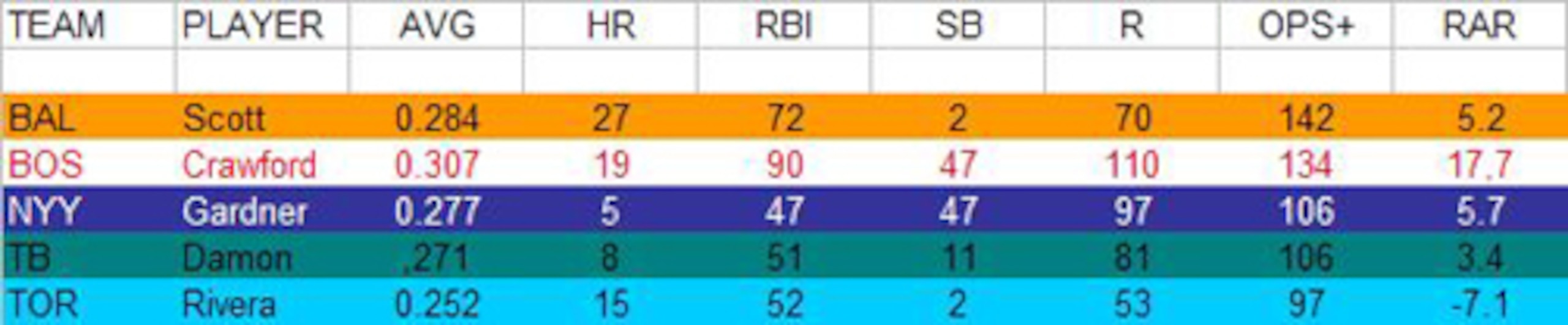
Here are the 2010 statistics for each of the five projected starters entering the 2011 season. The chart presents the five basic stats used in fantasy baseball, plus OPS+ and Runs Above Replacement (RAR).
The rankings contained herein are based on these stats, plus projections as to what the upcoming year may have in store.
1. Carl Crawford, BOS
2 of 6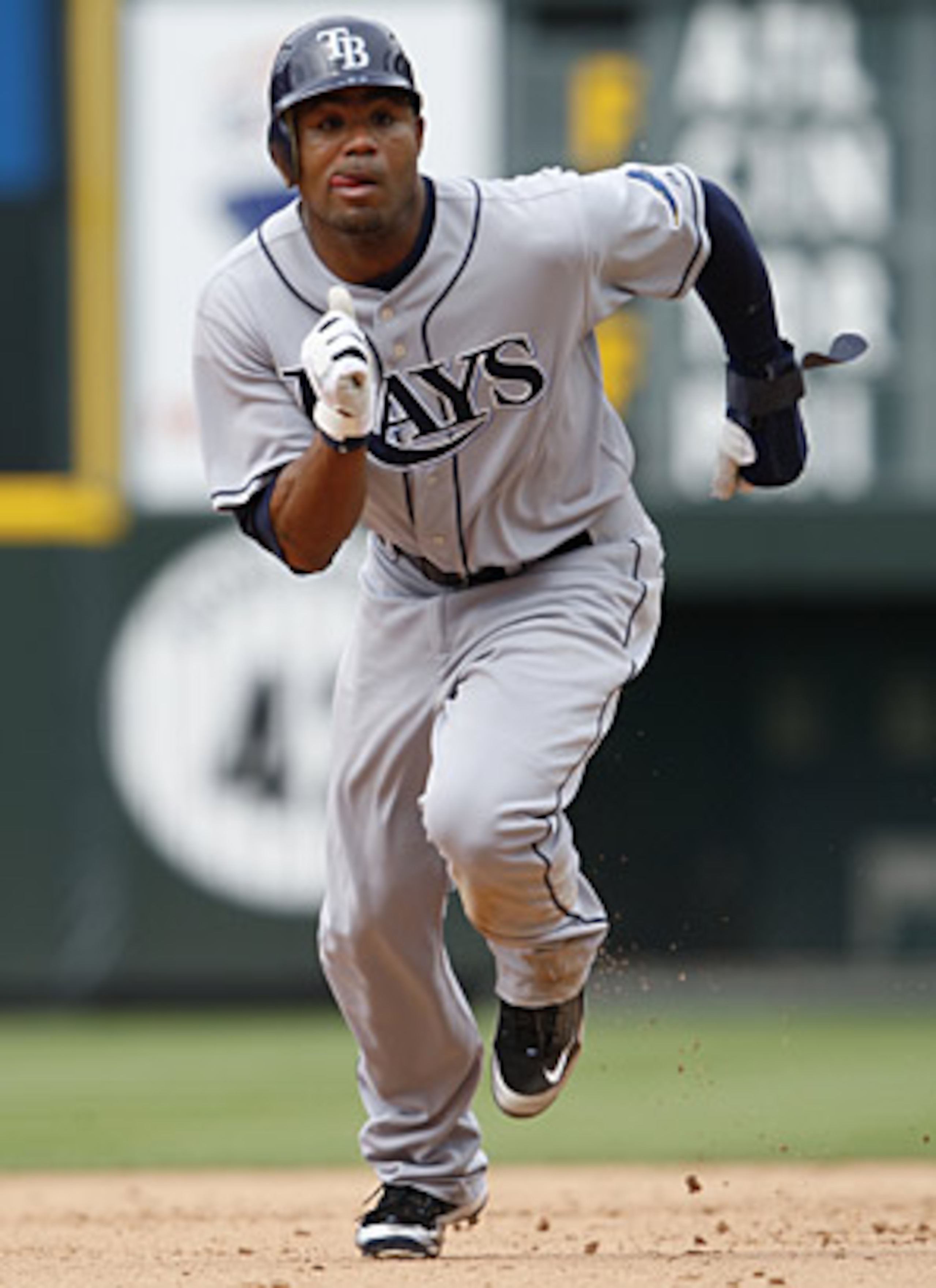
It is inarguable that Crawford is the best left fielder in the division. If you don’t accept that fact, you don’t know baseball.
He is coming off a career year. Many pundits (Ron Shandler, among many others) have suggested he may not have peaked yet. In my opinion, their contention isn’t really supported by the evidence. Last year, CC posted the second-best batting average of his career, while setting career highs in HR, RBI and R. He accomplished all of this while his fly ball rate spiked and his line drive rate dipped, and also he failed to draw as many walks as you would like (7% against an 8.6% MLB average).
He had an uncharacteristically high BABIP (.342), while many of his other peripheral statistics (i.e. contact rate, hit percentage, etc.) were right at their career norms, suggesting his success was due, in large part, to good fortune.
The statistical package suggests Crawford will continue to be highly productive for the next several years. But to suggest he hasn’t peaked yet is to suggest his performance could still improve. While I am an ardent Red Sox fan—I can’t quite wrap my brain around that one—in my opinion, last year was about as good as it gets. He is surely playing at the top of his game.
If he performs at this level for the next several years, that would be all right with me.
For fantasy owners: Crawford will almost-certainly bat third in the Red Sox batting order. While Jacoby Ellsbury—hitting in front of the right-handed hitting Dustin Pedroia—will have the green light to steal , it is unlikely the Red Sox will want Crawford running as often while hitting in front of the left-handed hitting Adrian Gonzalez.
With Crawford at first base, Gonzales—the Red Sox’s new first baseman—will enjoy an enlarged “hole” on the right side of the infield. If Crawford runs, opposing teams will take the bat out of Gonzalez’s hands…and the Red Sox did not acquire A-Gon to be intentionally walked. My guess is CC will steal 40 bases, but no more. Also, expect fewer home runs from him now that he will be playing half of his games in Fenway Park (lets say, a dozen).
2. Brett Gardner, NYY
3 of 6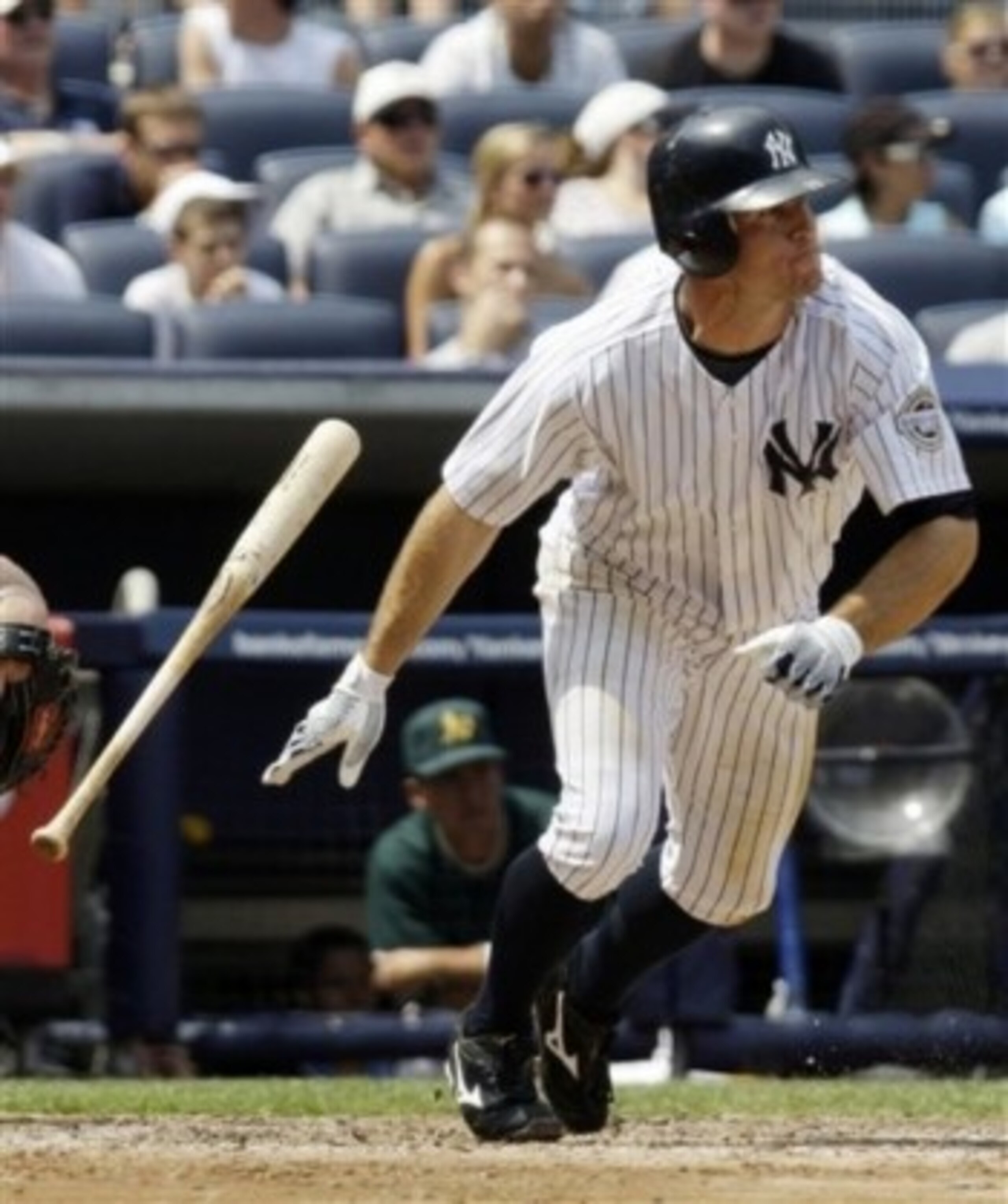
Gardner was the only player in the major leagues to post a .380 OBP, score 95 runs and steal 45 bases last year, but there were ominous warning signs in the second half of the season: his contact rate dropped from 84% to 73% and, as a result, his 2nd-half batting average was just .230.
It was the first time he played a full season in the big leagues, so it is possible his struggles after the All-Star break may have had more to do with fatigue than anything else. While some Yankees fans will decry such considerations and point to the June hit-batsman, but the fact of the matter is that 2010 was not the first time he tired in the second half of the year - he hit just .233 in the second half of '09 in spite of having played sporadically at the major league and minor league levels (fewer than 300 AB).
For fantasy owners: We don’t have much to go on in terms of history. It seems safe to conjecture he could have another season in which he starts great and then limps home. Until he proves he's able to sustain his performance throughout the year, I might acquire him in the draft and then look to trade him at the all-star break.
He hit more ground balls and fewer fly balls last year than he did in 2009, or in the minor leagues. It's quite possible those numbers will revert to his career norms. And if they do, he could approach double figures in home runs (thanks, largely, to the New Yankee Stadium Softball Field in The Bronx). Otherwise, you can expect his numbers will be similar to, but lightly better than, last year.
3. Luke Scott, BAL
4 of 6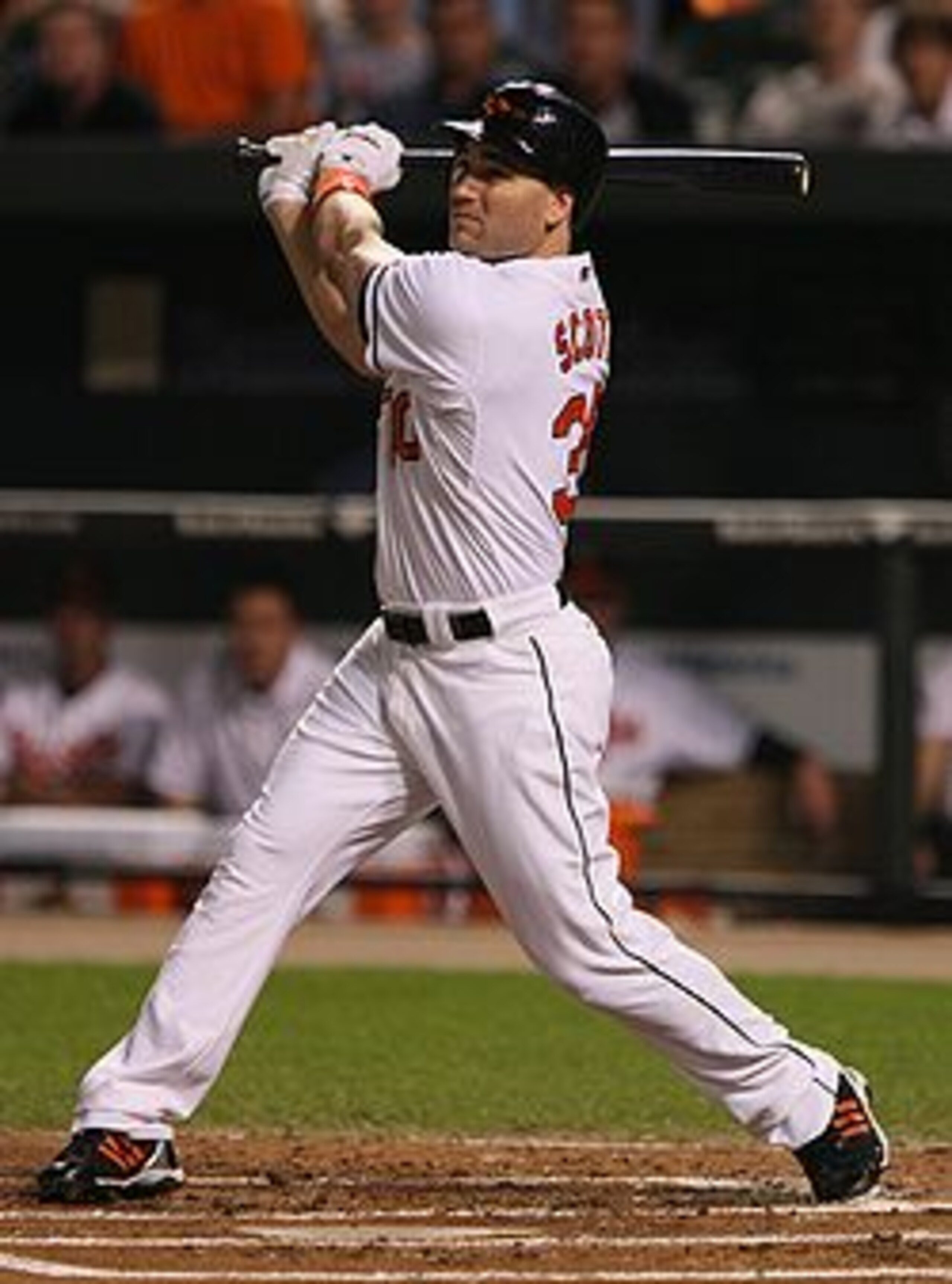
Scott’s batting average increased by more than 25-points between 2009 and 2010, driven by a spike in BABIP (20+%) and hit rate (+3%). His career-high home run total was similarly driven by a two-point increase in his HR/FB metric.
Virtually all of Scott’s underlying peripheral stats remained constant and within career ranges, indicating that last year’s improvement was not the result of an expansion of his skill set.
For fantasy owners: Scott failed to play the requisite 20 games at first base or in the outfield, meaning that in most leagues he will qualify only as a Designated Hitter. Based on last year’s performance—the stable skill set and one-year spikes in a few metrics—you should plan on a return to 2008-09 production levels (.260/25/75).
4. Johnny Damon, TB
5 of 6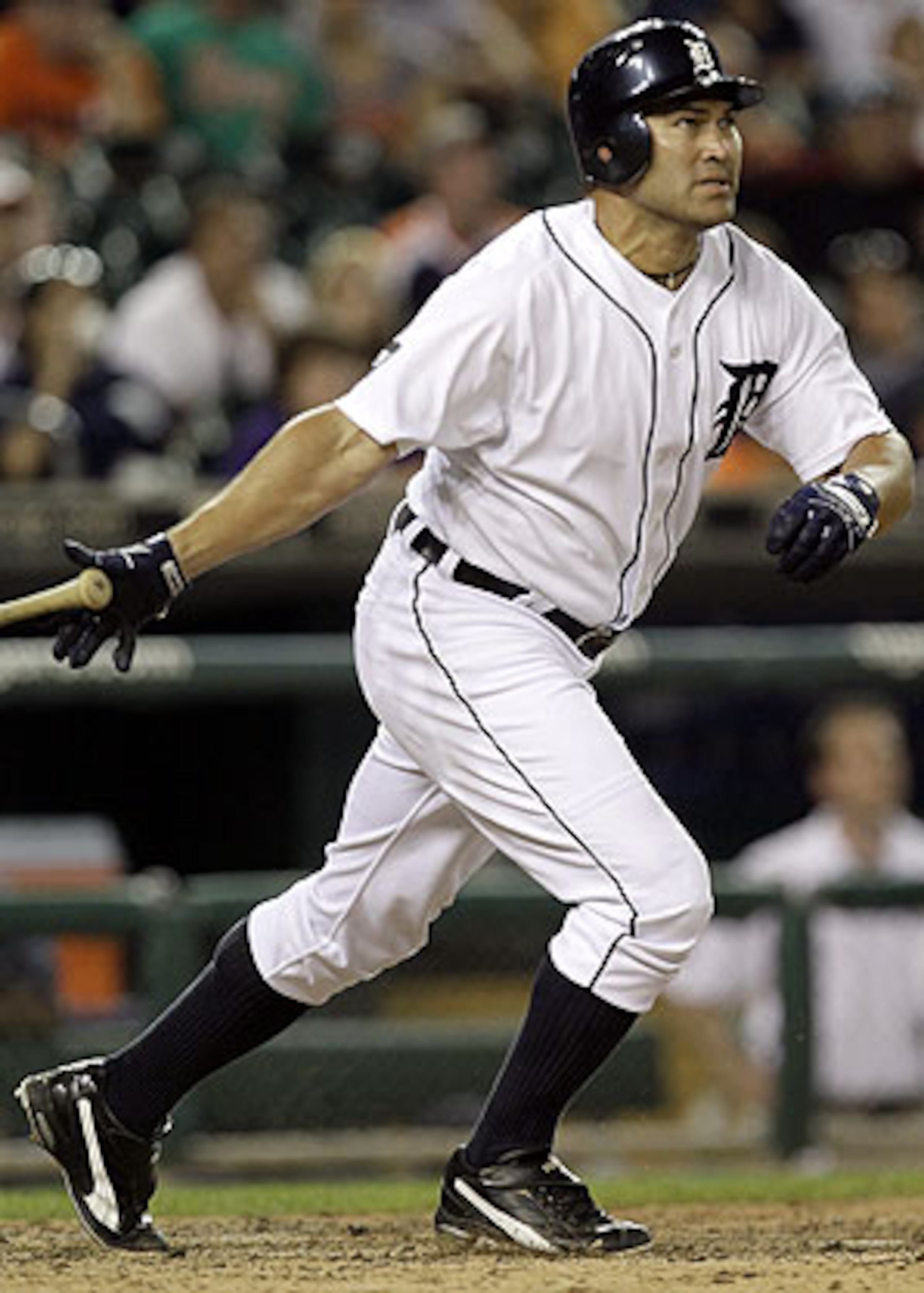
Damon had arguably the worst year of his professional career in 2010. He set a career low in stolen bases, and came close to establishing career lows in batting average, home runs, ribbies and runs scored. All of this happened in spite of the fact that his peripherals were largely consistent with recent years (BABIP, contact rate, hit rate, walk rate, etc.).
Part of his struggles were centered around leaving the friendly confines of the softball field in The Bronx, but of equal importance was the fact that he was no longer surrounded by the offensive firepower of the Yankees' lineup. What is clear from his 2010 splits is that his problem was NOT Comerica Park—where he hit .291, with 7 HR and 32 RBI. Away from Detroit, he hit .249, with one HR and 19 RBI in nearly the same number of ABs.
For fantasy owners: While some pundits have written that Damon will be better off now that he has left Detroit, the data does not support such a contention. Tropicana Field is actually one factor worse as a home run park for left-handed hitters than Comerica (a factor of 89 vs 90). Furthermore, Tropicana is THE WORST stadium in MLB in terms of run production—by a factor of nearly 20% less than Comerica.
So if you are banking on things getting better for Damon, you had better be betting on something other than the ballpark factor. You had better hope the 37-year-old version has something more in the tank in 2011 than the 36-year-old version had in 2010.
5. Juan Rivera, TOR
6 of 6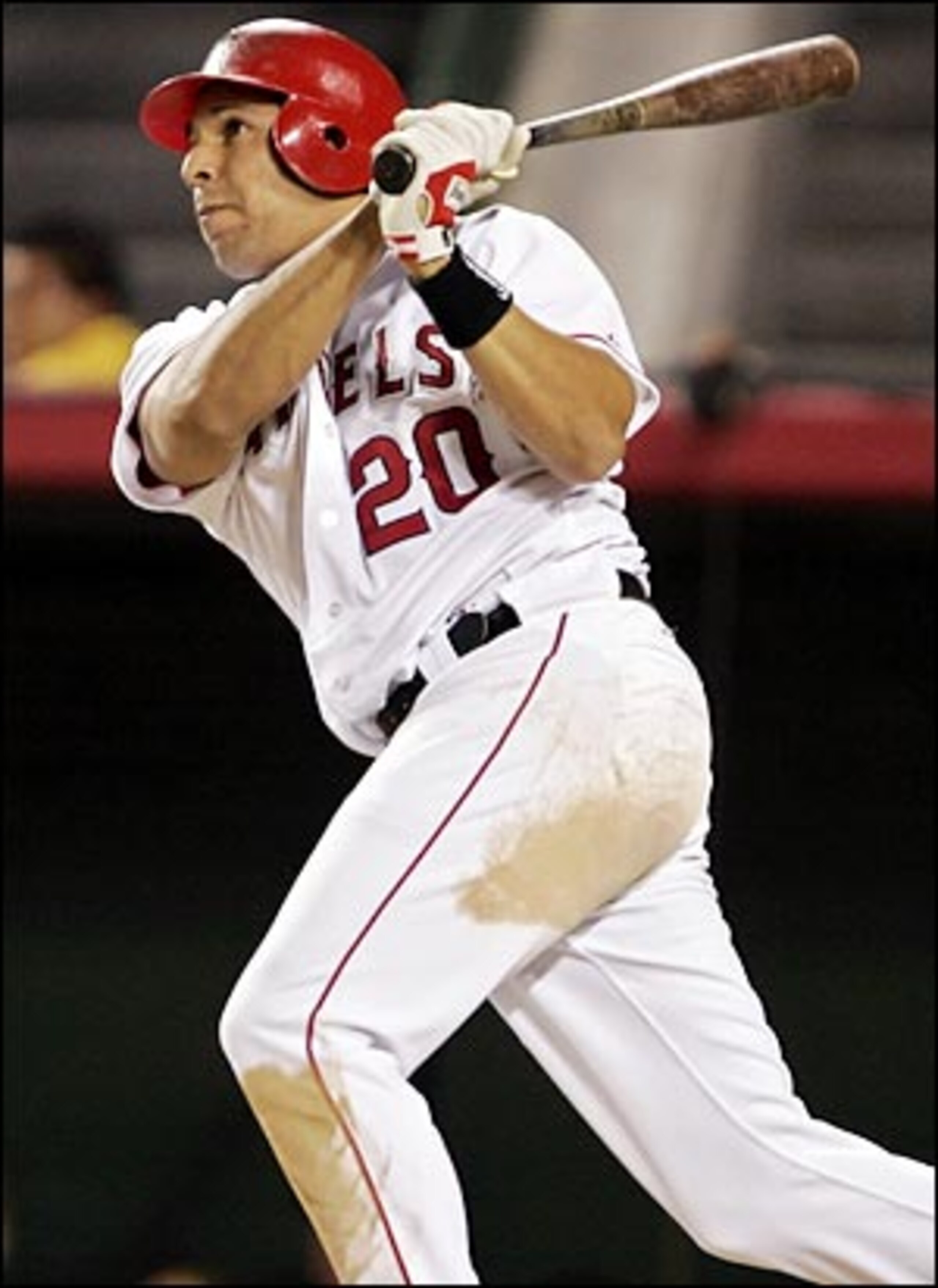
There isn’t much to say about Rivera, good or bad, other than he is now 32 years old and he has been experiencing injury issues as he ages. Last year at this time, the pundits were declaring that his 2009 statistical improvement was attributable to a spike in a couple of metrics, and they warned that his 2010 performance would regress towards 2008 levels.
It did.
The Angels viewed him as being washed up. He was added to the trade to help balance out the salary being shipped westward by the Blue Jays. He was a throw-in, in much the same way Mike Lowell was thrown into the Josh Beckett deal (between Boston and Florida) a few years ago.
The Blue Jays can only hope Rivera has similar success in Toronto.
For fantasy owners: Things are looking up for Rivera. He gets a fresh start in Toronto after alienating teammates with his half-hearted play over the last couple of years. He has been traded to a team that is likely to give him additional playing time. Additionally, he has moved from one of the worst offensive ballparks to one of the best.
Assuming a stable skill set and an increased opportunity to play, it is likely Rivera’s productivity will improve—a .260 average, 18 HR, 60 RBI and 60 R seem likely.