
Kirby Puckett and the 15 Hall of Famers Most Undeserving of Their Plaques
Originally, the Baseball Hall of Fame in Cooperstown, New York was created to honor the best and most important people in the game’s history. The first class of players—Babe Ruth, Honus Wagner, Christy Mathewson, Walter Johnson and Ty Cobb—are some of the biggest names the game has ever seen (how Cy Young was omitted from selection that first year is baffling, given his credentials).
In the decades that have passed since 1936 there have been many more entrants elected to the sacred hallways of Cooperstown, most deserving the honor.
However people are elected for different reasons and different times, and not voting system is perfect. Therefore sometimes those who deserve entry are overlooked for one reason or another, and in other cases people whose merits lack Hall of Fame worthiness are enshrined.
Today there are more ways to get elected to the Hall of Fame then ever before. Players have twenty years from the time they retire to be elected by the Baseball Writer’s Association of America (BBWAA). If they fail to receive the necessary 75 percent of votes in all 15 years on the ballot (after waiting the five-year hiatus post retirement) they are dropped from the ballot.
Any player receiving less than 5 percent of the votes in any given year on the ballot is also dropped. However that is not the end of their chances. A special group set up by baseball and the Hall of Fame, known as the “Veterans Committee,” also votes each year to elect players, executives, umpires and managers of the game who otherwise would not be elected.
Players today also benefit from circumstances players of the past did not—the designated hitter rule, for instance. Players of yesteryear did not have the opportunity to extend their careers by taking off three-quarters of the game while still padding their offensive statistics. And while we have not come up yet on all the bigger named PED users like Barry Bonds, Roger Clemens, Sammy Sosa and the like, the enhancement of medicine has not hurt today's player either.
This is a look a the top-10 players honored with a plaque in Cooperstown that gained entry when their play on the field did not merit it. Managers, executives and umpires are not factored in. Neither are Negro League players or anyone who’s career ended prior to the modern era (1901-current).
(Un) Honorable Mention: Paul Molitor
1 of 16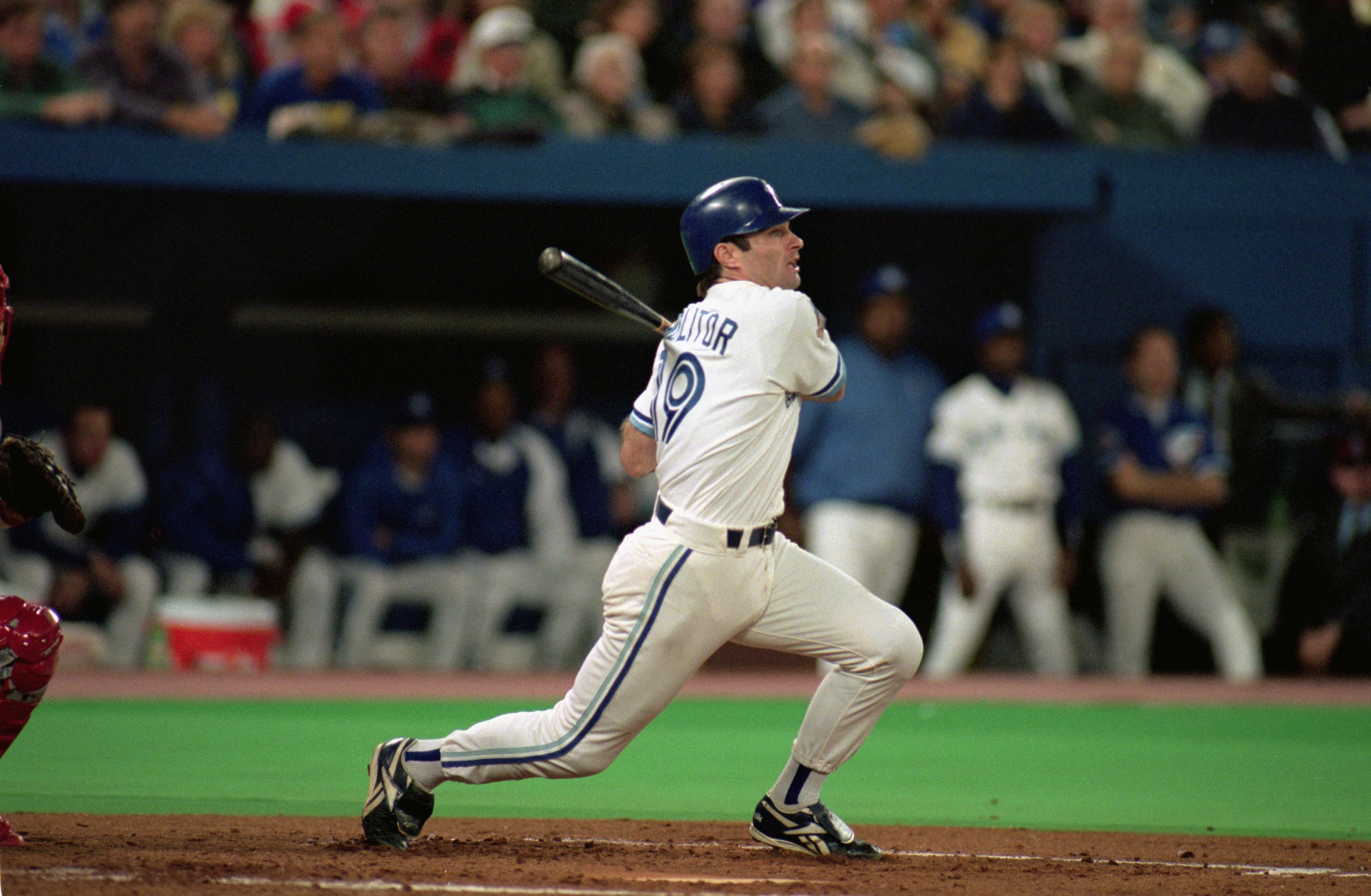
Paul Molitor was a very good player, a career .306 hitter, he led the Toronto Blue Jays to the World Series in 1993 (he was MVP and scored the winning run in the clinching Game 6 victory).
His 3,319 career hits made him nearly an automatic selection, however without the advent of the DH rule his career would have been shortened by several years.
How can we honor a player as one of the best of all time if he held a significant rules advantage over his predecessors?
Number 15: Richie Ashburn
2 of 16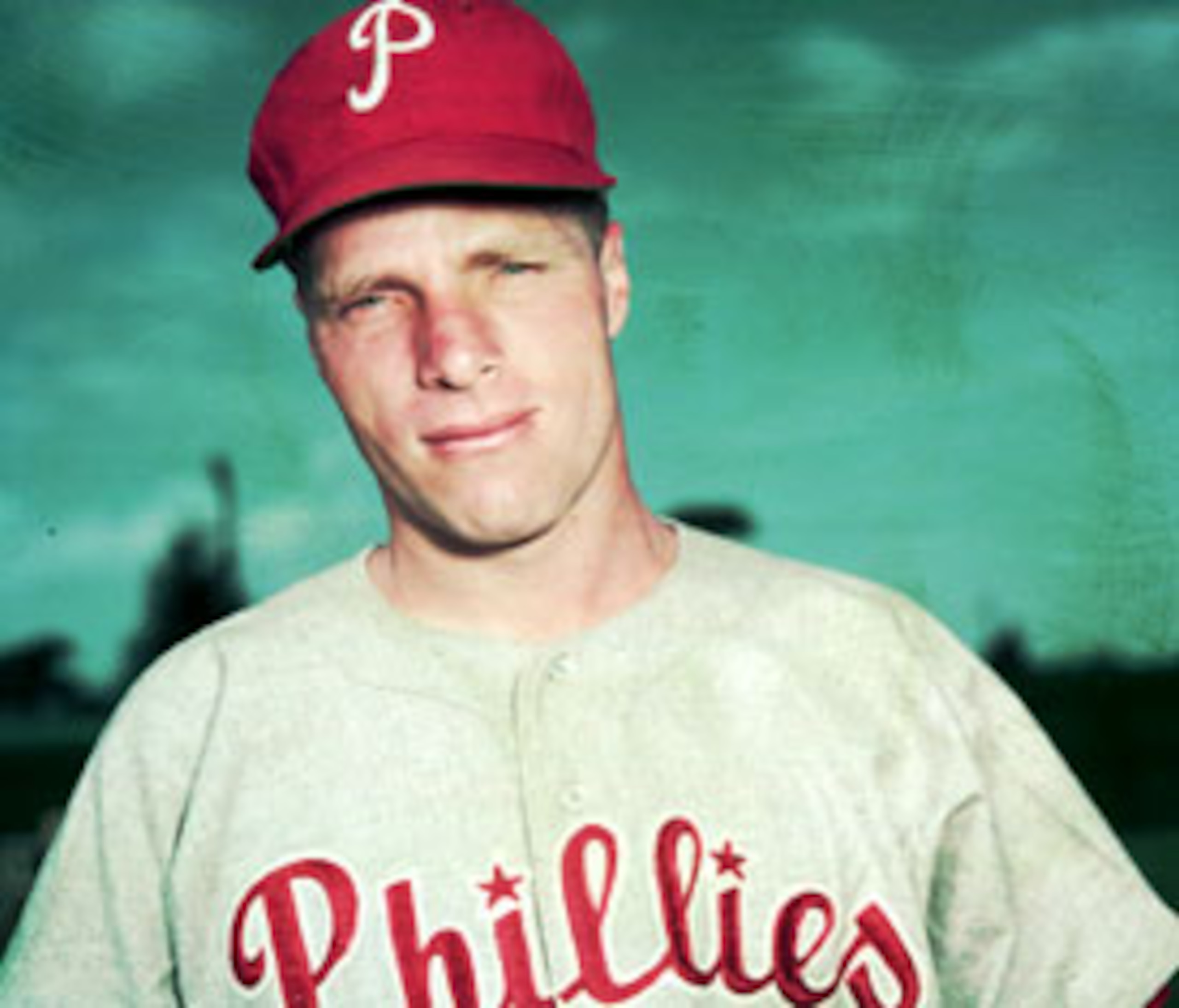
RIchie Ashburn was a terrific player, winning two batting titles and playing spotless defense in center field, mostly for the Phillies in the 1950s.
However he was only the fourth-best centerfielder of his generation and retired a few years too soon, before acquiring the necessary career totals to gain entry.
The BBWAA overlooked him the entire time he was on the ballot and Ashburn only gained entrance due to the Veteran’s Committee.
Number 14: Rich Gossage
3 of 16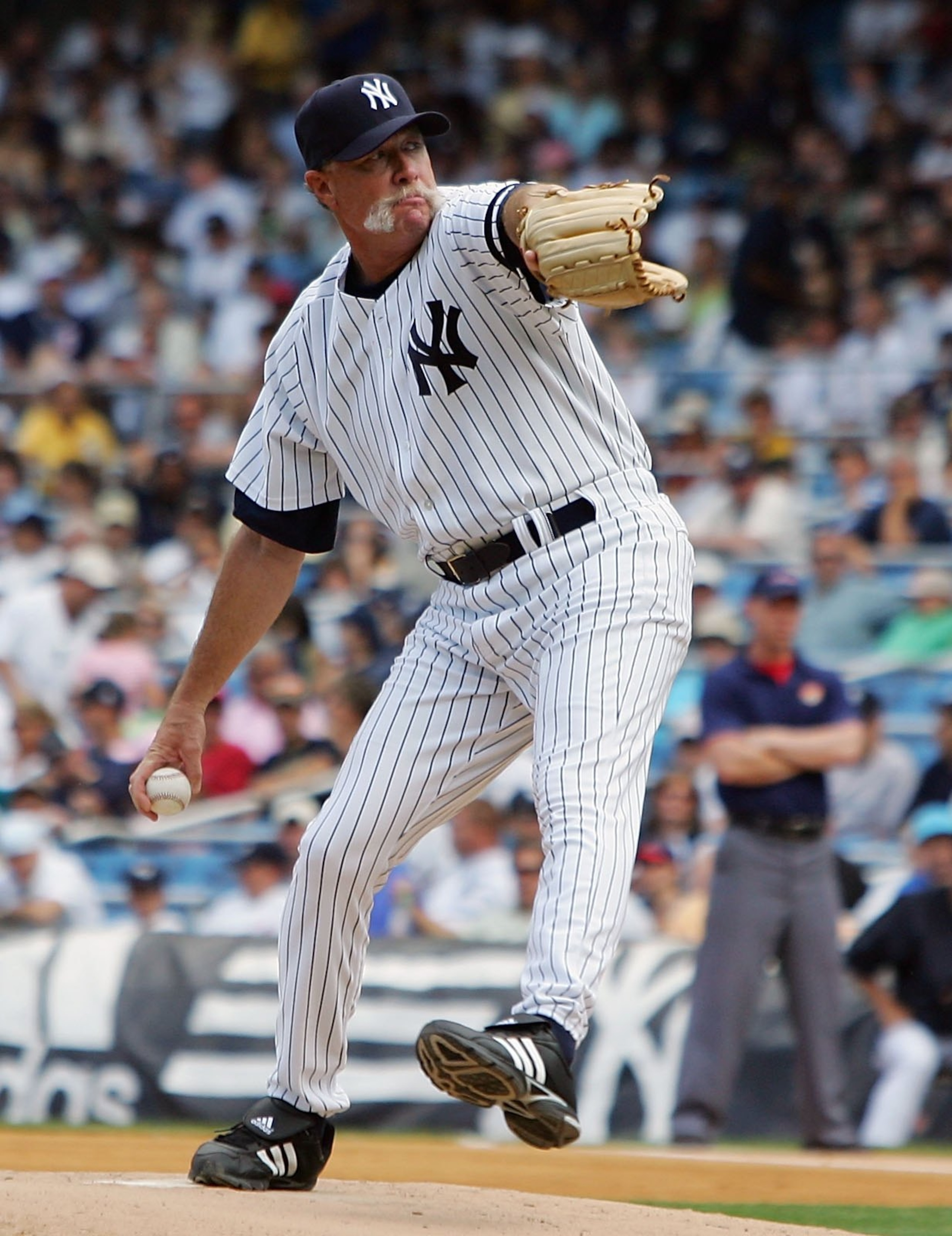
Goose Gossage was an ace relief pitcher for a number of teams in his career, most notably the Yankees. He was one of baseball’s first primary closers and one of the first to reach 300 career saves.
However he was not dominant for a long enough period of time to warrant entry, and is not credited with developing an entirely new pitch that changed the course of the game for many pitchers like Bruce Sutter was.
One player should not be elected or kept out of the Hall of Fame due to another player’s entrance or rejection. If Sutter was not elected, Gossage stood little chance.

.jpg?w=2560)
Number 13: Dave Winfield
4 of 16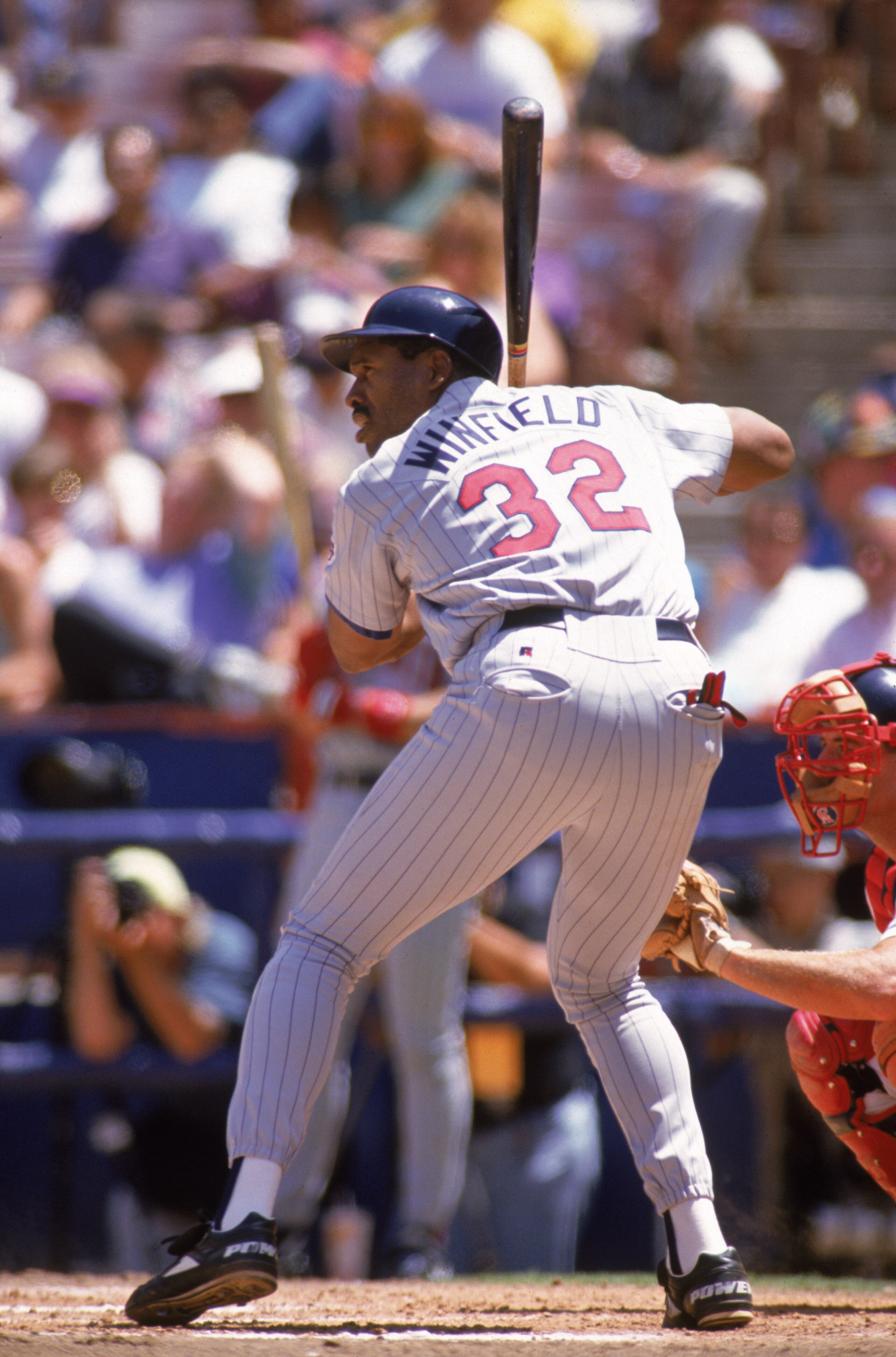
Dave Winfield was a terrific player with a lot of talent. He was built like a tank and could launch the ball a mile.
However he failed to come up big in clutch situations so often he earned the nickname “Mr. May.”
He reached the magical plateau of 3,000 career hits, but did so only by extending his career a number of seasons being a DH. In 22 seasons in the Major Leagues he led only once in a major statistical category.
Number 12: Kirby Puckett
5 of 16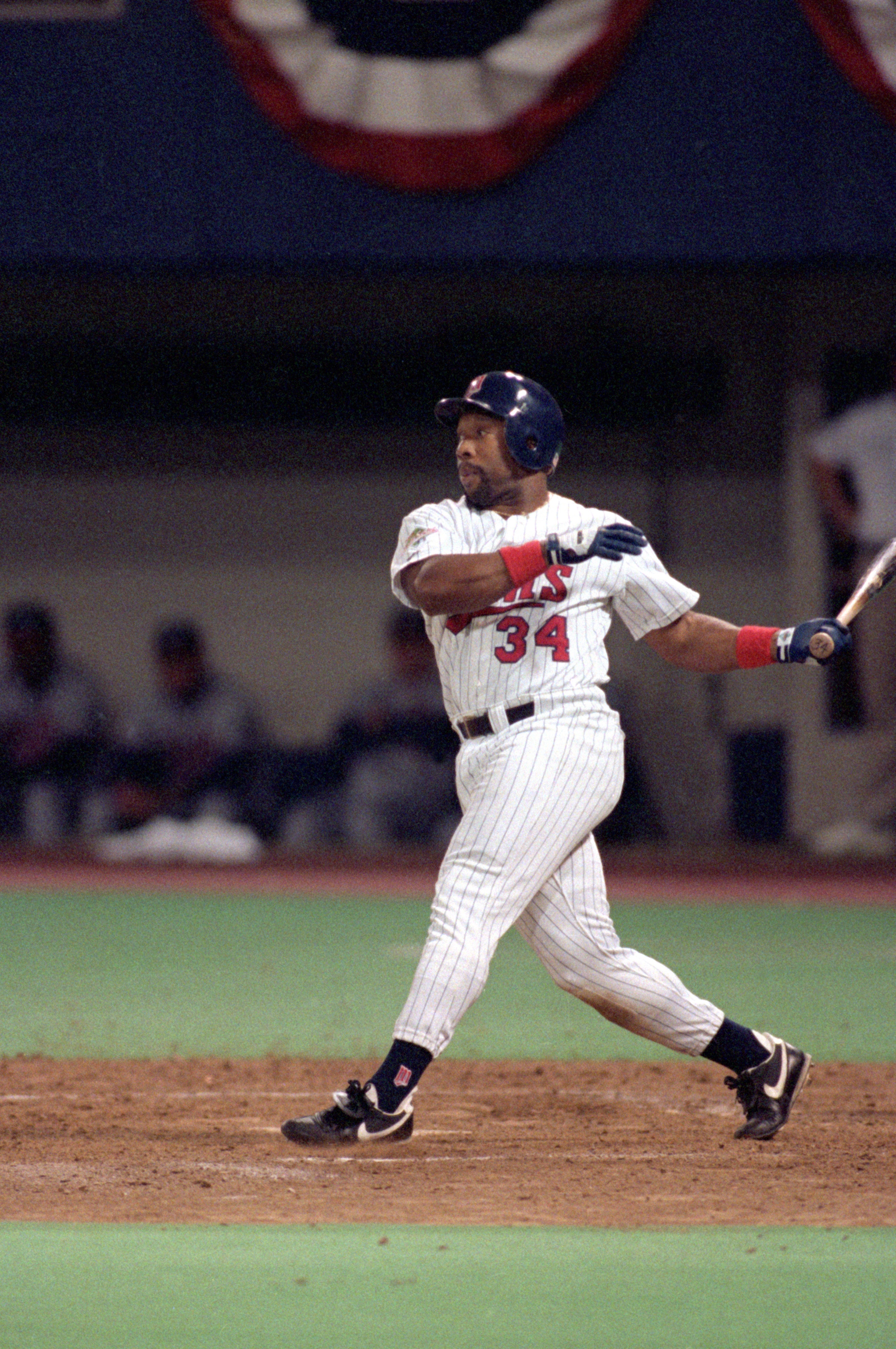
A beloved hero in Minnesota, Kirby Puckett won a batting title and led the Twins to two World Championships.
His career .318 batting average is strong but an injury/health issue derailed his career before he could accomplish the things he was on pace for.
He did not accomplish enough in his short career to warrant selection and only was voted in because he was a media/fan favorite.
In the same general era of play, Albert Belle was a much more dominant a force on the baseball field and has never received anywhere near enough votes to be elected.
Number 11: Jim Bunning
6 of 16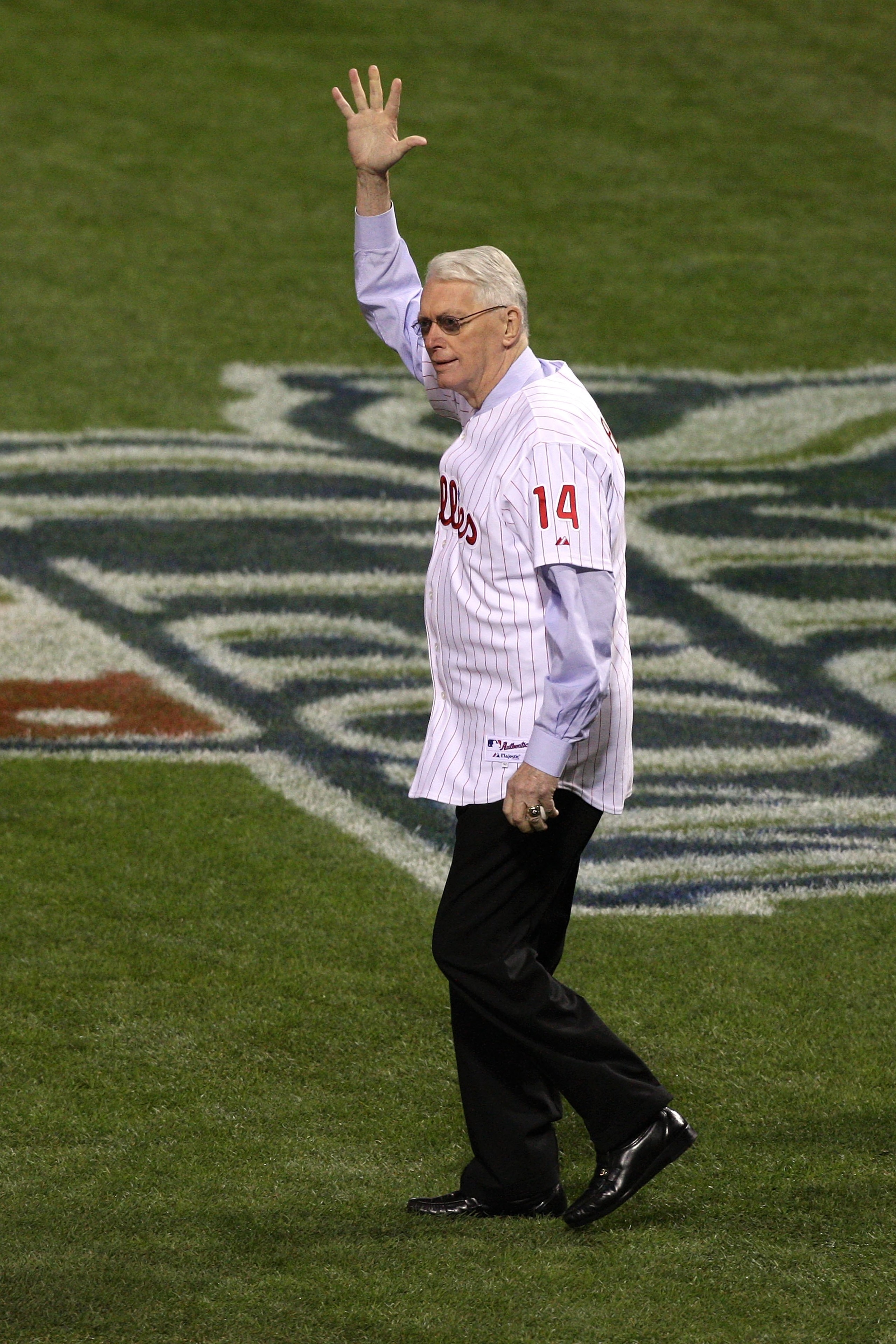
Jim Bunning was the first pitcher to win 100+ games in both leagues, and finished with 224, pitching mostly for the Phillies and Tigers.
He averaged only 14 wins per season, had just one 20-win season, and was never awarded a Cy Young.
The perfect game he pitched at Shea Stadium in 1964 is what he is remembered for and probably what got him elected to Cooperstown.
Number 10: Eppa Rixey
7 of 16A left-handed pitcher for the Phillies and Reds in the early part of the century Eppa Rixey won 266 major league games, but also lost nearly as many.
His career 3.15 ERA resonates more today than it did then, and he had a few 20-loss seasons at a time when Wins and Loses mattered for pitchers.
With only a couple of really good seasons Rixey was only slightly better than average for his time.
Number 9: Luke Appling
8 of 16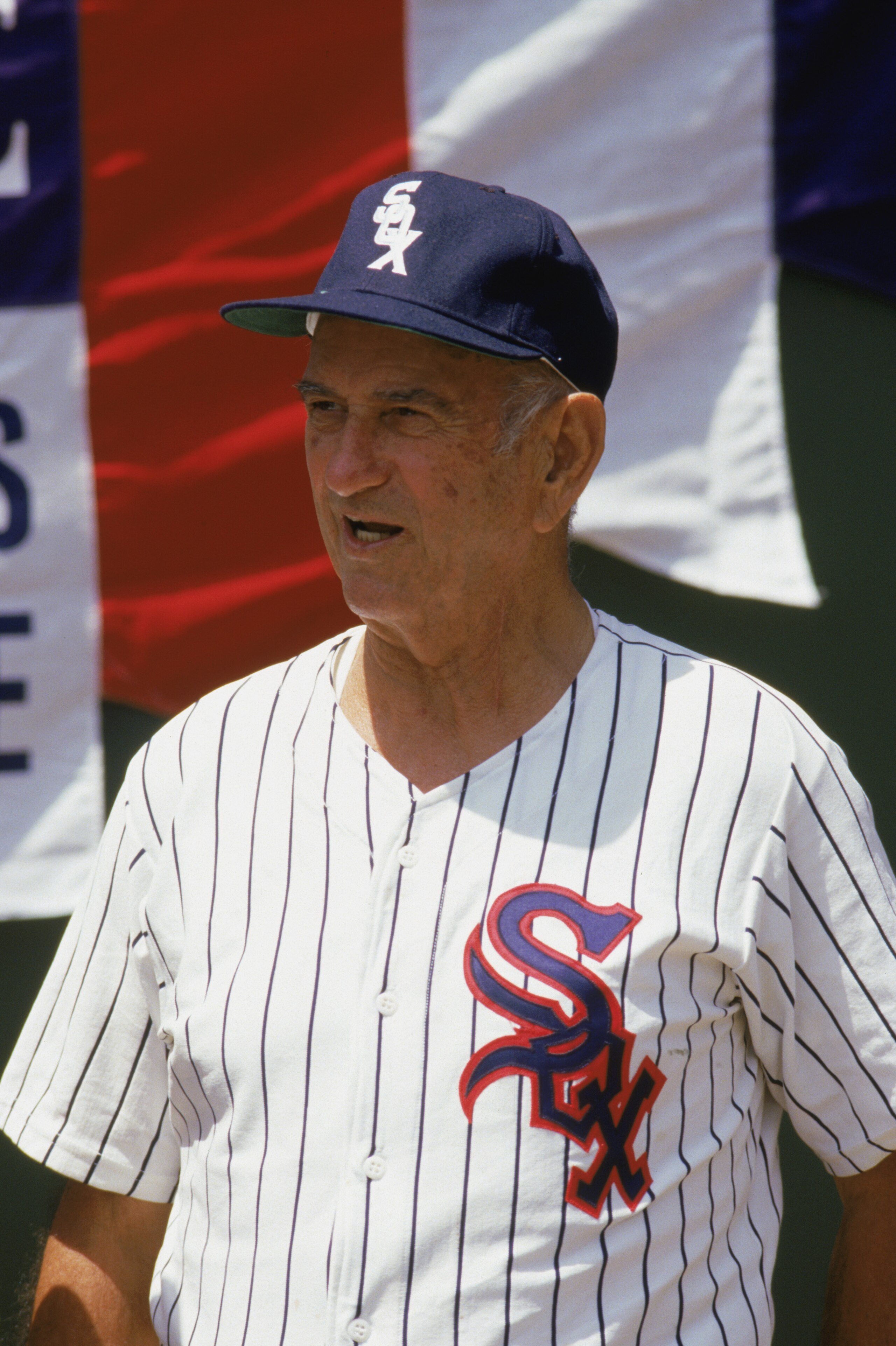
Luke Appling was a very good shortstop for the White Sox near mid-century.
He was very consistent, hitting .310 in twenty seasons with the club. However he never had much extra-base power, was never an MVP—nor did he score 100+ runs very consistently.
2,749 hits is strong for a shortstop but he just misses the ballot.
Number 8: Don Sutton
9 of 16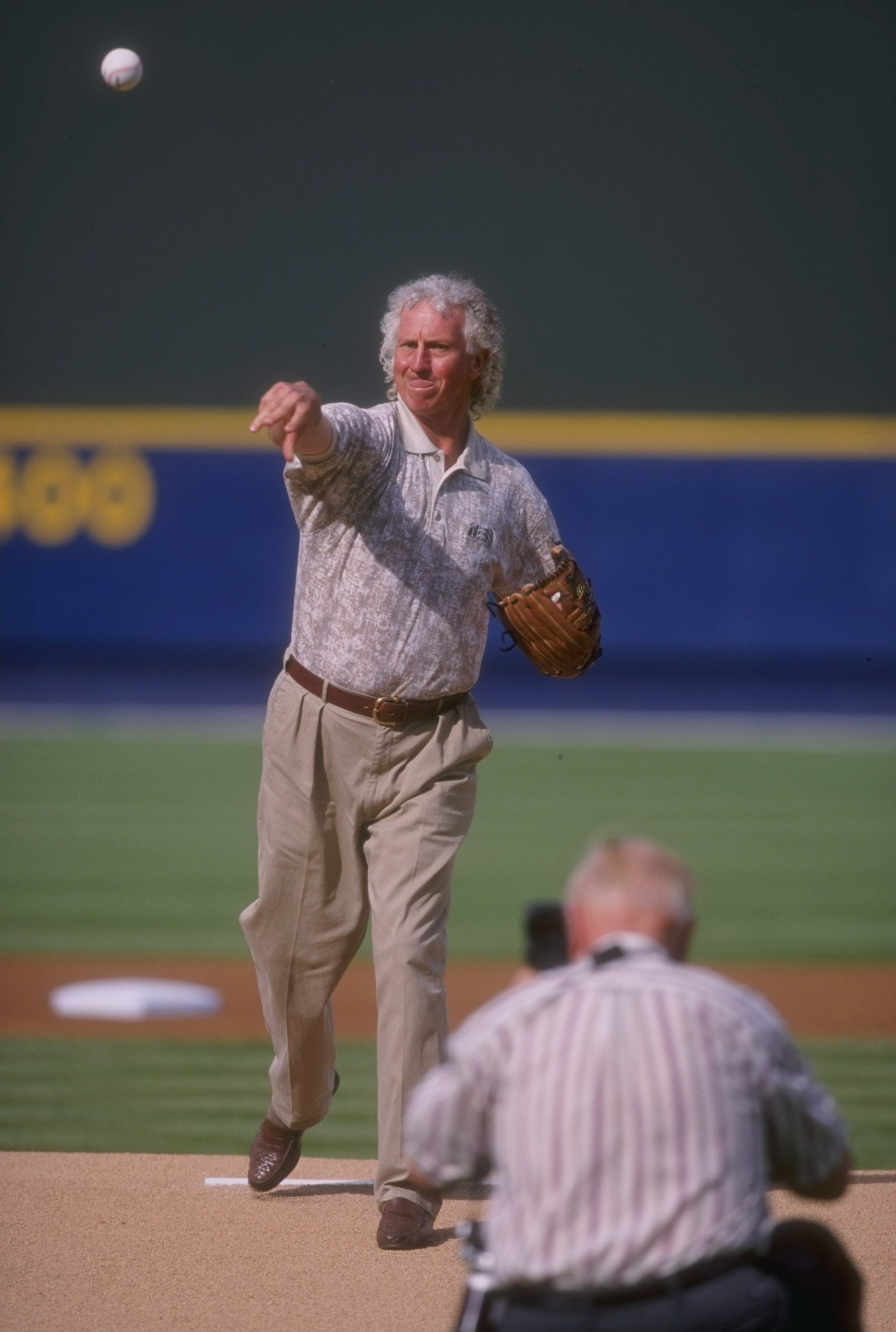
Don Sutton spent most of his career with the Dodgers and won a lot of games. He reached the magical 300-win plateau to gain a near automatic entry but needed his entire 23 seasons to do so.
Sutton was a very good, consistent pitcher but never great nor dominant.
The Hall of Fame is about greatness, not goodness for an extended period of time.
Number 7: Phil Neikro
10 of 16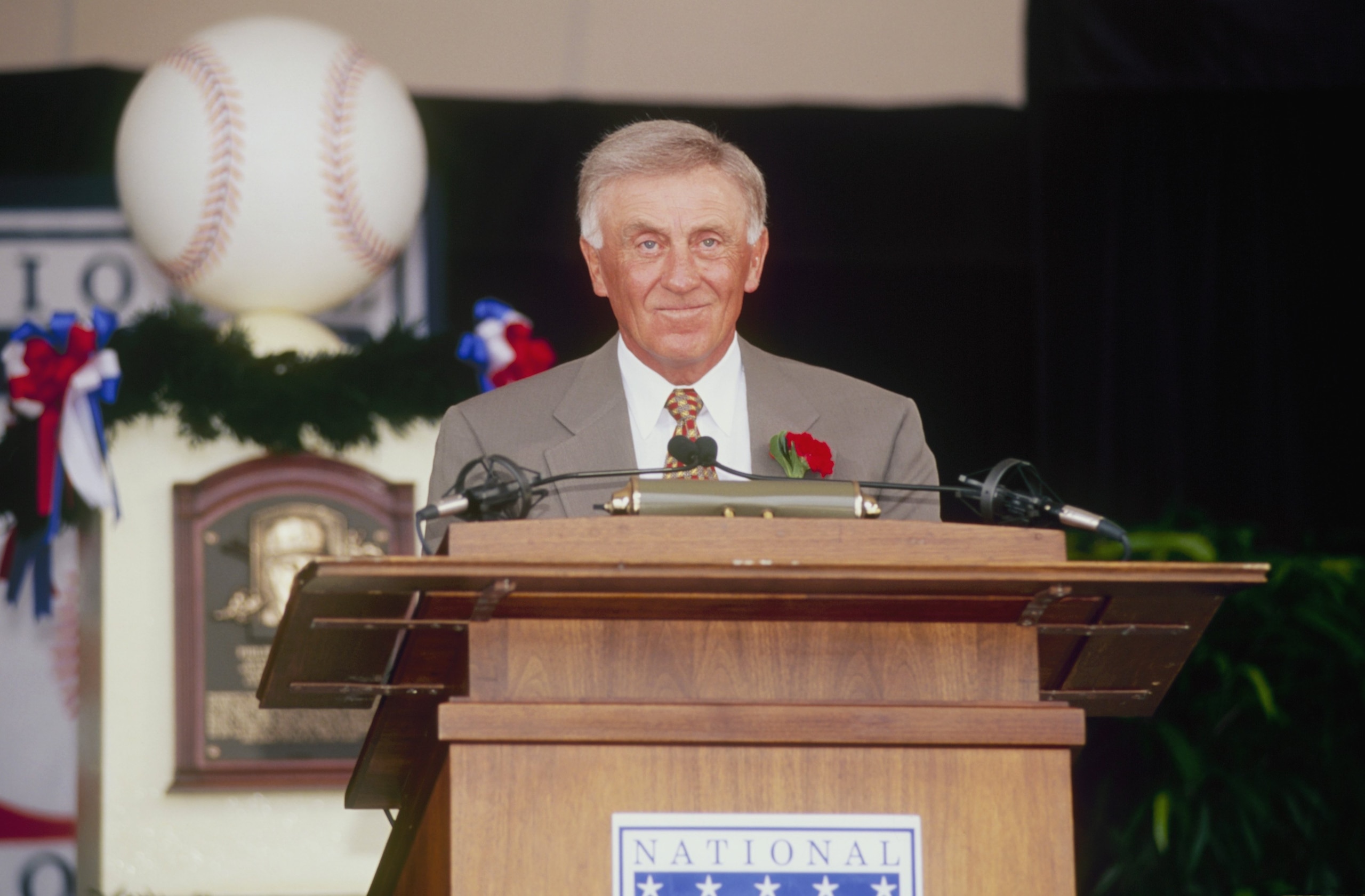
Phil Niekro is Don Sutton with a knuckleball.
Barely a .500 career pitcher, he won 300+ games simply because he stuck around long enough and got good enough run support to do so.
A good number of his 24 seasons were poor and he was never the best pitcher in the league.
Plus, cheating runs in the family.
Number 6: Larry Doby
11 of 16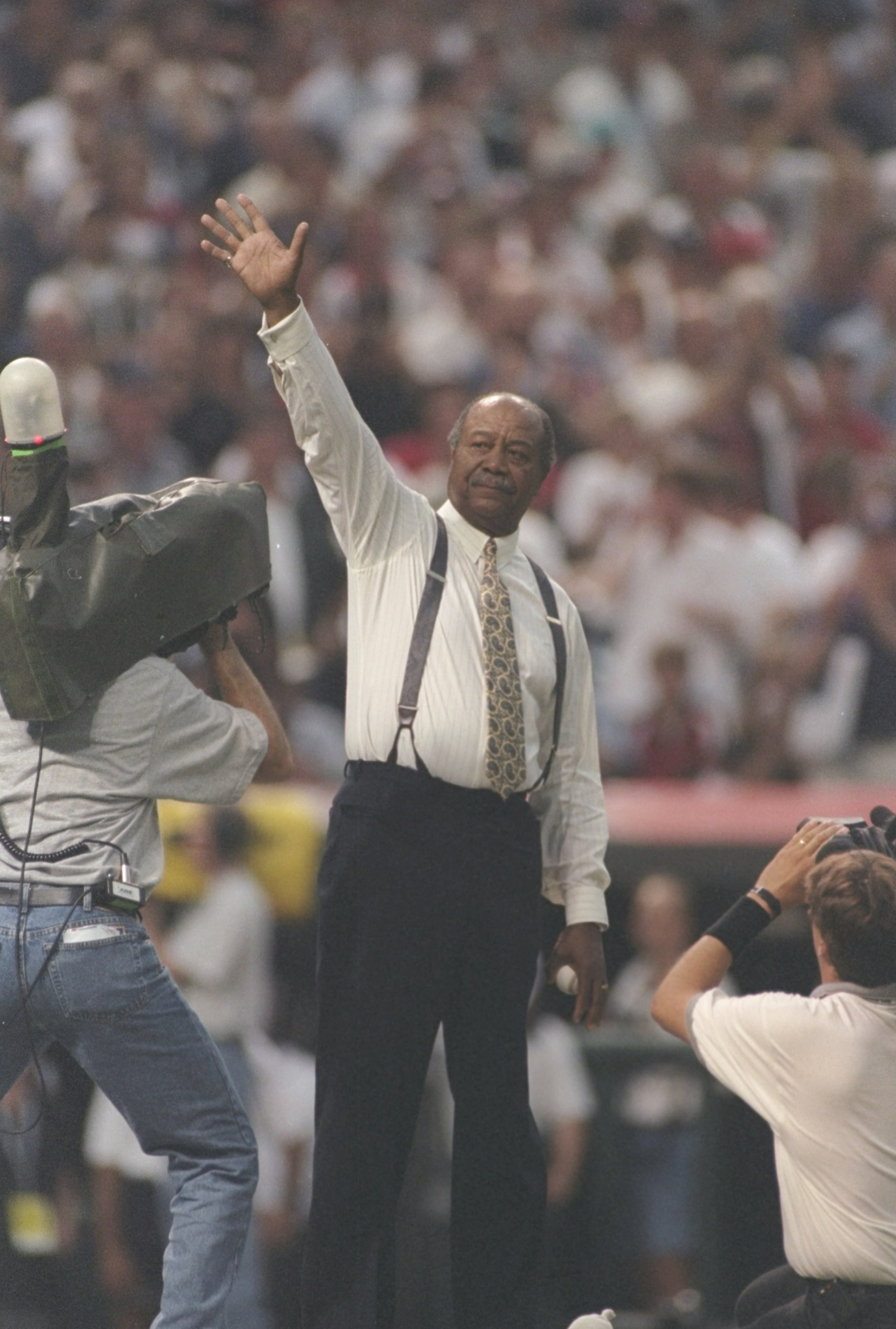
The first black player in the American League was elected primarily for that distinction.
While Larry Doby had a solid 13-year career as the center fielder for the Cleveland Indians, slugging 253 career home runs and twice leading the league in that category, his overall statistics and career longevity fall short of Hall of Fame induction.
Number 5: Bert Blyleven
12 of 16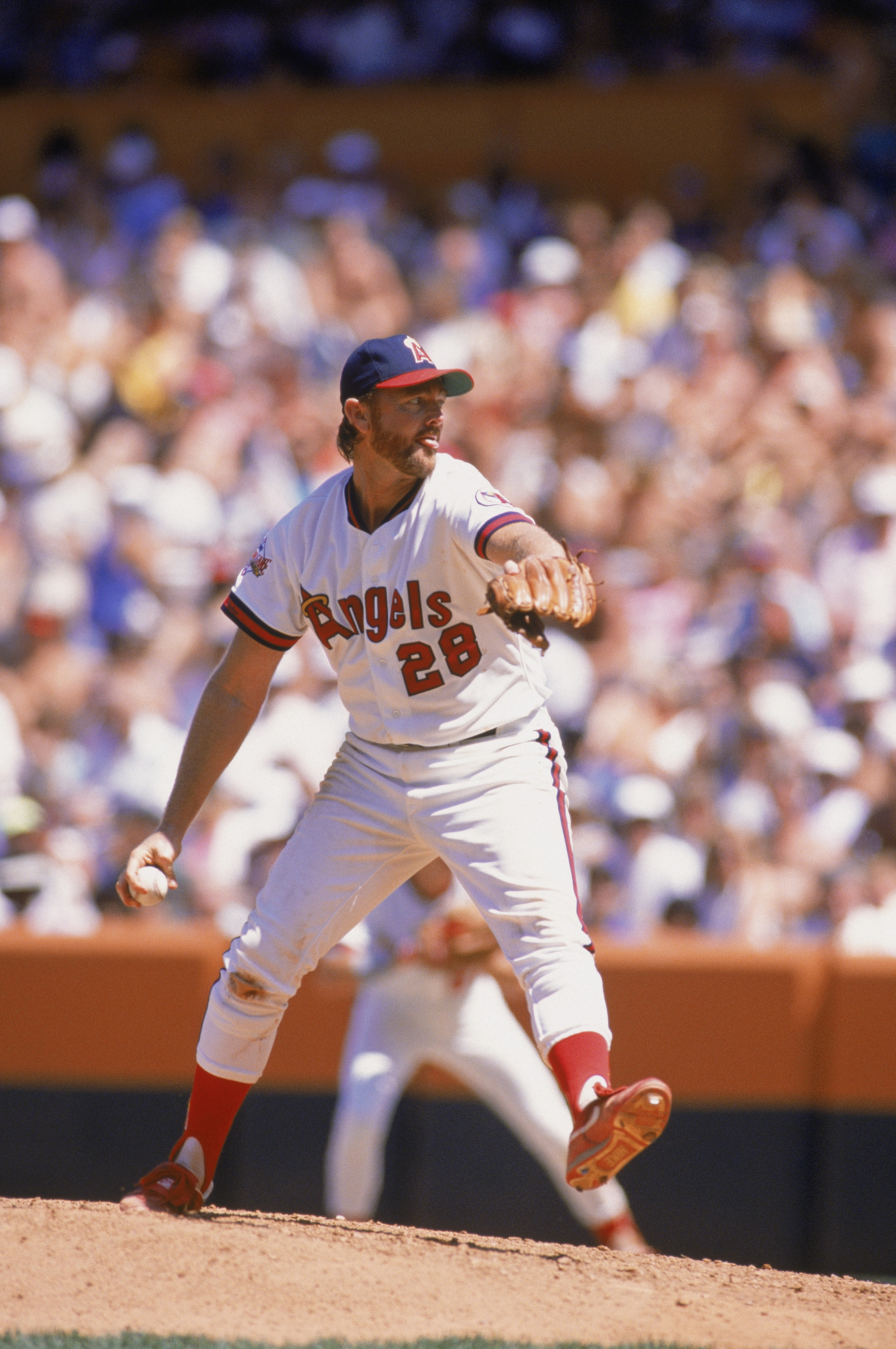
Bert Blyleven won a lot of games, 287 to be exact.
But he also lost 250 and gave up 96 home runs in just two seasons. When he retired he was third all time in strikeouts.
Mostly pitching on bad teams throughout his career, many felt he didn’t get the recognition he deserved. Armed with a devastating curveball Blyleven hung on for a long time, but was barely a .500 pitcher and was overlooked on the ballot for 13 years before finally being elected.
All that time on the ballot didn’t change his accomplishments on the field, it just deluded the voters' memories of him.
Number 4: Phil Rizzuto
13 of 16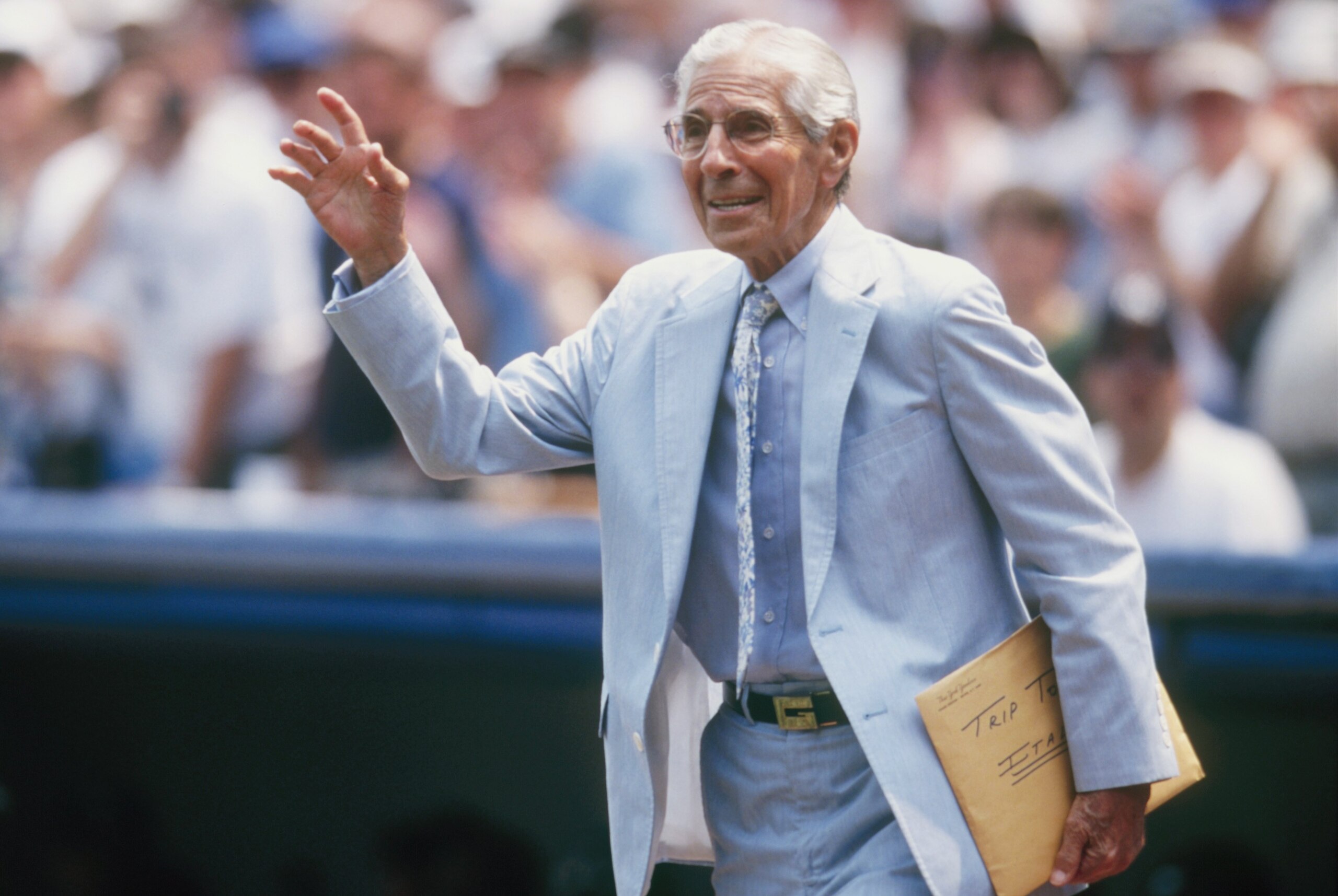
A scrappy shortstop for the NY Yankees in the 1950’s, Phil Rizzuto was great, but never a star.
He took home an MVP award when there were clearly more deserving players, not only in the league, but on his own team in 1950.
Rizzuto was a career .273 hitter and had no power.
If not for playing in the media capital of the world it’s unlikely most of us would even know who he is.
Number 3: Rabbit Maranville
14 of 16One of the Veterans Committee’s first mistakes was a shortstop named Rabbit Maranville who played mostly for the Braves in the early part of the century.
He probably got all he could out of his 5’5” frame. But a .258 batting average while barely producing a total of 2,000 runs in 23 season is simply not Hall of Fame worthy, despite the lowered expectations of a shortstop.
Number 2: Andre Dawson
15 of 16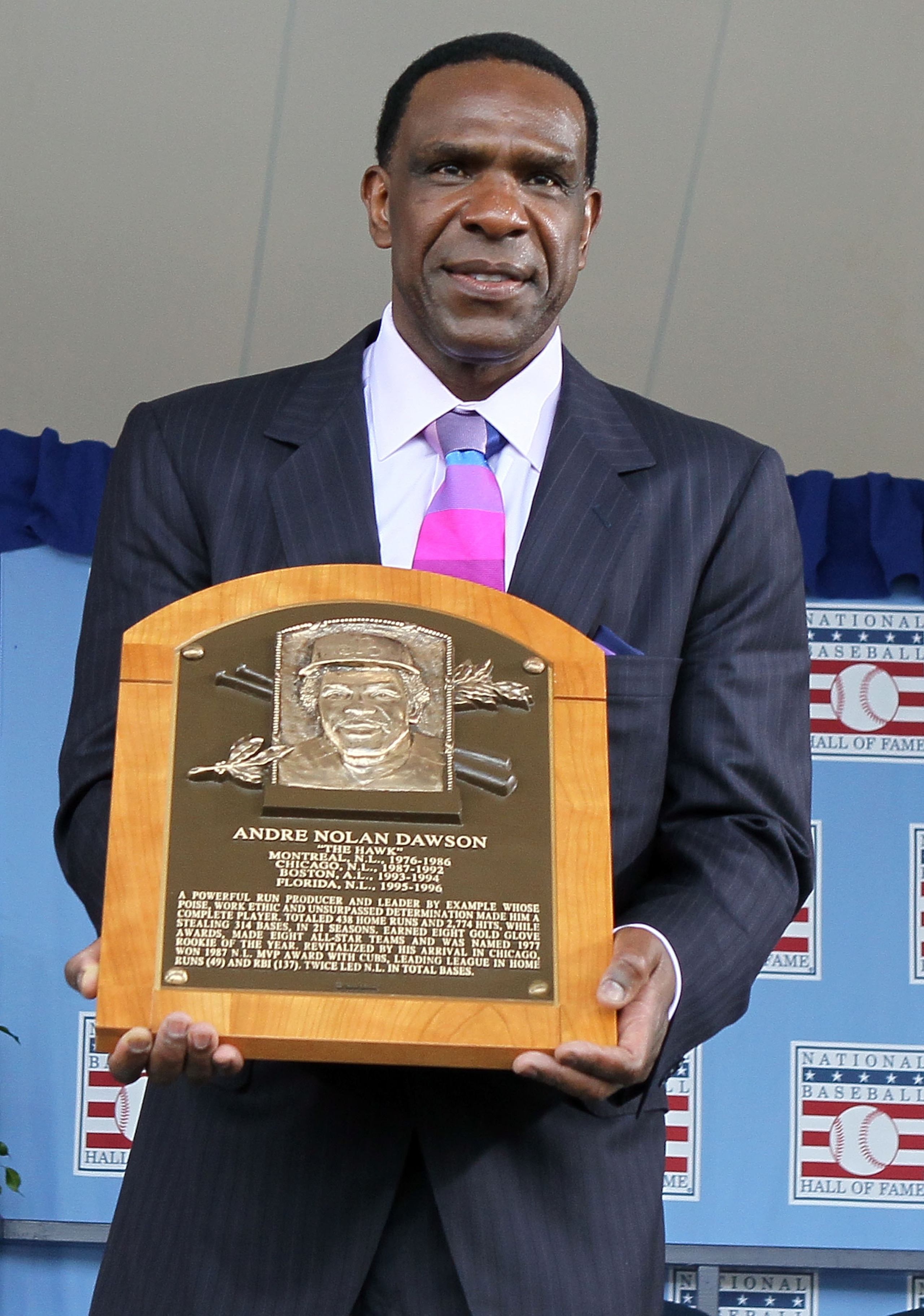
The “Hawk” was a terrific baseball player on both sides of the game early in his career.
With power and speed, Andre Dawson combined for 438 home runs and 314 stolen bases but knee issues slowed down his production in later years.
A move to the AL and becoming a DH would have padded his statistics, but with a poor OBP and less-than stellar overall career totals, Dawson misses the cut.
His selection was all about timing—appearing on the ballot as the strongest candidate in a weak class.
Number 1: Bill Mazeroski
16 of 16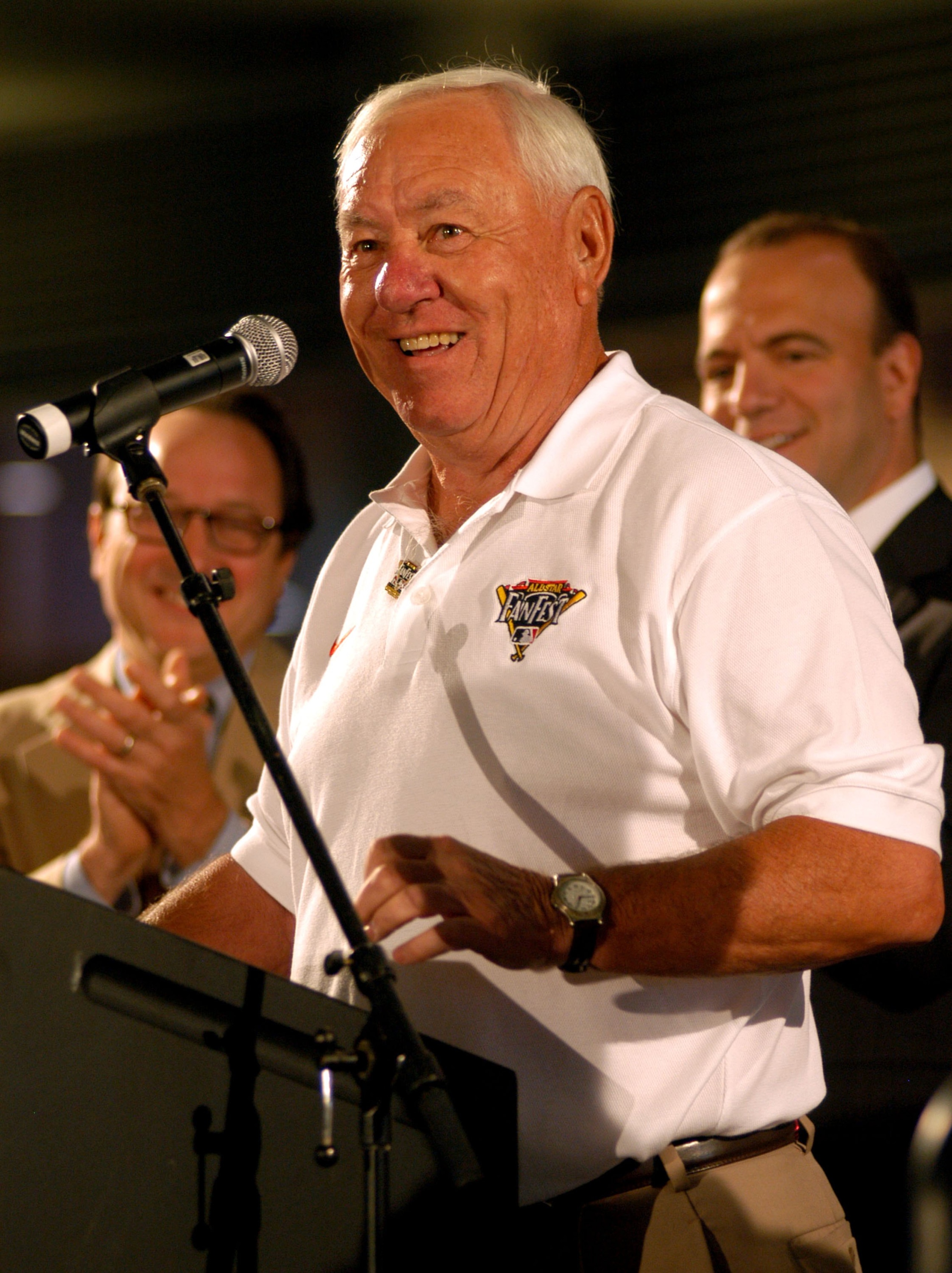
The hero of the 1960 World Series will always be remembered as the only player to hit a walk-off home run in Game 7 of the World Series.
But Bill Mazeroski did little else in his career. He was very average offensively for the majority of his career, batting .260 and not displaying a lot of extra base power or other attributes.
For one moment in time he was the best, but that moment is long past and does not make a career.

.jpg?w=2560 "🚨 Texans Trade for MHJ")
.jpg?w=2560 "Grading MHJ Trade 📝")

.jpg?w=2560 "Mendoza Makes NFL Debut 🤩")
.jpg?w=2560 "49ers' Greenlaw Ejected After Headbutt")