Featured Video
Where Should Skubal Sign? 🗺️

Book Review: Joe Cronin, A Life In Baseball
Daniel Shoptaw
Anyway, there came around an e-mail looking to see if someone was interested in reading a new book called Joe Cronin: A Life In Baseball, by Mark Armour. I have read enough baseball history to know the name of Joe Cronin, but I didn't know a lot of the details about him. A baseball book is a baseball book, however, and I quickly volunteered to take a look at it. Let me tell you, I'm extremely glad that I did.
This book had me hooked from the prelude, which was set at the end of Cronin's life when he was being honored at Fenway Park with Ted Williams. The description of Cronin as an affable guy that loved to talk baseball at any opportunity intrigued me and made me identify with him more than I expected too.
TOP NEWS

Report: Red Sox Sign Bauers for $58M
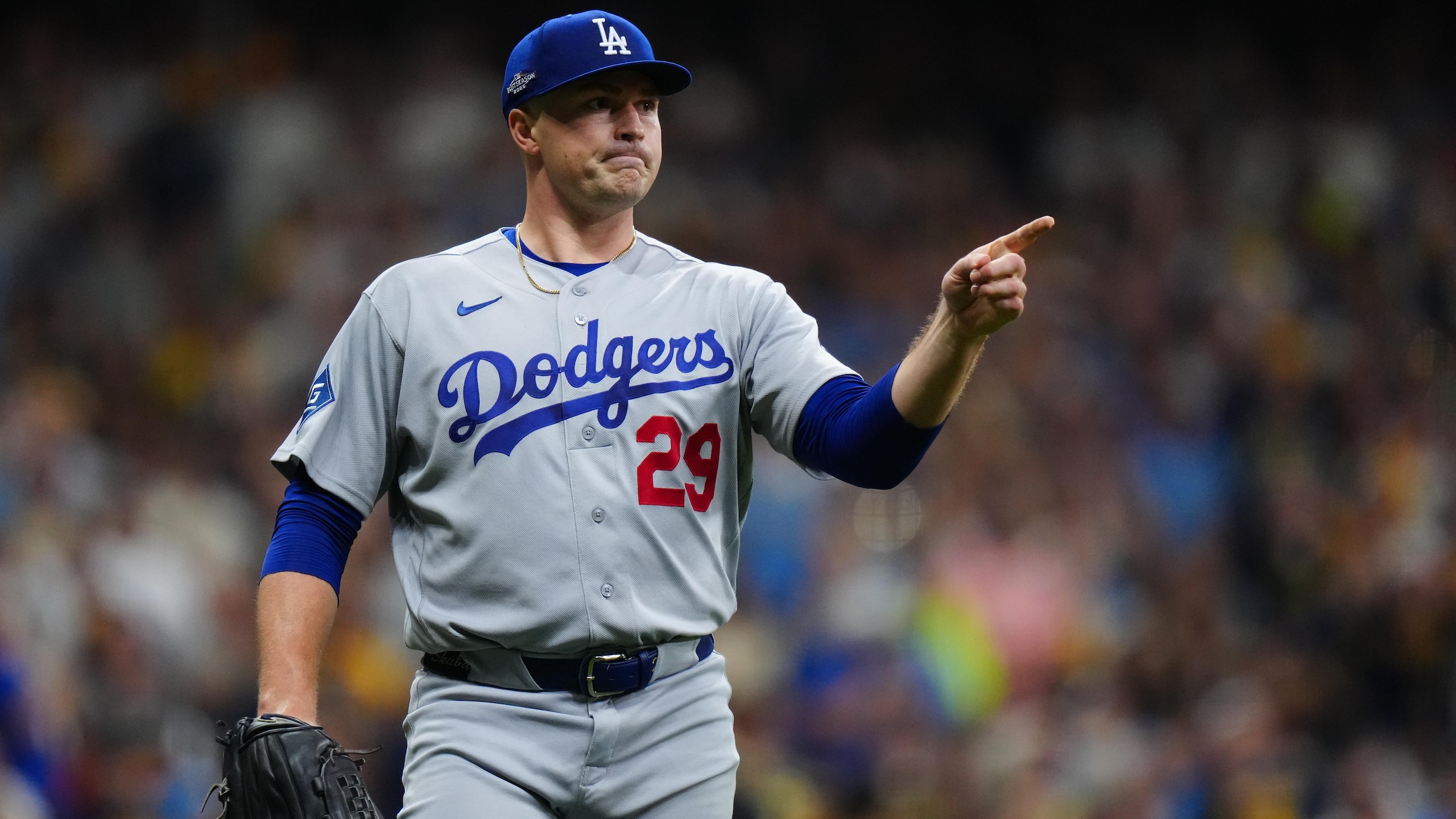
New Report on Skubal Favorites

Ranking Skubal's Best Fits📍
Name a job and a time in baseball and Joe Cronin had something to do with it. He broke into baseball with Pittsburgh in 1925. At least, that's where he got his first job. He wound up spending most of his tenure in Pittsburgh in their minor league system. When he ran out of options, he was traded over to Washington, where he actually made a name for himself.
Cronin was an All-Star shortstop, which in and of itself might have gotten him into the Hall of Fame. However, it wasn't too many years before Cronin found himself named player-manager of the Senators, something that wasn't all that common even in those days, though was a little more prevalent at the time due to the Great Depression. An owner could get two jobs done for the price of one, basically.
Before reading this book, I'd heard the story that Cronin had been traded by his father-in-law, which is not something that often happens. Clark Griffin was actually Cronin's uncle by marriage, though he had basically adopted Cronin's wife and people thought of her as his daughter. However, what's less well known is that Cronin had the final say there and was willing to go to Boston.
Boston was a great move for him. He was player-manager for a few more years before gradually siding into more of a traditional manager role. He then moved up the ladder to GM during a time where the Red Sox built their way out of also-ran status to at least a competitiveness with the Yankees. Cronin was also in Boston for the infamous dash by Enos Slaughter, something Cardinal fans remember very fondly.
What else did Cronin do? How about rewriting the rule book--literally. He headed up the committee that formalized and codified the rules of the game. He was the American League President (back when the two leagues had their own identity) and presided over franchise shifts and expansion teams. He even was in the running to be commissioner for a time, though he was skipped over for an outsider in his best chance at it.
Armour weaves a fascinating tale, examining each year of Cronin's baseball life, from his time starring in the sandlots of San Francisco to his passing in 1984. Watching how baseball changed and seeing Cronin in the middle of the changes allows for a great look at the history of the game.
Armour does come across as an apologetic for Cronin in places, but it is nothing too egregious. Cronin dealt with charges of racism, as the Red Sox were the last team to integrate with black ballplayers. He received criticism as league president as well, and Armour takes pains to explain Cronin's side of things even while outlining the charges against him.
If I hadn't been asked to review this book, I might not have ever picked it up. While I enjoy reading baseball tomes, I might have passed this one by due to it being an American League book when I have a National League focus. That said, I'd have been missing out not to have read through this one. If you are a person with an interest in baseball history or know someone that does, this book would be a wonderful addition to their library.
Where Should Skubal Sign? 🗺️