
How Rule Changes Will Impact the 2020 MLB Season
Major League Baseball will mostly play by the same rules in 2020, save for a couple of new ones that figure to change a few things.
In case anyone is catching up, these are the most consequential new rules for the coming season:
- Three-batter minimum: All pitchers must face at least three batters upon starting or entering a game, unless an injury, illness or the third out of the inning comes first.
- 26-man rosters through August: Up from 25-man rosters, though teams are prohibited from carrying more than 13 pitchers.
- 28-man rosters in September: Teams were previously permitted to carry as many as 40 players in the season's final month.
- Position players pitching: Position players are now allowed to take the mound only in extra innings or if their team is winning or losing by more than six runs.
- 20-second challenge time: The window in which managers must decide whether to challenge a call on the field has been reduced from 30 seconds.
What kind of impact will these new rules have on games? Let's discuss, starting with the obvious.
Fewer Pitching Changes? Definitely
1 of 6
The new rule that requires pitchers to face at least three batters is obviously meant to curb pitching changes. And rest assured, it will.
Though instances of relievers coming in and facing no more than two or even just one batter have gone down in recent years, both are still more common than they were at the start of the 30-team era in 1998.
This partly has to do with teams wanting to use as many pitchers as possible to keep opposing hitters on their toes. To wit, they used a record 4.4 per game in 2019.
Teams have also succumbed to an obsession with the platoon advantage. The percentage of plate appearances in which the batter had the platoon advantage—i.e., righty on lefty or lefty on righty—was 55.6 as recently as 2013. It's been under 53 percent in three of the last four seasons, however.
According to ESPN's Steve Richards, Elias Sports Bureau found that 649 relief appearances from last year would have been disallowed under the new rule. Though that was on the low end relative to 2018 (712) and 2017 (720), it still amounted to one every 3.7 games.
Faster Games? Hopefully
2 of 6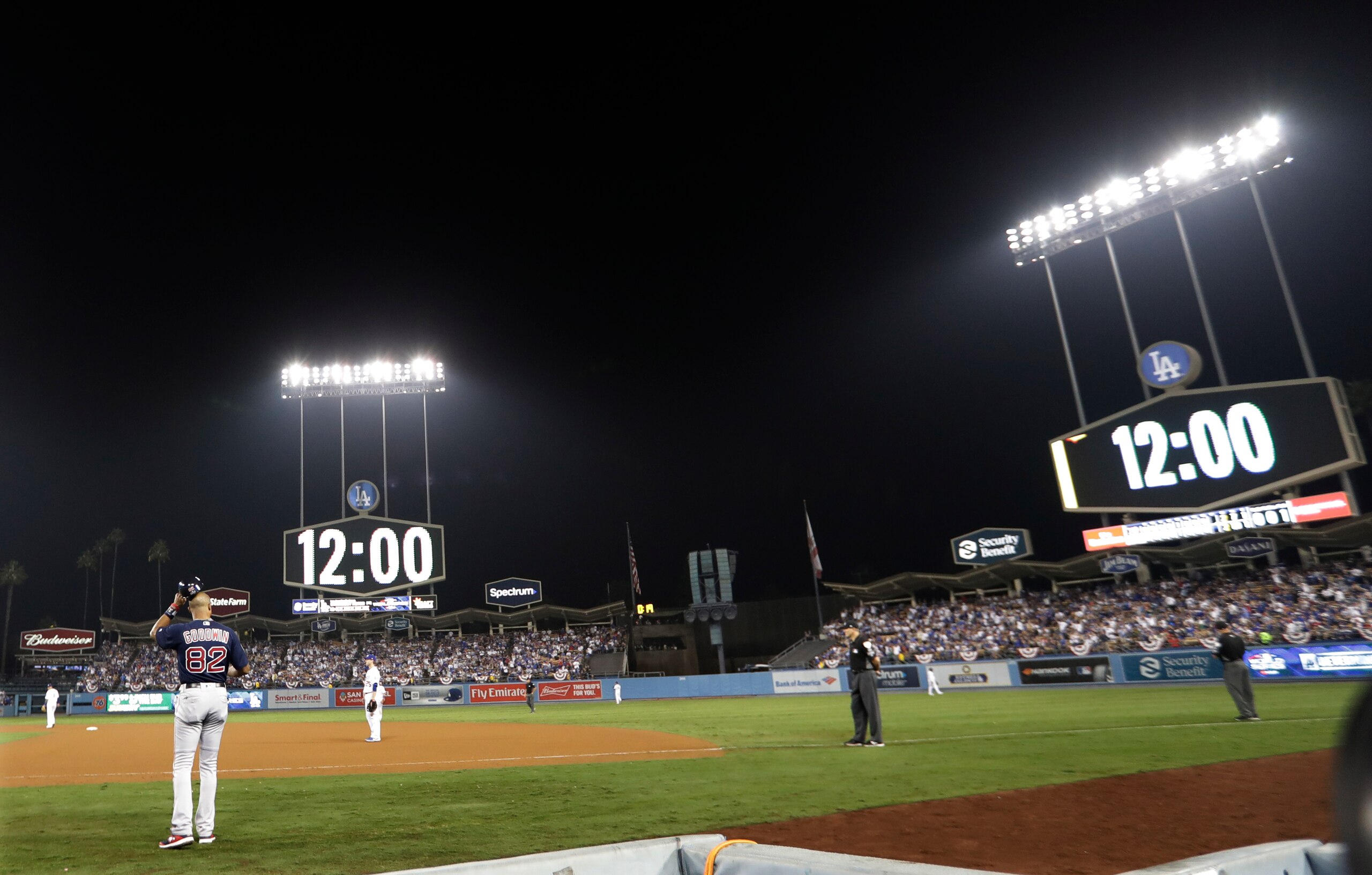
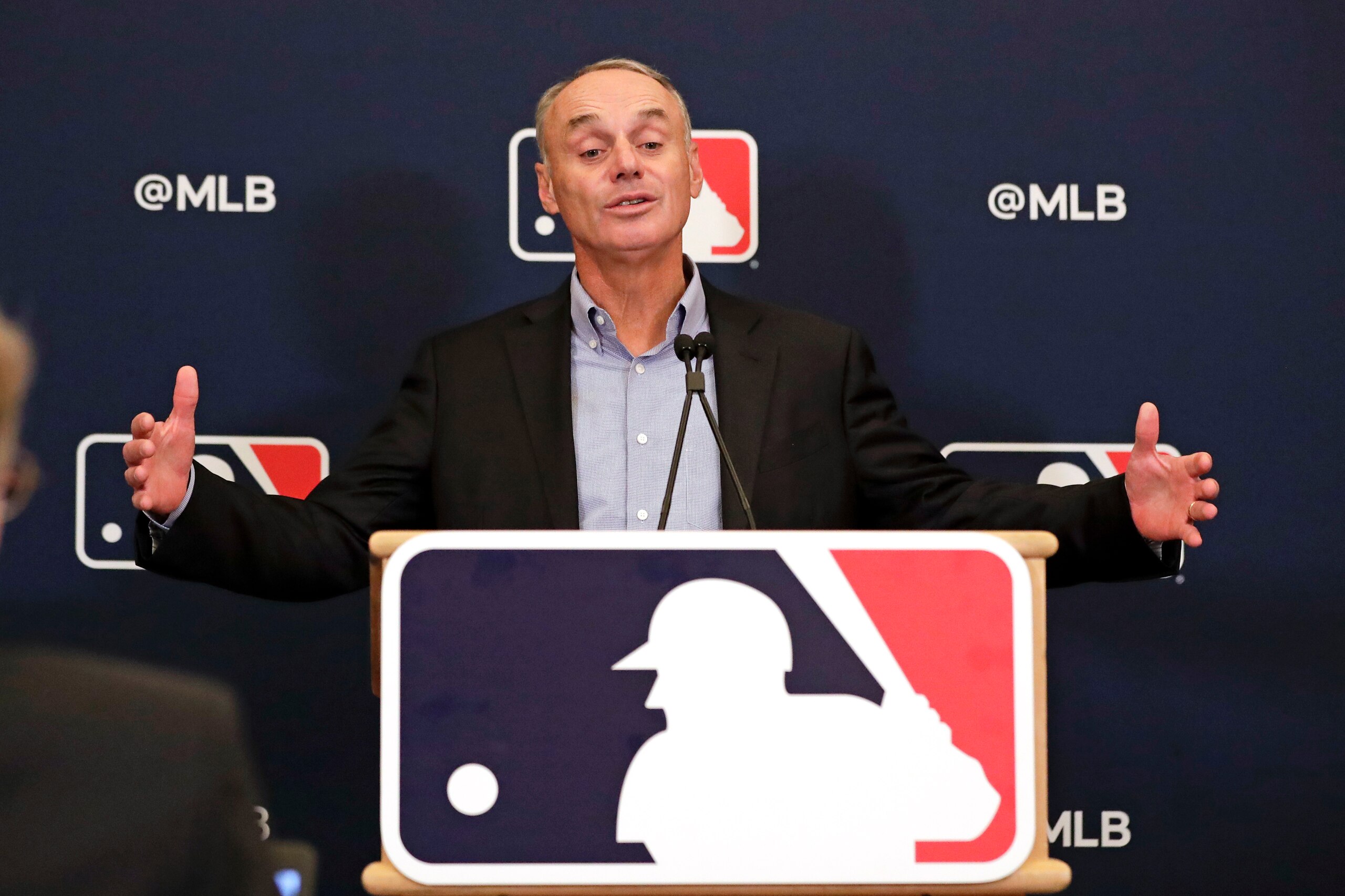
The new three-batter rule doesn't exist because MLB Commissioner Rob Manfred wanted to cultivate a widespread change in strategy. Rather, it's part of his pace-of-play crusade.
Said crusade led to no-pitch intentional walks in 2017, mound visit limitations in 2018 and shortened between-innings breaks in 2019. A rule meant to keep pitching changes to a minimum is a more drastic measure than these, yet it was the next logical step.
Cutting down September rosters to 28 players and reducing managers' challenge time to 20 seconds are also pace-of-play initiatives. The latter is self-explanatory. The former should reduce not only pitching changes but also offensive and defensive substitutions in September.
In fairness, Manfred's cause is just. As recently as 2011, the average game was played in less than three hours. In 2019, it took three hours, 10 minutes. That's close to Return of the King territory.
But in all likelihood, games won't move that much faster in 2020. The average time between pitches has increased by 3.2 seconds since 2008. Until Manfred does something about that, baseball's biggest pace-of-play issue will persist.
More Intentional Walks? Maybe
3 of 6
Regardless of what happens with the pace of games in 2020, every manager in MLB will have to alter his management style to account for the three-batter minimum.
Because the rule effectively gives managers less recourse for using his bullpen to gain the upper hand against opposing hitters, there might be more instances in which managers choose not to fight at all.
We're talking about the intentional walk, folks. It's a strategy that's fallen out of favor in recent years, culminating in a record-low 0.16 per game in 2019.
This is likely related to how, given their ever-escalating strikeout rate, modern pitchers are more capable of fending for themselves. But the shift in bullpen deployments is another factor. Though most intentional walks (73.3 percent in 2019) still happen when the batter has the platoon advantage, the decreased frequency of those matchups has led to a decline in intentional walks.
If those matchups indeed increase in frequency this season, the intentional walk could make a comeback.

More Pinch-Hitters? Most Likely
4 of 6
Apropos of the previous slide, perhaps you're wondering why the new three-batter minimum will lead to an increase in plate appearances in which the batter has the platoon advantage.
Lineup construction is one reason. Teams generally try to alter left- and right-handed batters, so switch-pitcher Pat Venditte is the only hurler who can count on having the platoon advantage against three consecutive batters.
A bigger reason, however, is that teams will likely deploy pinch-hitters more aggressively.
Pinch-hitters are a fact of life in the National League, wherein they're used to spell pitchers in the No. 9 spot. But even in the designated hitter era, there were 1.31 pinch-hitters per game leaguewide as recently as 1995. Last season, there were only 1.18 per game.
Well, now teams have an extra roster spot to play with, and the three-batter minimum rule isn't paired with a rule requiring lineups to stay unchanged when a new pitcher enters a game. If ever there was an excuse for more pinch-hitters, there it is.
Fewer Position Players Pitching? Yes, but Barely
5 of 6
Ah, but what of the new rule meant to crack down on teams using position players as pitchers?
Frankly, it's not surprising that it exists. Whereas a position player taking the mound used to be a rare occurrence, things got a little out of hand in 2018 and 2019:
- 2010-2017: 155 appearances by position players
- 2018-2019: 165 appearances by position players
It's a wonder that this phenomenon didn't take hold sooner. It is, after all, a means for teams to spare their actual pitchers from burnout in the face of ever-growing workloads.
"I do think it's the nature of today's bullpens, and starters not going as deep into games, and bullpen arms not being as fresh as, possibly, in the past," Baltimore Orioles manager Brandon Hyde said in 2019, per Gabe Lacques of USA Today.
Per ESPN Stats and Information (via Richards), however, the new rule would have prevented only 12 appearances by position players in 2018 and 2019. So barring future tweaks, the position players pitching trend is likely here to stay.
More Offense? Probably
6 of 6
It's understandable if managers, pitchers and fans have misgivings about the new rules. Hitters, however, are probably licking their chops.
More intentional walks? That would mean more plate appearances with men on base, and hitters have a built-in advantage in situations like those. For instance, consider their 2019 splits:
- Bases empty: .738 OPS
- Men on: .784 OPS
Also, more plate appearances with the platoon advantage? The splits clearly show that's good for hitters, too:
- Without platoon advantage: .733 OPS
- With platoon advantage: .780 OPS
Alas, the crackdown on position players pitching isn't good news for hitters. But since the specifics of that rule will likely prevent it from having much of an impact, it's not the worst news either.
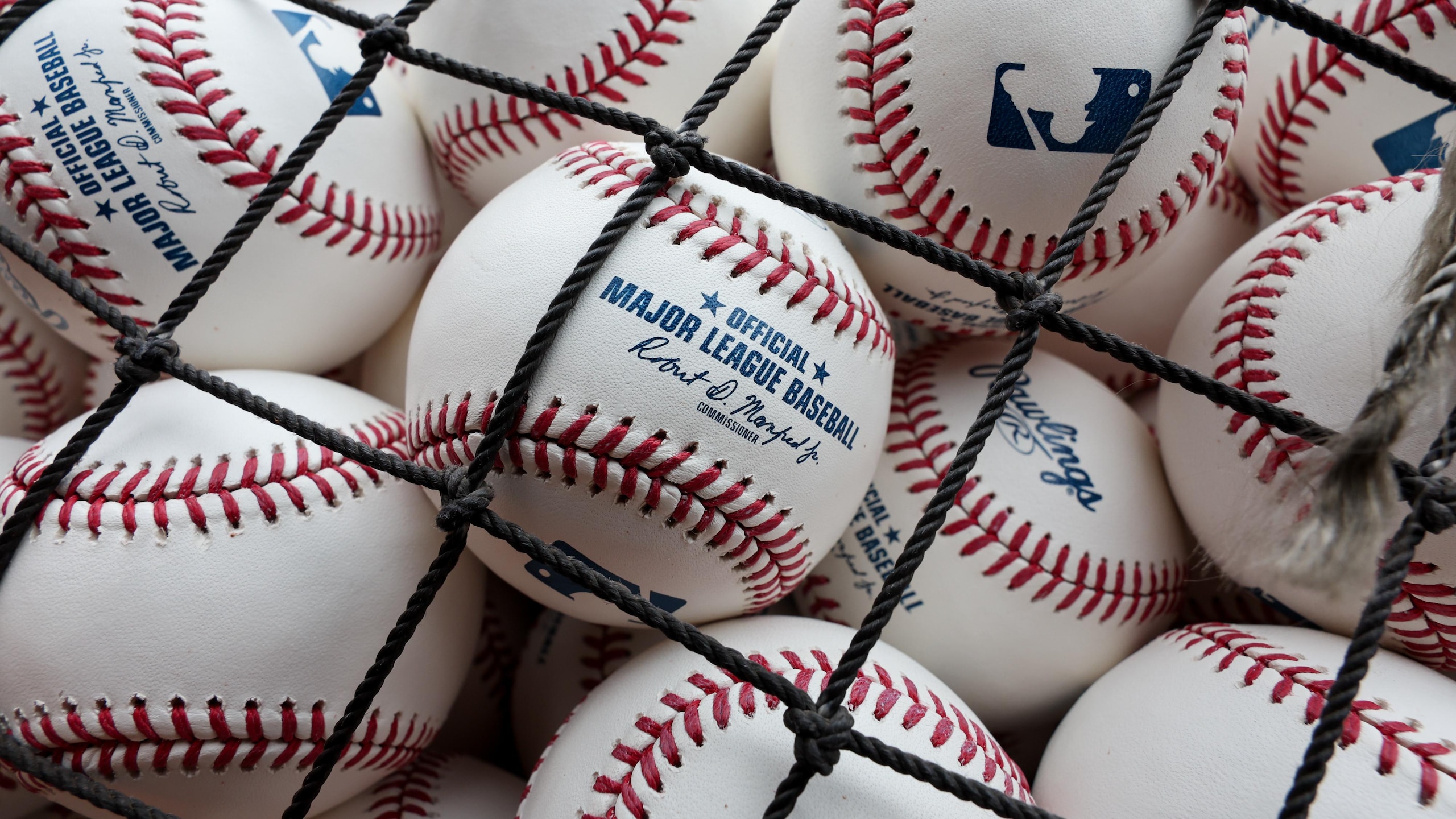
The single biggest factor for the 2020 season's offensive output will be the behavior of the baseball itself. If it plays less juiced than it did in 2019, then the new rules will only be so much help to hitters.
Yet there should be no mistake: They do indeed favor hitters.
Stats courtesy of Baseball Reference.

.jpg?w=2560 "Grading WWE Raw 🔠")
.png?w=2560 "Allen's BRUTAL 1H Stats 🫤")
.jpg?w=2560 "Monday Night Raw Blog 🔴")