
Echoes of '03: Why Did Charlie Manuel Listen to Pedro Martinez?
Top of the eighth, Yankees lead 3-1. Jimmy Rollins at first, Shane Victorino at second, and one out. The legendary Mariano Rivera toes the rubber, then delivers the payoff pitch to Chase Utley.
In a move so bad that even the Fox broadcasters lampooned it, Charlie Manuel did not send the runners on the pitch. The Yankees turned an easy, inning-ending double play, and Ryan Howard was left hanging in the on-deck circle.
But that wasn’t the stupidest decision Manuel made last night.
TOP NEWS
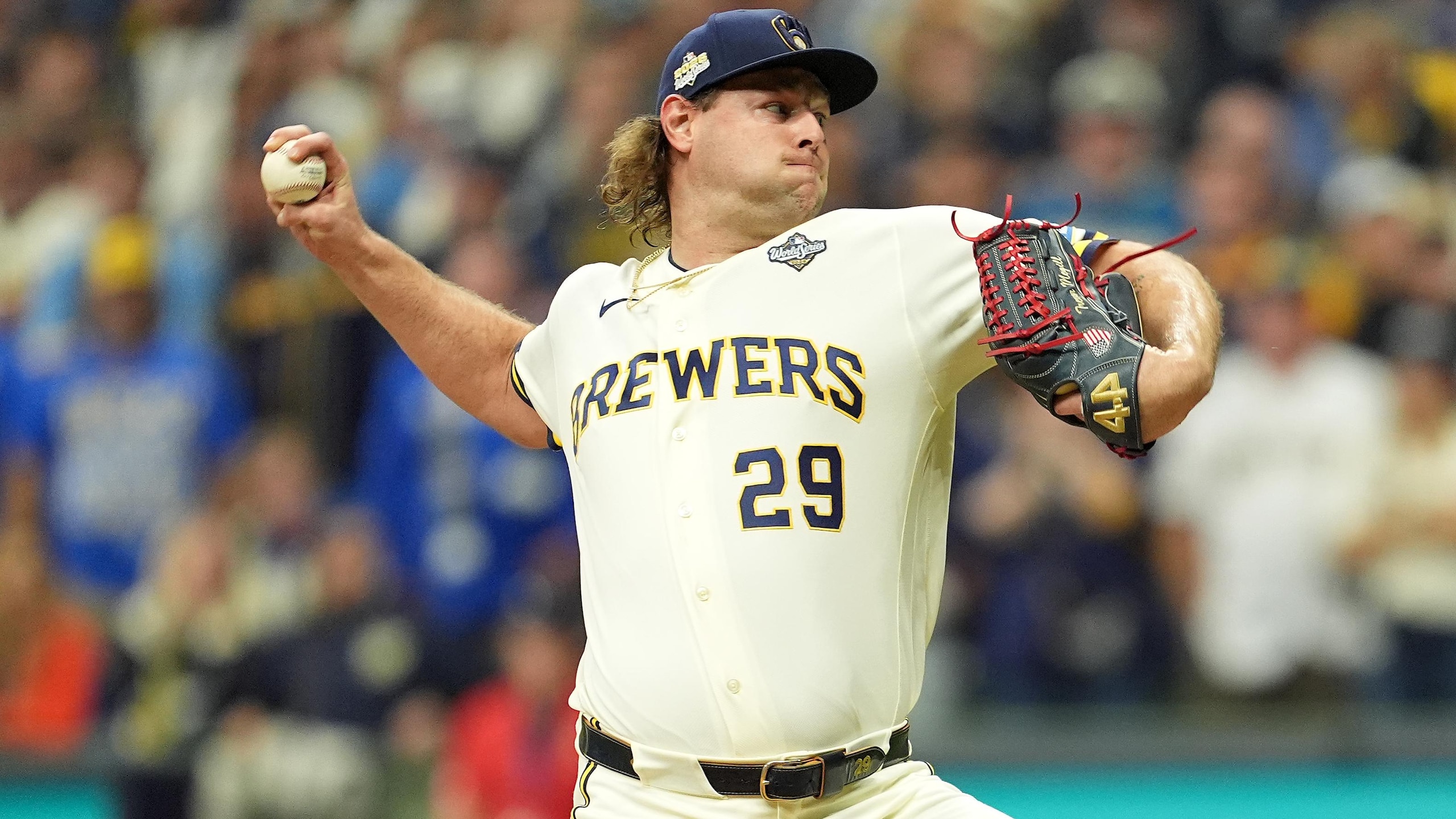
Brewers Closer Blasts Tropicana Field Roof

Latest MLB Trade Rumors 👂
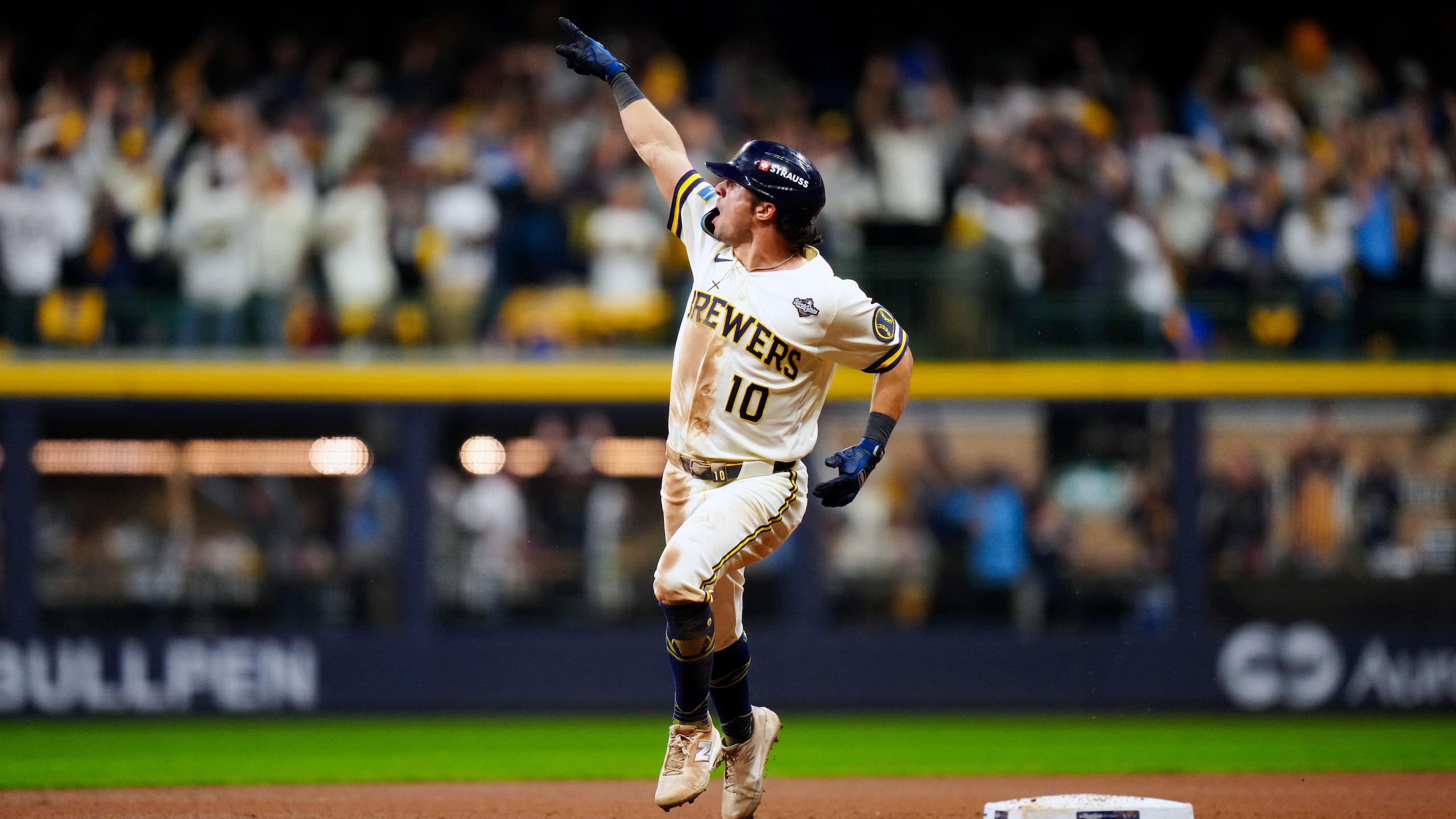
Tying HR Had Bauers Emotional
When the commentators welcomed us back from the commercial break in the bottom of the seventh, they reported that Manuel had asked Pedro whether or not he wanted to stay in the game. Of course, Pedro had said yes.
My jaw dropped as the announcers nonchalantly changed the subject. Had I misheard? Or did they not understand the impact of what they had said?
Sure, it’s nice to let the pitcher have a say in when his night ends if he’s throwing well. But not in such an important game. Not in such a close game. Not with a pitcher who becomes dramatically worse after his 100th pitch. Not when you have a bullpen full of relievers who haven’t worked in more than a week.
And not when another manager made the exact mistake six years ago.
Doesn’t anyone remember that?
In case anyone reading this has had the good fortune to forget Game Seven of the 2003 ALCS, then-Red Sox manager Grady Little ignored all logic and asked Pedro if he wanted to stay in the game in the eighth inning. Three hits later, Boston’s three-run lead was reduced to two, and Little ran out to the mound. Pedro again declared that he should stay in the game, and Little acquiesced; by the time Pedro finally did leave, the score was tied. The Yankees went on to win in extra innings.
If you remember that game, I apologize for forcing you to relive the agony. But the story needs to be retold, because Charlie Manuel apparently hasn’t heard it.
I get that Pedro was pitching a good game. I understand that Manuel wants to leave his starters in the game as long as possible to decrease the chances of a bullpen implosion. And no one was more excited than I to see Pedro back on the mound in the Bronx. But you don’t win playoff games managing by emotion.
At least Manuel had the good sense to take Pedro out as the trouble was just starting, rather then let him pitch until the implosion was complete. The sole run the Yankees scored in the seventh didn’t change the outcome of the game (at least, without consulting chaos theory).
But how could he have known that? It wasn’t a blowout; it was a close game that (I assume) the Phillies still believed they could win. There’s a fine line between a nail-biter and an insurmountable lead, and against Mariano Rivera, the margin of error is pretty slim.
Perhaps Manuel had already made up his mind before consulting Pedro, though even without his personal history, I would question the decision to leave a tiring starter in a close game instead of going to the well-rested bullpen.
But it seems likely that the decision was largely influenced by Pedro’s personal desire to fight on.
There is no question that Pedro Martinez is one of the best pitchers in the history of baseball, but it’s also pretty clear that he does not know his own limits; his managers don’t seem to realize that. Every tragic hero’s downfall begins with hubris, and unfounded confidence in one’s abilities certainly falls under that category
In Watchmen, when one of the vigilantes asked his partner who they were protecting the people from, he simply replied, “from themselves.” The manager’s job is not to encourage his players’ desires to push themselves too far, but to control it.
Hindsight is 20/20, but even before the inning started it was hard not to question Manuel’s decision. No matter whose decision it was for Pedro to keep pitching, it was certainly bad managing.
One can only hope that, this winter, Martinez signs with a team whose manager remembers recent history and feels comfortable saying “no.”


.jpg?w=2560 "Raiders Could Start Mendoza")

.jpg?w=2560 "Rodgers Iced Out on Plane 💎")
.jpg?w=2560 "Packers Safety Slams Refs 🤬")

.jpg?w=2560 "🚨 Week 8 AP Top 25 Poll")

