

MLB Trade Rumors: Analyzing Latest Buzz on Zack Greinke, Brian Dozier and More
The MLB hot stove has largely underwhelmed with the offseason heading into its third week. A blockbuster trade could provide some excitement this winter.
Zack Greinke, Brian Dozier and Michael Wacha are among the players who have bounced around the rumor mill.
Below are updates on the trio of veterans.
TOP NEWS
Aaron Boone Calls Out Yankees Catcher 🗣️
Brewers Admin Trolls Padres 🤭
Yankees' Historically Bad Game 1 📉
Zack Greinke
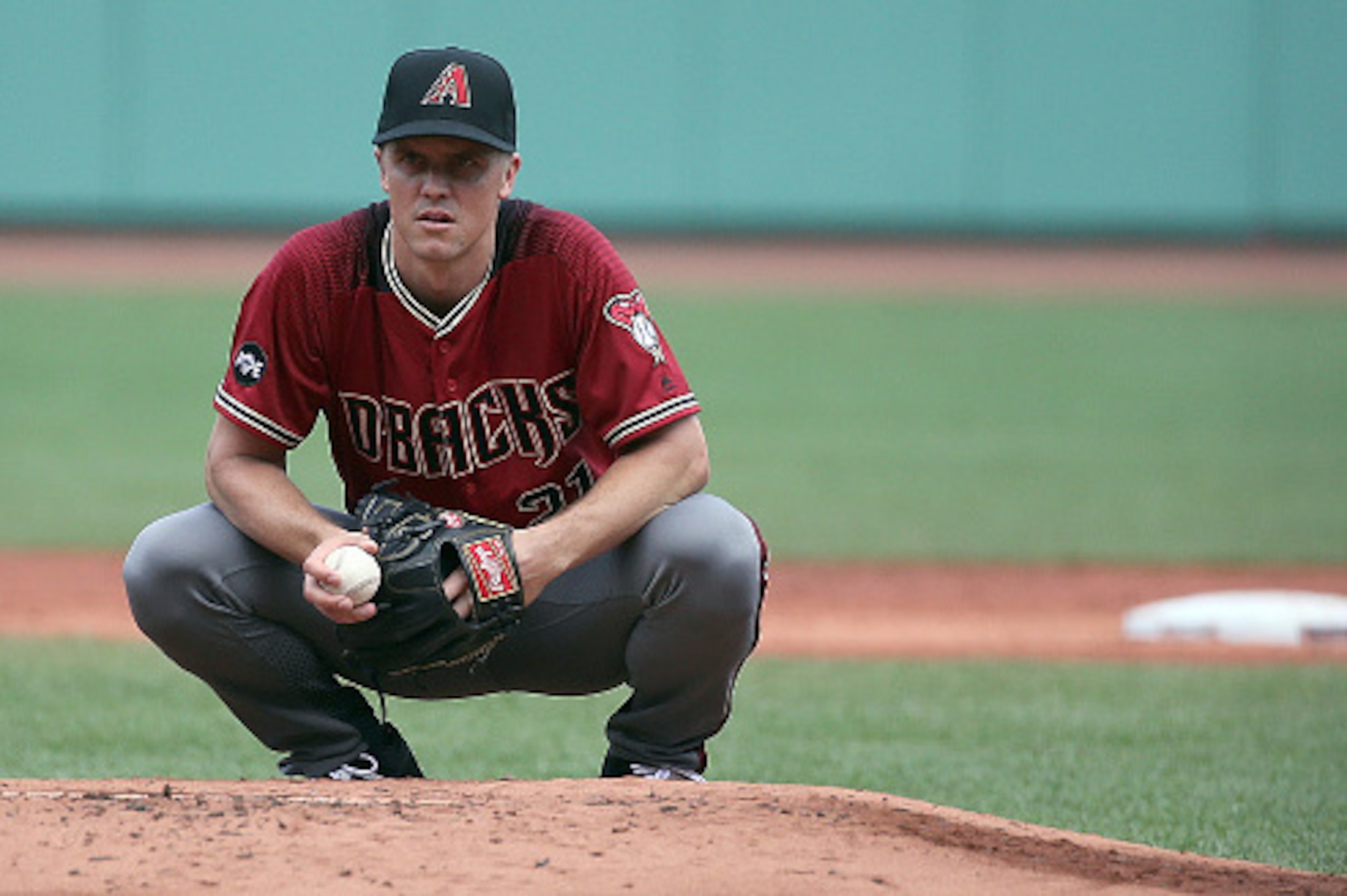
Few MLB contracts are more cumbersome than Greinke's.
The 2009 American League Cy Young Award winner went 13-7 with a 4.37 earned run average and a 4.12 FIP in 2016, according to FanGraphs. Those numbers aren't bad for a No. 4 or 5 starter. Greinke, on the other hand, is set to make $175 million over the next five years.
ESPN.com's Buster Olney penned a lengthy case for why the Arizona Diamondbacks have little recourse but to deal their expensive right-hander:
"But as [general manager Mike] Hazen establishes himself with the Diamondbacks, perhaps he could do what his predecessor would have never been in position to do: persuade ownership to dump Greinke and as much of his contract as possible, even if it means eating some of his salary in the years ahead. Greinke's contract is already a serious impediment for Hazen, as he goes about his work of trying to build a consistent winner in Arizona, and the problem might only get worse if Greinke's performance continues to decline next season. If Greinke struggles at all at the outset of 2017, any value he has in a pitching-thin market will evaporate entirely.
"
Olney added that some MLB executives believe a long-term contract with the team would provide Hazen with more flexibility to sell ownership on a Greinke trade.
It will take years for Hazen to undo the damage wrought during the Dave Stewart era. Over time, Arizona's 2016 offseason might be considered one of the worst ever for an MLB team, between the Greinke signing and the Shelby Miller trade.
As Olney argued, holding on to Greinke runs the risk that he will continue to decline, thus further eroding his already low trade value.
The Diamondbacks should look no further than the division rival Los Angeles Dodgers for how to handle a bad contract.
After waiting for years for Matt Kemp to turn things around, the Dodgers eventually ate $32 million of the $107 million remaining on his deal to send him to the San Diego Padres in December 2014, per the Los Angeles Times' Dylan Hernandez.
Despite taking on a lot of dead money, the Dodgers were better off after the trade, and they managed to get solid seasons from Yasmani Grandal.
Trading Greinke would be an admission by the Diamondbacks that they made a costly mistake, but that's a preferable outcome to giving him more than $30 million a year between now and 2021.
Brian Dozier
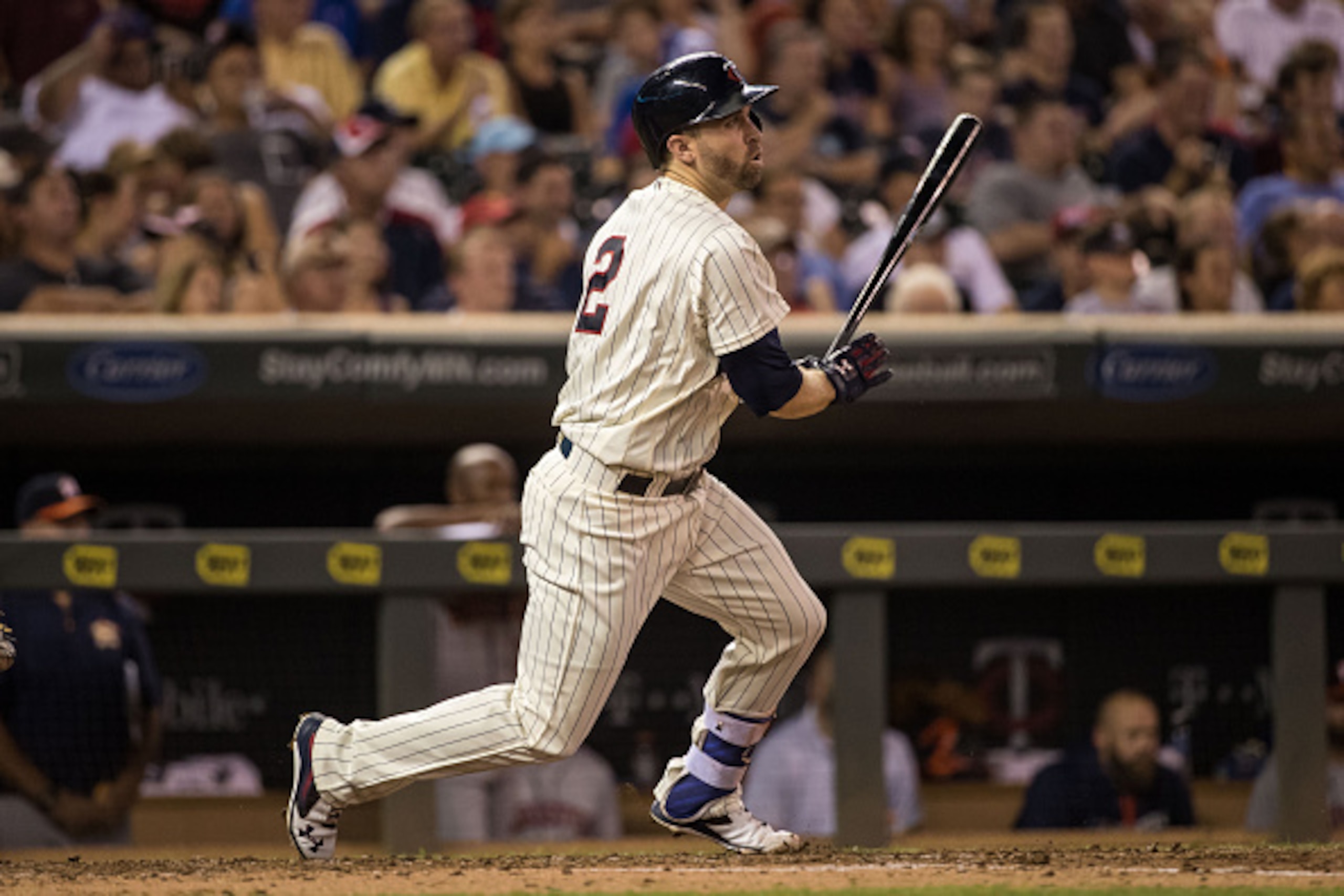
Dozier was one of the few bright spots in an otherwise awful 2016 season for the Minnesota Twins. He had the third-highest WAR (5.9) among qualified second basemen, per FanGraphs, and posted impressive power numbers (42 home runs, 99 runs batted in and a .546 slugging percentage).
In September, the Pioneer Press' Mike Berardino floated the prospect of Minnesota trading Dozier, who will make $15 million over the next two seasons. With the midseason departure of Terry Ryan, Dozier acknowledged that a different front office might have different plans regarding his future.
"First things first," he said. "You need to see after the season who is going to be our GM, which obviously plays a huge part in it."
On Nov. 10, MLB Network's Jon Morosi reported that the Twins were getting offers for Dozier. Berardino spoke to a source Friday who said Minnesota would "have to be wowed" to part with the All-Star.
As painful as it would be for Twins fans, trading Dozier makes sense if the team can get a nice return.
In two years' time, it's unlikely Minnesota would be able to re-sign the 29-year-old, and in the two years he's still under team control, Dozier can do little to remedy what is the Twins' biggest issue: starting pitching.
Minnesota isn't going anywhere as long as Kyle Gibson, Hector Santiago and Phil Hughes are three of the team's best starters.
The Twins can't expect to receive an ace for Dozier, but they could leverage his career year into a strong No. 2 or 3 starter, which would at least represent progress for the staff.
Michael Wacha
On Nov. 20, FoxSports.com's Ken Rosenthal reported that the St. Louis Cardinals were gauging league interest in Wacha.
Providing additional perspective last Tuesday, the St. Louis Post-Dispatch's Derrick Goold doubted whether St. Louis would pull the trigger. He wrote that the trade discussions were likely a speculative exercise by the Cardinals to see what—if anything—teams would be willing to surrender for Wacha.
It's doubtful the 25-year-old right-hander is generating much buzz. He finished 7-7 last year with a 5.09 ERA and a 3.91 FIP, per FanGraphs. For the third season in a row, his strikeout rate lowered while his walk rate rose. He struck out 7.43 batters and allowed 2.93 free passes every nine innings.
Adding further concern, Wacha battled injuries after staying relatively healthy in 2015. He was suffering from right shoulder inflammation in August, which can be a prelude to a more significant problem. The shoulder issue helps explain why his fastball velocity fell from 95.01 in 2015 to 93.88 in 2016, per Brooks Baseball.
Wacha is under team control for the next three seasons. Since his trade value is relatively low given his age and pedigree, the Cardinals might as well keep him to see if he can rebound in 2017.
Although Wacha will likely never return to his 2013 self—when he had a 2.78 ERA in 64.2 innings—he can still be a solid back-of-the-rotation starter.
Perhaps another general manager covets Wacha to the extent that he'd send a valuable asset or two the Cardinals' way. Nobody expected the Diamondbacks to give up No. 1 overall pick Dansby Swanson to get Miller last year.
But barring some sort of trade like that, St. Louis should wait and see if Wacha can improve before they seriously consider dealing him.
.jpg?w=2560 "OBJ Calls Out Giants After Release")


.jpg?w=2560 "Rap: Lions, LaPorta End Contract Talks")

.jpg?w=2560 "Report: Baker May Miss Up to 6 Weeks")