
MLB Contract, Team Predictions for Each Player Who Rejected Qualifying Offer

Major League Baseball's offseason began with eight players receiving a one-year, $23.15M qualifying offer. Six declined; five remain on the market, while Jake Bauers has already signed with Boston.
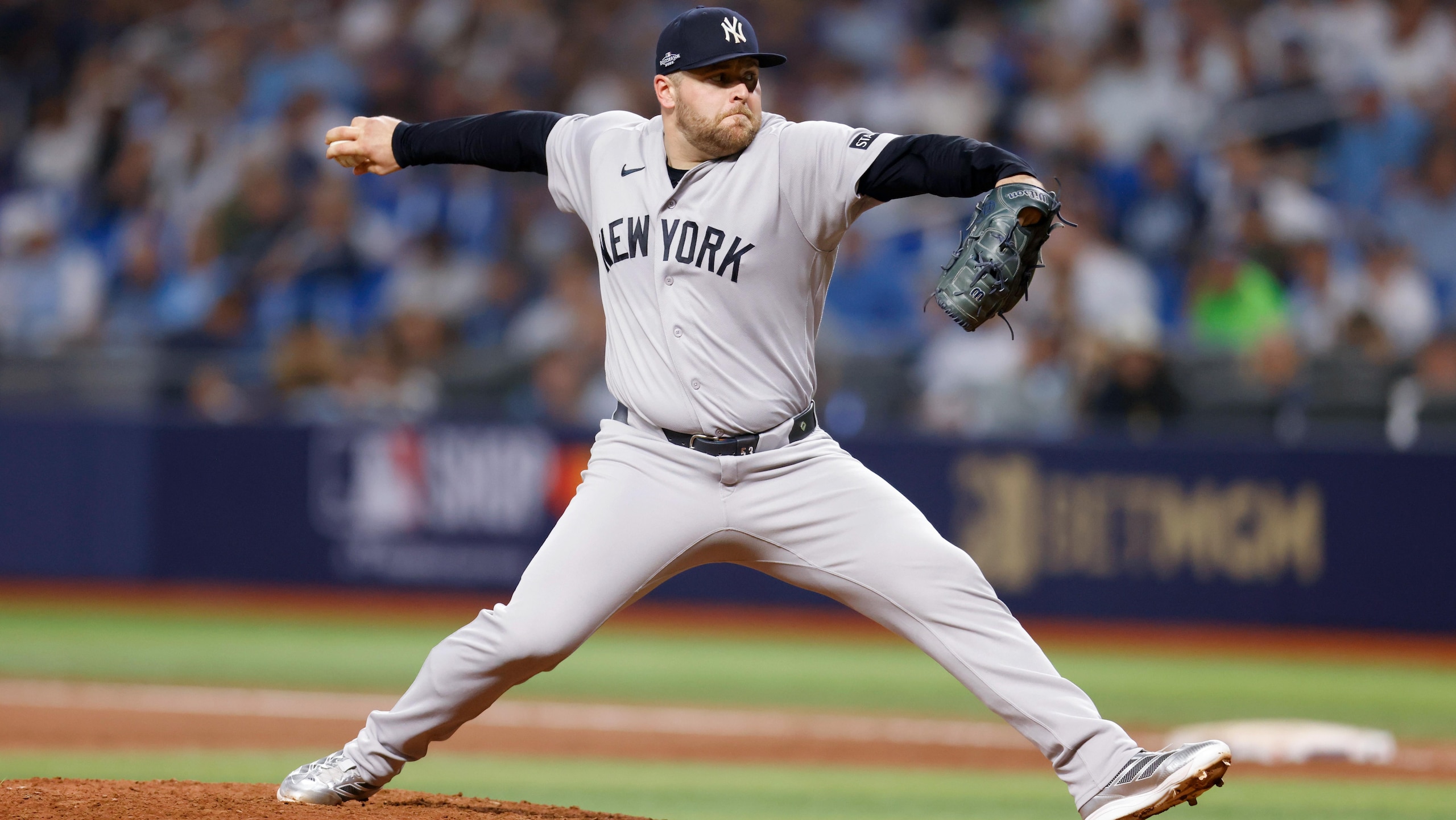
David Bednar accepting the one-year offer from the Yankees was pretty surprising, especially after Adrián Morejón rejected his. Ryan Jeffers remaining with the Twins was less of a stunner, but still a bit unexpected.
But those other new free agents now come with an added cost if they sign somewhere new. The exact compensation for the team losing the free agent and the penalty paid by the signing team depends on whether each pays a luxury tax or benefits from revenue sharing.
However, that's a minor hurdle in the grand scheme of things, particularly in regard to the likes of Randy Arozarena and Seiya Suzuki who could be headed for nine-figure contracts.
Now that these players are actually available to the highest bidder, though, let's take an updated look at projected contracts and plausible landing spots.
For each, we've included contract projections from a trio of sources—MLB Trade Rumors, ESPN's Kiley McDaniel and our own Tim Kelly—before offering up an estimate of our own.
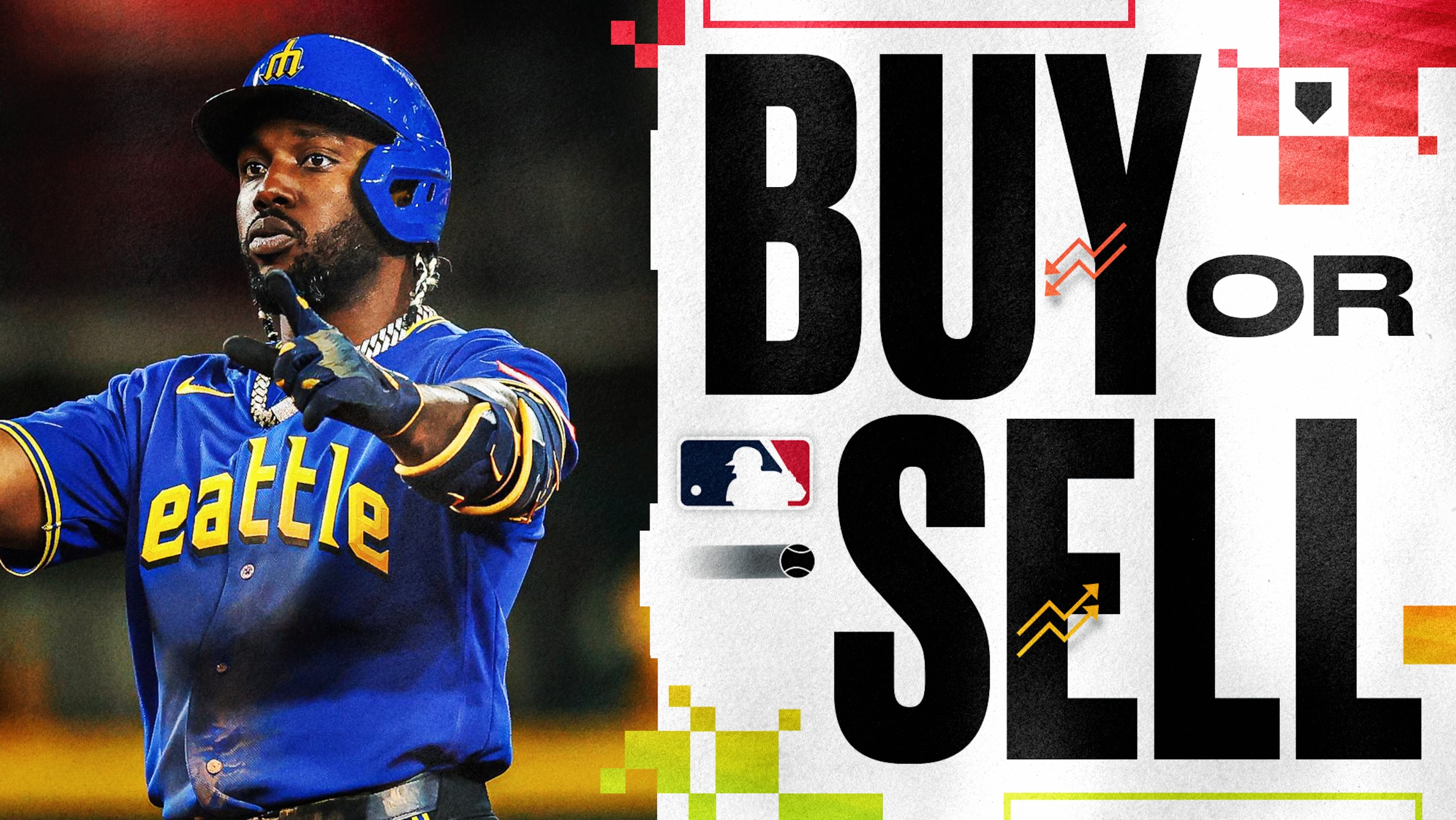
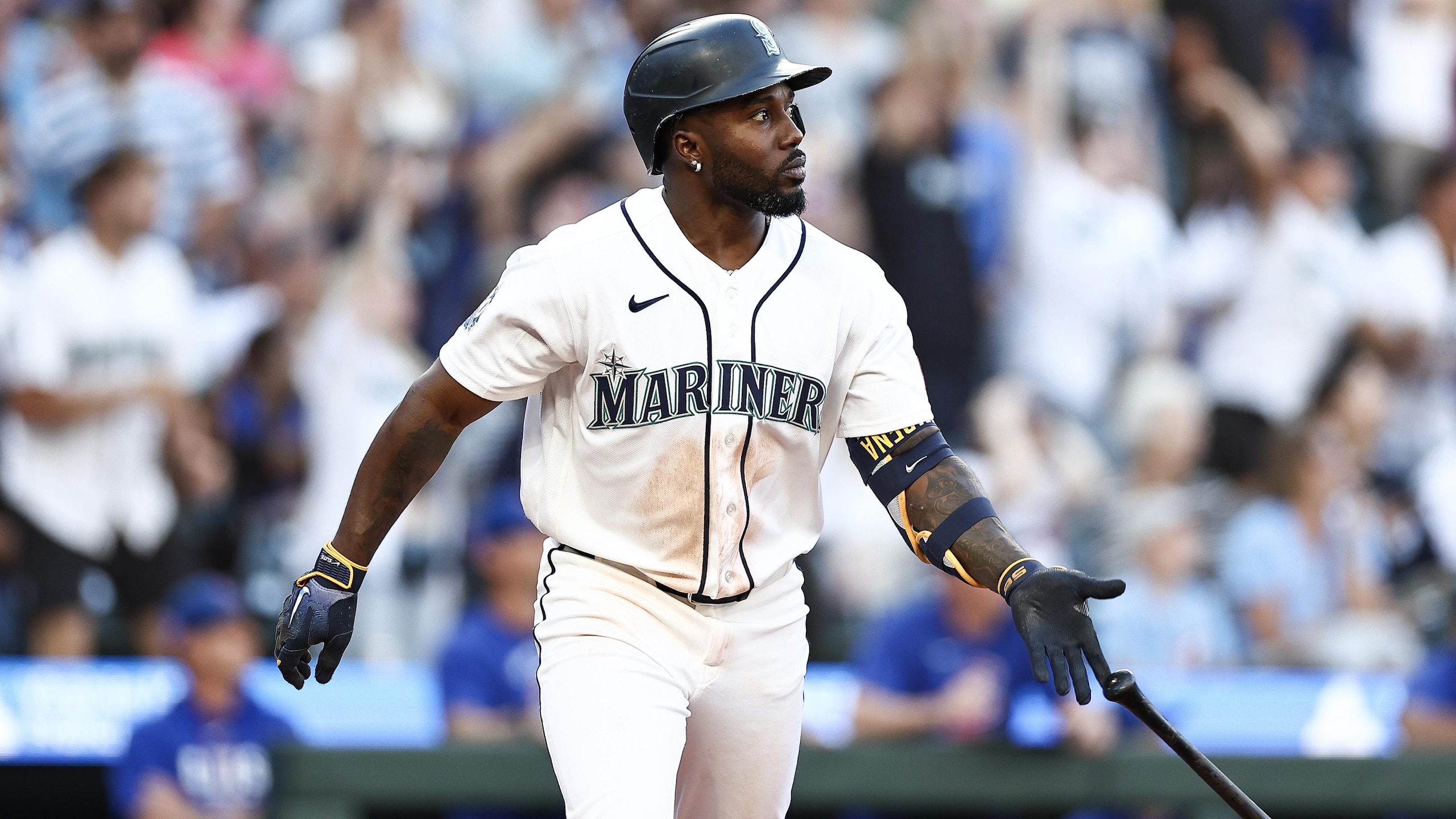
Randy Arozarena
1 of 6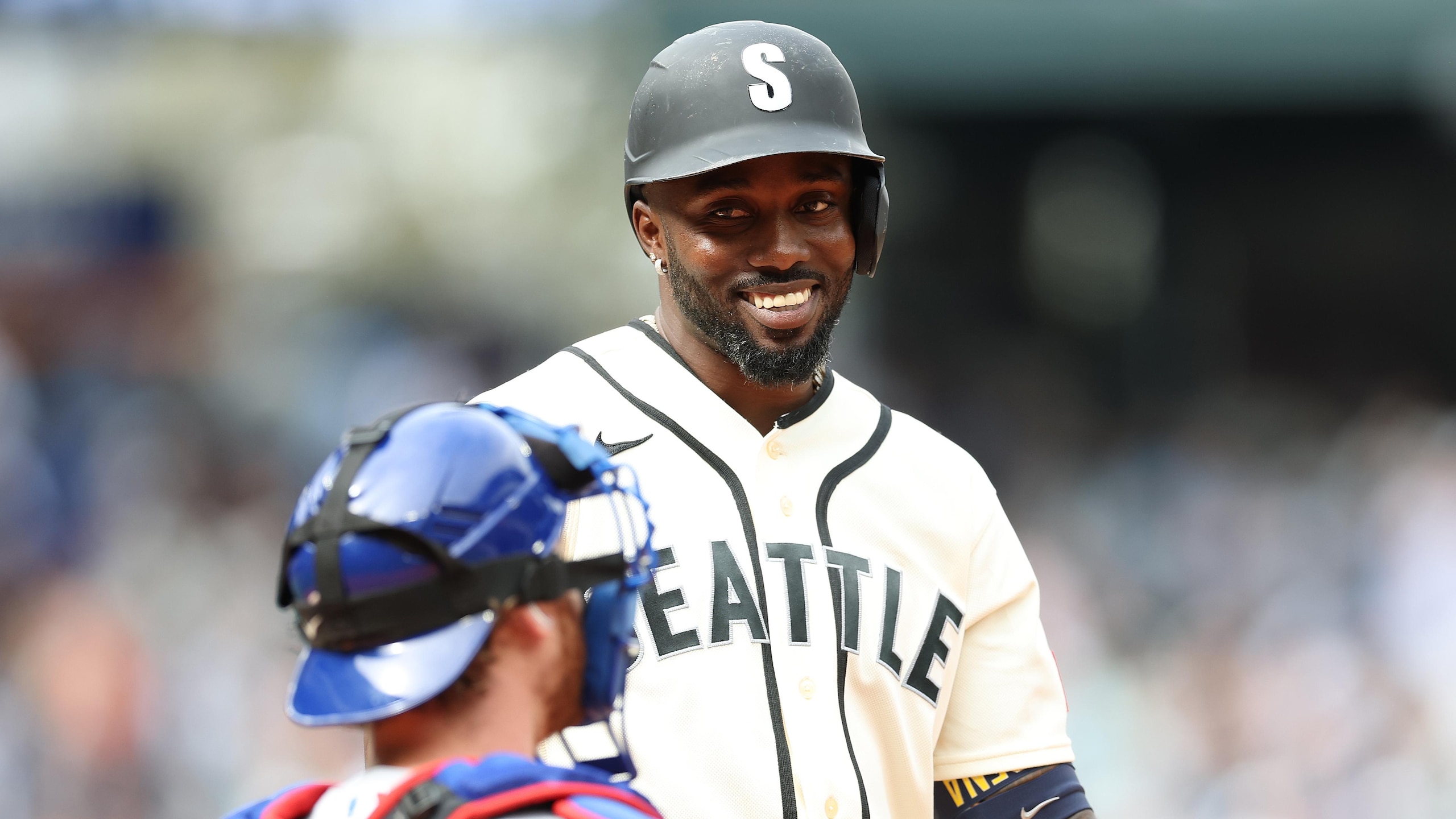
2026 Stats: .281/.381/.484, 26 HR, 79 RBI, 26 SB, 5.7 bWAR
Other Projections: 4/$100M (MLBTR); 4/$90M (ESPN); 5/$140M (Kelly)
Our Prediction: 4 years, $112M with the Philadelphia Phillies
Randy Arozarena has reeled off six consecutive 20/20 seasons.
He's one of six players with at least 130 home runs and 130 stolen bases since the beginning of 2021, the others being Shohei Ohtani, José Ramírez, Trea Turner, Fernando Tatis Jr. and Julio Rodríguez—each of whom is already playing on a contract with a total face value of at least $175M.
Arozarena also just had the best overall season of his career, posting an OPS of .865 after five consecutive years in the .720-.815 range. He even scored an AL-best 113 runs, while the Mariners flirted with ranking dead last in the majors in scoring.
However, he turns 32 in February, so the expectation is that he's headed for a four-year, maybe five-year deal—in contrast to last winter when everyone was trying to guess what a 29-year-old Kyle Tucker might get on a decade-long contract as the top position player on the market.
As far as the landing spot is concerned, a lot of teams figure to be in on Arozarena.
Among the five teams who ran up a total bill north of $350M last season and seemingly have no spending limit, both Toronto and Philadelphia would greatly benefit from an upgrade in left field. Slightly lower in the payroll rankings, the Cubs, Padres, Braves, Astros, Tigers, Diamondbacks and Orioles could all use a corner outfielder. Goodness knows the Mariners also have an Arozarena-sized hole in left field now, too. Boston might still be in the mix, too, even after its recent acquisition of Jake Bauers.
It feels like this is going to be the Phillies' big splash, though. 2027 is probably the last realistic year of their championship window, and they're likely to run up their biggest luxury tax payment yet in hopes of winning one. And not having a reliable right-handed bat (or a reliable outfielder in general) was one of the biggest things holding them back in 2026.
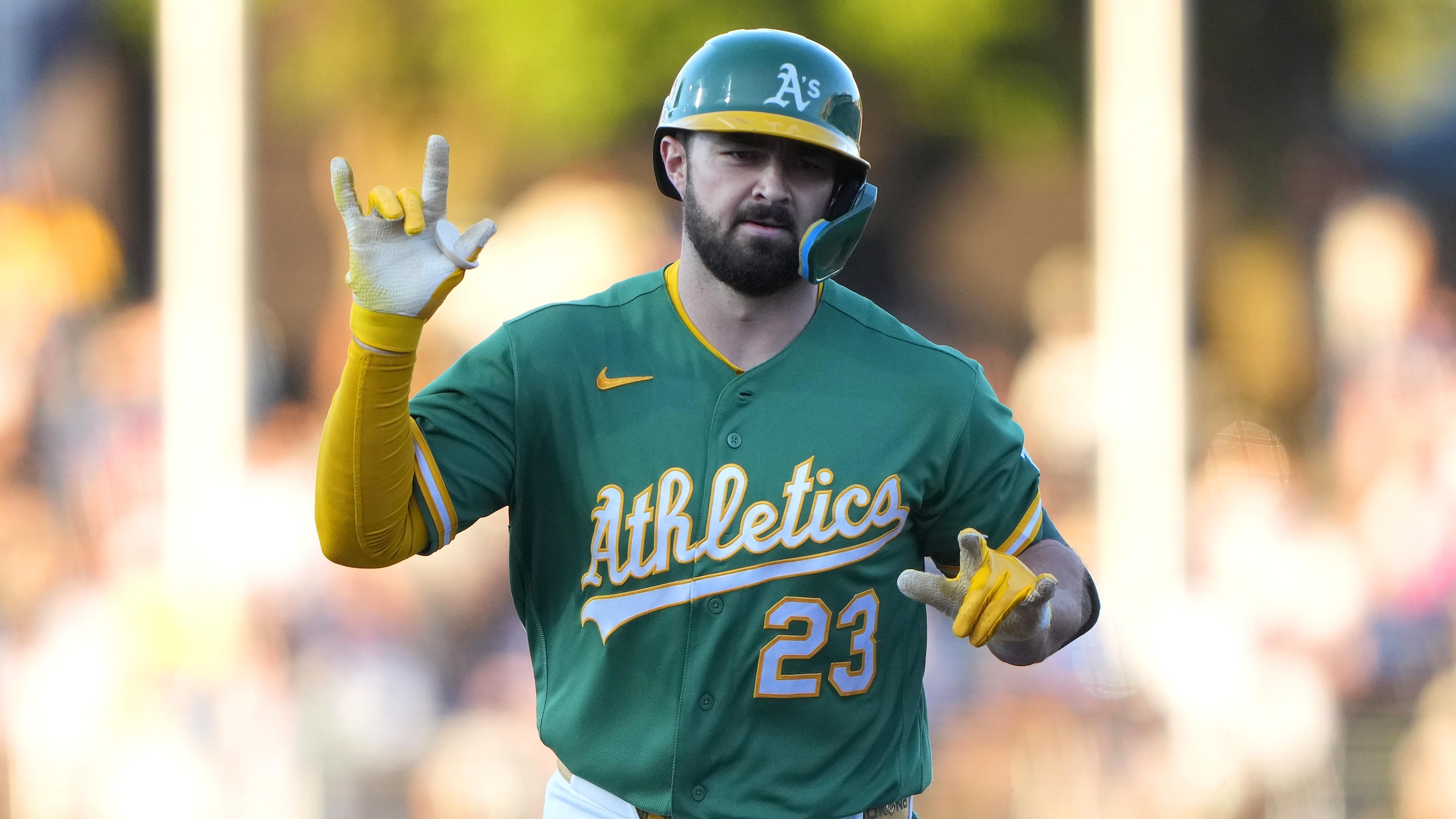
Jake Bauers
2 of 6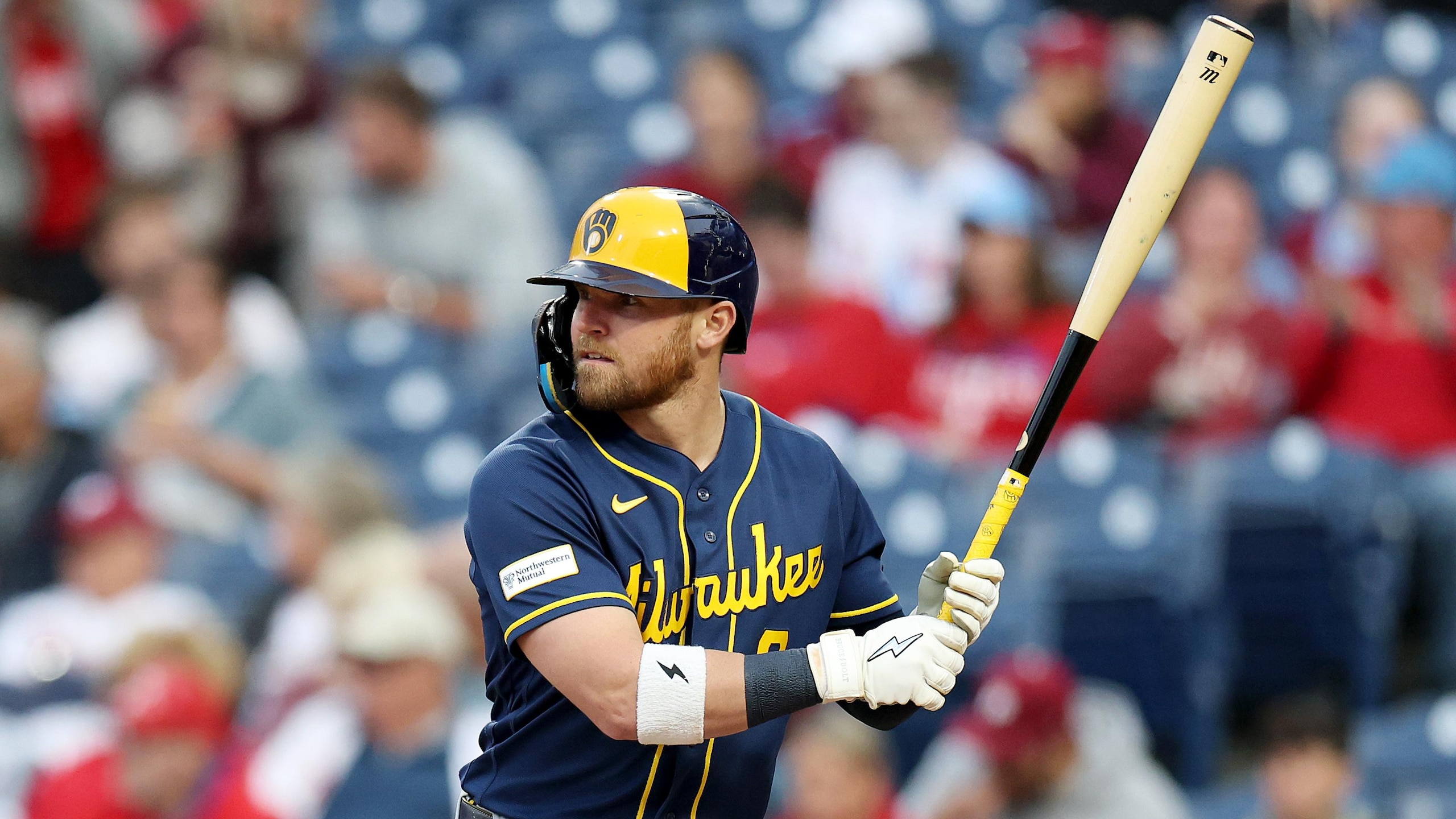
2026 Stats: .266/.389/.484, 26 HR, 86 RBI, 11 SB, 3.3 bWAR
Other Projections: 1/$23.15M (MLBTR); 3/$52.5M (ESPN); 1/$23.15M (Kelly)
Already Signed: 4 years, $58M with the Boston Red Sox
If anybody was going to take the qualifying offer, the assumption was that Jake Bauers would be the one. His breakout season was among the most unexpected in recent memory: He posted 3.3 WAR after totaling minus-1.2 through his first six seasons.
Instead, he turned down the offer and secured a four-year deal from Boston.
Both the length of the contract and the landing spot were pretty unexpected.
The Red Sox already have Willson Contreras for one more year to man first base, as well as a surplus of corner outfielders. There has been talk (for about two years at this point) of Jarren Duran being on the trade block, but one would assume they're also now looking to part with Masataka Yoshida, paving the way for Bauers and Contreras to tag team the 1B and DH spots.
We'll let them figure that part out, but if Bauers can replicate his 2026 campaign, what a boon that would be for the Red Sox, who didn't have a ton of offense this past season outside of Contreras and that three-week stretch in which Mickey Gasper randomly became Mickey Mantle.
Brandon Lowe
3 of 6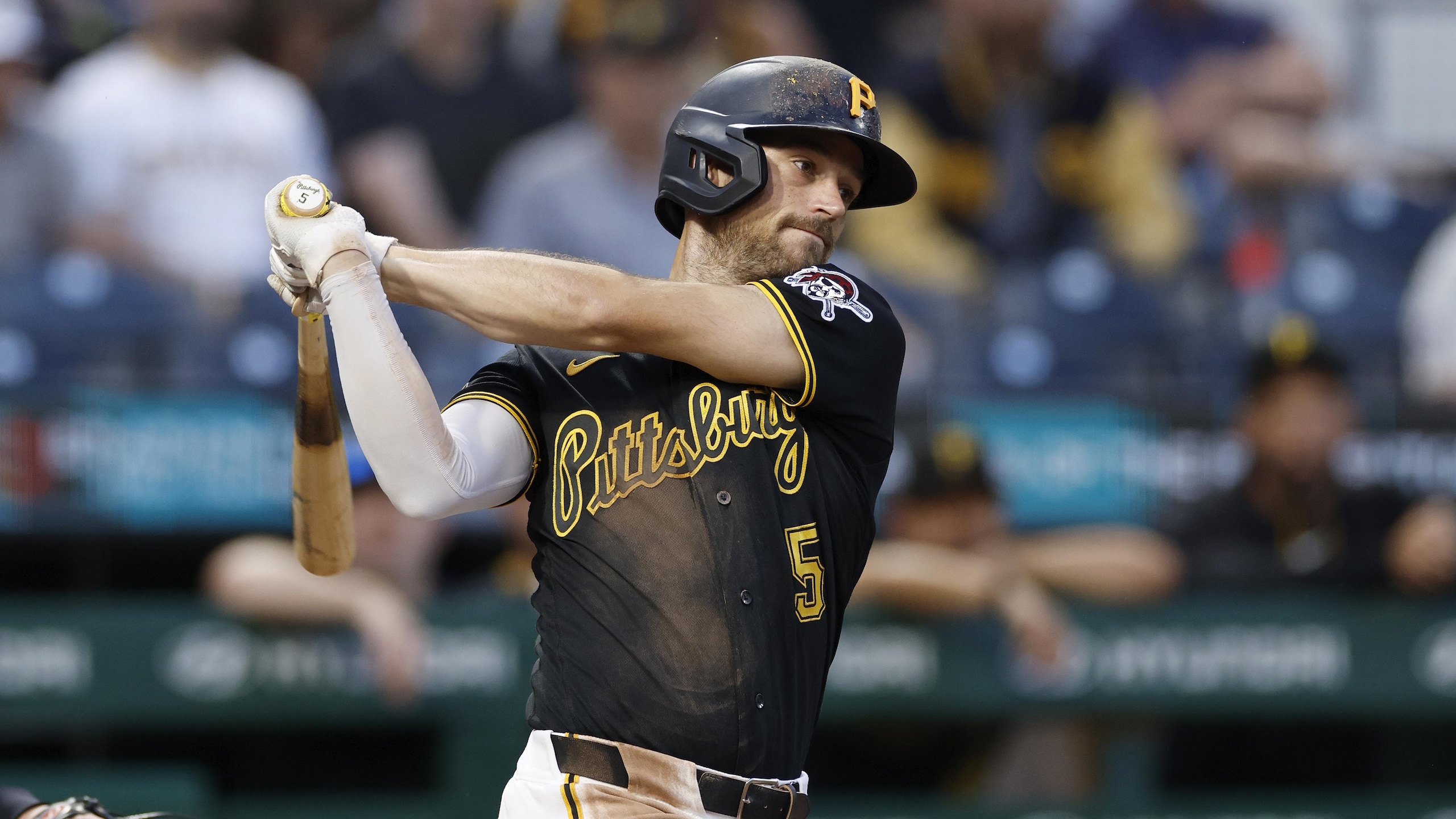
2026 Stats: .260/.331/.493, 35 HR, 96 RBI, 5.3 bWAR
Other Projections: 3/$69M (MLBTR); 4/$80M (ESPN); 3/$75.3M (Kelly)
Our Prediction: 3 years, $66M with the Pittsburgh Pirates
I've made this point in previous articles already this offseason, but it bears repeating: There is no good reason to assume that a player is unlikely to re-sign with the same team just because he declines a qualifying offer.
In fact, of the 57 players who rejected a qualifying offer over the previous six offseasons, 16 of them (28.1 percent) ended up re-signing.
So, Brandon Lowe declining Pittsburgh's qualifying offer doesn't necessarily mean the door to a reunion has been closed.
Rather, this kind of looks like a case where the qualifying offer makes it more likely that he stays with Pittsburgh.
After all, the second base market is robust this offseason with Gleyber Torres, Jazz Chisholm Jr. and Luis Arraez available to the highest bidder. While Lowe is arguably the best of the bunch, is he so clearly the best that teams are going to be willing to part with a draft pick (or multiple picks) in order to prioritize him?
Also, we're talking about a second baseman who will turn 33 shortly before the All-Star break and has a fairly robust injury history. He played 150 games in 2026, but averaged 104 over the previous four seasons.
Can teams justify giving him a contract of four or more years? And, if not, doesn't the notion of giving up some draft capital to sign him feel a bit more foolish?
Maybe the Yankees do it anyway, as they work on revamping their infield. The Red Sox might also be in the mix. But as long as the Pirates don't egregiously lowball Lowe, staying in Pittsburgh on a three-year deal feels like the likeliest outcome here.
Adrián Morejón
4 of 6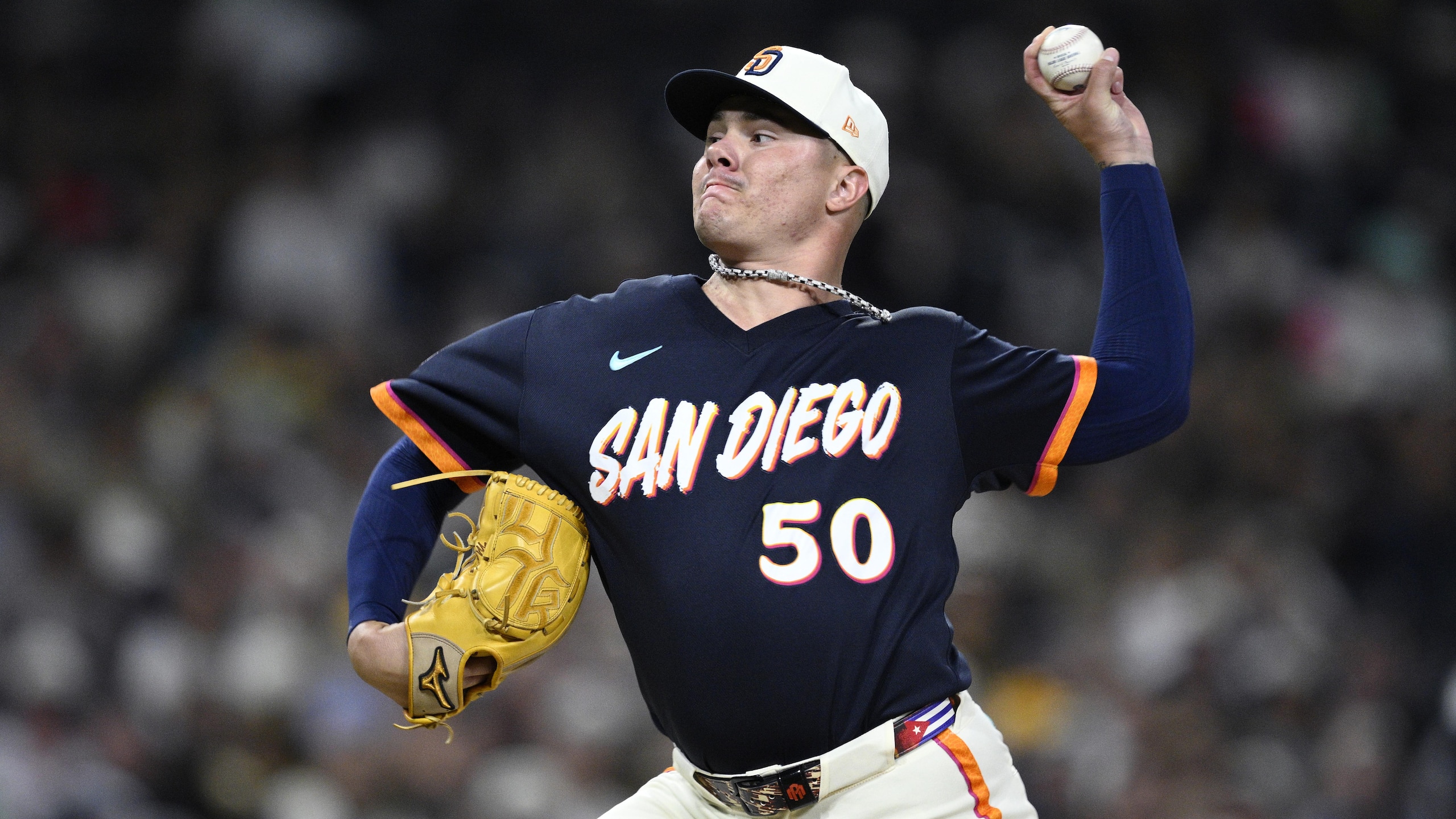
2026 Stats: 86.0 IP, 2.83 ERA, 2.37 FIP, 1.08 WHIP, 11.2 K/9, 1.9 bWAR
Other Projections: 5/$80M (MLBTR); 4/$88M (ESPN); 4/$80M (Kelly)
Our Prediction: 4 years, $76M with the Chicago White Sox
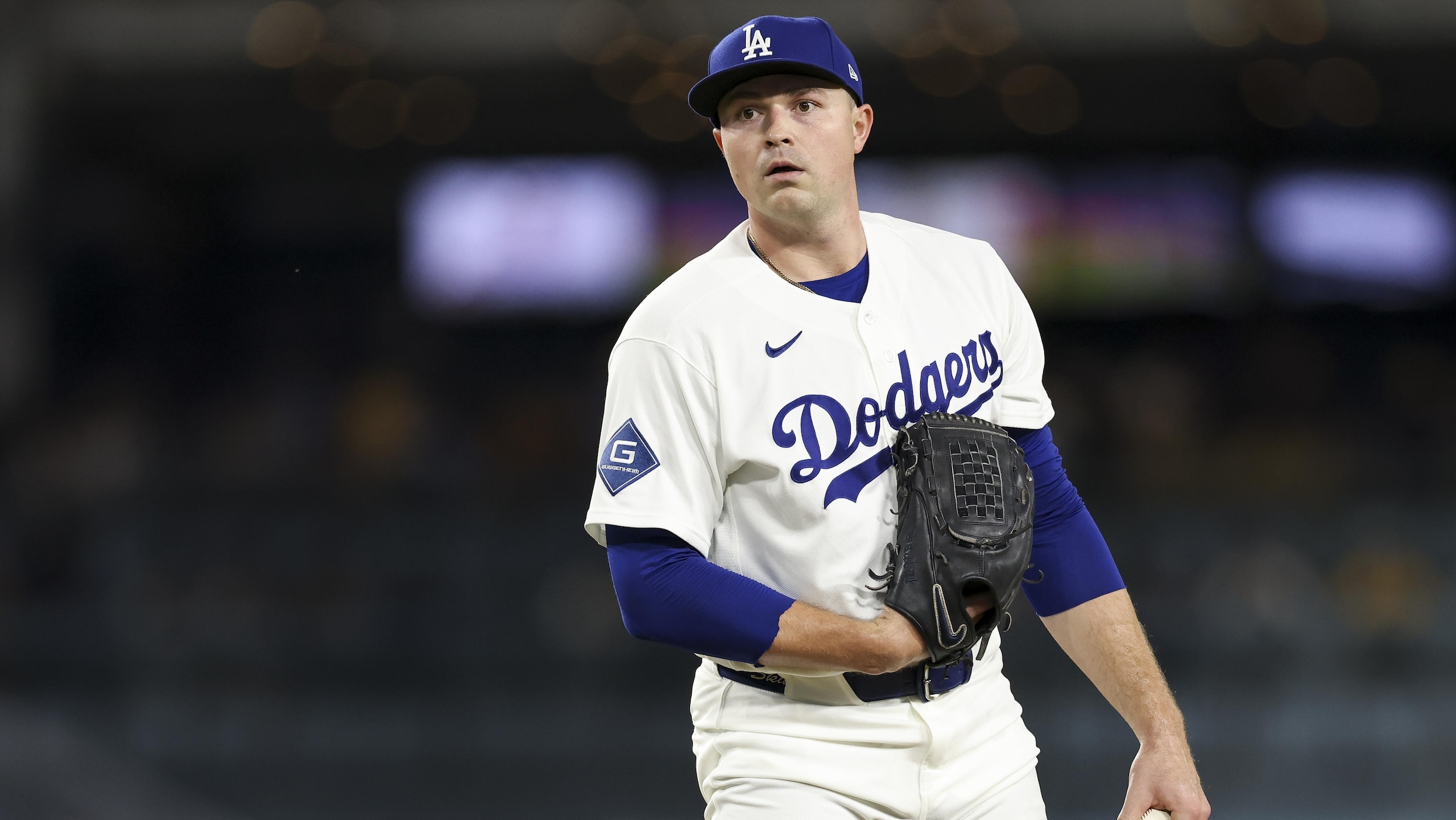
With just eight career saves and no interest in transitioning to the starting rotation, the market for Adrián Morejón is going to be nothing short of fascinating.
Over the past three years, Morejón has been one of the most dominant pitchers in the majors, boasting a sub-2.60 mark in both ERA (2.58) and FIP (2.46).
The only others with at least 200 innings of work who can say the same are 2026 NL Cy Young winner Jacob Misiorowski, 2024 NL Cy Young winner Chris Sale, 2024-25 AL Cy Young winner Tarik Skubal and Cleveland's fantastic set-up man-turned-closer Cade Smith.
But, historically speaking, relievers don't get paid the big bucks unless they're closers.
At any rate, six relievers received an AAV of at least $13M in free agency last offseason, and each of them already had at least 75 career saves. Good luck trying to find the last time a middle reliever received one of the two biggest bullpen contracts in a given offseason cycle.
We all expect Morejón to be an exception to the rule, but how big of one?
And who makes it happen?
The White Sox could be a fantastic landing spot, especially given the recent reports that they plan to move Grant Taylor to the starting rotation. However, we're talking about a franchise that has never signed a pitcher (free agent or extension) to a contract of more than $65M.
Is Morejón going to be where they break that cycle?
If not, the other team in Chicago figures to be very much in the bidding war, too.
Trevor Rogers
5 of 6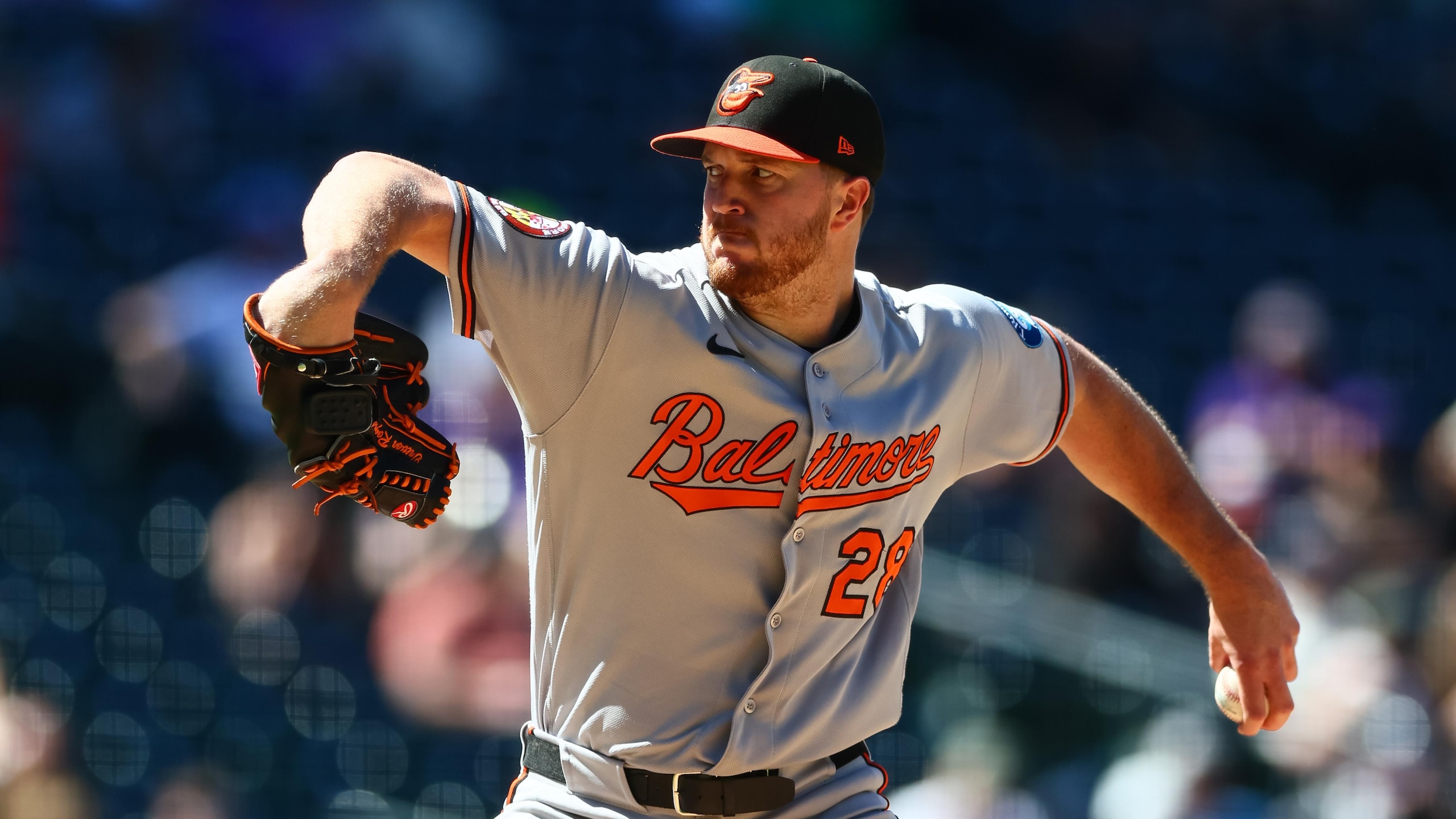
2026 Stats: 169.2 IP, 4.03 ERA, 3.45 FIP, 1.19 WHIP, 8.3 K/9, 2.2 bWAR
Other Projections: 5/$115M (MLBTR); 4/$76M (ESPN); 5/$110M (Kelly)
Our Prediction: 4 years, $104M with the Chicago Cubs
Trevor Rogers has been all over the map throughout his career, which makes his market in free agency maybe the most intriguing of all.
Across the 2020, 2022 and 2024 seasons, he made 55 starts with a 5.28 ERA and a combined 0.2 bWAR. He also missed almost all of 2023 because of biceps and lat injuries.
He was otherwise masterful in 2026, though, this after posting a scintillating 1.81 ERA across his 18 starts in 2025. And back in 2021, he finished second in the NL Rookie of the Year vote with a 2.64 ERA in 25 starts.
When he's on point, not many pitchers are better.
But if he gets a five-year deal, how many of those years will actually be high quality?
An intriguing comp for Rogers' market is Jesús Luzardo, who has also had a few brutal seasons due to injury and/or ineffectiveness, but who has shown a repeated ability to be relentlessly dominant for months at a time.
Luzardo got a five-year, $135M extension from the Phillies prior to this past season, and he'd presumably be worth even more right now after putting together what was the best year of his career in 2026.
They're the same age, each turning 29 this fall. And Rogers' current career bWAR of 11.1 is identical to what Luzardo's career mark was when he signed his extension.
So, is everyone a bit low on Rogers, projecting him for an AAV in the $19M-$23M range?
Could he actually fetch something closer to $30M once Tarik Skubal signs his monster deal and the teams who come up short in that bidding war become desperate to land an ace-caliber arm?
Or has he been inconsistent enough that teams will be reluctant to give him nine figures?
My hunch is that the Cubs want him more badly than most. They need to rebuild their starting rotation, almost from scratch, and Rogers' home run rate has been at or below 1.01 per nine innings pitched in each of the past four seasons. Bringing him in to replace Shota Imanaga would be a dream come true.
Seiya Suzuki
6 of 6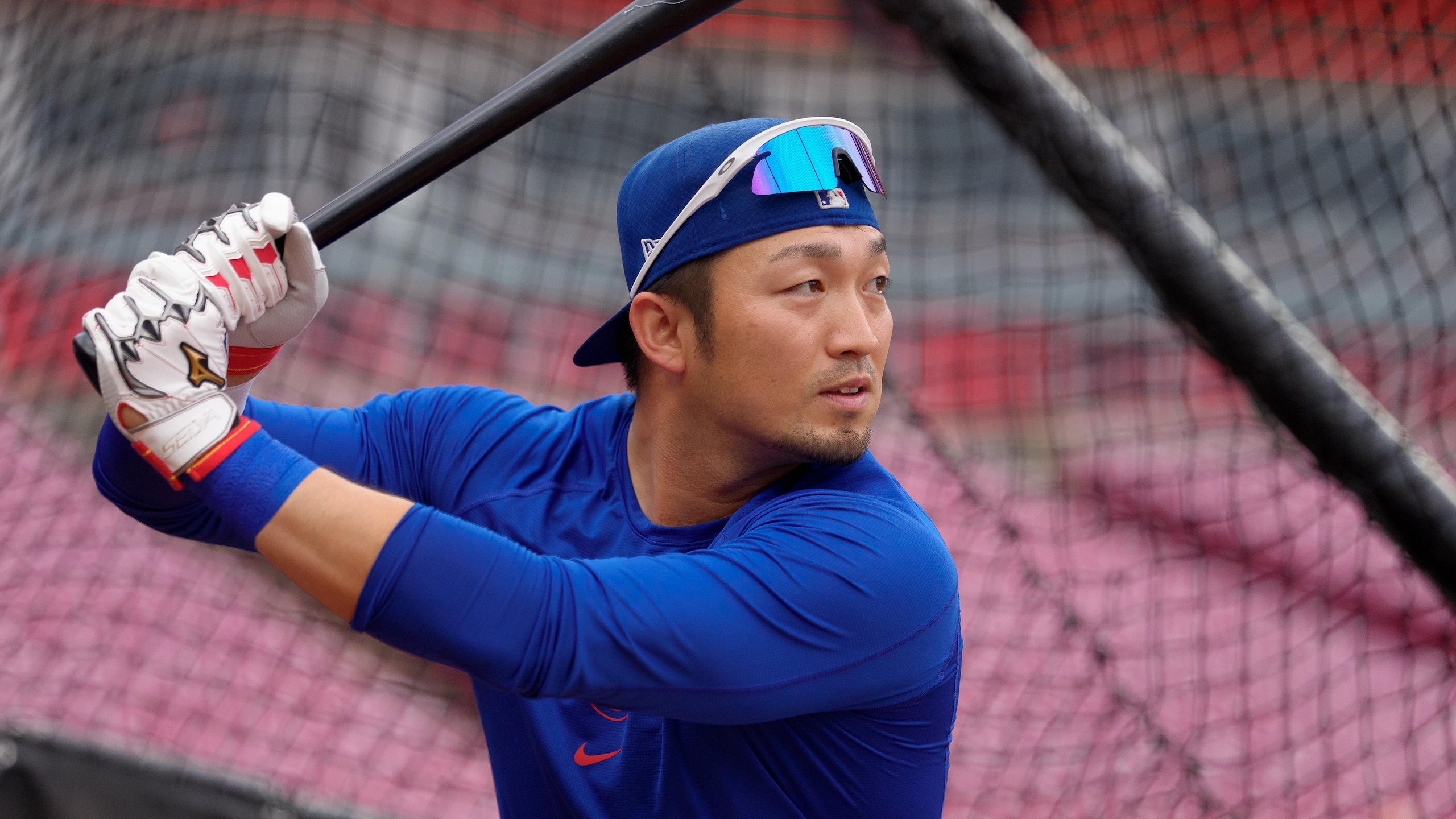
2026 Stats: .270/.368/.473, 26 HR, 86 RBI, 5.1 bWAR
Other Projections: 4/$105M (MLBTR); 4/$90M (ESPN); 5/$145M (Kelly)
Our Prediction: 4 years, $108M with the Toronto Blue Jays
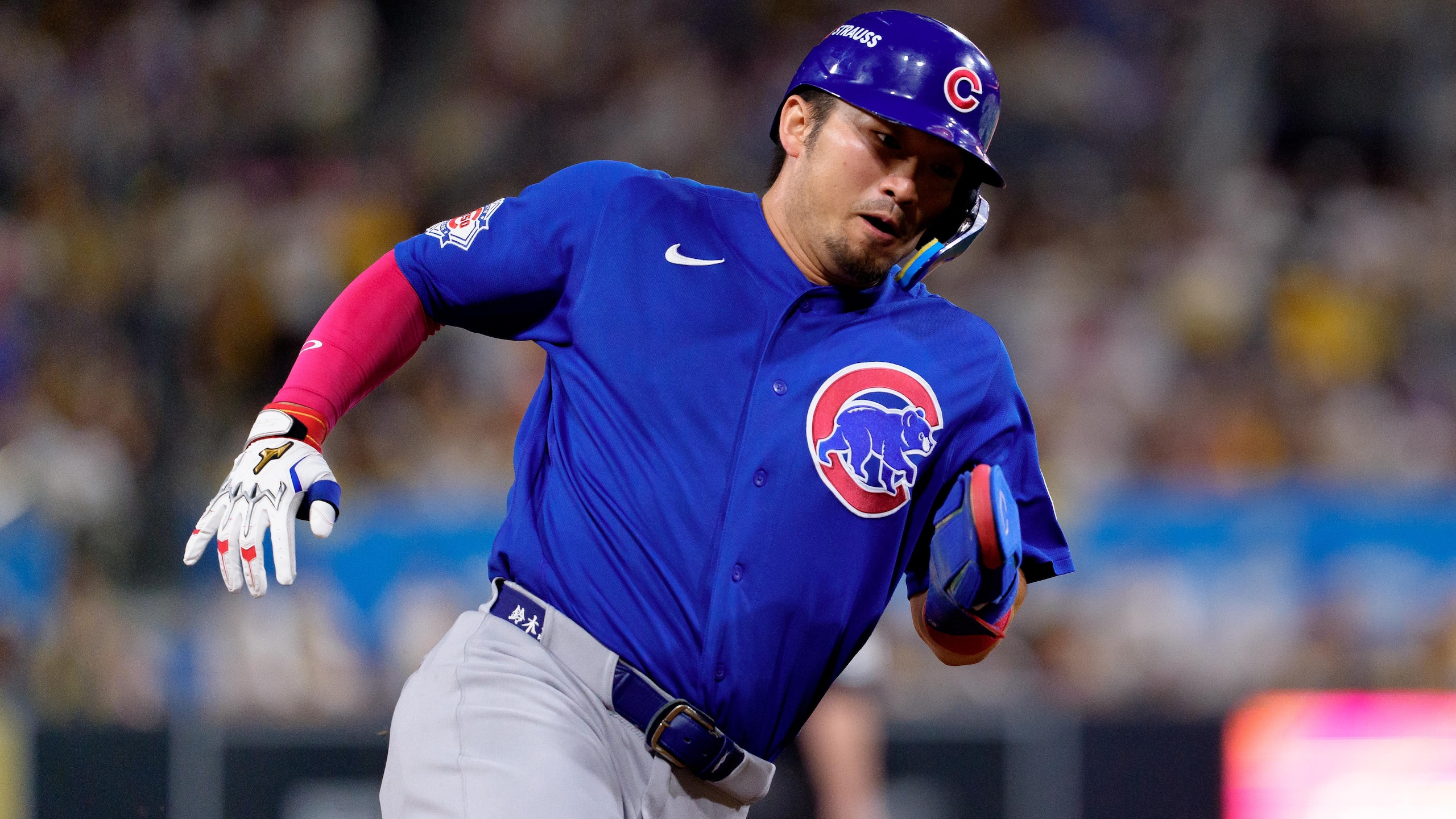
At the plate, Seiya Suzuki has been Mr. Consistency.
In each of the past four seasons, he has both logged enough plate appearances to qualify for a batting title and posted an OPS of at least .800. The only other players who can say the same are Shohei Ohtani, Bobby Witt Jr., Bryce Harper, Kyle Schwarber and Rafael Devers.
Granted, each of those other players has had multiple seasons with an OPS north of .850 while Suzuki has maxed out at .848. That's why he has yet to be named an All-Star: He's more of a "constant B+ or A-" type of offensive weapon than a 'best on the planet' sort of superstar.
But in a world of boxes of variety chocolates, why not pursue the bag of KitKats that you know to be consistently delicious?
What's more, Suzuki just had the best defensive season of his career in right field, posting a career-high 14 Defensive Runs Saved, and could be a major asset there. Still, teams banking on that element of his game should note that his defensive ratings were generally average or below average over his first four MLB seasons.
Like Randy Arozarena, though, he's heading into his age-32 season and is probably also looking at a four- or five-year deal at around $25M apiece.
The list of suitors should be similar to those we mentioned for Arozarena. However, teams like the Phillies and Astros that already have a full-time DH would figure to be less interested in Suzuki.
We'll go with the Blue Jays for his landing spot, as they just lost a full-time DH making roughly $25M per year in George Springer and also no longer have three outfielders (Daulton Varsho, Myles Straw and Jesús Sánchez) who each appeared in at least 99 games for them in 2026.
Suzuki could play RF for them on a regular basis if Anthony Santander continues to be a completely sunk cost, or he might just be the plan at DH for years to come.