
Everything to Know on Expected MLB Lockout, Free Agency and More Key Offseason Dates

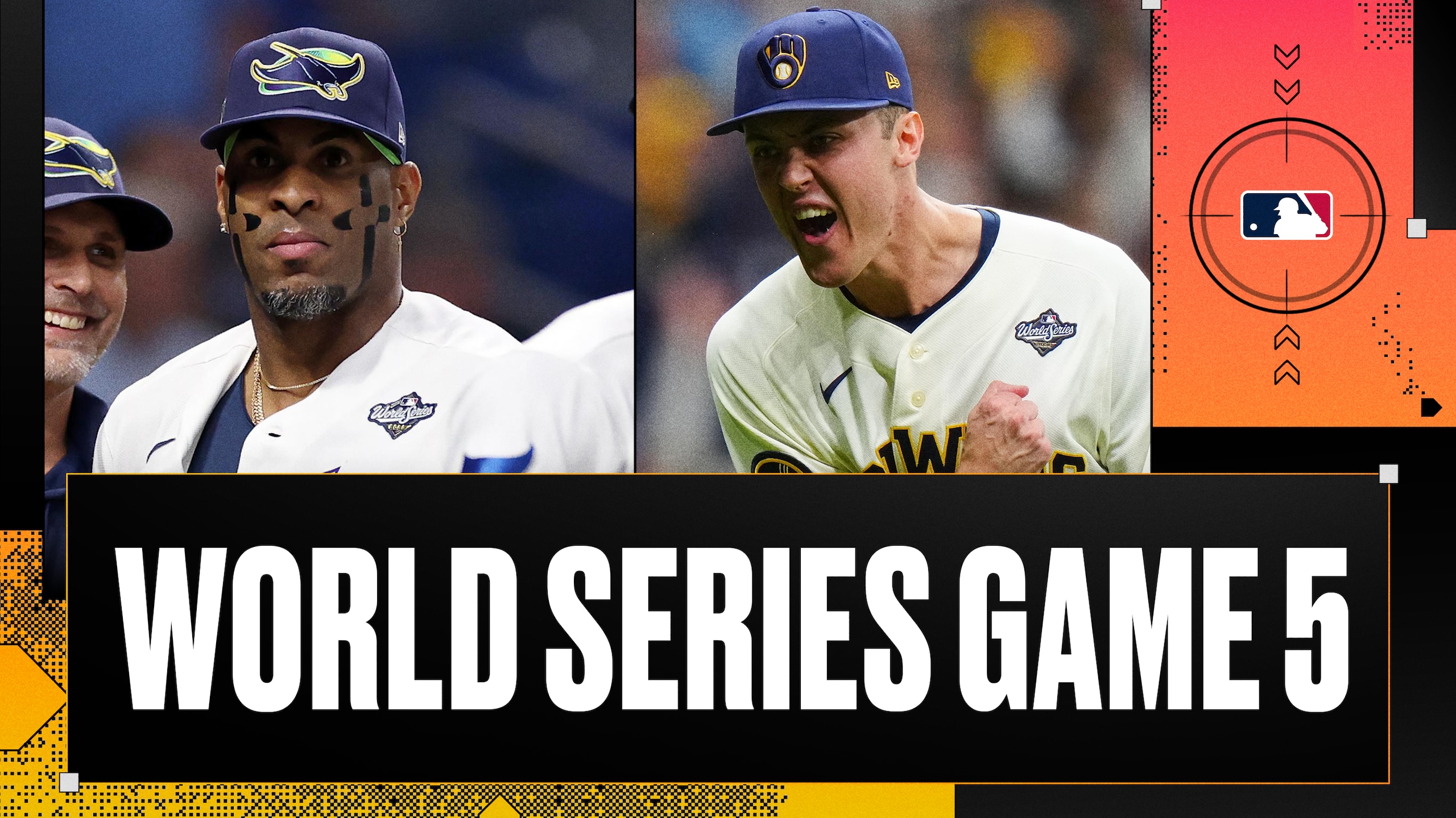
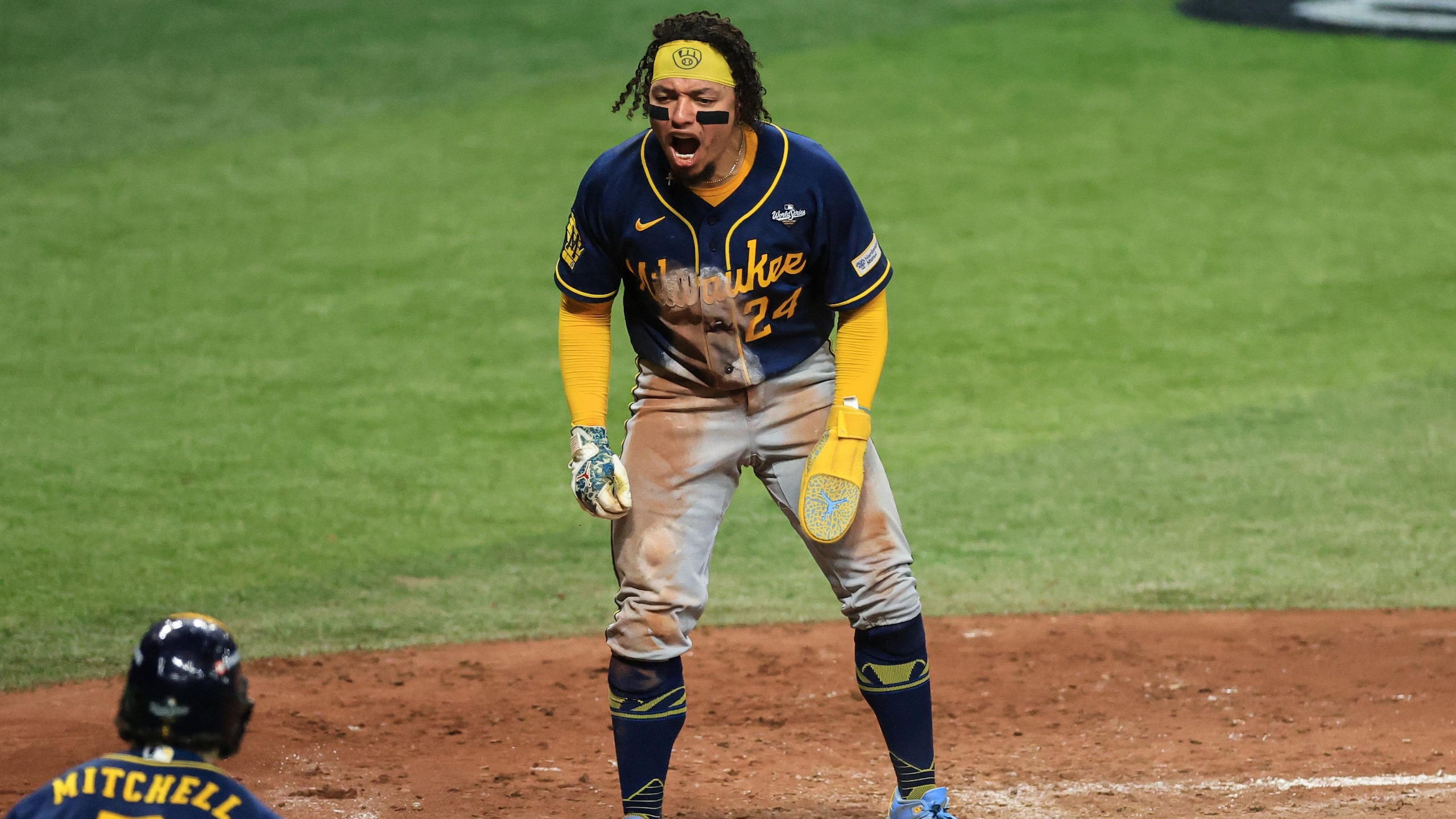
The 2026 MLB season officially came to a close on Wednesday night when the Milwaukee Brewers finished off the Tampa Bay Rays in Game 5 to claim the first World Series title in franchise history.
Now the offseason begins, and it's going to be a weird one.
The current collective bargaining agreement is set to expire this winter, and a lockout is widely expected as the owners and the MLBPA try to come to terms on a variety of issues, including the potential implementation of a salary cap.
TOP NEWS
Bold MLB Offseason Predictions 🔮
1 Player Every Team Should Re-Sign in Free Agency 💰
Way-Too-Early Predictions for 2027 MLB Playoffs 🔮
There are plenty of offseason boxes to be checked before a lockout could take effect, and the to-do list kicks into gear almost immediately now that the Commissioner's Trophy has been handed out.
Let's take a stroll through MLB's winter timeline with all the key dates leading up to the expiration of the current CBA, and the timetable that the two sides will have to get a new CBA on the books without sacrificing any of the 2027 MLB season.
Nov. 2: Deadline to Extend Qualifying Offers, Exercise Contract Options
The first step of each MLB offseason is a five-day window for teams and players to sort out contract options, as club, player and mutual options all need to be exercised or declined within that short window.
That's also the window of time when a player can exercise an opt-out clause in his current contract, and Mets third baseman Bo Bichette's opt-out decision will be one of the more compelling early storylines.
Teams also have that same five-day window to extend qualifying offers to eligible free agents. In order to be eligible, a player must have spent the entire season with his club and not have received a qualifying offer in the past.
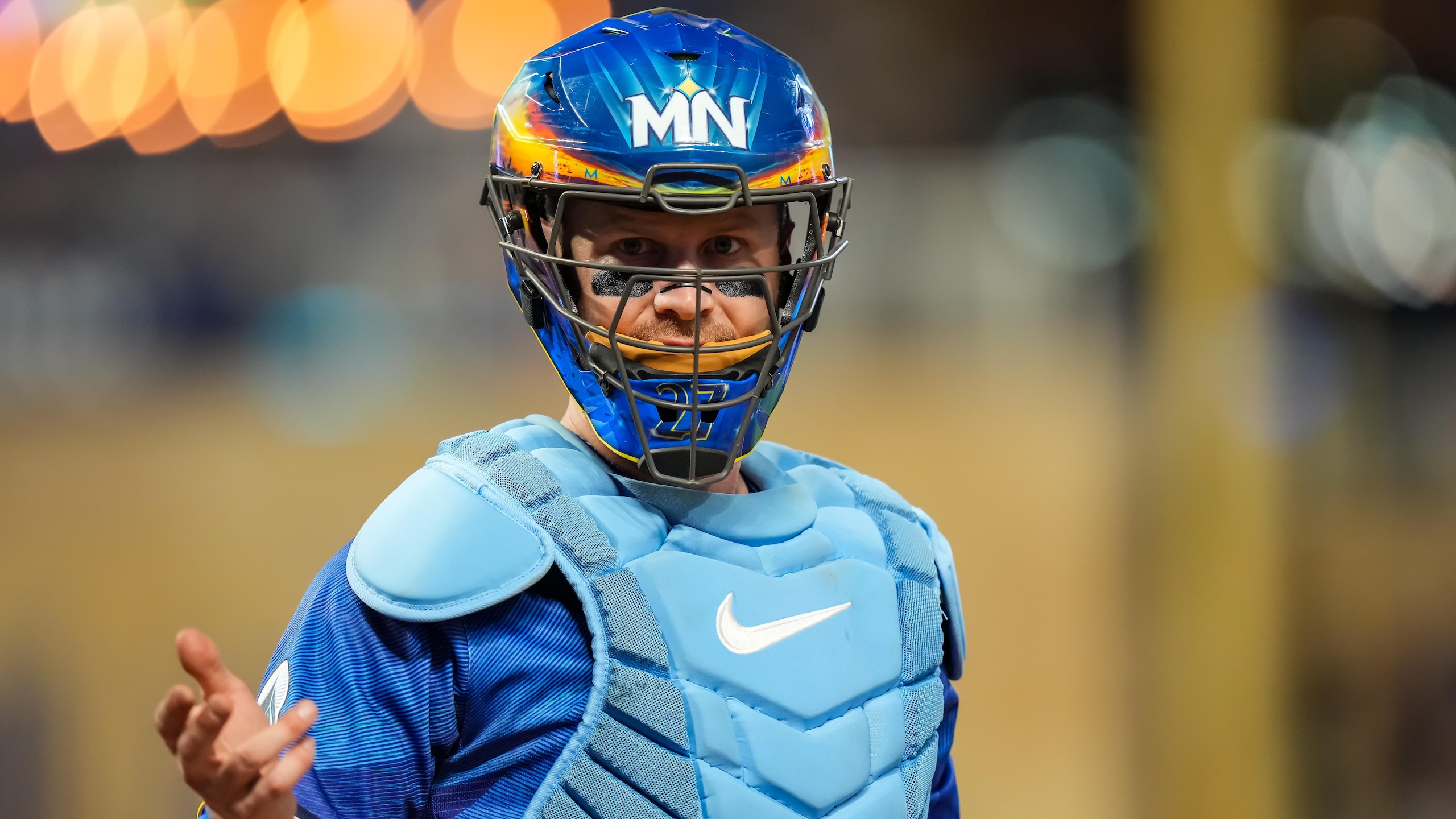
This year's qualifying offer will be a one-year, $23.15 million contract, with Ryan Jeffers (MIN), Brandon Lowe (PIT), David Bednar (NYY) and Adrian Morejón (SD) among the bubble candidates who could consider accepting. If a player receives a qualifying offer and rejects it, his former team will receive draft pick compensation when he signs elsewhere.
Nov. 12: Deadline to Accept/Reject Qualifying Offer
Once qualifying offers have been handed out, players have 10 days to decide whether to accept or reject the one-year, $23.15 million deal.
Nov. 9-12: BBWAA MLB Awards Week
The Rookie of the Year (Nov. 9), Manager of the Year (Nov. 10), Cy Young (Nov. 11) and MVP (Nov. 12) awards are all voted on by the Baseball Writers Association of America, and the winners are announced across a four-day stretch.
Pete Crow-Armstrong and Yordan Alvarez are heavy favorites for MVP honors, Jacob Misiorowski and Cam Schlittler sit atop their respective Cy Young races and Kevin McGonigle is expected to be the unanimous AL Rookie of the Year winner. That leaves little drama in this year's award races.
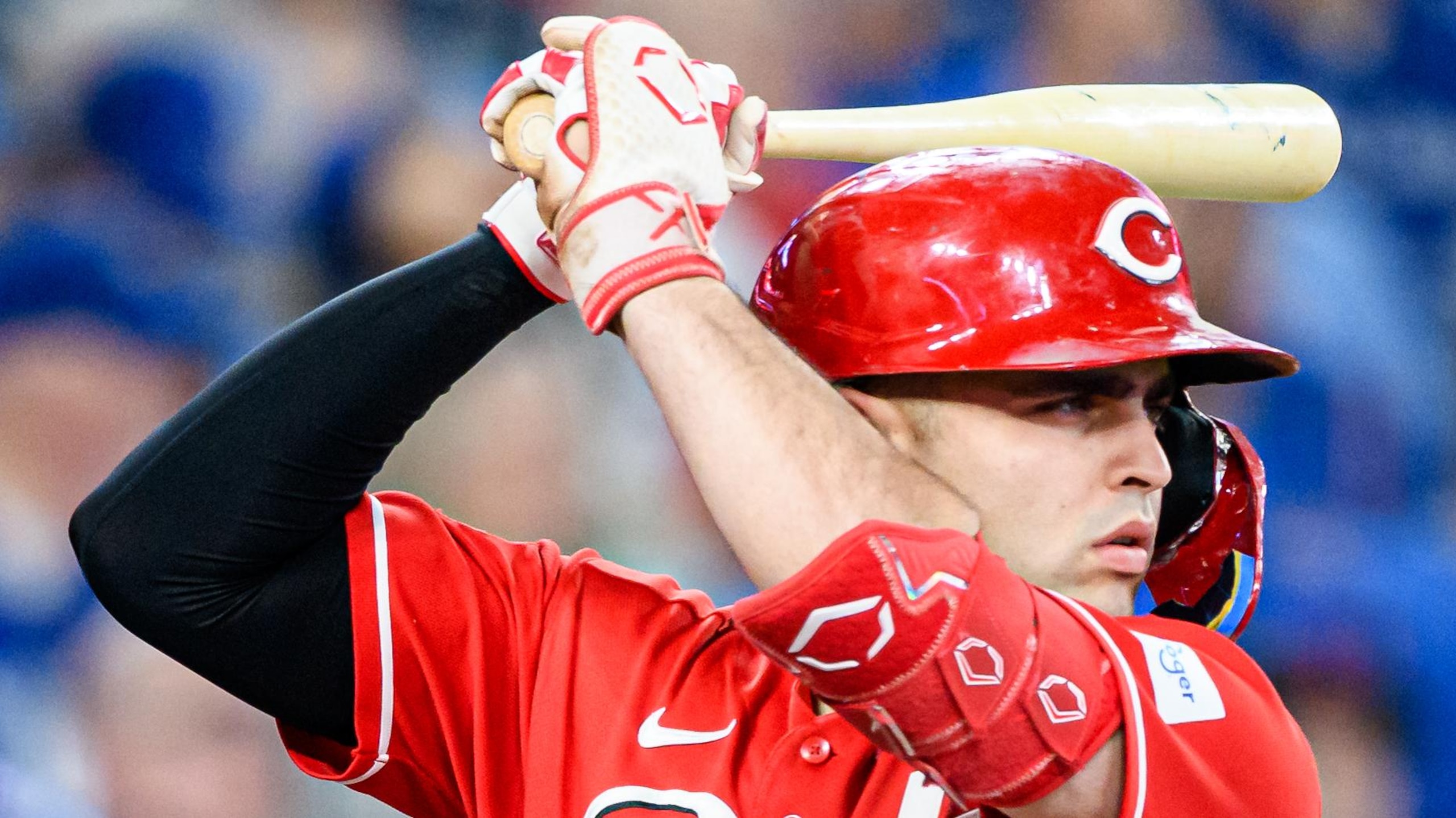
The most compelling debate is NL Rookie of the Year, where Reds slugger Sal Stewart is the favorite over Mets teammates Carson Benge and Nolan McLean, while Cardinals second baseman JJ Wetherholt is also a candidate.
Nov. 9-12: GM Meetings
Nov. 17-19: Owners Meetings
The annual winter meetings are one of the highlights of the MLB offseason, as they often bring a flurry of activity in free agency and on the trade market.
The GM meetings and owners meetings generally receive considerably less fanfare, filling a more behind-the-scenes role in laying the groundwork for the offseason ahead.
This year could generate a few more headlines, particularly at the owners meetings, as it will be an opportunity for them to come together to discuss their side of the CBA negotiations.
Expect at least a few useful nuggets to trickle out to the press on what the owners will be looking for when they sit down at the CBA negotiating table.
It's also worth wondering if there might be more transaction activity than normal at the GM meetings, as teams look to make moves ahead of a potential lockout.
Nov. 20: Non-Tender Deadline
The non-tender deadline marks the annual decision each MLB team faces on whether to offer or "tender" a contract to the arbitration-eligible players on their roster.
If they tender a contract, the team and player can continue to negotiate a salary figure for the upcoming season in an effort to avoid an arbitration hearing. If they do not tender a contract, the player is considered to be "non-tendered" and immediately becomes a free agent.
Outfielder Adolis García was the biggest name cut loose at the non-tender deadline a year ago, while JJ Bleday, Nathaniel Lowe and Jonah Heim are among the other non-tendered players who ended up providing solid value with their next team.
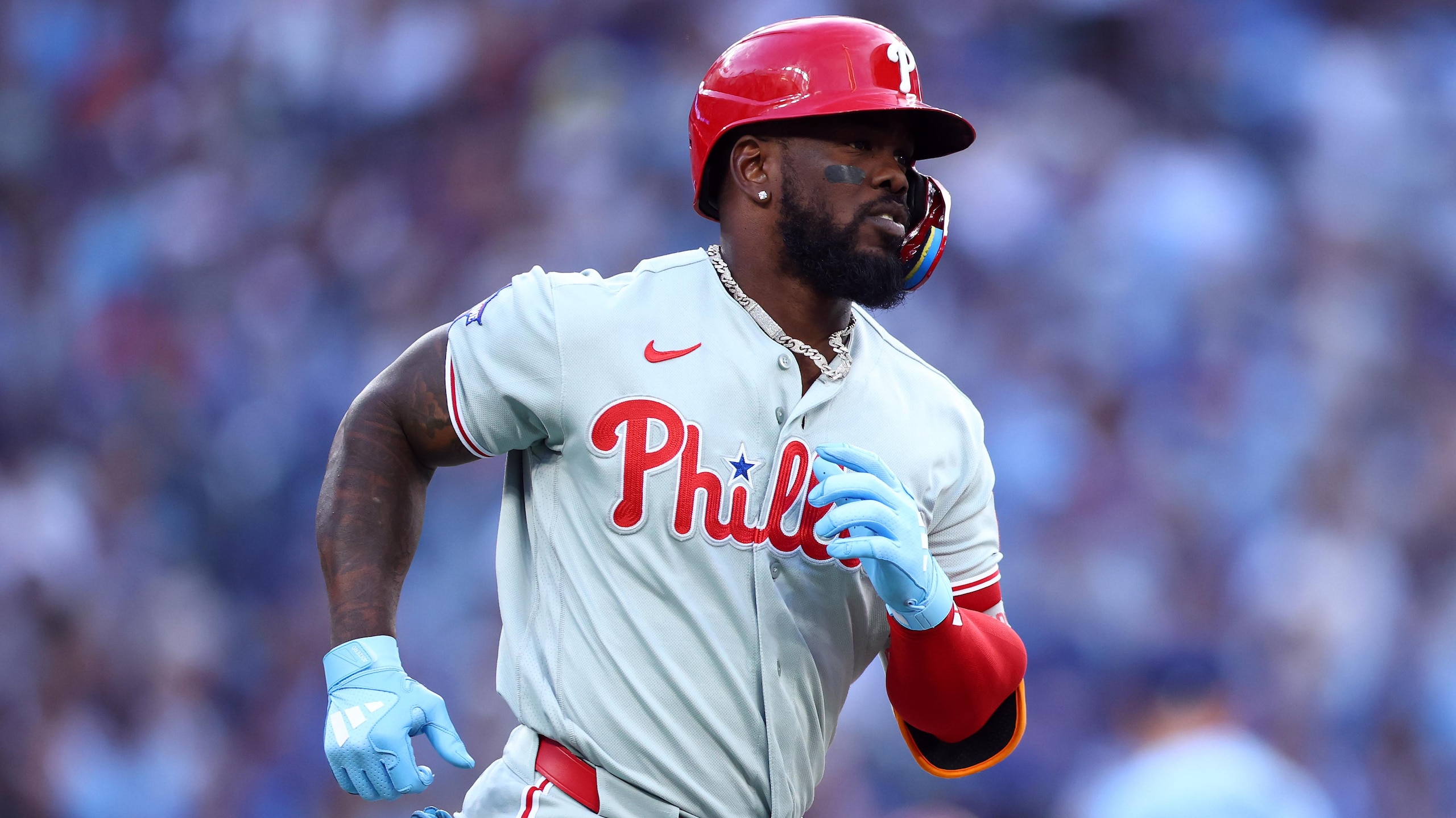
Former top prospects Nolan Gorman (STL) and Triston Casas (BOS), and past All-Star selections Josiah Gray (WAS), Zach McKinstry (DET) and Camilo Doval (SF) are among the notable non-tender candidates this year.
Dec. 1: Current CBA Expires
The current CBA expires on Dec. 1 at 11:59 p.m. ET, at which point the expectation is that the owners will lock out the players and the offseason will grind to a halt.
"On Dec. 1, after years of saber-rattling and months of performative proposals, the 30 owners will lock out the players and shut down the sport. The substantive negotiating for the next collective bargaining agreement may not take place until February or March," wrote Andy McCullough of The Athletic.
Whether that means an expedited market prior to the expected lockout, or an unofficial freeze on any transactions ahead of an unknown salary situation in the future remains to be seen.
Major League Baseball proposed a $245.3 million salary cap and $171.2 million salary floor in preliminary negotiations back in May, while the MLBPA has given no indication it will accept a salary cap in any form.
An overhaul to the arbitration system and a potential international draft are also talking points, but the salary cap discussion will be the biggest hurdle to avoiding missed games.
Plenty of words will be written on the moving parts of the next labor deal in the coming months, but Dec. 1 is the date to circle when the sport is widely expected to shut down.
Dec. 7-9: Winter Meetings
The expectation is that the lockout will mean cancelling the annual winter meetings, with no business to be done while the league is shut down.
Feb. 19, 2027: Start of Spring Training Games
March 24, 2027: Opening Night
The first spring training games to ramp up for the 2027 season are scheduled for Feb. 19, and this is the first date that could indicate that the CBA negotiations are putting the 2027 season in jeopardy if there is still a lockout in place.
The last time the CBA expired, a lockout began on Dec. 2 and stretched all the way to March 10 for a total of 99 days that the league was shuttered.
Opening Day was originally scheduled for March 31 for the 2022 season, and the delayed start of spring training ultimately pushed that to April 7. No games were lost, as a full 162-game season was played.
All of that to say, it's possible that the lockout could stretch into the start of spring training without impacting Opening Day, but with far more substantial issues on the table, it's unclear just how long a lockout might stretch this time around.