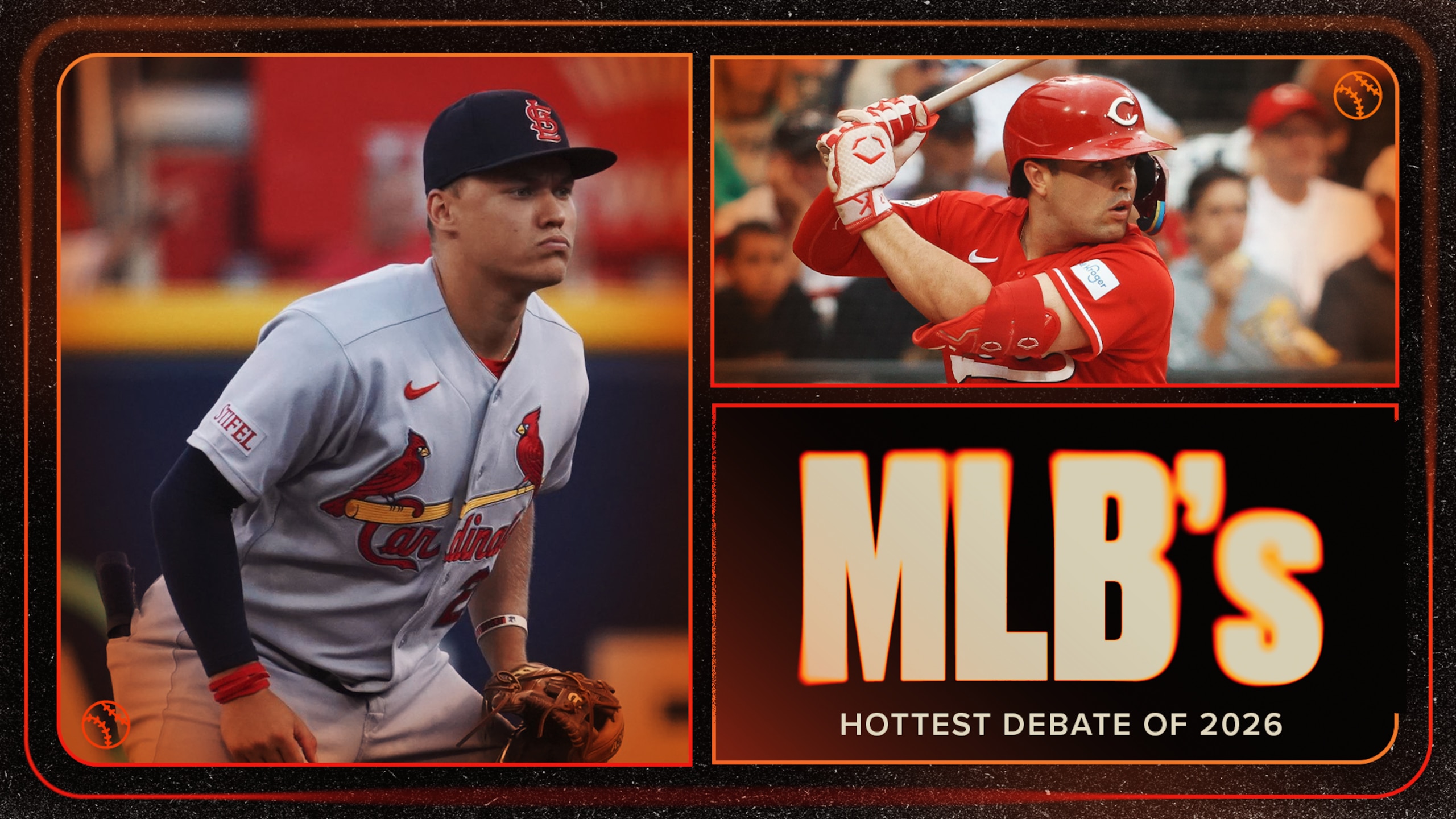


Shohei Ohtani vs. Pete Crow-Armstrong for NL MVP? Whatever. That's a rookie debate, not to be confused with the rookie debate in baseball right now.
Who is the National League Rookie of the Year? Is it JJ Wetherholt? Or is it Sal Stewart?
Fans of the St. Louis Cardinals and Cincinnati Reds won't be able to check their biases on this one. They have their reasons, and the problem for the rest of us is how those reasons combine to form one impossible-to-solve puzzle.
TOP NEWS
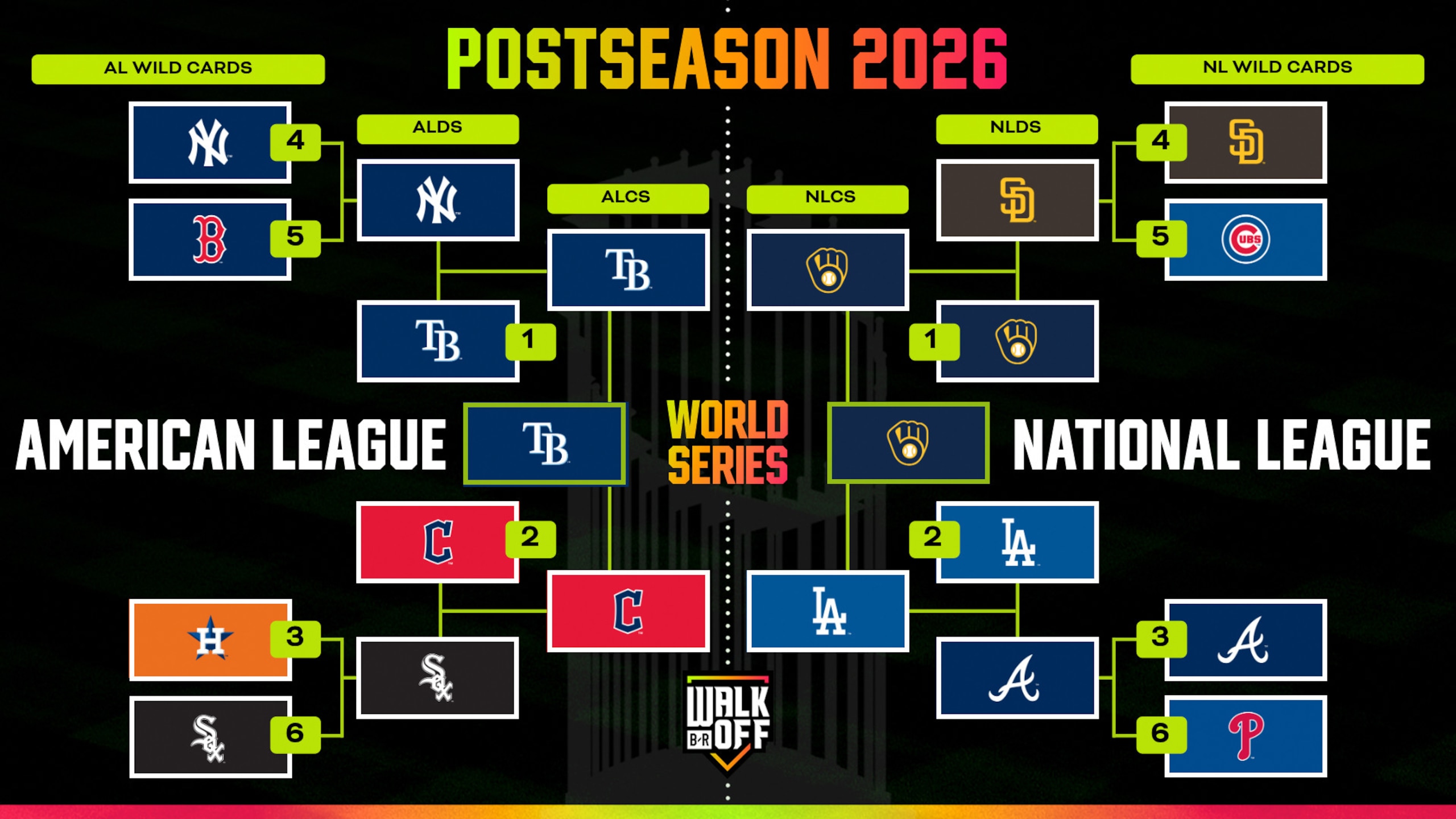
Rays to Play Brewers in World Series

A Possible Trade Made by Every Team This Offseason ⚾
Most Lopsided Trades 🥴
Simply trying to put it together reveals something about the state of baseball discourse—specifically, that how players are valued might be changing.
So, strap in as we break down the debate that's breaking baseball.
JJ Wetherholt vs. Sal Stewart for NL Rookie of the Year, Briefly Explained
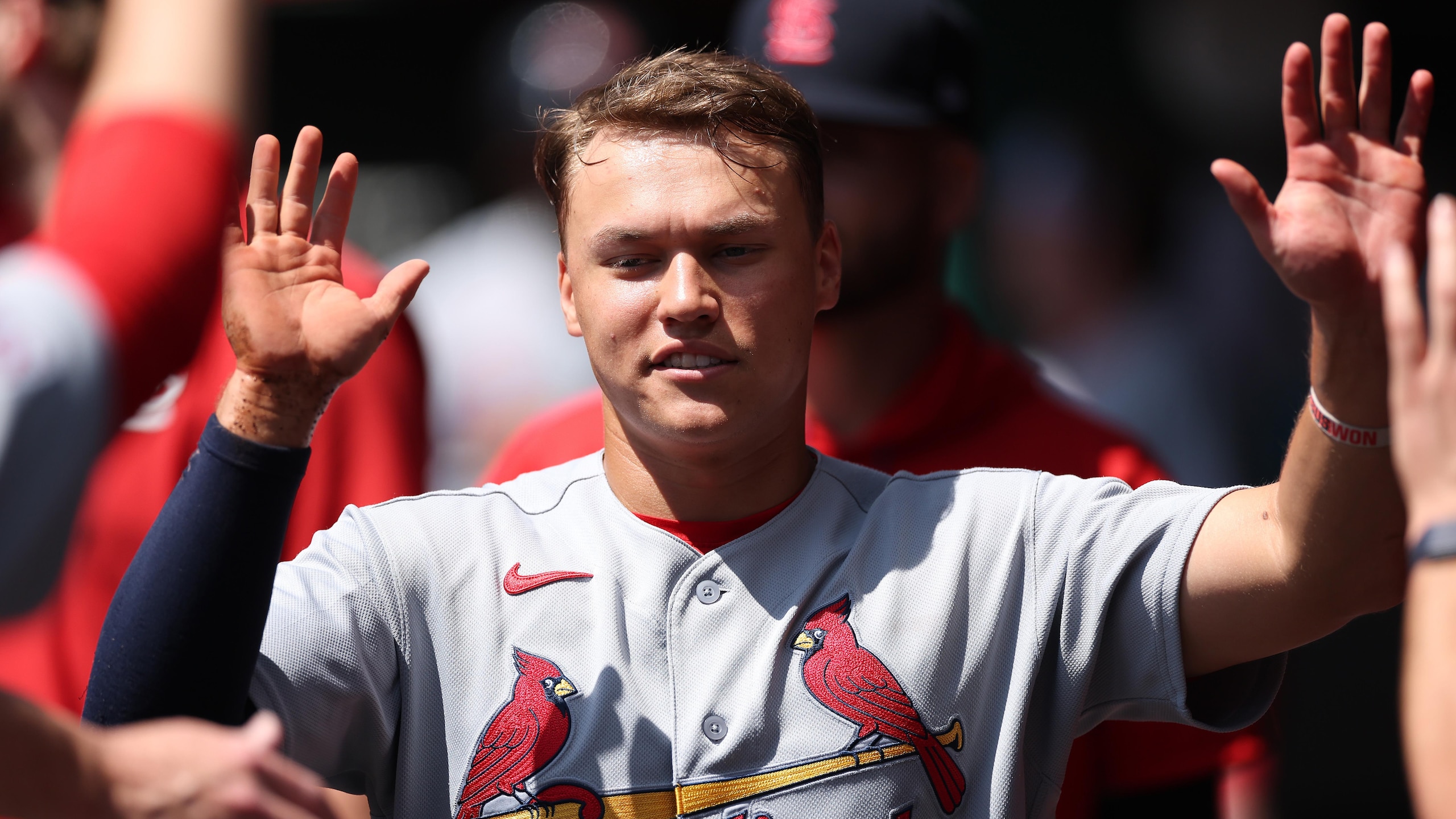
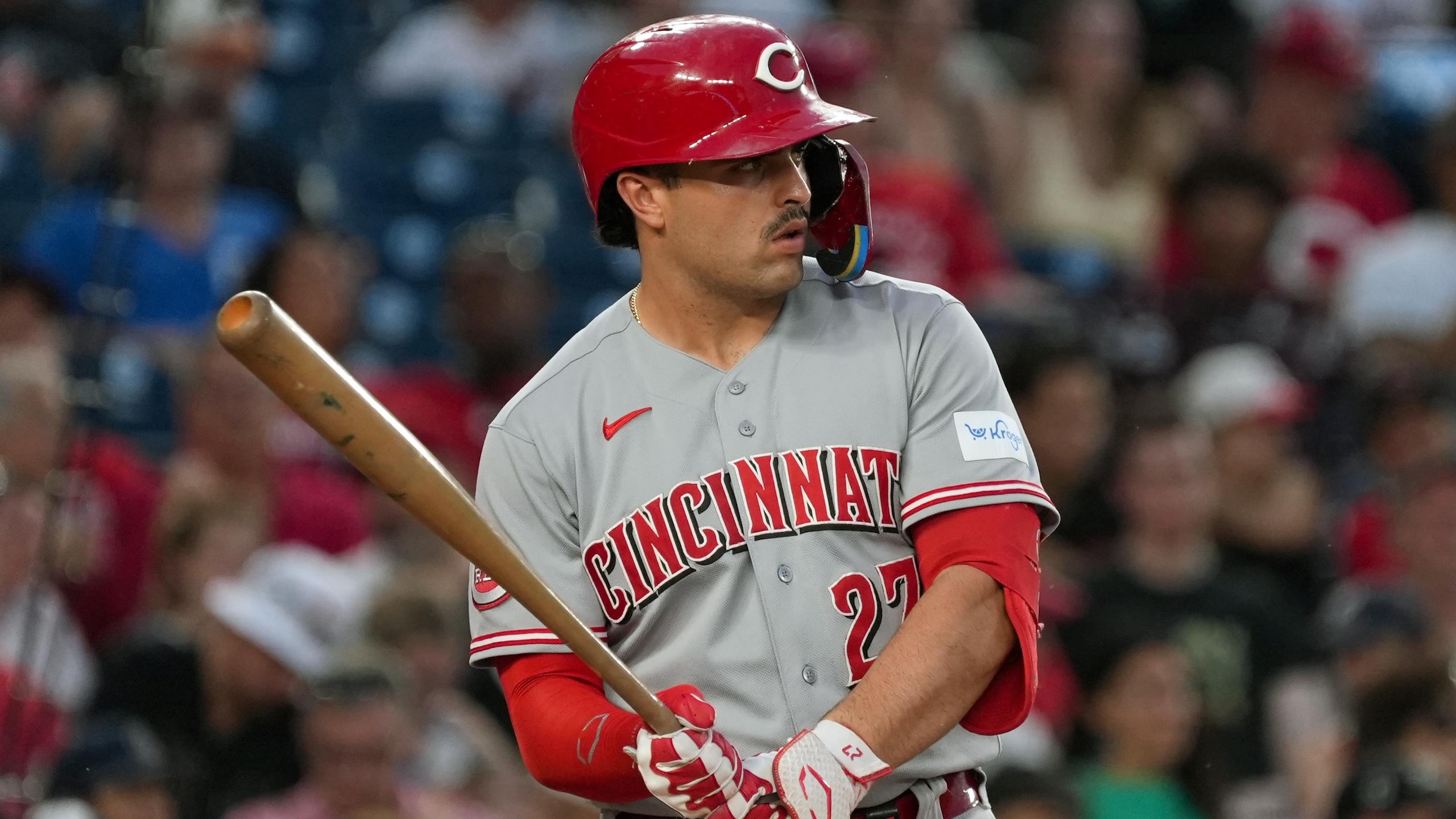
In the Redbirds' corner is Wetherholt, a slick-fielding second baseman who also wields a solid stick. In the Reds' corner is Stewart, a first baseman with a less interesting glove but a mightier stick.
It's an interesting awards battle just based on that sales pitch, and FanDuel's current odds indeed portray this as a two-horse race:
- JJ Wetherholt: -155
- Sal Stewart: +185
- Carson Benge: +950
- Nolan McLean: +2200
- TJ Rumfield: +7000
However, there's a Wins Above Replacement twist at play. Any direct consultation with WAR will tell you this race should not be close between Wetherholt and Stewart:
| Player | Baseball Reference WAR | FanGraphs WAR |
| JJ Wetherholt | 4.8 | 4.4 |
| Sal Stewart | 2.1 | 2.1 |
So you're telling me that Wetherholt is more than twice as valuable as Stewart? If that's the case, what are we even doing here?
That's Cardinals fans talking, and they might as well be gesturing at Wetherholt's defense and baserunning. His defense, especially, isn't merely strong. It's exceptional. He's in the top 10 among all fielders with +14 Defensive Runs Saved, and in the top three with +22 Outs Above Average.
As a defender, Stewart pretty much breaks even at first base and third base. Reds fans might counter that his versatility (i.e., 300-plus innings at both spots) matters, though not nearly as much as his offense.
Stewart has 11 more home runs (27 to 16) and 50 RBI (96 to 46) on Wetherholt. Stewart's OPS is also 88 points higher, at .809 to .721, something that can't be yada-yada'd away as a benefit of Great American Ball Park. It's hitter-friendly, but not that hitter-friendly.
Echoes of the Awards Debate That Changed Everything
At the risk of making a dated reference, the Wetherholt vs. Stewart debate feels like a throwback to Miguel Cabrera vs. Mike Trout for the American League MVP in 2012.
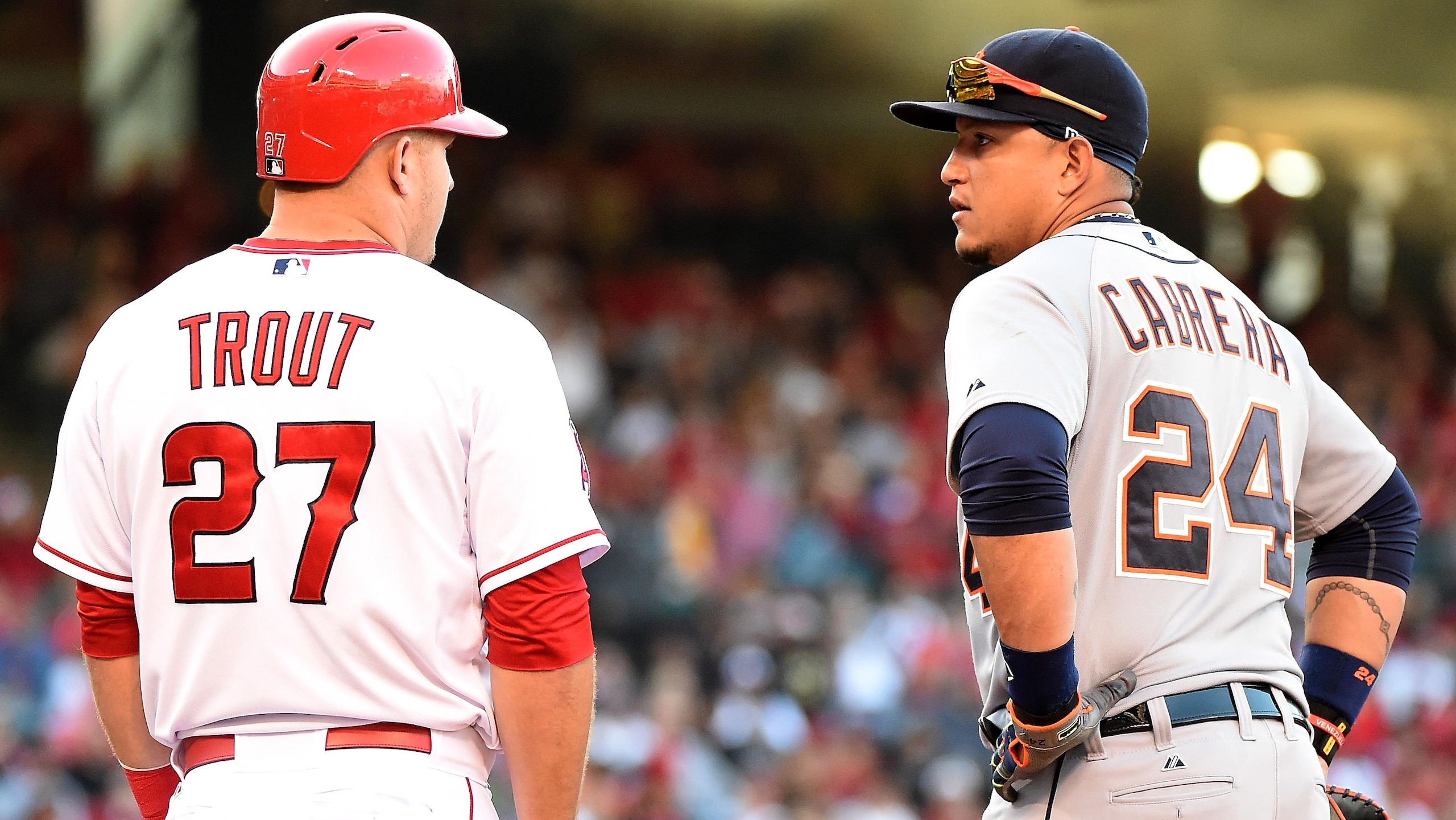
Per the usual MVP standards, Cabrera should have won in a rout. He won the Triple Crown by batting .330 with 44 home runs and 139 RBI—a feat not seen in MLB since 1967. It has not been accomplished again since, though Yordan Alvarez of the Houston Astros is trying to change that.
When the ballots were counted, though, Cabrera only received 22 out of 28 first-place votes.
This was WAR announcing itself as a new force to be reckoned with. For all of Cabrera's trad-stat might, his 7.1 WAR looked way up at Trout's 10.5 WAR.
Trout's case wasn't even a hard sell, as a player with a .326 average, 30 homers and 49 stolen bases to go with sensational center field defense was clearly valuable. Maybe, just maybe, even more valuable than a Triple Crown winner.
WAR clearly lost that battle, but it has since won the war. Specifically with MVP races, the correlation between WAR and voting has become too strong to deny. It's to a point where a WAR edge can trump anything else, even something as astounding as a 60-homer season by a catcher.
What Makes Wetherholt vs. Stewart Feel Different
As much as the new wisdom suggests Wetherholt should be running away with the NL Rookie of the Year, it's remarkable that it doesn't feel that way. It's as if the division between Cardinals and Reds fans has broken containment.
More than the odds, the vibe of the Wetherholt vs. Stewart race is captured in MLB.com's most recent Rookie of the Year poll. The two are tied in total points, with Wetherholt earning just two more first-place votes than Stewart.
The takeaway is not that WAR has lost its grip. If it is weakening, though, a couple of theories for why come to mind.
Theory 1: People Are Tired of WAR
Award races achieve maximum fun when there's a good debate to be had. WAR doesn't make this altogether impossible—see Aaron Judge vs. Jose Altuve in 2017—but its ascension has essentially turned the stat into a Magic 8-Ball. What does the WAR Ball say? Just shake it and there's your answer.
Useful? Sure. But a tired act? Maybe that, too.
Theory 2: People Just Like a Good Hitter
More to the point, maybe what people really like is a young hitter who's so much better than a young hitter has any right to be.
Stewart is only 22 years old, so to see him with 27 bombs and 96 ribbies is impressive. That particularly goes for the ribbies, as Sarah Langs of MLB.com notes that Stewart is on track to become only the third rookie to lead his league in RBI.
There's also something about a good hitter that (pardon the expression) hits different in 2026. Nearly half of all four-seam fastballs are 95 mph. A quarter of all swings are whiffs. The league is batting .244. If a hitter can make it in this league, he deserves an award.
So, Who's the Rightful Winner?
This is a Pepsi Challenge if there ever was one, and the head and the heart reach different conclusions.
The head prefers Wetherholt, obviously. Just look at all that WAR! Even if it has a lot to do with his defense, it's not misleading. The metrics confirm what the eye test sees: a talented shortstop who is overqualified as a second baseman.
The heart, on the other hand, prefers Stewart. There will never not be something magnetic about a guy who goes out and rakes, and all those RBI come from a place of genuine comfort in the clutch. His OPS is over 1.000 with runners in scoring position and in high-leverage spots.
Context matters, too. The Reds only have 499 RBI as a team this season. Stewart is one guy on the team, yet he's responsible for 19.2 percent of those. Bonkers.
None of this is theoretical. It's just fact. That gives it a sort of shiny-object appeal over Wetherholt's defense-first profile. Metrics like DRS and OAA ultimately represent a best guess at a player's quality in the field. You have to trust that he's saved so many more outs and so many more runs than the average second baseman. By extension, you have to trust that WAR is right.
Granted, the odds of the NL Rookie of the Year voters boarding that trust train remain high. Yet if this becomes another example of WAR winning the day, the question of why awards races need voters will only become more salient.
Stats courtesy of Baseball Reference, FanGraphs and Baseball Savant.
.jpg?w=2560 "Purdy Becomes Highest-Rated QB EVER 🤩")
.jpg?w=2560 "Grading WWE Raw 🔠")