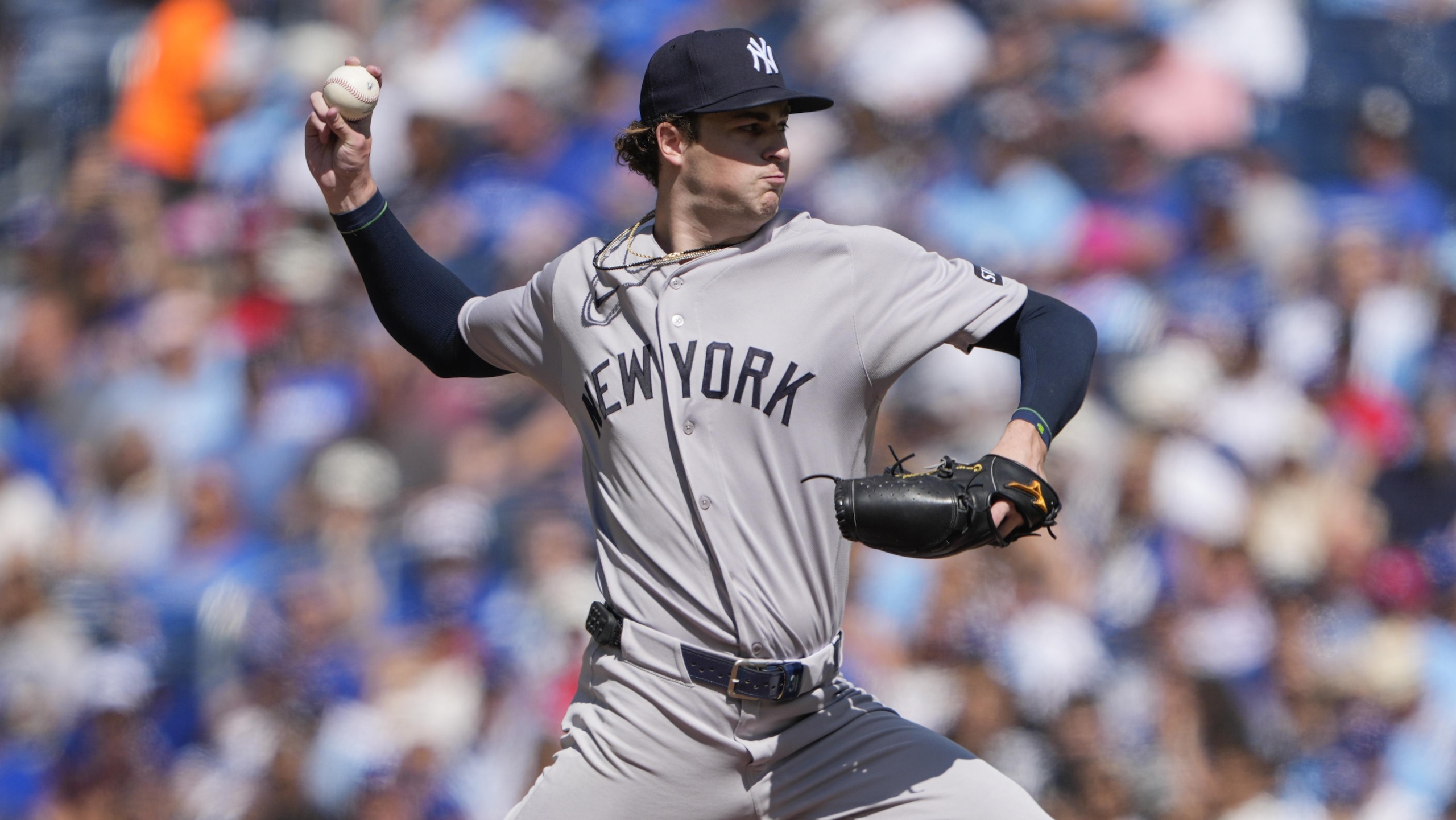


Every Major League Baseball team has an ace of its starting rotation, but some are much, much better than others.
Before we can rank the 30 aces, though, we first have to identify them.
As we are defining it for this exercise, a team's ace isn't necessarily its Opening Day starter, its highest-paid arm or its pitcher with the most impressive track record. Rather, each ace is the team's best pitcher this season; the pitcher it could most trust to take the mound if playing a do-or-die game tomorrow.
In many cases—like Jacob Misiorowski in Milwaukee or Dylan Cease in Toronto—there is no debate whatsoever about who the ace is. However, there are others like Baltimore, Seattle and St. Louis where three or more different pitchers could be the pick.
Even in those latter cases, though, the decision doesn't tangibly change the ranking. For instance, the Mariners would land in roughly the same spot regardless of whether you want to argue that the rightful ace is Logan Gilbert, Emerson Hancock, George Kirby, Bryce Miller or Bryan Woo.
Unless otherwise noted, statistics are current through the start of play on Wednesday, August 19.
Nos. 30-28: Tomoyuki Sugano, Shota Imanaga and J.T. Ginn
1 of 10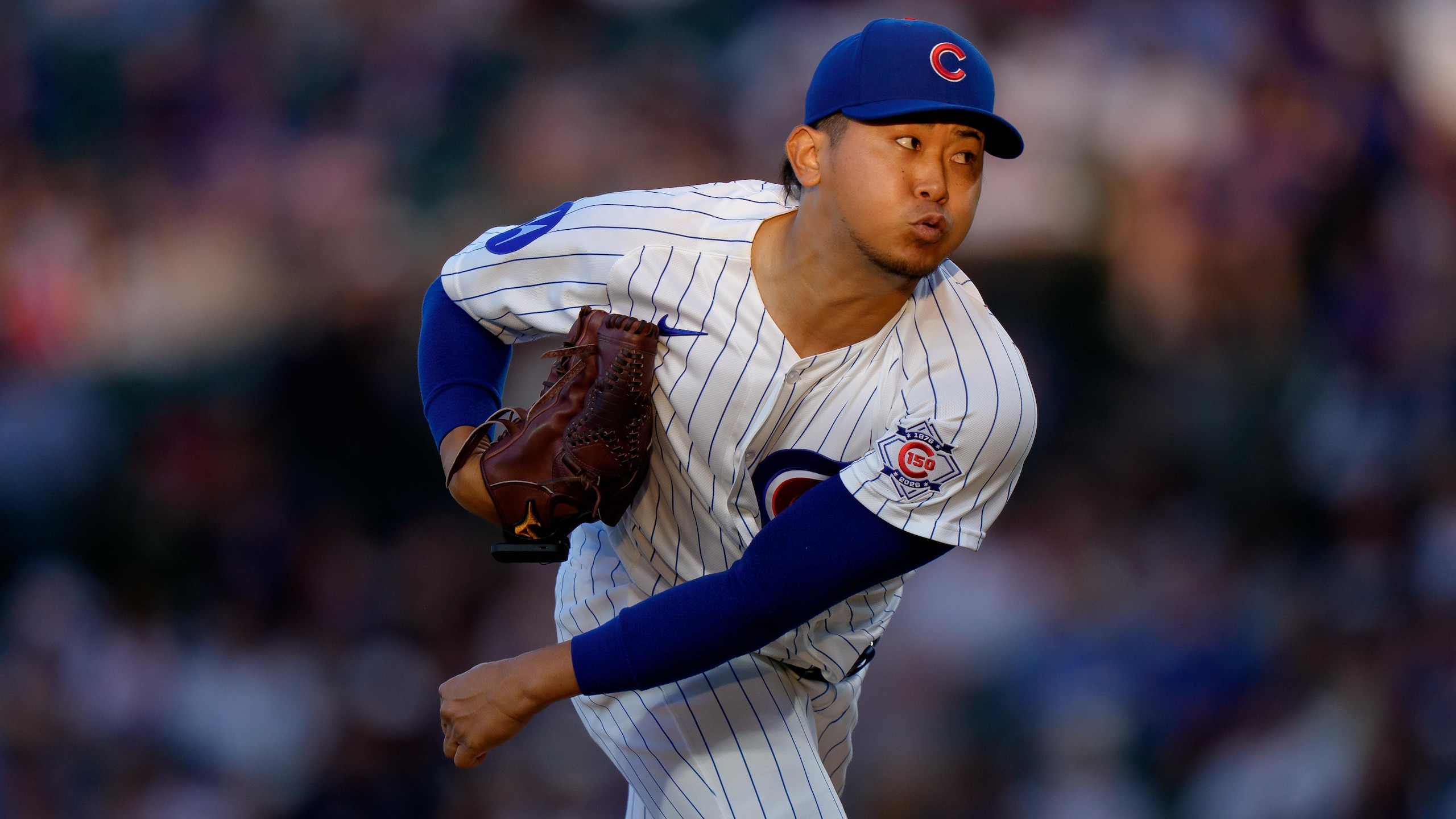
30. Tomoyuki Sugano, Colorado Rockies
12-6, 118.2 IP, 4.70 ERA, 5.50 FIP, 1.26 WHIP, 5.2 K/9
With an xERA of 7.01, Sugano's combination of 12 wins and a sub-5.00 ERA has been quite the magic act. He strikes out less than 14 percent of batters faced, but he does go at least five innings darn near every time he takes the mound. Even though he is at the bottom of our aces ranking, it's a bit surprising no one traded for this impending free agent.
29. Shota Imanaga, Chicago Cubs
8-9, 143.1 IP, 3.77 ERA, 4.53 FIP, 1.09 WHIP, 8.8 K/9
Say this much for Imanaga: At least he has stayed healthy, one of just two Cubs pitchers to make at least 16 starts this season. And if you take out that brutal stretch of four starts around Memorial Day—26 ER in 21.2 IP—he has about a 2.50 ERA for the year. He is, however, just one home run behind Aaron Nola for the most allowed in the majors, so there's a good reason they brought in Kevin Gausman and Clay Holmes.
28. J.T. Ginn, Athletics
8-7, 127.1 IP, 3.53 ERA, 4.16 FIP, 1.22 WHIP, 8.1 K/9
Ginn had quite the 15 minutes of fame when he took a no-hitter into the ninth inning against the Angels back in mid-May, and he has continued to pitch well since then. In fact, he has a 3.31 ERA and 11 quality starts in his last 17 appearances, making him the lone bright spot in an otherwise disastrous A's rotation.
Nos. 27-25: Michael McGreevy, Trevor Rogers and Michael Wacha
2 of 10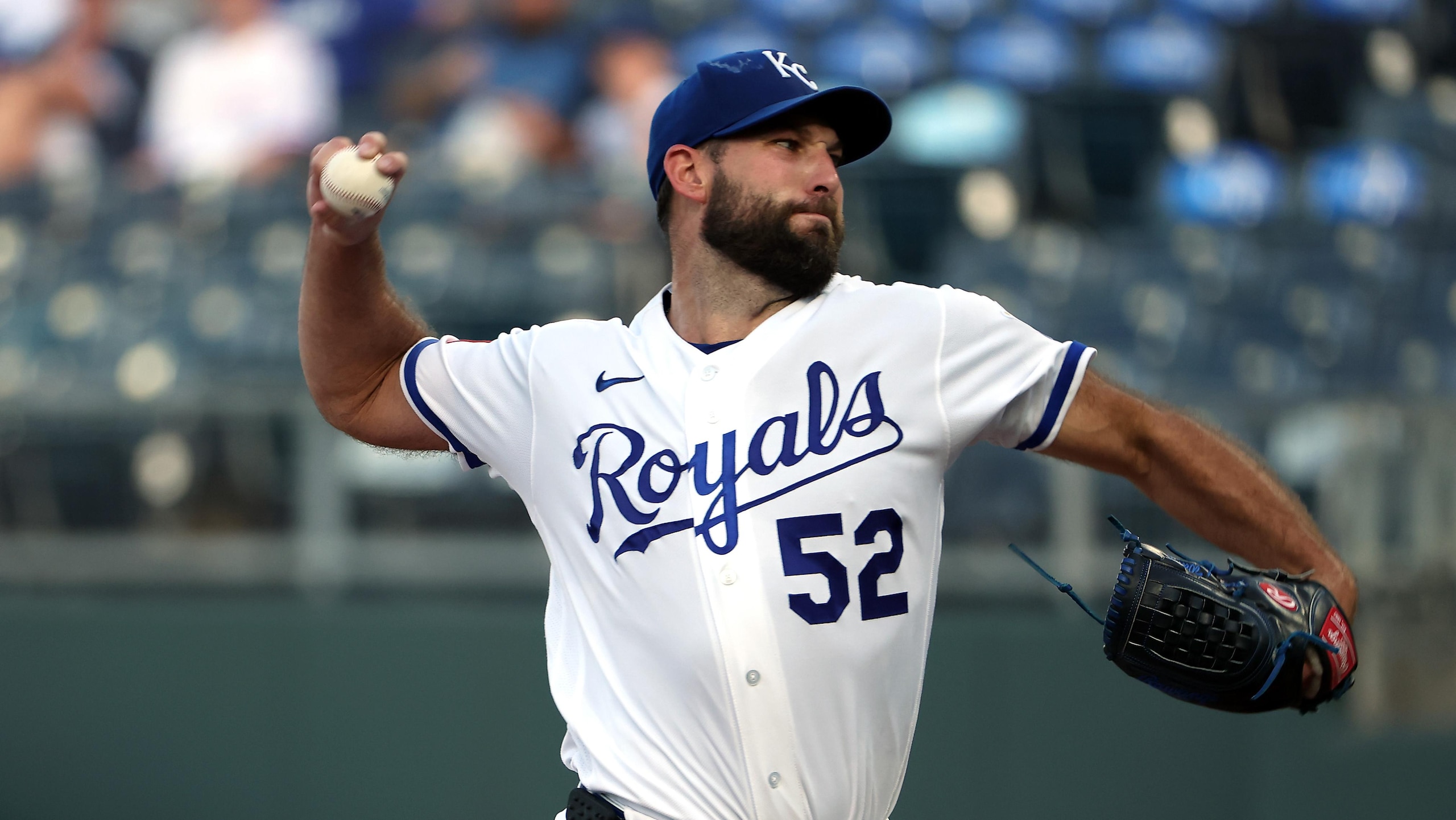
27. Michael McGreevy, St. Louis Cardinals
5-9, 132.0 IP, 3.48 ERA, 4.25 FIP, 1.22 WHIP, 6.2 K/9
You could also make the case for Andre Pallante or Kyle Leahy here, but McGreevy has been the Cardinals' most consistent weapon on the mound. He has yet to last more than 6.1 innings in a start this season, but he has gone at least six innings with two or fewer earned runs allowed on 14 occasions—including going six no-hit innings in his season debut.
26. Trevor Rogers, Baltimore Orioles
8-8, 125.2 IP, 4.15 ERA, 3.62 FIP, 1.25 WHIP, 7.7 K/9
Another "throw a dart" team, with Shane Baz, Kyle Bradish and Brandon Young all in the conversation. But Rogers has a 2.45 ERA in his 13 starts since the beginning of June and would be a fringe candidate for top 10 on this list if he had also pitched like that in April and May. If the sub-.500 O's crash the postseason, he's probably starting Game 1.
25. Michael Wacha, Kansas City Royals
6-8, 155.2 IP, 3.58 ERA, 4.18 FIP, 1.15 WHIP, 6.9 K/9
Wacha has come back to earth a good bit after a scintillating first two months, but he is still tied with Sonny Gray for the American League lead in quality starts (16). Unfortunately, Kansas City has been giving this All-Star a pathetic amount of run support. Monday's 9-5 win over the A's was the first time all season the Royals put up at least seven runs in a Wacha start.
Nos. 24-22: Michael King, Joe Ryan and Cade Cavalli
3 of 10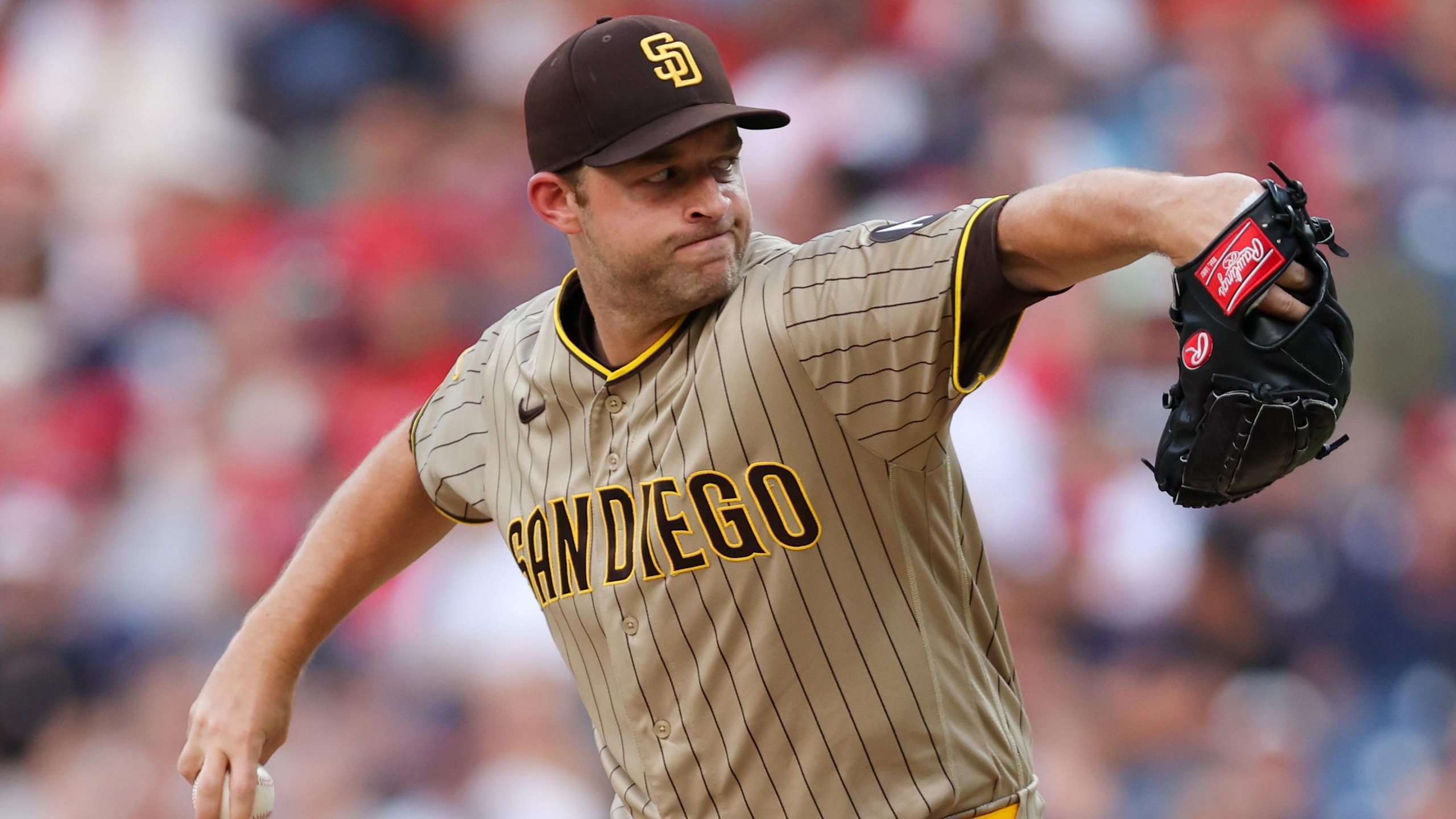
24. Michael King, San Diego Padres
8-8, 142.1 IP, 3.41 ERA, 4.26 FIP, 1.19 WHIP, 7.8 K/9
King's strikeout rate is a far cry from where it has been in years past, but that hasn't prevented him from grinding out a solid campaign as San Diego's top starter, hands down. He also hasn't missed a start yet after missing more than half of last season. That should pay dividends in free agency this offseason.
23. Joe Ryan, Minnesota Twins
6-8, 125.2 IP, 3.65 ERA, 3.41 FIP, 1.14 WHIP, 9.9 K/9
Ryan is currently on the IL with a glute strain, so if you want to argue that it should be Taj Bradley in this spot, you may be right. However, we'll stick with the established force who was an All-Star both this season and last; the one who had every buyer giddy heading into the trade deadline, right up until the Twins decided to do some buying of their own.
22. Cade Cavalli, Washington Nationals
10-5, 136.2 IP, 3.36 ERA, 3.46 FIP, 1.24 WHIP, 9.9 K/9
Not much has gone right this season in the Venn diagram intersection of "Washington Nationals" and "pitching," but Cavalli has been quite the exception to that rule—benches-clearing brawl with Willson Contreras notwithstanding. He missed all of 2023 and virtually all of 2024 while recovering from Tommy John surgery, but Cavalli has blossomed into the ace the Nats envisioned when they took him in the first round in 2020.

Nos. 21-19: Peter Lambert, Nolan McLean and Eduardo Rodriguez
4 of 10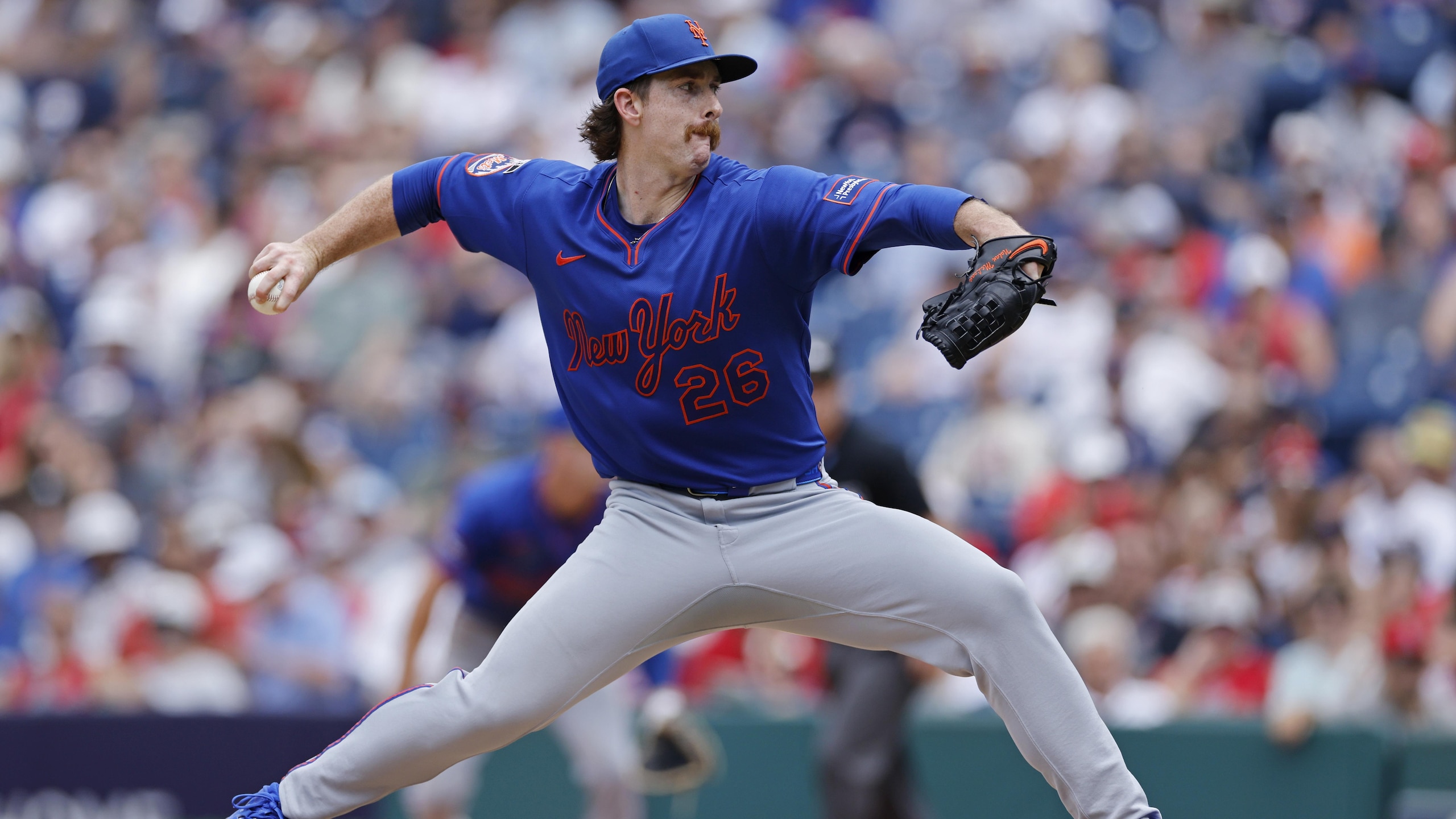
21. Peter Lambert, Houston Astros
8-6, 118.2 IP, 3.11 ERA, 3.82 FIP, 1.15 WHIP, 8.9 K/9
The ace that no one saw coming, Lambert entered 2026 with a career ERA in the majors of 6.28. Granted, that all came with the Rockies. But he spent last season in Japan (alongside Munetaka Murakami) with the Yakult Swallows and just barely managed a sub-4.00 ERA. Since his re-arrival in mid-April, he has been the most consistently good member of Houston's rotation, almost always going at least five innings and almost never allowing more than three runs.
20. Nolan McLean, New York Mets
9-8, 142.2 IP, 3.34 ERA, 3.61 FIP, 1.16 WHIP, 10.2 K/9
The preseason favorite for NL Rookie of the Year hasn't been quite as dominant as he was over the final six weeks of last season, but he has been one of the few bright spots in this lost year for the Mets. Since allowing seven earned runs to the Reds on Memorial Day, McLean has made 14 starts with a 2.55 ERA.
19. Eduardo Rodriguez, Arizona Diamondbacks
12-4, 149.1 IP, 2.71 ERA, 3.83 FIP, 1.21 WHIP, 6.4 K/9
An All-Star for the first time in his career, Rodriguez has done a phenomenal job of keeping the regression monster at bay, boasting an ERA that is two full runs lower than his xERA (4.71). His most recent appearance was his 16th quality start of the year, allowing two or fewer runs in each of them. It took him two years in the desert to finally start making an impact, and he just might make the difference between Arizona making and missing the postseason.
Nos. 18-16: Jacob deGrom, Reid Detmers and Troy Melton
5 of 10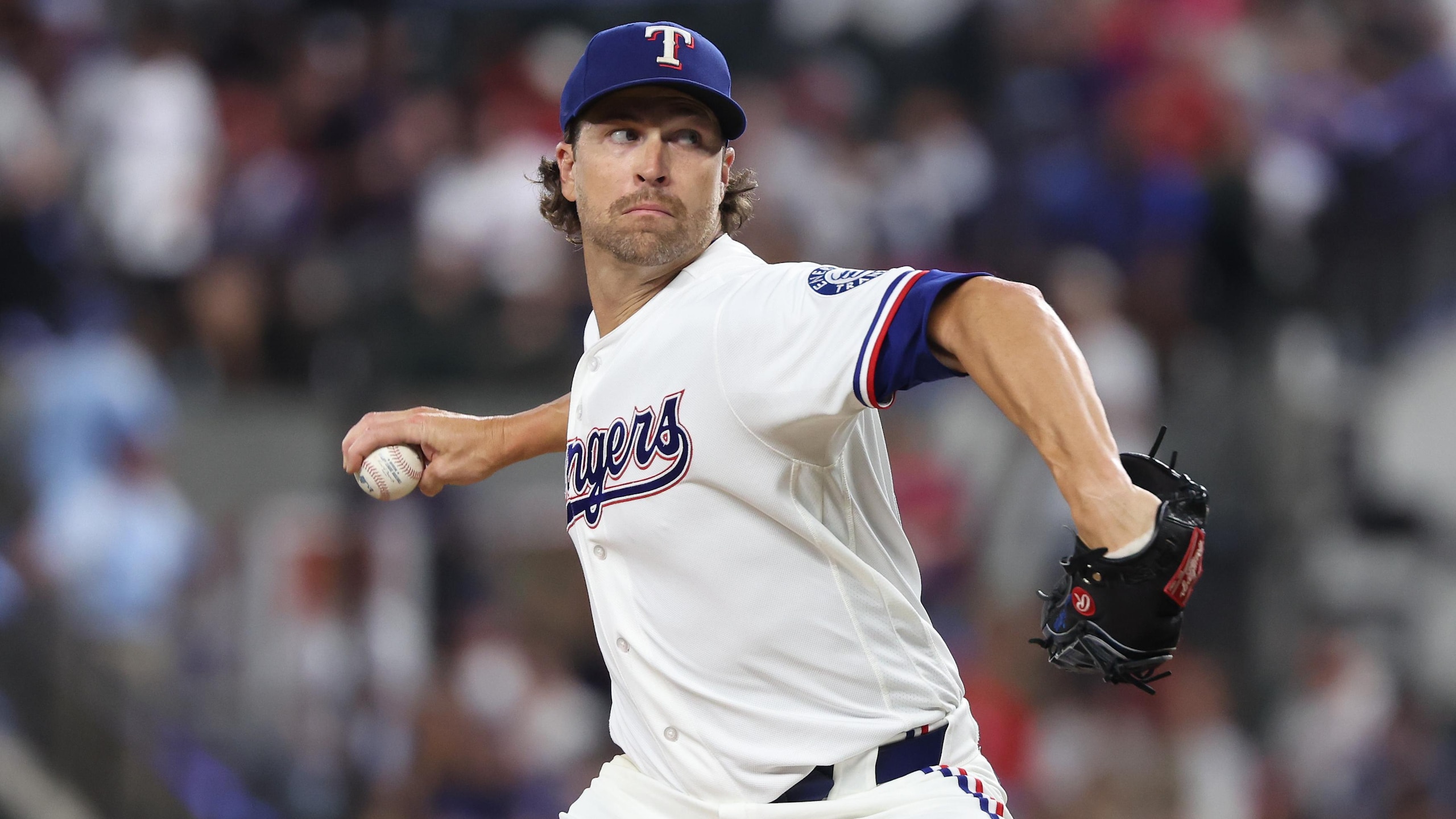
18. Jacob deGrom, Texas Rangers
8-8, 120.2 IP, 3.95 ERA, 3.25 FIP, 1.17 WHIP, 11.0 K/9
It's the worst ERA of a career that will eventually be heavily debated for a spot in the Hall of Fame, but a lot of the peripheral numbers suggest that the 38-year-old deGrom has been even better than his renaissance season in 2025. At any rate, his slider has been far more devastating than it had been in his first three years with the Rangers, and his strikeout rate has rebounded for it.
17. Reid Detmers, Los Angeles Angels
4-8, 143.0 IP, 3.78 ERA, 3.28 FIP, 1.06 WHIP, 10.5 K/9
Detmers deserves so much better than a 4-8 record. Between his May 24 gem against the Rangers and another one against the Astros on June 10, he went a combined 15 innings, allowing two hits with no walks and 23 strikeouts. He got a no-decision in both games, as well as three others in which he went at least six shutout innings. Quite the bounce-back year for a guy who spent last year in the bullpen after a horrific campaign in 2024.
16. Troy Melton, Detroit Tigers
7-1, 84.1 IP, 1.71 ERA, 3.54 FIP, 0.97 WHIP, 7.8 K/9
Every other pitcher on this list has logged at least 118.2 innings pitched, making it tough to know where to put Melton with just 14 starts thus far this season. It doesn't help matters that his .222 BABIP, 90.7 percent strand rate and 3.88 xFIP all suggest he has been pretty darn fortunate to have that 1.71 ERA. However, among pitchers with at least 80 innings of work, Melton has the lowest ERA, slightly edging out both Jacob Misiorowski (1.75) and Shohei Ohtani (1.79). Melton could be a star in the making.
Nos. 15-13: Logan Gilbert, Sean Burke and Paul Skenes
6 of 10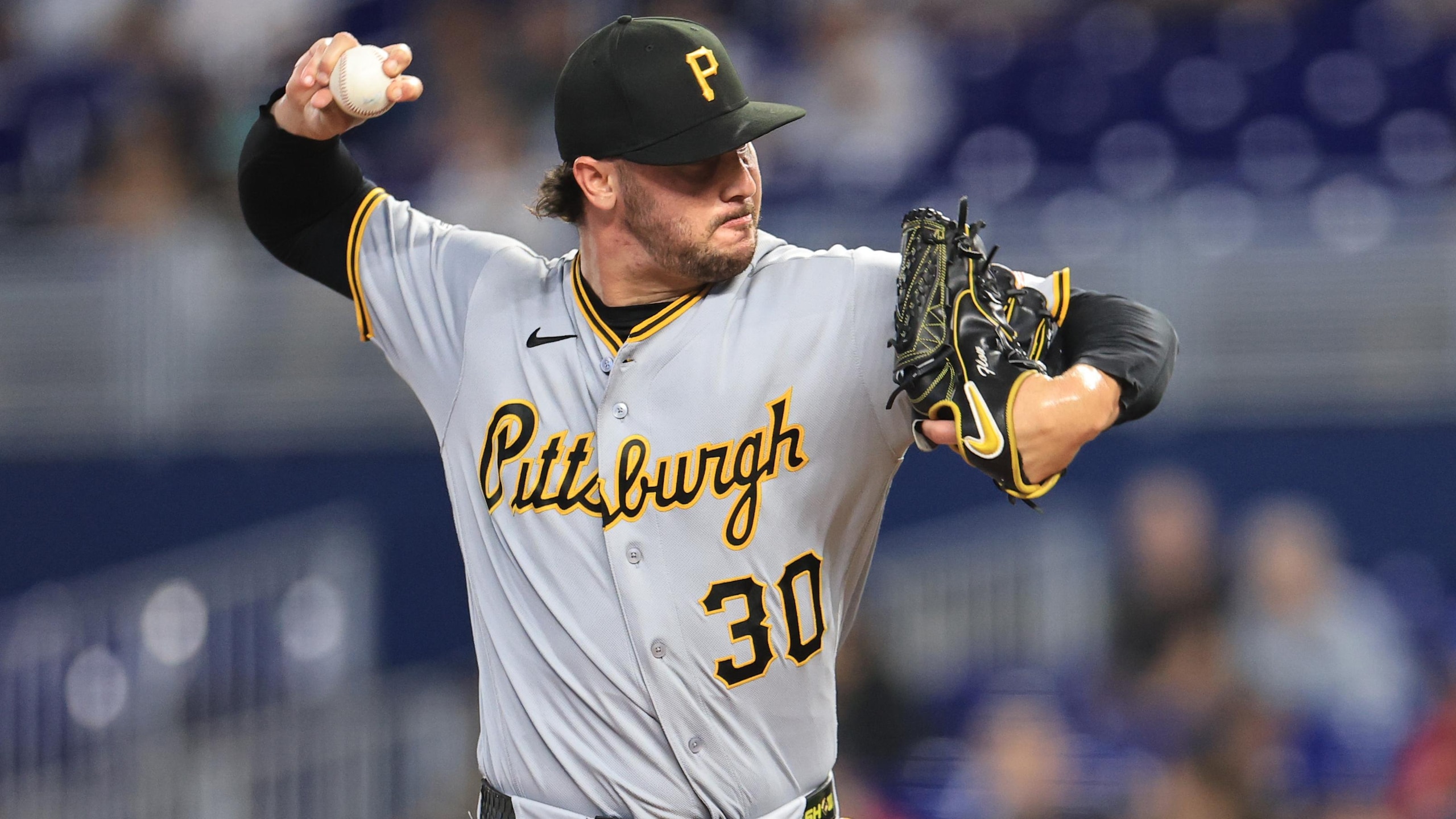
15. Logan Gilbert, Seattle Mariners
9-7, 145.1 IP, 3.28 ERA, 3.47 FIP, 0.99 WHIP, 9.4 K/9
Gilbert is nothing if not consistent. In each of the past four seasons, he had both an ERA and a FIP between 3.20 and 3.85, and he is right back in that wheelhouse again this year. In fact, he has now been in that range after each of his last 10 starts, save for briefly dipping to a 3.19 ERA after shutting out the Blue Jays for 7.1 innings on July 4.
14. Sean Burke, Chicago White Sox
7-6, 140.0 IP, 3.15 ERA, 3.44 FIP, 1.11 WHIP, 9.9 K/9
If the White Sox hang on and reach the postseason, it will probably actually be Luis Castillo starting in Game 1. But Burke was their ace until they traded for a more established one. In July alone, he made five quality starts with a line of 31.2 IP, 4 ER, 45 K. He also twice this season went 7.1 innings in relief after taking over for an opener, which feels like it has to be some kind of modern-day record.
13. Paul Skenes, Pittsburgh Pirates
9-11, 134.2 IP, 3.88 ERA, 2.99 FIP, 1.12 WHIP, 11.1 K/9
It's far from breaking news that Skenes hasn't looked like his old self over the past three months. Yet, at the start of play on Wednesday, he was one of just 11 pitchers with at least 100 innings pitched and a FIP of 3.00 or better. And even "less dominant than usual" Skenes has still averaged 11.7 K/9 over his past 16 starts. He also has a .373 BABIP against during that stretch, so perhaps his luck will turn soon, even if the velocity on his four-seamer doesn't fully rebound.
Nos. 12-10: Logan Webb, Sandy Alcantara and Parker Messick
7 of 10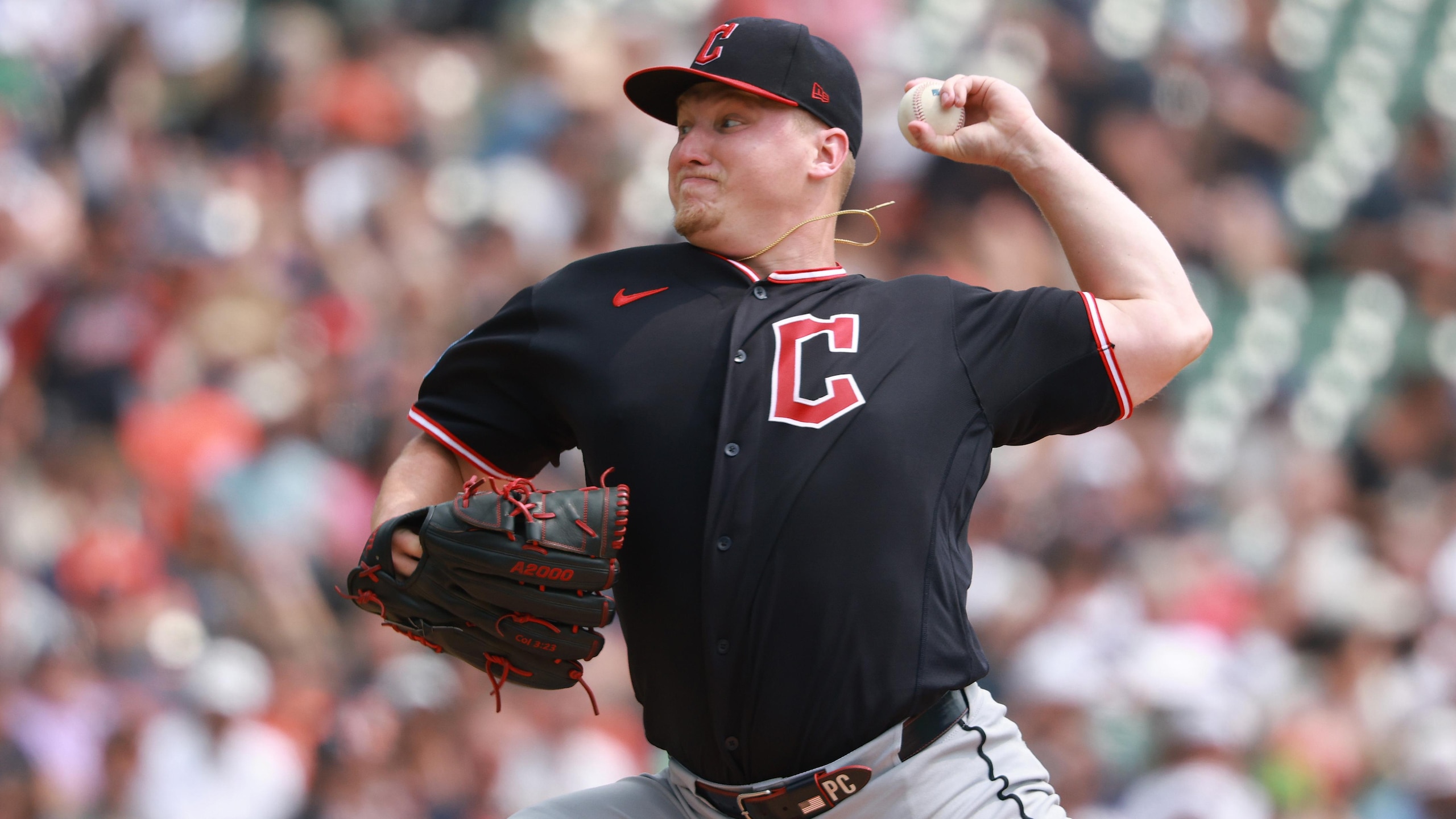
12. Logan Webb, San Francisco Giants
8-7, 139.0 IP, 3.50 ERA, 3.16 FIP, 1.06 WHIP, 7.1 K/9
Webb took some lumps early in the year and made his first trip to the IL since May 2021. Since the beginning of June, though, he has been arguably a top five pitcher in the Majors, making 10 quality starts in his last 13 appearances, ever the master of keeping home runs to a minimum. (Unfortunately, the Giants were already 15 games below .500 and a hopeless mess by the time he started to turn things around.)
11. Sandy Alcantara, Miami Marlins
13-7, 170.2 IP, 3.43 ERA, 3.79 FIP, 1.17 WHIP, 6.9 K/9
Last year was a struggle for Alcantara as he worked his way back from Tommy John surgery. But he is once again the rubber-armed ace he used to be. The strikeout rate is a bit lower, and the ERA is a far cry from the 2.28 mark that won him a Cy Young in 2022. However, he is leading the majors in innings pitched as well as quality starts (19).
10. Parker Messick, Cleveland Guardians
9-7, 142.1 IP, 2.59 ERA, 3.25 FIP, 1.03 WHIP, 9.0 K/9
Messick has little to no hope of finishing ahead of Kevin McGonigle for AL Rookie of the Year, but he would surely be the pick for "MLB Rookie Pitcher of the Year," if such an honor existed. Only once in his 24 turns through the rotation has he failed to complete at least five innings, and he has yet to allow five or more earned runs in a start.
Nos. 9-7: Sonny Gray, Drew Rasmussen and Yoshinobu Yamamoto
8 of 10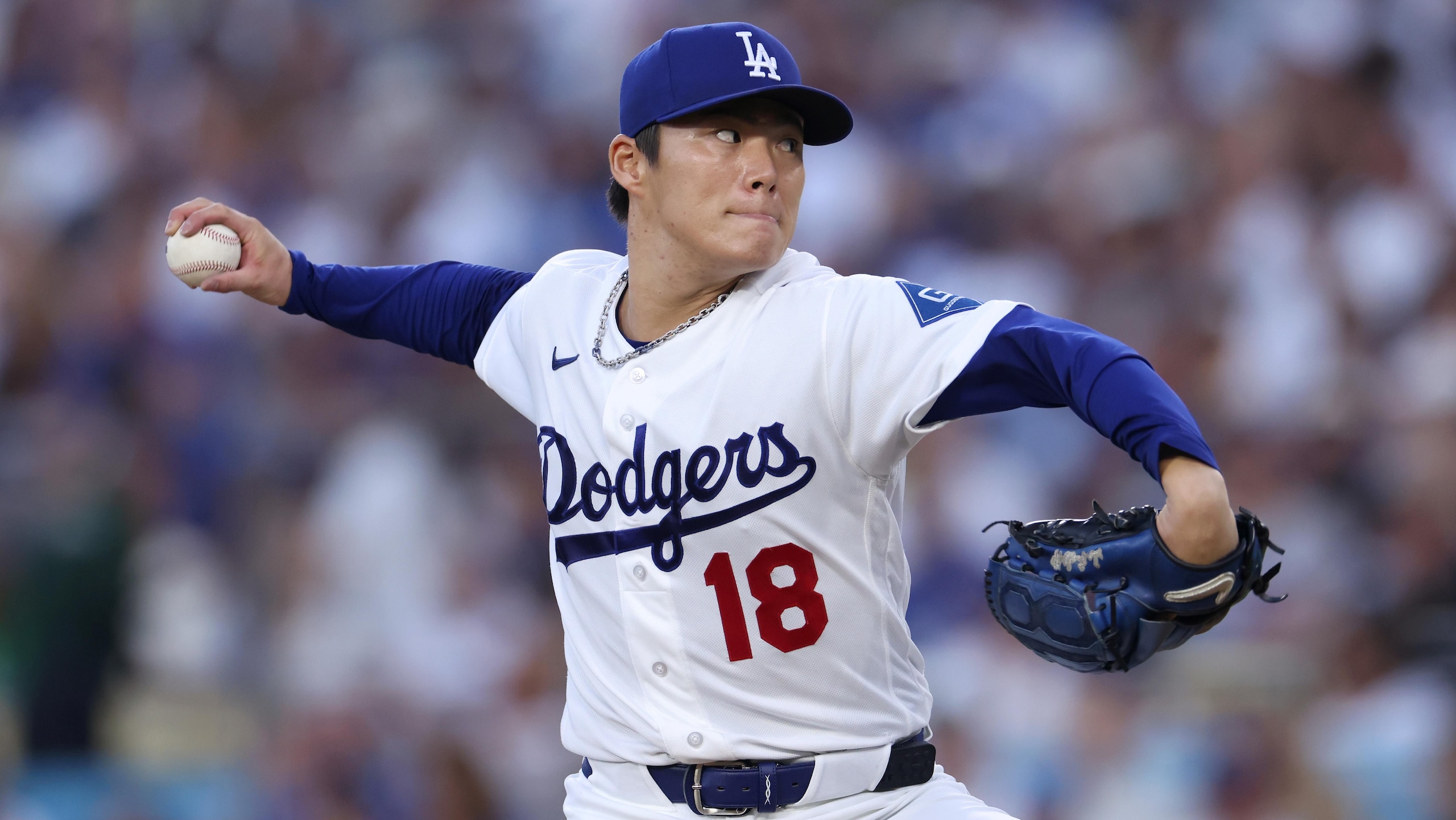
9. Sonny Gray, Boston Red Sox
15-3, 132.2 IP, 2.65 ERA, 3.47 FIP, 1.15 WHIP, 7.9 K/9
How much different might this season be if the Cardinals hadn't traded Gray to the Red Sox? He started a bit slow and made a brief trip to the IL in late April. But since returning on May 6, he has a 2.30 ERA in 18 starts while Boston has the best record in the American League. He inexplicably wasn't named an All-Star, but he'd surely be top five for AL Cy Young if they voted today.
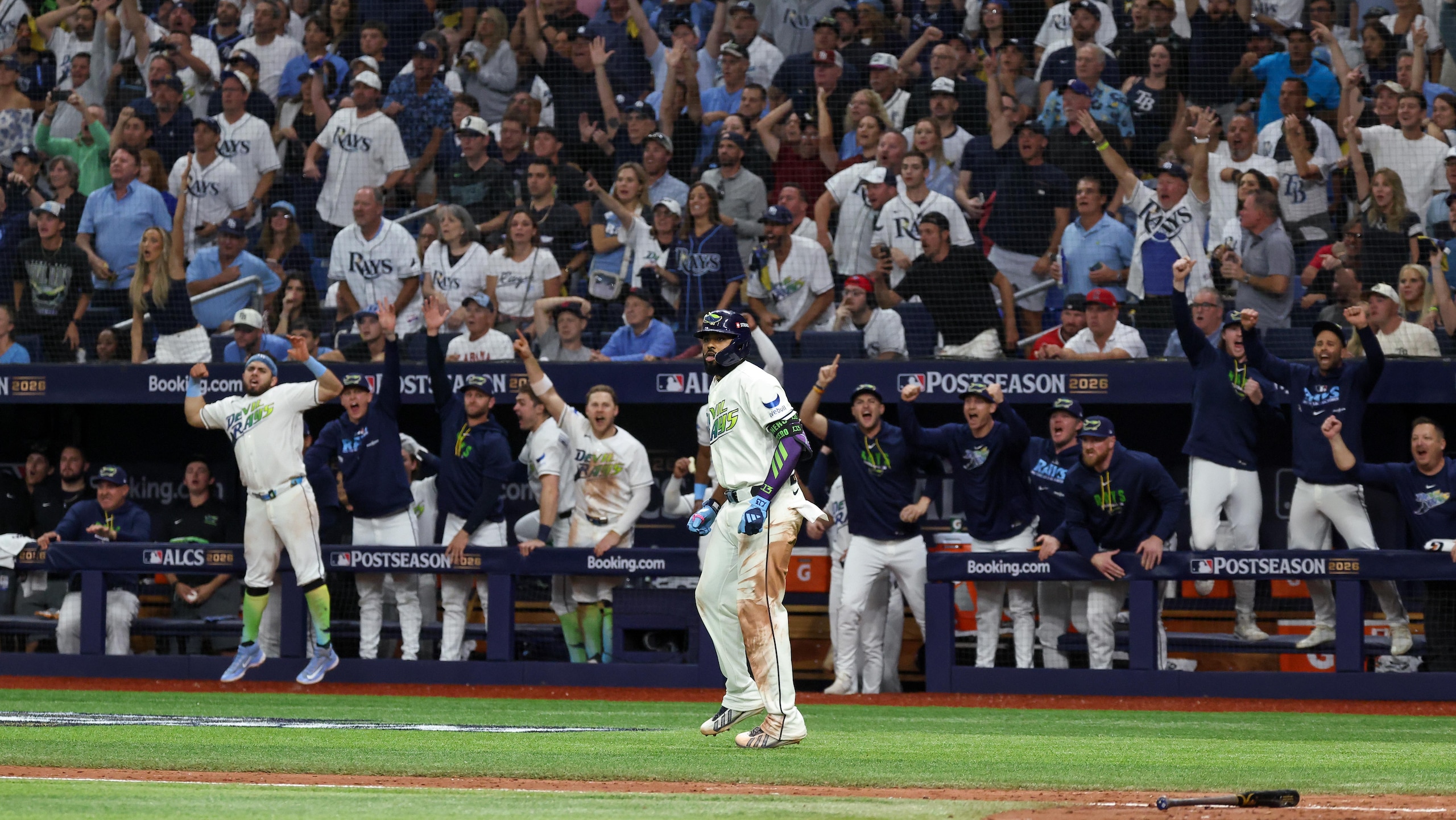
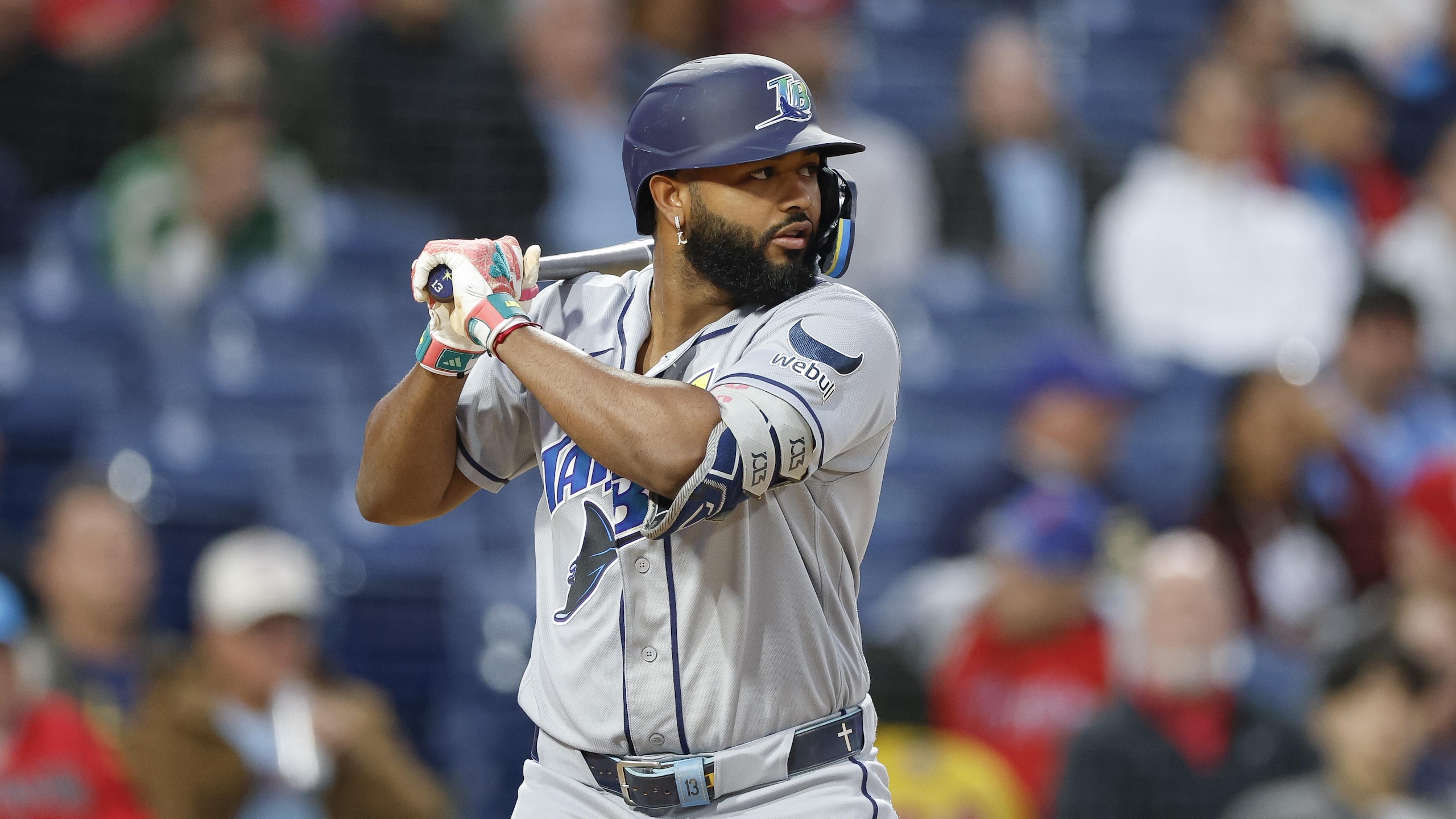
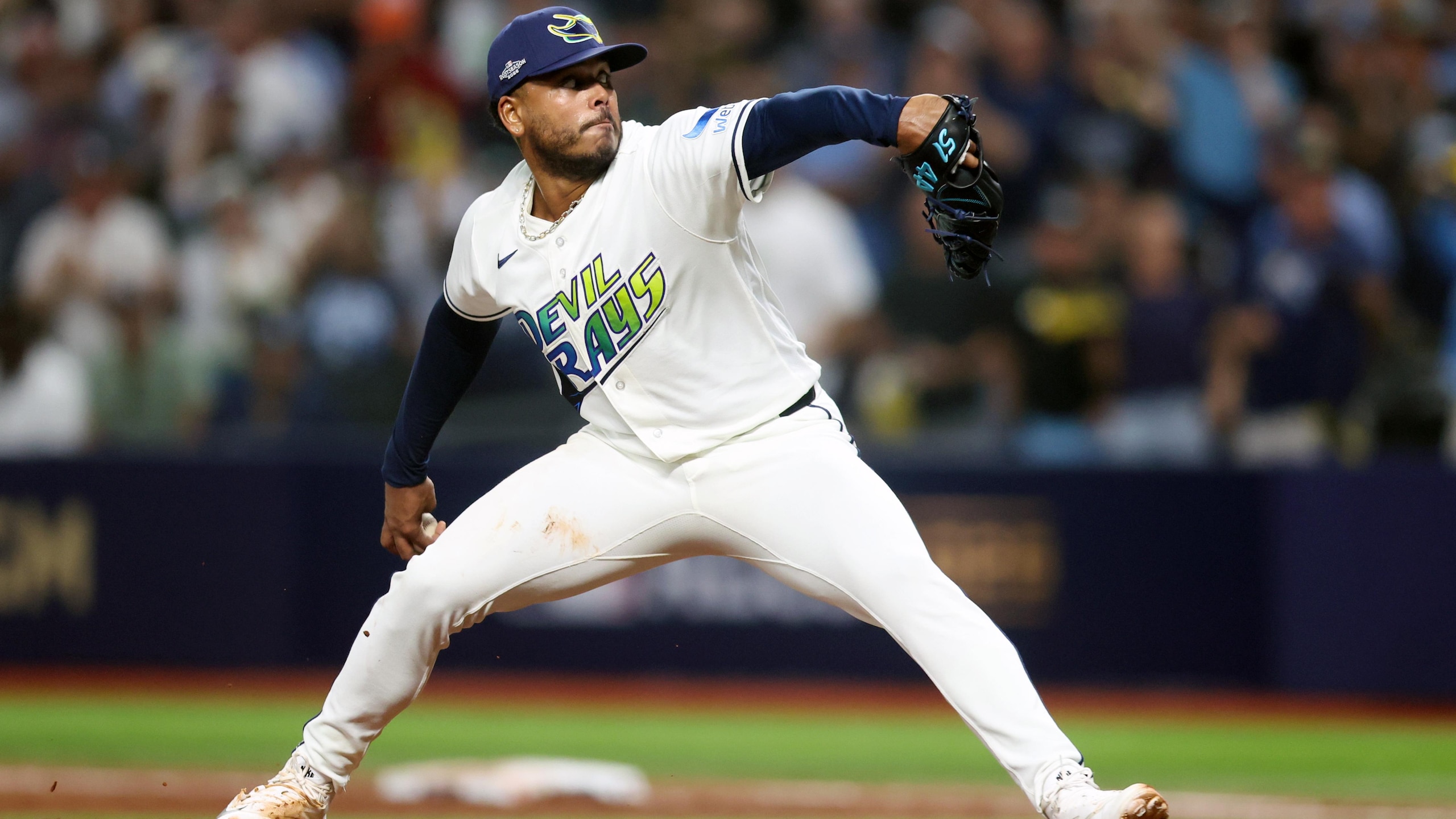
8. Drew Rasmussen, Tampa Bay Rays
12-5, 129.1 IP, 2.78 ERA, 2.93 FIP, 0.91 WHIP, 9.3 K/9
After a recent string of three consecutive scoreless outings, Rasmussen's ERA is back down below 2.85. Why is that number noteworthy? Because if he can keep it there, it would be his sixth consecutive season with an ERA below 2.85. Injuries truncated several of those seasons, but he is on pace to log enough innings to qualify for an ERA title for the first time in his career. And if Gray is an easy pick for top five for AL Cy Young, so is Rasmussen.
7. Yoshinobu Yamamoto, Los Angeles Dodgers
12-7, 145.1 IP, 2.60 ERA, 3.34 FIP, 0.89 WHIP, 8.4 K/9
Yamamoto has been the one constant in a Dodgers rotation riddled with injuries. He has gone at least eight innings more often (four times) than he has failed to complete six innings (three times), and Los Angeles has yet to lose a game in which it provided him with at least three runs of support. We're only three years into that 12-year, $325M contract, but so far, so good.
Nos. 6-4: Chase Burns, Chris Sale and Dylan Cease
9 of 10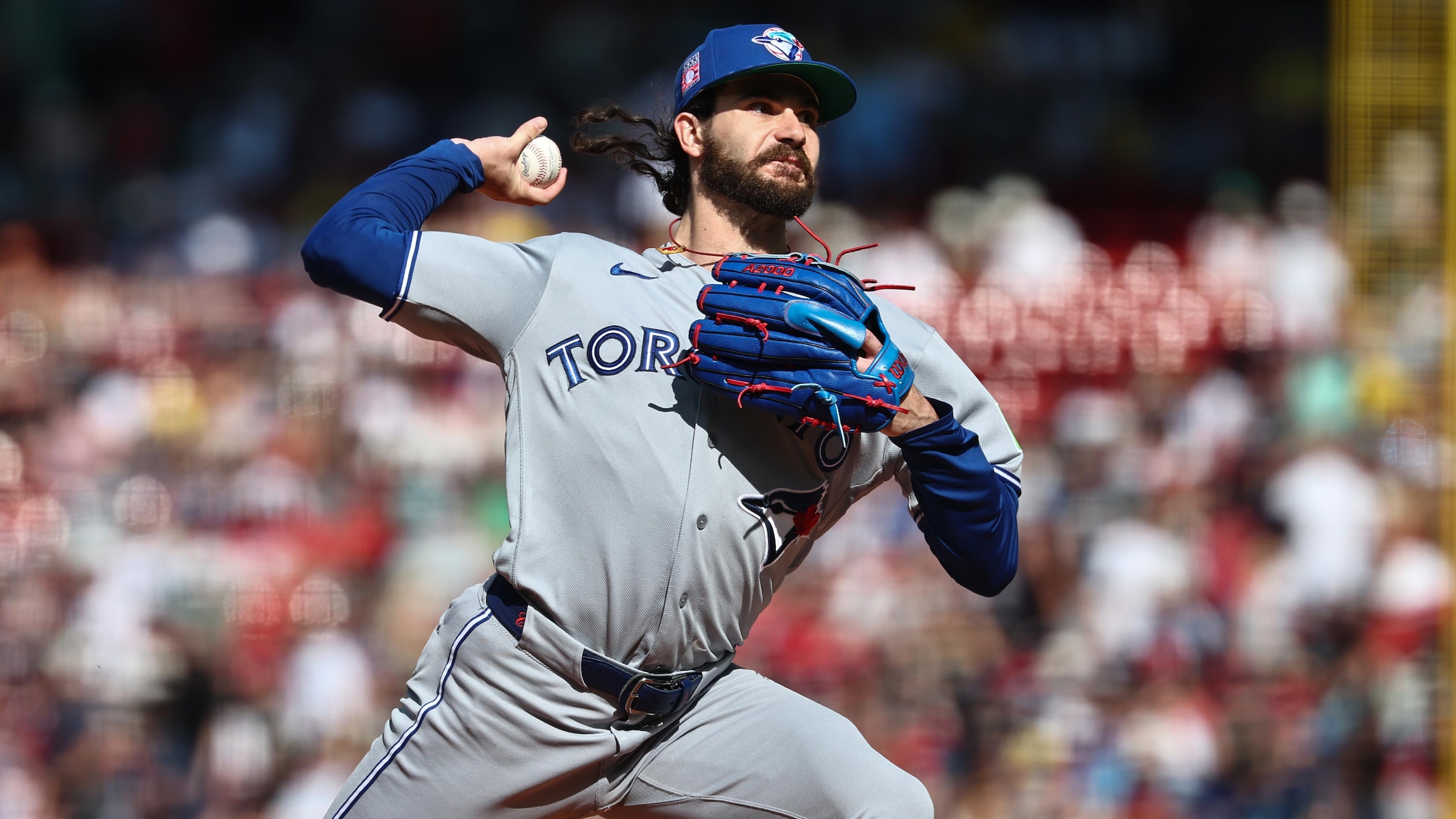
6. Chase Burns, Cincinnati Reds
14-2, 131.0 IP, 2.47 ERA, 3.14 FIP, 1.09 WHIP, 10.4 K/9
Between April 16 and August 3, Burns made 18 starts with a 2.20 ERA and a 12-0 record—for a Reds team that went 42-51 during that stretch. Because he neither throws 105 like Jacob Misiorowski nor had a streak of 50.2 scoreless innings like Cristopher Sánchez, Burns has gotten a bit lost in the NL Cy Young shuffle. But he is a deserving candidate who is on track to join Johnny Cueto (2011, 2014 and 2015) as the only Reds in the past three decades with at least 100 innings pitched and a sub-2.75 ERA in a single season.
5. Chris Sale, Atlanta Braves
12-8, 129.0 IP, 2.16 ERA, 2.29 FIP, 1.02 WHIP, 11.2 K/9
When Sale won the NL Cy Young in 2024, there was a hiccup in early June. He allowed eight earned runs against a terrible Athletics team before ending the season on a streak of 18 consecutive starts of two earned runs allowed or fewer. He had a 1.96 ERA during that stretch. This year, he had a six-run dud against the Angels in early April, but has since gone 19 starts with a 1.91 ERA, yet to allow four runs in any of them.
4. Dylan Cease, Toronto Blue Jays
7-5, 137.2 IP, 2.42 ERA, 2.36 FIP, 1.06 WHIP, 13.1 K/9
Cease has long been one of the better strikeout artists in the game, entering this season on a streak of five consecutive years with at least 214 punchouts. But he has been a bit ridiculous this season, even by his standards, striking out 36.3 percent of batters faced and already eclipsing 200 K in just 23 starts. He had a 12-strikeout, one-hit shutout of the Red Sox, as well as an 11-strikeout game in which he took a no-hitter into the ninth inning against the Giants.
Nos. 3-1: Cristopher Sánchez, Cam Schlittler and Jacob Misiorowski
10 of 10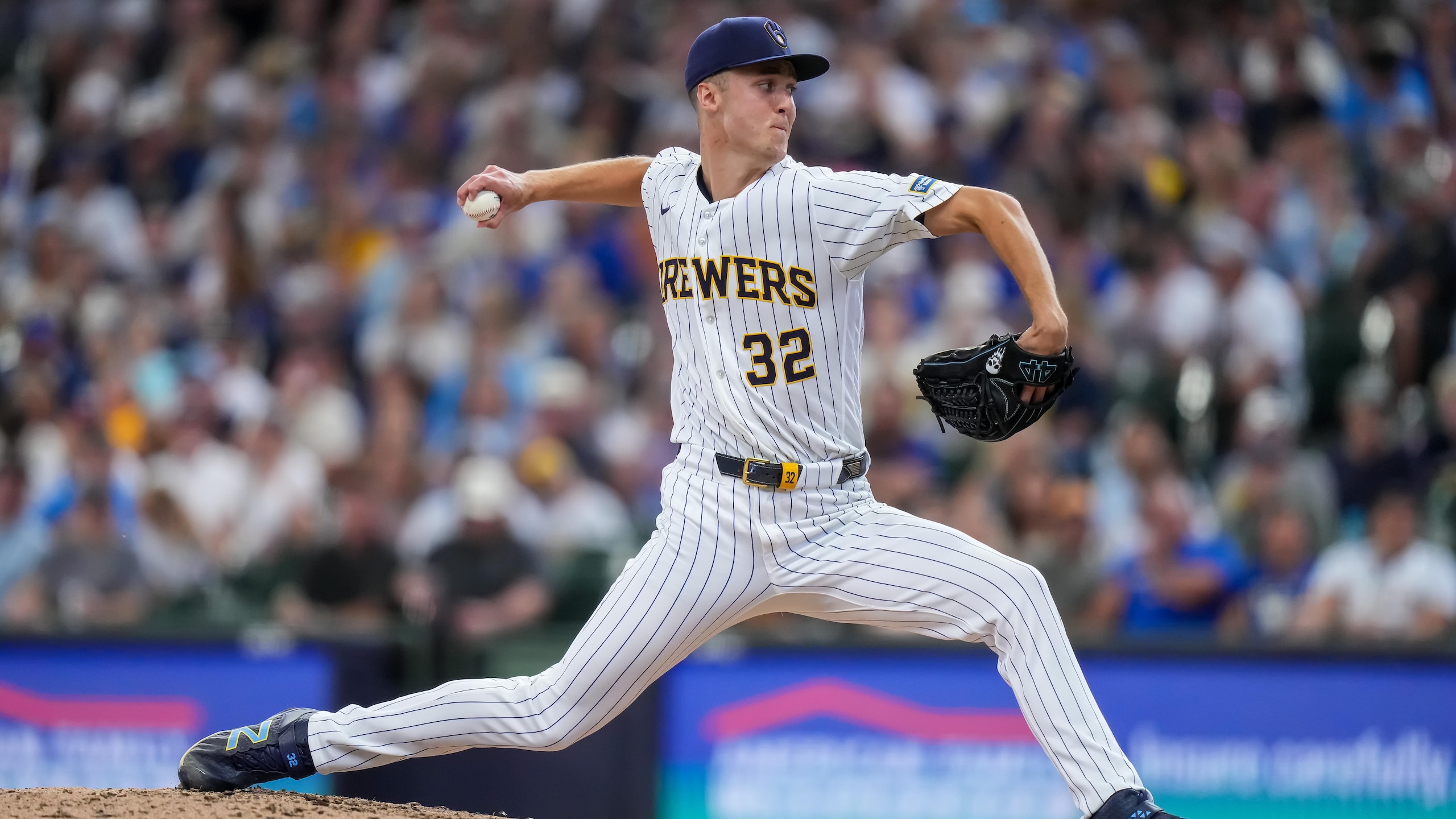
3. Cristopher Sánchez, Philadelphia Phillies
16-4, 161.2 IP, 2.51 ERA, 2.61 FIP, 1.22 WHIP, 10.4 K/9
There's a real chance Sánchez is going to get to 20 wins and 225 strikeouts with a sub-2.90 ERA. In the past decade, that has only been twice—by Houston teammates Justin Verlander and Gerrit Cole in 2019. And yet, it's already a "barring injury" near-certainty that Sánchez is going to finish first runner-up in the NL Cy Young vote for a second consecutive year. Tough luck for a dominant southpaw who has gone at least six scoreless innings on nine occasions this season.
2. Cam Schlittler, New York Yankees
10-6, 152.0 IP, 2.19 ERA, 2.58 FIP, 0.94 WHIP, 11.2 K/9
It was clear early on this season that last year was more than just a flash in the pan for Schlittler. He went 11.2 scoreless innings across his first two starts, allowing just three hits and no walks while striking out 15. And he hasn't slowed down much since then, leading the AL in ERA, ERA+ and bWAR (among pitchers). Even if Gerrit Cole, Max Fried and Carlos Rodón are all healthy heading into October, it really ought to be Schlittler on the bump for Game 1 of the postseason.
1. Jacob Misiorowski, Milwaukee Brewers
12-5, 139.0 IP, 1.75 ERA, 2.14 FIP, 0.75 WHIP, 13.6 K/9
Every Misiorowski start has become a must-watch event, most recently featuring a road win over the Dodgers as part of a statement series for the Brewers. Of all his accolades from this season, maybe the most impressive statistic (beyond the sheer volume of 103+ MPH pitches) was the stretch in which he went 278 batters without allowing a home run. He also struck out 109 of those batters, turning in gem after gem while running away with the Cy Young Award. If he hadn't missed some time around the All-Star break, he'd be flirting with a 300-strikeout campaign.
.jpg?w=2560 "Purdy Becomes Highest-Rated QB EVER 🤩")
.jpg?w=2560 "Grading WWE Raw 🔠")