

Every NHL offseason results in several notable players signing lucrative long-term contracts, and this year was no different.
On July 29, the San Jose Sharks signed rising star Macklin Celebrini to a five-year extension worth an average annual value of $18.8 million. He will be the league's highest-paid player starting on July 1, 2027.
Earlier this summer, the Chicago Blackhawks re-signed restricted free-agent center Connor Bedard to a five-year contract with a $15 million AAV. In New Jersey, the Devils inked center Nico Hischier to a five-year extension ($11.7 million AAV).
The Sharks and Blackhawks are paying Celebrini and Bedard based on the potential they've shown with their performances in their young NHL careers thus far. Both players shouldn't have much difficulty justifying those expensive new contracts.
Meanwhile, Hischier has earned a well-deserved reputation as one of the league's elite two-way forwards. The Devils know what they're getting and have no issue paying him what they consider his fair market value.
However, sometimes a player gets paid based on potential, only to struggle to meet expectations. Such has been the case thus far with center Elias Pettersson of the Vancouver Canucks, whose seven-year contract already looks bad after just two seasons and could get worse if he fails to improve.
Meanwhile, winger Jonathan Huberdeau is halfway through his eight-year deal with the Calgary Flames, which The Athletic considers to be the NHL's worst. With Huberdeau now 33 and battling injuries, he's past the point in his career where he could bounce back and make his expensive deal worthwhile.
Which contracts signed this summer have the potential to age poorly by the end of this decade? Follow along as we list five that could prove nightmarish for their teams over the next four seasons.
Darren Raddysh, Toronto Maple Leafs
1 of 5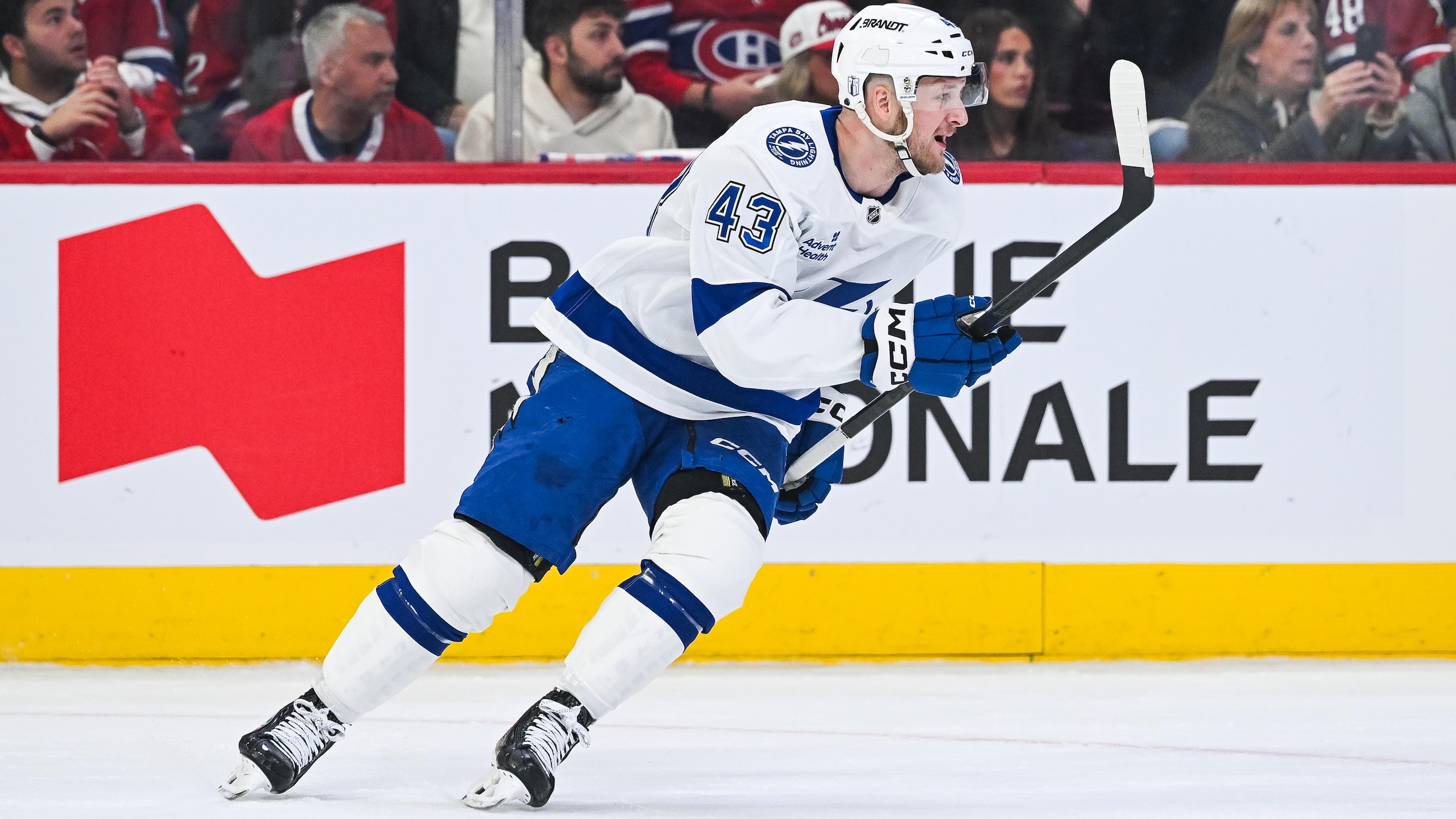
After two 30-plus point seasons, Darren Raddysh tallied 22 goals and 48 assists for 70 points with the Tampa Bay Lightning last season.
Coming off a two-year contract with an average annual value of $975,000, his career-best performance boosted the 30-year-old defenseman's stock heading toward free agency on July 1.
It made it impossible for the Lightning to keep Raddysh within their salary-cap constraints. Instead, they signed the late-blooming defenseman to an eight-year contract worth an average annual value of $8.5 million on June 19, then traded him to the Toronto Maple Leafs.
The Leafs believe the Toronto-born Raddysh will be a reliable right-shot mobile blueliner for their top defense pairing. Nevertheless, it's still a gamble for them, considering he put up those career-best numbers on a better club in Tampa Bay.
Raddysh could have difficulty with the pressure of playing for his hometown team in one of the NHL's most scrutinized markets.
Because of his age, the Leafs are unlikely to get full value from his contract. By 2030, he will be in his mid-30s and could be past his peak, making him a potential salary-cap burden over the remainder of the deal.
Alex Tuch, Washington Capitals
2 of 5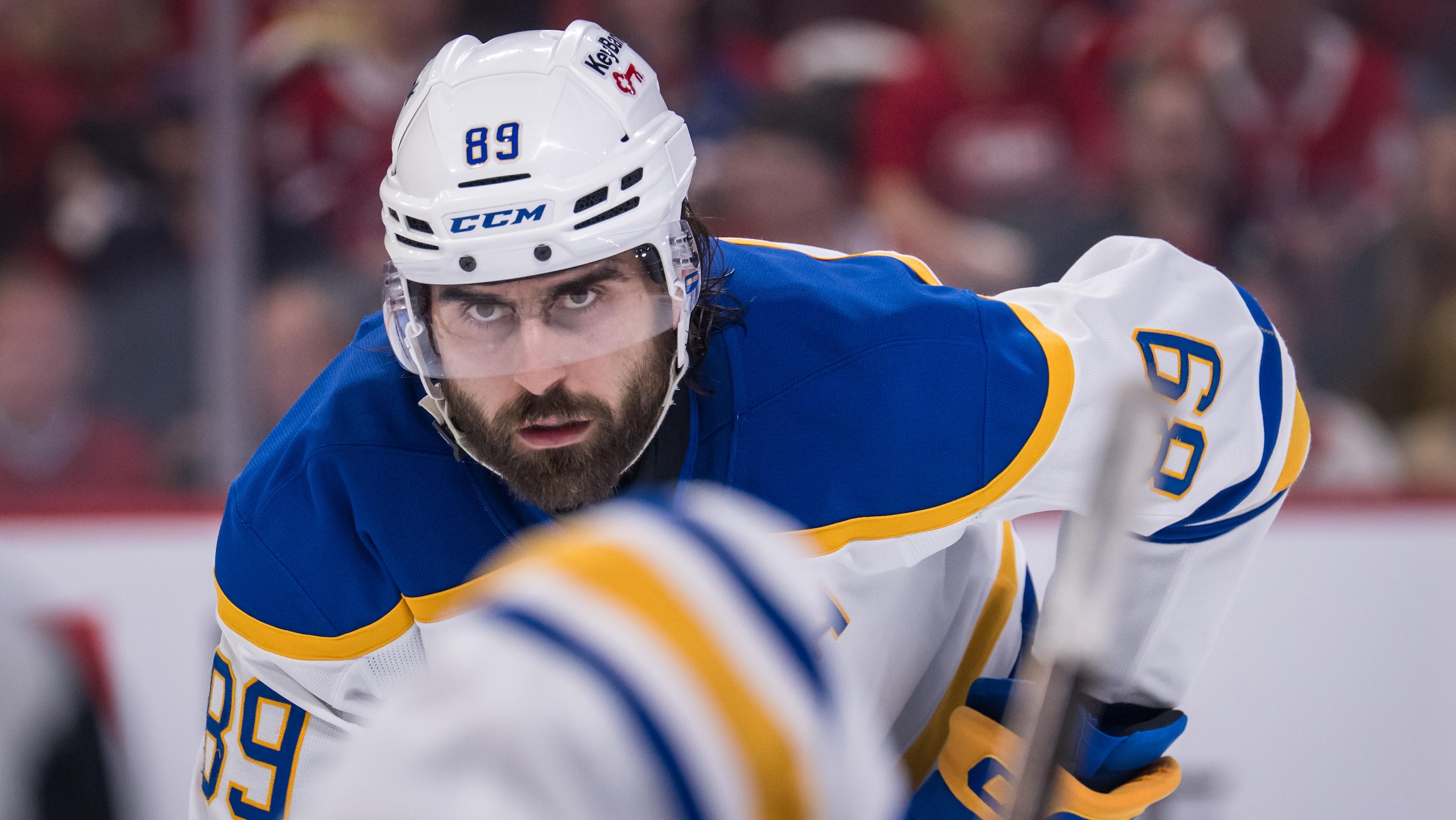
The Washington Capitals landed one of the few big fish in this summer's shallow unrestricted free-agent pond before he even went to market.
On June 24, they acquired winger Alex Tuch from the Buffalo Sabres in a sign-and-trade deal that included a new eight-year contract with an AAV of $10.5 million.
In his 10-season NHL career, the 30-year-old has established himself as a power forward. He's reached or exceeded 20 goals and 50 points five times, including exceeding the 30-goal and 60-point plateaus in three of the last four seasons.
Given how much the salary cap has risen since 2024, reaching $104 million this season and projected to go higher in 2027-28, players like Tuch were going to get substantial raises. The problem, however, is that the Capitals aren't likely to get the full value of this deal from him over its eight years.
Tuch doesn't have many quality seasons left at this stage of his career. He also has an injury history that hampered his production, and he could struggle with his new teammates. By 2030, he will likely be in decline, making his contract a long-term drain on the Capitals' cap payroll that could have been invested elsewhere.
Pavel Dorofeyev, New York Rangers
3 of 5
A lack of sufficient salary-cap space to sign Pavel Dorofeyev forced the Vegas Golden Knights to trade the 25-year-old to the New York Rangers on June 26, who promptly signed him to a seven-year contract with an average annual value of $11 million.
That was a substantial raise over the $1.84 million that Dorofeyev was earning on a two-year deal with the Golden Knights. After netting 20 goals and 36 points in 67 games during his first three NHL seasons, he led Vegas with 35 goals in 2024-25 and 37 goals last season.
Dorofeyev deserved a major bump in pay, and Rangers general manager Chris Drury believes he'll bring much-needed scoring depth to his retooling roster. However, $11 million annually for six years seems like an overpayment for a winger who hasn't cracked the 40-goal mark yet.
Things could get ugly for Dorofeyev and the Rangers by 2030 if he struggles to adjust to the harsher spotlight in New York. It would make him the most expensive bust in franchise history, derailing Drury's roster retool by hampering the Rangers' ability to use their cap space to add or retain talent.
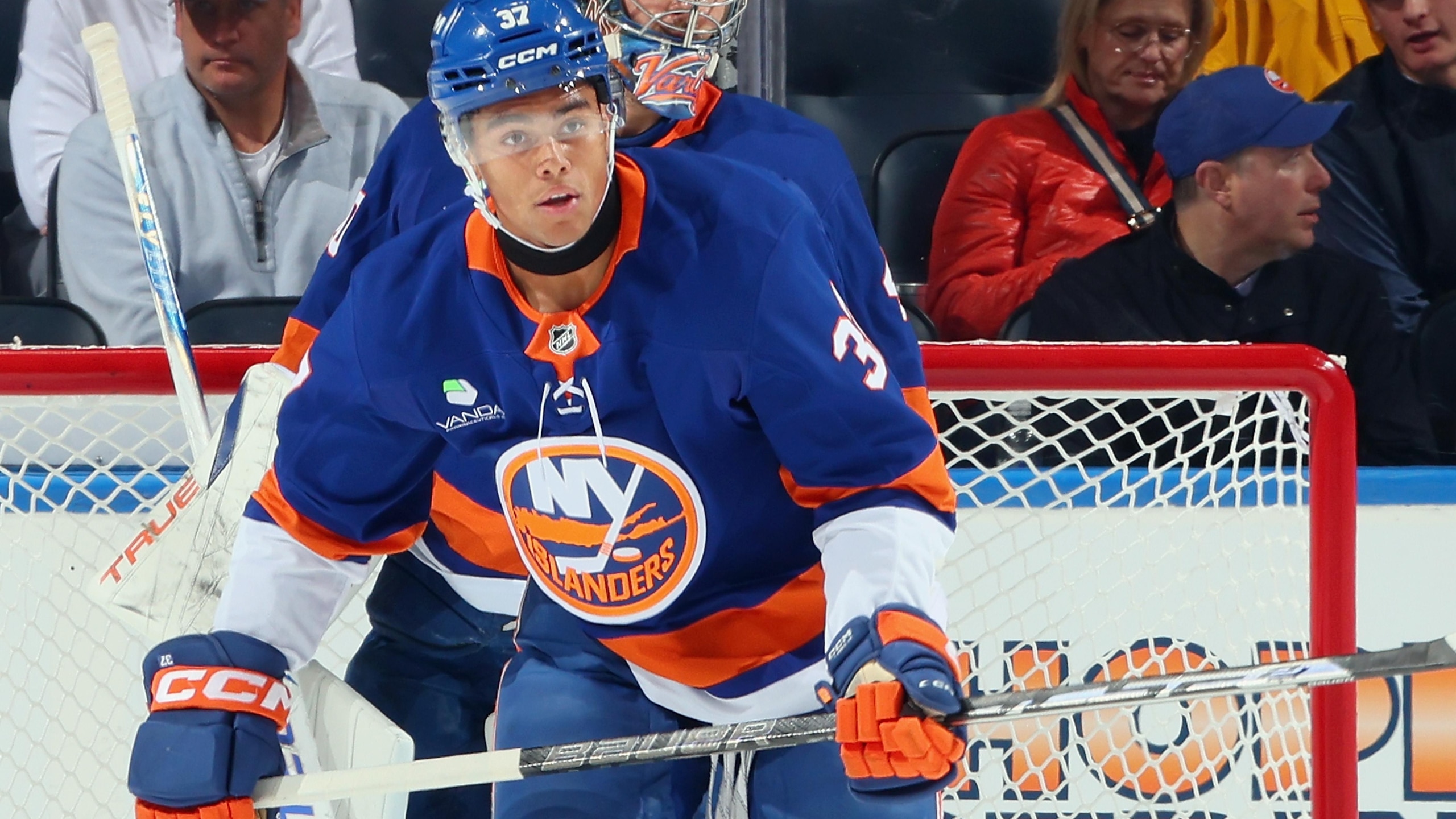

Bowen Byram, Chicago Blackhawks
4 of 5
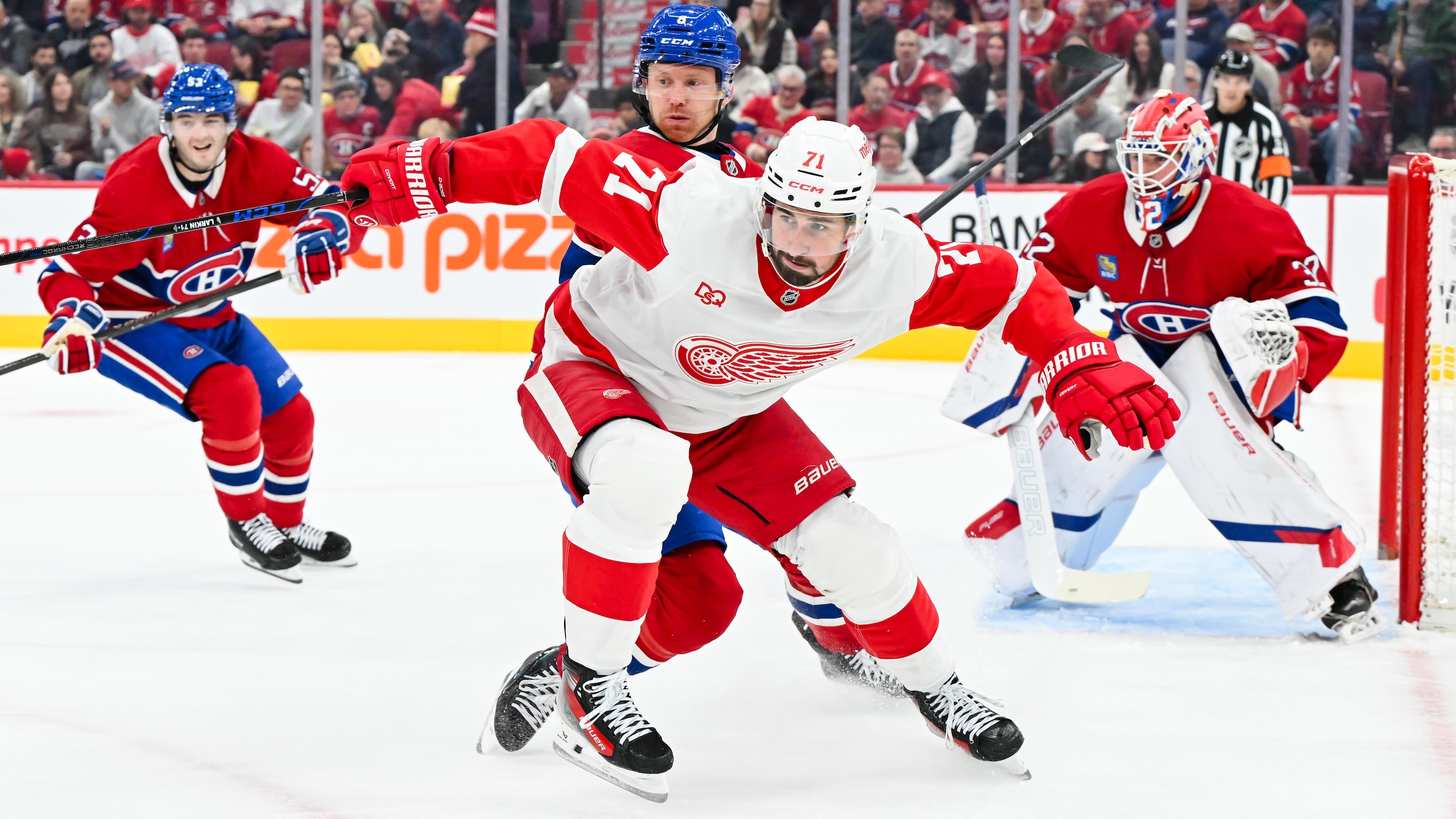
Desperate to provide a boost to their defense corps, the rebuilding Chicago Blackhawks acquired Bowen Byram in a trade with the Buffalo Sabres on June 23. A week later, on July 1, they signed the 25-year-old defenseman to a six-year contract extension worth an average annual value of $12.5 million.
That was a substantial raise for Byram, who is in the final year of his current contract with a $6.25 million AAV. It's also a big gamble for the Blackhawks, one that could become a salary-cap headache if he fails to play to the level expected of a top-pairing defenseman by 2030.
Byram, 25, is a skillful puck-mover who trains with Blackhawks captain Connor Bedard during the offseason. He was a reliable second-pairing defenseman with the Sabres but has never played full-time as a top-pairing blueliner. Nevertheless, Byram believes he can handle those duties, and the Blackhawks share his faith.
If Byram can't establish himself as a true No. 1 defenseman, it would be expensively disastrous for the Blackhawks by 2030. Having top-pairing money tied up in a second-pairing blueliner could leave them with insufficient cap space by 2030 to properly address that issue should the right players become available.
Leo Carlsson, Anaheim Ducks
5 of 5
On July 3, the Philadelphia Flyers shocked the hockey world by signing Anaheim Ducks center Leo Carlsson to a five-year offer sheet with an average annual value of $18 million. Six days later, the Ducks matched it, ensuring the 21-year-old Carlsson would remain in Anaheim.
The contract with its (briefly) record-setting AAV has already turned into a nightmare for the Ducks' salary-cap payroll this season. With $9.07 million of cap space remaining for 2026-27, they must find a way to create room to re-sign restricted free agent winger (and 41-goal scorer) Cutter Gauthier.
Carlsson's deal made it more expensive for the Ducks to sign Gauthier, and for other teams to re-sign their top talent, including those due to become unrestricted free agents next summer. Superstars like Cale Makar of the Colorado Avalanche and Quinn Hughes of the Minnesota Wild can justify earning more than Carlsson.
What makes this truly scary for the Ducks is if Carlsson fails to reach the potential that the Ducks believe justifies matching that expensive offer. He's already a good player who could one day be great, but this contract will become a costly mistake if he fails to do so.
.jpg?w=2560)



.jpg?w=2560 "Hunter's Wife Calls Out Sharpe")



.jpg?w=2560 "Peyton Linked to Colts GM Job")