
MLB Reportedly Proposes Draft Rule Changes Amid CBA Talks, Full Details Revealed in Latest Rumors

As negotiations over a new collective bargaining agreement continue, MLB is proposing significant changes to how talent arrives to the sport on two fronts.
ESPN's Alden Gonzalez reported league officials are renewing their push for a structured international draft. Under the proposal, the draft would last 12 rounds and include amateur players outside of the United States, Canada and Puerto Rico.
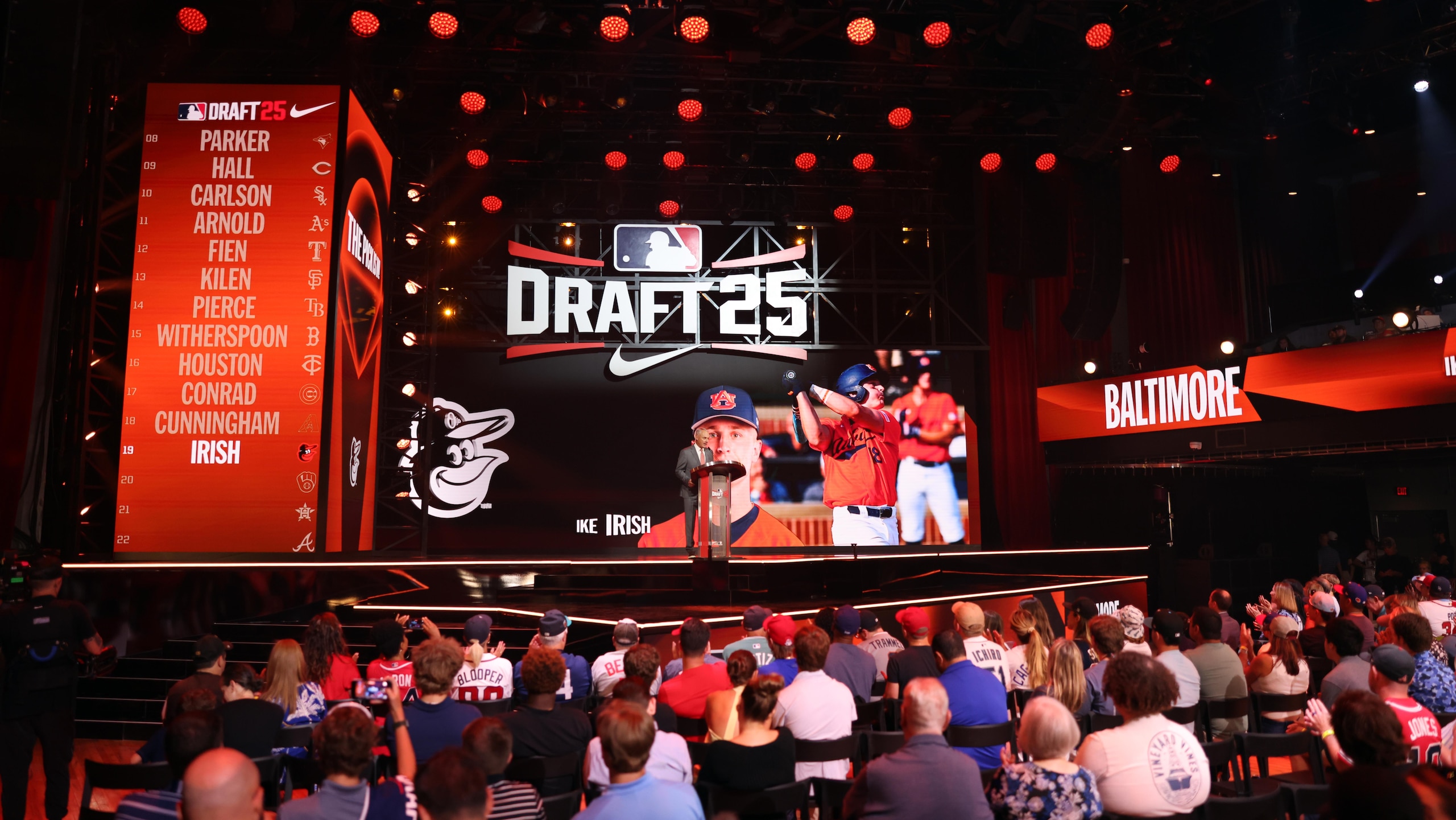
Colleague Jeff Passan and Baseball America's J.J. Cooper reported the more traditional draft could see a dramatic alteration as well. High schoolers would no longer be eligible, but college players could declare as early as their sophomore year:
TOP NEWS
New Report on Dodgers, Ohtani

B/R's 2026 All-MLB Team ⭐
Best World Series Moments of the Modern Era 🏆
The MLBPA responded to the proposals in a statement, calling them "flat out bad for baseball."
The traditional MLB draft would shrink from 20 rounds to 12, having already been halved after extending for 40 rounds as recently as 2019.
Both drafts would have concrete dollar values to each pick, which is largely in keeping with how other leagues operate but a departure for baseball. While picks are assigned a value, teams are permitted to spend above or below each slot while working from an overall bonus pool.
Having fewer draft picks means adding fewer players to your minor league farm system, which lowers costs. The logic of MLB ownership is obvious in that regard. According to Cooper, draft bonuses would decrease by more than 50 percent.
Making prospects spend at least two years in college also means less development time should be required to get them MLB-ready.
When MLB floated a full international draft during the last round of CBA negotiations, it didn't gain any traction with the MLB Players Association.
Many people at the time pointed out the current international system was inefficient and ripe for exploitation. However, Boston Red Sox legend David Ortiz was among those who questioned the practicality without having established the proper structure on the ground first.
The MLBPA figures to mount a resistance again, particularly as it relates to the new rules for the traditional draft.
Lowering bonus money will be a hard sell, as will a new minimum age requirement. The best prep players aren't actually that far off being MLB-ready, and the truly generational talents need almost no seasoning.
Then there's the more far-reaching effect of having players make the jump to the pros at 21 or 22 instead of 18 or 19. Those extra years can make a big difference when they're enter full free agency for the first time.
Even if none of this makes it into the CBA, MLB's proposals are evidence of the goals the league and its ownership are trying to achieve. And this is another front on which the MLBPA will have to fight.