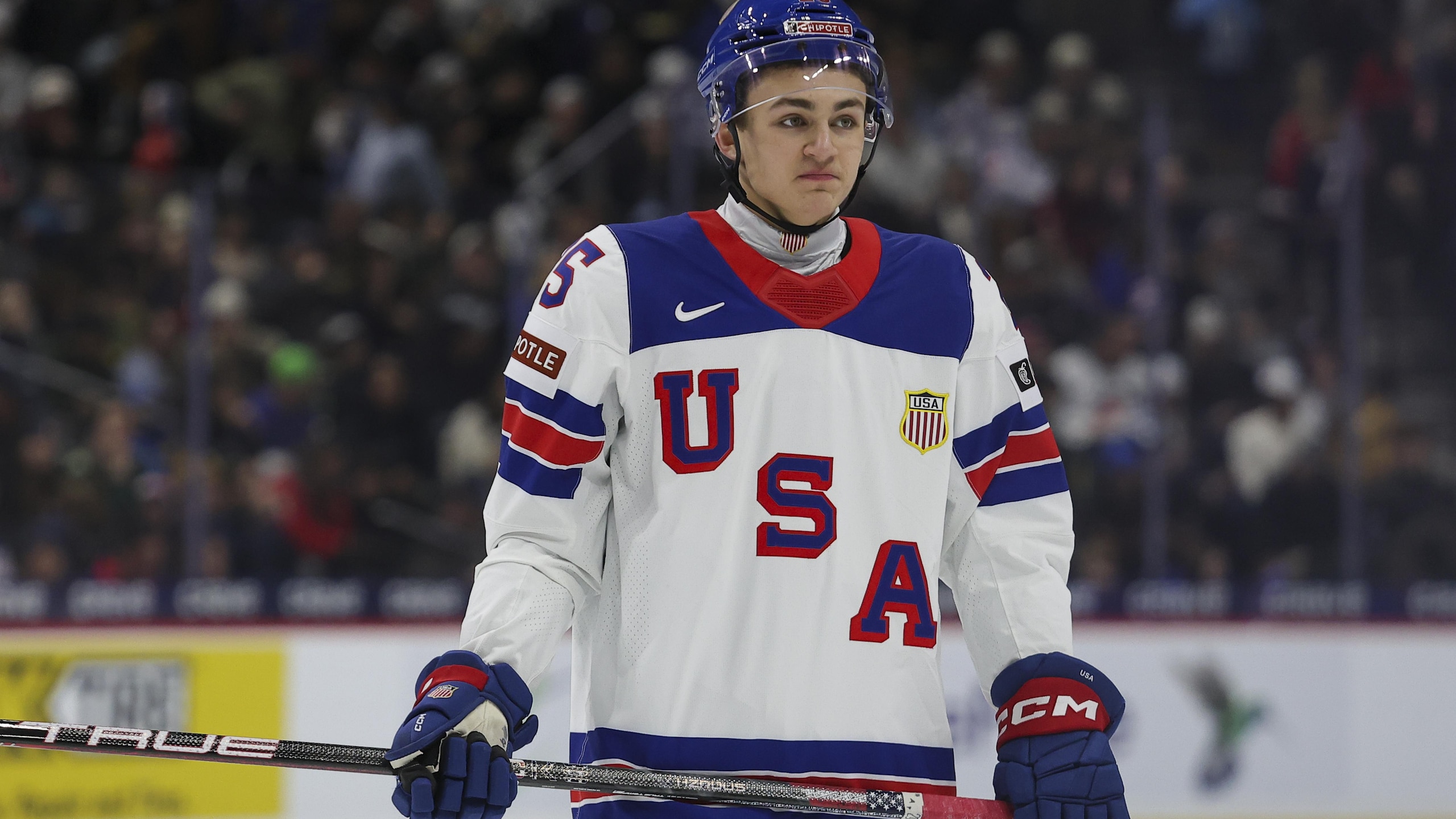

2026 NHL Draft Scouting Report on Chase Reid After Being Selected by Kraken
Without question, Chase Reid is our top-ranked defenseman in the 2026 NHL Draft.
Some might question him being above Keaton Verhoeff, or perhaps Carson Carels, but his pure skill set outstrips them both significantly. (An important note: they each have very different playing styles, which can also play a role.)
There's an argument that Reid is a lower-risk pick than Verhoeff, despite being tagged with the "high-risk, high-reward" label by quite a few people. However, we are confident Reid will succeed long-term as an NHLer because the modern game is well-suited to his playing style.
Rankings aside, Reid is easily this year's top play-driving defenseman. He's the kind of player who is able to control the flow of the game from the moment he steps onto the ice, a factor that you cannot underestimate.
Despite him missing 17 games with injury during a key stretch of the season, prospect pundits and team scouts alike got a good glimpse at exactly what he brings to the table, and there's little about him that isn't appealing. He's an incredible skater with elite hockey sense and the hands to support it.
Player: Chase Reid
Position: Defense
Team: Sault Ste Marie Greyhounds (OHL)
Height: 6'2"
Weight: 187 lbs
Points: 48 points (18 goals, 30 assists) in 45 regular-season games / 6 points (3G, 3A) in 10 playoff games
Reid was limited to only 45 regular-season games this year due to injury, which was disappointing.
Thankfully, he was able to return in mid-March to help the Greyhounds through the end of the regular season and into the playoffs.
Strengths
1 of 4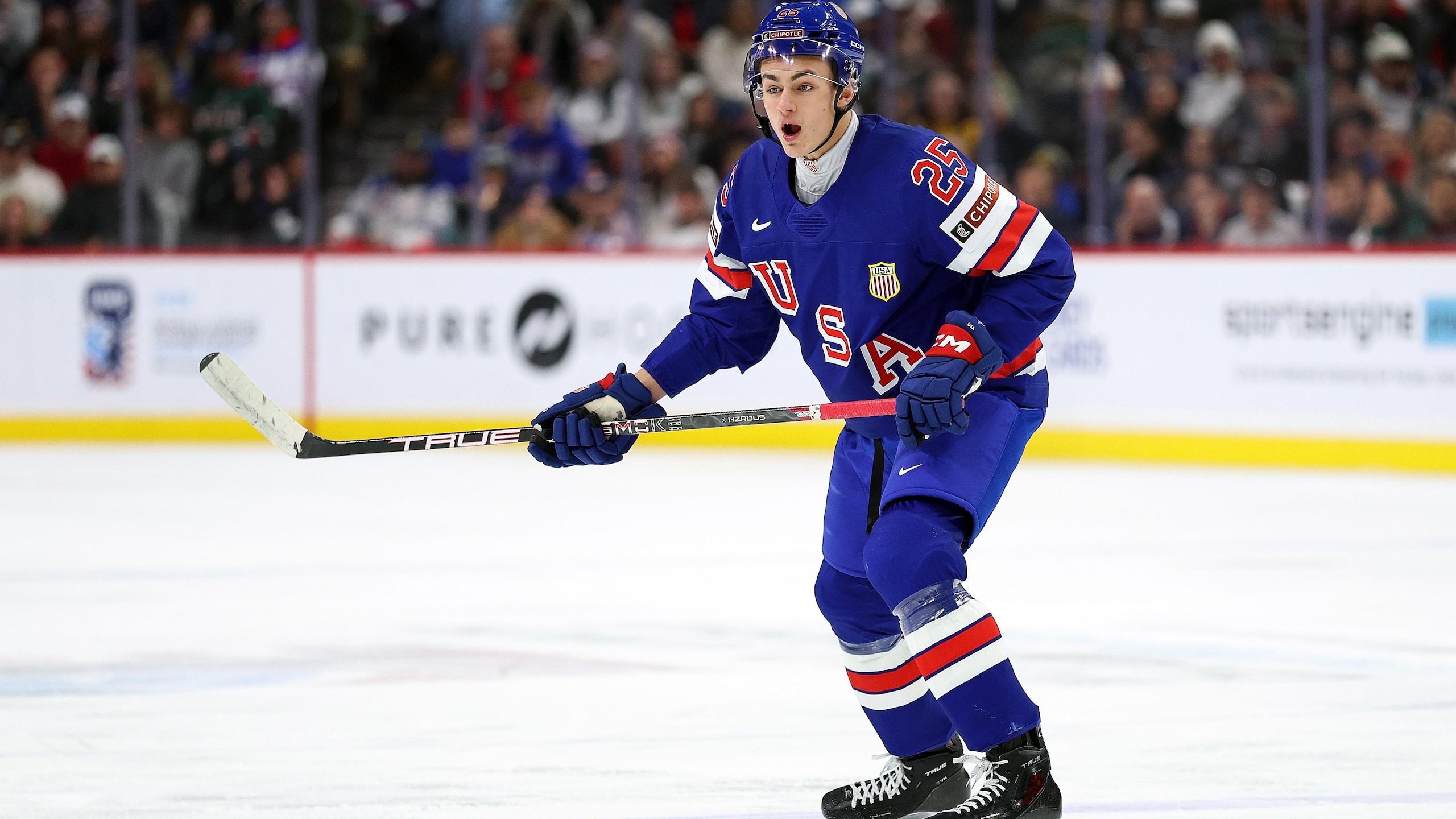
When discussing his strengths, we have to start with Reid's skating. Not only because it's one of his brightest assets—which it is—but also because it is the clearest separating factor when trying to decide between him and Verhoeff as this year's top defenseman.
Where I've only grown less sure of Verhoeff's skating ability over the course of this year, it's become more certain that Reid's skating could hold its own in the NHL right now.
Saying he's mobile feels like an understatement. He's a fluid, dynamic skater whose quickness allows him to utilize his high processing speeds extremely effectively. He might be smothering opponents' chances in his own end one moment. Then, in the next moment, he has the puck back and has either sneakily slid it off to an open teammate or carried it in himself.
That excellent processing is just one part of his elite hockey sense and vision. He brings intelligence and creativity, and even flashes of deception at times, to his playmaking.
Reid's ability to think multiple steps ahead of opponents underpins his entire game, allowing him to anticipate what everyone else on the ice will do and make his own decisions accordingly.
He's a high-volume shooter, but he's just as likely to find an open teammate with a pass before opponents have a clue what's happening.
One key thing about Reid's reliability: when Cole Hutson went down at this year's World Junior Championships and it wasn't known whether he'd be available again in the tournament, the USA staff turned to Reid, a draft-eligible player, over any of their other defensemen.
Was this likely because he and Hutson play a very similar style of game? Absolutely. But it speaks volumes that, in an under-20 tournament, their go-to guy to step up and fill the top defenseman role was one of their underage players.
Weaknesses
2 of 4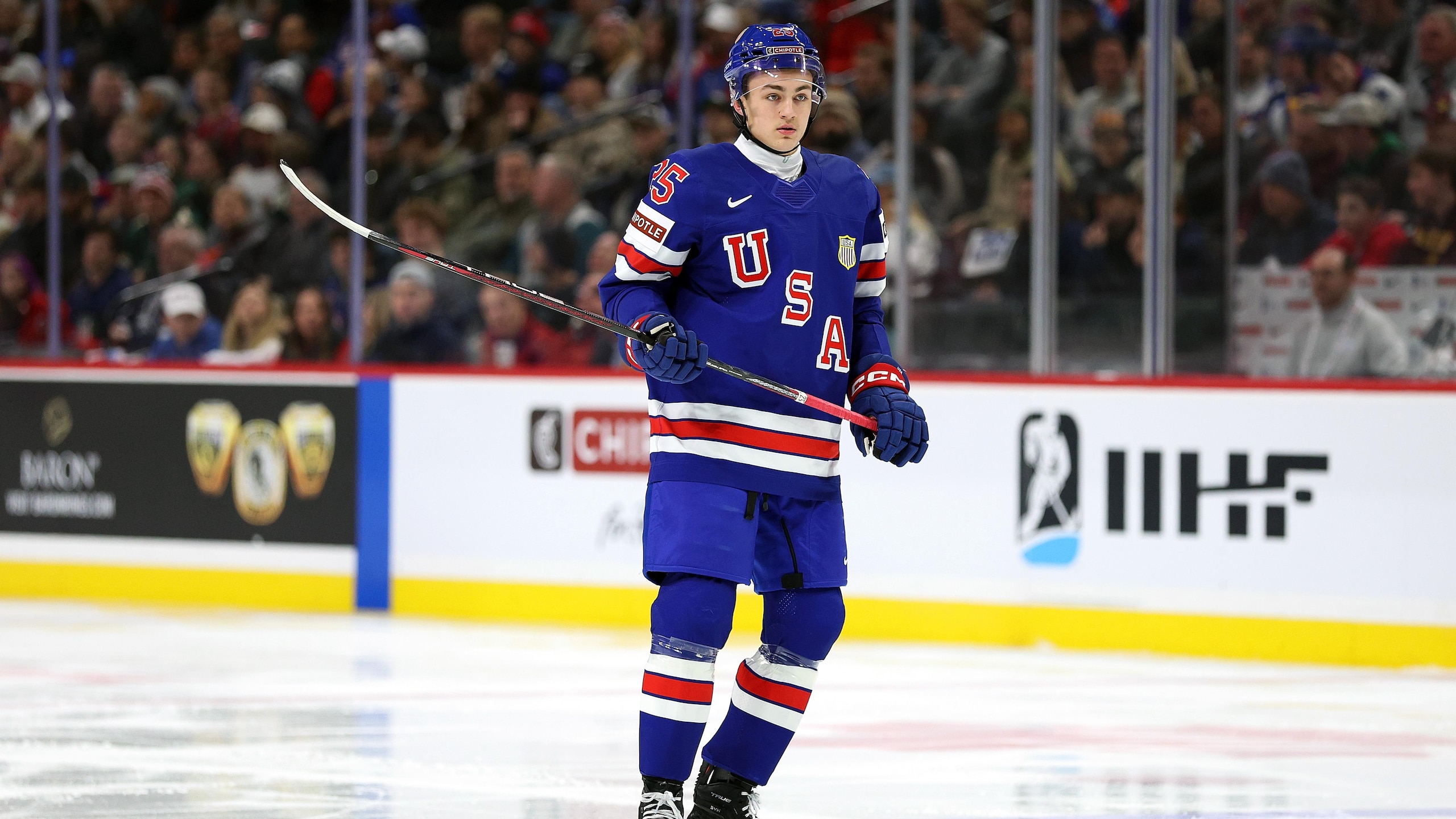
The easiest way to break down Reid's weaknesses is simply to say: If you had the puck as often as he does, you'd probably make some mistakes sometimes too.
Seriously, the worst thing you can say about his game is that sometimes his risk mitigation is an issue. He's 18 years old. It is what it is; that's a facet of the game that matures with time and experience, and the fact that having the puck for longer periods of time gives you more opportunities to make mistakes is basic math.
He needs to add some muscle, but he's headed to Michigan State University to play college hockey this fall, so that won't be a concern for too long.
He could improve the defensive side of his game, but there are no glaring holes, only risk mitigation moments of picking the wrong pass or similar that will improve with time and maturity.
Pro Comparison
3 of 4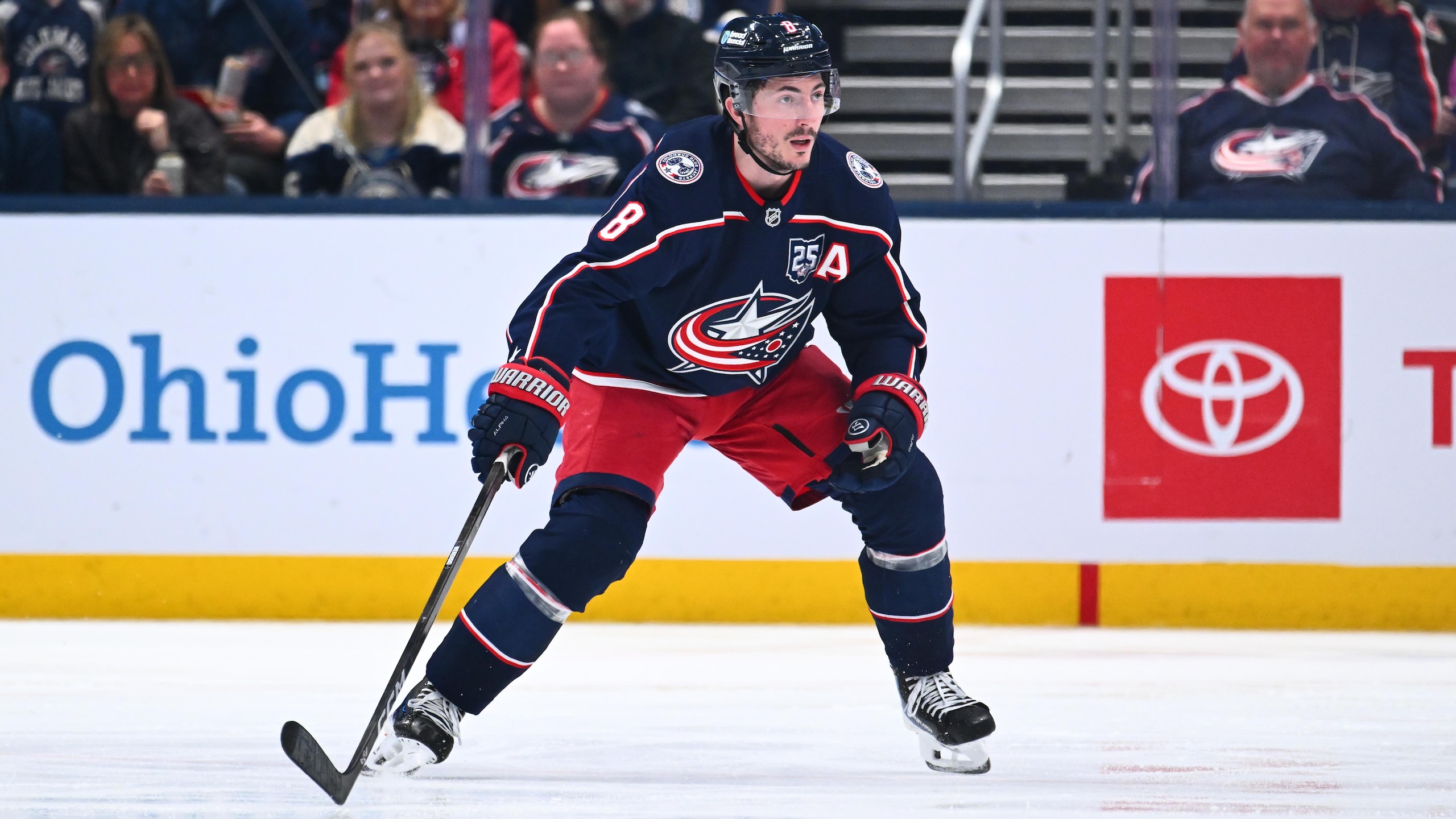
Pro comparisons can be difficult, but Reid's came pretty easily, not only because he's an exceptional, very specific type of player.
Having scouted Zach Werenski during his draft season, I felt the experience was similar this year. The two of them are both high-volume shooters and brilliant skaters.
Reid has a leaner frame than Werenski had at the time, but Werenski was also already playing college hockey. Reid is expected to add muscle next season when he's with Michigan State. They're also relied upon by their teams to eat heavy, difficult minutes.
There are also shades of Adam Fox in Reid, though Fox is shorter at 5'11". Fox's fluid skating and high-end intelligence led to this comparison.
If Reid manages to fall anywhere near where these two have career-wise, he will be doing alright for himself.
Draft Outlook
4 of 4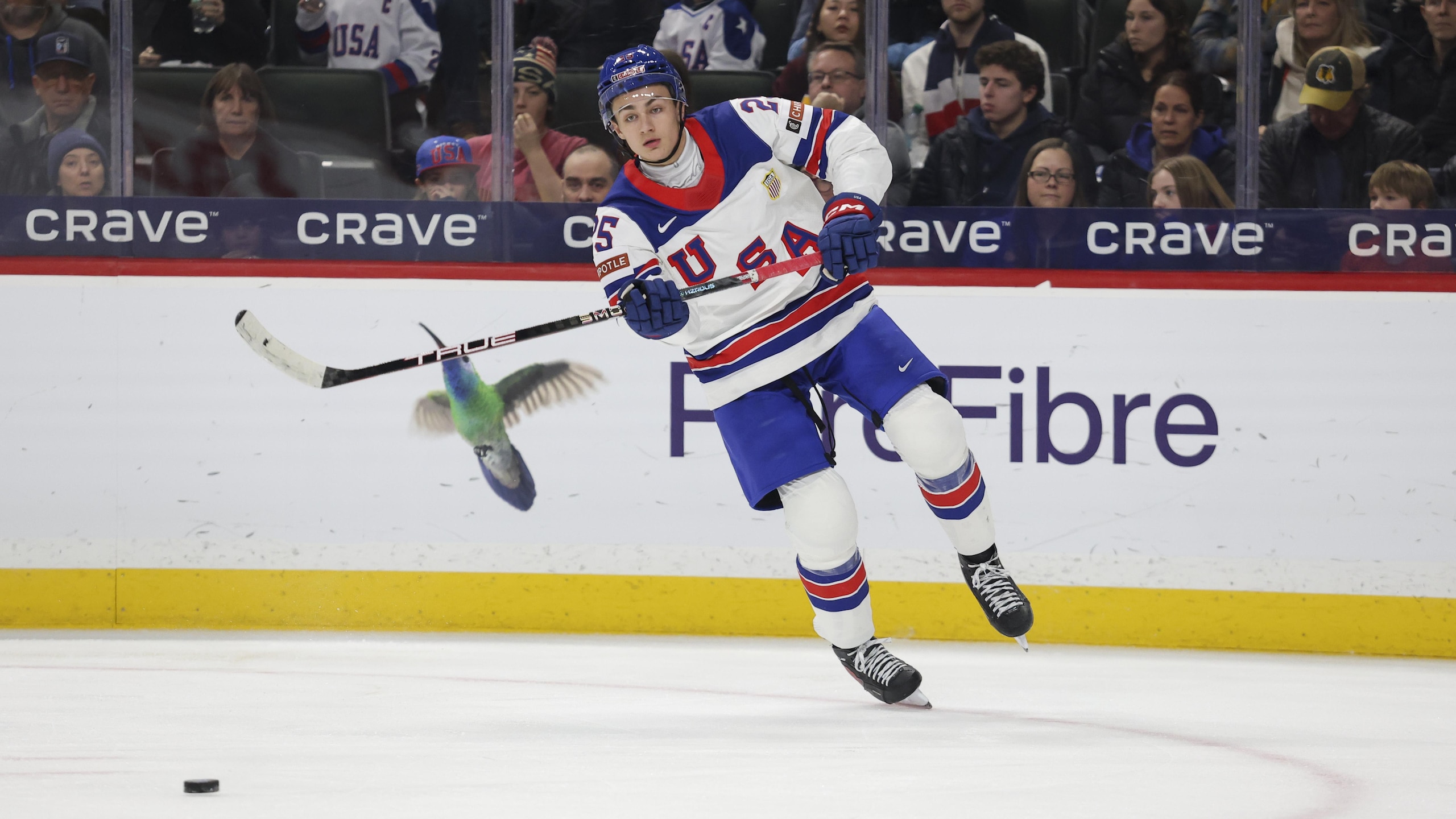
The reactions to Reid have been pleasantly surprising this season.
Most seem to agree he'll be gone inside the top 10, and most likely the top five. He's ranked from 3rd to 11th overall by the major outlets. We have him third and the top-ranked defenseman.
Of the teams in position to select him, the Blackhawks and the Flames appear to be the ones to take him. The Canucks, Rangers, and Maple Leafs all seem to be headed in a different direction than Reid's style of play.
However, they might see the light and realize pure skill trumps archetypes any day.
.jpg?w=2560 "🚨 Texans Trade for MHJ")
.jpg?w=2560 "Grading MHJ Trade 📝")

.jpg?w=2560 "49ers' Greenlaw Ejected After Headbutt")