.jpg?w=2560 "NHL Draft Big Board")

Updated B/R 2026 NHL Draft Big Board 3 Weeks From the Lottery
We're betting a lot on potential in the 2026 NHL draft.
And that's more so than in typical years. Not every player is a project, but it's pretty close.
If putting a mock draft together is like playing cornhole with live fish, making a draft board is like putting together a puzzle with pieces whose colors reveal themselves later. You just don't have the whole picture yet, so you're trying to solve it with the information you do have.
For this year in particular, it feels like we have less information than usual. Lots of players have made the jump from CHL teams to the NCAA. It feels like more players than usual have missed significant time with injury. And overall, this draft class isn't as deep as past years; it feels a lot like 2012, and like we won't get the full picture until many years down the road.
In its own way, this is exciting. More project players means more control over their fate for teams—they can shape and mold them more through development. (This is only a positive if you are a team that is good at development.)
So here are this year's potential future NHLers, and where they currently stand in our rankings.
1. Ivar Stenberg, LW/RW, Frolunda HC (SHL)
1 of 32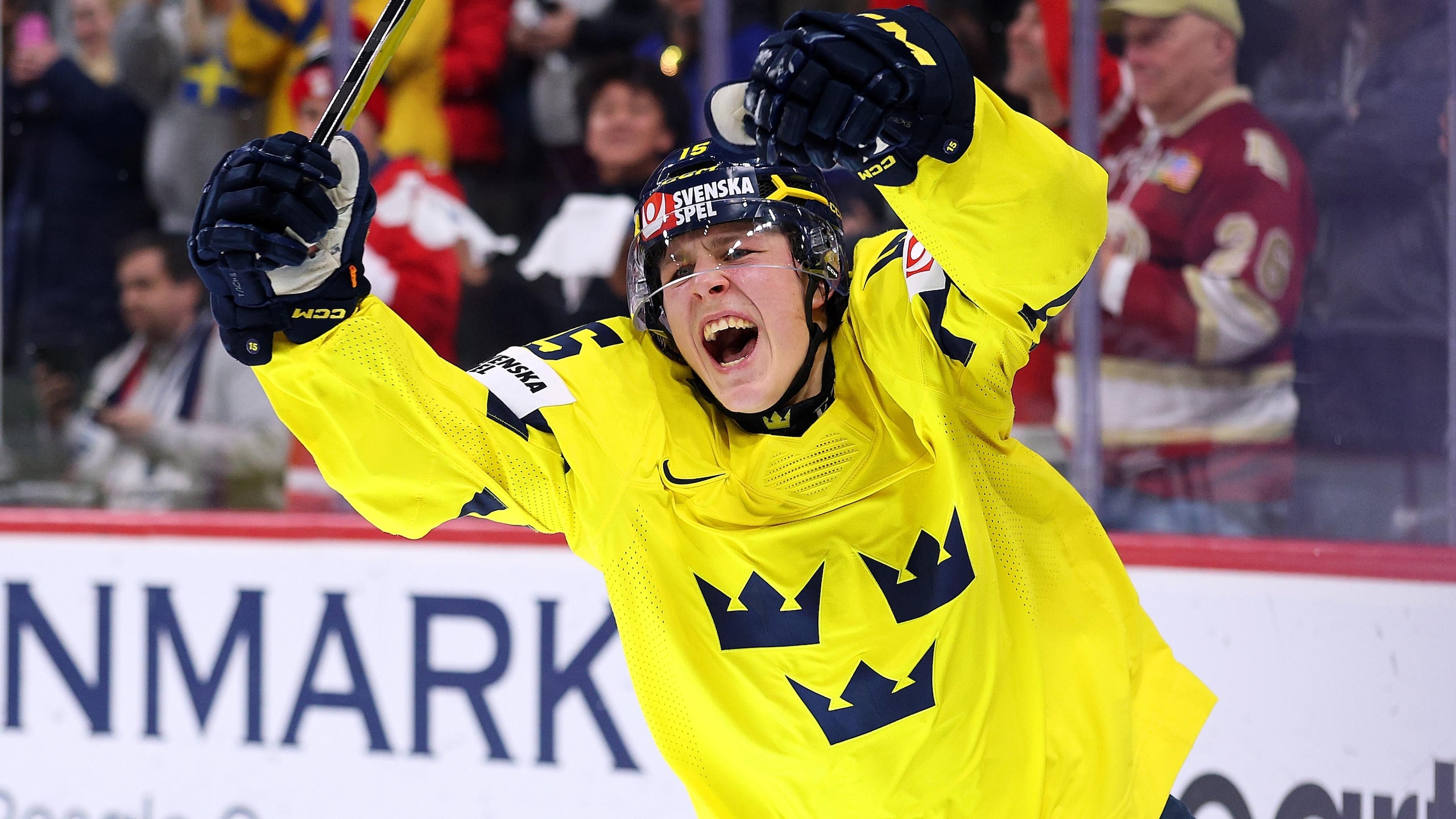
Strengths: Intelligence, motor
Weaknesses: Can sometimes force plays
I've firmly settled into the Ivar Stenberg-at-first-overall camp, and at this point, I don't believe there's much Gavin McKenna can do to convince me otherwise.
At the end of the day, the main separating factor between these two players is engagement off the puck. Stenberg has it in spades and McKenna consistently disappoints me in that area. I've got the two of them on a decent level playing field otherwise. But it's that consistent engagement in all situations of play that gives Stenberg the edge.
It's always impressive to see Stenberg step onto the ice in any situation and be a difference-maker. His motor just doesn't quit and it's quite refreshing. He can make plays with the best of them, showcasing creativity and deception, but he also utilizes that intelligence to win plays in his own end and retrieve pucks. But one quibble I do have is that he can wait for those moments to happen, rather than making them happen.
Improvement will come with experience. I feel like I'm already judging him against future NHL competition rather than his peer group, though, when I make notes about drawbacks in his game, and that alone tells me he's separate from the rest of this draft class.
2. Gavin McKenna, LW, Penn State (NCAA)
2 of 32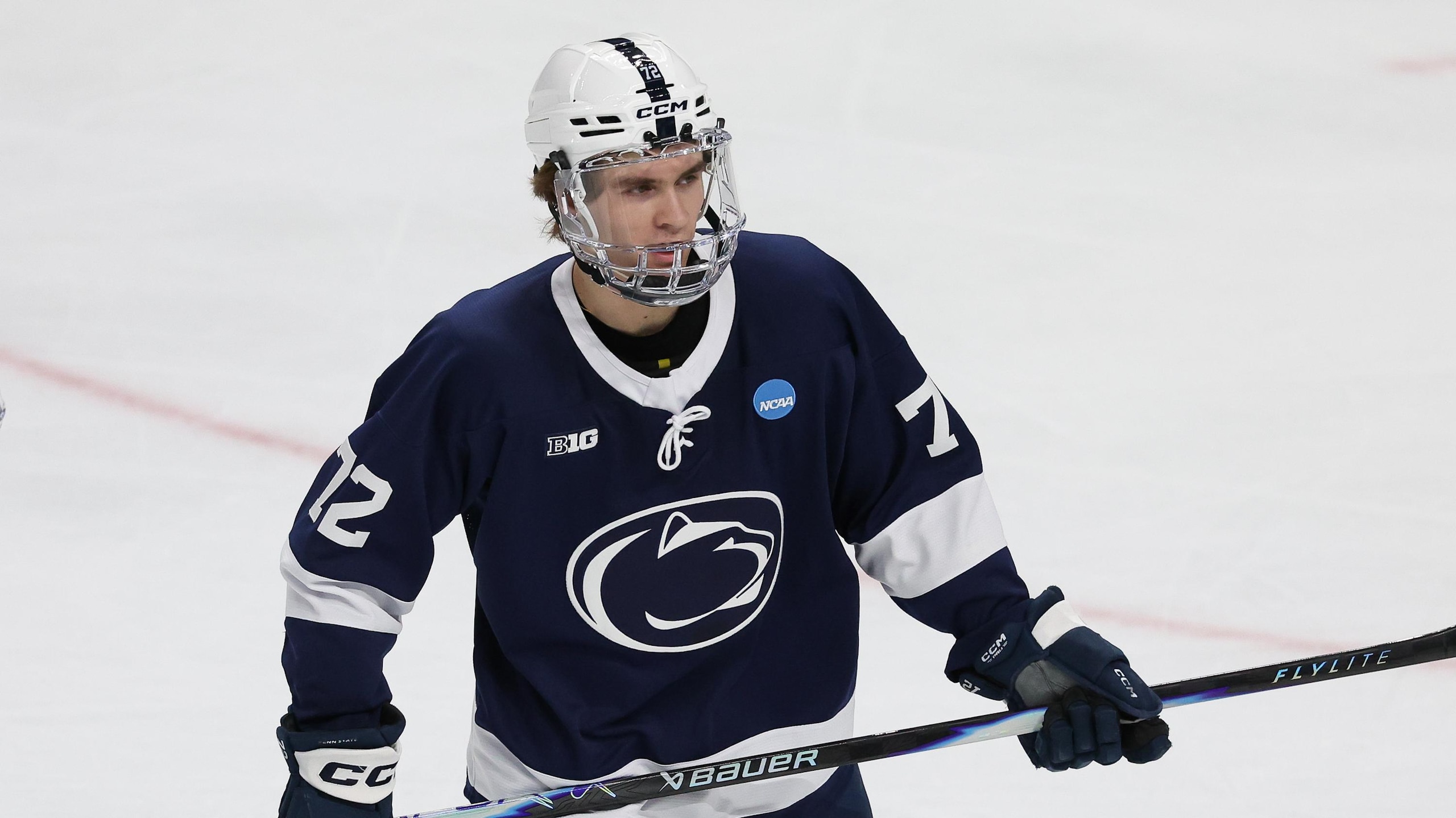
Strengths: Intelligence and puckhandling
Weaknesses: Engagement off puck
I noted previously that Gavin McKenna has ended up in second because of his consistent lack of engagement off the puck. I'll take that a step further and say that the times we have seen his engagement off the puck have utilized his elite hockey sense and processing just as effectively as his offensive play.
Unfortunately, that just infuriates me even more when I remember how rarely we see it.
If it weren't for that lackadaisical approach to play when he isn't creating, McKenna would be a slam dunk first overall. His intelligence, ability to process the game, and ability to create high-level plays at top speed are unreal, and his puck skills are incredible. He's going to be an excellent player for whatever team drafts him, and he's not going to be a bad choice if he does go first overall.
He's a difference-maker, someone whose smarts and puck skills combine to menace opponents. No one is doubting the skill present here; only those moments when we visibly see him lose interest in a play that are happening more than they should for a first-overall pick.
3. Chase Reid, D, Sault Ste Marie Greyhounds
3 of 32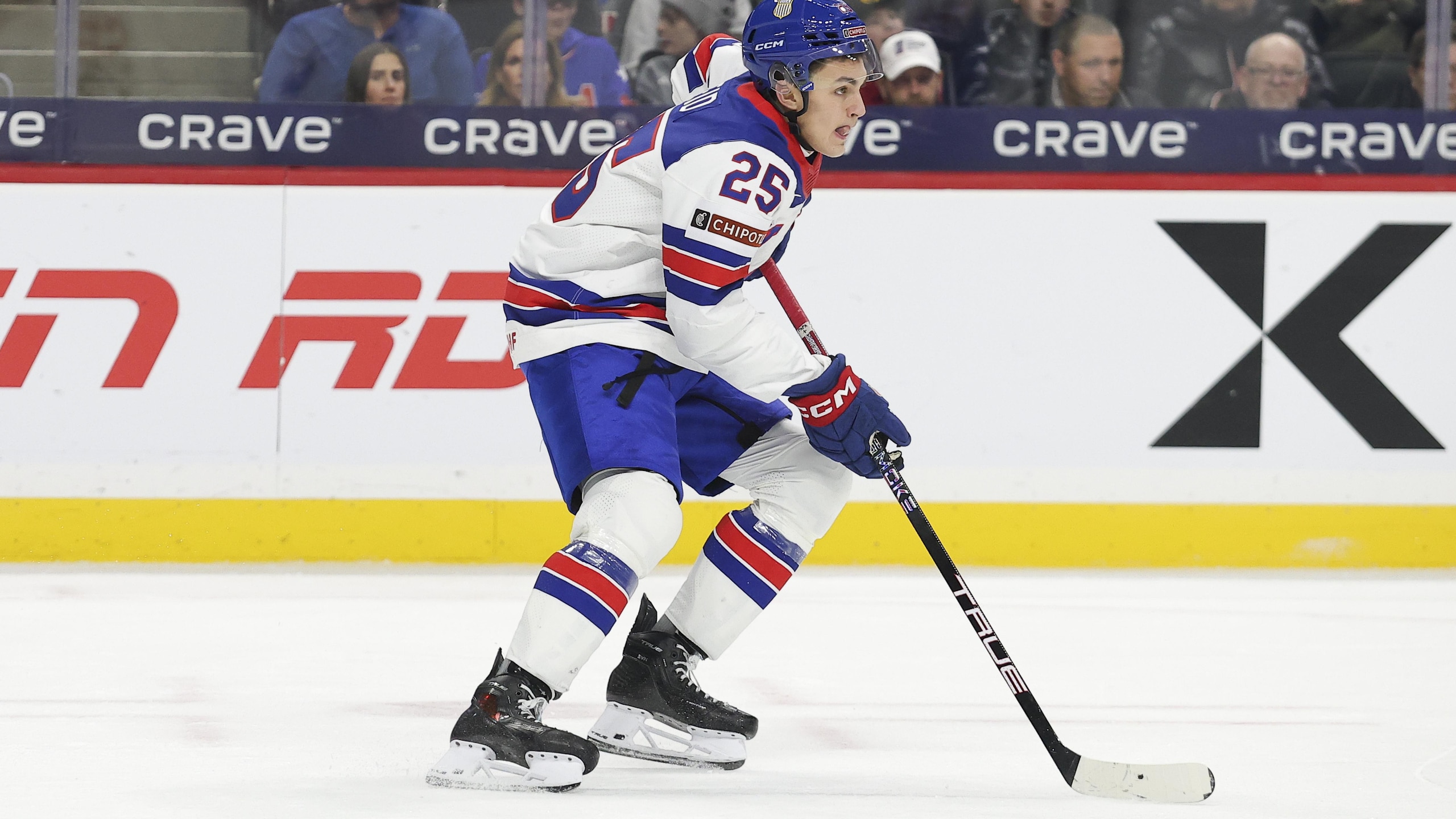
Strengths: Intelligence, vision
Weaknesses: Risk mitigation is sometimes an issue, but that's part and parcel for his player type
I am willing to listen to arguments that Chase Reid is not the best defenseman in this draft, but you'd better come out swinging.
I'm going to find it hard to convince, because from everything I've seen from him and the other defenders in this class, I cannot, in good conscience, rank another defenseman above him.
He dictates the flow of the game from the moment he steps onto the ice, and unlike the next player on our list, I've only grown more sure about his NHL projection as the season has worn on.
All of his tools are elite, to the point that I can't decide where to start breaking them down. Intelligence and vision drive much of his game, so we'll start there; he's constantly analyzing his own position and anticipating everyone else on the ice's decisions.
His puck-moving skills are phenomenal, his skating is pro-level, and his shooting and passing leave little to criticize when you're looking at the whole rather than nitpicking a single game.
Any team would be daft to leave him on the board once Stenberg and McKenna are gone.
4. Keaton Verhoeff, D, University of North Dakota (NCAA)
4 of 32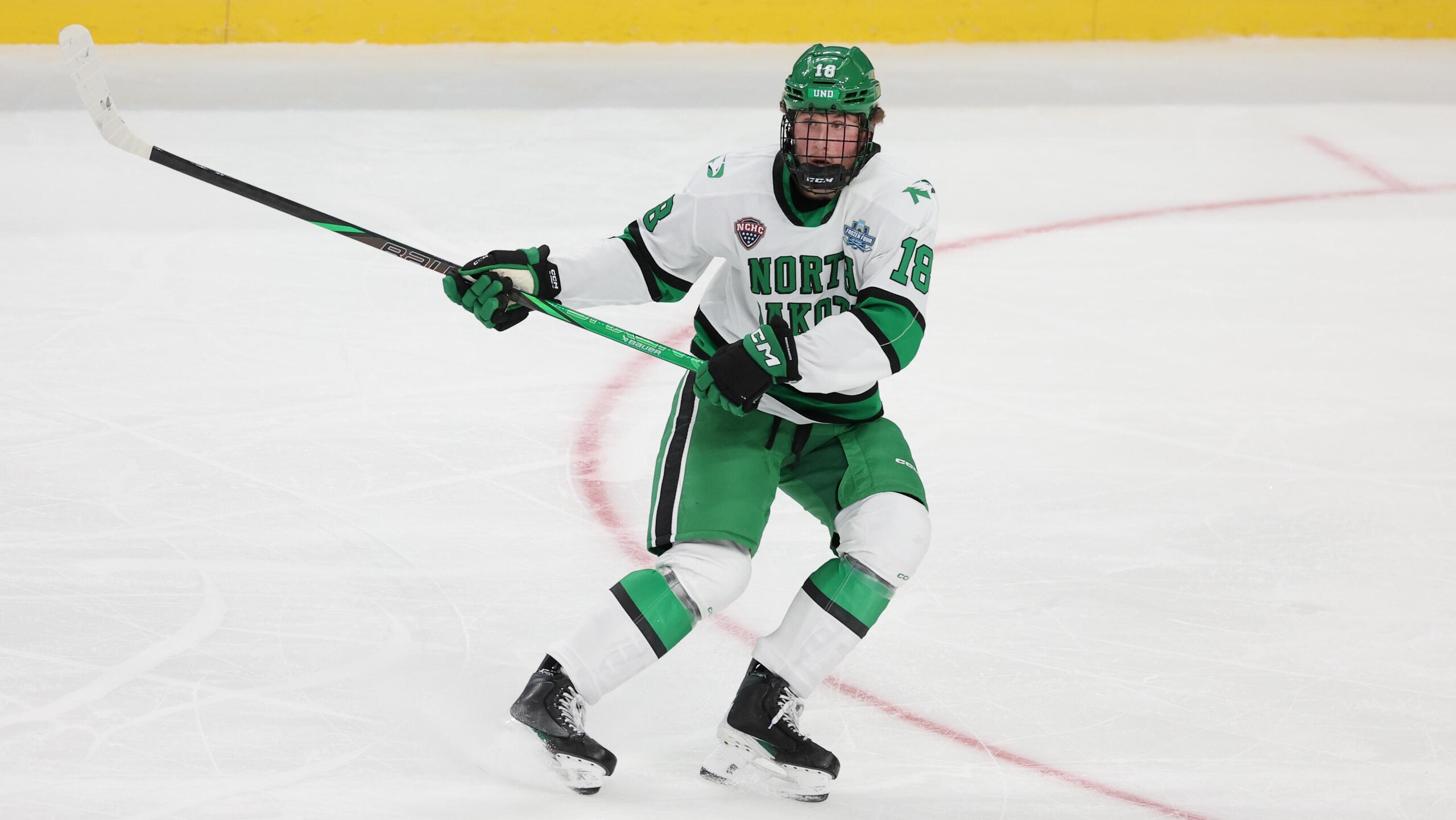
Strengths: Physicality, offensive skill set
Weaknesses: Decision-making, engagement
Keaton Verhoeff has dropped on our board and I'm gonna give it to you straight: He's probably going to drop further on the next board after I go back and watch more games. I just haven't enjoyed what I've seen in the second half of this season.
So let's talk about the version of Verhoeff your team could get first: he combines size and offensive skill, and held his own both as an underage player at the World Juniors and as one of the youngest players in college hockey this season.
At his best, he's explosive and he knows how to use his size to his advantage, driving play without the puck and looking for opportunities to create with it.
As the season has worn on, I have grown less convinced that we will see the best version of Verhoeff when he transitions to the NHL. I do think that the boom-or-bust of it all depends heavily on which team drafts him and the route they choose for his development.
If he's given more time to refine his engagement levels and to learn to pre-read plays on a consistent basis (which should improve his decision-making in turn), we'll get the ceiling of his potential; if he's rushed into the NHL too quickly, we're far more likely to see the bust version.
5. Ethan Belchetz, LW, Windsor Spitfires (OHL)
5 of 32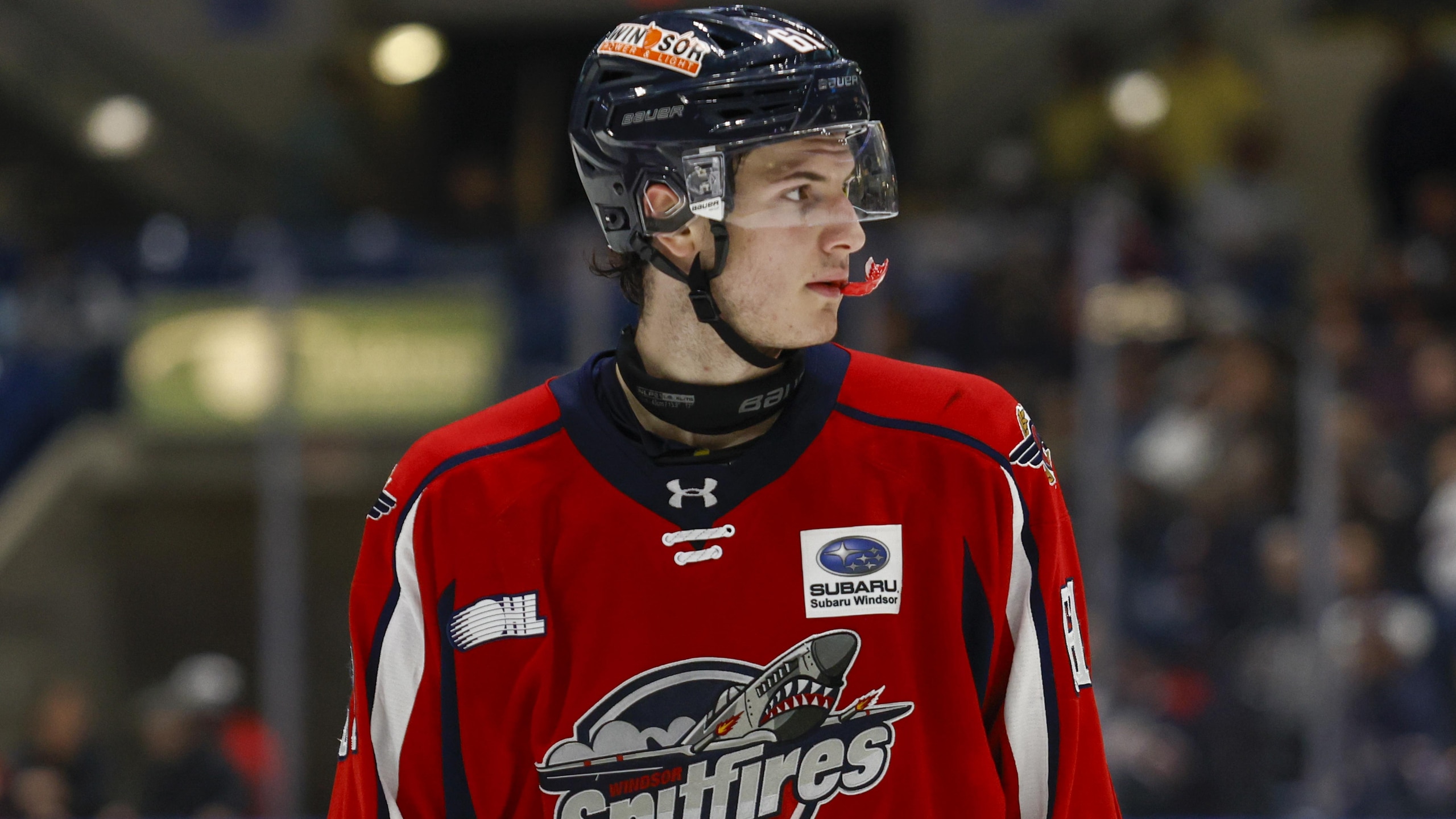
Strengths: Puckhandling, vision
Weaknesses: Consistency
This one might be a little controversial since he missed so much of the season with injury, and I think it's fair if you want to whack me for it, but I'm just staying true to my beliefs. I will not be felled by a broken clavicle (Even though Belchetz was)
The thing about Ethan Belchetz is that he brings size, skill, and an overall game that feels translatable to the NHL, albeit in a longer-term way. He's a good prospect for someone like the Boston Bruins or the Dallas Stars, who do an alright job with development, but need to elevate their prospect pools.
Since my biggest complaint is the lack of consistency across the things I like, let's look at the positives.
Belchetz's puckhandling is excellent, and you see his playmaking abilities most often in transition (we see flashes elsewhere, but I'd really like to see more). He's got NHL size, but needs to refine how he uses it. His vision really shines sometimes, especially when slipping a difficult pass to a teammate, but again—I want to see him use it consistently to take over games and I haven't gotten to see that yet. But I feel like it's there.
We've seen deception, we've seen good awareness, and we've seen him use that size to win puck battles. I just want to start seeing all of that every game. I am very much betting on potential here.
6. Xavier Villeneuve, Blainville-Boisbriand Armada (QMJHL)
6 of 32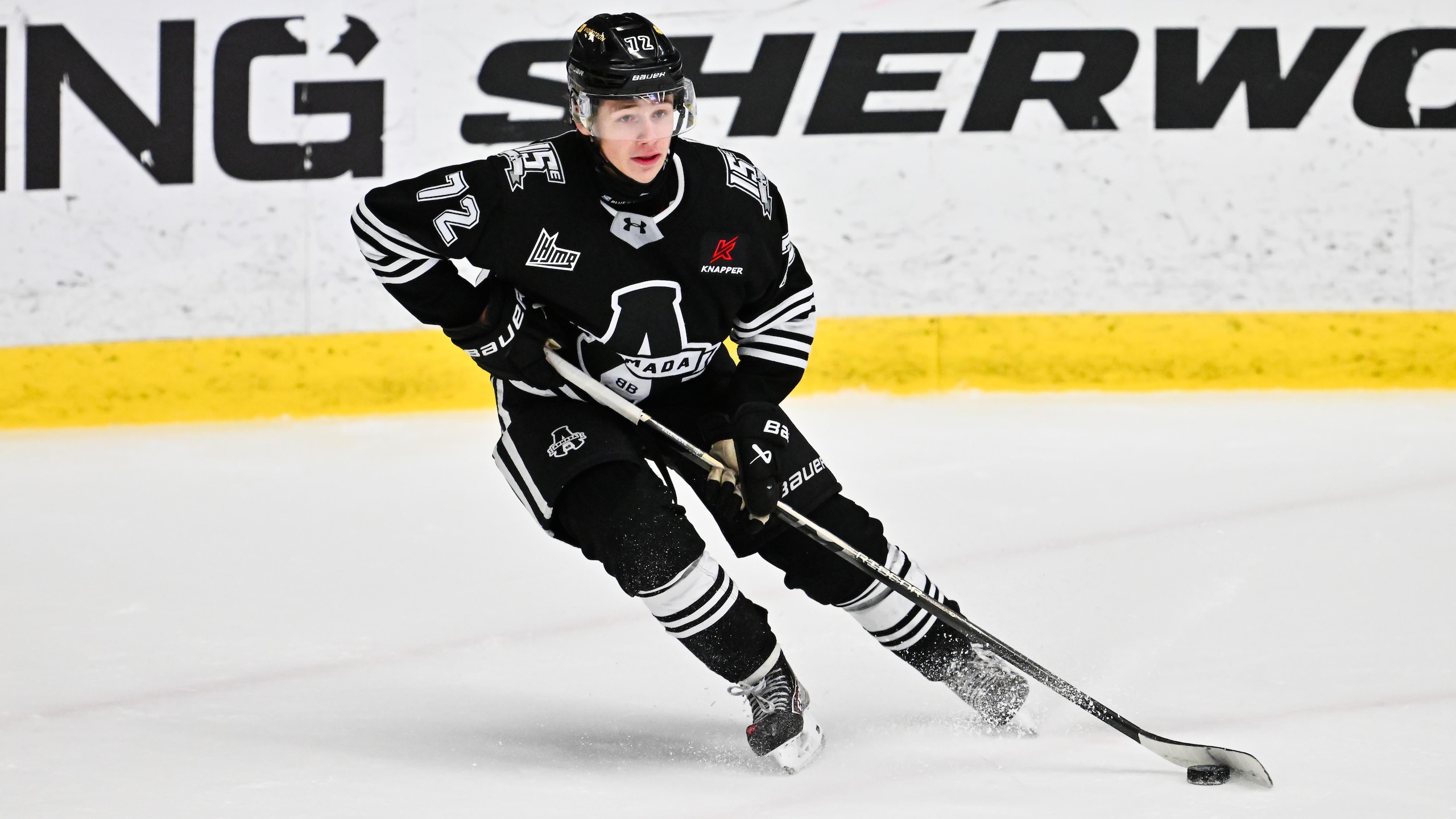
Strengths: Agility, puck skills
Weaknesses: Size
Here's another one where I'm really taking a swing. I actually considered flipping him and Belchetz for a few minutes.
If Chase Reid is the best defenseman in this draft class, Xavier Villeneuve is the most exciting. I don't care that he's 5'11" and 157 pounds, though I would like to see him add some muscle to his frame over the next season or two to strengthen his durability and quiet the haters. But there's a true NHL defenseman in the making here and he's fun to boot.
If you want to be a good defenseman in the NHL and you're small, you have to be off-the-rails good at everything else. Villeneuve is the whole package: extremely intelligent, dynamic on offense, effective defensively, and wildly creative when it comes to playmaking. He's the type we've discussed in the past who defends by just always keeping possession of the puck.
He doesn't need to take the puck away from an opponent if he already has it. He's deceptive and agile, and on the rare occasion when he doesn't have the puck, he's rather effective at getting it back.
I am team "bet on exciting potential over boring low ceiling" every day of the week, and Villeneuve is going to shine with the right team.
7. Carson Carels, D, Prince George Cougars (WHL)
7 of 32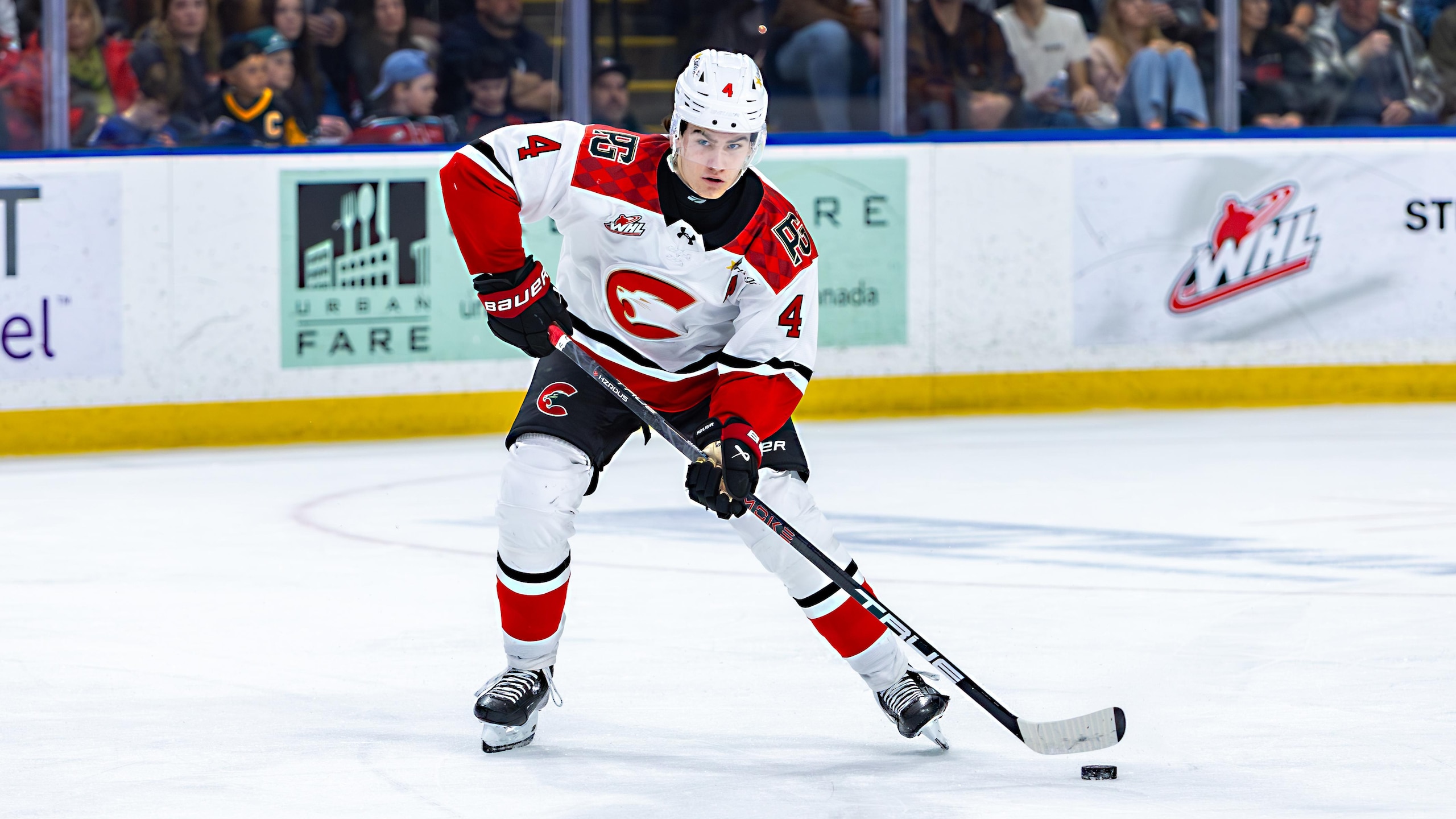
Strengths: Skating, tenacity
Weaknesses: Tools could use some refinement
Another day, another exciting defenseman.
Carson Carels was a bit of a surprise add to the World Junior team for some, as an underage defenseman, but across this whole season, he's more than proved himself as a potential top-10 pick.
I could see him going inside the top five if the right team gets the pick; I certainly don't think he will or should be on the board after No. 10. Right off the bat, he's a great skater, explosive, and agile with a great top speed. He's also relentless each shift; with a recent epidemic of skilled players who lack pace, I have to call out tenacity where I see it and Carels has it in spades.
I also really appreciate a player who uses his physicality effectively, rather than hitting just to hit. It shows intelligence and maturity.
There's a lot of game management happening, particularly in transition, that means he's not taking opportunities that are there, but Carels is also relied on to play heavy minutes; that can be a trade-off. His awareness of his surroundings and the unfolding play is terrific, and I can see him succeeding in multiple roles in the future.
8. Caleb Malhotra, C, Brantford Bulldogs (OHL)
8 of 32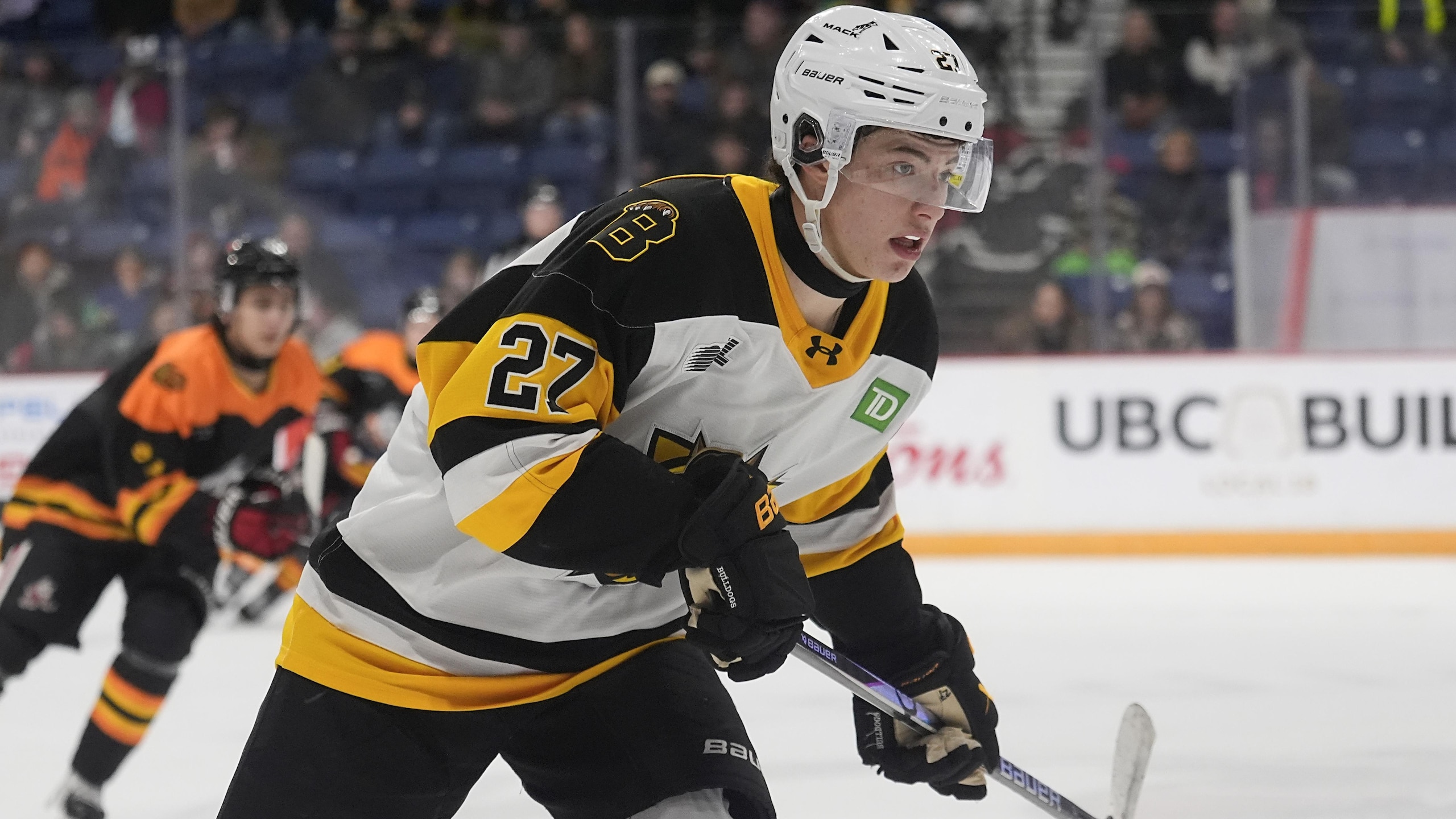
Strengths: Hockey sense, details
Weaknesses: Skating could improve
There are moments when I can be convinced to slot in Caleb Malhotra ahead of Ethan Belchetz (ignore the defensemen in between them for a moment), and I fear those moments might grow and make me more undecided as I continue to rewatch these players.
Malhotra has been steadily and significantly growing on me across the season. He pairs a terrific work ethic with high-end hockey sense, and that alone is a pretty convincing combination these days.
So what else does Malhotra bring to the table that could be a separating factor? For me, it's his attention to detail and the way he takes that careful approach to utilize his hockey sense. He effectively pressures opponents off the puck, and more and more we see him create when he does have it, though it tends to be in cycle situations rather than in transition.
I would prefer to see him continue to grow the creation side of his game so he's a consistent play-driver, rather than supporting teammates, but his B-game/his floor is so high-end that even if he doesn't reach that offensive ceiling, he's going to be a solid NHL player.
9. Alberts Smits, D, Jukurit (Liiga)
9 of 32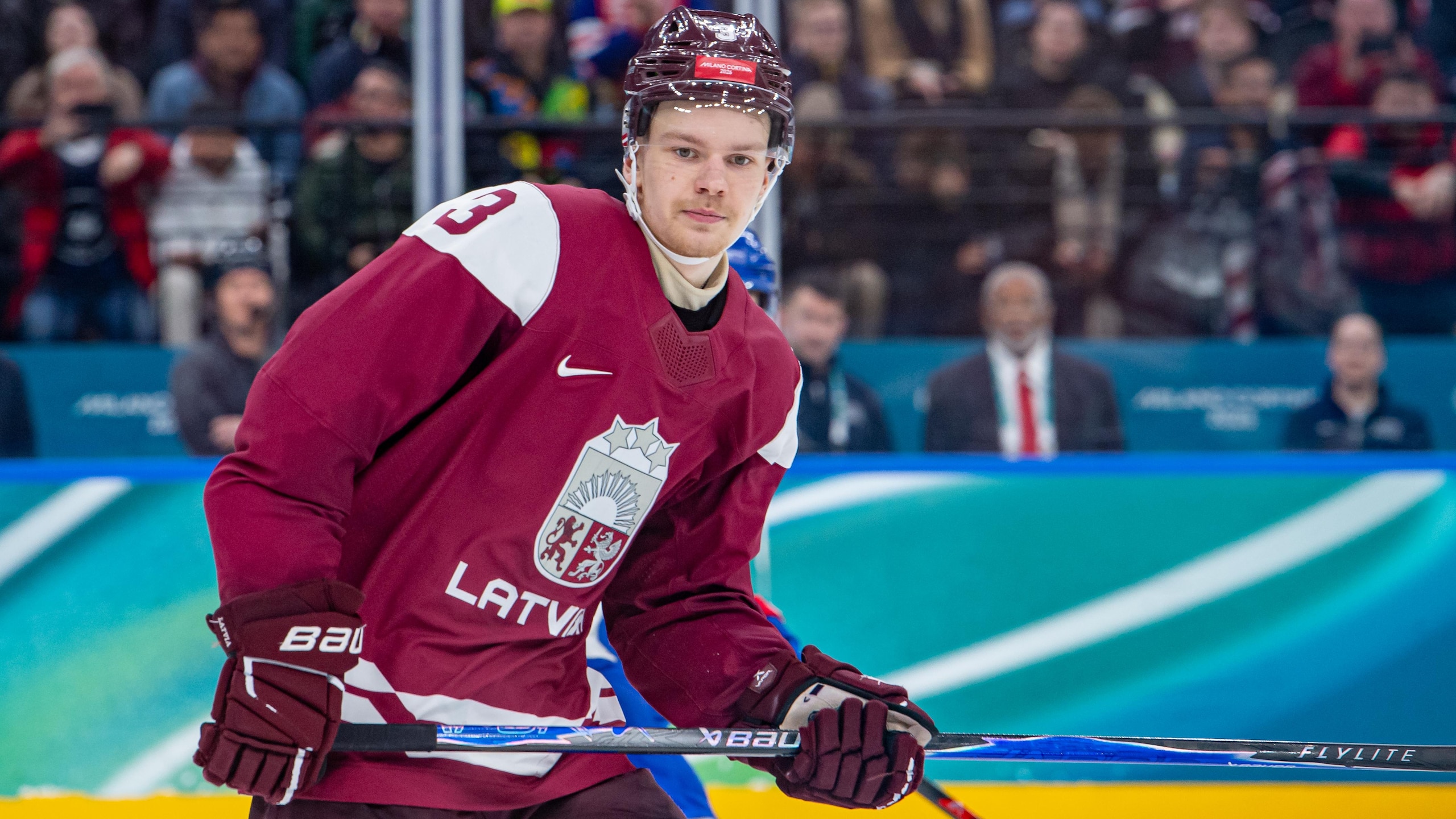
Strengths: Processing, skating
Weaknesses: Decision-making can be chaotic
Another defenseman with lots of skill and great skating. He's also one of several in this draft class who we've seen in a variety of competition levels.
Alberts Smits spent most of the season with Jukurit in the Finnish Liiga, but we also saw him play for Latvia at both the World Juniors and the Olympics, and he left Jukurit to play for EHC München in Germany post-Olympics.
Smits fits the mold we're seeing more of lately, of a defenseman who pairs good physical size with great skating skills, and his physicality and pace are never in question.
While he's intelligent and processes the game at a high level, his decision-making can sometimes get a bit wild. But his positioning and puck skills are sound, and for me, a defenseman who still needs to refine his ability to make the right choice each and every play isn't a red flag when it's paired with other green flags. (It just becomes a red flag later if it doesn't develop.)
He's a good puck-mover who doesn't quit on a play, and that's a terrific base to build on.
10. Tynan Lawrence, C, Boston University (NCAA)
10 of 32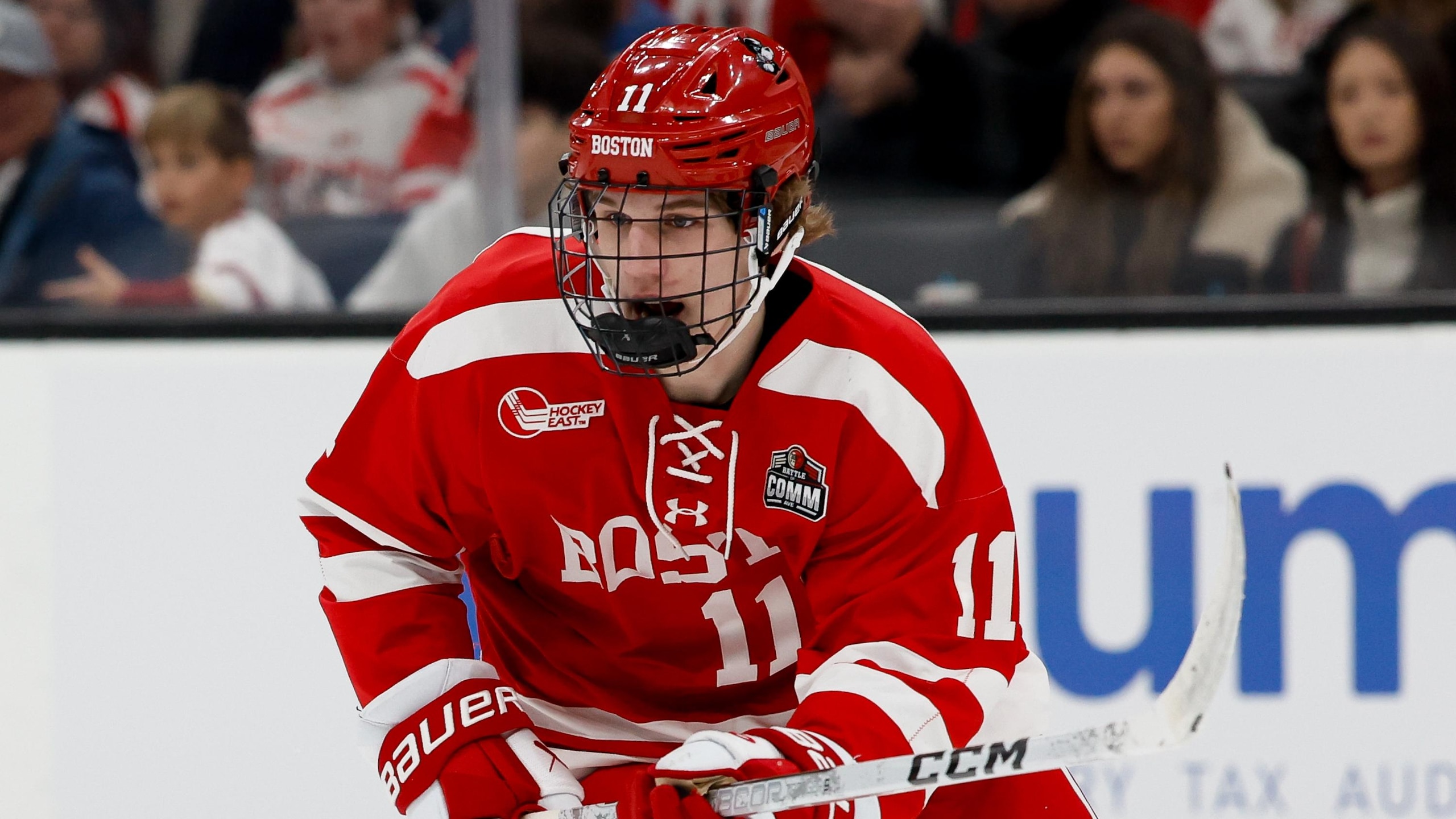
Strengths: Intelligence
Weaknesses: Consistency
I spent most of the season after Tynan Lawrence made the jump to college hockey (and frankly also before) waiting to be convinced that he was the slam-dunk top-five pick I'd been hearing people call him, but I never quite was.
There's nothing wrong with that—I still think he is an effective player and a reasonable top-10 pick in this draft class—but I do fear he's been overhyped at times.
He's incredibly intelligent and can use that intelligence at the game's top speeds. I'm still waiting for him to use those smarts in a game-breaking way, but it's a fair assumption that it will come next season when he's not changing environments midstream.
Speaking of speed, he's got it to spare, and his overall skating ability benefits him greatly when he doesn't have the puck and is menacing opponents to get it back, closing distances with ease.
He brings great pace, and his engagement levels never concern me (something I definitely cannot say for everyone in this class). He's one I'll really be watching at the U18 World Championships out of more curiosity than anything else; his pace and processing are good, but I am not yet convinced we have a great sense of who he is against his peers.
11. Adam Novotny, LW/RW, Peterborough Petes (OHL)
11 of 32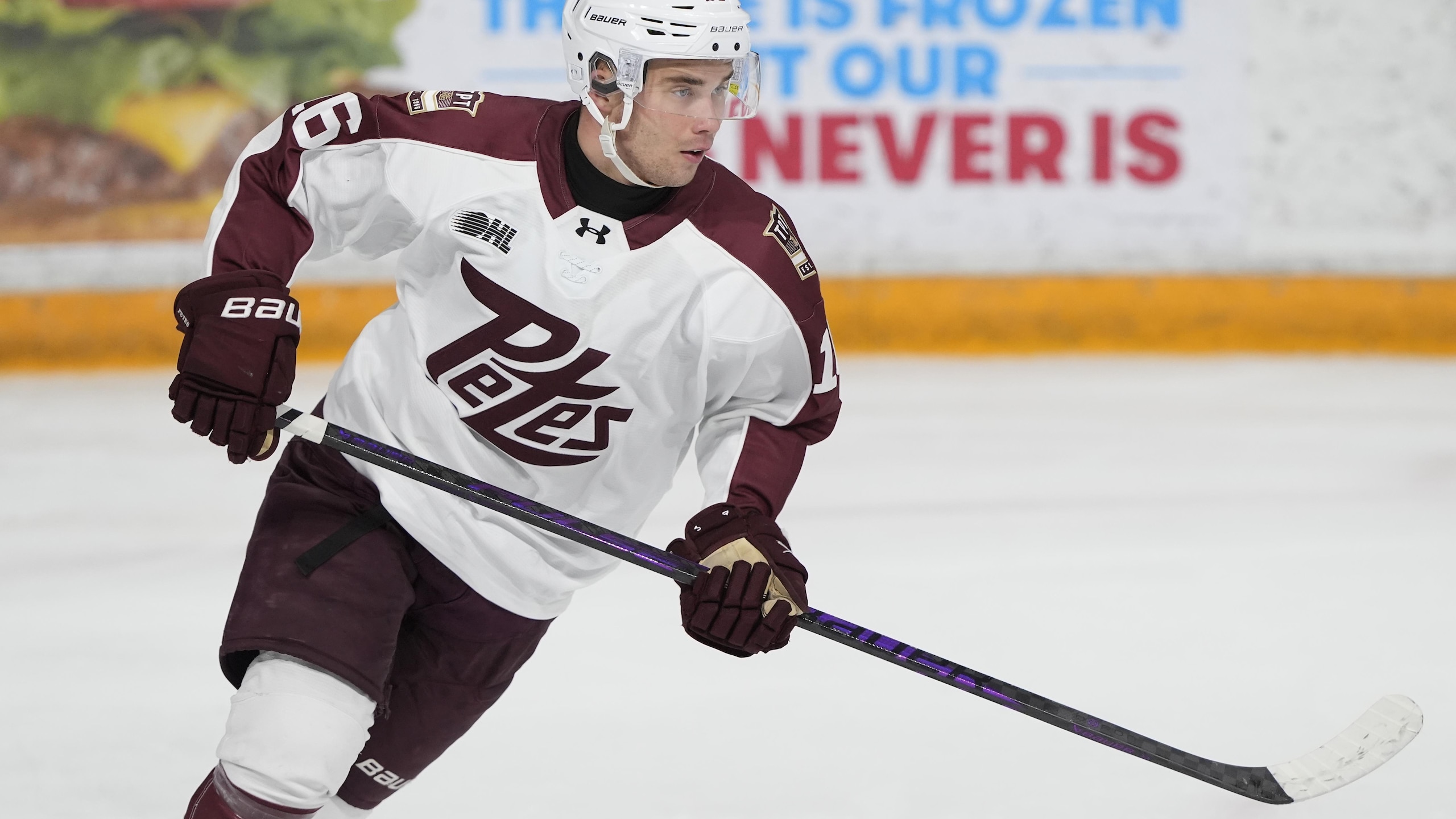
Strengths: Skating
Weaknesses: Would love to see him create more offensively
If you are a defender who has to go up against Adam Novotny one on one, make peace with whatever higher power you believe in now. You aren't the one who is coming out of that scenario with the puck.
Every time I watch him play, I have the urge to bump him higher on my draft board, whether that's logical or not; it's just a product of how well-rounded his game is and, frankly, how good his skating is. I would argue that it is among the best in this draft class.
He's incredibly efficient, impacting all areas of the game and menacing opponents both when he has the puck and when he doesn't. He can create on the cycle and off the rush, and it has felt like his offensive game has been developing further, even over the latter half of this season.
He's intense on the forecheck, and he's got speed that will burn most opponents. I want to see him in a place that lets the more offensive side of his game flourish, because I have a feeling that side may be affected by his environment rather than by a ceiling on his abilities.
12. Oscar Hemming, F, Boston College (NCAA)
12 of 32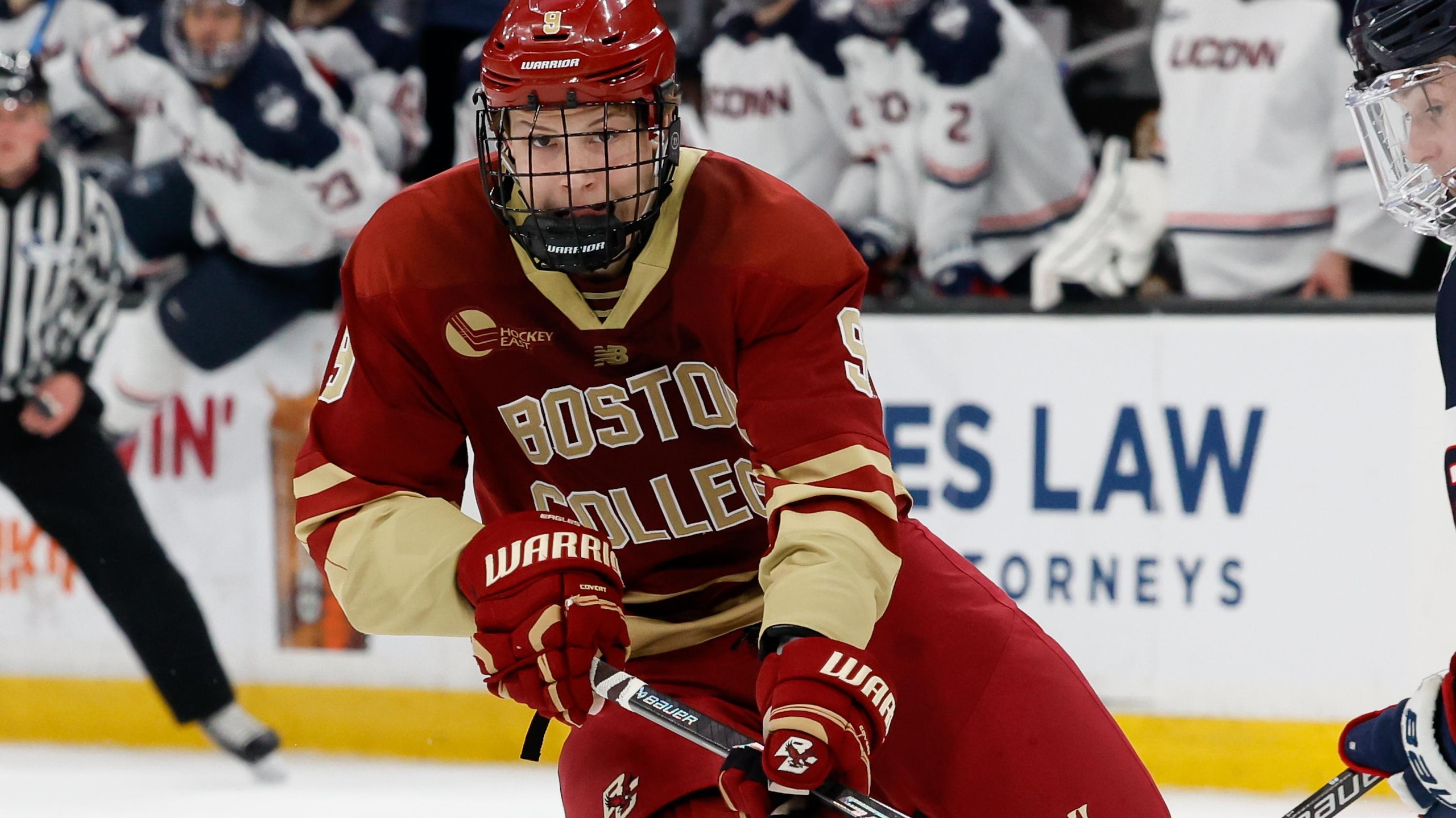
Strengths: Awareness, physicality
Weaknesses: Consistency in creation
Forward Oscar Hemming at 12 is another one of those bets on potential swings we talked about. I want you to ignore the numbers, scoring-wise, and just look at his tools, because the tools show a player who, at best, is going to be a solid top-six power forward in the NHL and whose floor appears to be an efficient third-liner with a strong defensive game.
That's not a bad projection, all things considered. I go back and forth on his skating; his acceleration is decent, but he still lacks a true separating factor. With a good skating coach, some of the rough edges can be smoothed off there.
His awareness is one of the shining lights of his game, allowing him to always know where he needs to be and allowing him to support linemates who have the elite creation skills he doesn't.
And he has shown moments of creative ability and even flashes of dynamic potential, including some really crafty passes. Positioning is consistently sound, the physical side of his game is strong; now we just need to get him using that playmaking skill on a nightly basis.
Even if he doesn't, though, the combination of defensive impact and support for linemates is projecting really nicely right now.
13. Viggo Bjorck, C/RW, Djurgardens IF
13 of 32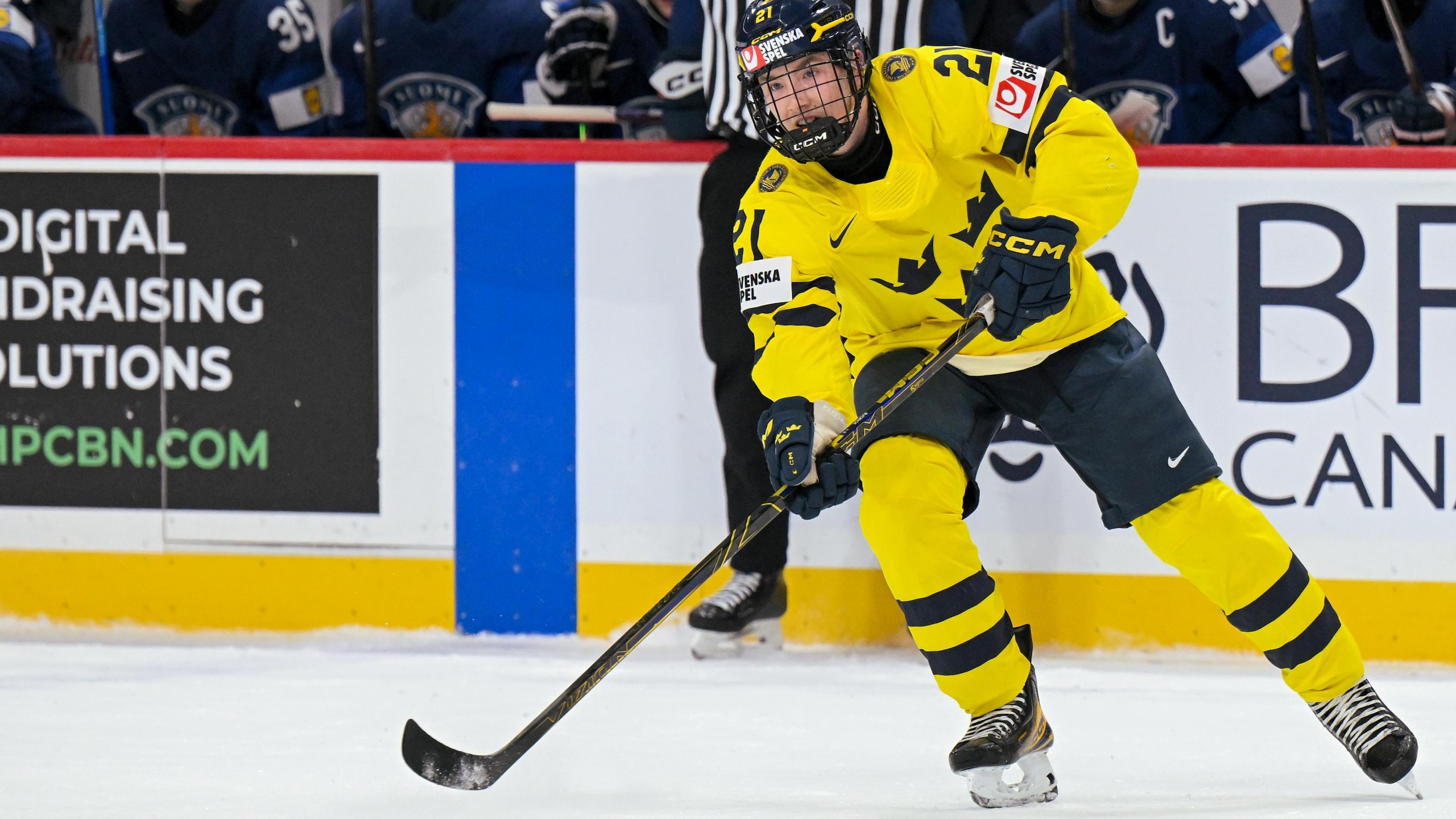
Strengths: Motor, puck skills
Weaknesses: Can defer to the safe choice too much
I am not strictly stuck on Viggo Bjorck at 13 as much as I am convinced he belongs somewhere in the zone of picks 9 to 14.
This, of course, means nothing if a team before that zone gets a wild hair to select him, but we're not psychic.
Bjorck spent most of the season holding his own in Sweden's top men's professional league, but we also got several opportunities to see him at the U20 level against his peer group, which I'm grateful for.
He's very intelligent, which is a benefit that can also come back to bite him: he's too aware of the options available to him and can often defer to the less risky choice when he should select a different play.
Bjorck is very skilled with the puck, and he doesn't have an off switch; the combination of intelligence and responsibility is probably why he was being used in all situations in the top men's league at 17. But there's still room for him to add a layer of deception or creativity to his playmaking.
Right now, I don't feel like he's going to be a unique difference-maker on his own, but rather a smart, supportive player who can be trusted anywhere on the ice. His physicality might end up being a limiting factor down the road.
14. Ryan Lin, D, Vancouver Giants (WHL)
14 of 32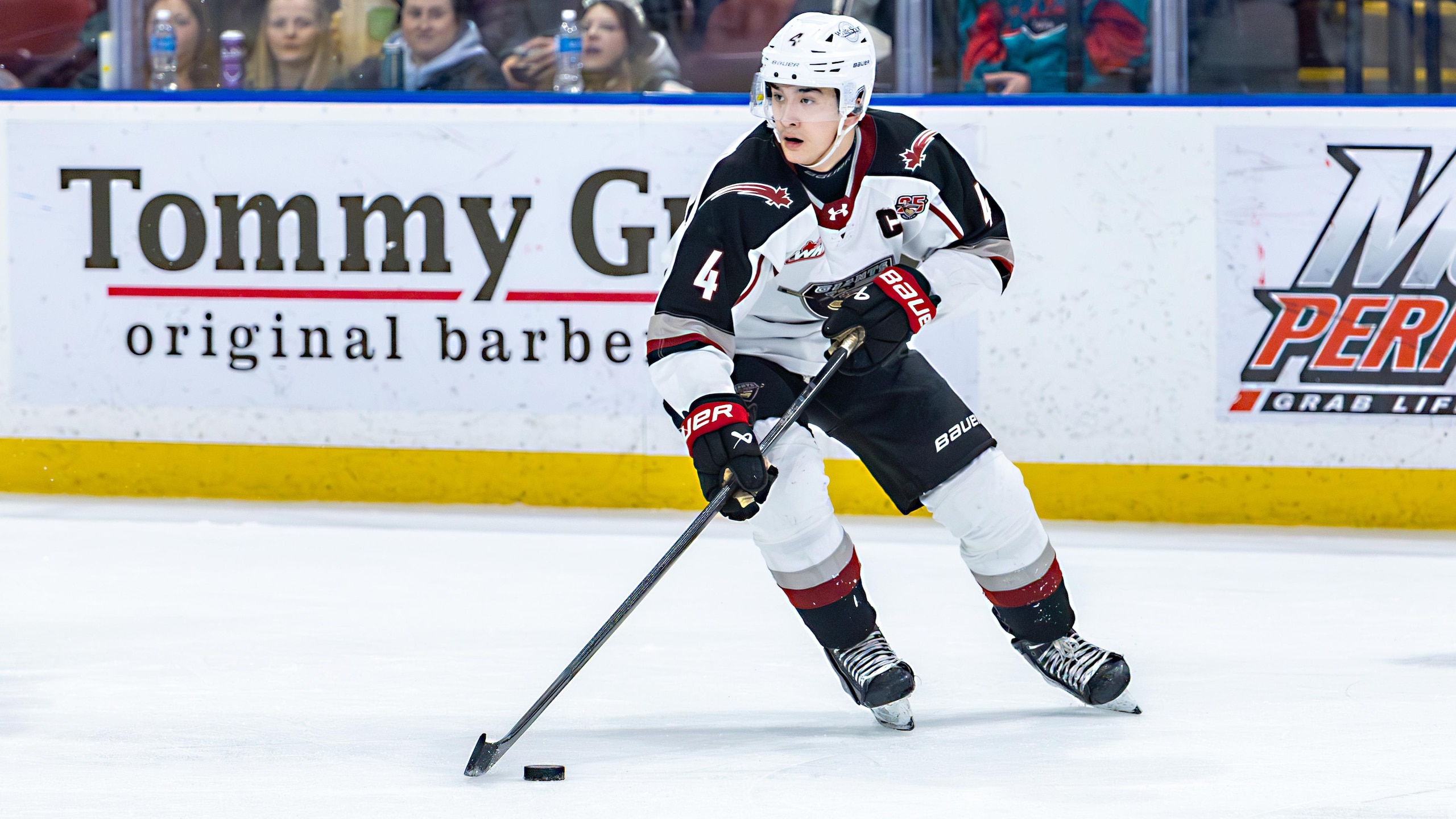
Strengths: Intelligence, edgework
Weaknesses: Creation needs improvement
Is it weird that I'm more excited about a lot of the defensemen in this draft class than I am the forwards?
Ryan Lin is another in a long list of defensemen in this first round that I just plain enjoy watching. Which made it even sadder when he missed a good chunk of the season with an injury, though he was able to return for the end of the regular season and finish with 53 games total.
He's such a cutting player, consistently engaged and able to suffocate his opponents defensively.
Don't let the defensive compliments or the note of creation needing improvement fool you; he does bring offensive skill to the table as well. His detail game is high-end, particularly his stick work, and his skating is swoon-worthy, with edges and agility that cannot be denied. He's a little on the smaller side comparatively (he's 5'11"), but that's not a limiting factor in his play.
His puck control and reads are mature for his age and experience level. If he can add another layer of creating himself offensively, rather than deferring and feeding to teammates, he'll be even more unstoppable—and even easier to project at the NHL level.
15. Oliver Suvanto, C, Tappara (Liiga)
15 of 32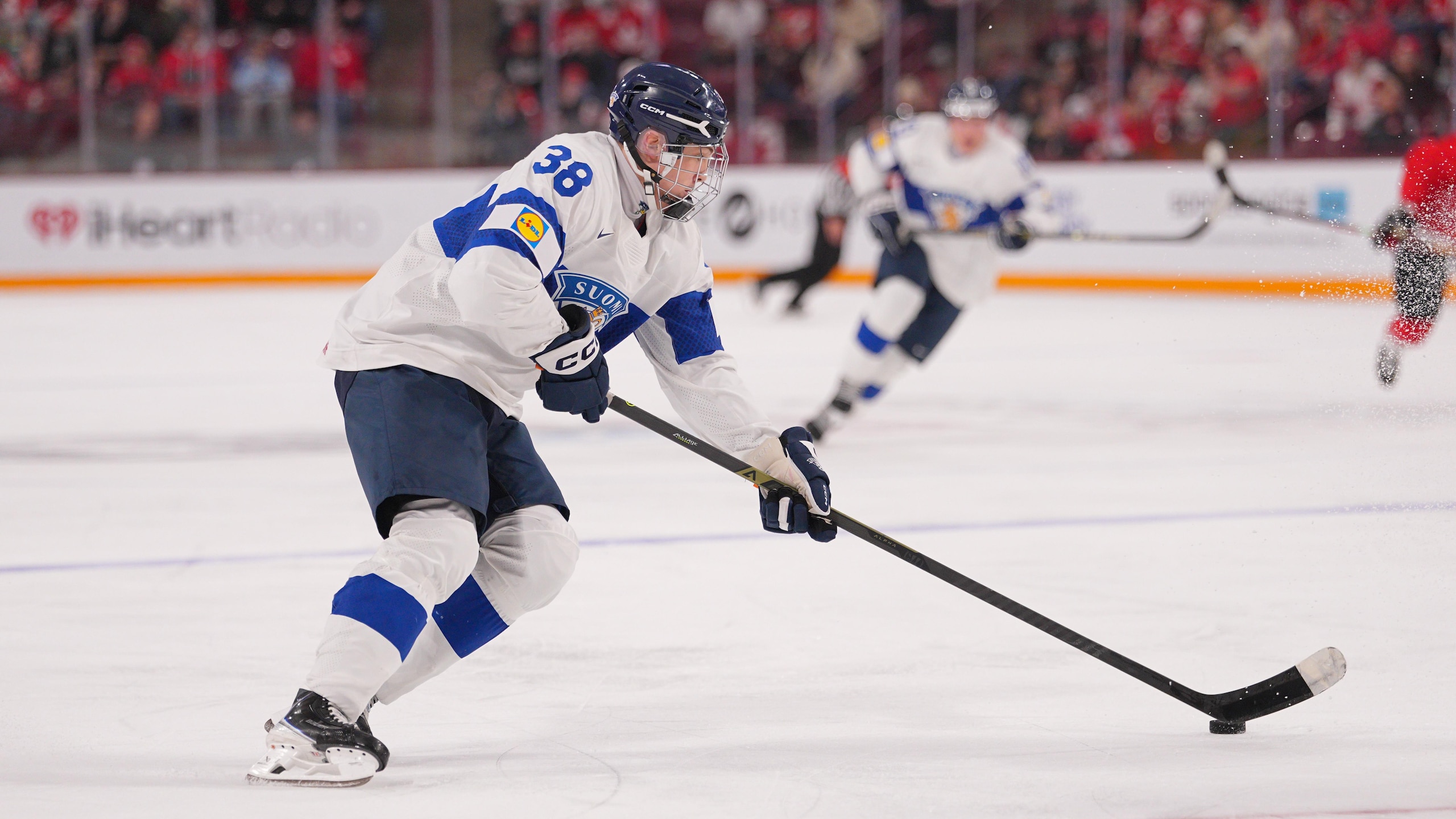
Strengths: High-end hockey sense
Weaknesses: Not a huge amount of offensive output which can camouflage his value
Oliver Suvanto's NHL future is, at its best, as a true two-way center—a stabilizing force for linemates who take a more dynamic approach to offense.
He's the type of player most teams hope for when they draft a "200-foot player," even though it's rarely what they actually get. He's not consistently that guy right now, but the signs are very positive, and there are moments when you can see it clearly.
He's not a huge numbers guy when it comes to offensive output, but don't let that trick you into thinking he doesn't have a big impact on the game and the way the play unfolds.
He's incredibly intelligent and plays a mature game despite being one of the younger players in this draft class.
That being said, I would like to see him create a bit more, growing his offensive contributions and perhaps even adding some manipulation to his game; there are flashes, moments that indicate he is capable of more in this area, and I'd like to see him kick it into another gear.
16. Daxon Rudolph, D, Prince Albert Raiders (WHL)
16 of 32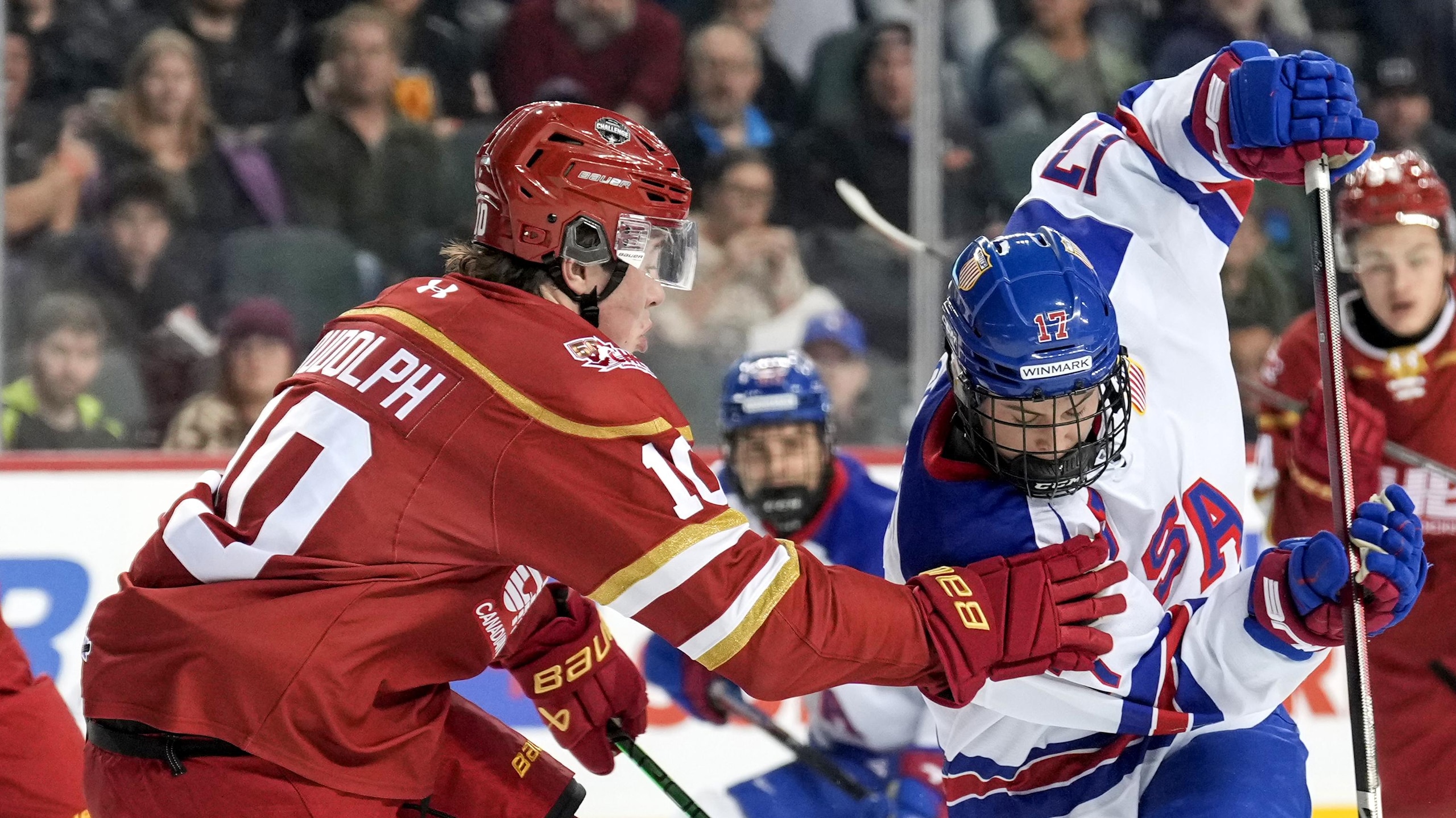
Strengths: Intelligence, stick work
Weaknesses: Would love to see his physical game be more strategic/deliberate
Quite a few players in this year's draft have more of a zone than a particular pick for me—I've put Prince Albert Raiders defenseman Daxon Rudolph at 16, for example, but I really think he's a justifiable pick anywhere between 14 and 18.
He's such a smart player, reading and selecting plays at a high level and displaying solid decision-making most of the time. He also brings NHL size, though he could stand to utilize his size more deliberately than just throwing heavy hits.
It's nice to see a defenseman his age who isn't just a one-trick pony when it comes to offense; Rudolph brings deception to his passing game and creates in a variety of situations.
He's also got a solid shot. His stick work is high-end, making those passes and breaking up opponents' passes in equal measure, and a particular highlight of that tool is his timing. Though I would like to see more urgency in his one-on-one defending, you can't fault his puck recovery.
17. Malte Gustafsson, D, HV71 (SHL)
17 of 32Strengths: Awareness, puck handling
Weaknesses: Offensive consistency
Malte Gustafsson is just one of many highly ranked Swedes available in this year's first round.
Gustafsson splitting his time between HV71's SHL team and the U20 team (with a few U18 games at the right moments, for good measure) means we've gotten to see him against a variety of opponents and at a variety of experience levels, which wreaks havoc on consistency but is good exposure for the player nonetheless.
I would say Gustafsson is one of the more high-risk, high-reward defenders available in this round, but I would also say he's worth the risk—definitely more so than some of the others. He's a cerebral guy, his high-end awareness allowing him to quickly close gaps and create effective passes to teammates.
While his primary skill set is on the defensive side of things, Gustafsson is aggressive on the rush and always tracking threats anywhere on the ice (not just the person with the puck). He also has solid offensive abilities.
Any flashes of interesting offensive creation tend to be seen at the lower levels he's played, while his offensive game has been simpler against SHL opponents, which goes back to that awareness and processing of the game. It shows he's able to think through and select what he feels is most likely to succeed against his opponents and adapt.
That said, he needs to keep an eye on that tendency and make sure it doesn't lead him to defer too much at higher levels as his game develops and improves.
18. Nikita Klepov, LW, Saginaw Spirit
18 of 32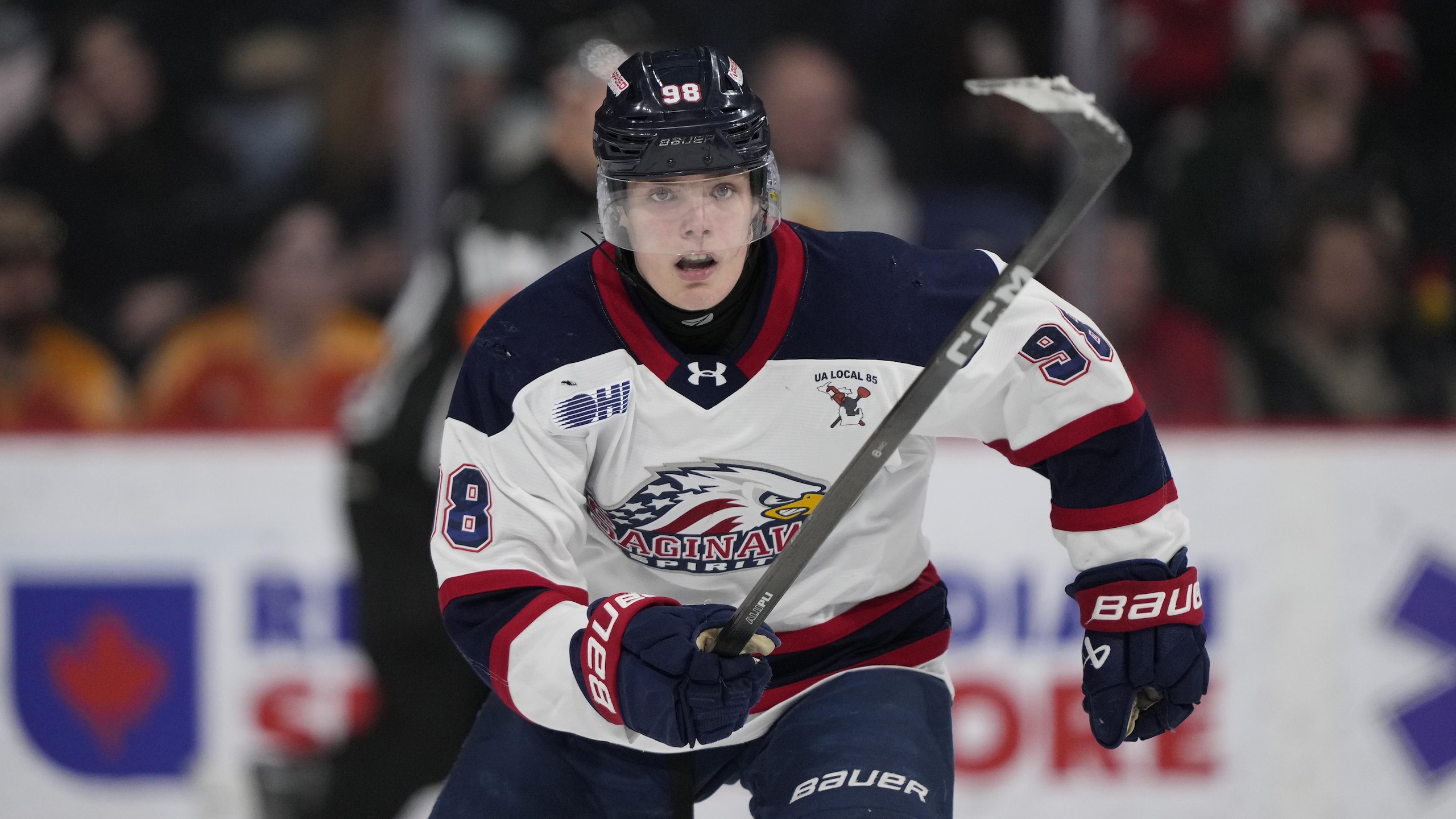
Strengths: High-end processing, motor
Weaknesses: Skating mechanics make separation difficult
While I've bounced him around in our mock drafts in terms of where I think he could go, I knew that for this board, I had to reveal my true feelings on where I think Nikita Klepov should be selected.
And it's right here, somewhere around the middle of the round—I would say anywhere between about 17 and 22 feels right. Klepov didn't win the OHL scoring title by chance; his 97 points didn't come from feeding off teammates.
It won't surprise you to hear that this skilled winger is a Michigan State University commit (a disappointing moment for me, realizing that since Porter Martone signed with the Flyers, we won't get to see them play together).
He processes the game at such a high level, and he is relentless each time he steps onto the ice. His playmaking still comes in flashes more than consistently, but in a way that suggests he will become consistent there over time. He's also constantly engaged off the puck.
Get this kid a skating coach to fix those wonky mechanics stat, so that he can get a separating factor in his speed.
19. Yegor Shilov, C, Victoriaville Tigres (QMJHL)
19 of 32Strengths: Hockey IQ, stickwork
Weaknesses: Can lack engagement and pace
Victoriaville Tigres center Yegor Shilov is taking one of the more intriguing paths to the NHL: the NCAA via a stop in the QMJHL (he's headed to Boston University in the fall).
It's a concept I like in theory, and love in practice for Shilov, as it feels tailor-made to develop him well.
Watching him, it's evident that his hockey sense and ability to read and select plays are excellent; it is equally as evident that his pace and urgency are lacking.
It isn't enough to have fantastic stickwork or high-end puck carrying abilities if you lack the engagement levels to truly make those skills a threat night in and night out. It certainly won't fly at the NHL level, and it's frustrating to watch someone with so much potential glide along in moments where more than just gliding is necessary.
Fortunately, the tough competition and high pace of NCAA hockey will force Shilov to smooth out those divots in his game and keep him engaged play after play. And I do think he'll rise to the occasion.
20. Ilia Morozov, F, Miami University (NCAA)
20 of 32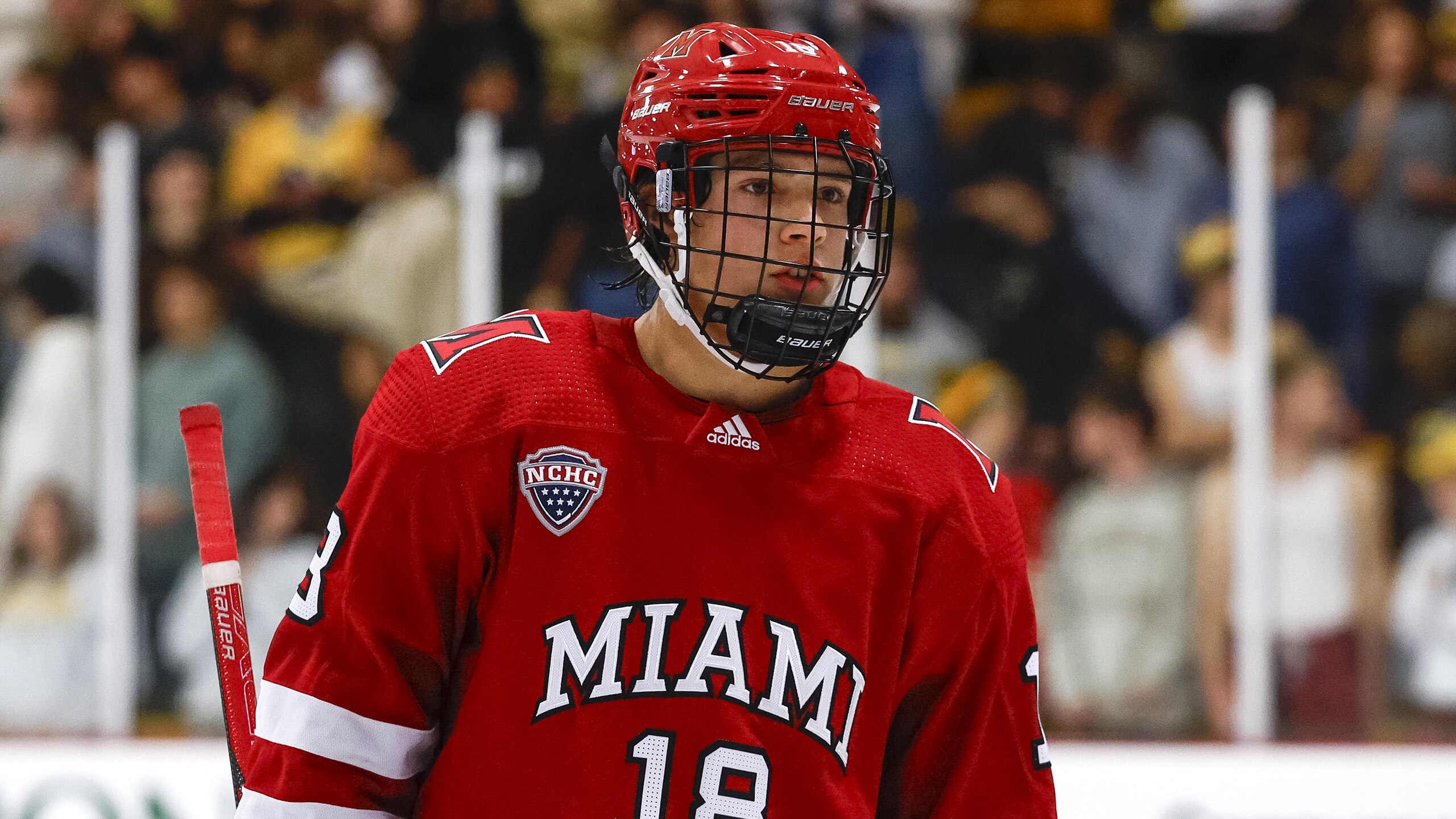
Strengths: Problem-solving, vision
Weaknesses: Overconfidence, overcomplicating plays
My feelings about this year's draft are all over the place, but I don't think there's a universe in which Ilia Morozov is not a smart pick at 20 or anywhere after. I honestly expect him to go higher; he's at 20 for me because I like other players more, not because I like him less.
Morozov spent the season as the youngest player in college hockey (he doesn't turn 18 until August 3rd of this year), yet we still tuned in to see him frustrate older, more experienced opponents and make an impact game after game.
His defensive anticipation is already high-end—high praise for any draft-eligible player, much less the youngest in his league—and his engagement levels are high.
Central Scouting initially labeled him a B-grade player, and I was very glad to see that change (though I think they overcorrected a bit).
Morozov problem-solves well, reading the ice and selecting his options effectively, and you can trust him in just about any situation. I want to see him use that vision to boost his playmaking abilities to another level next season.
21. Giorgos Pantelas, D, Brandon Wheat Kings (WHL)
21 of 32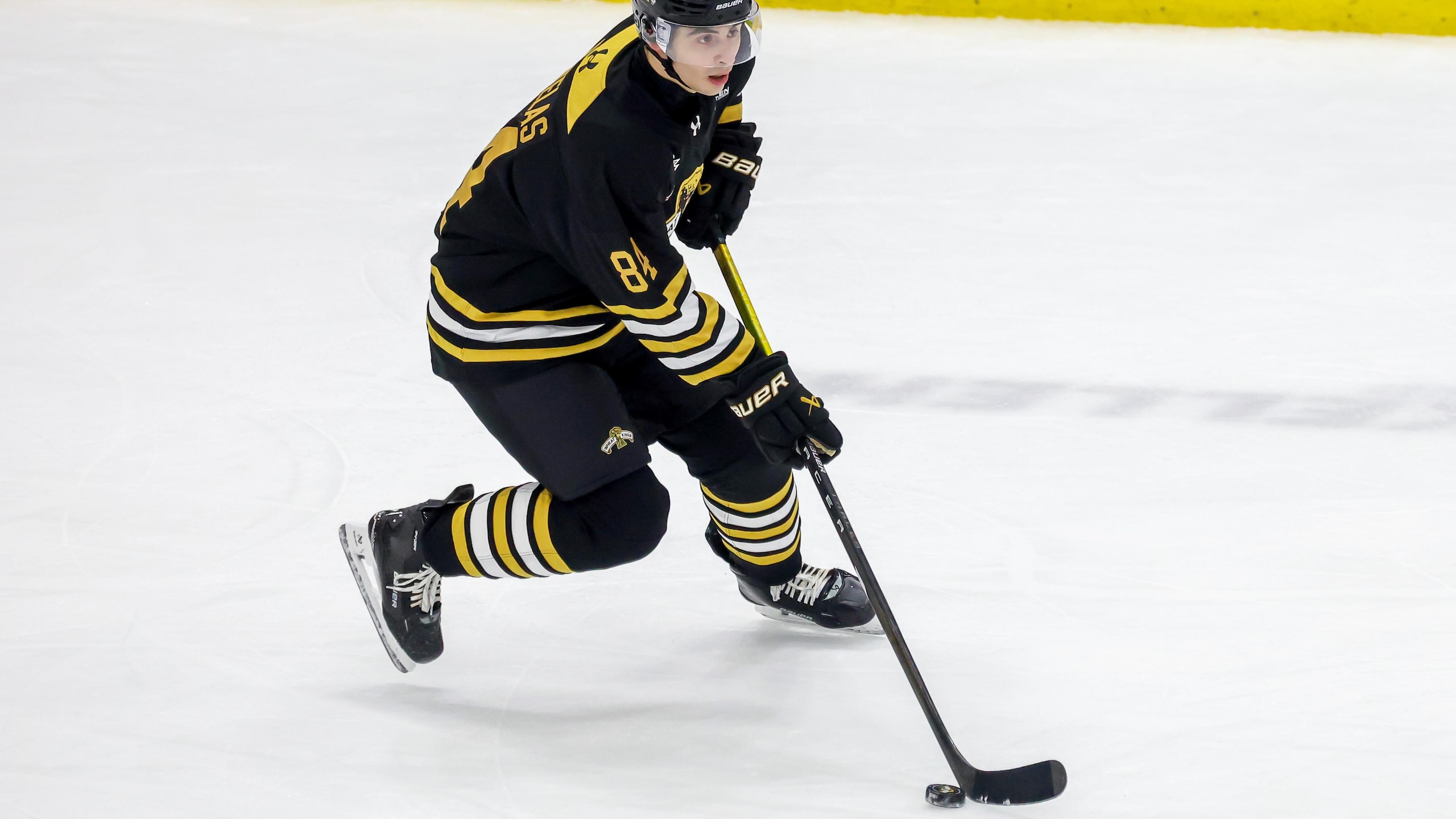
Strengths: Transition play, tenacity
Weaknesses: Can get overconfident with hits or one-on-one plays
Every year, there's "a guy" that a team overcommits to and drafts a little higher than they should, and I think Giorgos Pantelas has the potential to be that guy this year.
Don't take that as an insult; I love Pantelas and the potential for what he could grow into, and if a team wants to take a swing, I applaud them. I would argue that, in fact, there's less risk in doing so this year than in other years.
His transition play is absurd (positive), with excellent manipulation and passing, and he brings NHL size and confidence out of his ears.
That confidence can be a double-edged sword, though, leading him to chase hits or overcommit on one-on-one plays that his skill set isn't quite refined enough to win yet.
He's great at driving his opponents crazy, and I love his moxie. At the end of the day, I think the skills can be refined to rise to meet that.
22. Nikita Shcherbakov, D, Tolpar Ufa (MHL)
22 of 32Strengths: Agility and edgework
Weaknesses: Decision-making
Defenseman Nikita Shcherbakov has split time between the KHL, the VHL, and the MHL this season, with the majority of his games (35) coming with the VHL's Toros Neftekamsk, though he finished out the season with Tolpar Ufa of the MHL.
It can be challenging to get a good gauge of players when they're in multiple leagues across a season, so the best thing to do is focus on the tools themselves and how consistently they're used, as well as whether they seem projectable to the NHL.
I think the raw talent we've seen from Shcherbakov this season could make him worth a swing, especially for the right team (and definitely not for teams that don't prioritize development, on the other hand). That raw talent is displayed in tools such as edgework and puck retrieval, as well as his agility, particularly in transition. He can appear fearless on the breakout and is a successful passer.
I question his defensive awareness at times, which isn't something that you want from a defenseman who doesn't have the rest of the package pulled together yet, but he's intriguing nonetheless.
23. Jaxon Cover, LW, London Knights (OHL)
23 of 32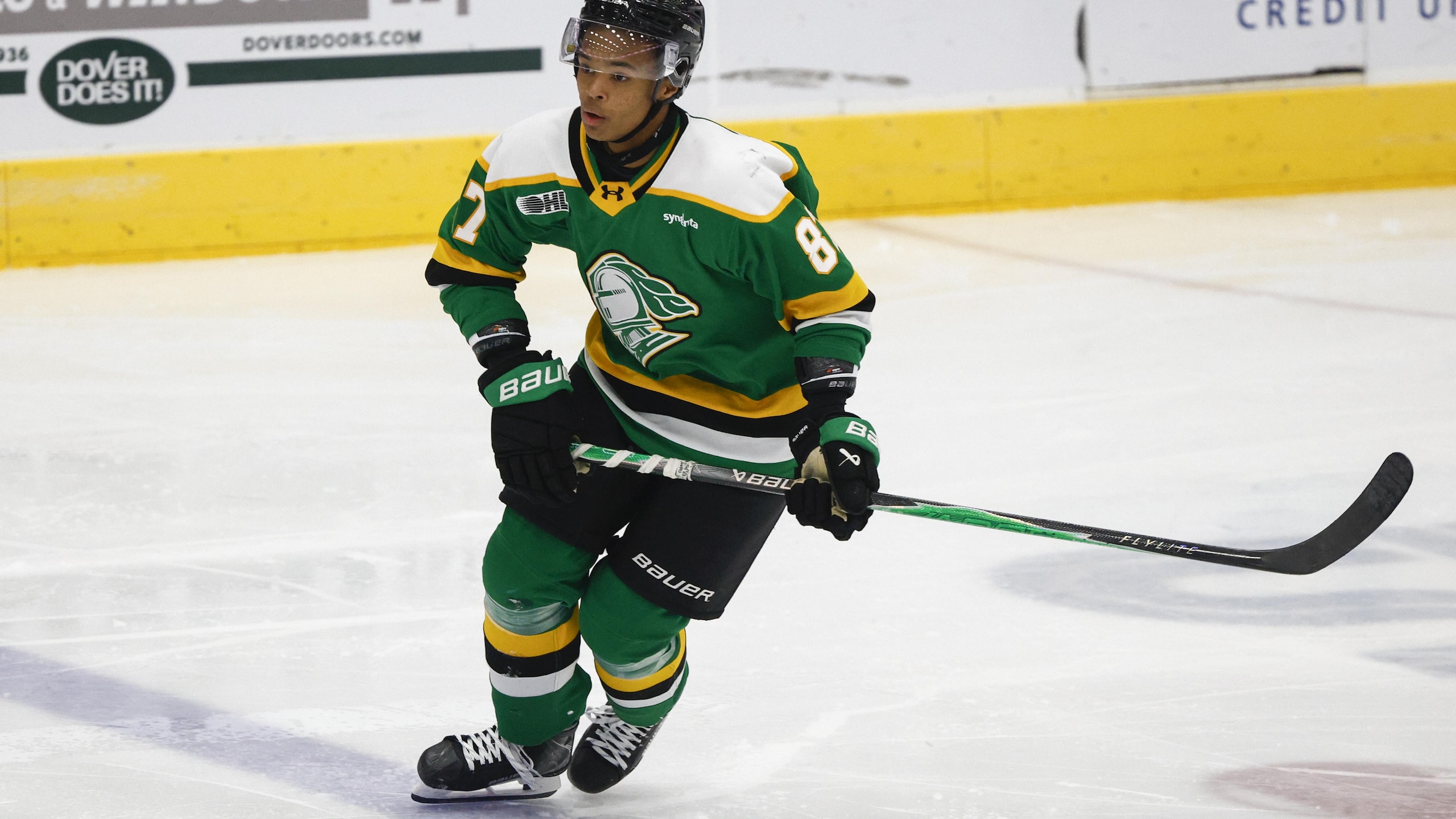
Strengths: Puck handling
Weaknesses: Refinement, off-puck awareness
It's always fun when you find a guy whose skill set could possibly be one of the best in the draft class, but it's still so raw that he's definitely not a top prospect.
Who is Jaxon Cover going to become as a player? We don't know yet, but I'm so excited to find out. Here's what I can tell you: he started out playing inline hockey and has only been playing ice hockey for five years; he grew up in the Cayman Islands; and he's got The London Knights Curse. That's when you're stuck playing behind older, more developed prospects because you're on the most perpetually stacked team in junior hockey, so you don't quite get the opportunities or attention you would in other places.
His puckhandling is fantastic, and while I definitely think his decision-making could use work, that's the kind of thing that you refine with consistent high-minute opportunities. He's primed for a breakout next year in both points and playing time, in which to refine that decision-making and defensive awareness.
I really like his potential, and since every guy below about 10 in this draft carries some level of risk, to me he's more worth the swing than others.
24. Wyatt Cullen, LW, USNTDP
24 of 32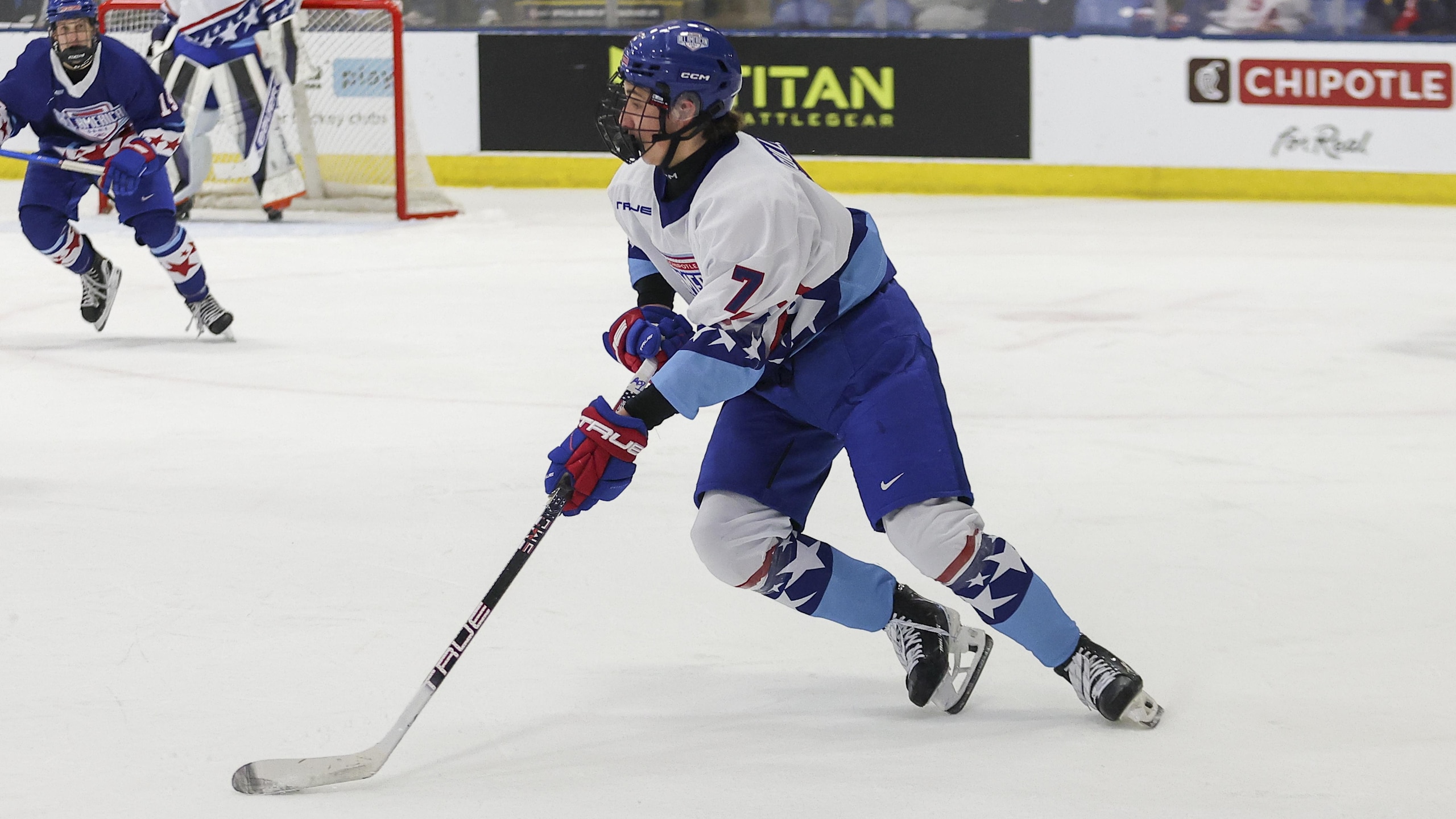
Strengths: Skating, hockey sense
Weaknesses: Can shy away from contact
You're telling me Matt Cullen's son is constantly engaged when he's on the ice, a great skater, and has a high hockey IQ? Knock me over with a feather. And God bless him, he doesn't cherry-pick his offense.
I've been driven up the wall by forwards who love to float around and carefully choose their moments over the last couple of seasons, so it's always a delight when someone doesn't.
I love basically all of his tools, and have yet to have a single viewing of him where I didn't like something about his game. He's still a raw player, and he needs to develop his physical game more—I've seen him shy away from contact at times—but he's consistently engaged and has shown moments of deception against USHL opponents.
I'd love to see that against higher-level opponents when he joins the Minnesota Gophers next season, where he'll have ample opportunity to work on that physical game.
25. Alexander Command, C, Orebro HK (SHL)
25 of 32Strengths: Vision, maturity
Weaknesses: Skating speed, production consistency
Swedish center Alexander Command is a player who has grown on me across the season, though whether that's entirely a product of his own play or just because he's irritated me less than other players remains to be seen.
His maturity of play as a draft-eligible at the SHL level is so enjoyable, and you can consistently see that maturity and command (if you'll forgive the wordplay) in one-on-one moments.
His skating isn't the greatest out there, and, in particular, he could stand to add speed to his game to give it a more distinct edge; the NHL is becoming unforgiving in that respect. But he's strong at both ends of the ice, and his intelligence really shines through.
I don't know that I would call any of his tools "elite," but quite a few of them surpass the "good" level, and he puts the package together well.
26. Elton Hermansson, RW/LW, MoDo Hockey (Hockey Allsvenskan)
26 of 32Strengths: Stick work, edgework
Weaknesses: Skating posture, decision-making
Elton Hermansson, much like almost every player in this draft, is a guy where you're betting on upside, whether he'll live up to his potential. If he does, you're getting one heck of a player.
His top speeds and edges when he's skating are terrific, and his stick work is just one high-end tool that makes him a crafty playmaker. He's not a one-dimensional guy in the slightest, and that in itself will be a relief for some teams.
That being said, there are moments where his decision-making can be questionable, and he makes errors that aren't a result of some crafty play by an opponent.
I also don't think we've seen that playmaking and creativity at a consistent enough level for my gut to feel sure it translates to the NHL—sometimes there's no creativity at all. I think his B-game makes the risk worth taking, though.
27. Mathis Preston, RW, Vancouver Giants (WHL)
27 of 32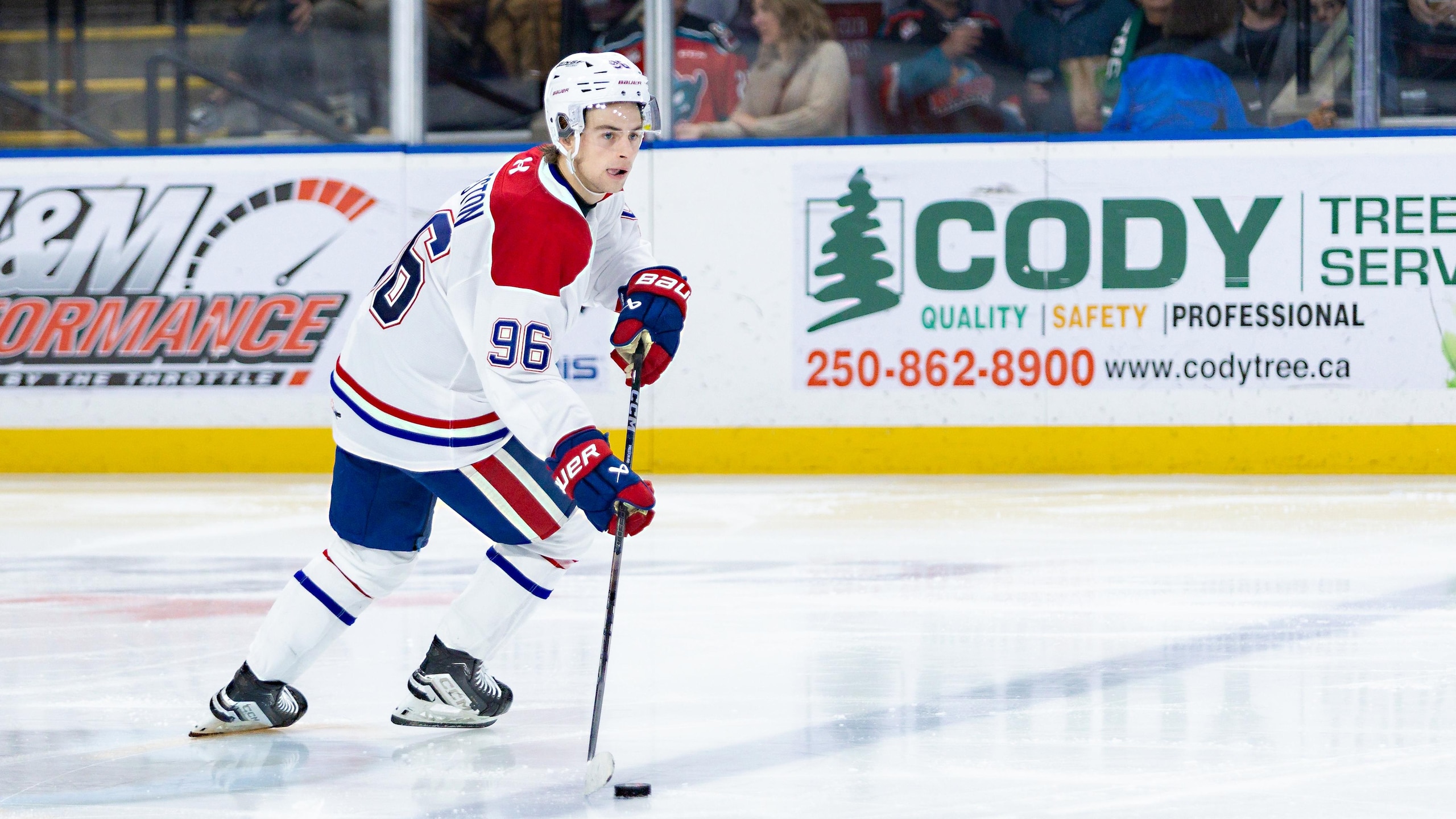
Strengths: Stick work, skating
Weaknesses: Offensive consistency
Vancouver Giants forward Mathis Preston is another player who lost a significant amount of his draft season to injury, not long after being traded to the Giants from the Spokane Chiefs.
For that reason, my labeling "offensive consistency" as one of his weaknesses comes with an asterisk—he can sometimes struggle with possession, but maybe we just didn't get to see enough of him this season to see it develop. It's my hope we'll see more of that consistency next year.
For what we do know: Preston's skating and stick work are excellent, and I could watch him problem-solve in high-pressure situations all day long. There's so much to like here.
All of that said, I would like to see more engagement away from the puck, because there's work to be done there.
28. Ryan Roobroeck, C, Niagara IceDogs (OHL)
28 of 32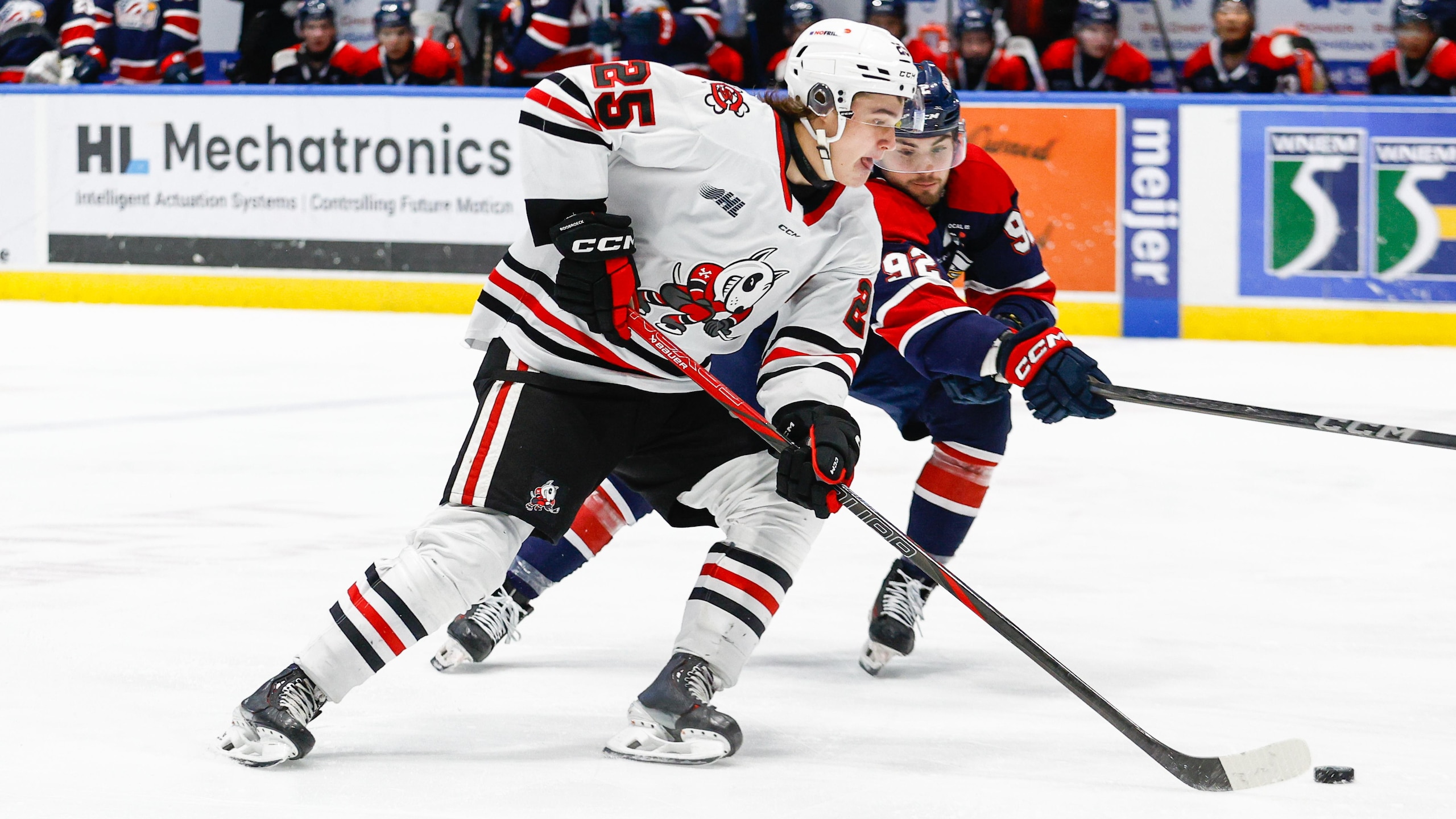
Strengths: NHL-calibre shot
Weaknesses: Pace needs improvement
Stop me if you've heard this one before: a forward with elite-level tools, including a shot that is already NHL-caliber, who plays like he's dancing to the tempo of a Jack-in-the-box. No urgency.
Admittedly, that is an exaggerated analogy, but Ryan Roobroeck's game has been one of the more frustrating I've watched this season. He's got the skills under his belt. So where's the urgency?
I will say there was some improvement in that area over the second half of the season, and there will definitely be teams that like his tools enough to take that shot. But he epitomizes what I said at the start about this draft class being one that involves a lot of betting on potential.
If his potential plays out, there's a great playmaker and scorer to be had, and I hope that's what we see when he turns pro. But he's going to have to prove he can stay consistently engaged in play.
29. Juho Piiparinen, D, Tappara (Liiga)
29 of 32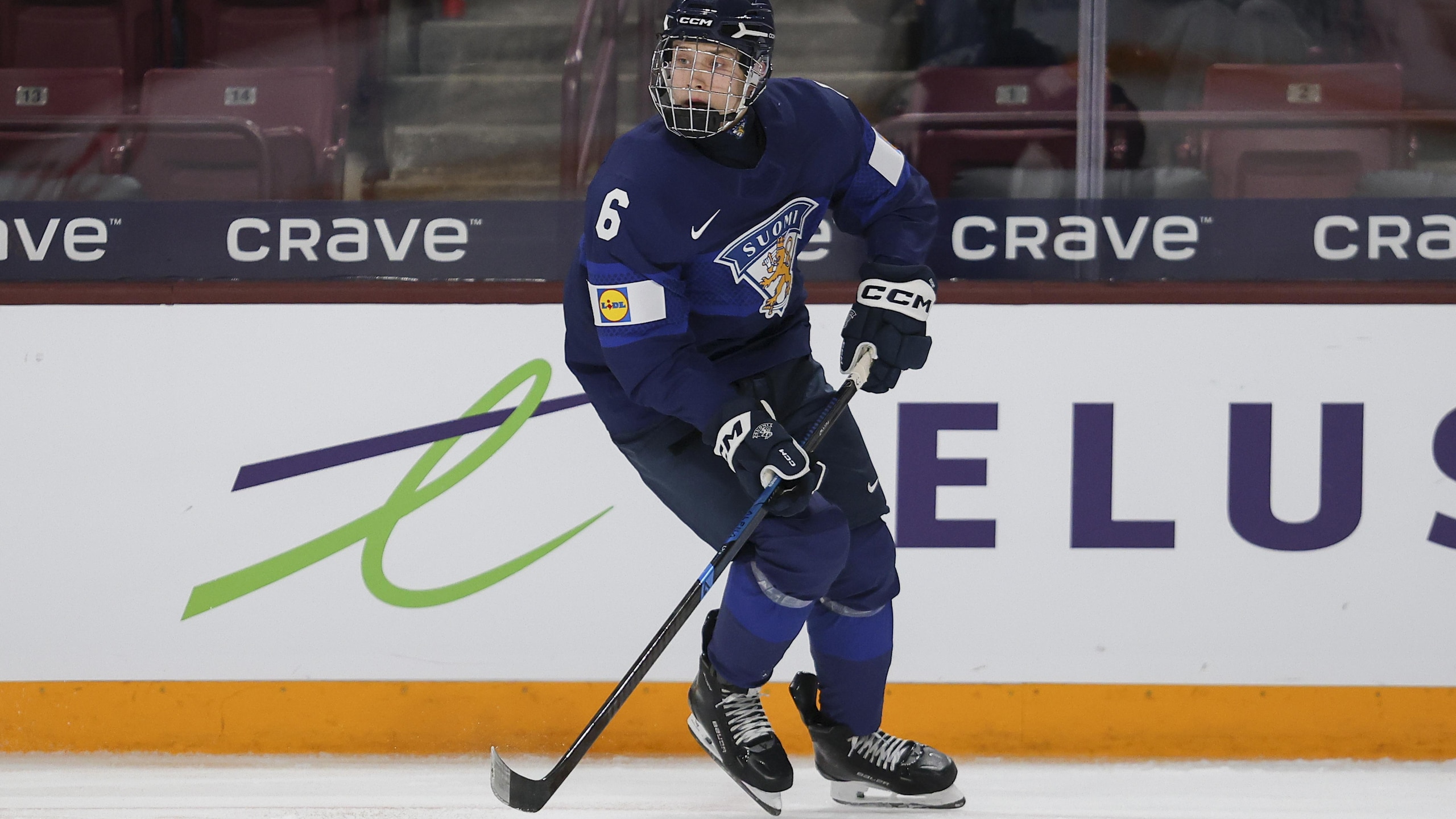
Strengths: Passing, poise under pressure
Weaknesses: Skating could use explosiveness, needs to add strength
Juho Piiparinen has the distinction of being the type of defenseman whose name you won't hear often during a game—in the good way. In fact, if you're a fan of the opposing team, you might not even notice him until you realize he's shutting down your top players.
There's a maturity and poise to his game that we often see in European players who go underappreciated, and while it might take a moment for him to bring that poise to North American ice (we see that particular adjustment concern often), it'll hit his opponents like a brick wall when he does.
And I haven't even mentioned the true standout part of his game: his passing. Making sneaky feeds through traffic looks easy for him. He's not a flashy creator overall, but if the passing itself translates to the NHL, he won't need to be.
30. Liam Ruck, RW, Medicine Hat Tigers (WHL)
30 of 32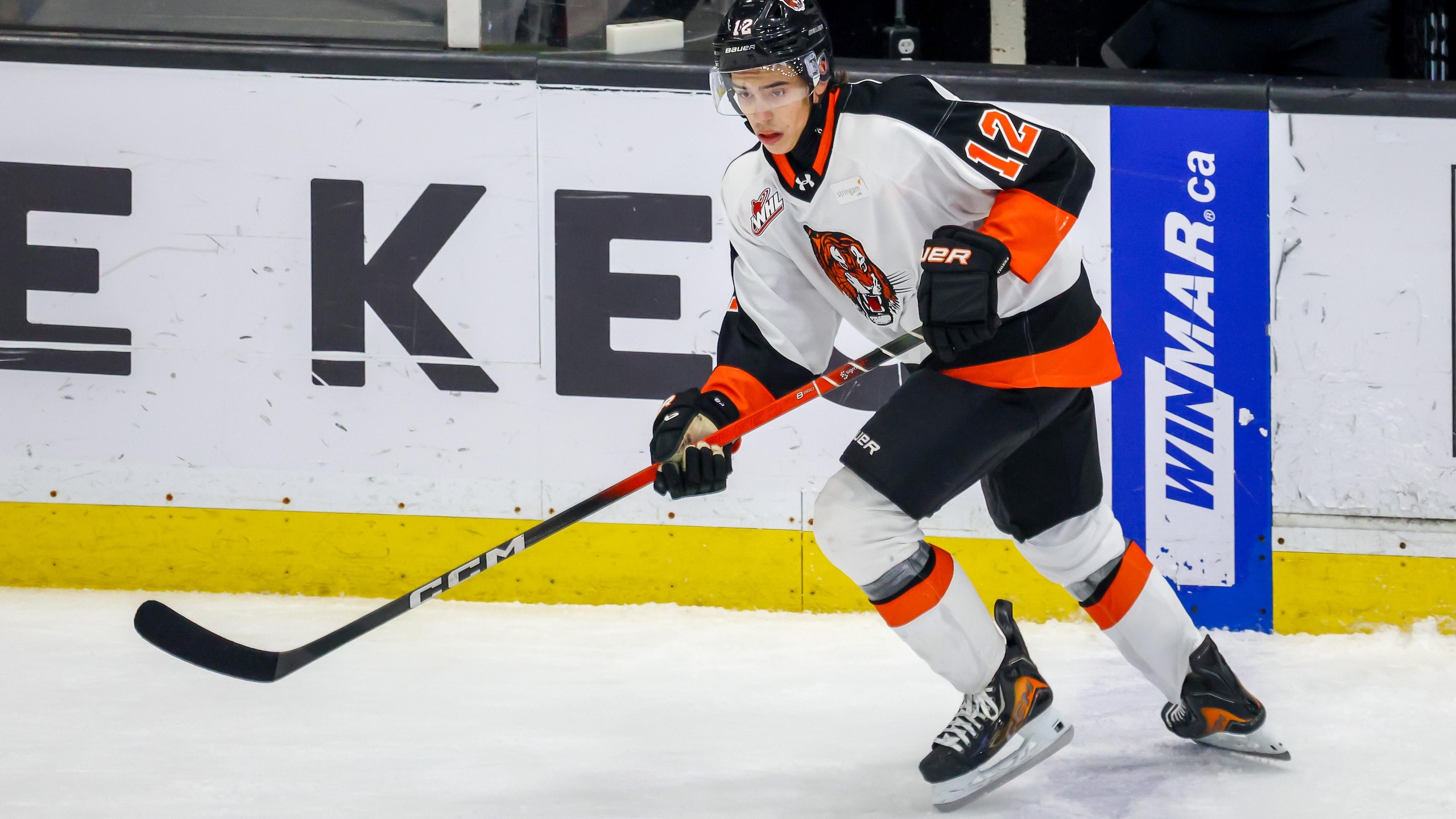
Strengths: Intelligence, anticipation
Weaknesses: Physicality could use work
Netting 104 points in 68 games in your draft year, including 45 goals, isn't half bad, unless you're Liam Ruck, whose twin brother, Markus, showed him up by scoring 108.
But don't let the point totals fool you—Liam is the one you want your team to select late in the first round. His sense of anticipation alone caught my eye, and is something that I can easily see him translating to the next level; he's able to project where the game is going and twist that to his advantage, whether he has the puck or he's trying to get it back.
He's a little weedy, and his physicality has made me concerned from time to time, but not in a way that makes me worried about his NHL future. I'd just like to see it improve.
And while his skating is not a detriment, adding more explosiveness and agility will take his game to the next level.
31. Brooks Rogowski, C, Oshawa Generals (OHL)
31 of 32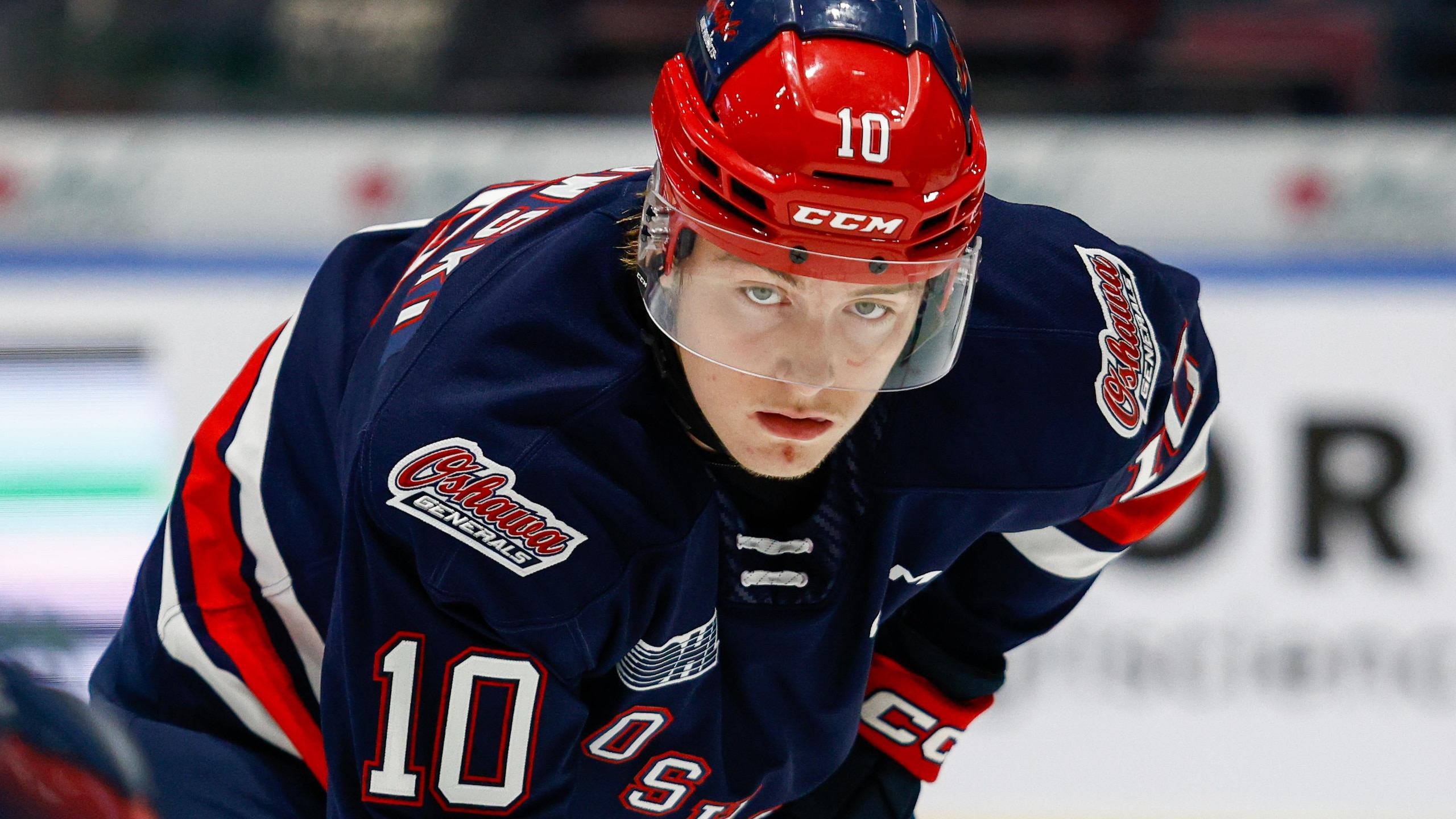
Strengths: Vision and intelligence, great shot
Weaknesses: Could stand to add an extra gear to really utilize his skillset
I feel like Oshawa Generals center Brooks Rogowski has been overlooked by some people because he's a little boring compared to other prospects this season—and by that I just mean he's consistently effective but not the flashiest guy on the ice.
He's very intelligent, great at identifying the best choice among the options in front of him, and knows how to make plays happen. He's just the guy supporting the dynamic players, rather than being the dynamic player.
Get past your block about him needing to be creative, and I promise you'll love him. He also brings NHL size already, at 6'6" and 231 pounds.
I'm just sad that Porter Martone signed his entry-level contract and we won't see the two of them as teammates at Michigan State University next season.
32. JP Hurlbert, RW, Kamloops Blazers (WHL)
32 of 32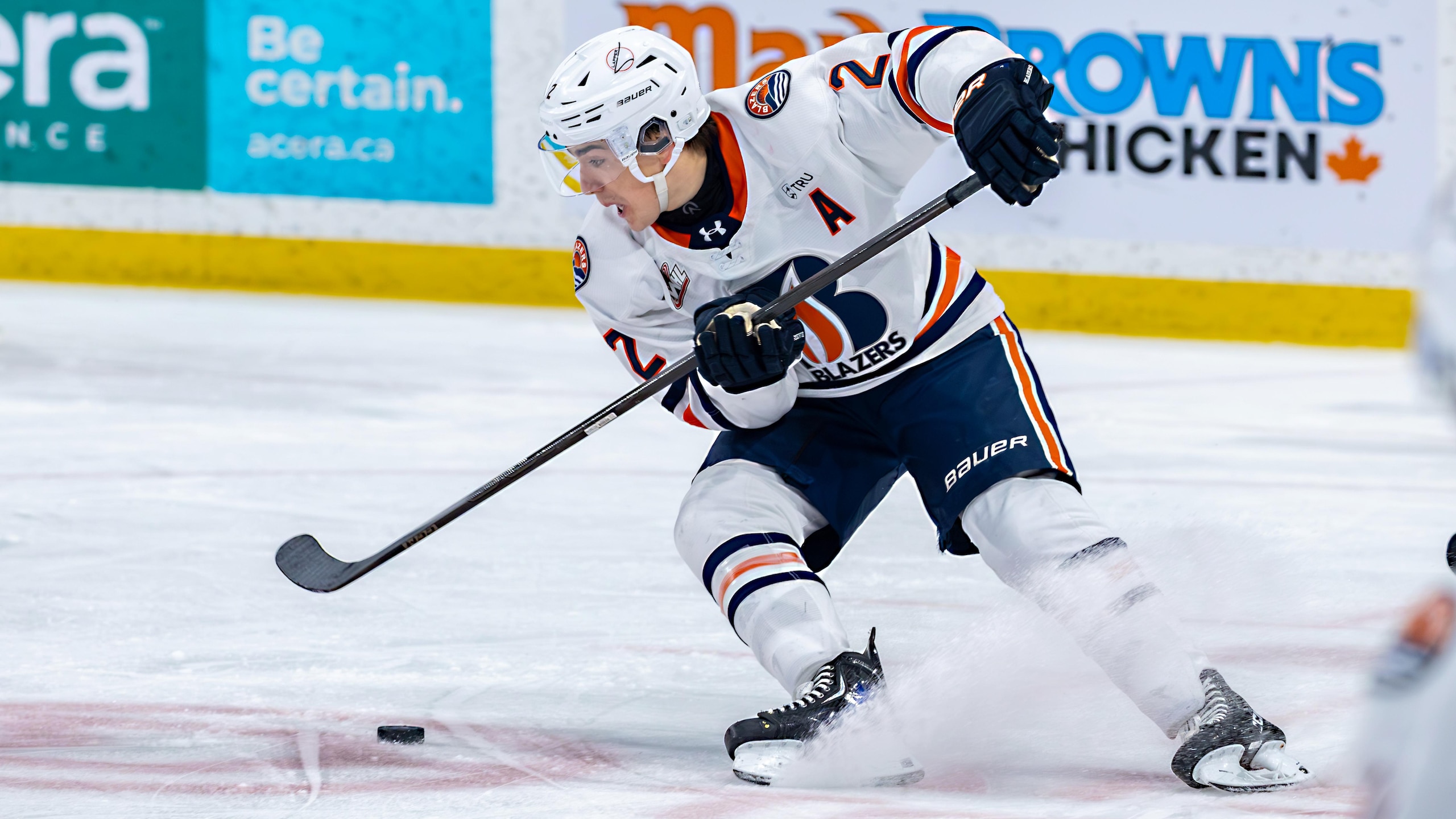
Strengths: Hockey sense, vision
Weaknesses: Details need improvement, and can lack quickness sometimes
JP Hurlbert is on the USNTDP-to-WHL-to-NCAA path, and it's one I really like for players of his type—guys who need more time to become the player they're going to be and who could benefit from a change of environment and new challenges. I like the variety.
Hurlbert ended the WHL regular season with 97 points in 68 games, including 42 goals. His offensive instincts are terrific, though he sometimes relies on teammates rather than creating himself, and his consistency both with and away from the puck has definitely gotten better across this season.
We've seen glimpses of creation and good puckhandling—I'd like to see even more, because his tools are high end. It's his habits that need improvement.
.jpg?w=2560 "Grading MHJ Trade 📝")
.jpg?w=2560 "🚨 Texans Trade for MHJ")
.jpg?w=2560 "Cam Ward Says He's Not A Loser")