
Predicting 2025-26 MLB Offseason Decisions That Could Crash and Burn
While the right offseason move can put a Major League Baseball team on the fast track to October, the wrong one can leave a team up a creek without a paddle for years.
And though we're not declaring that these decisions are destined to crash and burn, it's not exactly hard to see how they could lead to some serious derailing.
Both moves and non-moves—or decisions and indecisions—are welcome in this conversation, as choosing not to make one investment can be every bit as detrimental as making the wrong investment.
The six decisions that follow are presented in no particular order. However, we do have three from the American League and three from the National League, so we've oscillated between the two.
Red Sox Inadequately Addressing Their Infield
1 of 6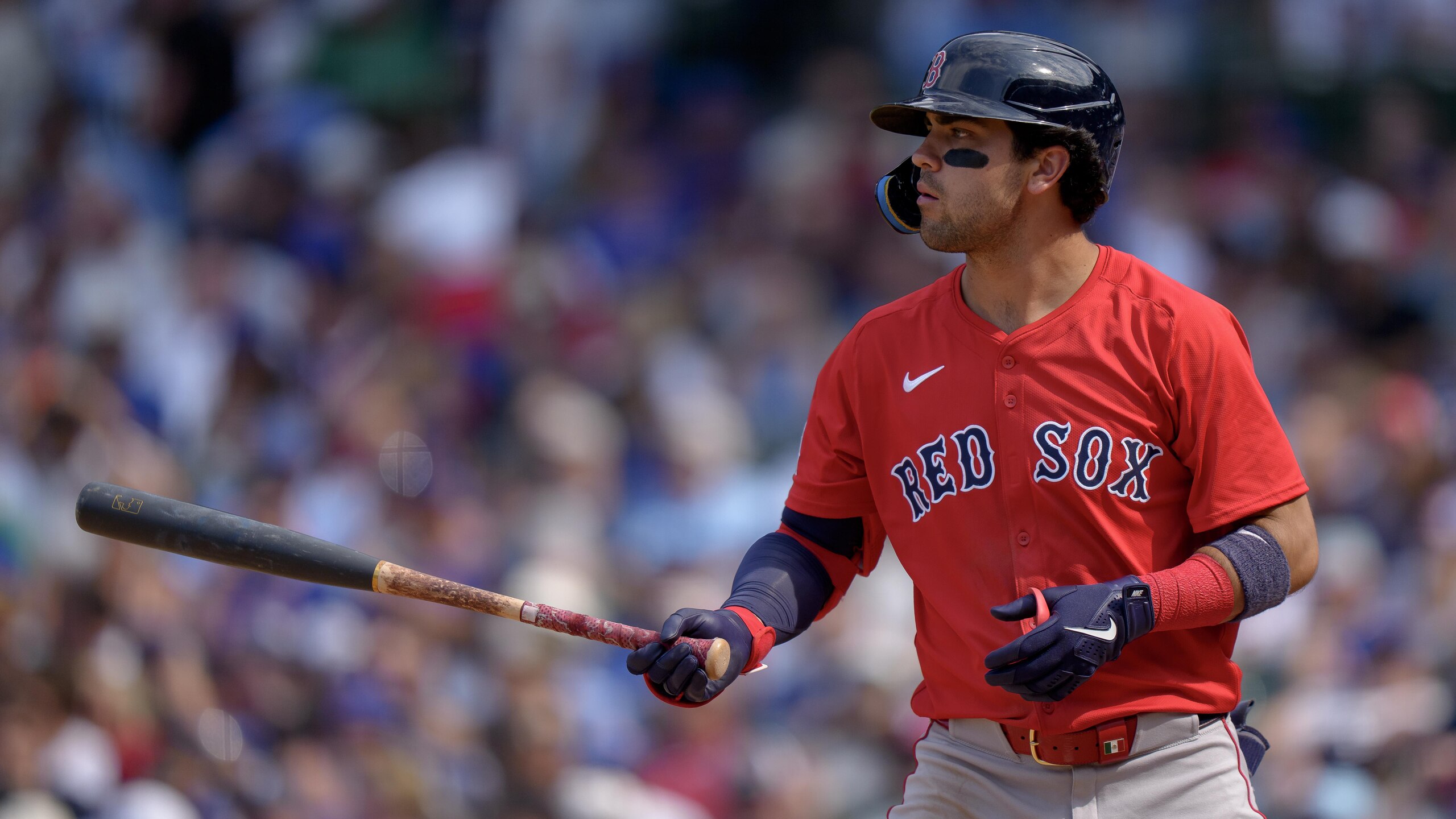
Boston put a ton of offseason work into its starting rotation, trading for Sonny Gray and Johan Oviedo before signing Ranger Suárez. The Red Sox now appear to have the best starting rotation in the American League, and one could even argue they are more loaded than the Dodgers in that regard.
But why didn't they make more of an effort to upgrade their infield?
After talk of possibly re-signing Alex Bregman, signing Pete Alonso or trading for any of Ketel Marte, Brendan Donovan, Isaac Paredes or Nico Hoerner, basically all they've done on the diamond is non-tender Nathaniel Lowe before trading for Willson Contreras and the recently acquired Isiah Kiner-Falefa.
Evidently, they are all-in on Marcelo Mayer at the hot corner, content to roll with some combination of Romy Gonzalez, David Hamilton and Kristian Campbell at second base and banking on Trevor Story having another mostly healthy and mostly productive season at shortstop.
Maybe it goes swimmingly. Mayer and Campbell were both nearly as highly touted prospects as Roman Anthony heading into 2025, and perhaps year No. 2 is when they'll legitimately arrive. And with two years and $55M remaining on Story's contract, they don't exactly have much of a choice other than to hope for the best at short.
However, with Anthony ($7M), Jarren Duran ($7.7M), Ceddanne Rafaela ($2M) and Wilyer Abreu ($820k) making a combined $17.52M in 2026 as probably the best four-man outfield in the majors, the Red Sox were in kind of the perfect spot to make a major short-term splash or two to upgrade their infield.
They chose not to see things that way, and we shall see if they have the offense to hang with New York and Toronto atop the AL East.
Phillies Running It Back Again, 1 Year Older
2 of 6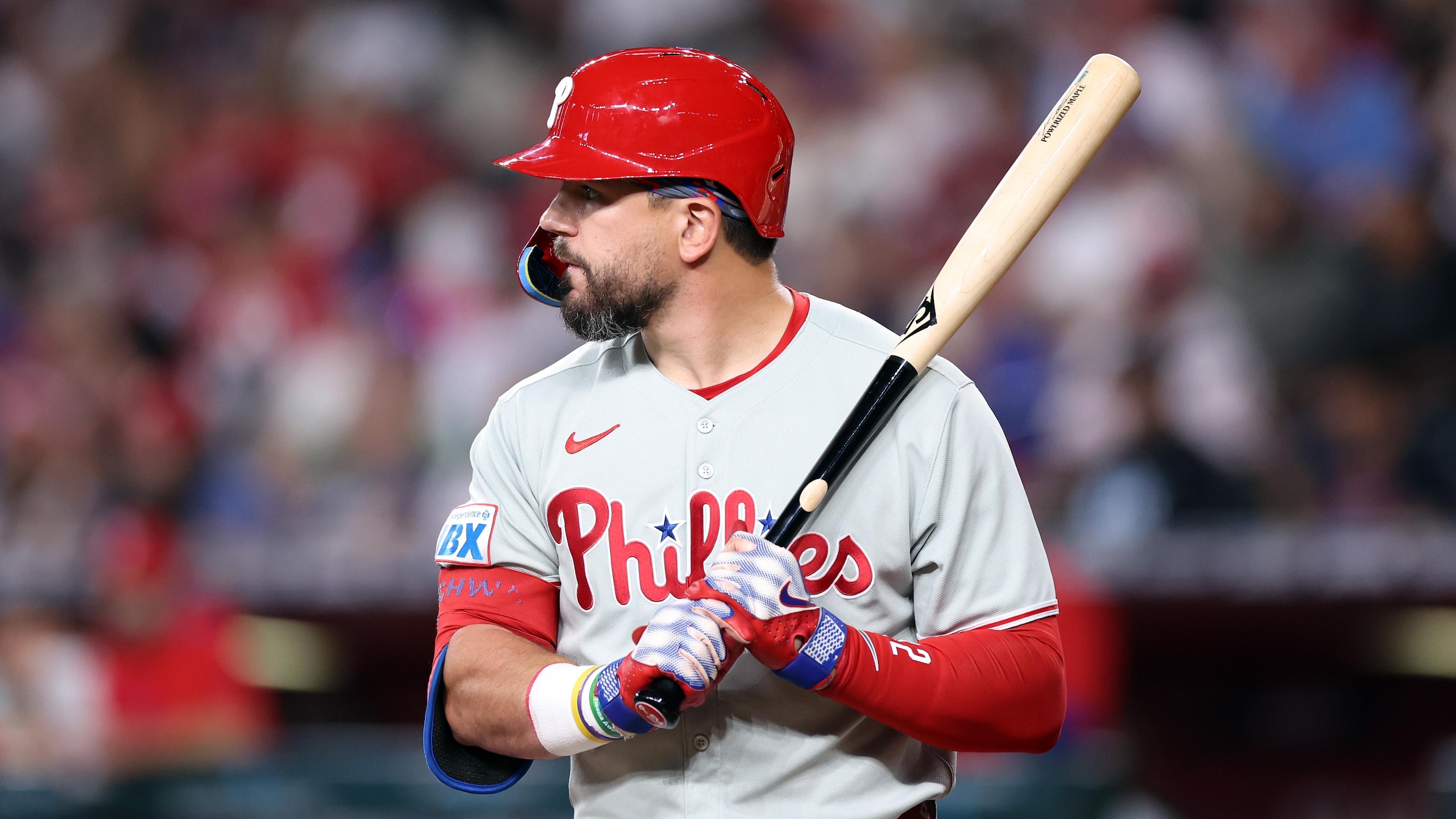
For a team that has spent more in free agency ($227.9M) than the entire AL West combined ($200.8M), the Philadelphia Phillies don't look much different—and certainly don't look any better—than last season.
More than 85 percent of that money went toward re-signing Kyle Schwarber and J.T. Realmuto, so the only pieces they actually added were Brad Keller, Adolis García and Zach Pop.
Can García even be considered an addition, though, when they lost Harrison Bader and Max Kepler, and by all accounts intend to part with Nick Castellanos before Opening Day?
It'd be one thing if they replaced those three outfielders with a Cody Bellinger or a Kyle Tucker. But García was non-tendered by the Rangers. He might not even be an improvement on Castellanos, let alone Bader.
Moreover, the Phillies waited about five seconds after adding Brad Keller to their bullpen to subtract Matt Strahm from it, trading him to Kansas City for a replacement-level reliever with a 4.32 ERA in 50 career innings pitched. That might as well have been a trade of Strahm for Keller, even though Keller is more expensive and Strahm had been the more valuable pitcher in each of the past three seasons.
Plus, you know, they lost Ranger Suárez. Kind of a big one there.
They do have top prospects, RHP Andrew Painter and CF Justin Crawford, as potential high-impact rookies. If they're both providing value in year No. 1, the Phillies should be more than fine.
But it may well be 2012 all over again for the Phillies, where after four years of holding together the core that made it to a World Series, just keeping the status quo suddenly wasn't good enough anymore.
Minnesota Refusing to Pick a Lane
3 of 6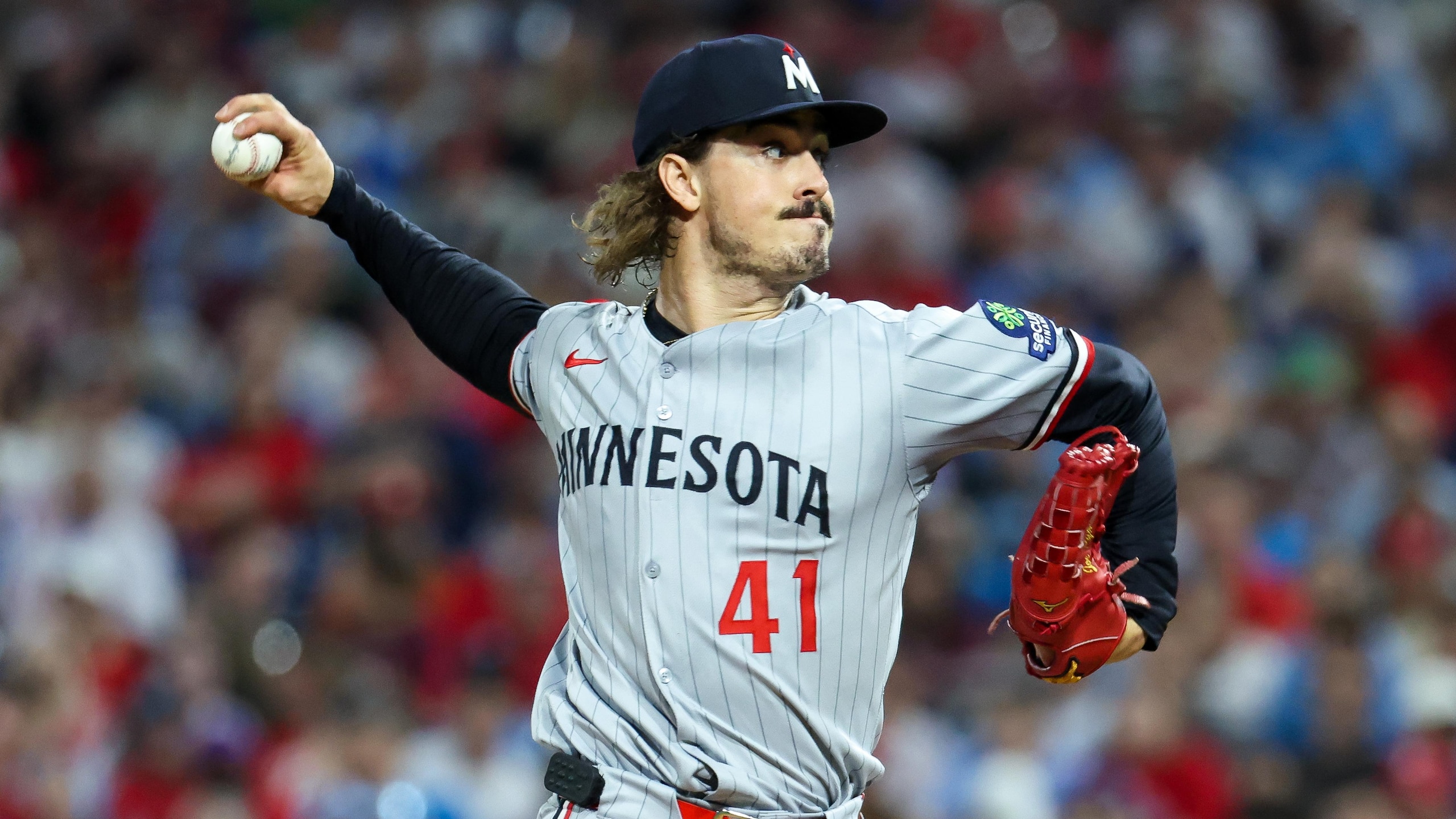
One way or the other, we expected Minnesota to have an aggressive (at least by its standards) offseason.
After selling off nearly half of what had been the 26-man roster prior to the July 31 trade deadline, the Twins easily could have pulled even harder at that thread. Ryan Jeffers has one year left before hitting free agency. Joe Ryan, Pablo López, Bailey Ober and Trevor Larnach each has two years of team control remaining. And three years of Byron Buxton at $15M a pop would have generated a ton of interest on the trade block.
They could have really restocked for the future with a second round of that fire sale.
Alternatively, that's enough of a returning nucleus that they could've put together a legitimate AL Central contender by hanging onto that bunch and taking an offseason approach on par with what the Pittsburgh Pirates have done—not spending a ton, but adding Ryan O'Hearn, Gregory Soto, Brandon Lowe, Jake Mangum and Jhostynxon Garcia.
Instead, Minnesota's "big" moves were adding Josh Bell, Taylor Rogers and Victor Caratini for a combined AAV of $16M before abruptly parting ways with President of Baseball Operations Derek Falvey in late January.
Was that "mutual" decision a product of Falvey getting fed up with a third consecutive offseason in which ownership basically refused to let him do anything interesting? Or was it the Pohlads getting fed up with him not doing more to put together a roster that would entice prospective buyers?
Maybe at some point there will be some airing of dirty laundry on that front, but all we know for now is that the Twins never particularly picked a lane between buying and selling and now find themselves in the same no-man's land that the St. Louis Cardinals were in 12 months ago.


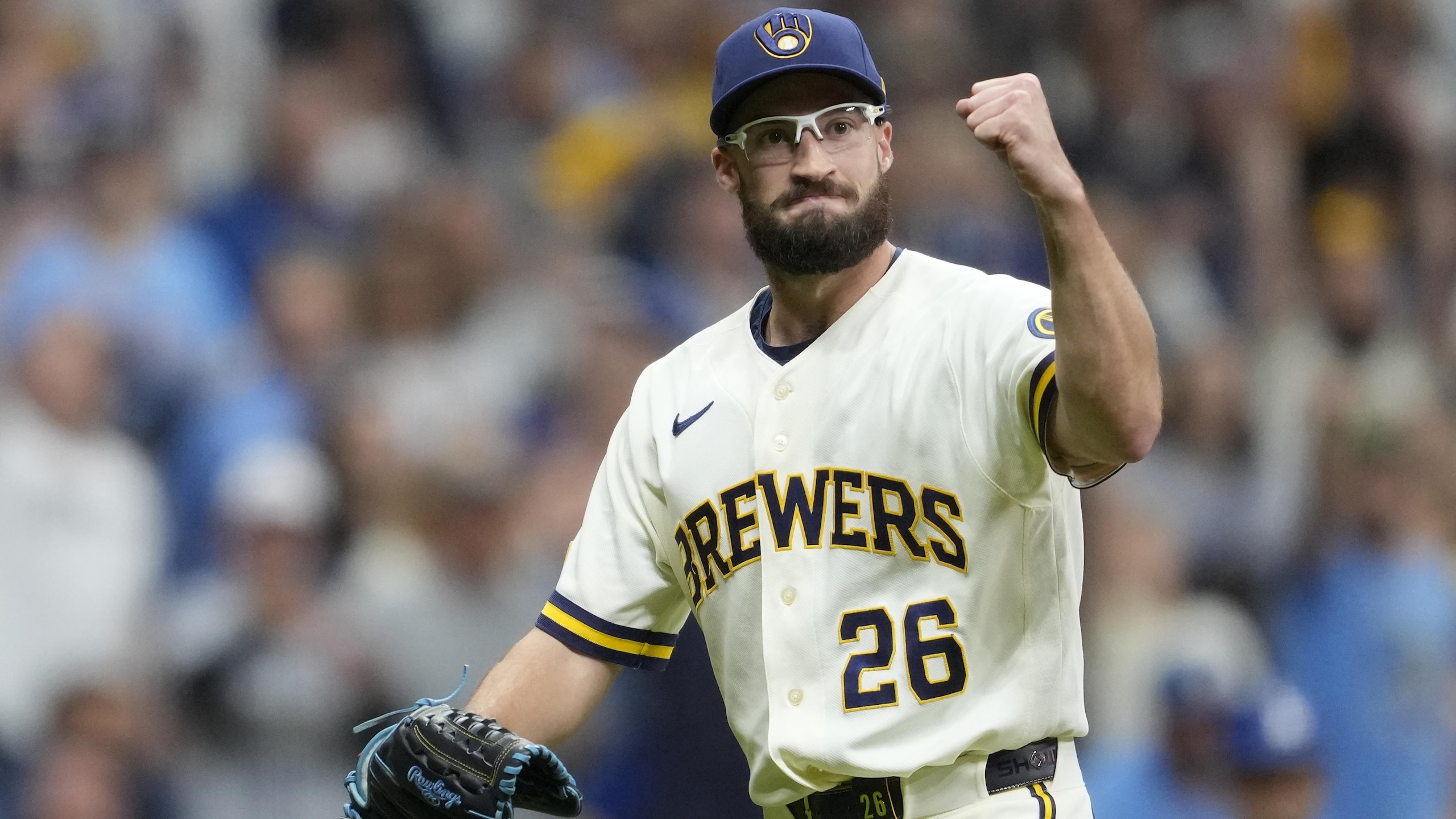
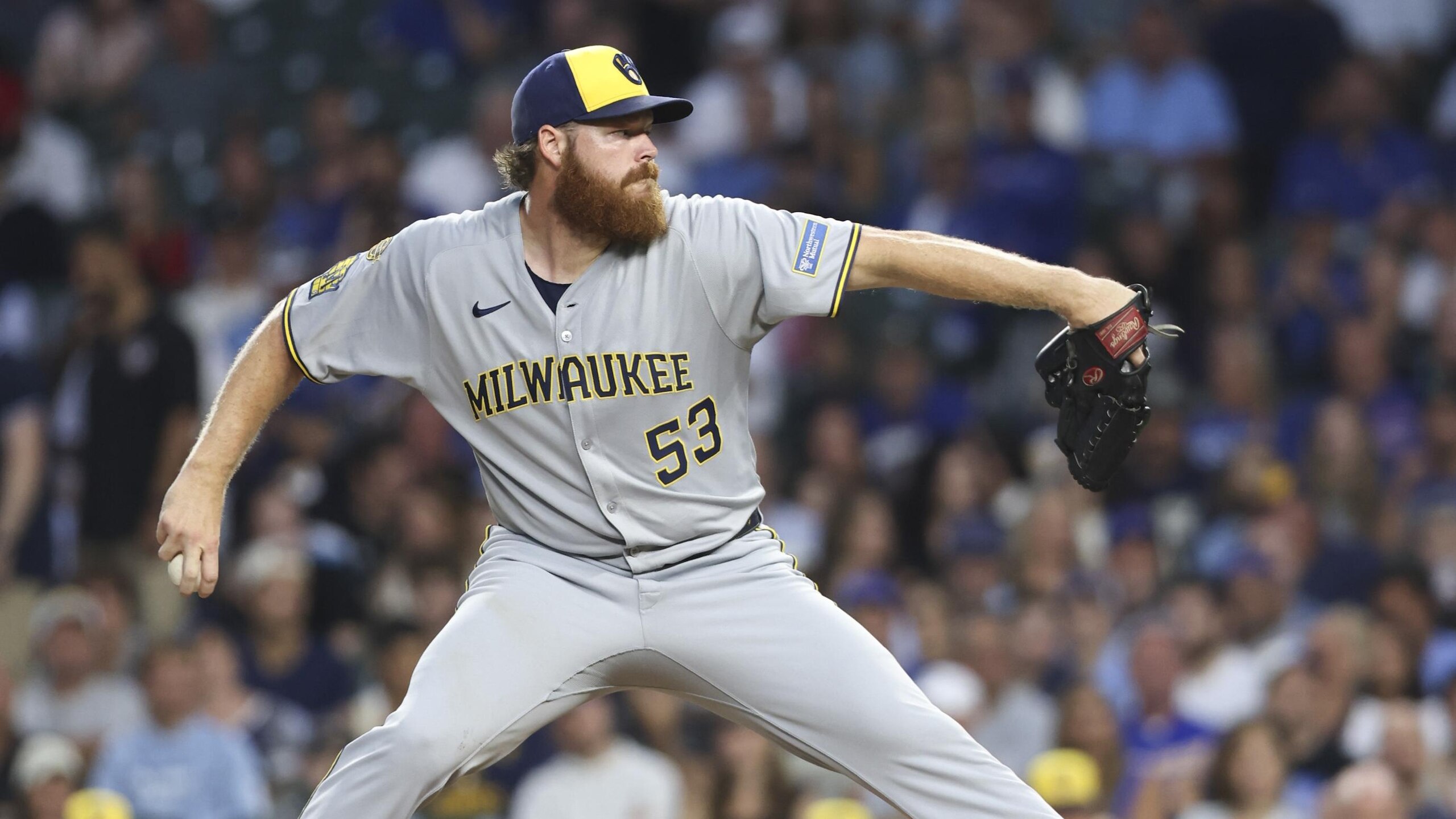
Milwaukee's Qualifying Offer to Brandon Woodruff
4 of 6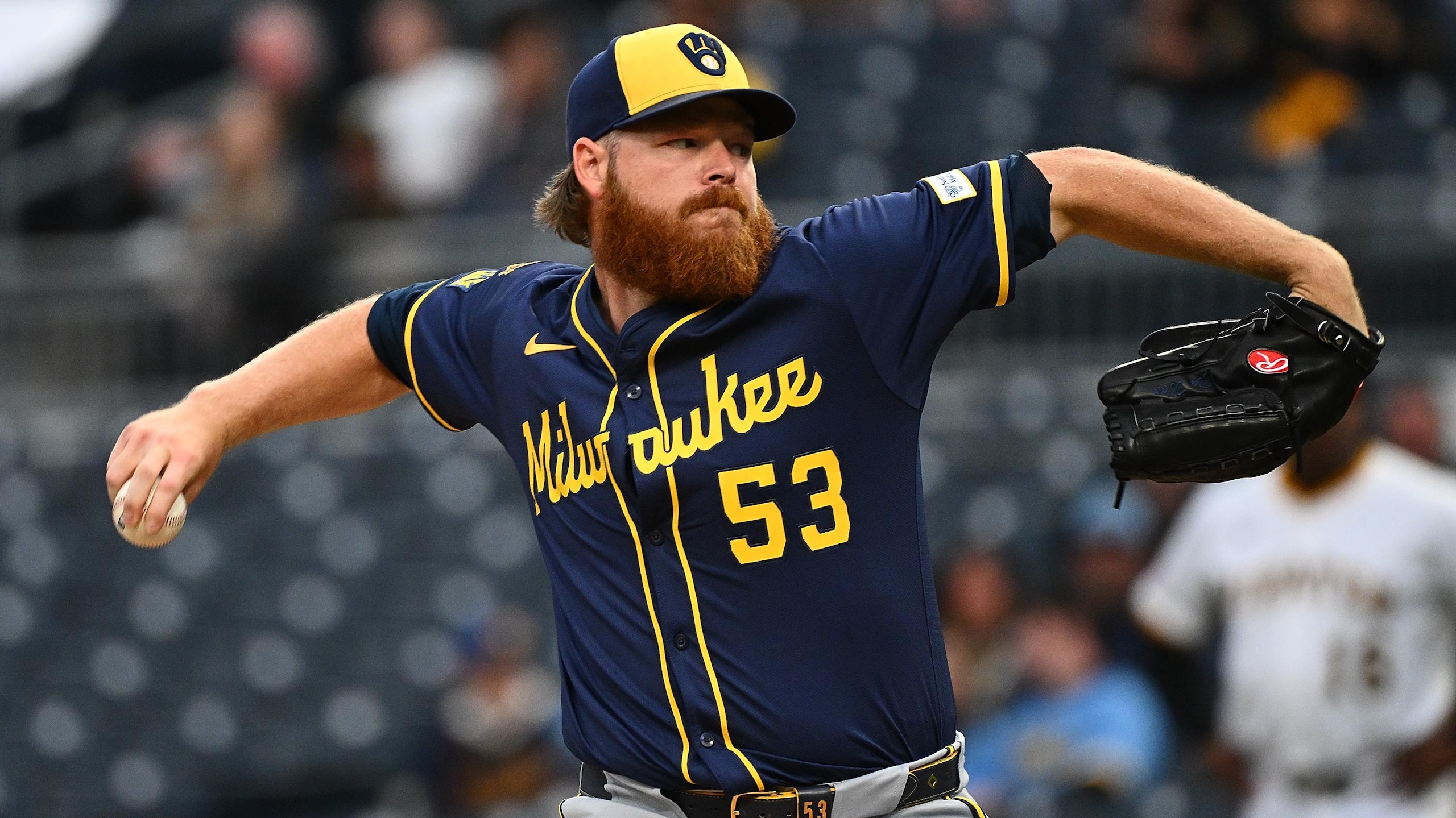
Did the Brewers actually want to bring back Brandon Woodruff for $22.025M—after already owing him $10M when he declined the mutual option—or did they extend him that qualifying offer as a means of getting some draft pick compensation when he presumably signed elsewhere?
Though we're talking about a well-documented injury risk who has made a combined total of 23 starts over the past three seasons, we can't say for sure. Maybe they were happy to have it play out either way.
But it does kind of feel like they got caught with their hand in the cookie jar when Woodruff accepted, instantly leaving them with no spending money—and an elevated willingness to part with Freddy Peralta.
Per Spotrac, Milwaukee's year-end tax payroll for 2025 was $143.6M. And despite subtracting more than they have added since Woodruff's decision, their current projection is $148.4M.
On the Peralta front, they did wait out most of the free agent market on pitchers and ended up getting quite a haul for him. Both Jett Williams and Brandon Sproat immediately became top five prospects in Milwaukee's farm system, and both could play major roles in 2026. They arguably came out better in this deal than they did in the Corbin Burnes trade two years ago.
Are they set up to contend this season, though?
And if Woodruff had declined the qualifying offer, would the Brewers have legitimately considered trading away Peralta?
With the $14M difference between Woodruff's salary and Peralta's, they could have scooped up someone like Ryan O'Hearn or Kazuma Okamoto to address the question marks at the corner infield spots. Alas.
For the likes of the Dodgers, Mets and Yankees, Woodruff's $22.025M salary would be little more than a rounding error. But it hamstrung the Brewers, who now face maybe the biggest test of their ability to keep churning out a contender in spite of either trading away stars or letting them walk.
Angels Trading Taylor Ward for Grayson Rodriguez (Without a Physical)
5 of 6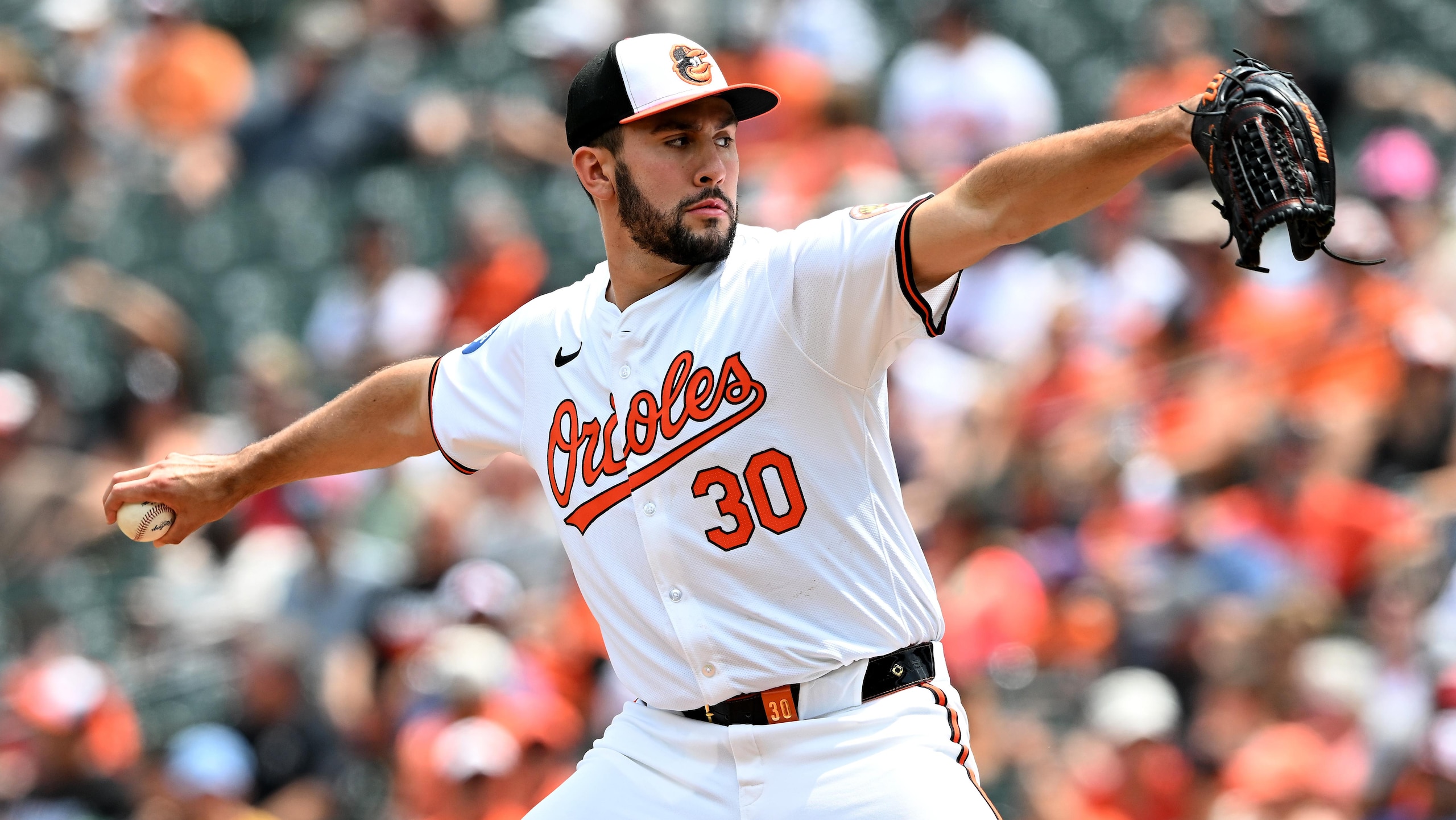
Seemingly every time the Los Angeles Angels have made a move this offseason, the consensus response is: Well, that would've been a nice pickup...a year or two ago.
In most cases, it was a buy-low move with minimal investment. If Josh Lowe doesn't bounce back to the asset that he was in 2023, at least the Angels only gave up Brock Burke and an unremarkable prospect to get him. And if none of Alek Manoah, Kirby Yates or Jordan Romano has a renaissance-type of season, at least they merely spent a combined $9M for those one-year flyers on former All-Stars.
But for four years of team control on former top prospect Grayson Rodriguez, they gave up their final season of Taylor Ward, who set career highs with 36 home runs and 103 RBI in 2025 and was a highly coveted rental bat on the trade block.
The problem is they didn't make Rodriguez undergo a physical as a stipulation of the trade, which is just reckless behavior when it comes to a pitcher who missed all of last season and a big chunk of 2024, right?
It's one thing to waive the inspection when buying a property if there's no history of damage and you were able to walk through it yourself. It's another thing altogether to waive the inspection when a "motivated seller" is telling you, "Yeah, there was a fire last year, but it's probably fine and do you think we can get this deal done today?"
Maybe they'll hit the jackpot and get several years of the ace the Orioles envisioned Rodriguez could be when they took him 11th overall in the 2018 draft.
It's also possible (and perhaps more so) that they gave up one of the offseason's better trade chips in November for a Mark Prior type of pitcher who never makes an impact again.
New York Mets' Offseason in General
6 of 6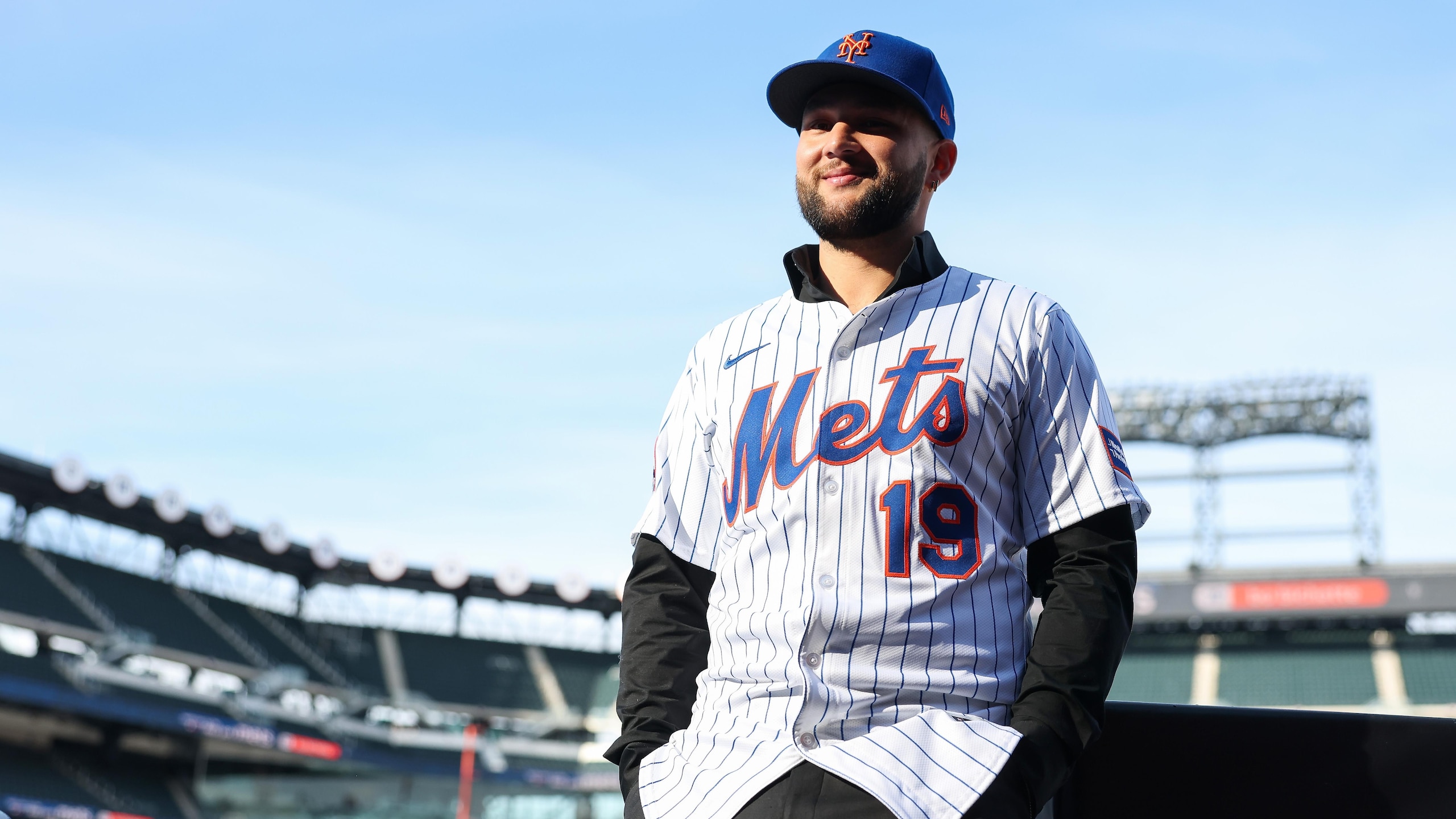
No team has gone through more of a roller coaster of an offseason than the New York Mets.
Let's sum things up, bullet-point style:
Even the big acquisition of Freddy Peralta has the potential to be a real "trading Pete Crow-Armstrong for Javier Báez" disaster in hindsight, if Jett Williams and/or Brandon Sproat end up becoming stars in Milwaukee.
At least they did eventually address their glaring lack of an established ace, and maybe all of these offseason ingredients come together to create a Run Prevention Gumbo that gets the Mets their first World Series title in four decades.
But for a team that is already on track to pay a tax bill of more than $130M, there are big question marks surrounding the defense at first and third base, an unknown on whether it'll be rookie Carson Benge or infielder Brett Baty primarily manning left field and a rotation that has a ton of options but select few sure things.
Are the Mets going to be a force in the NL East? Or did a series of panic moves leave them with a wildly expensive house of cards, similar to three years ago?
With any luck, at least this time they'll avoid the cruel fate of losing a key player to a season-ending injury during the World Baseball Classic.


.jpg?w=2560 "AD Trolls Bears WR on IG 😂")
.jpg?w=2560 "Viral Dan Campbell Presser 💙")
.jpg?w=2560 "Buzz: MHJ Hired Agents for Trade")
.jpg?w=2560 "Report: Steelers WR to Miss 'Weeks'")
.jpg?w=2560 "Cam Ward Says He's Not A Loser")
.jpg?w=2560 "Chargers Fall to 0-5 🤢")