
Ranking Every Player on Team USA's Men's Hockey Roster Ahead of the 2026 Winter Olympics
The 2026 Winter Olympics begin Friday, and for the first time since the 2014 Games in Sochi, Russia, NHL players will take part in the men's hockey tournament.
The United States team figures to be one of the favorites, and even though there were some controversial decisions with the roster selection process, this is still one of the best and deepest teams it has sent to an Olympic hockey tournament.
The question is: Will the team be good enough to win the U.S. its first Olympic gold medal since the 1980 Lake Placid Games, the Miracle on Ice?
With the roster now set, barring any last-minute injury changes, let's rank the players on this year's roster.
We tried to balance the overall career resume, ability, talent, and production with what each player has also done this season and most recently.
So let's get to the rankings.
25. J.T. Miller, New York Rangers
1 of 25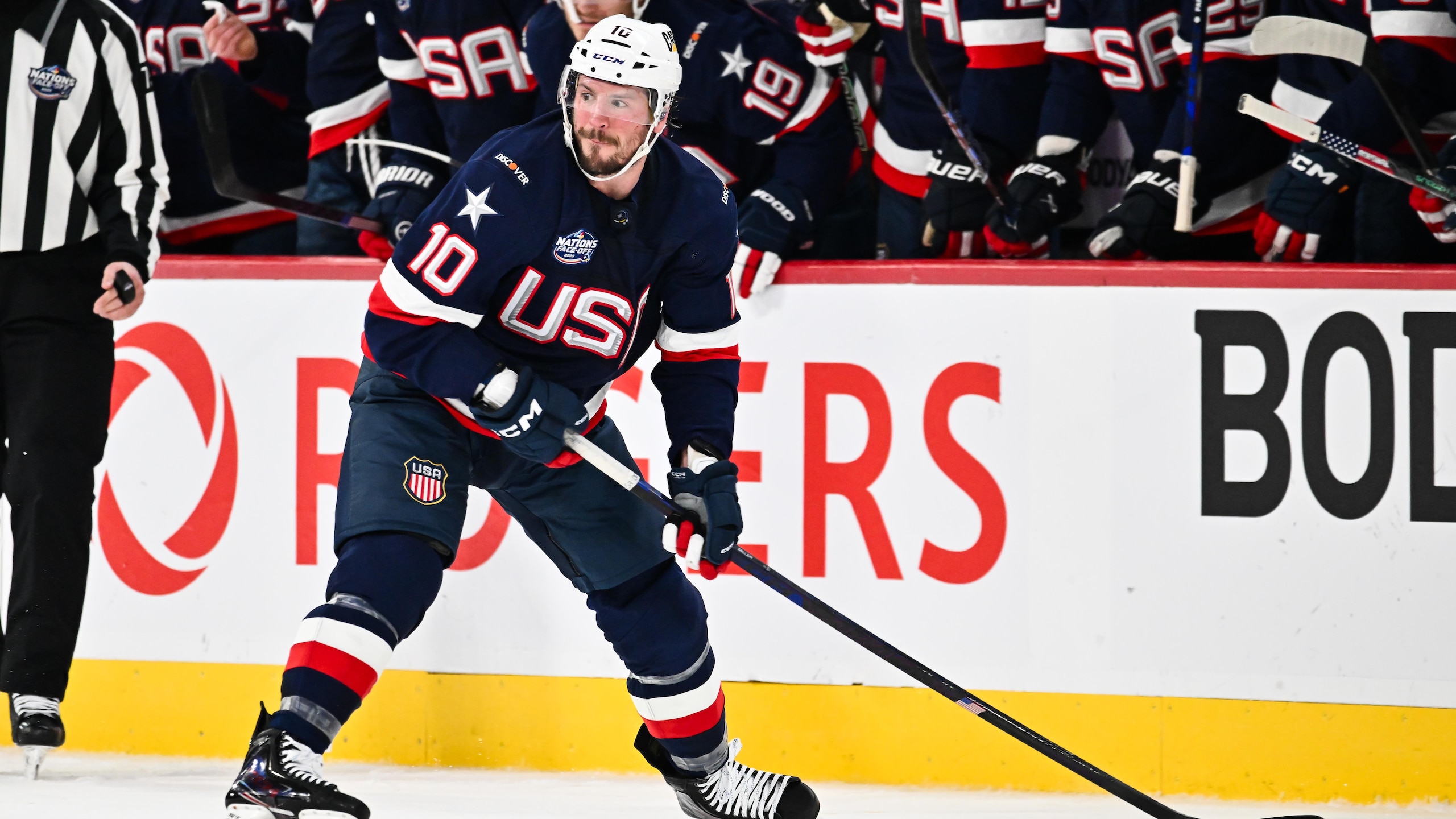
Somebody has to be last, so it might as well be perhaps the most polarizing player that was put on the roster.
Miller has been an outstanding player at times in his career, and the United States will likely rely on him heavily in this tournament given his experience and past performance. But he has not played at a high level for two years now and has not exactly been a difference-maker for the Rangers this season.
If we are basing this solely on the most recent play by players on the roster, it is hard to argue that Miller is not at the bottom here.
USA hockey obviously disagrees.
We will see if they are right.
24. Brock Faber, Minnesota Wild
2 of 25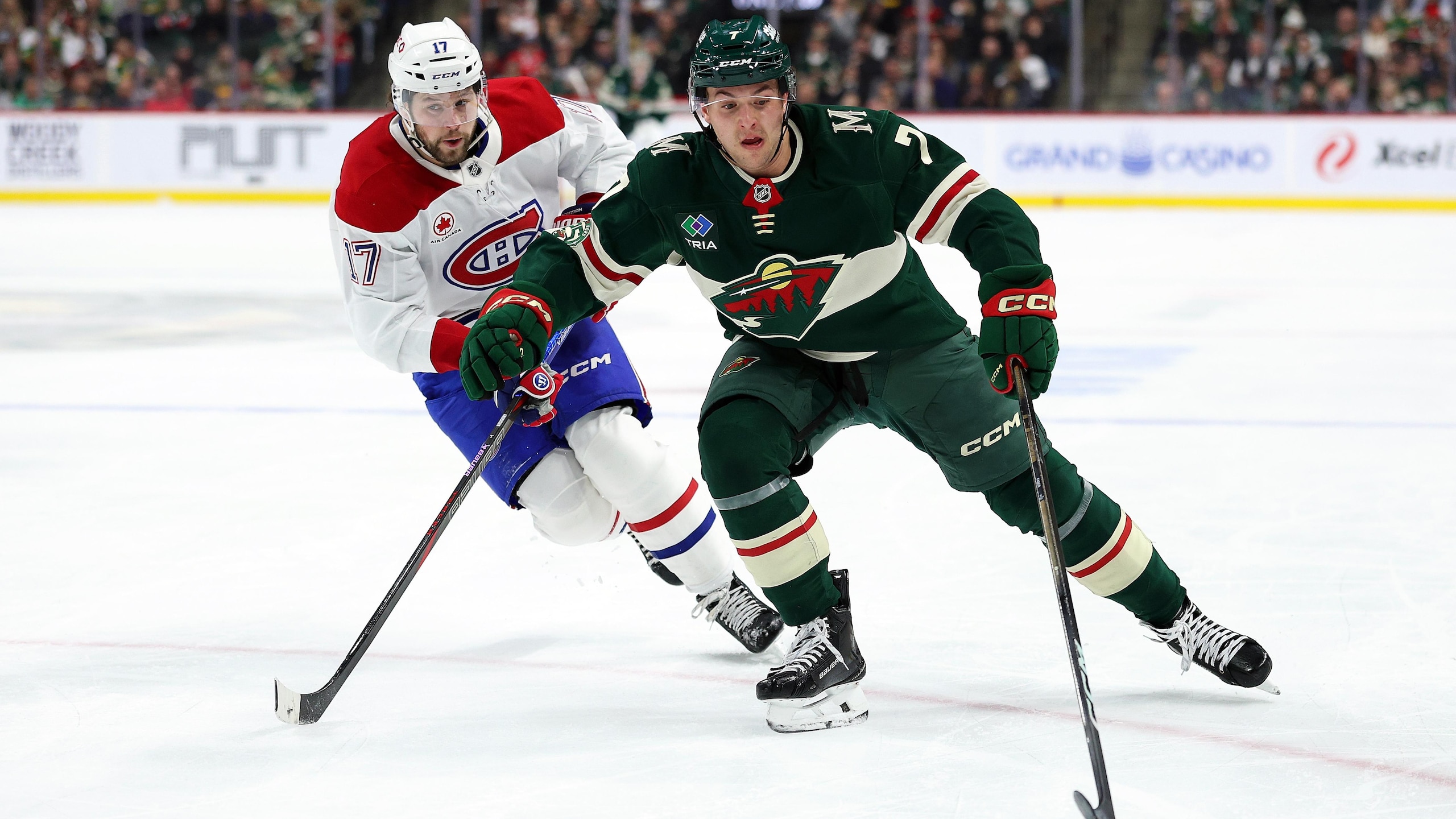
It is not that Faber is a bad player (he is not), but is he as good as Team USA thinks he is? And is he as good as his reputation from his rookie season says he is? I am not so sure.
He has benefited greatly from having Quinn Hughes next to him over the past few months, and that has really elevated his play back. With Hughes on the ice next to him this season, the Wild are outscoring teams 33-26 with a 52.7 percent expected-goals share. Without Hughes next to him, the Wild are being outscored 50-54 with a 48.8 percent expected goals share. That production together could also lead to them being paired together in the Olympics due to their newfound chemistry.
Taking him over Adam Fox or Lane Hutson still seems misguided.
23. Noah Hanifin, Vegas Golden Knights
3 of 25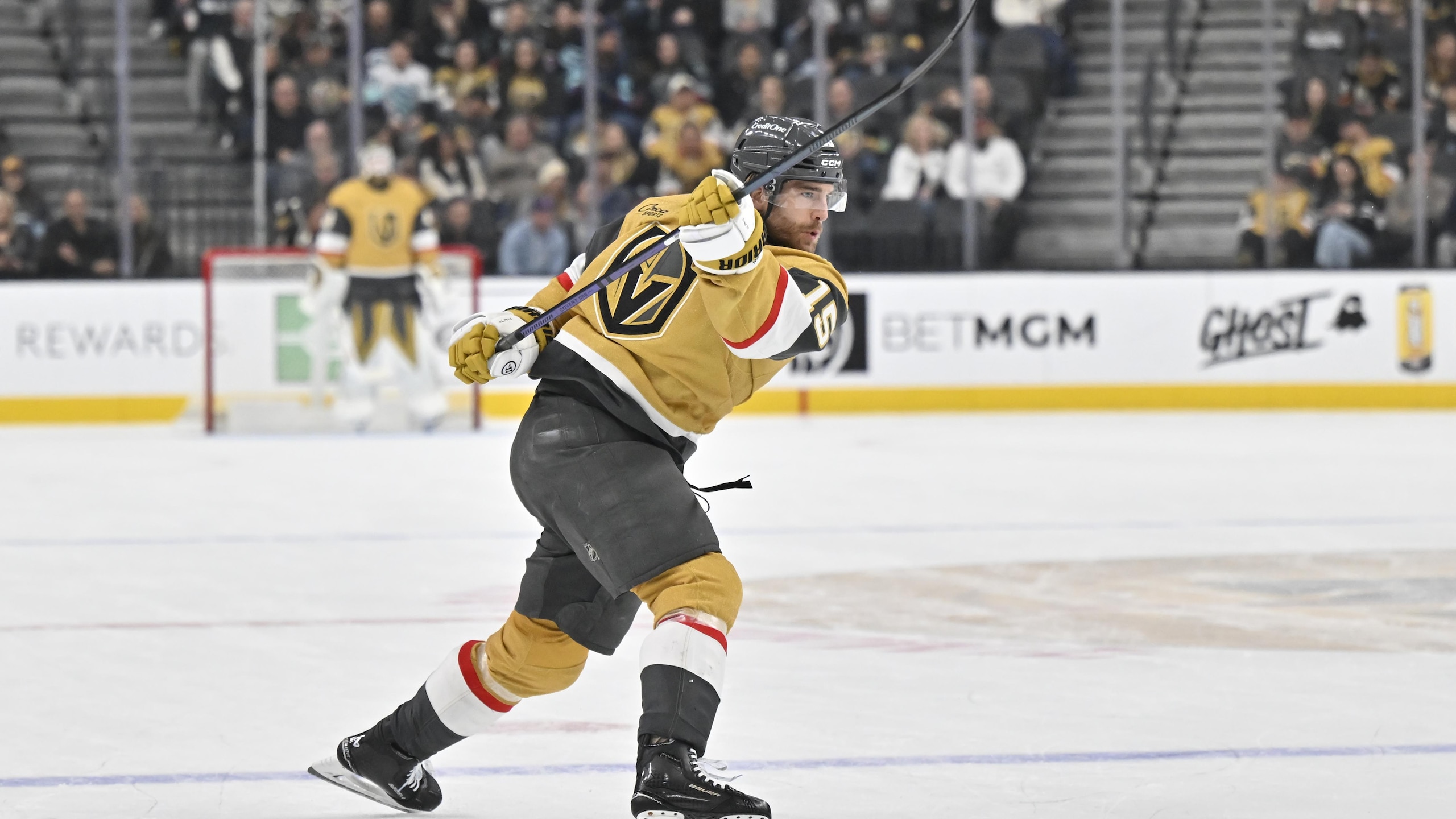
Hanifin is not going to provide a ton of offense or wow, but he is a solid defender who can play big minutes in a variety of situations and help drive possession.
Over the past three years, Vegas has had a 54 percent expected goals share with him on the ice. It drops down 50.6 percent without him.
Another defenseman who probably could have been skipped over for Fox or Hutson.


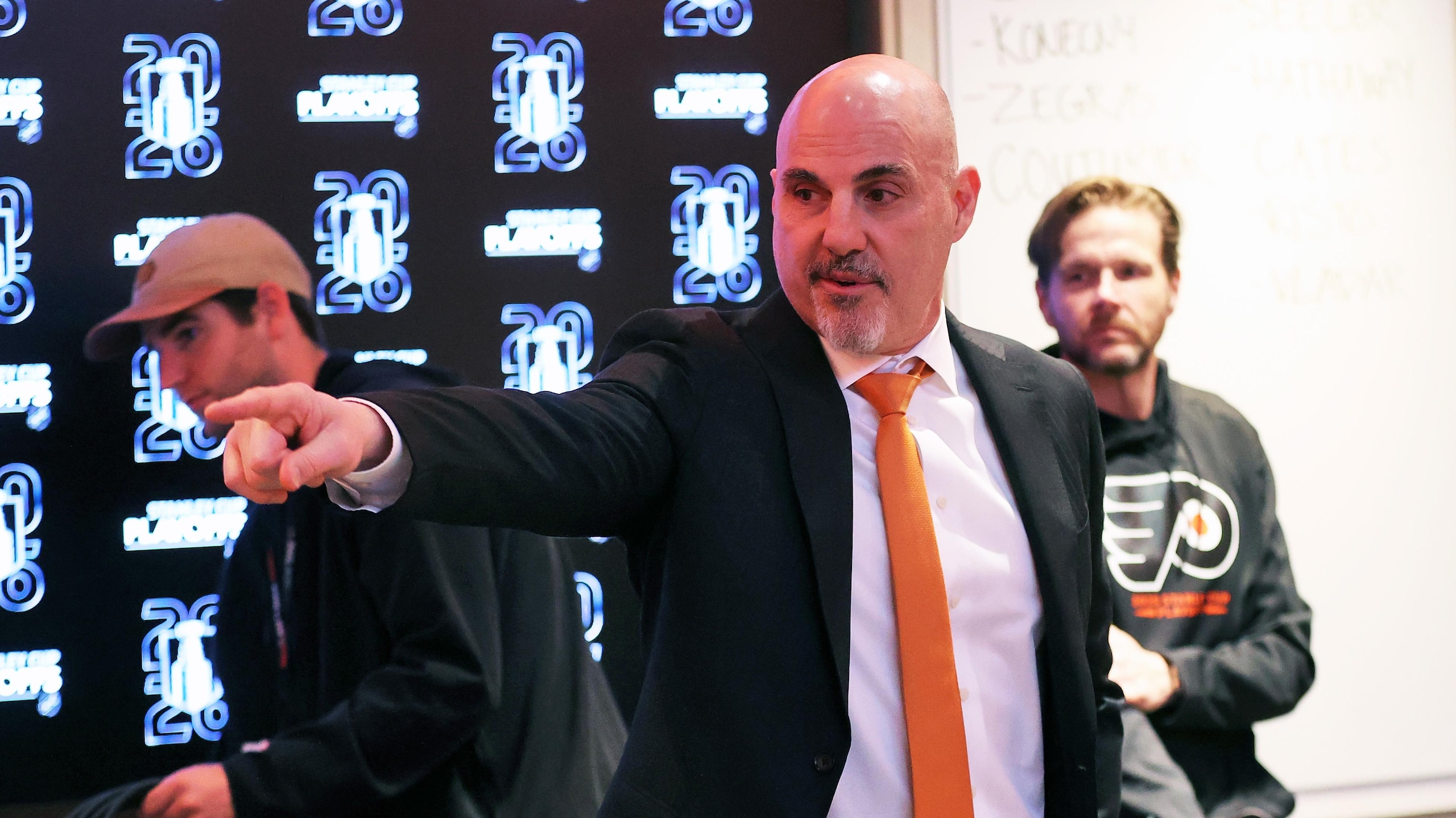
22. Vincent Trocheck, New York Rangers
4 of 25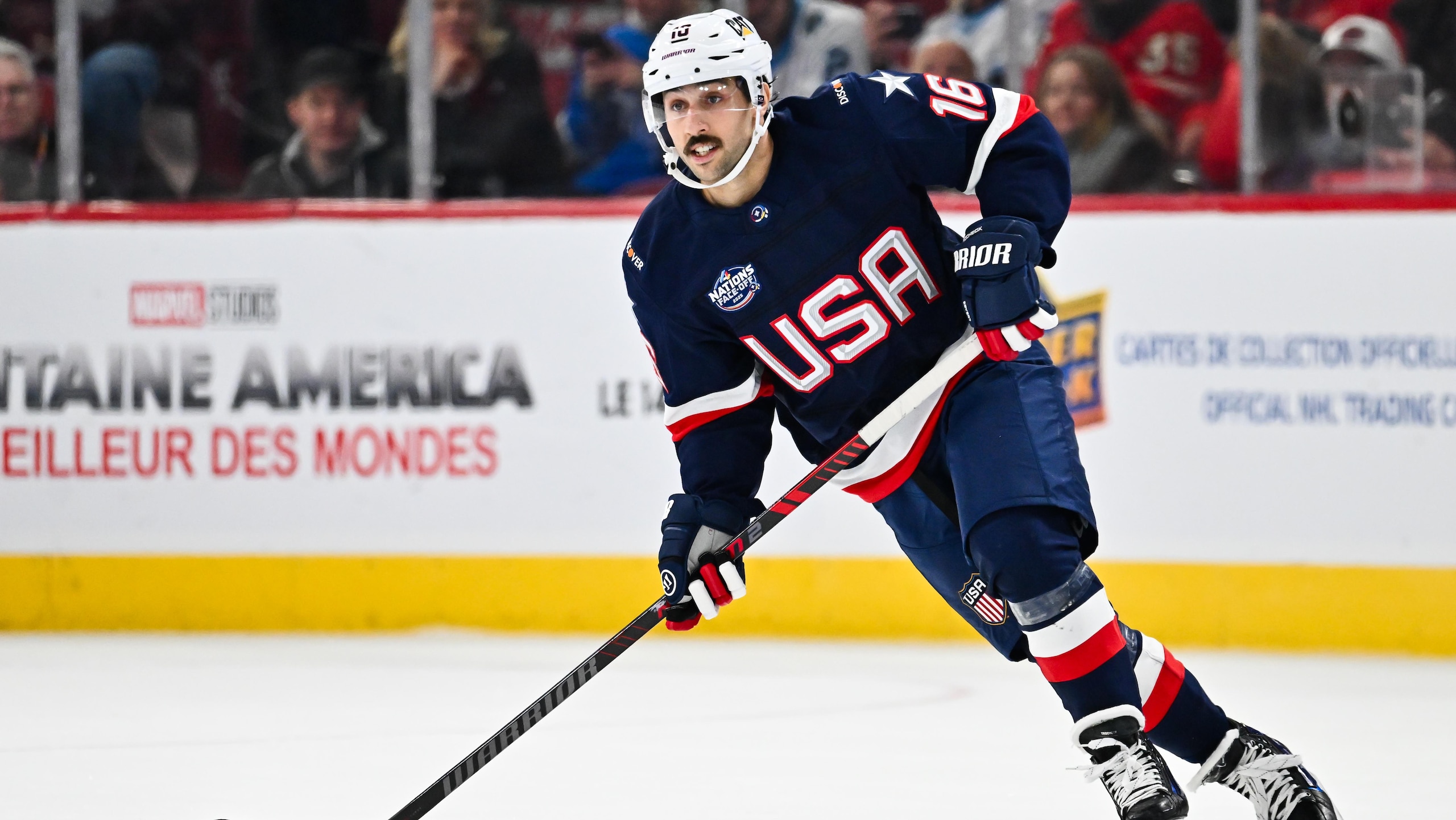
Trocheck is in an unfortunate position here because he is a good NHL player and has a definite role on good NHL teams. He can play a complete game. He can chip in some offense.
NHL teams should want him at the trade deadline if the Rangers are willing to trade him.
But this is not an NHL team, playing in a 32-team league, with salary-cap restrictions and free agency. This is an Olympic team that is in a best-on-best tournament.
Taking him over Jason Robertson or Cole Caufield just seems like the same old archaic line of thinking that has limited American teams in these tournaments in the past. Sometimes the right players are the best players. While Trocheck is good, he is probably not the best choice for this team.
21. Jackson LaCombe, Anaheim Ducks
5 of 25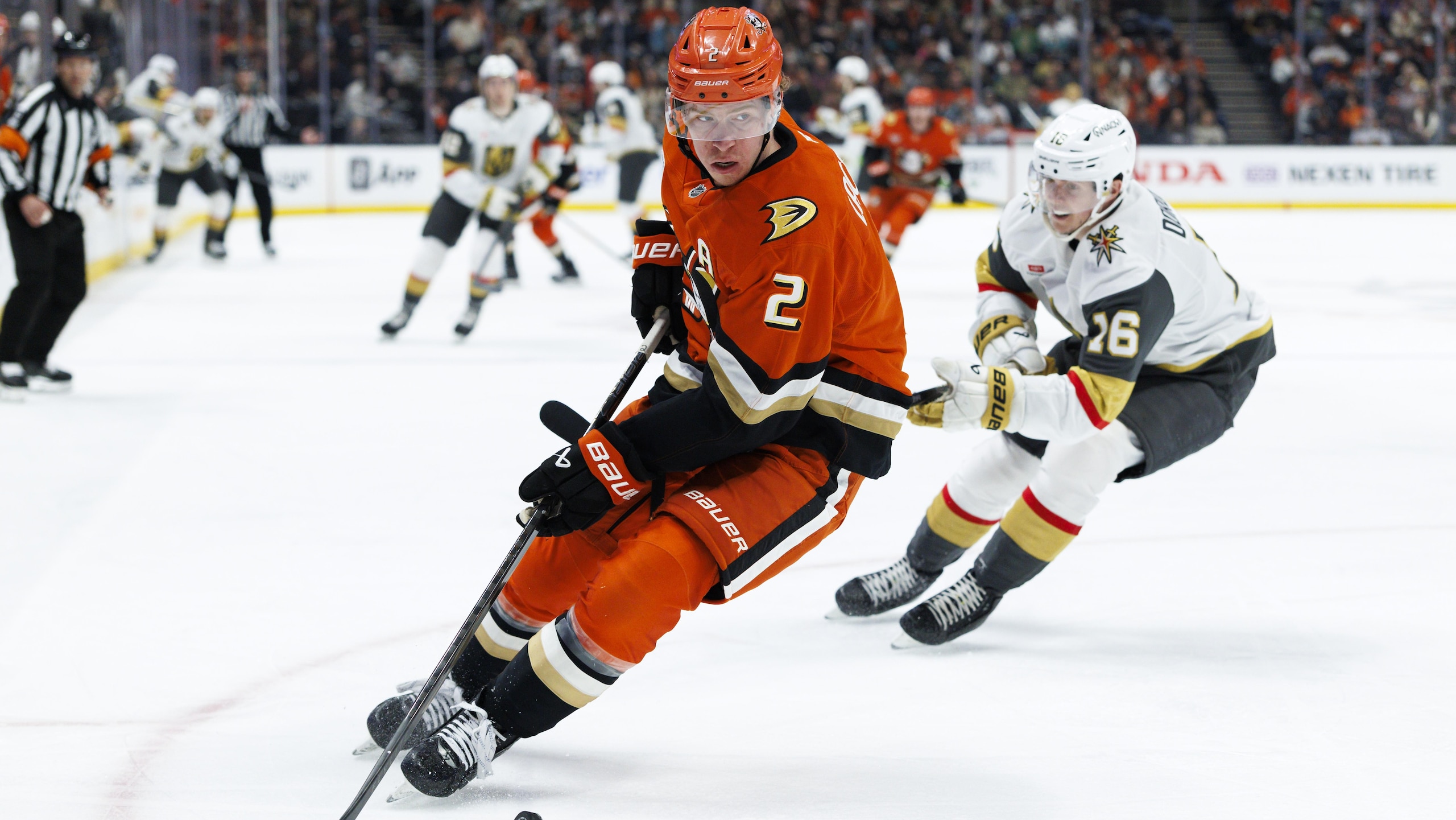
You might think the injury replacement would be at the bottom of the list, but that would only hold if the United States took all its best players from the very beginning. As discussed, it did not really do that.
LaCombe may have been added to the roster after Faber and Hanifin, but if you were asking me which player I would want on my team right now, this season, LaCombe would make the cut ahead of them for me.
He can score, is an underrated defender and can drive possession. He is young, but the Ducks ask him to do a lot and play a big role and he handles it extremely well.
20. Jeremy Swayman, Boston Bruins
6 of 25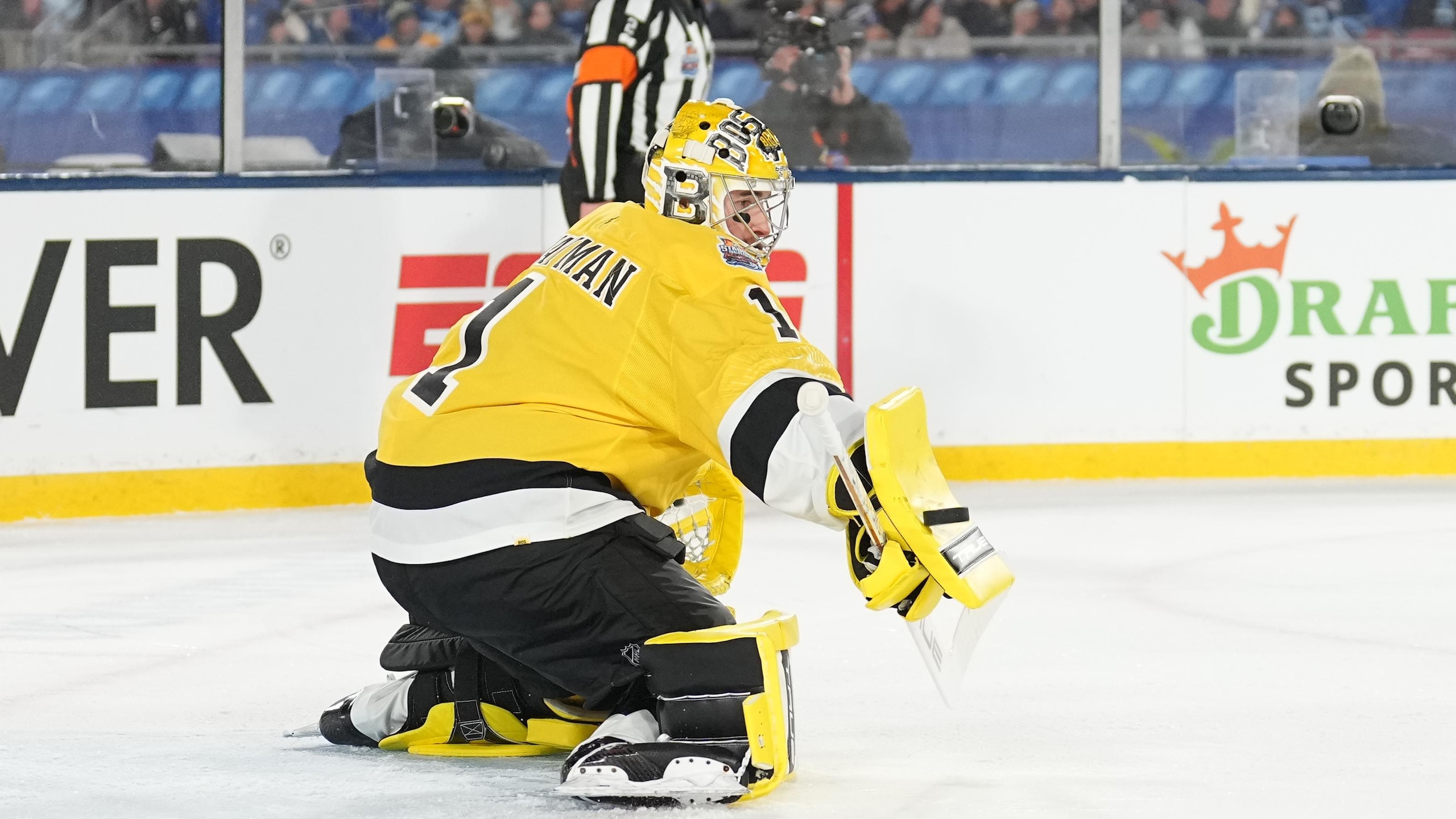
Goaltending is one of the American team's big strengths, and it remains to be seen how the depth chart will shake out in the two backup spots. Swayman's 2024-25 season was a big disappointment for the Bruins, but he has bounced back a little this season (.903 save percentage, up from .892 a year ago) and gives the Americans some outstanding goaltending depth.
If this is your No. 2 or 3 goalie, you are pretty set on the depth chart.
19. Jake Oettinger, Dallas Stars
7 of 25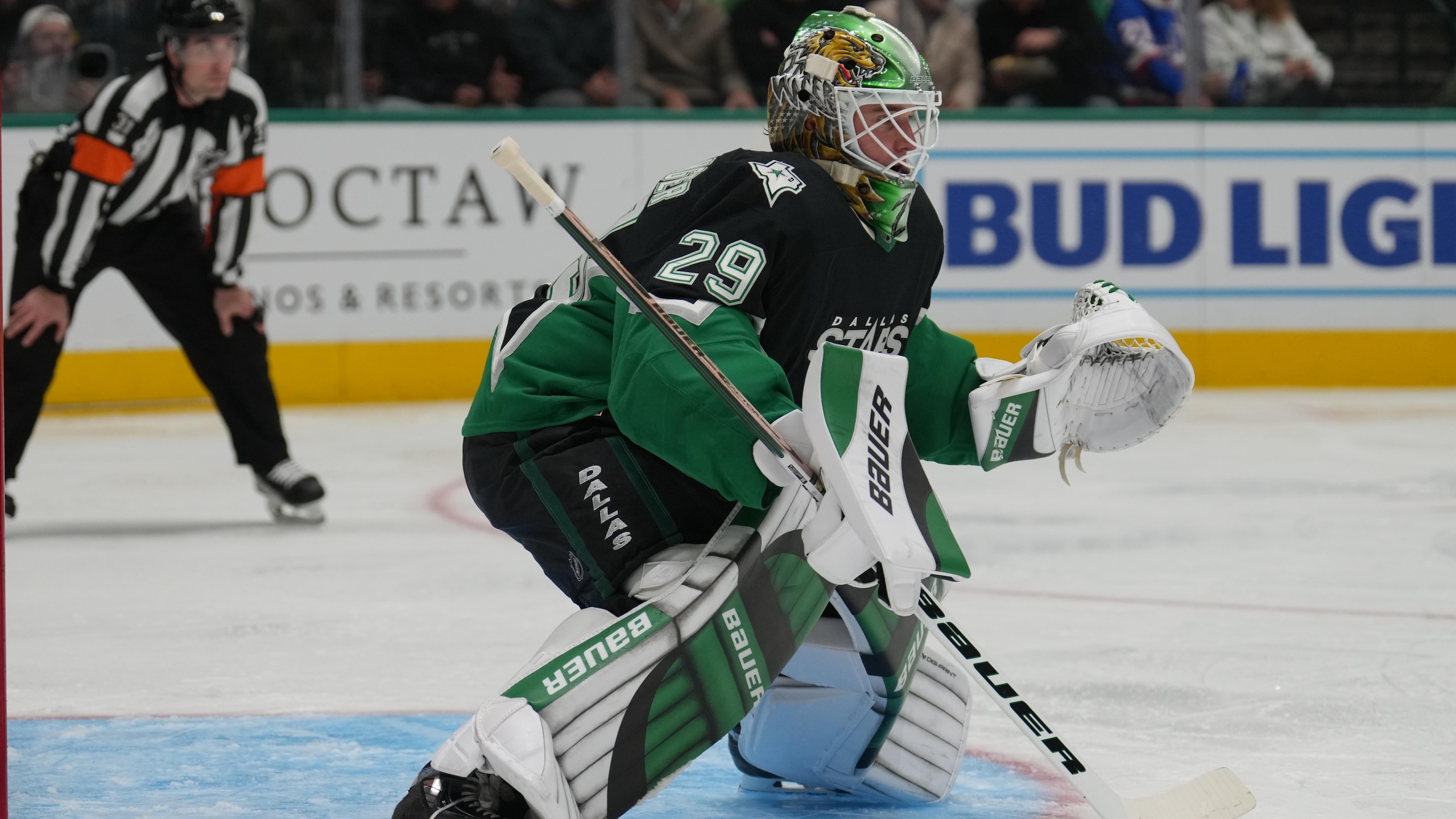
When Oettinger is on top of his game and playing at his best, he can be a huge difference-maker and steal games. The issue is consistency at times. But his ceiling is as high as any goalie in the tournament (or league). The Stars do not always see it. This is still a great security blanket to have in the event of an injury to starting goalie Connor Hellebuyck.
18. Charlie McAvoy, Boston Bruins
8 of 25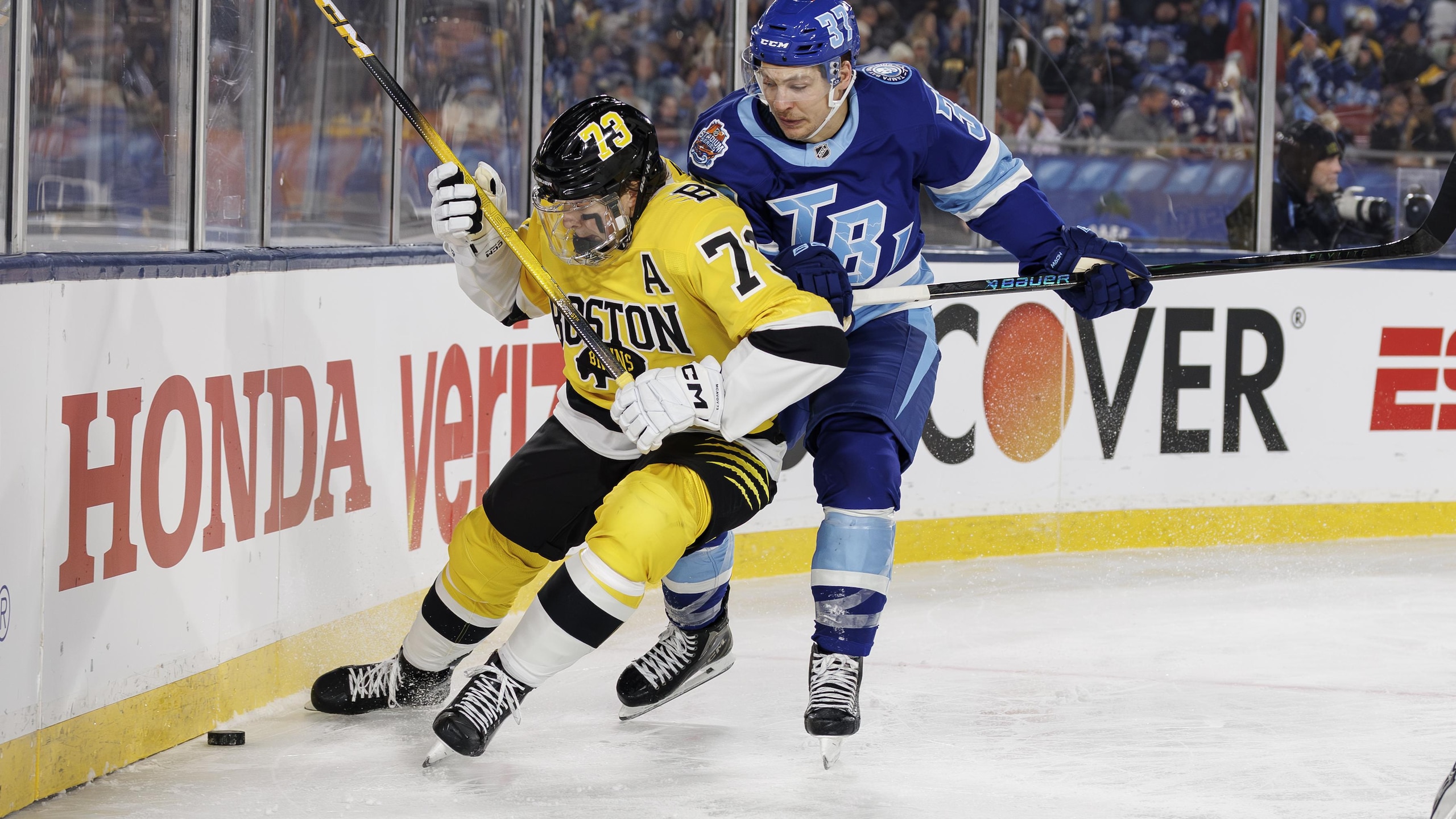
This feels a little low for McAvoy, given how good he is, but this is also a testament to how good the American team is and how deep its talent pool has become.
McAvoy is a legitimate top-pairing defenseman in the NHL and has played a big role in the Bruins' return to playoff contention.
He is not the most dominant offensive player from the blue line (he is still very good and very productive), but he is an outstanding defensive player and shutdown defender.
17. Dylan Larkin, Detroit Red Wings
9 of 25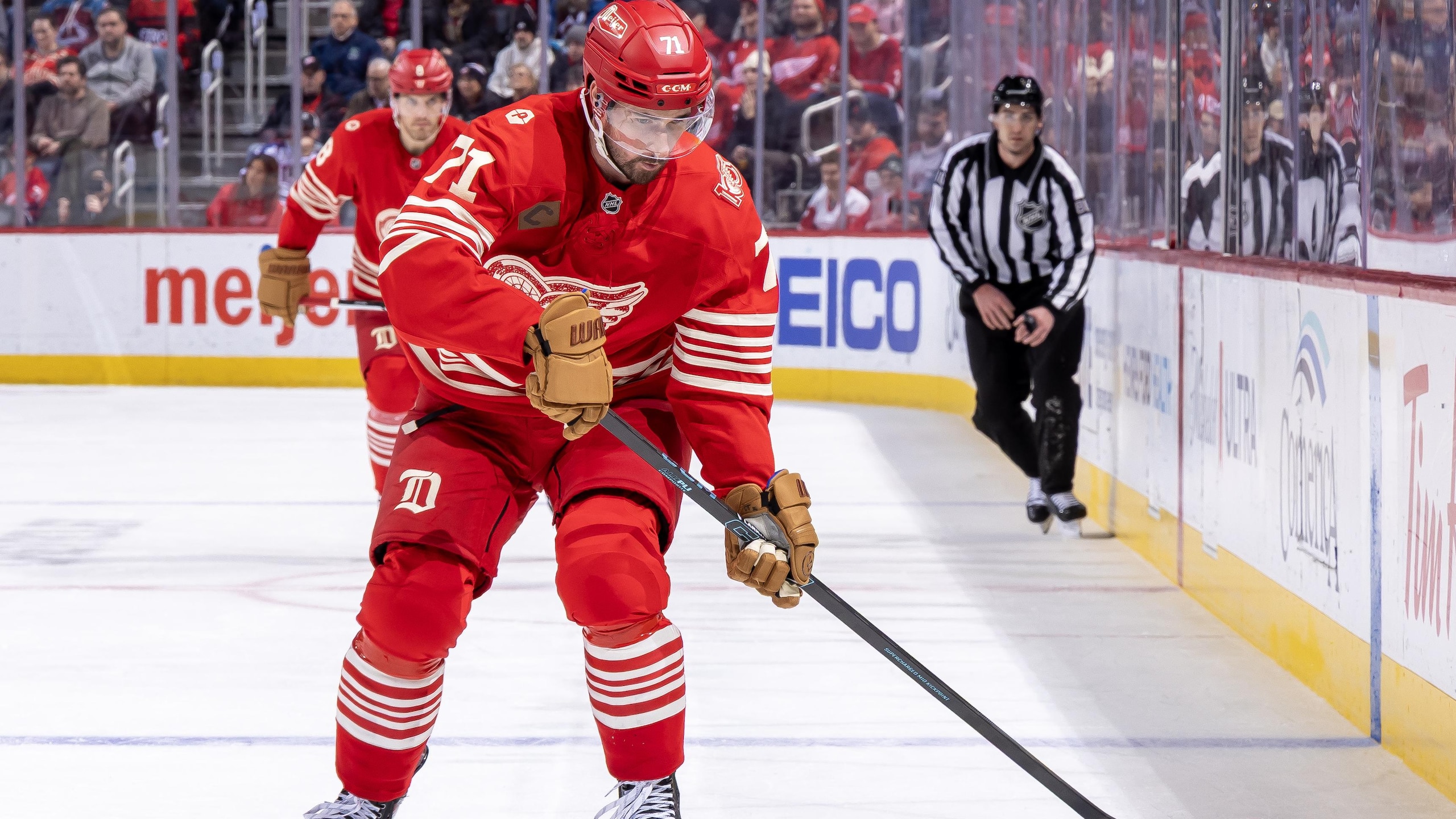
The Red Wings' perpetual mediocrity over the past decade has made it easy for many in the league to overlook just how good Larkin is. The Red Wings returning to the playoffs this season -- as well as a chance to shine on an international stage -- should wake a lot of people up to how good he is.
He plays a full 200-foot, possession-driving game while also scoring at a 70-80-point pace per 82 games. Speed, talent, defense, and strong production. This is what an Olympic role player should look like.
16. Clayton Keller, Utah Mammoth
10 of 25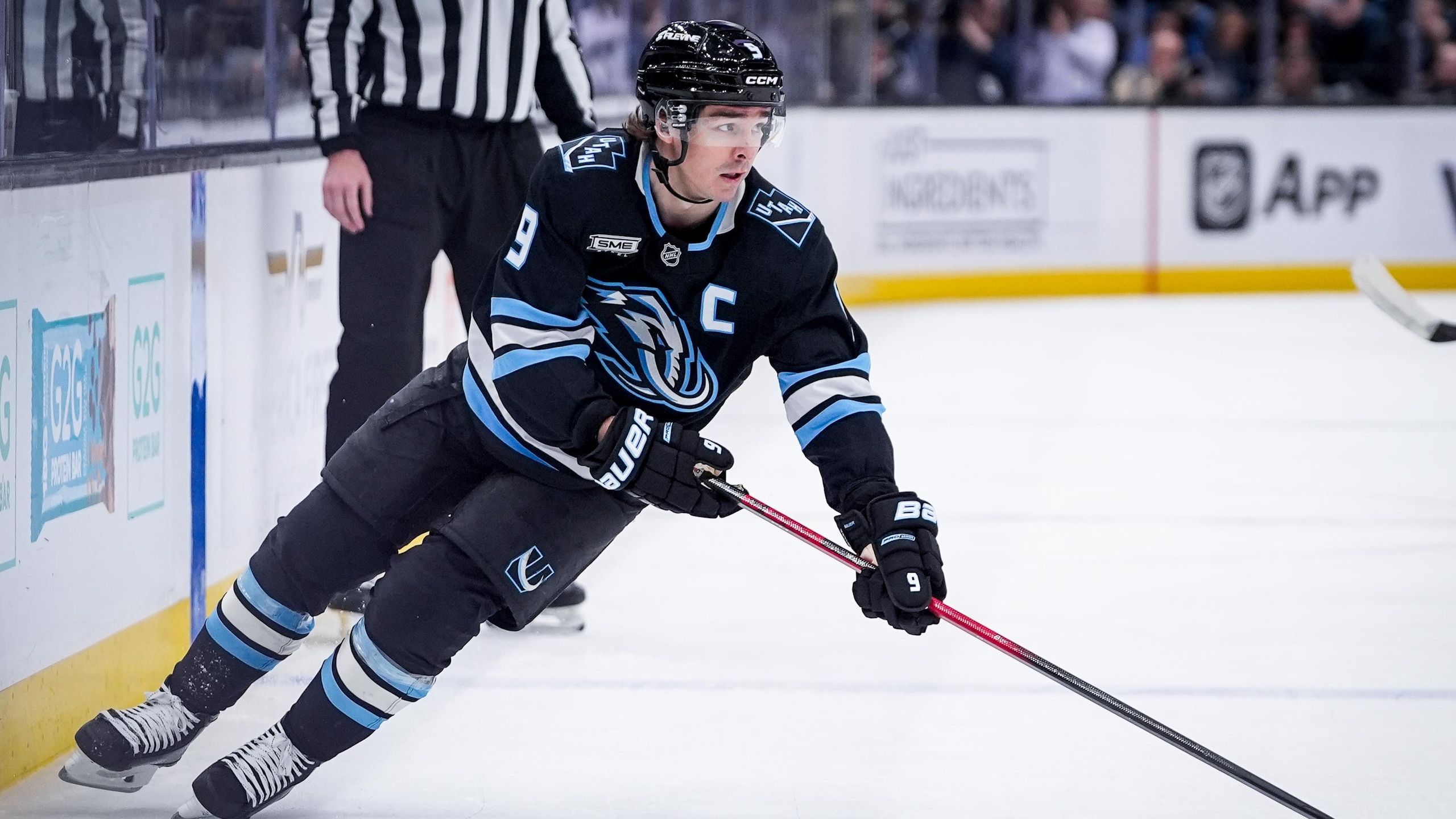
Keller is one of two players on the Olympic team that was not on the 4 Nations roster, and that is at least correcting one mistake. Keller may not be a great defensive player, but he can score and generate offense, and he came off a 90-point season a year ago. He is on track for 76 this season and has been close to a point-per-game scorer for about four years now. Given that the United States typically loses in these games because it cannot generate offense in the biggest games against the best teams, having a player like Keller on the roster is a nice addition.
Now they just need to actually use him.
15. Brock Nelson, Colorado Avalanche
11 of 25
Nelson is having a magnificent season for the Avalanche. While his offensive numbers may not jump off the page, he has played a lockdown center role for the NHL's best team while still scoring 28 goals in 53 games.
Like Larkin, this is what a role player on a team like this should be. He does the little things, he can kill penalties, he can protect a lead, but he also has enough talent and production to score goals in big games and big moments.
14. Jaccob Slavin, Carolina Hurricanes
12 of 25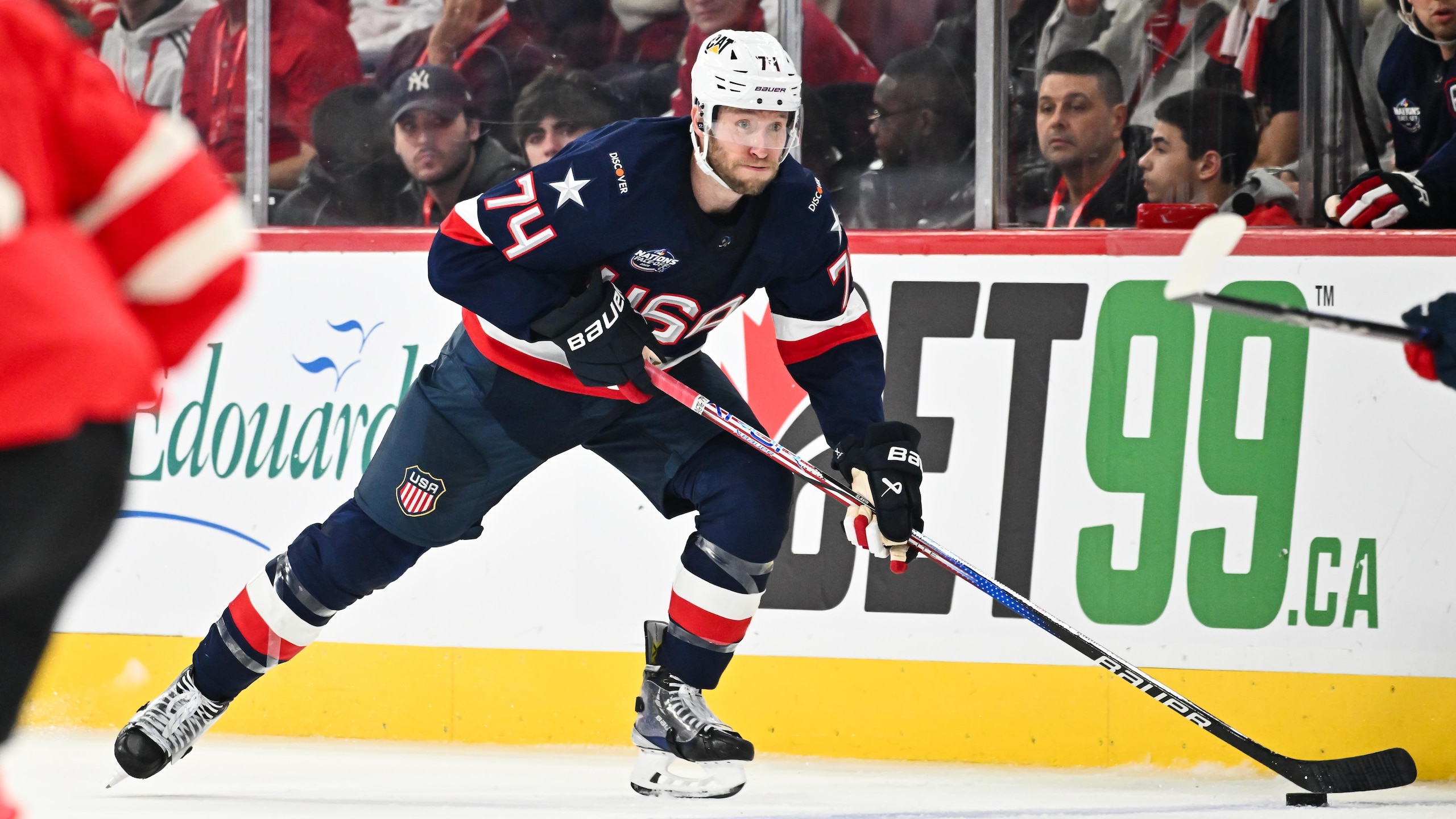
The only reason I do not have Slavin a little higher is that he has played only 15 games this season and is not quite at the same level he has been in recent years. At least not yet.
He's very good but still working his way back. While he does not generate offense in the traditional sense (points), he does so by being a wildly efficient playmaker out of his own zone while also being as solid a defensive player as there is anywhere in the NHL.
13. Brady Tkachuk, Ottawa Senators
13 of 25
The Tkachuk brothers are going to turn every shift of every game into complete mayhem, while also being incredibly effective. It is simply what they do.
While Brady has not quite put up the same offensive numbers as his brother (Matthew), he is still an extraordinarily effective player who plays a similar game to his brother.
Great possession numbers, great shot volume, and the type of player that if he has a season where he gets a little bit of extra puck luck, he could be a 45-or even 50-goal scorer at some point in his career, given his shot volume.
12. Jake Sanderson, Ottawa Senators
14 of 25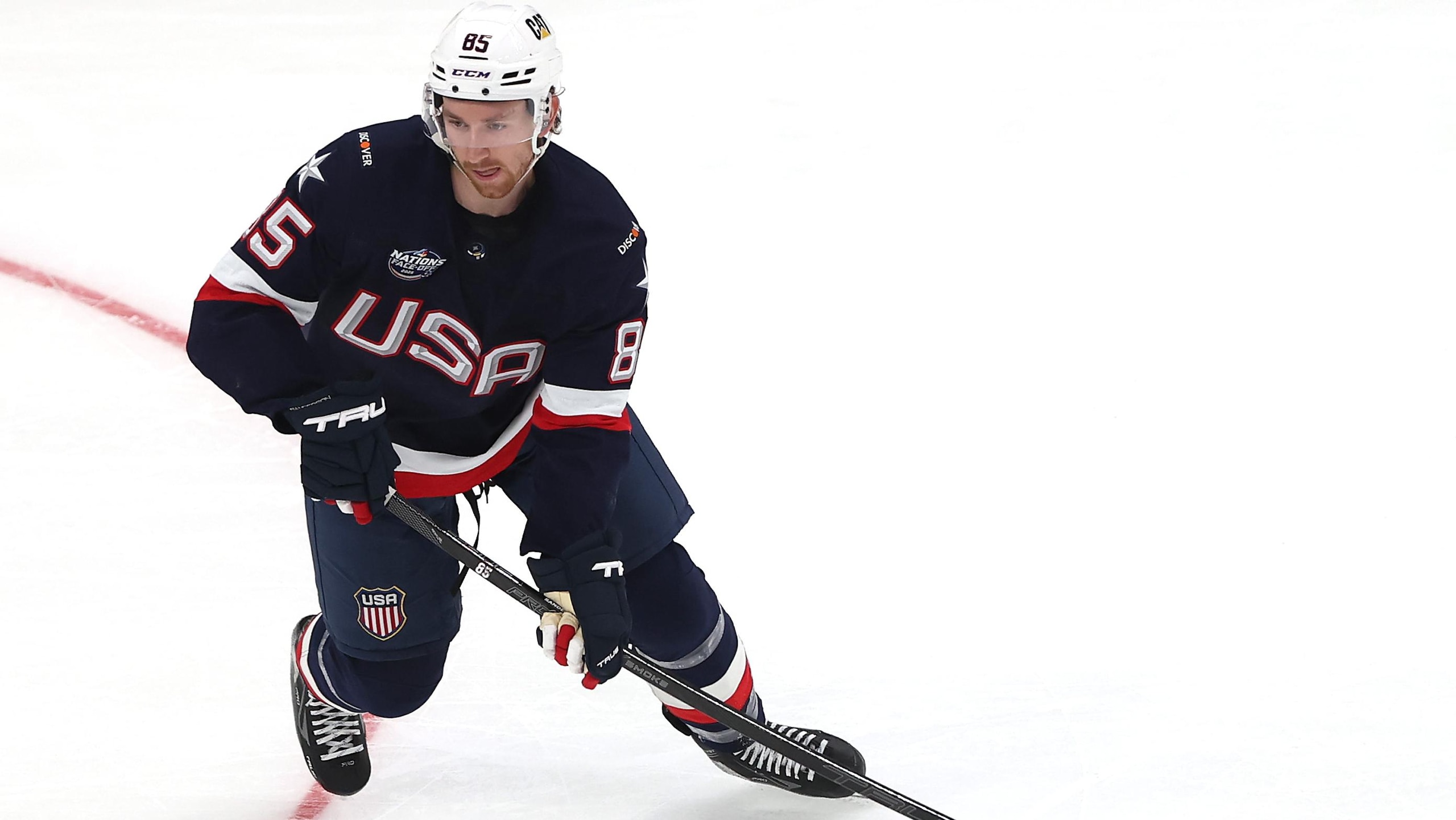
Sanderson might not be the best player (or defenseman) on the American team, but there is a strong case that he is the most underrated.
His offensive production has improved every year he has been in the NHL, and his impact on the Senators is significant.
When he is on the ice during 5-on-5 play this season, the Senators are outscoring teams 46-35 with a 56 percent expected goal share.
Without him on the ice, they are being outscored 79-81 with a 52.7 expected goal share.
He is on pace for 15 goals and 66 total points over 82 games this season while playing great all-around hockey.
11. Matt Boldy, Minnesota Wild
15 of 25
Boldy does pretty much everything well as a winger, and he figures to play another big role for the United States. He is an outstanding possession driver and playmaker with a nice finishing touch, usually scoring close to 30 goals per season.
He is on track to finish with a career-best season, and at his current pace, he could get close to the 45-goal mark.
10. Tage Thompson, Buffalo Sabres
16 of 25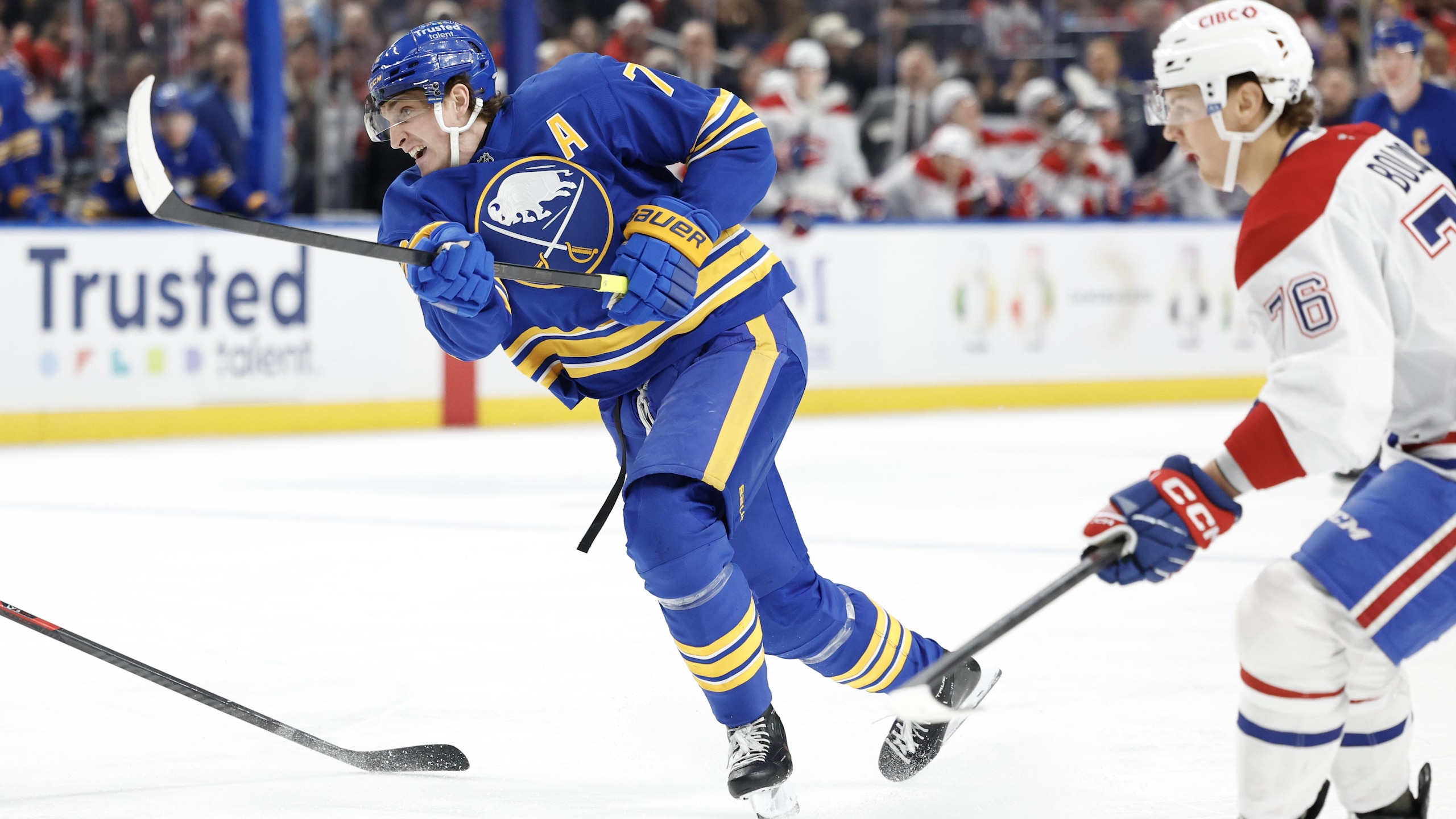
The other big addition that was not on the 4 Nations roster, and bigger works both literally and figuratively.
In hindsight, it is kind of nonsensical that he was not on the 4 Nations roster, and adding him to the Olympic roster should have been a no-brainer.
His combination of size, skill, and a thunderous one-timer makes him a pretty special player who not only needs to be here, but he also needs to be utilized. He is on pace for his third 40-goal season in the past four years and has averaged 43 goals per 82 games since the start of the 2021-22 season.
Thompson needed to be on this roster. Now he needs to play—a lot.
9. Jack Hughes, New Jersey Devils
17 of 25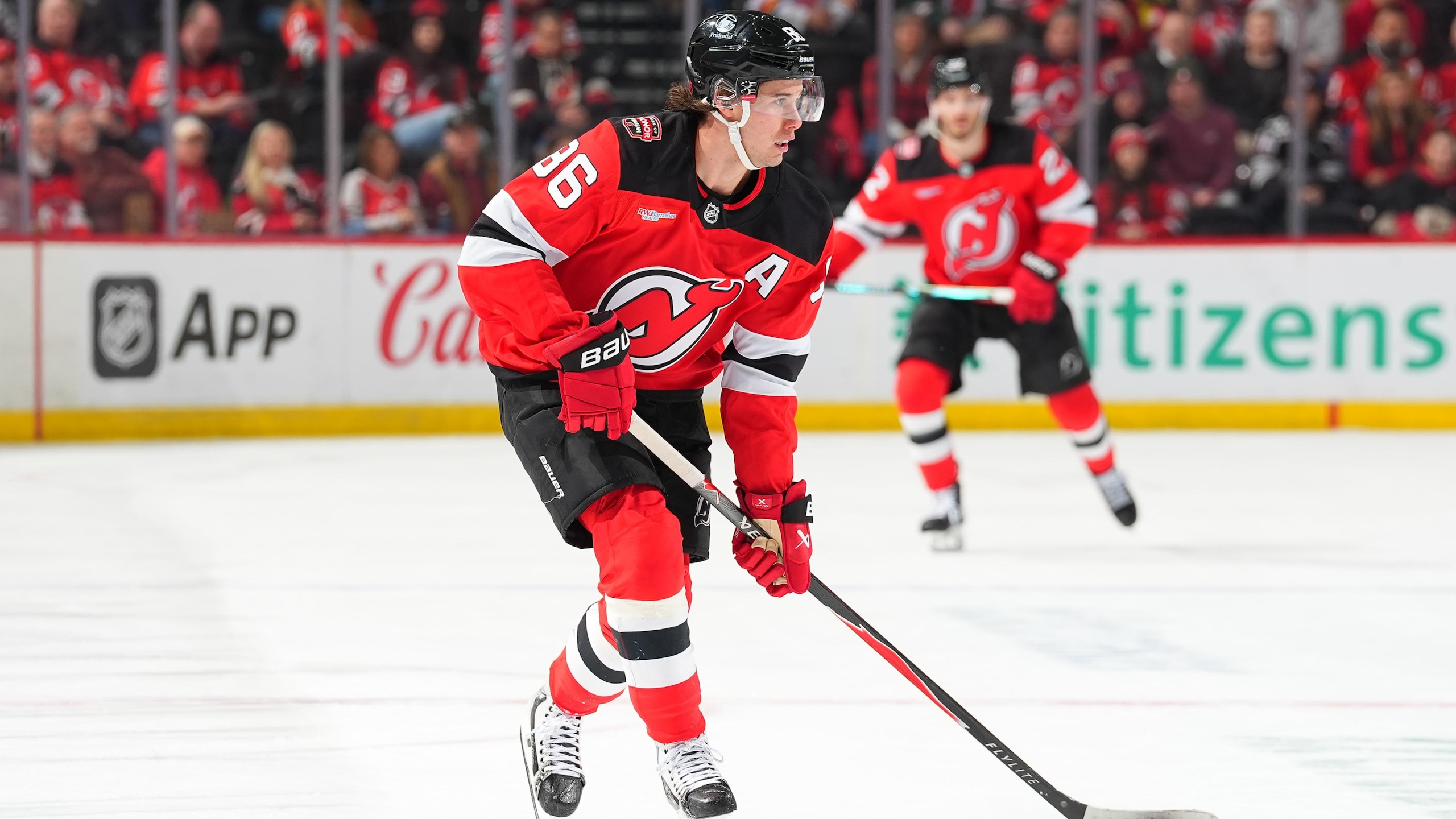
The only major knock against Hughes as a player is his injury history. He misses games.
And this season, it turned downright fluky, with an injury that happened at a restaurant. When he is on the ice, however, he is one of the most electrifying and productive players in the league. He did not have a particularly strong showing at the 4 Nations, but that should not sour people (especially not Team USA) on what he can do here.
8. Auston Matthews, Toronto Maple Leafs
18 of 25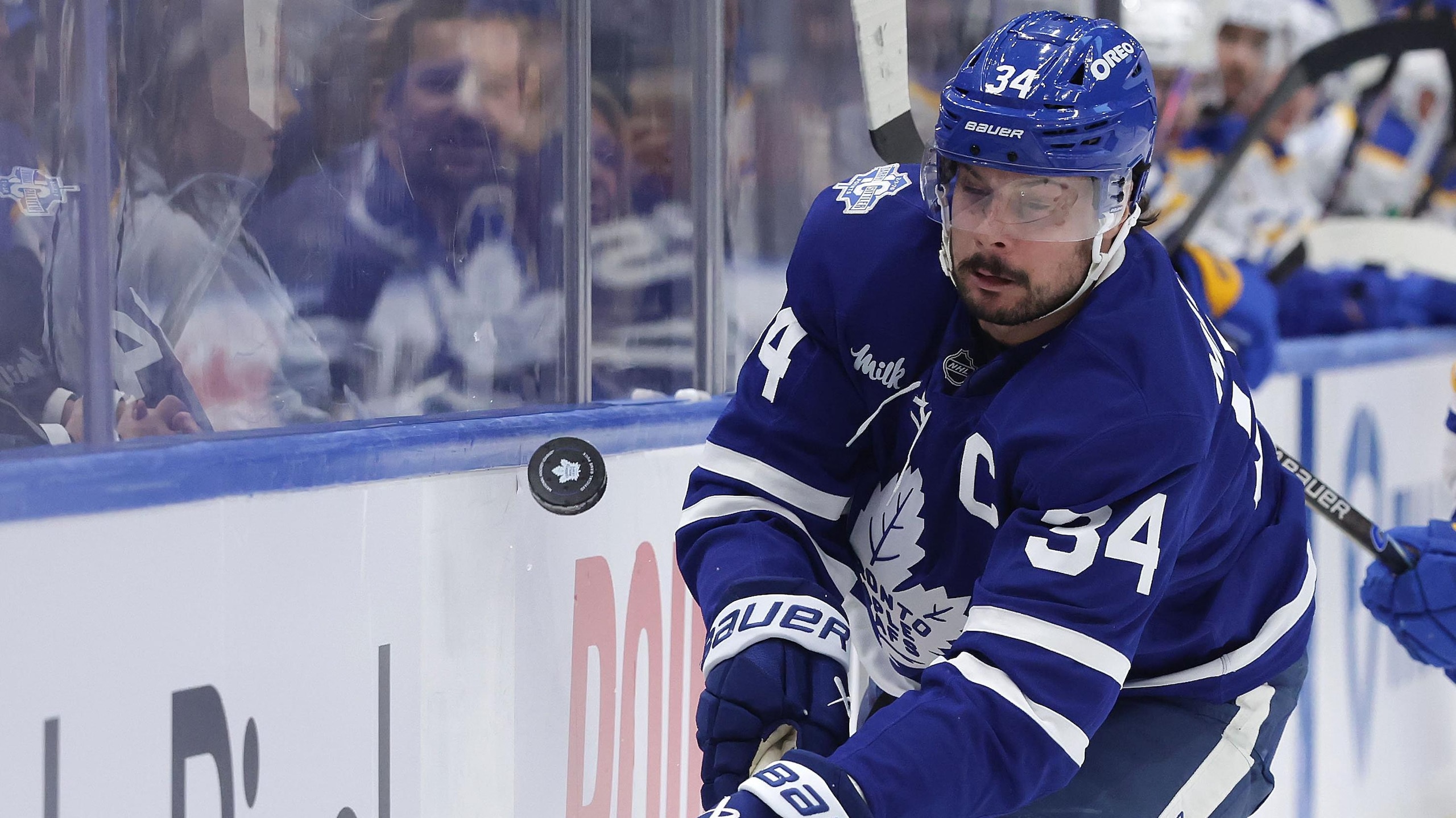
Is this too low for a player with Matthews' resume and talent? It might be. But he has also not really played like the player he can be for over a year now, and I am not sure we can ignore that, given the other talent on this roster.
That is not to say Matthews has been bad. He hasn't.
His "down" years still involve him scoring between 30 and 40 goals, just as he will again this season. But we're used to seeing him score closer to 60 goals and take over games. That has been missing a little bit.
7. Jake Guentzel, Tampa Bay Lightning
19 of 25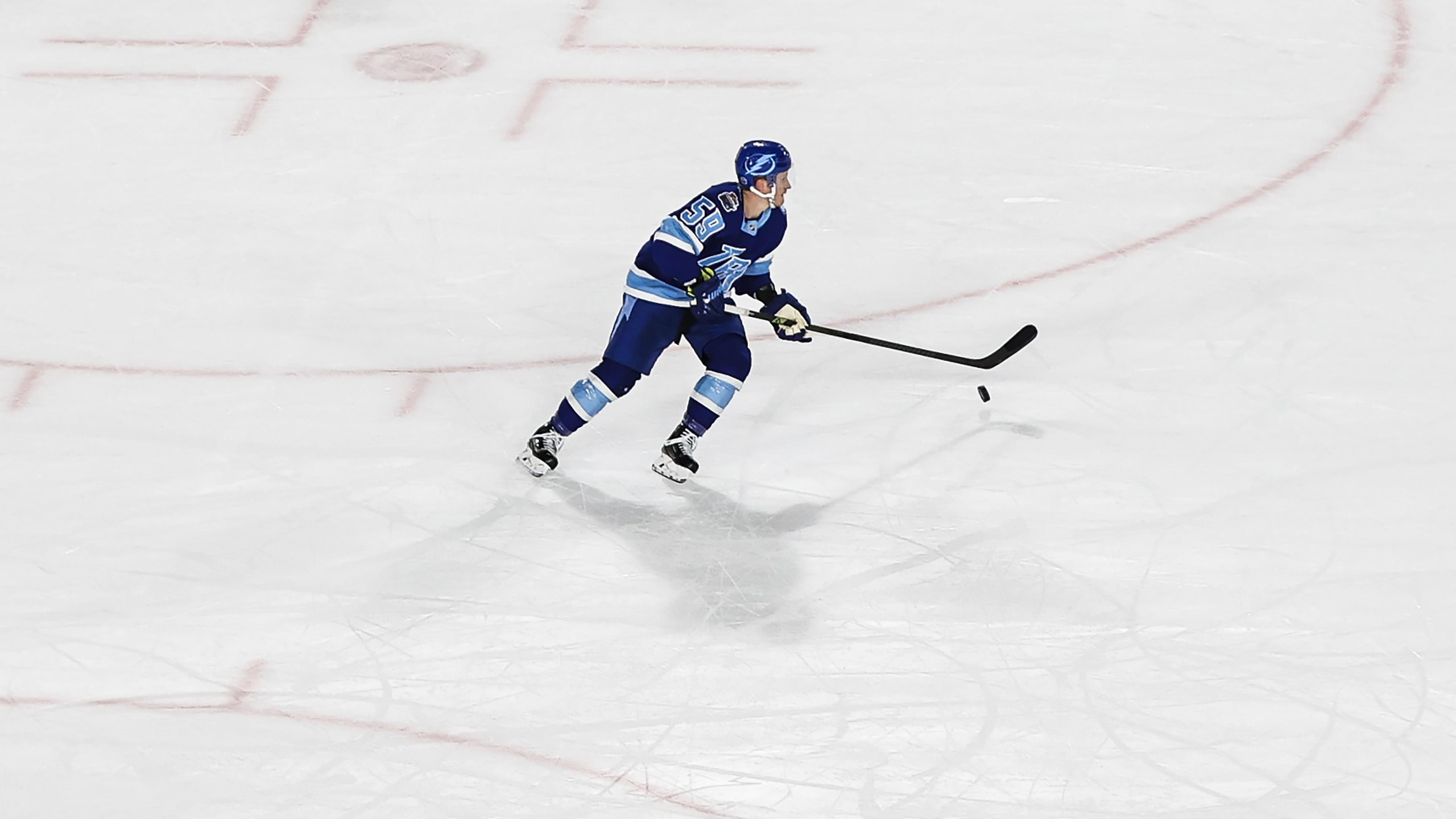
When Jake Guentzel played for the Penguins, there was a sense from non-Pittsburgh fans that he was a good player who just benefited from playing next to Sidney Crosby for so long.
And while that certainly helped, Crosby has played with many talented wingers over the years who have never scored or produced as Guentzel did. You still have to put the puck in the net, and there is still a lot to be said for that.
Since leaving Pittsburgh, all Guentzel has done in both Carolina and Tampa Bay is continue to put the puck in the net. He is one of the best wingers in the NHL, always finds himself in the right position and has developed a knack for being a big-game player in his career. He's good, no matter who he plays alongside.
6. Kyle Connor, Winnipeg Jets
20 of 25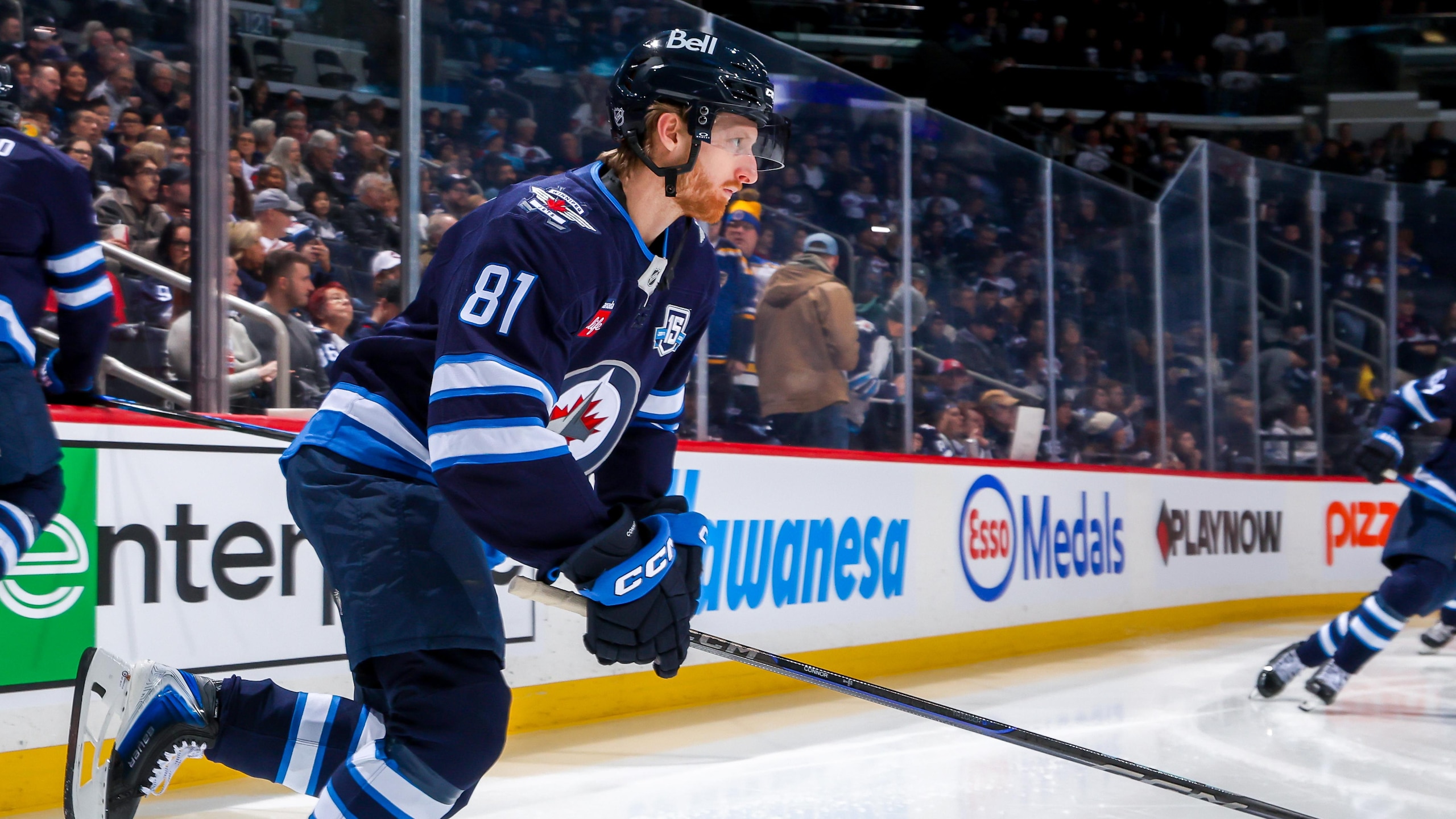
There were a lot of maddening things about the way the United States selected—and used—its 4 Nations roster, and healthy-scratching Kyle Connor, one of the best goal-scorers the Americans have, for the championship game is very high on the list.
Especially given the manner in which they lost: with a lack of offense—again.
Winnipeg might be underwhelming this season as a team, but Connor is not one of the reasons why. He is a proven 40-goal scorer with strong playmaking, and he is as consistently productive as any winger in the NHL, regardless of his country of origin.
Do not scratch him for a big game here.
5. Zach Werenski, Columbus Blue Jackets
21 of 25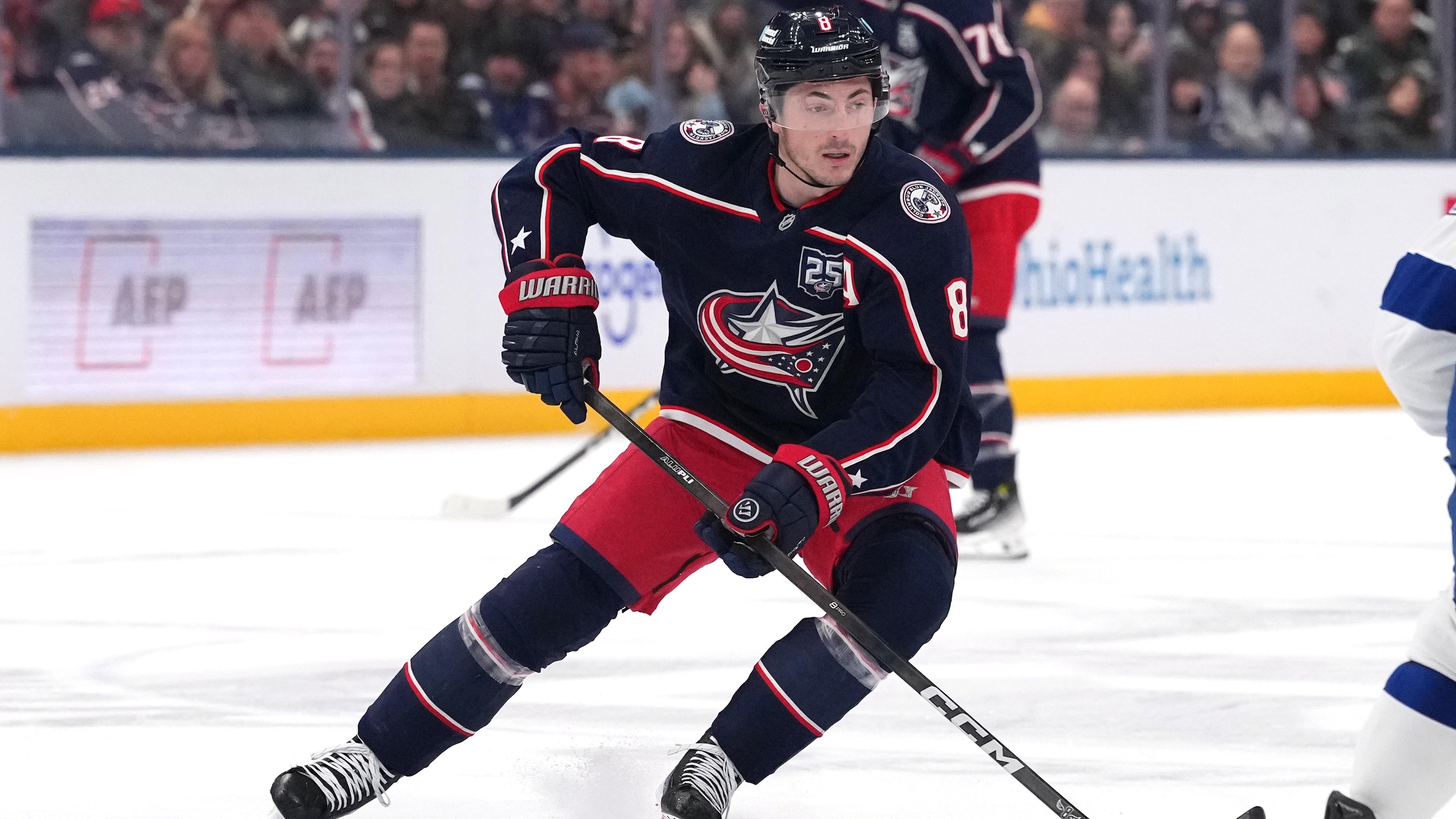
Werenski has always been a really good player, even if underrated and overlooked, in Columbus. But over the past two years, his game has taken off, reaching an even higher level. A Norris Trophy level.
After finishing as the runner-up for the award a year ago, he has been even more productive offensively this season and is on pace for 94 points this season. That is Cale Makar territory. That is rare air for a defenseman. The United States has some really high-end defensemen on it, and Werenski is right there with anybody in the world.
4. Matthew Tkachuk, Florida Panthers
22 of 25
Tkachuk has only played in eight games this season due to injury, but he has to be near the top of this list. He is the type of player that NHL general managers and head coaches would crawl over miles of broken glass to have on their team.
He is an elite scorer, an outstanding defensive and two-way player, an elite possession-driver, a physical player, and one of the best cage-rattling pests in the entire league.
You hate him when he is not on your team. You love him when he is. That is one of the highest compliments you can pay a player in the NHL.
3. Jack Eichel, Vegas Golden Knights
23 of 25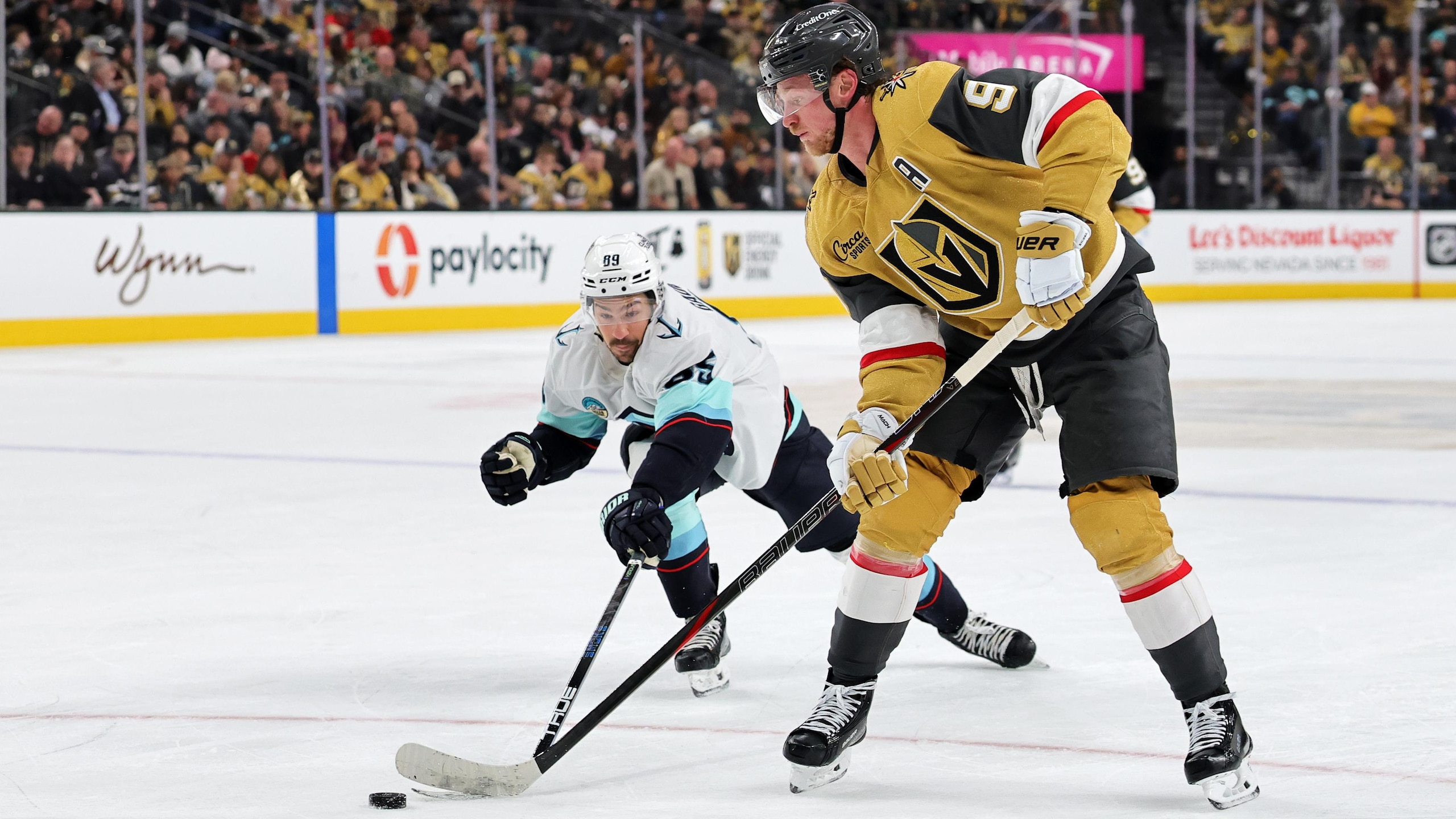
Eichel has always been an elite offensive player, but this past season he added a new element to his game, becoming an outstanding defensive player and earning a top-five finish in Selke Trophy voting.
He is as legitimate as a top-line center as there is in the world and has risen to the top of the American forward list.
After recording a career high 94 points (with the aforementioned defensive improvements) a year ago, he is on pace to shatter that career high this season and is on a 109-point pace while still crushing it as a two-way player.
He has been the best player on a Stanley Cup winning team in his career. Now he is the best American-born forward as well.
2. Connor Hellebuyck, Winnipeg Jets
24 of 25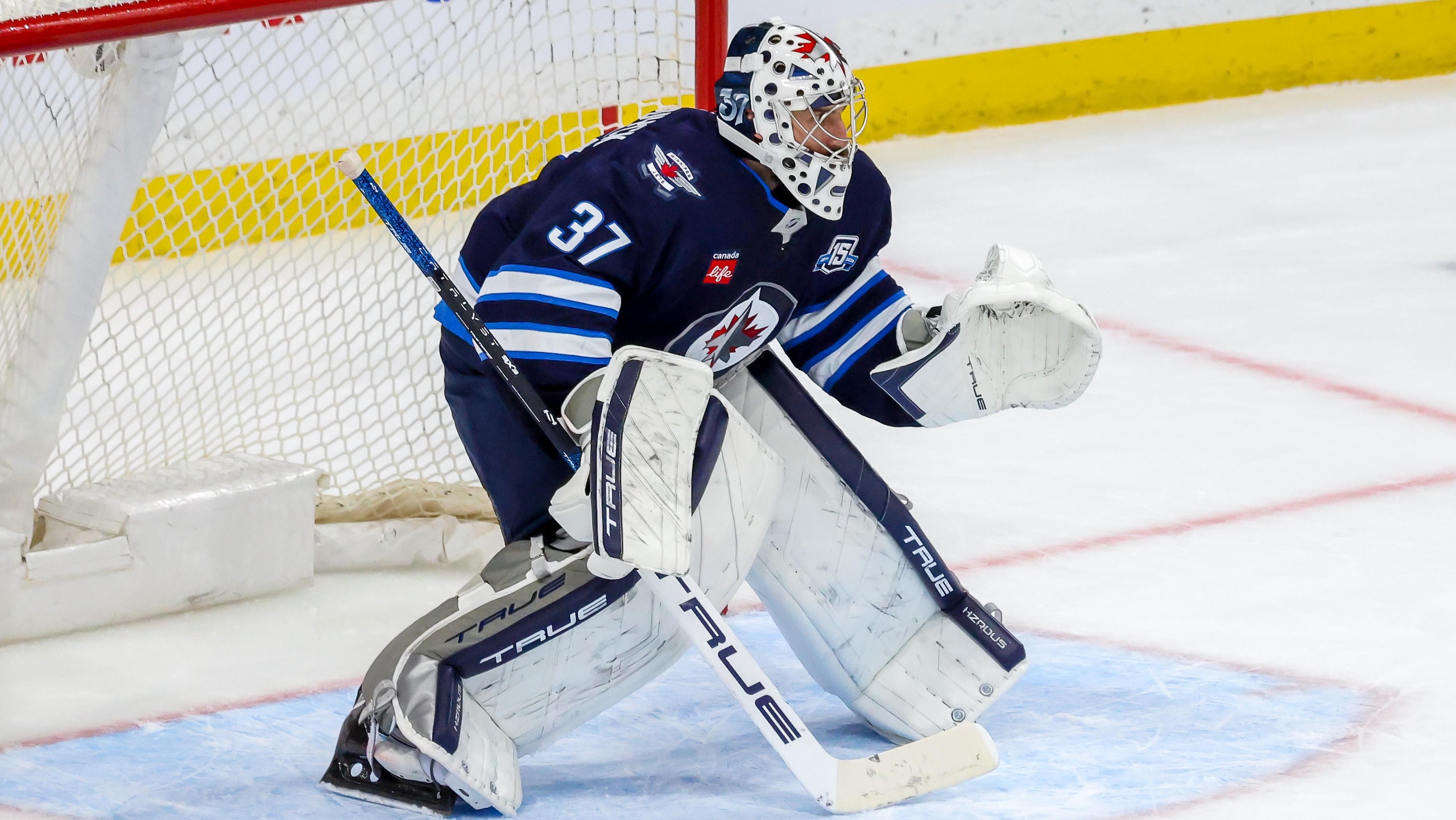
Connor Hellebuyck's overall numbers this season are not where they normally are, but he is also playing behind a team that has been among the most underachieving and disappointing in the league. And even with his down numbers, he is still playing at an above-average level.
What puts him in the No. 2 spot here is that when he does get to his game and is at his best, there are not many players in the NHL who are more impactful in terms of changing a team's trajectory and upside than him.
Part of that is the nature of the position, and the other part is he is just that good.
He has three Vezina trophies on his resume, including each of the past two, and led the NHL in goals saved above average in each of the previous two seasons.
Despite the flaws and criticisms USA management has faced in assembling elements of this roster, the presence of Hellebuyck and his potential can really set them apart from other contenders in the tournament.
1. Quinn Hughes, Minnesota Wild
25 of 25
Then we have the best player on the American roster, defenseman Quinn Hughes.
He is the total package as a defenseman and impacts the game in so many ways. Over the previous two years with the Canucks, they outscored opponents and had a 53.6 expected-goals share during 5-on-5 play while he was on the ice.
When he was not on the ice, they were outscored by 47 goals and managed only a 46.0 percent expected goal share.
In Minnesota, he has helped bring out the best in Faber while also immediately turning them into a Stanley Cup contender.
He has also had a similar impact on the team's performance as he did in Vancouver. Since joining the Wild, they are outscoring teams 39-28 during 5-on-5 play with a 53.2 percent expected goal share.
Without him on the ice this season, they have been outscored 74-78 with only a 48.6 percent expected goal share.
He is a game-changer. A team-changer. A season-changer. He also did not play in the 4 Nations due to injury, and now he will have a chance to show if he can be a tournament-changer. He is the most significant addition to this year's team.
.jpg?w=2560 "Buzz: MHJ Hired Agents for Trade")
.jpg?w=2560 "49ers LB Suspended for Headbutt")
.jpg?w=2560 "AD Trolls Bears WR on IG 😂")
.jpg?w=2560 "Report: Steelers WR to Miss 'Weeks'")