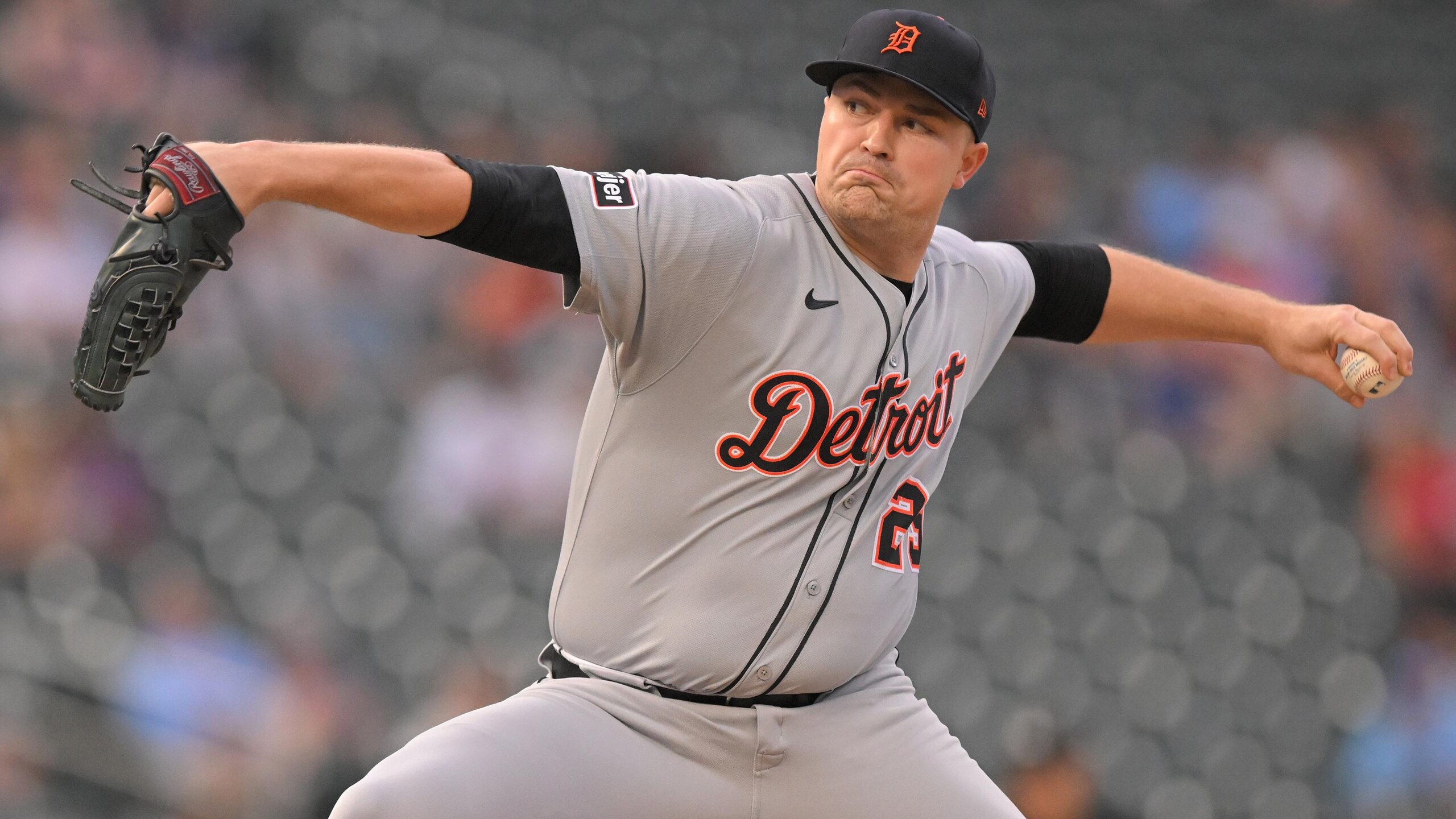

Ace Rankings For Each MLB Team's Best Starting Pitcher in 2025
Tarik Skubal is on a quest to become the first back-to-back AL Cy Young winner in a quarter century, while Paul Skenes is on a quest of his own for the first of what could be several NL Cy Young awards in his career.
But there are quite a few other aces thriving not far behind that duo, hoping to spoil their parties.
Step one in this two-part ranking process was identifying who has been each team's starting pitcher this season. In most cases, that wasn't difficult, especially after qualifying that the pitcher must currently be employed by the team (i.e. Merrill Kelly doesn't count for Arizona) and that healthy pitchers take precedence over injured ones in any cases where it's a close call.
But there were a few difficult decisions, including one that impacted our top 10.
Step two was taking the 30 aces and ranking them in ascending order of how comfortable we'd feel starting them in Game 1 of the World Series. That's based primarily upon production thus far in 2025, but track record from previous years can influence the rankings a bit (in either direction).
Unless otherwise noted, all statistics are current through the start of play on Thursday, August 21. Data for bWAR and fWAR can be found at those links.
Watch Friday Night Baseball, only on Apple TV+
Tonight, it's the Kansas City Royals vs. Detroit Tigers at 7:10 p.m. ET and the New York Mets vs. Atlanta Braves at 7:15 p.m.
Nos. 30-28: Kyle Freeland, Shane Smith and Ryne Nelson
1 of 10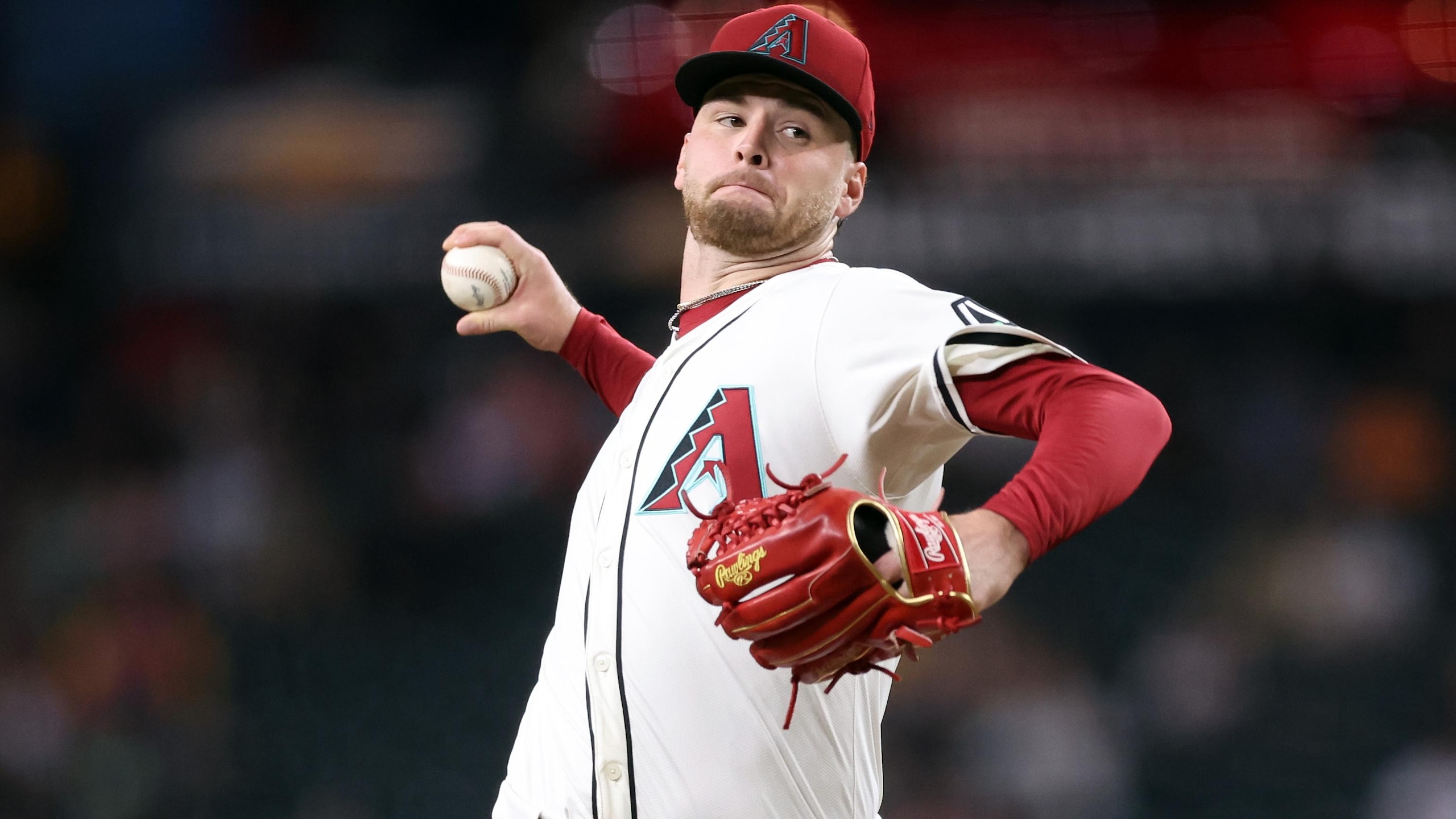
30. Kyle Freeland, Colorado Rockies
120.1 IP, 3-12, 5.16 ERA, 4.33 FIP, 1.50 WHIP, 6.4 K/9, 0.9 bWAR, 1.6 fWAR
As is usually the case for whoever happens to be Colorado's ace in a given year, the home/road splits are worth mentioning. Freeland has been lit up to the tune of a 6.36 ERA and 1.85 WHIP in Colorado, but with more respectable marks of 4.24 and 1.22, respectively, in 12 starts on the road.
Even if we threw out the Coors Field data and focused exclusively on those road stats, though, he probably still lands at No. 30 on this list. And of the eight Rockies who have made at least seven starts this season, he's the only one who doesn't have a negative bWAR.
29. Shane Smith, Chicago White Sox
107.0 IP, 3-7, 4.12 ERA, 4.41 FIP, 1.29 WHIP, 8.6 K/9, 1.0 bWAR, 1.2 fWAR
For both the White Sox and the Diamondbacks, the ace of the staff changed at the trade deadline, Adrian Houser going from Chicago to Tampa Bay while Merrill Kelly went from Arizona to Texas.
However, it was Smith, not Houser, who represented the White Sox at the All-Star Game. The rookie has wilted considerably over the past two months, but he had a 2.37 ERA through his first 13 starts, quickly blossoming into a legitimate AL Rookie of the Year candidate.
28. Ryne Nelson, Arizona Diamondbacks
113.0 IP, 6-3, 3.58 ERA, 3.76 FIP, 1.07 WHIP, 7.9 K/9, 2.2 bWAR, 1.3 fWAR
With all due respect to Nelson, him becoming the ace of this staff is a microcosm of everything that went wrong for Arizona.
The Snakes opened the year with Corbin Burnes, Eduardo Rodriguez, Zac Gallen, Merrill Kelly and Brandon Pfaadt as their starting rotation, not to mention Jordan Montgomery making over $20 million to recover from Tommy John surgery.
Yet, for the third straight year, they've had to lean heavily upon Nelson, who has been hands down their best pitcher dating back to mid-June, with a sub-3.00 ERA over his last 12 starts.
Nos. 27-25: Jacob Lopez, Gavin Williams and Sonny Gray
2 of 10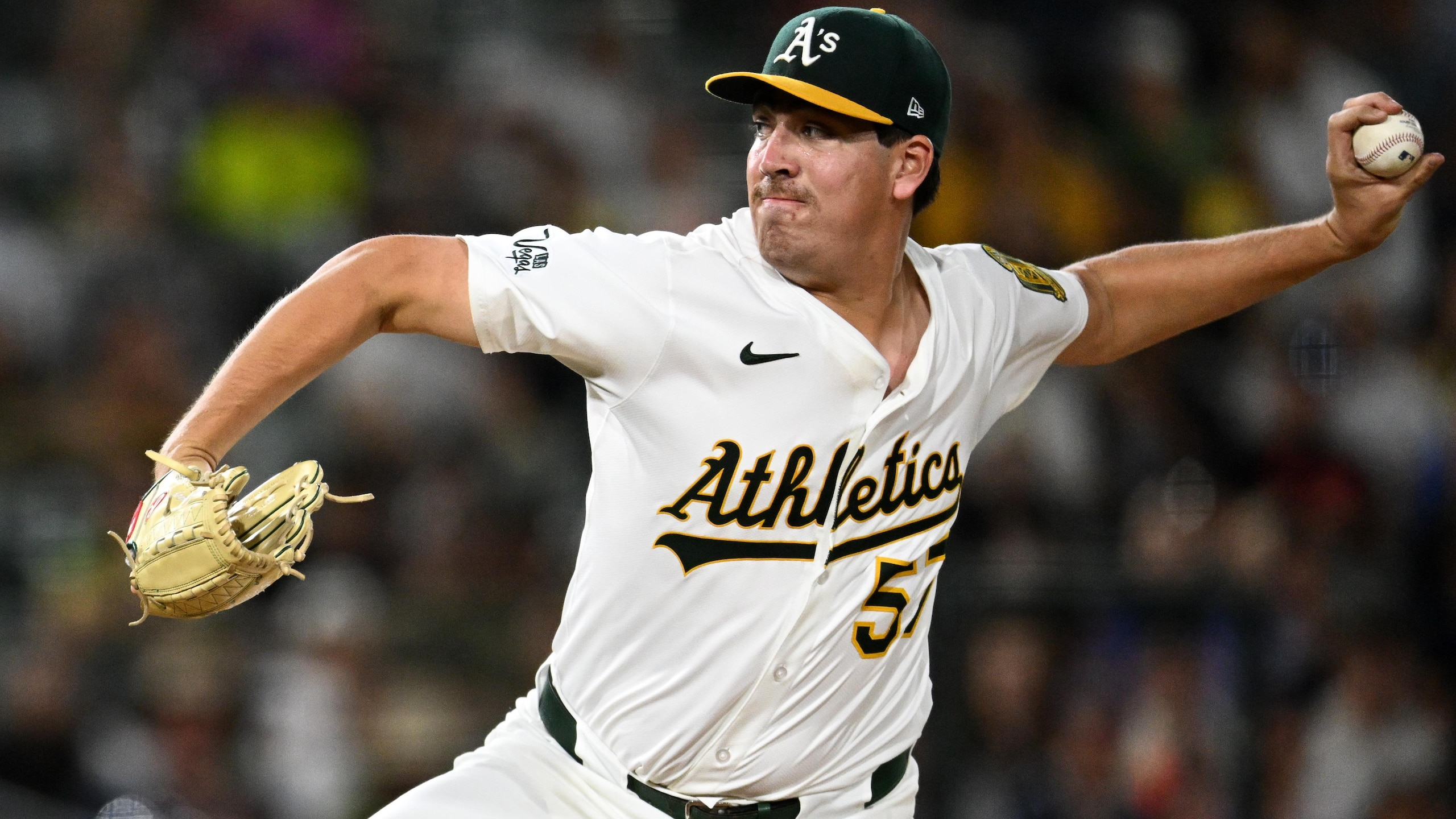
27. Jacob Lopez, Athletics
90.2 IP, 7-6, 3.28 ERA, 3.82 FIP, 1.17 WHIP, 10.9 K/9, 2.0 bWAR, 1.7 fWAR
If you want to talk about ace rankings over the past 30 days, say hello to a mighty fine candidate for No. 1 on that list.
Jacob Lopez entered Tuesday's win over the Twins with a streak of 24 consecutive scoreless innings, in which he allowed 14 hits and six walks with 28 strikeouts. And in the two most recent of those starts against Washington and Tampa Bay, it was 14.2 IP, 19 K, 0 BB.
Prior to that stretch of dominance, though, this southpaw had logged just 83.1 career innings in the majors with an ERA of 4.64. The A's might have something special on their hands here, but we'd like to see Lopez pitch well for more than a couple of weeks before getting too carried away with his ranking.
26. Gavin Williams, Cleveland Guardians
133.1 IP, 8-4, 3.24 ERA, 4.49 FIP, 1.30 WHIP, 8.9 K/9, 2.5 bWAR, 1.1 fWAR
In 16 starts as a rookie in 2023, Williams posted a 3.29 ERA. In the same number of starts last year, that ERA ballooned to 4.86.
However, the 26-year-old has reeled it back in to almost the exact same mark that had everyone getting excited about the long-term future of a rotation in which both Logan Allen and Tanner Bibee also pitched well as rookies.
Williams simply has to do something about all the walks, though. He is "leading" the majors with 68 free passes issued, on pace for roughly 90, assuming he makes seven more starts down the stretch.
No one even got to 80 last year, and only five pitchers in the past decade have racked up at least 90 walks in a single season. (While Blake Snell has often been able to get away with an equally high walk rate, Williams otherwise isn't nearly as dominant as Snell is.)
25. Sonny Gray, St. Louis Cardinals
140.1 IP, 11-6, 4.30 ERA, 3.24 FIP, 1.19 WHIP, 9.9 K/9, 1.2 bWAR, 3.0 fWAR
Among the 99 pitchers to log at least 200 innings pitched since the beginning of 2024, Gray's xFIP (2.89) ranks fifth-best, behind only Paul Skenes, Tarik Skubal, Garrett Crochet and Chris Sale. However, his ERA (4.05) ranks 60th.
Just some awful batted ball luck since landing with St. Louis, especially this season with a .330 BABIP against. But we kind of have to rank him based on what has actually happened as opposed to what should have happened.
Tip o' the cap, though, for leading the National League in both walk rate (1.5 BB/9) and K/BB (6.46) among qualified pitchers. At least he's doing a fine job of controlling what he can control.
Nos. 24-22: Kevin Gausman, Yusei Kikuchi and Edward Cabrera
3 of 10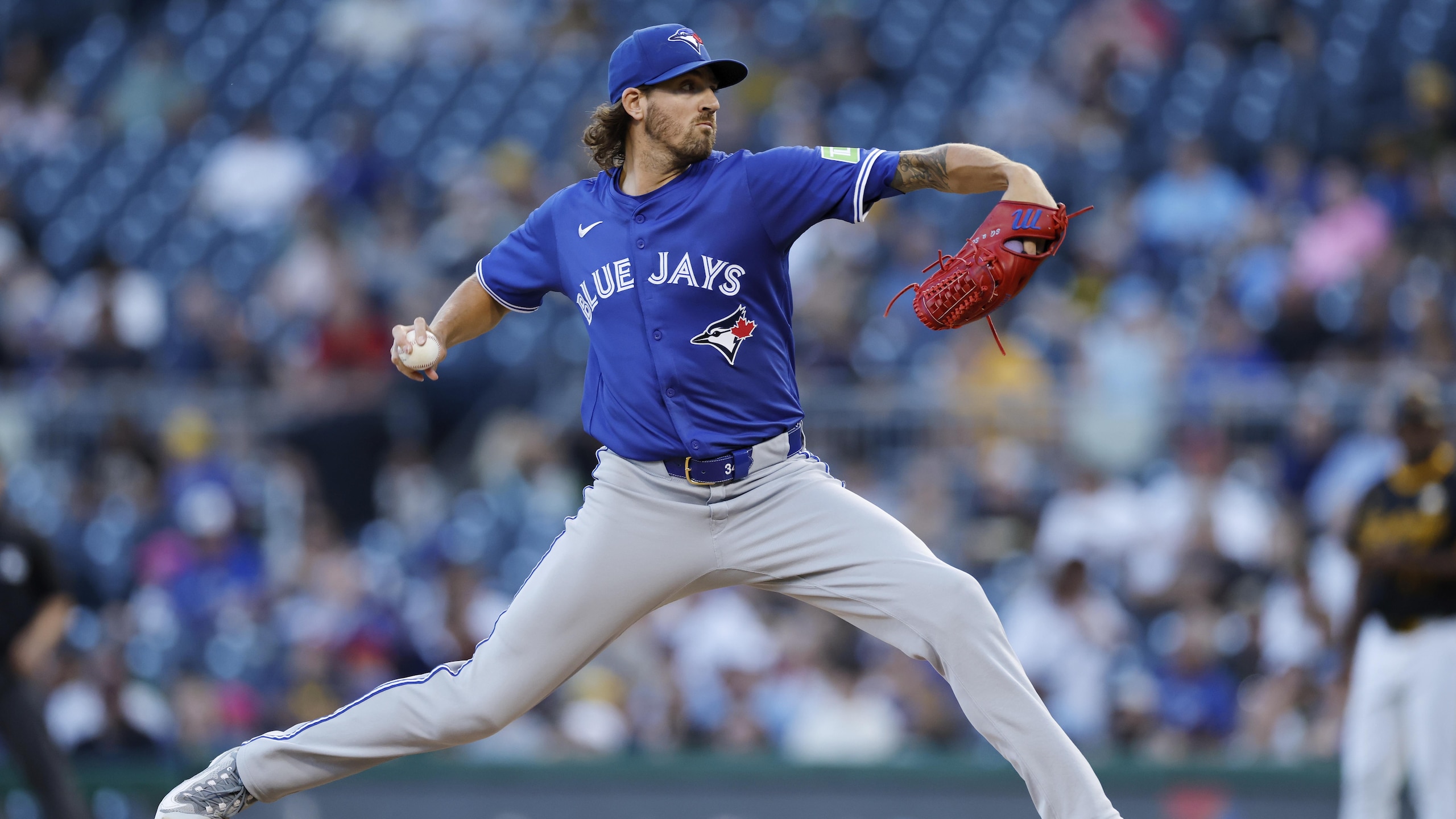
24. Kevin Gausman, Toronto Blue Jays
147.2 IP, 8-9, 3.78 ERA, 3.78 FIP, 1.06 WHIP, 8.7 K/9, 2.6 bWAR, 2.5 fWAR
For as relentless as the Blue Jays have been with a 48-26 record dating back to late May, this is the part that terrifies you if you're thinking about hammering the slightly offensive +1000 World Series odds on what may well be the AL's No. 1 seed.
Toronto's rotation is almost comically overflowing with former aces, with Shane Bieber officially joining the fray Friday night. But whether it's Gausman, Chris Bassitt, Max Scherzer, José Berríos or even Bieber starting Game 1 of their postseason, the Blue Jays have the least "here's hoping we can at least scrap out a run or two against that guy" ace among the likely playoff squads.
And Gausman hasn't been bad by any means. He's easily a top-50 pitcher this season with a dozen quality starts, occasionally reharnessing his Cy Young-caliber form from 2021-23. He's just more of a really good No. 2 starter who happens to be Toronto's ace by default.
23. Yusei Kikuchi, Los Angeles Angels
150.0 IP, 6-8, 3.42 ERA, 3.98 FIP, 1.42 WHIP, 9.2 K/9, 3.7 bWAR, 2.5 fWAR
Los Angeles signing Kikuchi (at 33 years old with a career ERA of 4.57 and FIP of 4.53) to a three-year deal worth more than $21 million per season was one of the bigger surprises of this past offseason. But at least he has lived up to it thus far with arguably the best season of his career.
He has had more than his fair share of appearances not exactly worth writing home about in recent weeks, but Kikuchi was lights-out in May and June, making 11 starts with a 2.07 ERA while the Halos unexpectedly surged into the wild-card mix.
22. Edward Cabrera, Miami Marlins
117.2 IP, 6-7, 3.52 ERA, 3.50 FIP, 1.22 WHIP, 9.6 K/9, 2.3 bWAR, 2.1 fWAR
Speaking of players individually thriving for a team unexpectedly surging, the Miami Marlins went 38-28 from May 24 through August 8, clawing all the way back to .500 for a brief moment earlier this month. And during that stretch, Cabrera became the reliable ace Sandy Alcantara used to be.
His full-season numbers are impressive enough on their own, but Cabrera made 13 starts during that window with a 1.95 ERA, 0.96 WHIP and 9.9 K/9, including quality starts against the Phillies, Yankees and Brewers.
Cabrera always has had wipeout stuff on the mound, but most noteworthy about this campaign is that he has been healthy for a change, logging at least 100 innings for the first time in his big league career.
If he holds up for another six weeks, maybe the Marlins sell high this offseason on the pitcher who has been brought up frequently in trade speculations for years.

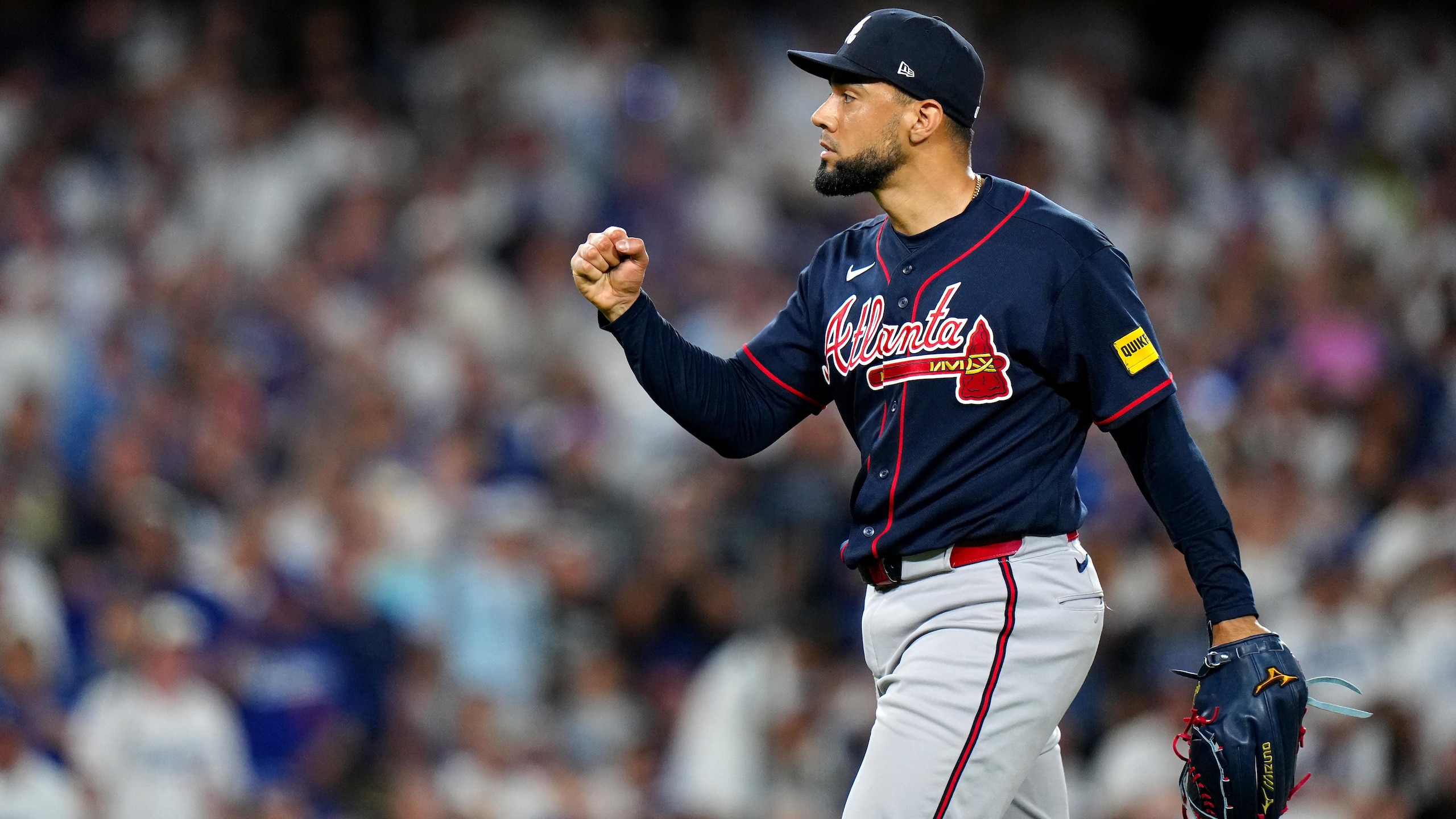

Nos. 21-19: Kodai Senga, Trevor Rogers and MacKenzie Gore
4 of 10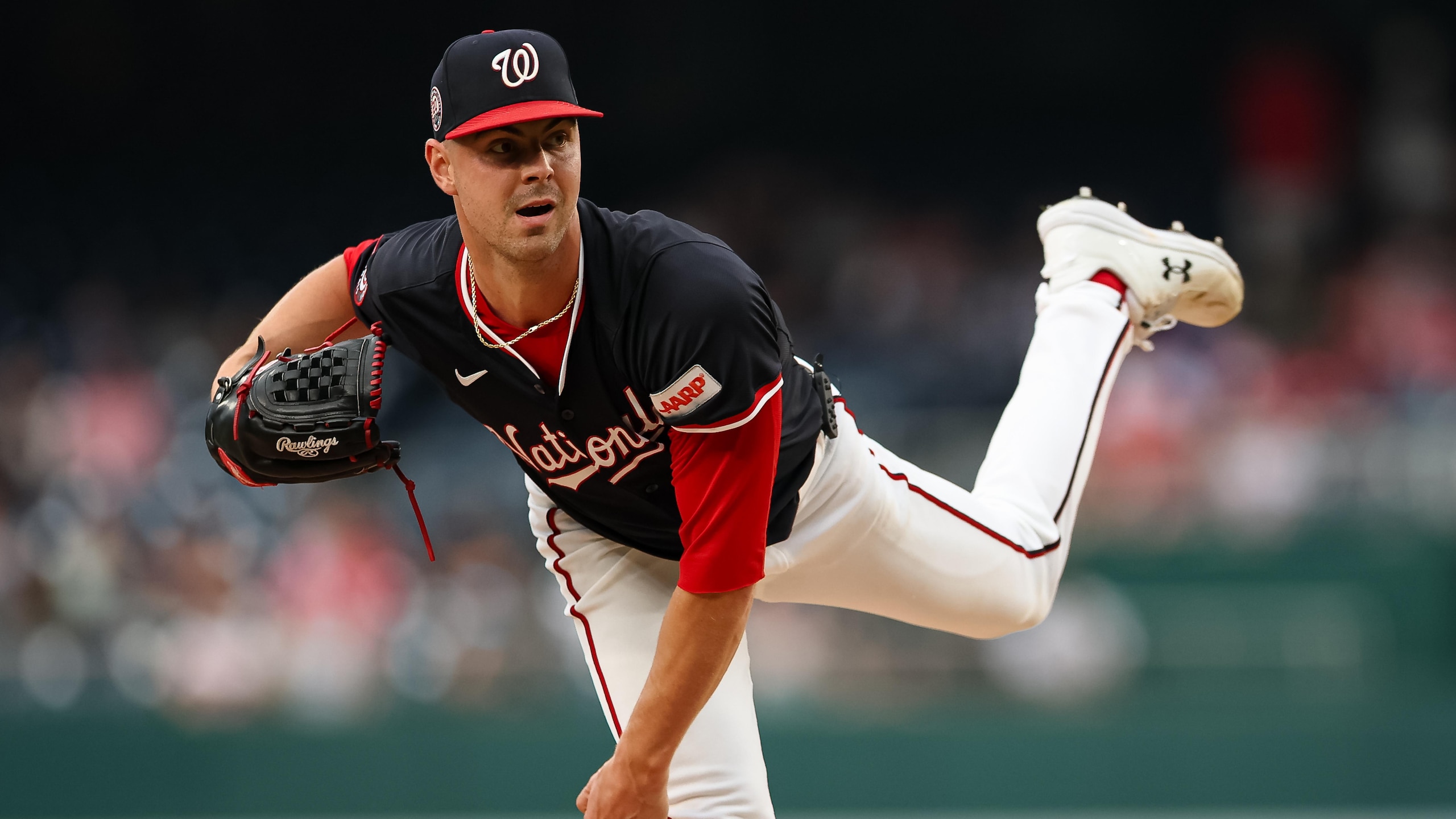
21. Kodai Senga, New York Mets
104.2 IP, 7-5, 2.58 ERA, 4.08 FIP, 1.25 WHIP, 8.5 K/9, 2.4 bWAR, 1.3 fWAR
Before the hamstring injury suffered in mid-June that sidelined him for a month—an injury that was very much the first domino to topple in the Mets' fall from grace—Senga might have landed in the top five on this list.
A 3.23 FIP fueled by a walk rate of 3.8 BB/9 suggested it wouldn't last, but the king of the ghost fork had a 1.47 ERA through 13 starts.
He hasn't been the same since his return, though, both from a potency and durability perspective, posting a 6.00 ERA in his last six starts and last going at least six innings in a start in early June.
You could easily make the case for David Peterson as New York's ace at this point, though it probably will be Senga pitching their postseason opener—if they get one.
20. Trevor Rogers, Baltimore Orioles
76.1 IP, 6-2, 1.41 ERA, 2.37 FIP, 0.80 WHIP, 7.9 K/9, 4.2 bWAR, 2.8 fWAR
This was easily the toughest pitcher to rank in this entire exercise, and not just because we first had to wrestle with whether Rogers or Dean Kremer—with a sub-4.00 ERA in nearly twice as many innings pitched—ought to be deemed Baltimore's ace.
On the one hand with Rogers, we're talking about a sample size that is less than half of a qualified season from a pitcher who had a 5.09 ERA over the previous three years. Kansas City's Kris Bubic was in pretty much the same boat 12 starts into this season (4.93 ERA from 2022-24; 1.43 ERA in 75.1 IP to start 2025) before regressing to more or less what he used to be (4.61 ERA since, and already shut down for the rest of the year).
On the other hand, what a run Rogers has been on, allowing just seven runs in his last eight starts, pitching at least into the seventh inning of all of them. It hardly seems coincidental that the O's went from 16-34 before his season debut to 43-33 since.
And keeping in mind he had a 2.64 ERA and 10.6 K/9 in 133 innings pitched as a rookie in 2021, this may well be more than just a two-month flash in the pan.
19. MacKenzie Gore, Washington Nationals
138.0 IP, 5-12, 4.04 ERA, 3.50 FIP, 1.32 WHIP, 10.8 K/9, 2.9 bWAR, 2.9 fWAR
Up until the All-Star break, Gore was electric. Among qualified pitchers, only Tarik Skubal (11.38) and Zack Wheeler (11.36) had a higher K/9 than his 11.26. He had a 3.02 ERA to go along with it, too, very much in the "If it's not Paul Skenes winning it" tier of NL Cy Young candidates.
Gore was repeatedly shelled coming out of the break, though, allowing 23 earned runs in those first 15.2 IP, while striking out just 10 of 84 batters faced. A far cry from how he started the first half, striking out 13 Phillies on Opening Day. But Gore seems to have gotten back on track now the rumblings of a possible trade have subsided.
Nos. 18-16: Noah Cameron, Max Fried and Chris Sale
5 of 10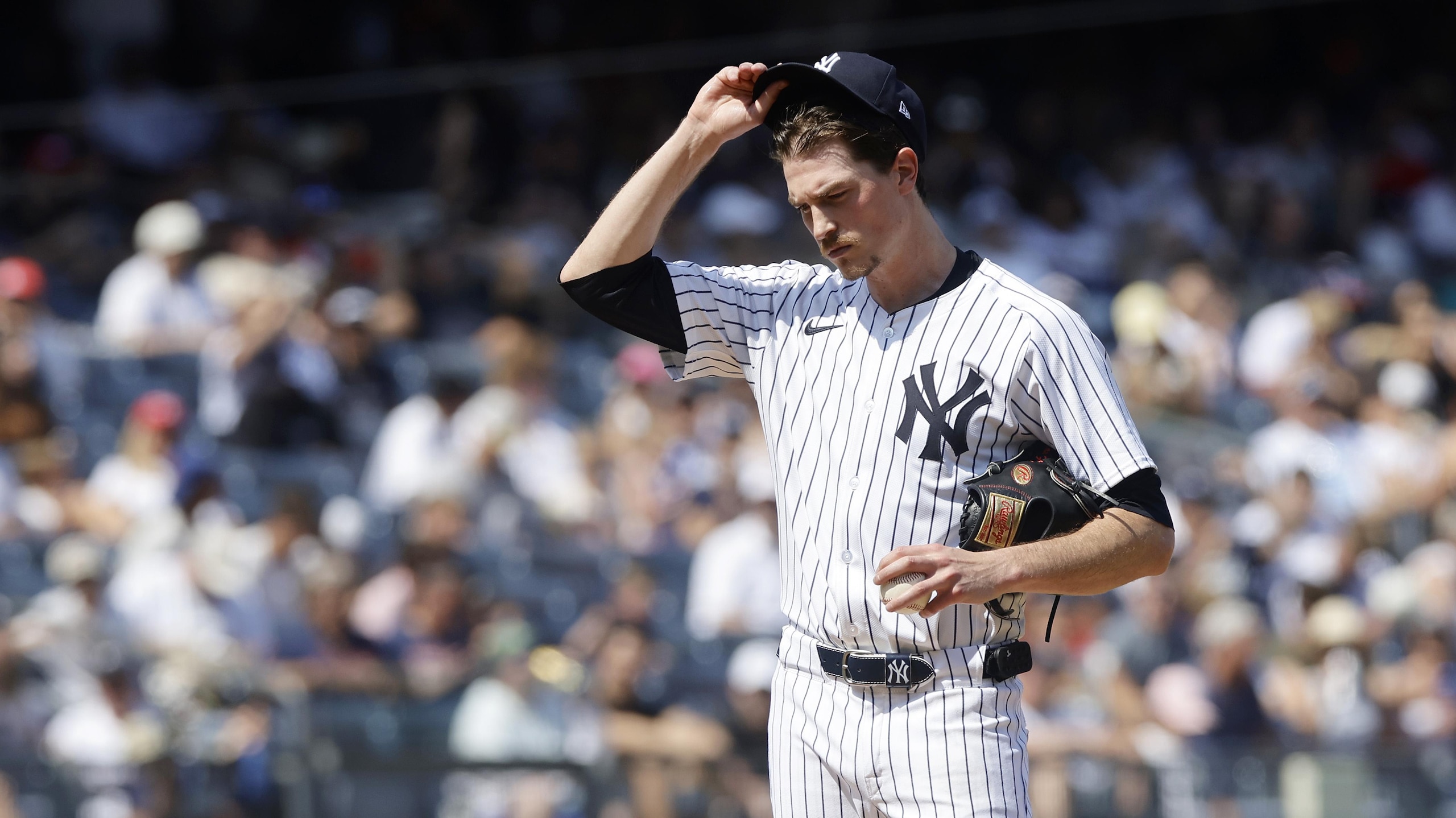
18. Noah Cameron, Kansas City Royals
103.0 IP, 7-5, 2.53 ERA, 3.88 FIP, 1.07 WHIP, 7.3 K/9, 3.6 bWAR, 1.7 fWAR
With Seth Lugo, Cole Ragans, Michael Wacha and Kris Bubic all under team control through at least next season, Cameron's rookie-season breakout has been quite the "Am I going to need to sprinkle something on Kansas City right when the 2026 World Series odds are released?" development.
He has allowed one or zero runs in 11 of his 17 starts, even though we're still waiting on his strikeout stuff to make it to the majors. Cameron averaged 11.3 K/9 in his 75 minor league starts, including one appearance in 2022 in which all 12 outs that he recorded were via whiff. He does already rank in the 99th percentile in Breaking Run Value, though, per Baseball Savant.
17. Max Fried, New York Yankees
149.0 IP, 13-5, 3.26 ERA, 3.28 FIP, 1.12 WHIP, 8.5 K/9, 2.3 bWAR, 3.2 fWAR
From April 1 through June 30, Fried made an open-and-shut case for top 10 on this list, making 16 starts with a 1.83 ERA, 0.90 WHIP and 8.7 K/9. Could have gone with any of Tarik Skubal, Garrett Crochet, Hunter Brown, Kris Bubic, Jacob deGrom or Fried for AL Cy Young at that point, but this Yankees ace had the second-lowest ERA among qualified pitchers.
Since then, though, it's been more of an open-and-shut case for bottom five, with a 6.80 ERA over his last eight starts, including an especially ugly seven-run dud against the Cardinals last weekend. He does still have an AL-best 13 wins, but most of that heavy lifting came a while ago.
16. Chris Sale, Atlanta Braves
89.1 IP, 5-4, 2.52 ERA, 2.69 FIP, 1.16 WHIP, 11.5 K/9, 2.6 bWAR, 2.6 fWAR
This is where the decisions start to get tough, as just about every pitcher left to be ranked has a sub-3.00 ERA and a WAR of at least 3.3, according to either FanGraphs or Baseball-Reference, if not both.
But the reigning NL Cy Young winner has been on the shelf for more than two months with a fractured rib cage, making him the odd man out from an innings pitched perspective.
Leading up to that injury, though, Sale was on some kind of a tear, with a 0.86 ERA, 0.89 WHIP and 10.8 K/9 in his last six starts. (The Braves did still manage to lose two of those games, because that's just how their season has gone.)
Nos. 15-13: Bryan Woo, Yoshinobu Yamamoto and Matthew Boyd
6 of 10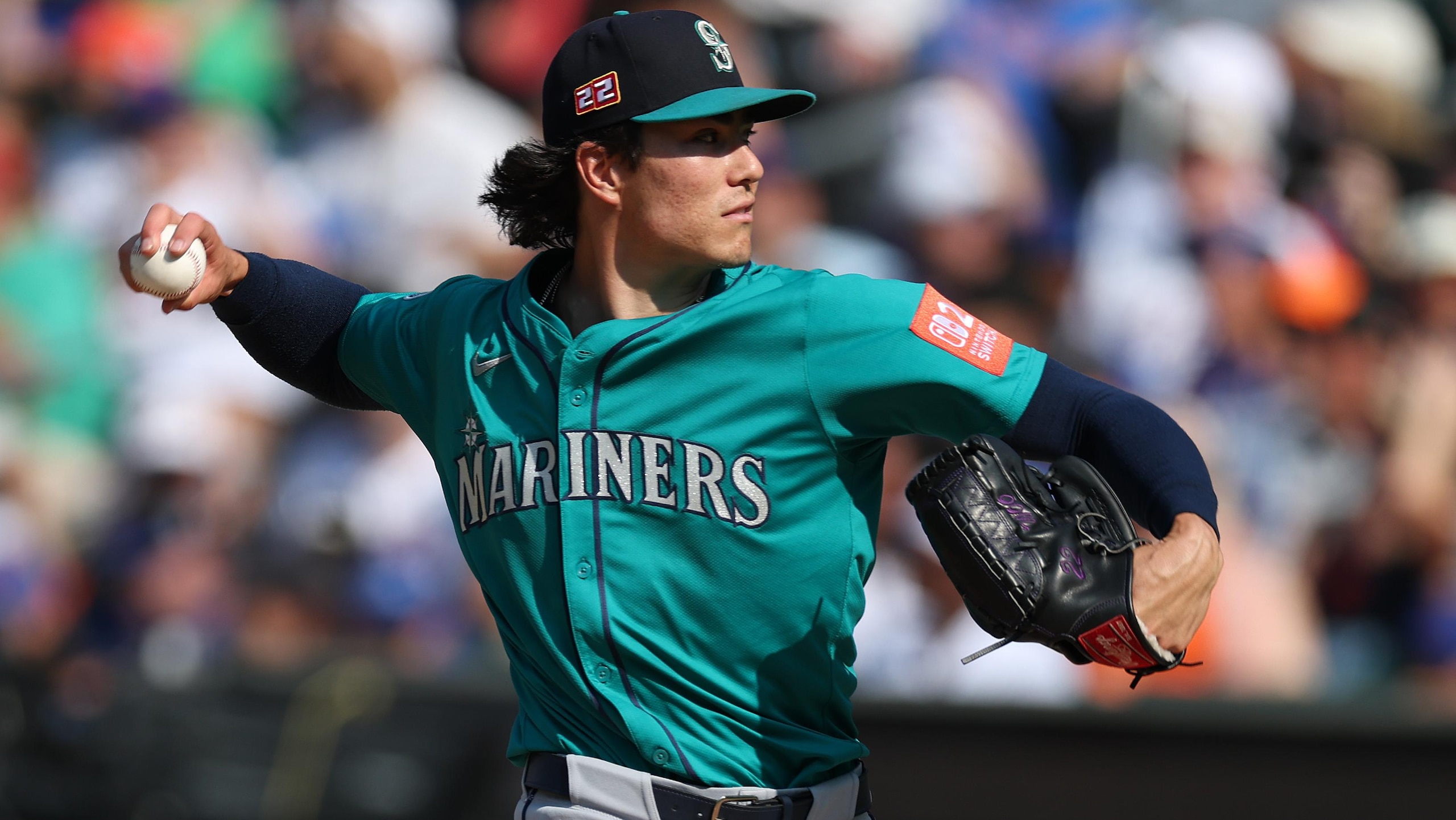
15. Bryan Woo, Seattle Mariners
152.0 IP, 10-7, 3.02 ERA, 3.59 FIP, 0.97 WHIP, 9.1 K/9, 3.3 bWAR, 2.9 fWAR
To reiterate, this was the painful section of the ranking process, as it sure feels like 15 of the aces belong in the top 10. Alas, that's not how numbers or rankings work, so several excellent pitchers had to land in this "barely in the top half" range.
Which brings us to Woo, who leads the majors with 18 quality starts and has gone at least six innings in each of his 24 appearances this season, but who somehow has the second-worst ERA and the second-worst FIP among pitchers yet to appear on the list.
The 25-year-old also could land anywhere from No. 1 to No. 4 in Seattle's postseason rotation, depending upon how well Luis Castillo, Logan Gilbert and George Kirby are hurling at the time.
He deserves a better ranking than this, if only because of how absurdly reliable he has been all season. But no one ahead of him deserves to be ranked this low, either.
14. Yoshinobu Yamamoto, Los Angeles Dodgers
133.2 IP, 10-8, 2.90 ERA, 3.12 FIP, 1.08 WHIP, 10.2 K/9, 2.9 bWAR, 3.3 fWAR
For all of the woes that have befallen Los Angeles' pitching staff this season, at least their $325 million man has—for the most part—held up his end of the bargain.
There was that "didn't survive the first inning" disaster against Milwaukee shortly before the All-Star break, as well as the recent six-run mess against the Angels. He played no part in the other 10 games against those teams, but it's at least partially his fault the Dodgers went 0-12 this season against those foes.
Even with those mishaps in the mix, though, he has managed a sub-3.00 ERA, going at least six innings without allowing an earned run in seven of his 24 starts.
13. Matthew Boyd, Chicago Cubs
148.0 IP, 12-6, 2.61 ERA, 3.28 FIP, 1.04 WHIP, 7.8 K/9, 3.0 bWAR, 3.4 fWAR
It's hard to believe this is the same Matthew Boyd who had a 5.08 ERA through his first six seasons (2015-20) in the big leagues.
And it's almost harder to believe it's the same Boyd who pitched a grand total of 202.2 innings over the previous four seasons, never healthy enough to make more than 15 appearances in any of those years.
It's definitely him, though, better than ever before at 34 years young, and yet to miss a single turn through the rotation. He has given the Cubs 16 quality starts and was deservedly named an All-Star for the first time in his career. He started Game 2 for the Guardians last October, and he'll likely be on the rubber for Chicago's postseason opener.
Nos. 12-10: Drew Rasmussen, Nick Pivetta and Freddy Peralta
7 of 10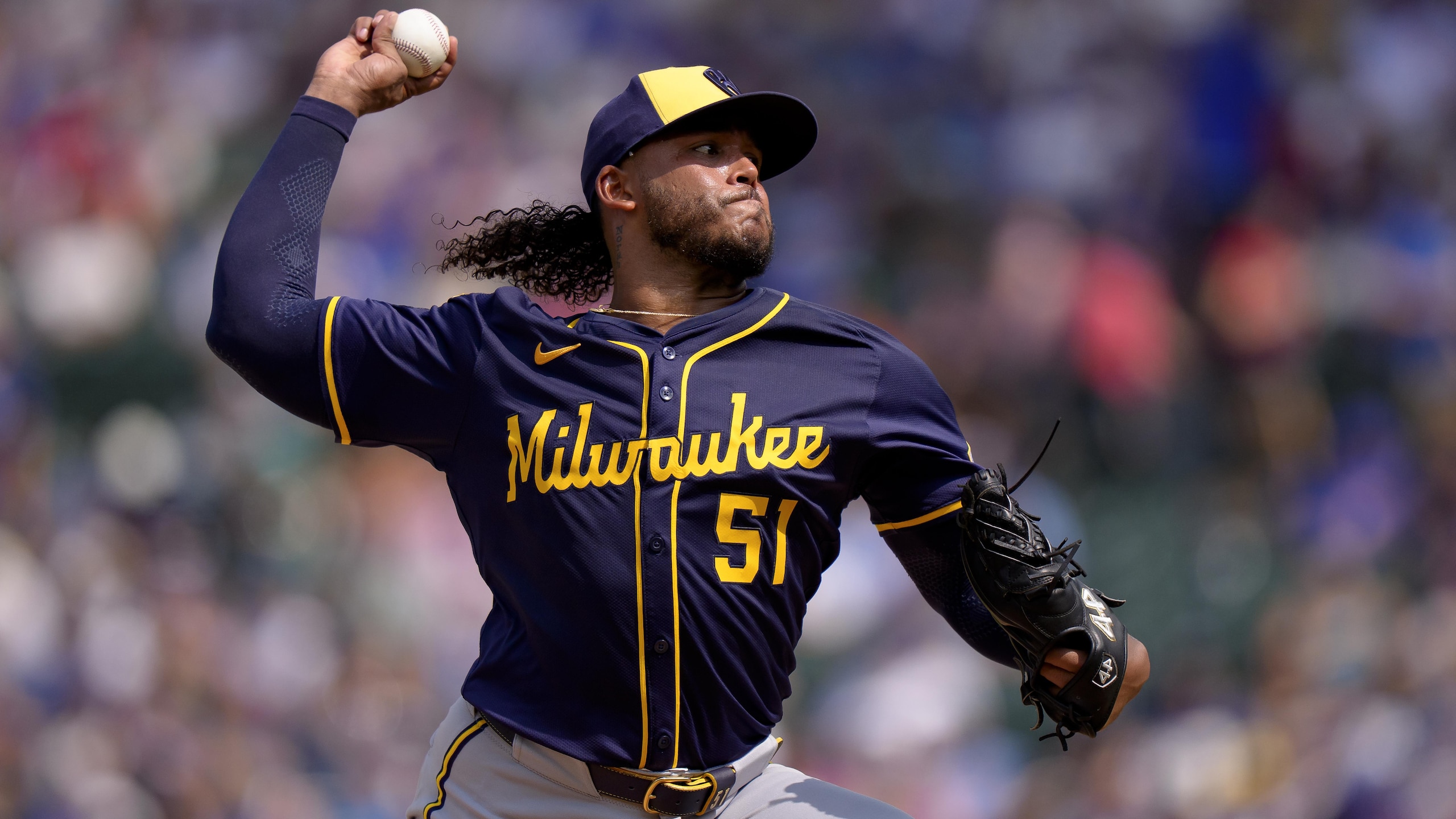
12. Drew Rasmussen, Tampa Bay Rays
123.2 IP, 10-5, 2.62 ERA, 3.49 FIP, 0.99 WHIP, 7.9 K/9, 3.7 bWAR, 2.7 fWAR
It's a safe assumption that Rasmussen's placement on this list is going to elicit the biggest "you must be joking" response of them all, but here's your fun fact for the day: Among pitchers who have logged at least 400 innings since the beginning of 2021, only Brandon Woodruff (2.64) and Rasmussen (2.75) have an ERA below 2.90.
Not only is he cumulatively below 2.90, but this is also Rasmussen's fifth consecutive season with an ERA below 2.90. It constantly flies below the national radar because he has never been healthy enough to qualify for an ERA title, but he just might reach that elusive 162 IP mark this season.
11. Nick Pivetta, San Diego Padres
147.1 IP, 13-4, 2.81 ERA, 3.27 FIP, 0.94 WHIP, 9.4 K/9, 4.4 bWAR, 3.4 fWAR
In 2022, Martín Pérez posted a sub-3.00 ERA out of nowhere after eight consecutive years well north of 4.00. Lo and behold, Pivetta is doing the same thing in his early 30s, blossoming into the surprising but undisputed ace of this Padres staff.
Pivetta signed his four-year deal pretty late in the offseason, but he made a big impression in his new home immediately, going seven scoreless innings in three of his first five starts while the Padres won six of his first seven outings.
All told, he has made 11 starts in which he allowed either zero runs or merely a solo shot, including Tuesday night's win over the Giants, in which he went six scoreless innings with 10 strikeouts after Jung Hoo Lee's leadoff homer.
10. Freddy Peralta, Milwaukee Brewers
142.2 IP, 15-5, 2.78 ERA, 3.70 FIP, 1.10 WHIP, 9.7 K/9, 4.1 bWAR, 2.8 fWAR
For half a decade now, Peralta has been a consistently solid, better-than-most-realize pitcher for the Brewers, with numbers (3.35 ERA, 1.10 WHIP, 10.8 K/9) not that far off from Gerrit Cole's (3.15 ERA, 1.03 WHIP, 10.8 K/9) since the beginning of 2021.
This year has been his best yet, though, at least from the perspective of ERA and wins, which would have made him a top candidate for Cy Young two decades ago. And he has had quite a few gems against likely playoff teams, going six scoreless innings against the Dodgers once, the Padres once and the Cubs twice.
Nos. 9-7: Logan Webb, Andrew Abbott and Joe Ryan
8 of 10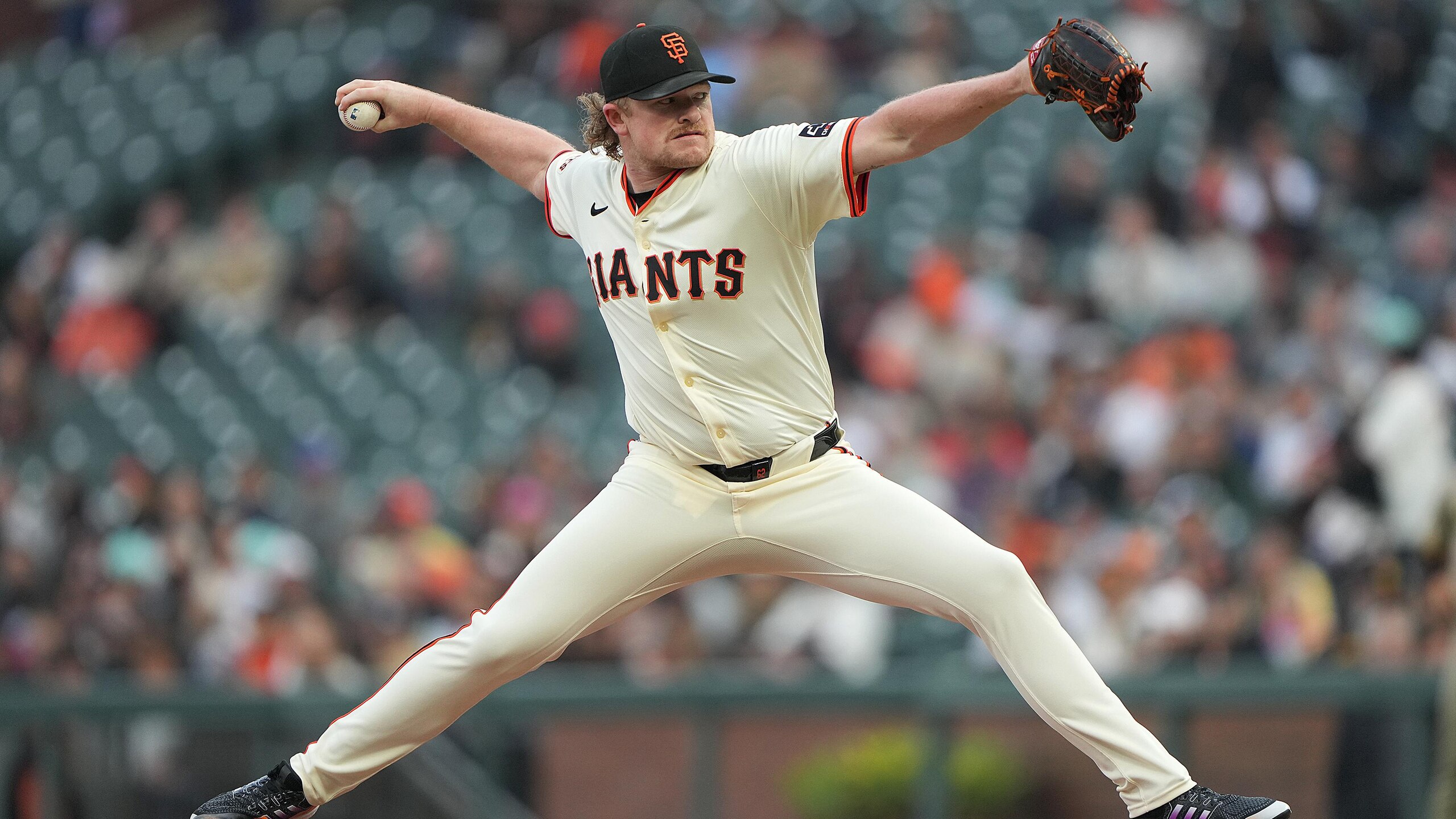
9. Logan Webb, San Francisco Giants
160.2 IP, 11-9, 3.19 ERA, 2.55 FIP, 1.22 WHIP, 9.8 K/9, 2.8 bWAR, 4.3 fWAR
It's worth mentioning this is the lone instance in our top 16 where Baseball-Reference and FanGraphs disagree on who has been the most valuable pitcher in a team's rotation, bWAR giving the nod to Robbie Ray with his 2.85 ERA and 1.11 WHIP.
Among qualified pitchers, though, only likely Cy Young winners Tarik Skubal and Paul Skenes have had a lower FIP this season than Webb, who has a 3.19 ERA in spite of some of the worst BABIP (.340) luck in the majors. He has made 17 quality starts this season, including four outings with at least 10 strikeouts and no walks allowed.
8. Andrew Abbott, Cincinnati Reds
130.0 IP, 8-3, 2.28 ERA, 3.52 FIP, 1.08 WHIP, 7.8 K/9, 5.2 bWAR, 3.2 fWAR
Speaking of Baseball-Reference, there's a pitching statistic on the site called Adjusted Earned Run Average, or ERA+. It accounts for external factors like ballparks and opponents and spits out a number where 100 is league average and the higher the number the better, much like OPS+ for hitters.
As far as that data point is concerned, Abbott has been the best pitcher in baseball this season, his 199 ERA+ ranking No. 1 among all qualified pitchers. Surely, going seven shutout innings against the blistering-hot Brewers on Sunday provided a nice big boost in that department. That was his 14th time out of 22 starts allowing either zero or one earned run.
7. Joe Ryan, Minnesota Twins
143.0 IP, 12-6, 2.77 ERA, 3.25 FIP, 0.94 WHIP, 10.0 K/9, 4.6 bWAR, 3.4 fWAR
Minnesota didn't hang onto many players at the trade deadline, but it did make sure to keep this ace around with two more years of team control still to come.
Ryan almost made it to 200 strikeouts in 2023, falling three shy of that plateau after missing most of August with a groin injury. He was also on track to get there last year, but a shoulder injury suffered again in August ended his season early.
So far so good on the injury front this month as he ticked up to 159 Ks on Tuesday. Perhaps he finally gets to 200 and gets some down-ballot votes for Cy Young, too.
Nos. 6-4: Hunter Brown, Nathan Eovaldi and Cristopher Sánchez
9 of 10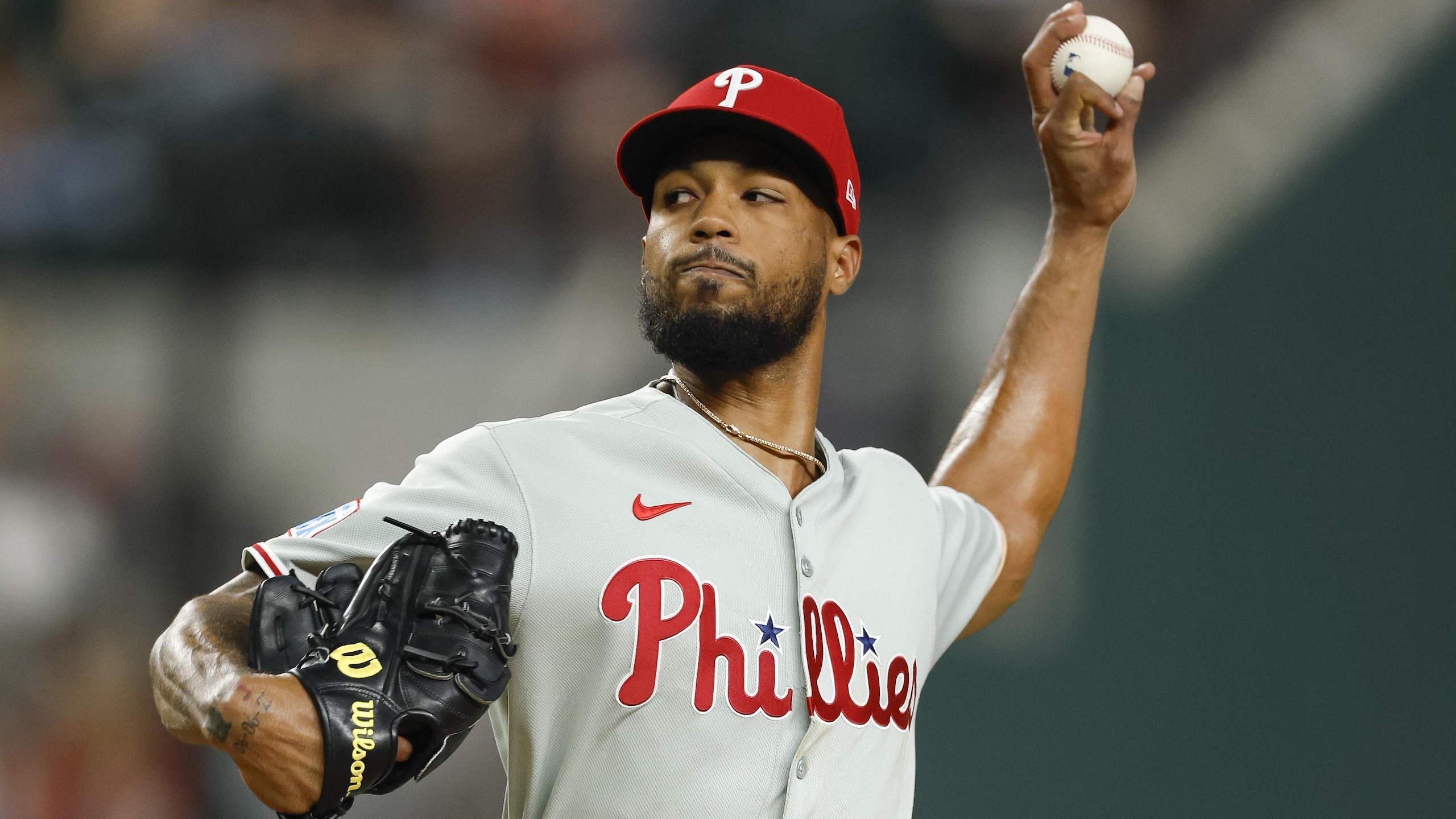
6. Hunter Brown, Houston Astros
149.0 IP, 10-5, 2.36 ERA, 2.91 FIP, 1.01 WHIP, 10.3 K/9, 5.4 bWAR, 4.2 fWAR
Tuesday night's showdown between Brown and Tarik Skubal was everything we hoped it would be, with those aces combining for 13 scoreless innings and 16 strikeouts in what was a 0-0 game until the 10th inning.
For Brown, it was his 20th start (out of 25 total) allowing two or fewer earned runs, cementing the notion that the Astros will still have one of the best pitchers in baseball in 2026, even if Framber Valdez walks in free agency.
Brown opened the season on a run of seven consecutive quality starts and had a 1.82 ERA for the year after his 17th appearance. And, if you'll recall, he was equally dominant over the latter two-thirds of last season, posting a 2.31 ERA and 18 quality starts in his final 22 appearances. (Not to mention a 5.2 IP, 1 R, 9 K gem in the postseason.)
5. Nathan Eovaldi, Texas Rangers
123.0 IP, 11-3, 1.76 ERA, 2.90 FIP, 0.87 WHIP, 8.8 K/9, 4.2 bWAR, 3.4 fWAR
Over the past half-decade, Eovaldi has been nothing if not consistent, his ERA ranging from 3.63-3.87 while his WHIP repeatedly fell in the 1.10-1.24 range. It was excellent for a No. 2 starter, decent ace production on a year-over-year basis that netted him a three-year, $75 million deal in advance of his age-35 campaign.
What a leap this veteran has made, though, from borderline ace to borderline Cy Young.
Because he missed a month of action, Eovaldi is presently a few innings shy of qualifying for an ERA title. (Requirement is one inning pitched per team game played, and he is at 123.0 in 128 games.) Barring another injury, though, he ought to get to 162 innings and may well win that ERA crown, currently more than half a run ahead of Tarik Skubal. He's also tied with Skubal for the lowest WHIP among pitchers with at least 120 innings of work.
4. Cristopher Sánchez, Philadelphia Phillies
157.0 IP, 11-4, 2.46 ERA, 2.63 FIP, 1.10 WHIP, 9.7 K/9, 6.2 bWAR, 4.7 fWAR
Zack Wheeler landing on the IL while recovering from having a blood clot surgically removed from his shoulder eliminated the need to agonize over which Phillies player to choose for this list.
Honestly, though, the pick probably would have been Sánchez anyway, especially after Tuesday night's gem against Seattle in which he recorded his 18th quality start and third game of the year with a dozen strikeouts. He now has a 1.94 ERA and a 6.2 K/BB ratio in 14 starts since the beginning of June.
More than a month after the fact, it's still just plain inexplicable that Sánchez wasn't named an All-Star. However, if you're worried that will impact his Cy Young candidacy, it won't. In fact, there was a three-year stretch in the mid-2010s in which one of the Cy Young winners—Corey Kluber in 2014, Jake Arrieta in 2015, Rick Porcello in 2016—wasn't named to the All-Star roster. Robbie Ray also did it in 2021. And for as much as the entire baseball world loves it some Paul Skenes, there's a very real chance Sánchez pulls it off.
Nos. 3-1: Garrett Crochet, Paul Skenes and Tarik Skubal
10 of 10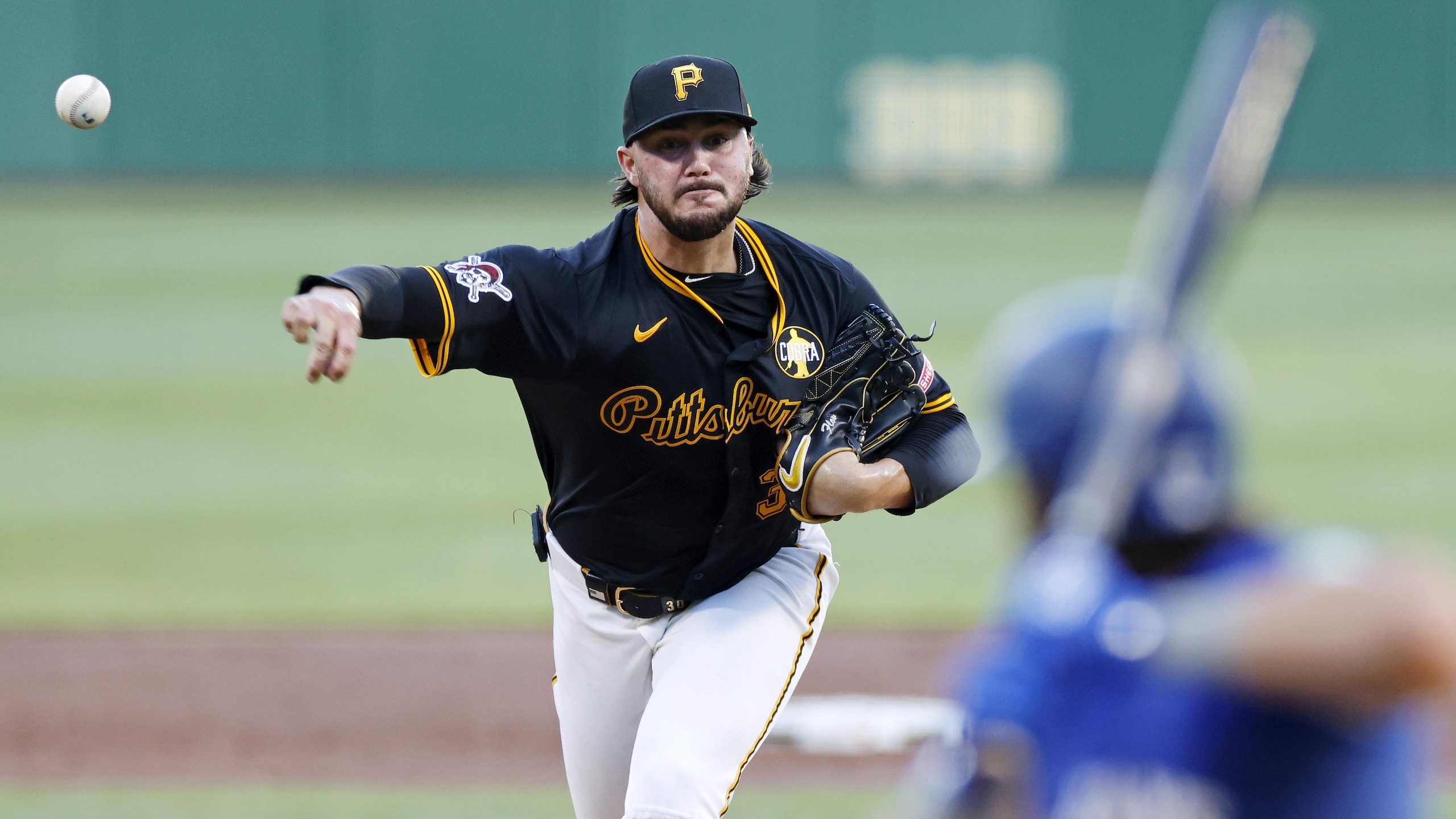
3. Garrett Crochet, Boston Red Sox
159.1 IP, 13-5, 2.43 ERA, 2.59 FIP, 1.07 WHIP, 11.1 K/9, 4.7 bWAR, 5.0 fWAR
Thus far, Boston's decision to trade for Crochet and sign him to an extension through 2031 looks brilliant, with his several-month breakout from last season in Chicago the precursor to what is now bona fide ace status.
Crochet's magnum opus was the complete-game shutout of Tampa Bay in a 1-0 game just before the All-Star break, but that's merely one of the 11 times he has gone at least seven innings while allowing two or fewer earned runs. (Which really ought to be a stat we track in addition to quality starts. Formal proposal to call it a Halladay, as he made 172 such appearances in his Hall of Fame career.)
The shame of the matter is that Crochet is still playing second fiddle to Tarik Skubal in the American League, but that Cy Young race could be a photo finish.
2. Paul Skenes, Pittsburgh Pirates
154.0 IP, 7-9, 2.16 ERA, 2.45 FIP, 0.96 WHIP, 10.2 K/9, 5.9 bWAR, 5.1 fWAR
With the exception of 2020, no starting pitcher has ever won a Cy Young award while winning fewer than 10 games.
Then again, how many pitchers have gone at least 7.2 innings with at least seven strikeouts, three or fewer hits and one or fewer runs allowed three times in a season with an 0-2 record to show for it?
That's where we're at with Skenes and the Pirates, his masterful outings routinely squandered by lack of run support. In his seven victories, he has allowed a combined total of one earned run, needing near perfection to get into the win column.
It shouldn't prevent him from winning the Cy Young, but it does feel like a super talent is going to waste on a team going nowhere.
1. Tarik Skubal, Detroit Tigers
159.1 IP, 11-3, 2.32 ERA, 2.21 FIP, 0.87 WHIP, 11.3 K/9, 5.8 bWAR, 5.9 fWAR
One year removed from leading the majors with 228 strikeouts, Skubal moved back into first place in that department on Tuesday night with his 200th K of the current campaign. And with at least six, possibly seven starts still to come, it's likely he'll join Spencer Strider (281 in 2023) and Gerrit Cole (257 in 2022) as the only pitchers to reach 250 since the pandemic.
The reigning AL Cy Young winner is also leading the league in ERA among qualified pitchers, with a 2.21 FIP and 2.49 xFIP (not to mention his Triple Crown last season) that suggests there's no good reason to think he might falter down the stretch.
And if he manages to keep all three of those marks below 2.50, he'll join Clayton Kershaw (2014-15) and Corbin Burnes (2021) as the only pitchers to do so since xFIP became a thing in 2002.
He's pretty darn good is the point we're trying to make here. And with his remaining starts projected to come against the A's, Royals, White Sox, Marlins and Guardians (twice), he just might mess around and get his ERA down below 2.00.

.jpg?w=2560 "NFL investigating 2 referees for separate viral exchanges")

.jpg?w=2560 "Report: Chiefs Contact Hill's Agent")
.jpg?w=2560 "OBJ Calls Out Giants After Release")
.jpg?w=2560 "Tyreek makes another cryptic post amid Chiefs rumors")


.jpg?w=2560 "Greenlaw Talks Payton Exchange")
