
It seems like all we've heard since the NCAA ruled that athletes could make money is that this basketball player has an NIL deal with a shoe brand or that college gymnast has an NIL deal with an athleisure brand. It was a much-needed change, albeit one that happened perhaps far later than it should have.
It gave college athletes a sense of agency in their careers—an important step. And now it's in college hockey.
As with any sport, the value of deals varies, as does their importance to the team or school, though we've started to see the latter grow in importance, as many schools are beginning to aid athletes in securing those deals. Some high-end hockey prospects, according to Mike McMahon, are earning deals that cash in at around $100,000—not a surprise.
But not every school has the ability to help facilitate those kinds of deals, and not every athlete has the cachet to get them on their own. Is this going to eventually lead to an uneven playing field?
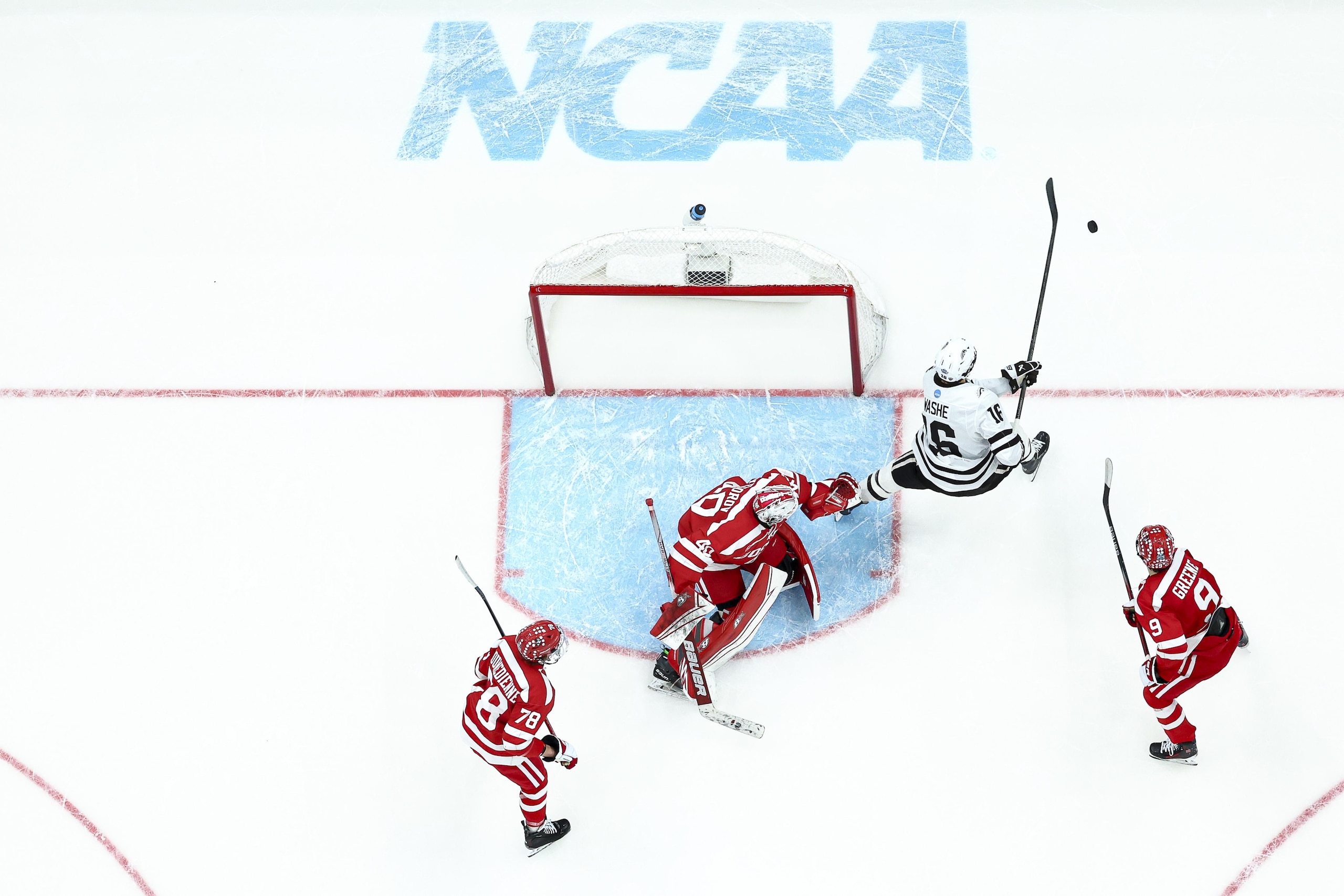
An interesting note on that subject: Western Michigan University won the 2025 NCAA hockey championships without a single dime of NIL money. Does this point to a future where NIL has more of an individual effect than a team effect? To even try to answer that, we have to go back to the start.
NIL and NCAA Hockey
1 of 3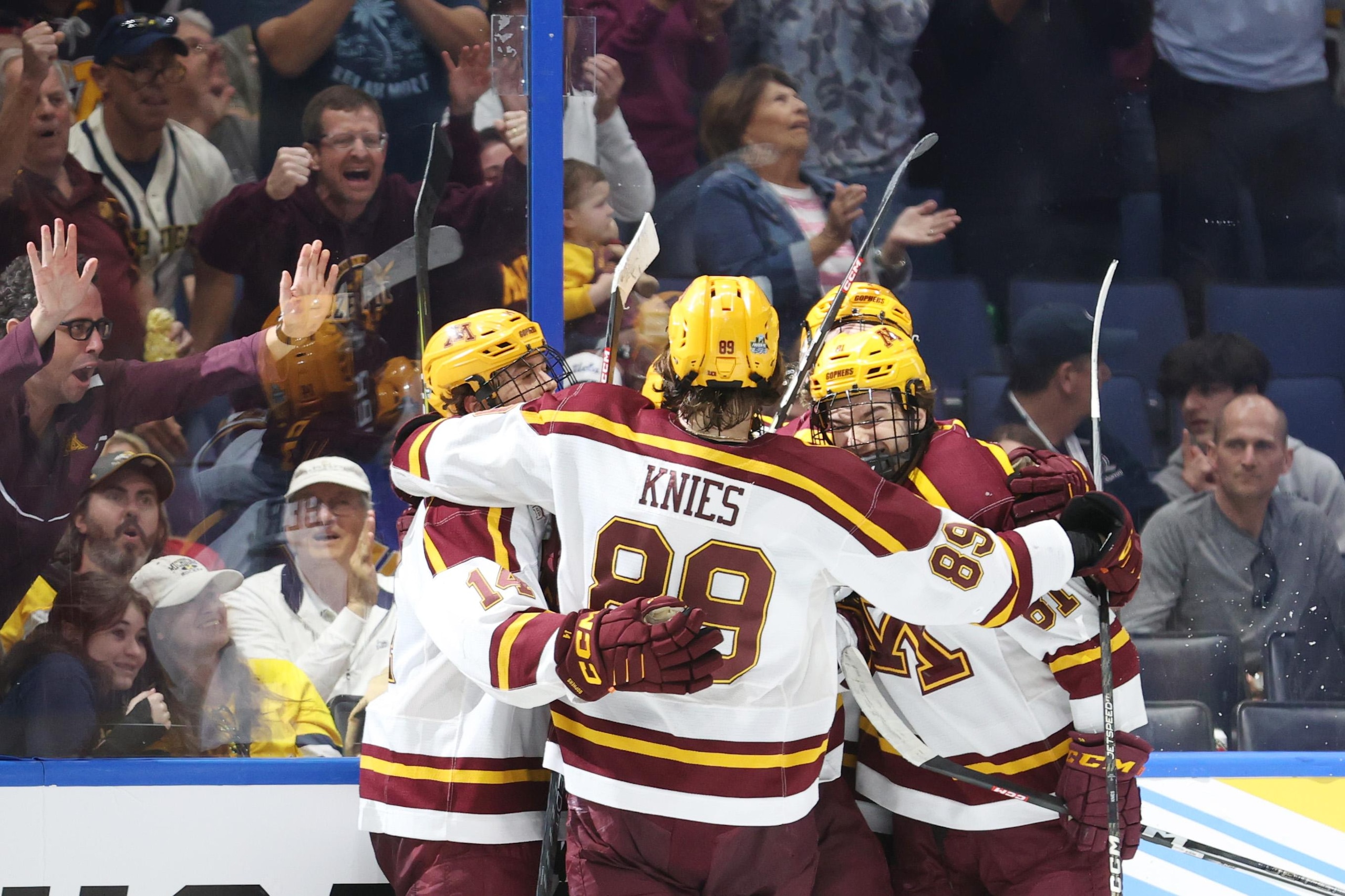
What is an NIL deal, anyway?
NIL stands for "name, image, and likeness"; NIL deals allow college athletes to make money off of those very things. Think when you see an influencer posting a product they've been paid to talk about, or, to make it old school, when your favorite basketball player became a brand rep for one of the big shoe companies. For the big programs, the NCAA stopped being an "amateur" situation a long time ago, and now athletes are treated like the semi-pros that they are.
California was the first state to pass legislation to this effect when it passed the “Fair Pay to Play Act” in 2019. The NCAA challenged the existence but was ruled against by the Supreme Court in 2021, and on July 1, 2021, athletes were finally allowed to profit from their NIL rights and earn income via brand deals and the like without violating NCAA rules and losing their amateur status.
NILs haven't become front-page news in NCAA hockey the way they have in other sports, but they're out there. Official NIL collectives exist at the major hockey schools to help find deals and create NIL packages for players—Dinkytown Athletes at the University of Minnesota, for example, or 1883 Collective at the University of North Dakota.
NIL deals have the potential to make a big difference in recruiting, as well, but not as much this season as they might have in the past. Beginning in the 2025-2026 academic year, D1 men's hockey teams can offer 26 full scholarships as opposed to the current limit of 18.
Where before NIL deals could potentially be used to fill in the gaps of a roster with non-scholarship players of high-end skill, don't have to fill out those spots with someone of lesser talent if you can afford to pay, after all—now the roster spot and scholarship limits are the same.
CHL Players Eligible for College Hockey
2 of 3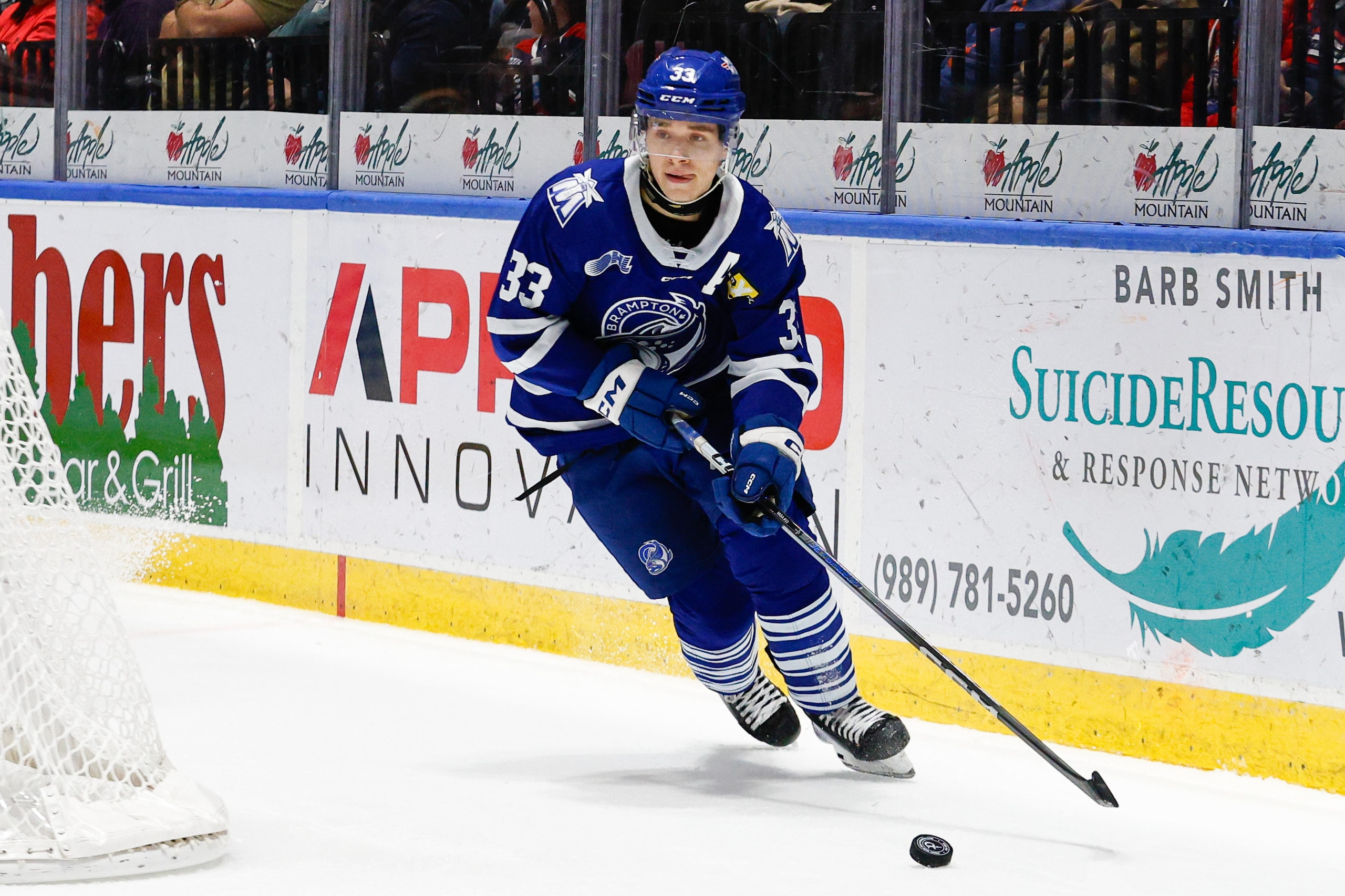
Once the NIL ruling took effect and college athletes could monetize their careers, it was truly only a matter of time before someone won the argument that CHL player shouldn't lose their amateur status and should be allowed to play college hockey. From there, it was only a matter of time before talented U20 players started making the jump to the NCAA in that weird, can't-play-in-the-AHL, too-good-for-the-CHL 19-year-old year.
We've seen that take effect lately, from Luke Misa (CGY) committing to Penn State to Malcolm Spence (2025 eligible) heading to the University of Michigan. Misa's fellow Flames prospect Henry Mews is leaving the Sudbury Wolves for the University of Michigan as well.
You can't blame them. It's an opportunity to make meaningful money before joining the NHL, and while they do so, they're playing against arguably tougher competition—bigger and older competition, at the very least. For players who need to add muscle before making the jump to the pros, the slower-paced NCAA schedule and weight room time are a godsend. There are so many reasons a guy might choose to make the jump.
There is, however, an issue with the clash of NIL deals and some CHL (and other international) athletes that we need to discuss.
Possible Future Effects on College Hockey
3 of 3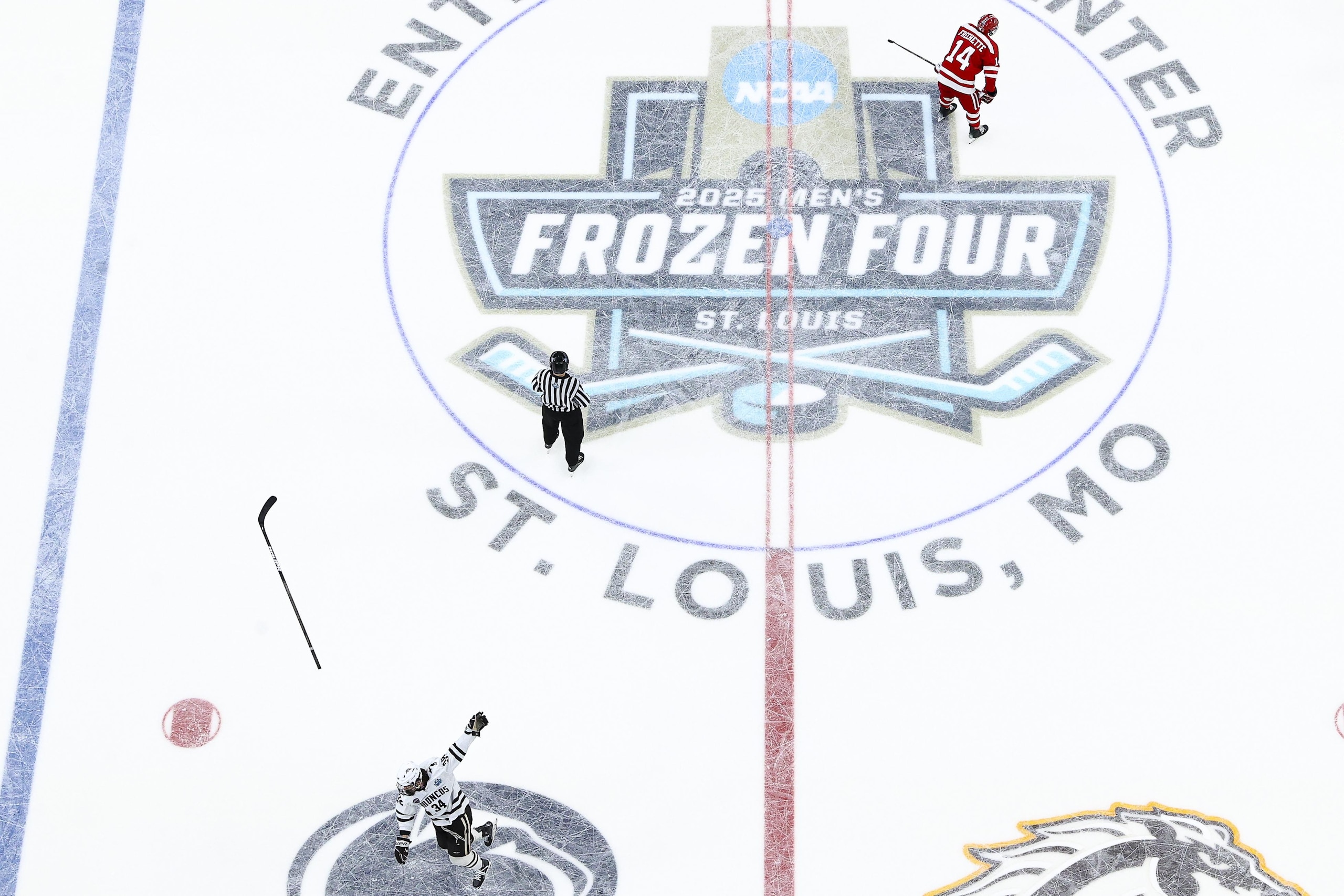
To the best of our understanding, if an international student is earning income, they must be doing "active work" per the terms of their visa (this is definitely an oversimplification on my part). Technically, accepting an NIL deal could violate those terms because, by its nature, NIL is passive work.
Though many would argue that the time spent playing their sport of choice that provides the NIL value should or does count as "active work", there aren't clear guidelines defined. Yet.
This would absolutely change how the existence of NIL affects college hockey. After landing Luke Misa, Penn State reportedly made an offer to his teammate and 2025-eligible Porter Martone upward of $250,000, per Will James.
Porter Martone is Canadian. If he does choose to take that NIL deal and play at Penn State, would he be in violation of his visa?
The best answer we could find came from this BakerHostetler article:
"The NCAA’s current NIL framework permits student-athletes to monetize their NIL, but the policy conflicts with the rules that govern U.S. student visas. Almost all international student-athletes enrolled at U.S. colleges and universities are on an F-1 visa, which limits a student-athlete’s ability to work while in school.
The question of whether money made by student-athletes through NIL deals constitutes “work” for purposes of visa restrictions remains open, and new developments in the world of NIL and college athletics have continued to muddy the waters."
So basically, no one really knows, which means another potential effect to look out for is the inevitable lawsuit this could spark. To truly understand the effect NIL could have on NCAA hockey, we need that question settled. Till then, all we can do is watch it unfold.
-(1).jpg?w=2560 "Bleacher Report")

.jpg?w=2560)
.jpg?w=2560 "Report reveals list of next NFL international locations")
.jpg?w=2560 "Breaking News")