
5 Innovations NFL Should Consider on the Heels of MLB's Torpedo Bats
Major League Baseball has been torpedoed—in a good way.
The talk of the early portion of the 2025 MLB season has been the “torpedo” bats used primarily by the New York Yankees. In a nutshell, the fattest part of the bat has been moved farther down for some players in an effort to prevent hitters from being jammed. Swing data is being used to move the bat’s “sweet spot” to a place customized to every hitter.
There’s some question as to the long-term impact these bats will have on the game. In the short-term at least, though, some guys are raking.
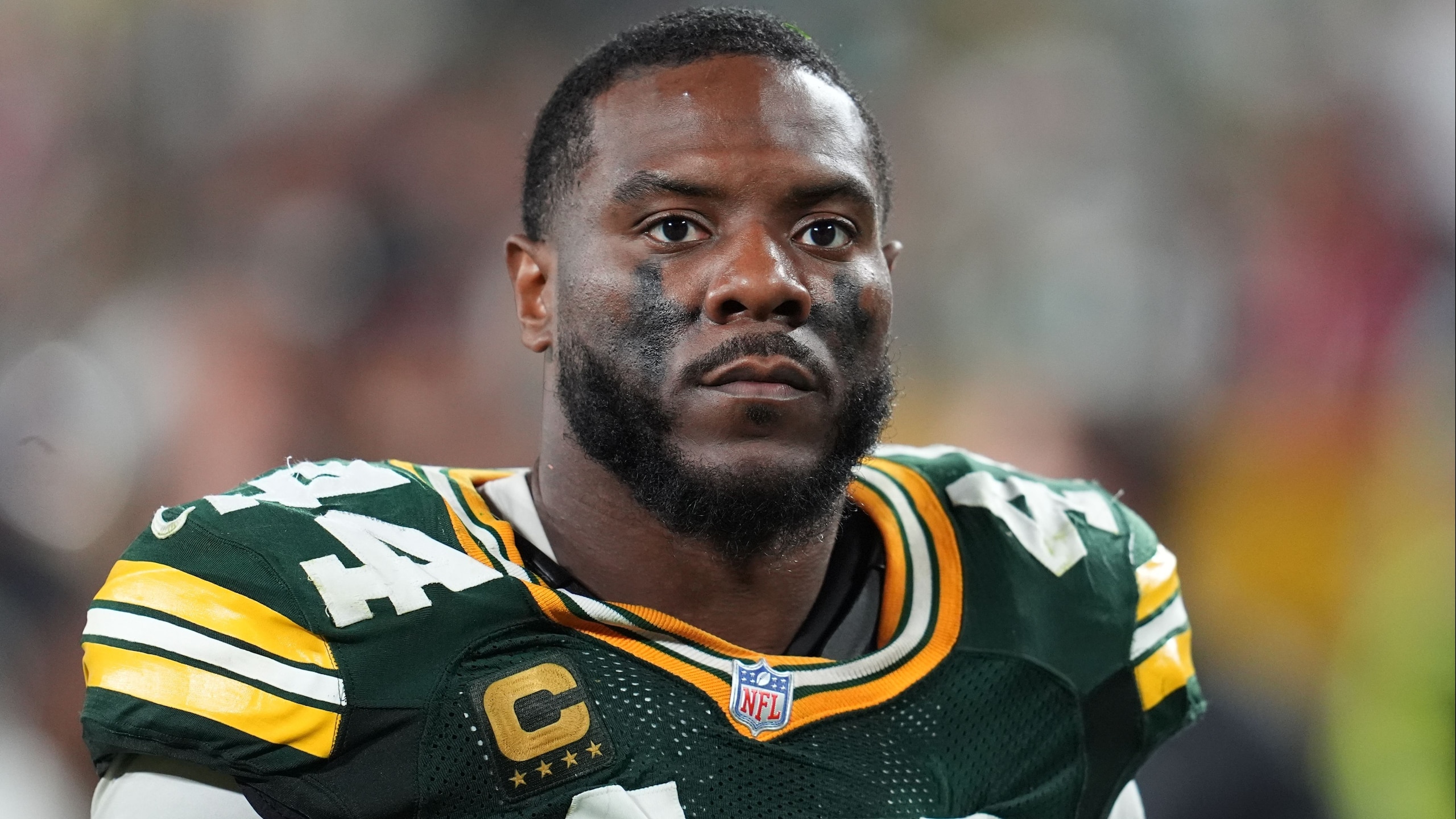
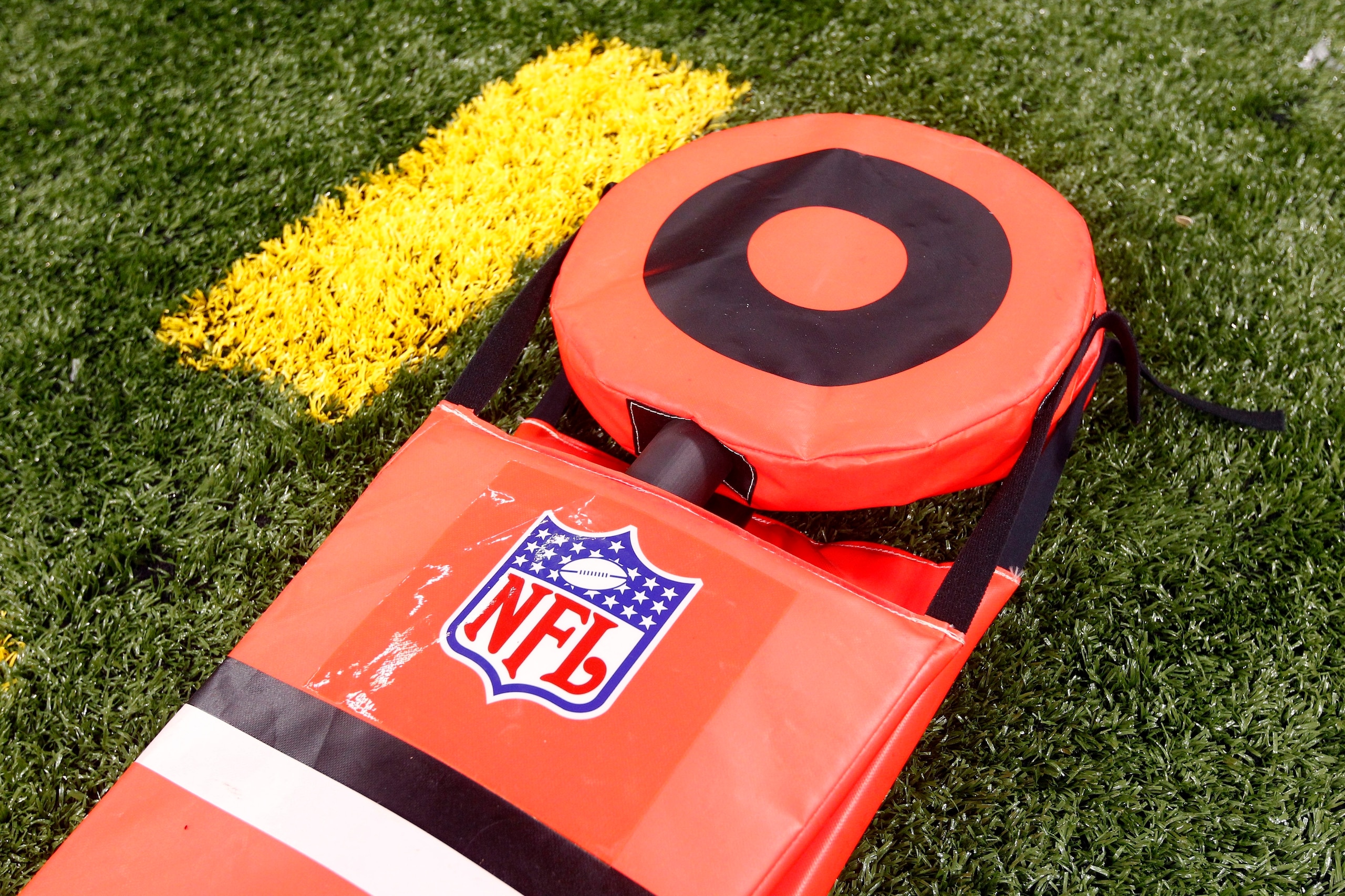
The NFL is implementing some new technology of their own in 2025. The days of the league's “chain gang” are coming to an end—beginning in 2025, it will use Hawk-Eye virtual measurement to determine whether the line to gain has been reached by combining multiple camera angles after the ball has been spotted.
More accurate first-down measurements are most assuredly a step in the right direction. But there are other technological innovations the NFL should consider—ones that can do everything from improve player safety to help game flow to make football that much more enjoyable for fans.
Sadly, none involve cyborgs, laser cannons or even bats. At least not yet.
Goal-Line Sensor Technology
1 of 5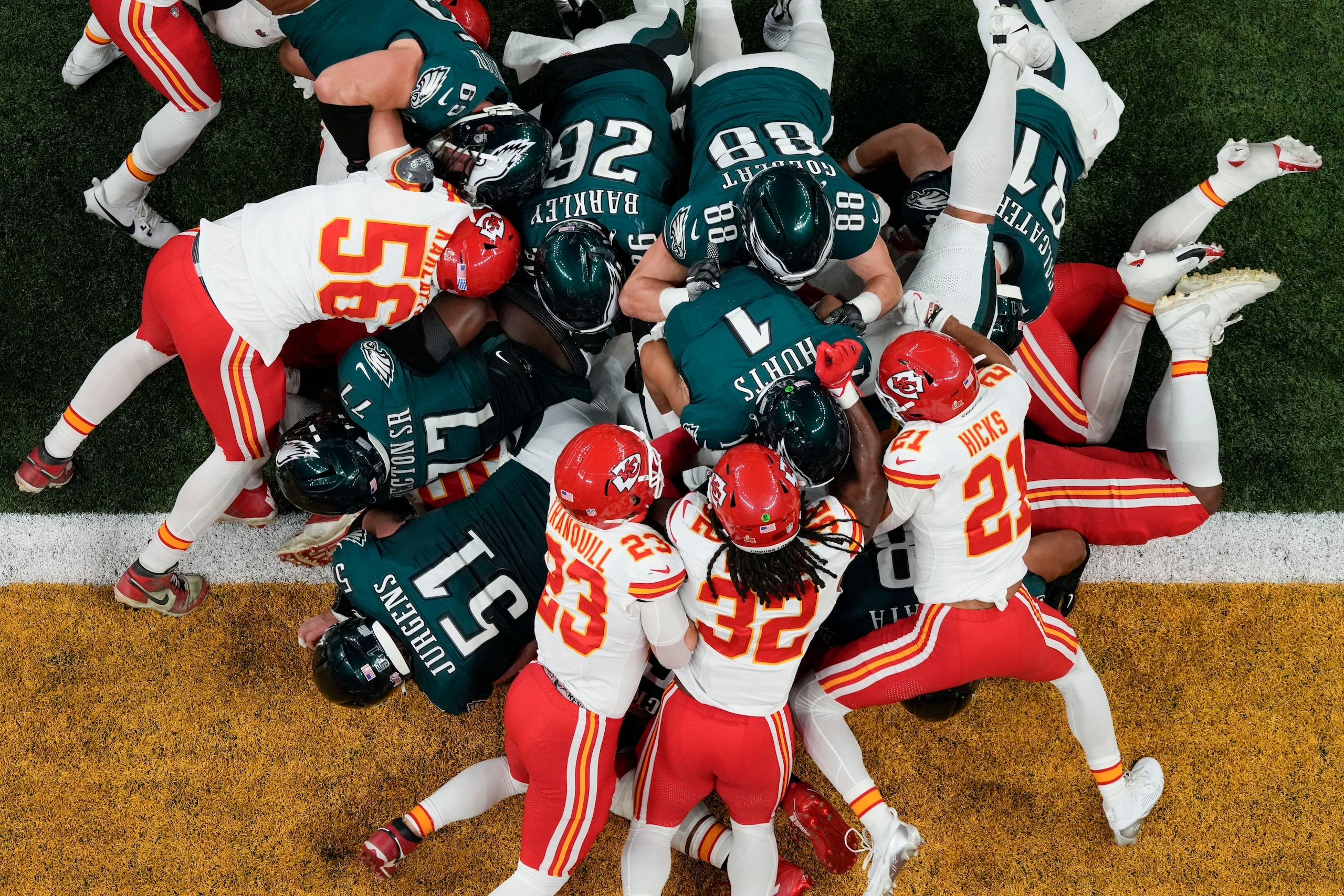
With the NFL implementing Hawk-Eye virtual measuring to determine the line to gain in 2025, a logical next step would appear to be using similar technology at the goal line.
We have all seen it happen. It’s third- or fourth-and-goal at the one-foot line. A team runs a quarterback sneak (maybe even a “tush push,” since those are still legal (for now) or plunges a running back into a sea of bodies. Madness ensues, and when the play is whistled dead, it’s difficult (or impossible) to tell if the ball crossed the plane of a goal line.
However, as Kevin Seifert wrote for ESPN a decade ago, that sea of bodies makes using Hawk-Eye at the goal line next to impossible.
“If you've watched Premier League soccer in the past two seasons,” he wrote, “you might wonder why its triangulation technology couldn't be applied to the NFL. (It is also used in tennis and cricket, among other sports.) I reached out recently to the company that administers it, but a spokesman for Hawk-Eye said that the number of bodies usually surrounding a football at the goal line would render its system useless too often. (Hawk-Eye requires at least 25 percent of the ball to be clearly visible throughout the play for it to register.)”
A potential solution would appear to involve a sensor of some sort—the sensor crosses the plane, and you have a touchdown. Maybe add a couple of confetti cannons. But since just the very tip of the ball has to cross just the very front of the goal line, said sensors would have to somehow be placed in the ends of the football.
That’s easier said than done.
Helmet Concussion Sensors
2 of 5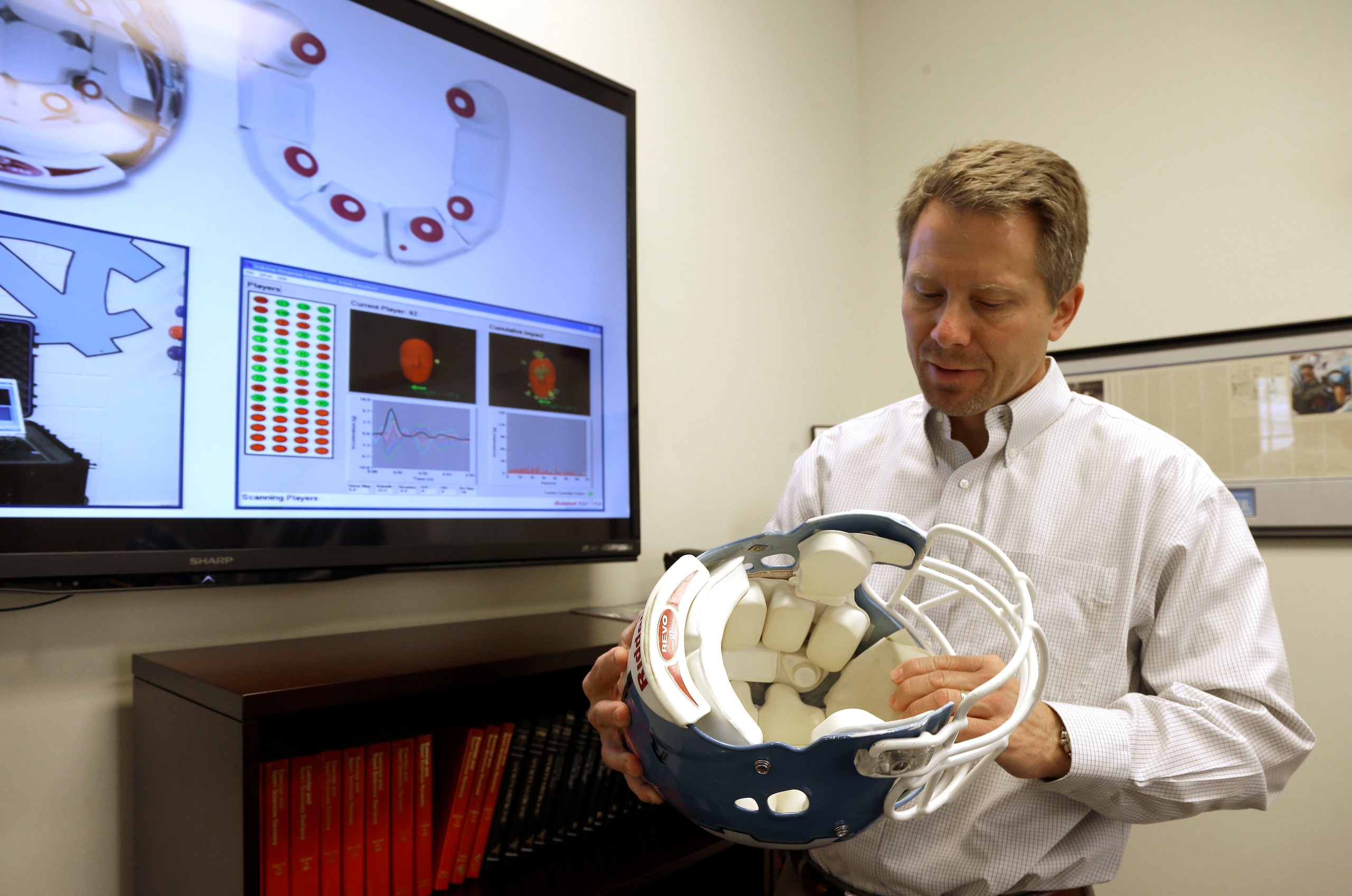
To be clear, the NFL has come a long way where concussions are concerned from the days of essentially ignoring them. But the sad truth is that there are still instances where a player who appears to have been concussed either somehow passes the NFL’s protocol or isn’t removed from the game at all.
The league actually experimented with helmet sensor technology about 10 years ago, but it scrapped the idea due to concerns about the veracity of the data and player privacy.
That didn’t stop researchers at Columbia University from developing NoMo, a helmet that incorporated electroencephalography (EEG) sensors of the type commonly used in hospitals to measure a patient’s brain activity. Neurologist James Noble said at the time that the helmet would essentially be able to diagnose concussions in real time on the field.
“Within seconds of a player being hit, everyone will know whether or not he’s suffered a concussion,” he said. “This will eliminate a lot of the problems you have now with coaches, athletic trainers, and team physicians having to make fairly subjective judgments about who should be removed from a game to receive a full neurological evaluation.”
Noble also said these helmets would be more accurate than those with accelerometers that measure the violence of a single collision.
“One problem with accelerometers is that a concussion may result from an accumulation of hits rather than from one big one,” Noble said. “Our device is more reliable because it monitors the brain’s actual physiological activity in response to these hits. It will provide a real medical diagnosis.”
The players would have to sign off on this. But if the NFL truly wants to do everything it can to minimize concussions, it’s hard to find a reason why this would be a bad idea.
Additional Helmet Cameras and Communication
3 of 5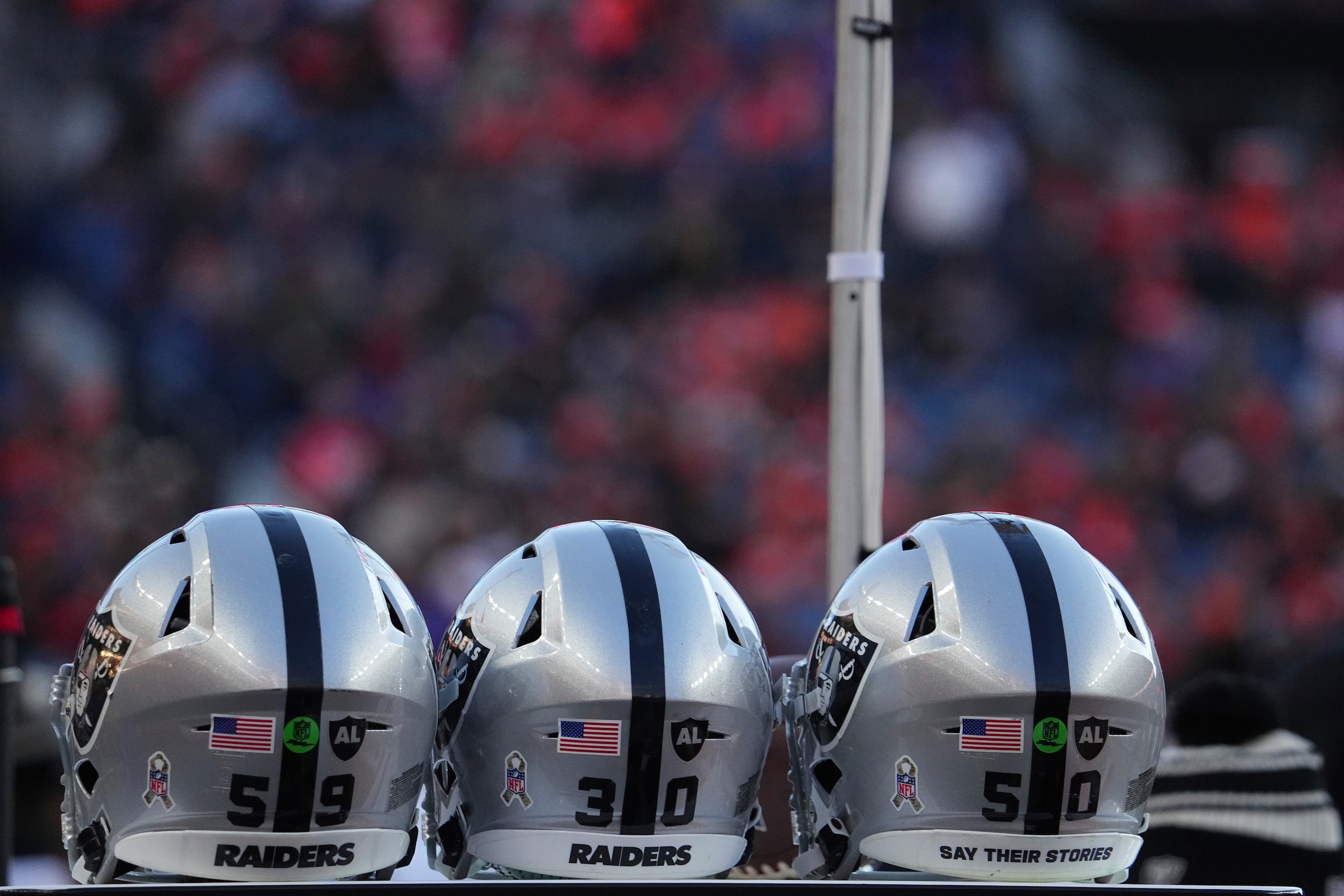
While we’re discussing the helmets, we might as well add a couple of things that the UFL has already implemented.
As things stand, just two NFL players per team have radios in their helmets that allow them to communicate with the sideline—the quarterback on offense and one “green dot” play-caller on defense, usually a linebacker.
But in the UFL, up to eight players total can wear helmet radios—and teams are free to distribute them as they see fit. UFL senior vice president of technology Scott Harniman told reporters that the additional communicators have improved both the pace and quality of play.
"What I think you see because of that is a lack of what we call 'non plays,'" he said. "We don't have garbage plays where the clock expires, or they don't get it off. That doesn't really happen in our league."
The UFL also makes use of helmet cameras, which provide a unique perspective for both coaches and fans for what is going on on the field.
Imagine a field-level view of a Saquon Barkley run or T.J. Watt barreling toward a quarterback.
Miami Dolphins head coach Mike McDaniel outfits his quarterbacks with cameras (with audio) on the practice field to get a feel for how they call plays and progress through their reads.
He told reporters he finds it to be a valuable coaching tool:
"For us, it's multifaceted. It's a camera, but it does have audio, and I think some of the strong attributes of that technology are that you get to hear playcalls. You can library those playcalls for players to hear when they're studying. A lot of colleges and high schools don't [huddle], which means you're taking in information auditorily for the first time ... as opposed to looking at the sidelines for a signal or a picture. It's also something that you can see from his side eye what he's looking at. For all quarterbacks, it's a tool to help really drive home certain coaching points and just see what they're seeing, to be on the same page as the player."
Now, live audio from players in-game is going to require a quick hand on the dump button (Newsflash: Players swear a lot), and steps would have to be taken to prevent opponents from eavesdropping.
But being able to see (and hear) what’s going on on the field could be beneficial to coaches and fun for fans.
.jpg?w=2560 "Packers 49ers Football")
.jpg?w=2560 "Seahawks Cardinals Football")
.jpg?w=2560 "Steelers Browns Football")
Implement the 'Sky Judge'
4 of 5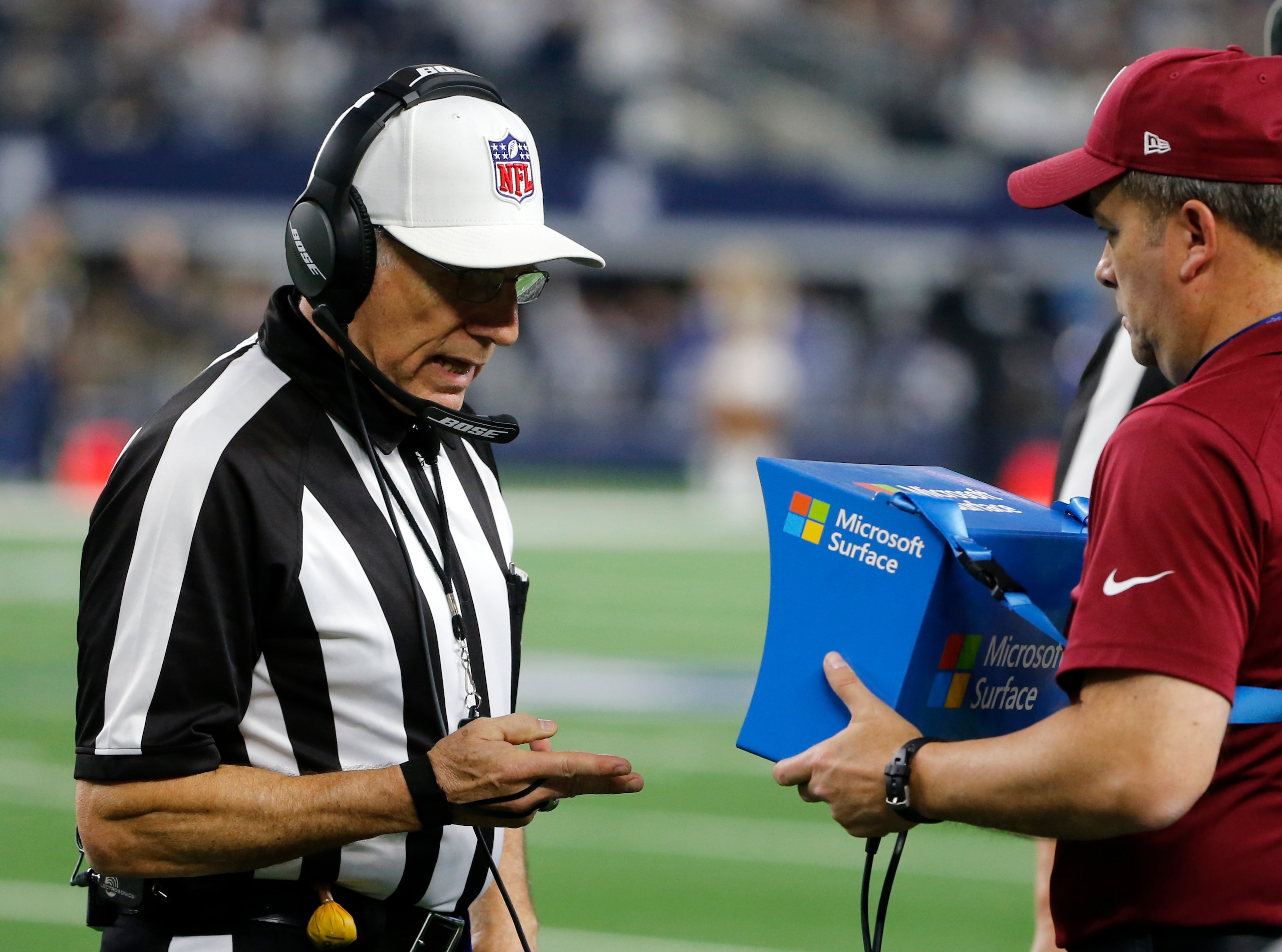
Almost from the time that the now-defunct AAF started using a “sky judge” (an official in a box overlooking the field who can quickly overturn an obviously botched call) some in the NFL have supported adopting the idea.
Per B/R’s own Brad Gagnon, Baltimore Ravens head coach John Harbaugh was beating the drum for the notion back in 2019.
"I know as a coach, what's the worst spot to watch the game from? Sideline. You see the least amount from the sideline. That's why you put coaches in the box, OK? So, we've got all this technology, and the fans actually have a better view of the game from an officiating standpoint than the officials do. So, these clear and obvious mistakes that are inevitably going to get made it's not just one play in a championship game; it happens every single week, because the job is so tough and moves so fast and the angles aren't great. If we can put somebody up there in the box that has a better angle that can help officiate the game from up there, do that."
Former NFL head of officiating Mike Periera, who served as a “Sky Judge” in the USFL, sees the position as one more opportunity to get plays right quickly.
"Give him the ability to be on site in an enclosed booth with a technician, to look at the play on television in real time and correct obvious mistakes that are big plays and involve player safety and pass interference, and be able to correct some of this stuff," he told Steve Serby of the New York Post. "He's able to, in 15 seconds' time, correct a mistake. I think that's what needs to be done, quite frankly, to win back the confidence to a degree. It'll look a little strange, but it won't happen more than probably two or three times a game. It's kind of a fail-safe to me."
Expedited review has helped in the NFL, but there are many plays (such as face-masks) that aren’t reviewable. Giving a “sky judge” both the vantage point and the authority to reverse obvious errors would help that much more.
AI-Assisted Officiating
5 of 5
Most of the suggestions listed here are either already implementable or seemingly not that far from being feasible.
However, this one’s a while off. From all the talk about AI nowadays, one might think little robot Haley Joel Osment is walking around and SkyNet is already in orbit. But the reality is that artificial intelligence is in its infancy.
However, once a new technology gets rolling, things can accelerate quickly. And the NFL should be studying how AI could be used to augment officiating.
For the most part, NFL officials do a great job. They would do a better job if they were full-time employees. But they are human beings, and human beings make mistakes.
But imagine if there was a system that could use multiple camera angles and a bird’s-eye view to determine that an offensive tackle moved early. That a defensive lineman was in the neutral zone. That an offensive guard was guilty of holding. That two offensive players were in motion simultaneously. And do so in the blink of an eye.
Did a player complete the act of the catch? Did that player get both feet down in bounds? A computer could ostensibly make all of those calls. Dispassionately. Instantly.
Using a combination of GPS sensors and camera angles, balls could be spotted more accurately than ever.
This isn’t a year away or five years away. The technology to apply the NFL’s Byzantine rulebook (the Catch Rule is a nightmare, folks) to what the computer “sees” would have to be developed and refined. A balance would have to be struck as well (Newsflash No. 2: There’s holding on every play in every game in the NFL).
But 20 years from now, there could be just a few on-field officials who are simply enforcing the calls made by Roboref.
Of course, if Roboref becomes self-aware and becomes a Browns fan, it will have to destroy humanity to end its own suffering.
But, hey, no plan is perfect.
Big thanks to Bleacher Report NFL Analysts Kristopher Knox, Maurice Moton and Brent Sobleski for their help and suggestions for this piece.
.jpg?w=2560 "Lions Cardinals Football")

.jpg?w=2560 "Cam Ward Says He's Not A Loser")