
One Player on Every NHL Team Most Likely to Regress in the 2014-15 Season
Hot starts aren't always a sign of things to come in a lengthy NHL season, and there are some players who will take a step backward as the 2014-15 campaign progresses.
It's not easy to predict, but looking at age, health, shooting percentage, save percentages and line combinations or potential changes to the roster, I take a stab at one player for each team who could fall victim to regression.
Click ahead to see the picks, and get busy in the comment section to add your own.
All stats via NHL.com unless otherwise noted.
Anaheim Ducks: Corey Perry
1 of 30
Statistically speaking: 23 games, 14 goals, eight assists, 22 points, plus-11, 68 shots, 20.6 shooting percentage
Why he'll regress: If you take away the games he missed from the mumps, Perry is playing at a 50-goal pace—something he's accomplished once in his career. The goals will start to slow some as his shooting average levels off. At the moment, it's way higher than his career average of 13.3 percent.
Arizona Coyotes: Keith Yandle
2 of 30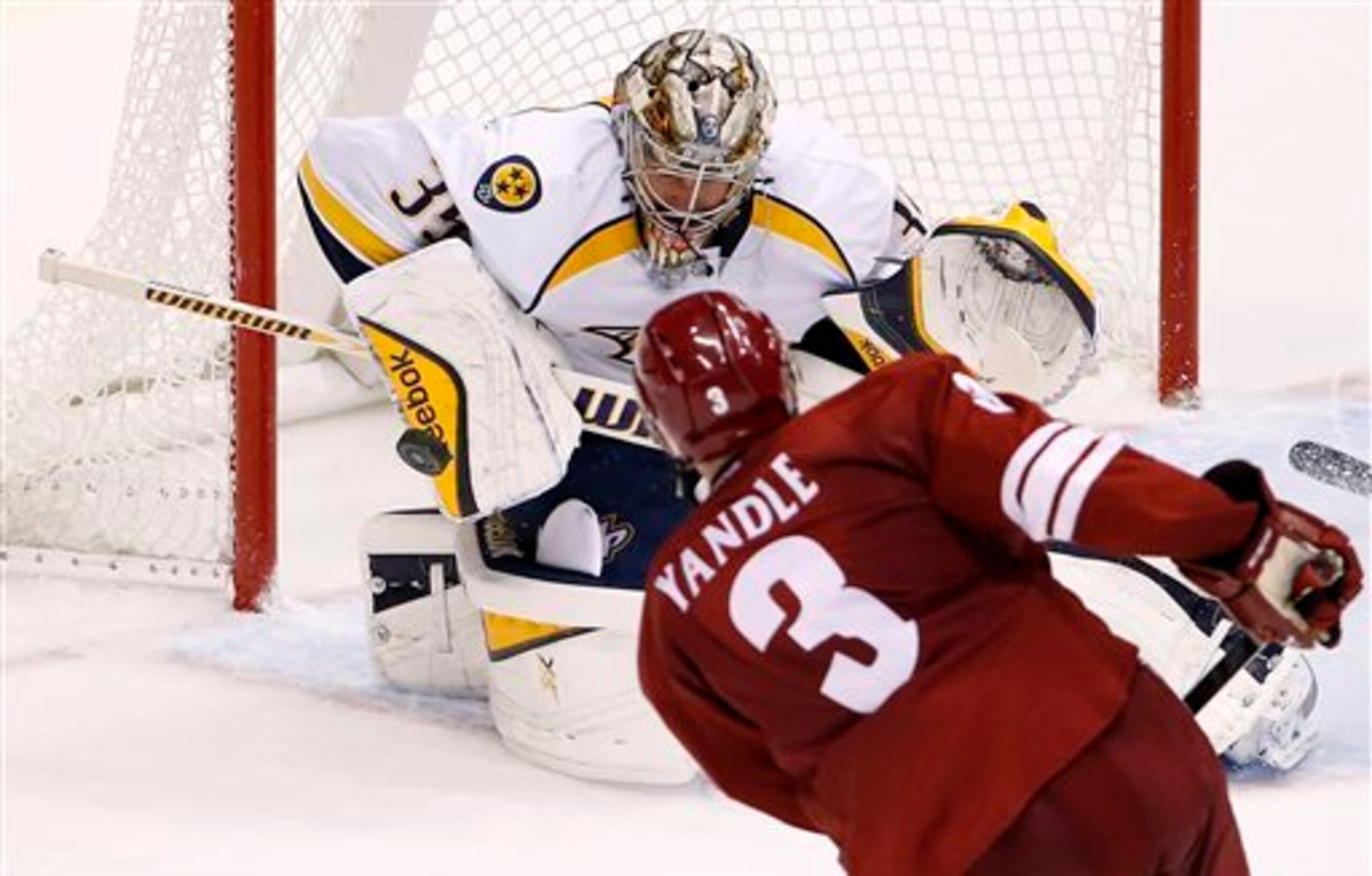
Statistically speaking: 29 games, three goals, 17 assists, 20 points, 94 shots, 13 power-play points
Why he'll regress:The defenseman is lethal on the power play, which is how he's netted more than half of his 20 points so far. The Arizona Coyotes are clicking along at a 12th-best rate of 20.8 percent with the man advantage, but if the team hits a lull, then his point totals could suffer. He's on pace for the second-highest point total of his career while leading the team.
Boston Bruins: Dougie Hamilton
3 of 30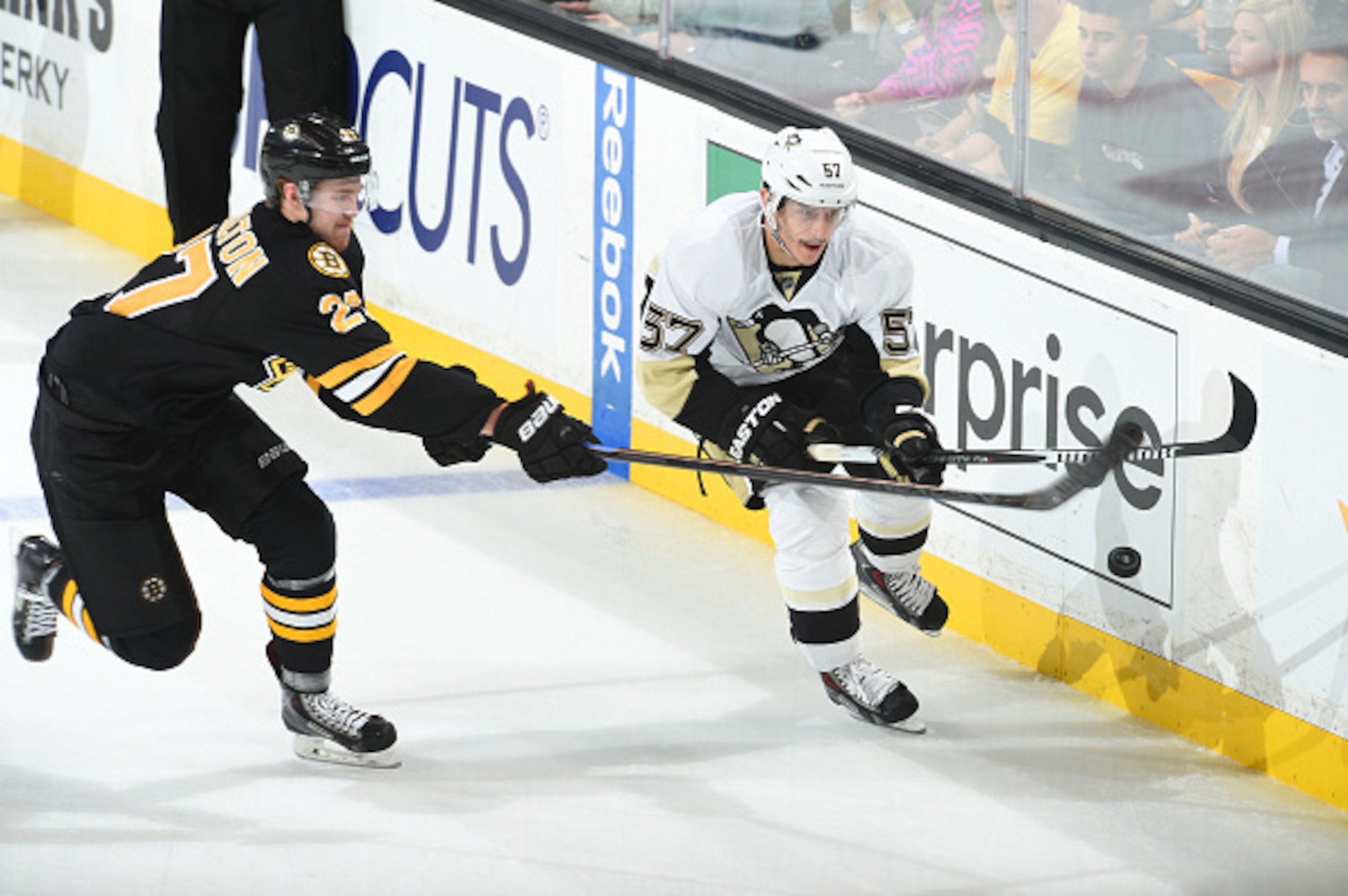
Statistically speaking: 29 games, five goals, 12 assists, 17 points, two game-winners, 69 shots
Why he'll regress: Hamilton has really stepped up in Zdeno Chara's absence this season since the big man—his blue-line partner—went down with an injury in late October. His power-play time is up from last season and his overall average ice time is also up more than three minutes per game from a year ago. With Chara back, Hamilton will lose some power-play time and could fall off his impressive pace.

Buffalo Sabres: Zemgus Girgensons
4 of 30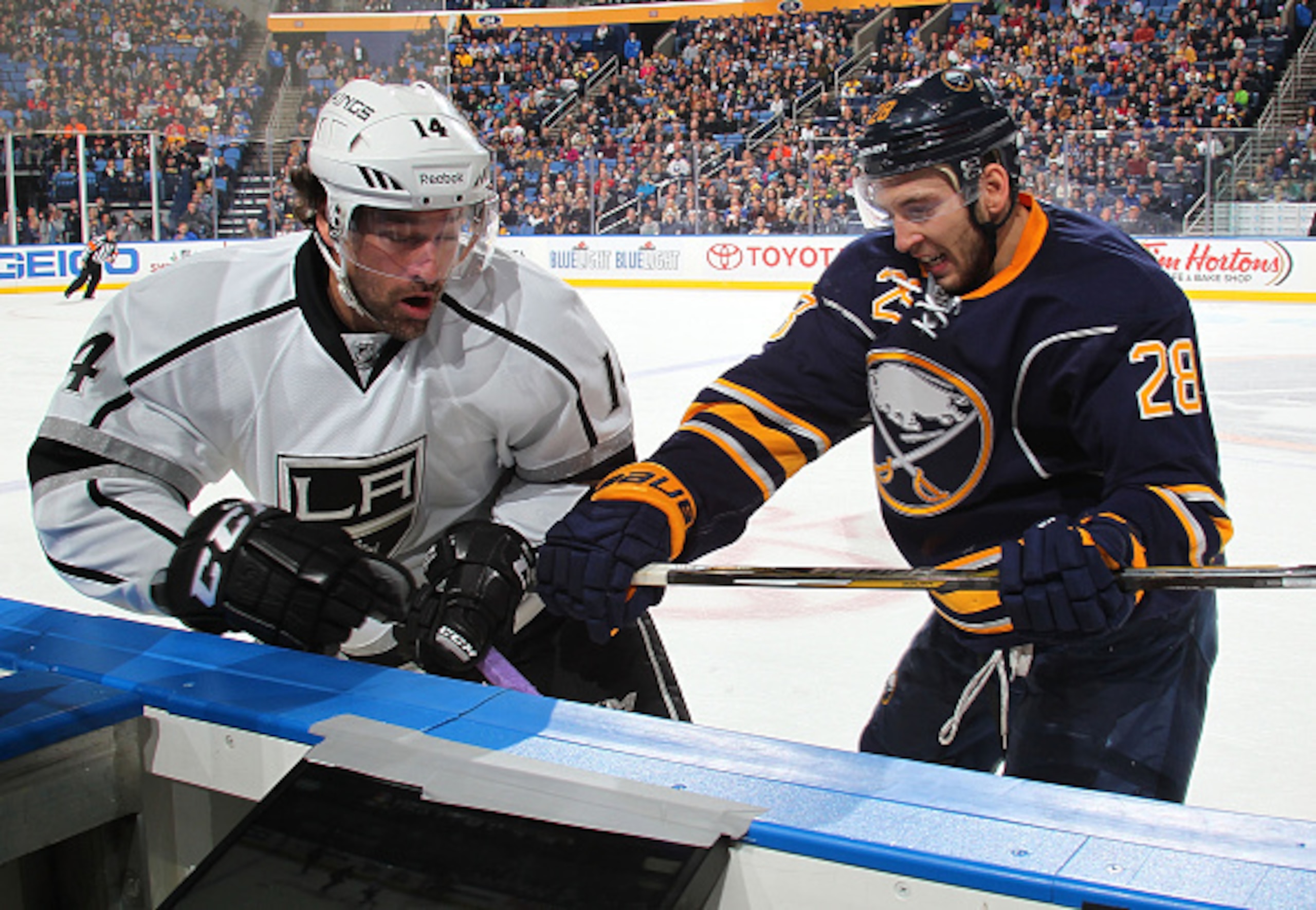
Statistically speaking: 29 games, nine goals, seven assists, 16 points, 50 shots, 18.0 shooting percentage, 64 hits, 25 blocked shots
Why he'll regress: Considering how poorly the Sabres have played for most of the season, it's tough to single out someone for a regression. But sophomore Zemgus Girgensons has been a heck of a bright spot for the boys from Buffalo.
In his second NHL season, the 20-year-old is on pace for more than 20 goals and 40 points. If anyone is going to take a step back, it will be the hard-hitting, shot-blocking center. It could be because of injury or a slump, but he's the most likely to hit a rough patch.
Calgary Flames: Johnny Gaudreau
5 of 30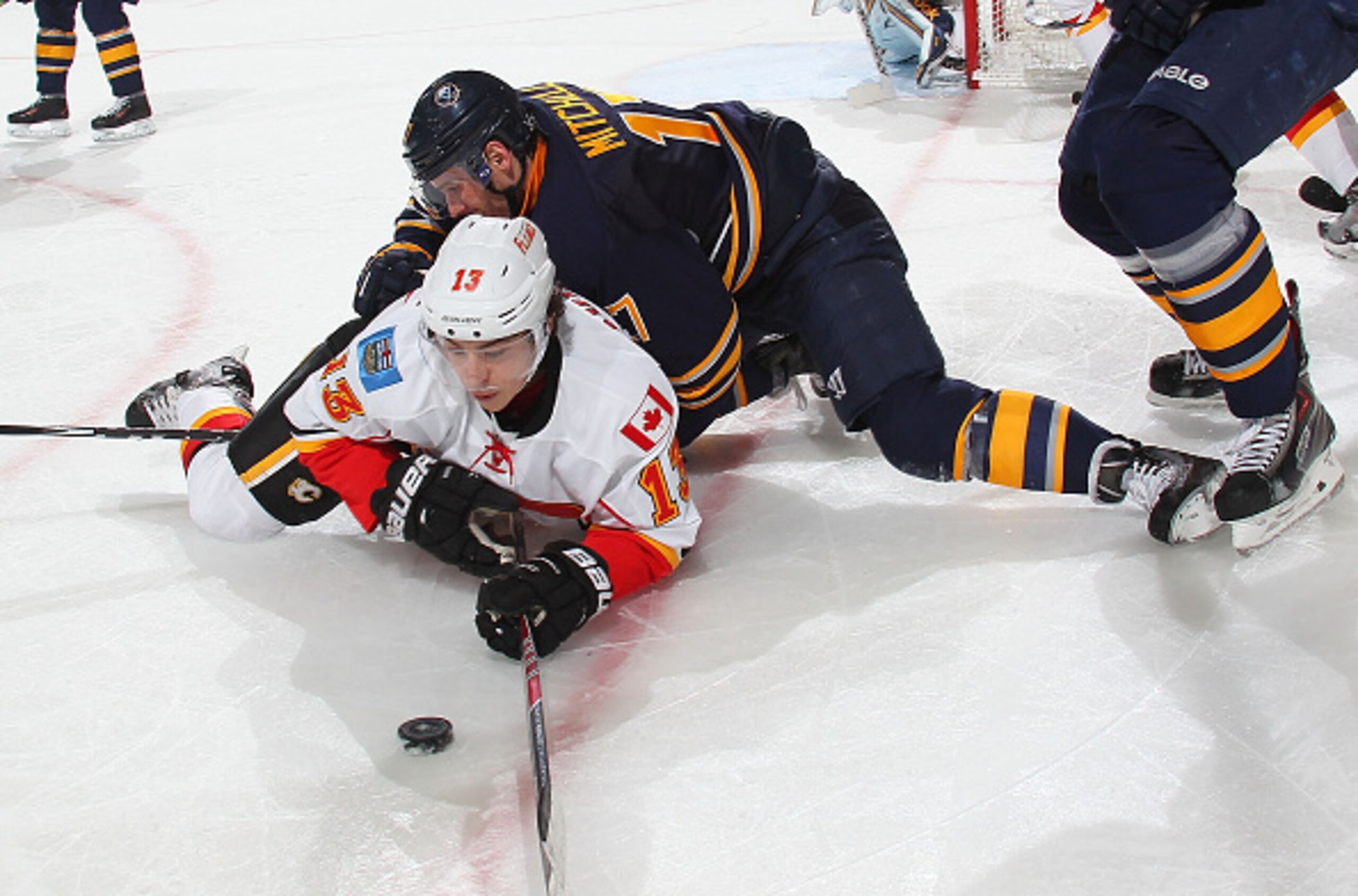
Statistically speaking: 29 games, five goals, 16 assists, 21 points, plus-eight, two game-winners, 56 shots
Why he'll regress: He's been on a tear over the last 19 games with four goals and 18 points. The small but skilled winger has shown an ability to avoid big hits and has dealt with the grind of the NHL well so far as his minutes steadily climb. But after playing fewer than 50 games the last two seasons, there's a good chance he will succumb to some fatigue at some point this season.
Carolina Hurricanes: Jiri Tlusty
6 of 30
Statistically speaking: 28 games, 10 goals, three assists, 13 points, five power-play goals, 47 shots, 21.3 shooting percentage
Why he'll regress: On pace for a 30-goal season, Tlusty has been the beneficiary of playing with Eric Staal for most of the season. The Hurricanes have been shifting lines, however, and the longer Tlusty plays without Staal, the less likely he is to reach that benchmark for the first time in his NHL career. He leads the team in goals but is shooting an unsustainable percentage.
Chicago Blackhawks: Kris Versteeg
7 of 30
Statistically speaking: 25 games, eight goals, 15 assists, 23 points, plus-13, 60 shots
Why he'll regress:Versteeg has been on fire for the Blackhawks, playing at nearly a point-per-game pace and second only to Patrick Kane in that category. With an injury to Patrick Sharp offering Versteeg a prolonged look on a second line with Kane and center Brad Richards, Versteeg produced five goals and 17 points in the 14 games Sharp missed.
So what happens now that Sharp is back? For now, Versteeg is staying put on the Kane line, but coach Joel Quenneville could easily go back to his previous incarnations at any point.
Colorado Avalanche: Alex Tanguay
8 of 30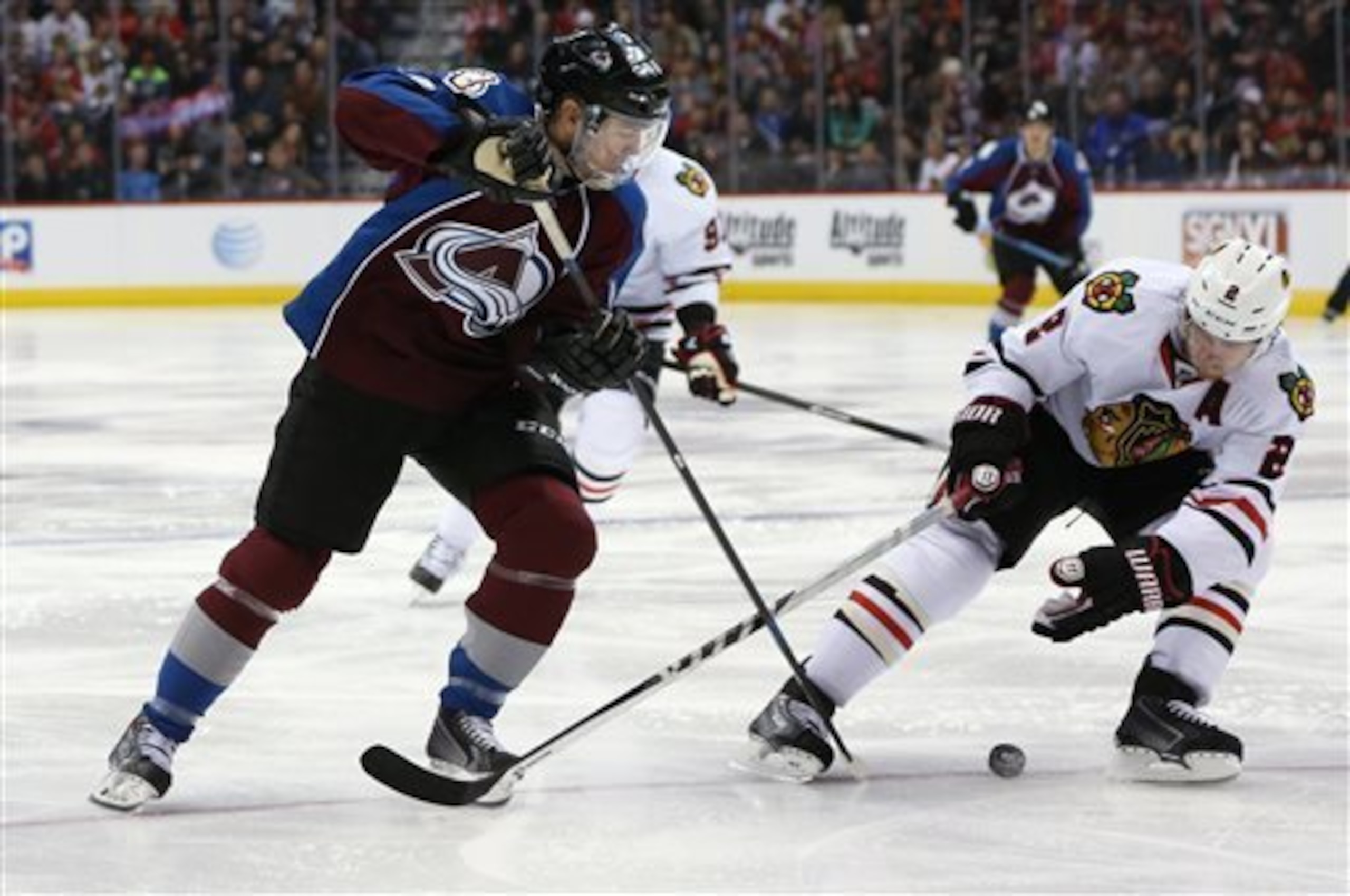
Statistically speaking: 27 games, nine goals, 10 assists, 19 points, one short-handed goal, one game-winner, 39 shots, 23.1 shooting percentage
Why he'll regress: At 35, winger Alex Tanguay is showing he's still got some spring in his step and his stick. He's on pace for around 50 points, which isn't a total shock given his track record as a setup man and the fact he's playing a lot with the young and talented Matt Duchene and Ryan O'Reilly.
The shocker is he's leading the team in goals with nine, which puts him on pace for close to his career high of 29. He's doing it with an inflated 23.1 shooting percentage, enough above his already high career average of 18.9.
The fact he has finished with numbers above 20 seven times in 14 previous seasons takes some of the fuel out of this argument; however, he has been above that mark just once in his past five.
Columbus Blue Jackets: Nick Foligno
9 of 30
Statistically speaking: 27 games, 13 goals, 13 assists, 26 points, six power-play goals, one game-winner, 56 shots, 23.2 shooting percentage
Why he'll regress: Foligno has never cracked the 20-goal mark in the NHL. He's only really ever even flirted with that number twice in his first seven seasons in the league. But here he is over halfway to that benchmark while posting the team's best plus/minus rating of any of its full-time players. It's pretty clear he's going to shatter his personal bests in goals (18) and points (47) at some point this season. It may just not be as quickly as his current pace would indicate.
Again, we look to shooting percentage for a clue, and Foligno is sniping at a highly successful rate. His career average is 12.1 percent, even factoring in this year's inflated number. Over the grind of a season, that will likely dip. The winger has also been moved off slick young Blue Jackets star Ryan Johansen's line to form a trio with Brian Gibbons and Scott Hartnell.
Dallas Stars: Tyler Seguin
10 of 30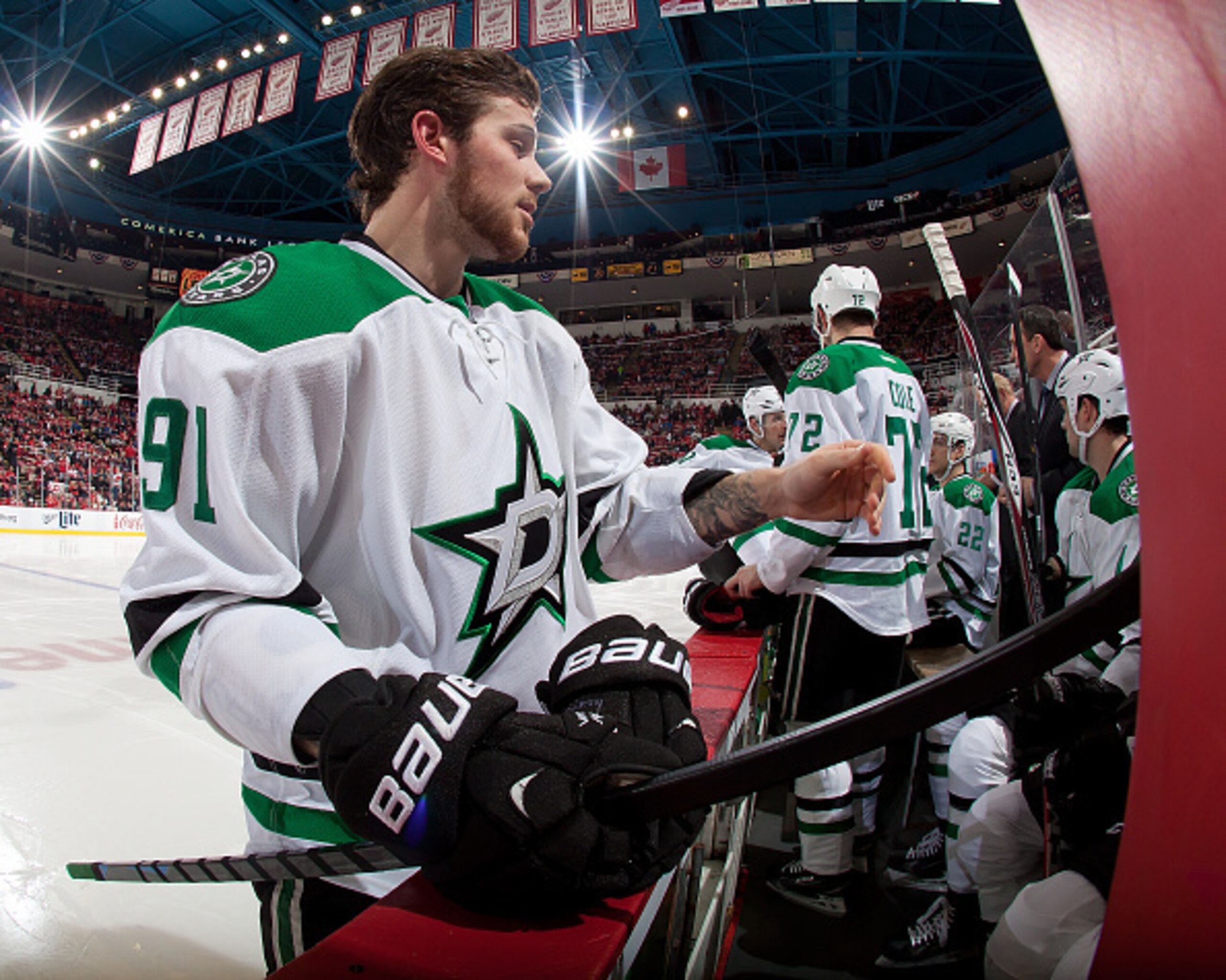
Statistically speaking: 28 games, 22 goals, 14 assists, 36 points, plus-five, four game-winners, 19.8 shooting percentage
Why he'll regress: Since Wayne Gretzky and Mario Lemieux retired and the goal-scoring leader began being awarded the Maurice (Rocket) Richard Trophy, only twice has the winner finished with at least 60 goals. Tyler Seguin is currently on pace to become the third.
I'm not convinced he won't be able to sustain his 19.8 shooting percentage, but he's the Stars' best bet for a bit of a slip along the way. Perhaps his effort to improve in other areas of the game, via Mike Heika of The Dallas Morning News, will distract him from his goal scoring.
Detroit Red Wings: Stephen Weiss
11 of 30
Statistically speaking: 10 games, four goals, six assists, 10 points, plus-four, one game-winner, 25 shooting percentage
Why he'll regress: The next time Stephen Weiss has a point-per-game season will be the first. As excited as the Red Wings and their fans must be that the 31-year-old finally looks to be healthy and playing at the level the team expected when signing him to a five-year, $24.5-million deal a year-and-a-half ago, he's due for a regression.
More shocking than him finishing the year without another injury would be Weiss keeping up his point pace. He's shooting at a 25 percent—more than 13 percent higher than his career high.
Edmonton Oilers: Ryan Nugent-Hopkins
12 of 30
Statistically speaking: 27 games, seven goals, 11 assists, 18 points, one game-winner, 66 shots
Why he'll regress: Maybe this should be considered less of a regression than the idea he will be overtaken as the team's top scorer sooner or later by the likes of Taylor Hall or Jordan Eberle.
On pace for a career-high 20 goals but somewhere around 50 points—a little below his pace from last season—Nugent-Hopkins is already a bit of a disappointment. Then again, the entire Oilers organization has been this season with high expectations of improvement coming in. Instead, the team is getting a lot of status-quo performances.
Florida Panthers: Nick Bjugstad
13 of 30
Statistically speaking: 26 games, 12 goals, six assists, 18 points, three game-winners, 71 shots, 16.9 shooting percentage
Why he'll regress: There's a good chance 18-year-old rookie defenseman Aaron Ekblad will eventually experience some growing pains, but the reviews have been so positive on the poised youngster that I'm looking elsewhere for a candidate from the Panthers.
Sophomore center Nick Bjugstad is as good as any. He had a nice rookie season a year ago with 16 goals and 38 points but is blowing those numbers out of the water so far. If he keeps it up, he could have as many goals this year as he did points last year. But his shooting percentage is nearly 17 percent, and that likely isn't going to remain as high all season.
Los Angeles Kings: Tanner Pearson
14 of 30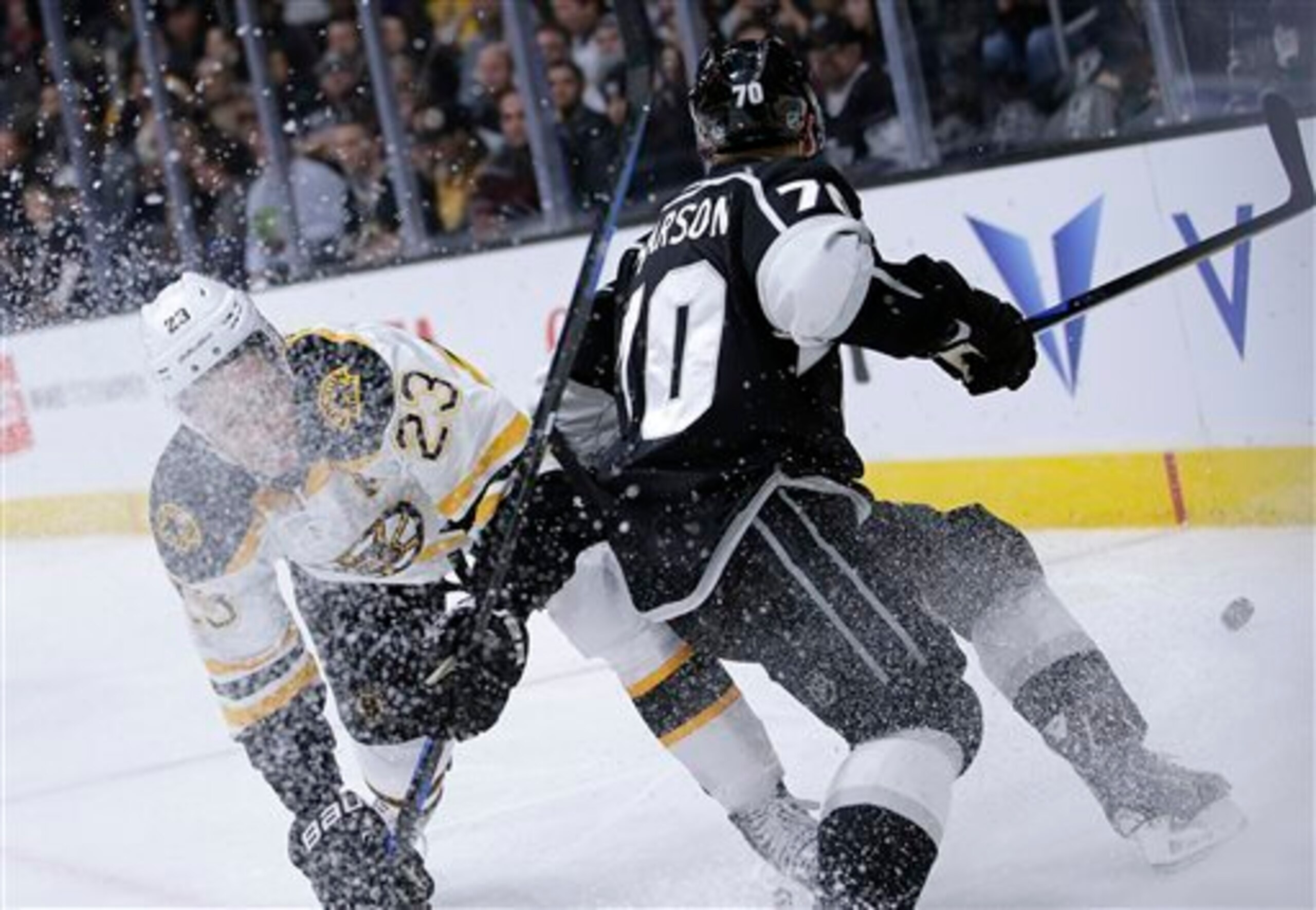
Statistically speaking: 29 games, 11 goals, three assists, 14 points, plus-13, three game-winners, 49 shots, 22.4 shooting percentage
Why he'll regress: Pearson was the NHL's rookie of the month for October, he leads the Kings in goals and is second in plus/minus. His shooting percentage is still up over 20 percent, but he is prone to scoring in bunches and going through long droughts without finding the back of the net.
He started the season with seven goals in the first eight games and then went 11 without one before netting four in his next 10. The league's hottest line in October has been split up and as a result, his production is unpredictable. His shooting percentage is much higher than it was during his time in the AHL.
Minnesota Wild: Nino Niederreiter
15 of 30
Statistically speaking: 27 games, 12 goals, three assists, 15 points, one short-handed goal, three game-winners, 57 shots, 21.1 shooting percentage
Why he'll regress: This came down to Jason Zucker and Niederreiter, a pair of 22-year-old snipers. Neiderreiter, the highest-ever drafted Swiss product, went fifth overall in 2010 but was a bust with the New York Islanders. No one ever doubted his skill, which has been on display much more often in Minnesota, but his work ethic hasn't always matched the talent.
He leads the Wild in goals and game-winners but is also connecting with the highest shooting percentage at a rate he isn't likely to maintain.
Even head coach Mike Yeo is cautious, telling the Pioneer Press' Chad Graff that he is staying on his young star with the message to keep going:
"Any time you've got a young player like that who's hot, you want to make sure they're feeling confident and they're rolling with it. But at the same time, there are constant reminders you have to be giving them (about) what you're doing to generate those chances and making sure they keep doing it.
"
Montreal Canadiens: Dale Weise
16 of 30
Statistically speaking: 27 games, four goals, six assists, 10 points, 11:15 average ice time
Why he'll regress: Because, let's be honest, he doesn't really belong on the top line in Montreal and won't be playing there with any regularity.
Don't get me wrong, he's an energetic player who puts in an honest effort every night, but his offense is not going to continue at the rate it has throughout the season—or the Montreal Canadiens are in trouble in terms of a dependable top six. He's already only two points shy of his career best, but I don't believe he'll hit the numbers you can project at this pace.
Nashville Predators: Filip Forsberg
17 of 30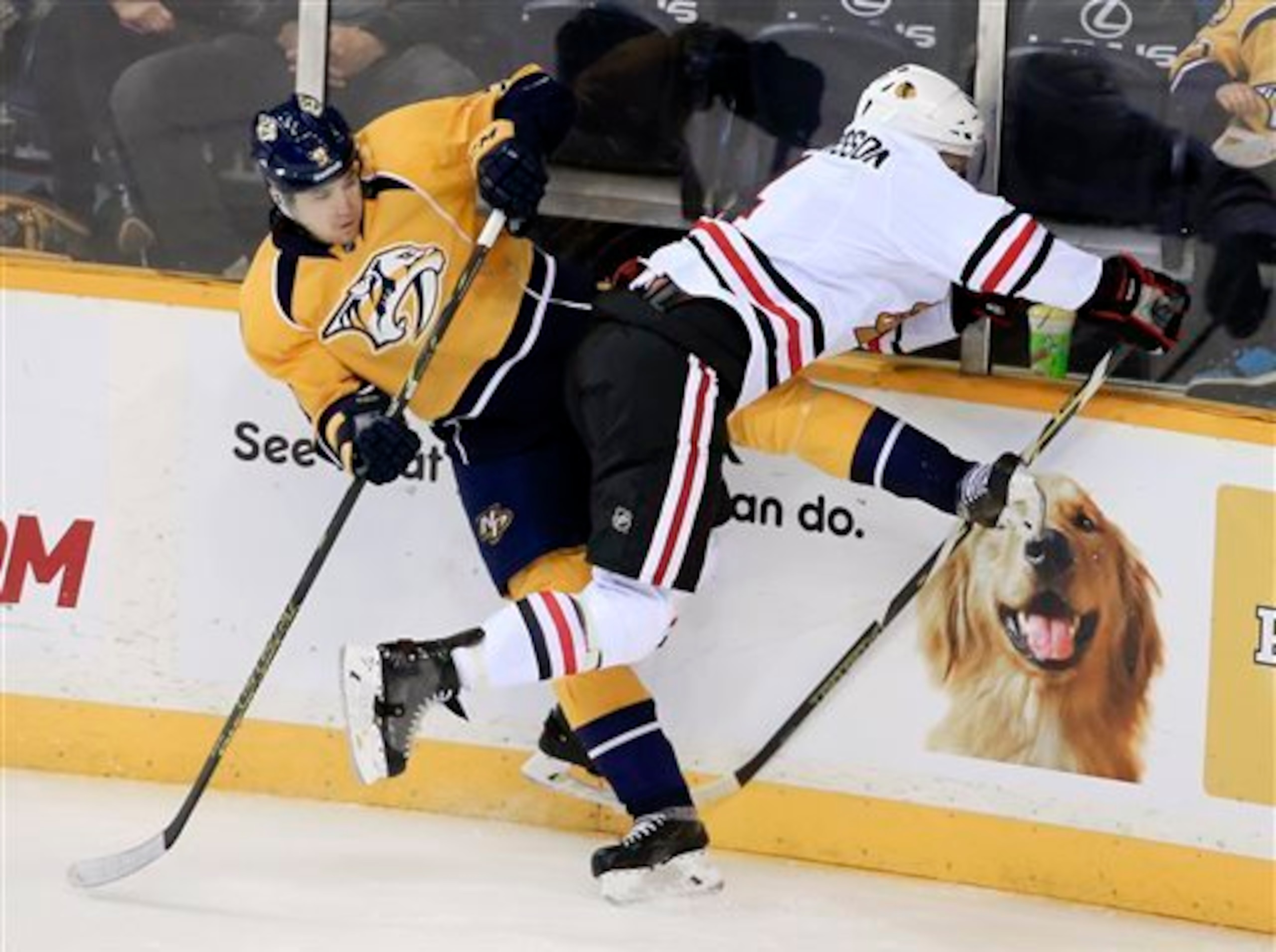
Statistically speaking: 28 games, 12 goals, 17 assists, 29 points, plus-25, four game-winners, 85 shots, 14.1 shooting percentage
Why he'll regress: Forsberg has been unbelievable this year. There are no underlying numbers of concern. His plus/minus is tops in the league, his shooting percentage is high but not by any unsustainable extreme. Still, the 20-year-old has never played the equivalent of a full NHL season combining all his games at all levels in Europe and international competition.
New Jersey Devils: Jaromir Jagr
18 of 30
Statistically speaking: 29 games, five goals, 12 assists, 17 points, one game-winner, 60 shots
Why he'll regress: This would be a lot more convincing if the ageless 42-year-old didn't just keep playing at a consistent level that belies his many years. Eventually, though, injury or some other misfortune will probably catch up to Jagr, right?
New York Islanders: Brock Nelson
19 of 30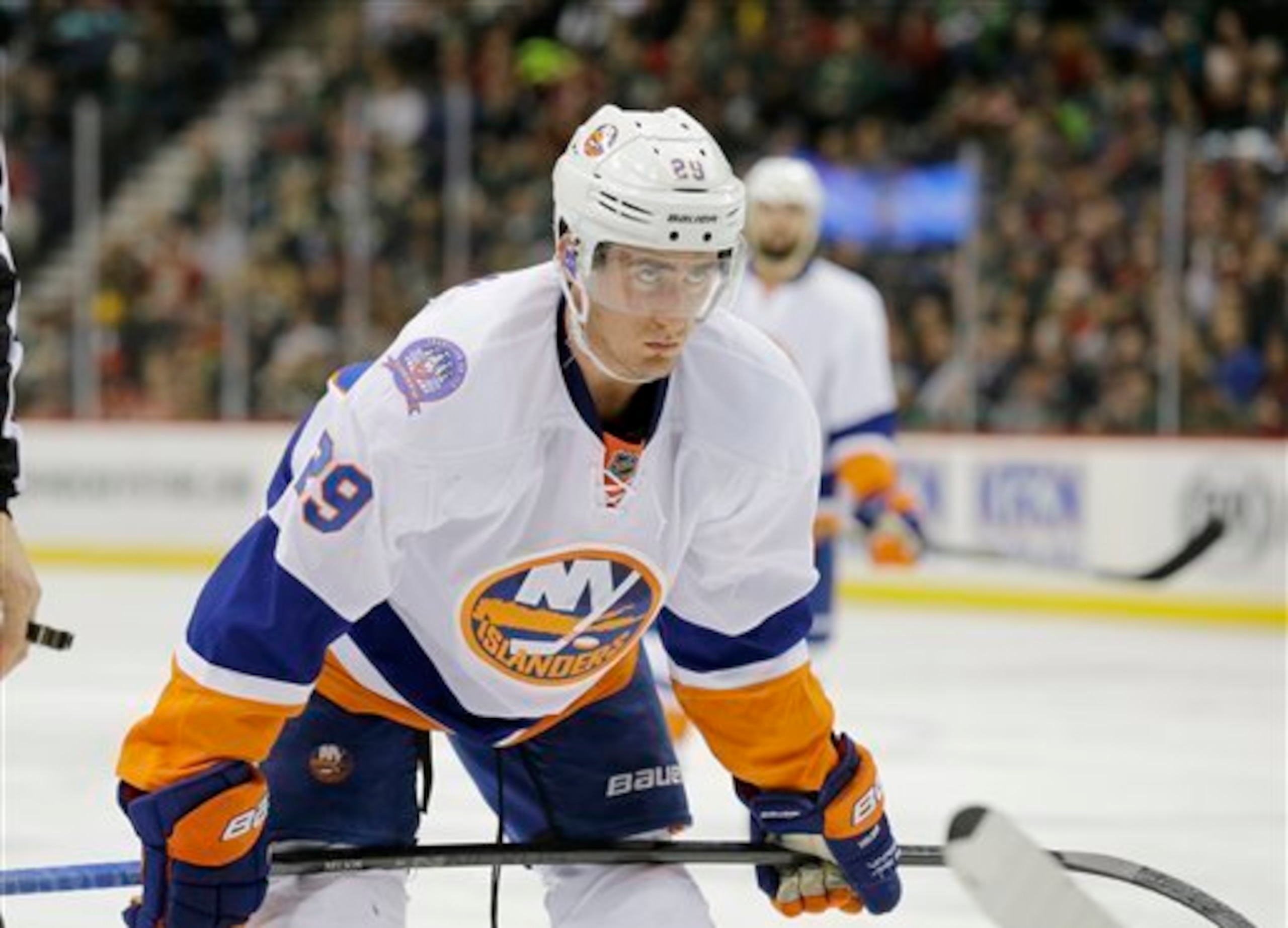
Statistically speaking: 29 games, 13 goals, 11 assists, 24 points, 70 shots, 18.6 shooting percentage
Why he'll regress: Nelson has been one of the best stories in the league through the first couple of months. Playing with Ryan Strome and Anders Lee for most of the season, he's still been able to produce at a John Tavares-like pace.
He leads the Isles in goal scoring, but I don't expect that to be the case come the end of the season. His shooting percentage is much higher than the 10.6 he put up as a rookie last year and even the 13.4 during his impressive AHL season the previous year. Also, his ice time will probably plunge a little with the return of Michael Grabner.
New York Rangers: Rick Nash
20 of 30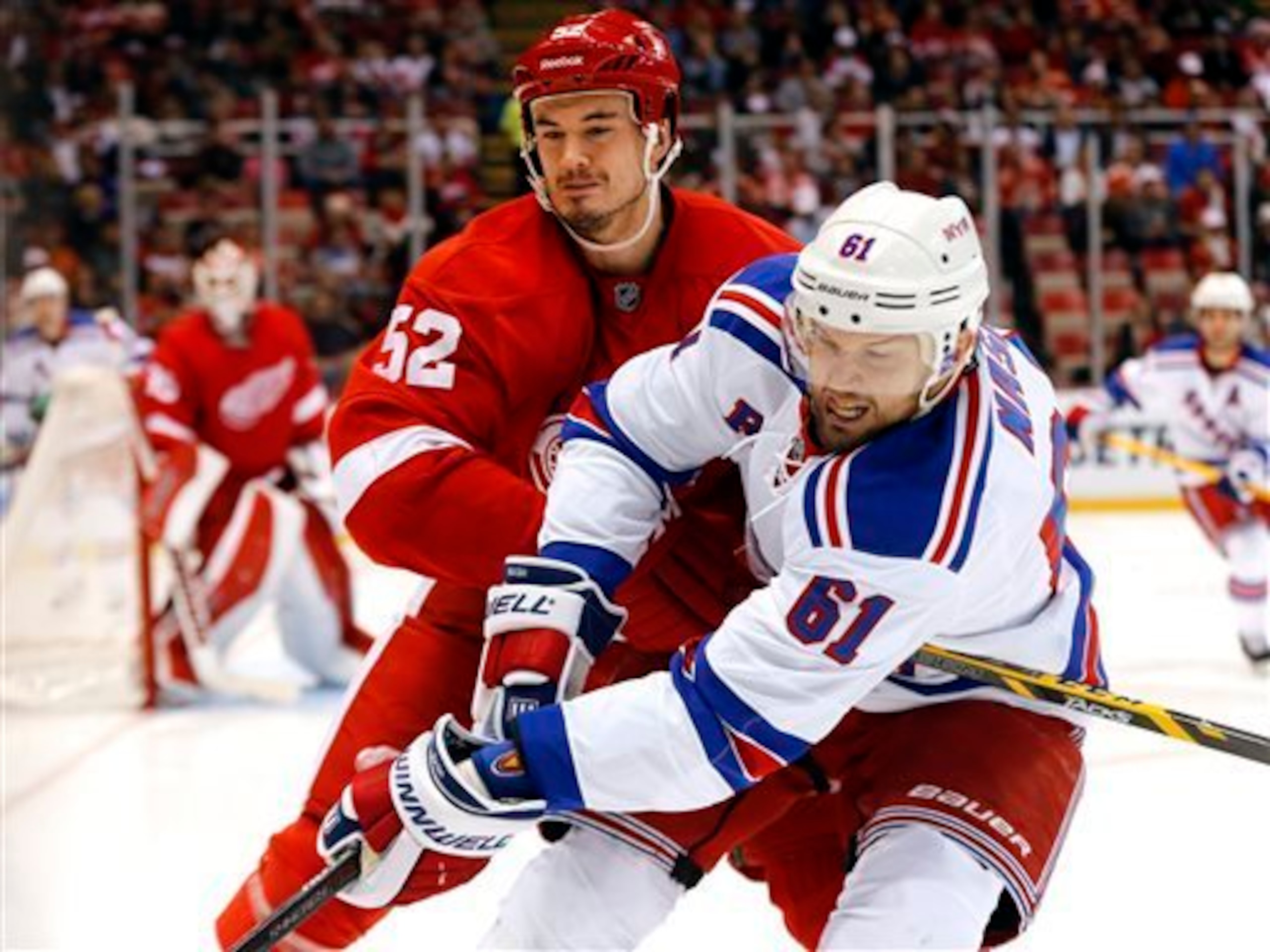
Statistically speaking: 26 games, 18 goals, 10 assists, 28 points, plus-nine rating, two short-handed goals, two game-winners, 91 shots, 19.8 shooting percentage
Why he'll regress: Nash has always been a sniper. He's had two 40-goal seasons, five more over 30 and hasn't posted a sub-20-goal season since he was a rookie in Columbus. He's on pace for close to 60 this season thanks to a hot start.
But even in those previous years as a regular scorer, Nash has averaged a shooting percentage of 12.6 and has only once put up a number higher than 15.2. Past seasons have seen him put up slumps of five to seven games fairly regularly, but his longest this year is three games, and it's happened just once.
Ottawa Senators: David Legwand
21 of 30
Statistically speaking: 28 games, five goals, seven assists, 12 points, 16.7 shooting percentage
Why he'll regress: The Senators brought Legwand in for depth at center after dealing away Jason Spezza. But that was with an eye on making the playoffs, which seems like a bit of a long shot now that the team has fired its coach. With plenty of youngsters needing more time to grow, Legwand's role could become even less important (outside of mentorship). The 34-year-old is also humming along with a 16.7 shooting percentage.
Philadelphia Flyers: Mark Streit
22 of 30
Statistically speaking: 28 games, four goals, 14 assists, 18 points, plus-five rating, 58 shots, 22:51 minutes per game
Why he'll regress: Jakub Voracek is playing out of his mind, but another member of the Flyers is overachieving right now. Defenseman Mark Streit is on pace for a 50-plus-point season, which would be his first since 2009. The 37-year-old's minutes are up considerably from a year ago, which might lead to a little lull later in the season when the wear and tear piles up on his aging body.
Pittsburgh Penguins: Blake Comeau
23 of 30
Statistically speaking: 26 games, eight goals, eight assists, 16 points, plus-five rating, two game-winners
Why he'll regress: The Penguins have a number of injuries to top-six forwards, so Comeau is the beneficiary for now. Playing with Evgeni Malkin has led to some nice numbers from the 28-year-old journeyman, but his time on the top two scoring lines will inevitably end when the team gets back to better health.
San Jose Sharks: Tommy Wingels
24 of 30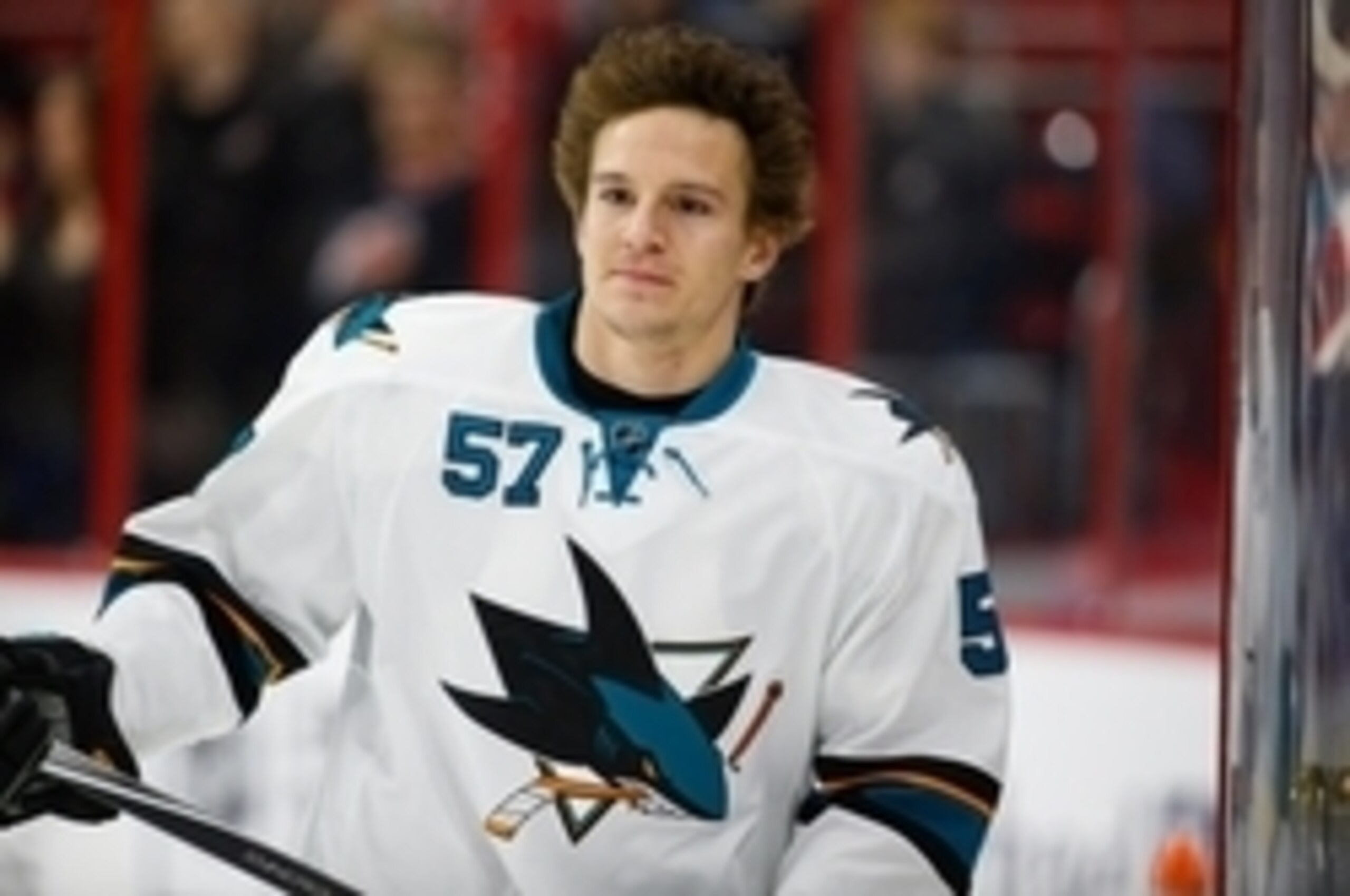
Statistically speaking: 31 games, nine goals, 12 assists, 21 points, 84 shots, one short-handed goal, one game-winner
Why he'll regress: Matt Nieto hasn't worked out exactly as hoped, so Wingels has jumped into a top-six role and thrived with a pace for a career high in points. But with other threats to score in the top two groups, the Sharks would be better served to let Nieto have another go at a spot on Patrick Marleau and Logan Couture's line and allow Wingels to take his momentum to the lower lines to create balance.
If that happens, his numbers won't be nearly as high—although it seems he's taken a real step forward offensively thanks to new confidence and hard work.
St. Louis Blues: Jake Allen
25 of 30
Statistically speaking: 9-3-1 record, 2.54 goals-agaisnt average, .907 save percentage
Why he'll regress: When Brian Elliott comes back from injury, there will be a logjam at the goaltender position, and the ultimate loser could be the young Allen, who will be losing more playing time barring a trade of either newcomer Martin Brodeur or Elliott.
Tampa Bay Lightning: Victor Hedman
26 of 30
Statistically speaking: 12 games, three goals, 10 assists, 13 points, 25 shots
Why he'll regress: Hedman was on a torrid offensive pace before a finger fracture knocked him out of the lineup for 18 games. Having lost that momentum it may take some time to get back into the swing of things. Injury aside, it's tough for a defenseman to maintain a point-per-game average—something that hasn't been done since Mike Green in 2009-10 and 2008-09 and Nicklas Lidstrom in 2005-06.
Toronto Maple Leafs: Leo Komarov
27 of 30
Statistically speaking: 23 games, four goals, 12 assists, 16 points, one game-winner, 3:00 short-handed minutes per game, 99 hits
Why he'll regress: A concussion for a guy who makes a living throwing his body around with reckless abandon is a terrible combination. Komarov had carved out a nice start to the season and a regular spot on Nazem Kadri's line before Alex Ovechkin clipped him with a shoulder at the end of November. When he returns, he may have to earn his way back into the top six, and if he doesn't, his stats will plummet.
Vancouver Canucks: Linden Vey
28 of 30
Statistically speaking: 27 games, six goals, seven assists, 13 points, four power-play goals, 2:50 power-play minutes per game
Why he'll regress: Vey doesn't play enough minutes to sustain his point totals, which are bolstered by a shooting percentage (26.1) significantly higher than the league average. Despite his nearly three minutes per game of average ice time on the power play, less than half of his points have come with the man advantage.
Washington Capitals: Mike Green
29 of 30
Statistically speaking: 20 games, three goals, nine assists, 12 points, plus-two rating, 47 shots
Why he'll regress: The injury bug rears its head again for Mike Green. When healthy, he's been one of the best offensive defensemen in the league over the past six or seven seasons. The problem is he is no longer able to avoid getting hurt. He missed seven games with a shoulder injury and has just returned. Staying healthy is his biggest road block.
Winnipeg Jets: Michael Hutchinson
30 of 30
Statistically speaking: 6-1-2 record, .941 save percentage, 1.67 goals-against average, one shutout
Why he'll regress: The sample size is small, but Hutchinson is playing incredible hockey for the Jets at the moment. Over the long haul—if he should even manage to steal the starting role away from Ondrej Pavelec in goal—the individual numbers will come down.
That's based primarily on the idea that Hutchinson doesn't have the experience to carry a team that isn't extremely talented over a full season just yet—and that over the past 15 years, only two goalies have posted save percentages of .940 or better.
.jpg?w=2560 "NHL Trade Grades Connor Hellebuyck")

.jpg?w=2560 "Malik Beasley Negotiating Plea Deal (AP)")


.jpg?w=2560 "Jonathan Taylor Landing Spots")

.jpg?w=2560 "Aikman Blasts Cowboys WR 🫣")