

Toronto Blue Jays: Manager John Gibbons' Smartest Moves of the 2014 Season
In baseball, managers are often placed in an unenviable position. They are usually the first targets of blame if anything goes wrong with their team over the course of the season.
But, if the team ends up doing well, managers rarely get the credit that they deserve.
Toronto Blue Jays manager John Gibbons has certainly experienced this firsthand. When the Blue Jays struggled during the 2013 season and finished with a 74-88 record, Gibbons wasn’t exactly a popular figure in Toronto. Here is an article published last year by Bob Elliot of the Toronto Sun that wondered if it was time to remove Gibbons from his position.
Fast forward to the 2014 season. The Blue Jays are currently 63-56 and 1.5 games out of the second wild-card spot entering play on Monday. But, while Gibbons is no longer on the hot seat, he certainly hasn’t been given the proper credit that he deserves for the team’s turnaround either.
In fact, Gibbons has made several managerial decisions this season that have directly contributed to the team’s success. Let’s take a look at some of his smartest moves.
All stats are from MLB.com and are current entering play on August 11, 2014.
Creating a Platoon System
1 of 3
The implementation of a platoon system has been one of the biggest changes in the Blue Jays’ offensive approach this season.
With the roster featuring several left-handed hitters that had struggled against left-handed pitching in the past, Gibbons opted to bench some of those left-handed hitters in favor of a right-handed hitter when the team faced a southpaw.
Adam Lind is one of the more notable players on the team who was placed in a platoon role this season. Lind—who has a career batting average of .213 against lefties compared to a .291 batting average against righties—has usually been used as a starter against only right-handed pitchers this year.
Not only has this approach allowed the team to put its best lineup on the field against left-handed pitching, but also it has placed certain players in a situation where they are more likely to succeed.
Lind’s overall slash line of .320/.389/.489 this season certainly attests to how effective the platoon system has been for him.
Shifting Players Around Defensively in Order to Put out a Strong Lineup
2 of 3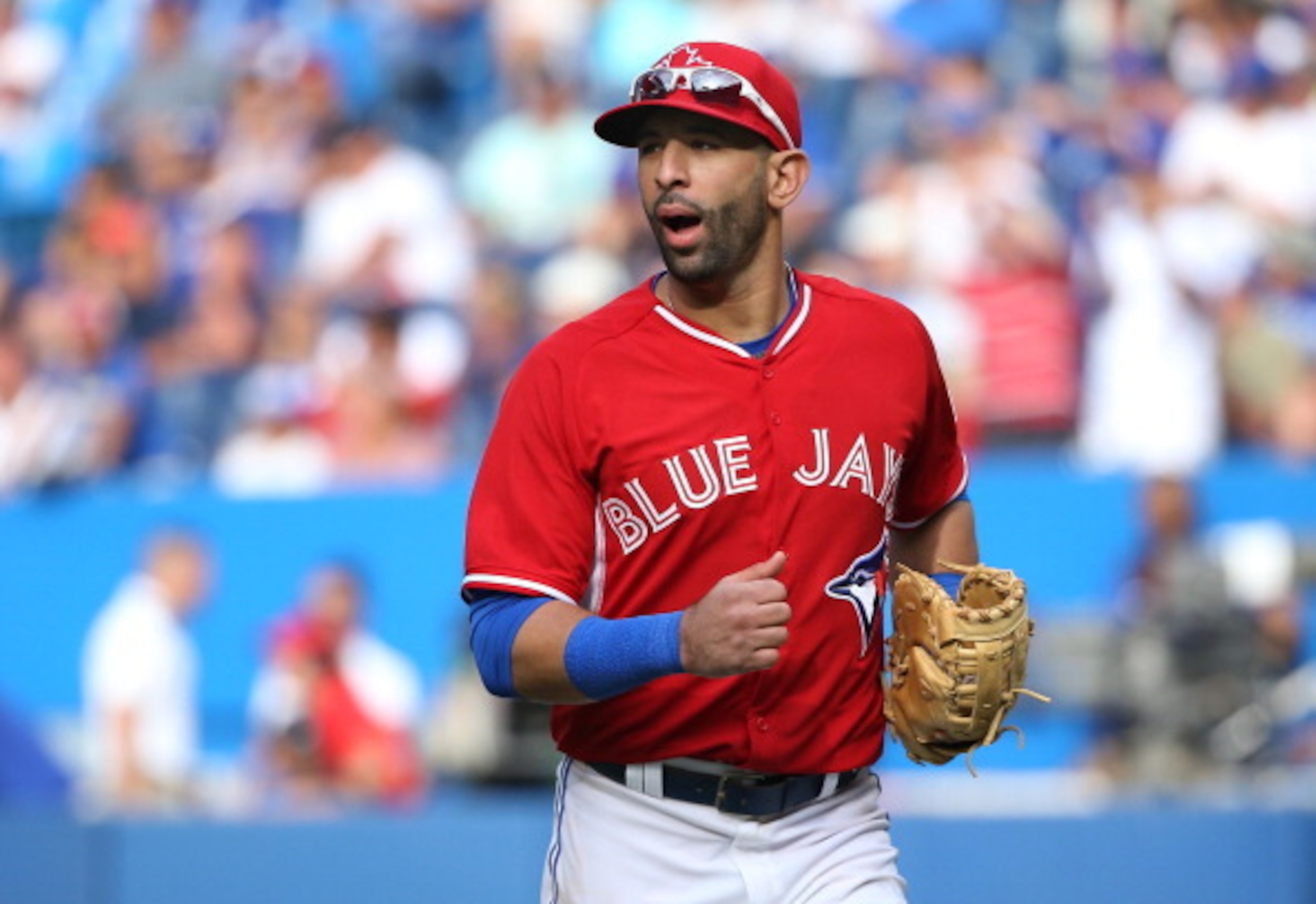
One thing we’ve constantly seen from Gibbons this season is his willingness to shift players around defensively and even play them out of their regular position in order to make the lineup as strong as possible.
Some examples of this are shifting third baseman Brett Lawrie to second base in order to get Juan Francisco in the lineup, moving right fielder Jose Bautista to first base and even moving first baseman Edwin Encarnacion to the outfield for a few games.
With the team not having a regular second baseman and then losing Lawrie to an injury for an extended period of time, Gibbons has constantly shifted multiple players around second and third base, making adjustments in-game based on offensive or defensive need.
As many as seven different players have seen time at second base for the Blue Jays this season. Five different players have played third base.
Being able to shift players around defensively has allowed Gibbons to set up favorable matchups for his team, which is something that has been invaluable late in games.
Slotting Dioner Navarro into a Run-Producing Role
3 of 3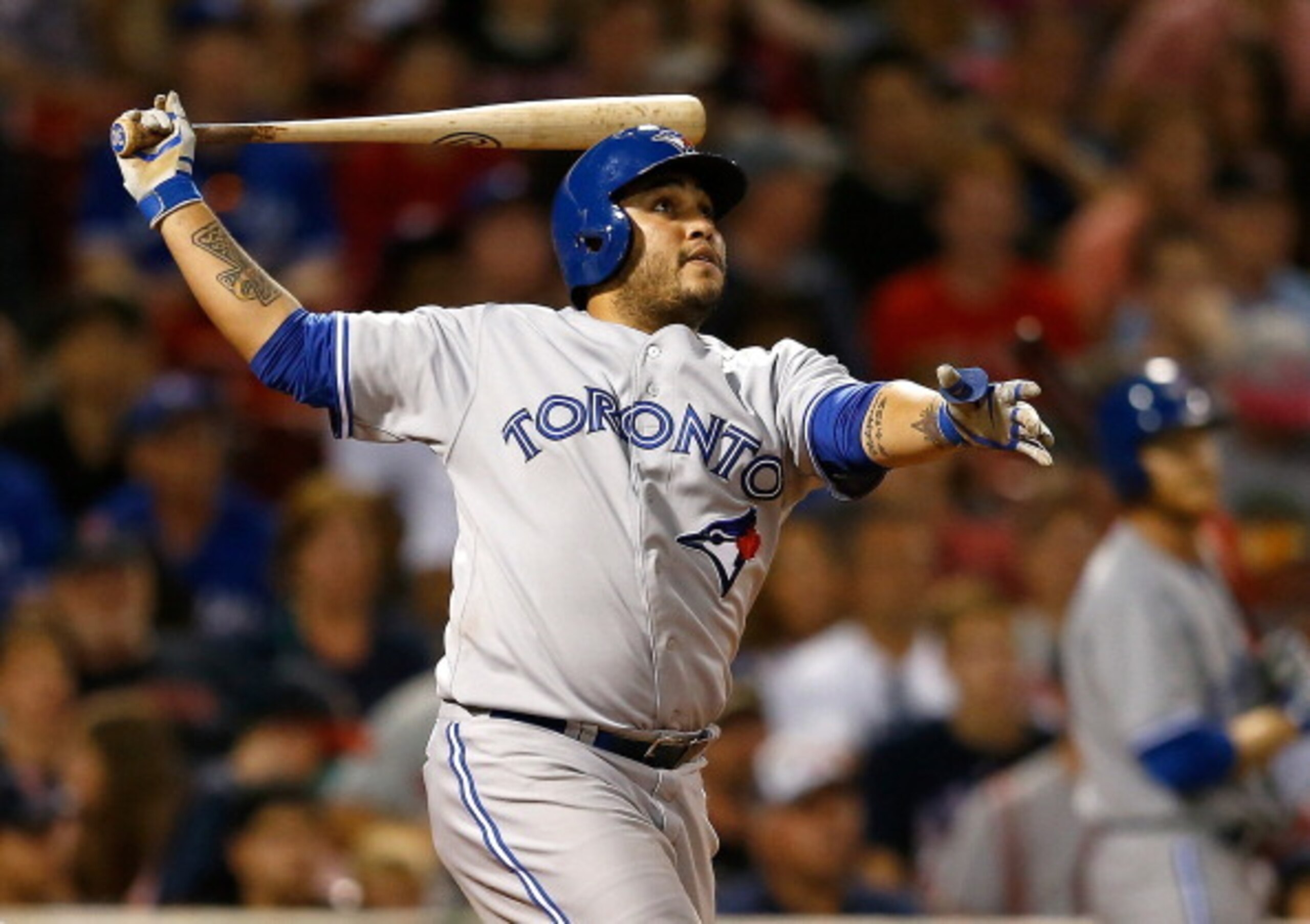
When Edwin Encarnacion was sidelined with a quad strain, it was seen as a huge blow to the team’s offense. After all, Encarnacion was hitting .277/.368/.591 with 26 home runs and 70 RBI before his injury.
To help deal with the loss of his slugging first baseman, Gibbons moved catcher Dioner Navarro up the lineup into a more run-producing role.
Sure, Navarro—who has just nine home runs and a slugging percentage of .393 this season—isn’t an ideal hitter to drive in runs because of a lack of power. But the 30-year-old’s biggest strength is being able to tighten up his swing and come through with runners on base.
While Navarro’s overall batting average is .277, his batting average with runners in scoring position jumps up to .327. He's now fourth on the team with 51 RBI.
So while it seemed unconventional to slot a light-hitting catcher into a run-producing role, this move by Gibbons has greatly paid off for the team and has allowed the offense to keep clicking despite missing one of its best players.



.png?w=2560)

.jpg?w=2560 "Raiders Could Start Mendoza")



.jpg?w=2560 "Rodgers Iced Out on Plane 💎")

.jpg?w=2560 "🚨 Week 8 AP Top 25 Poll")