MLB Futures Game 2014: Pro-Player Comparisons for Each Prospect
Many of baseball's top prospects will be on display in this year's MLB Futures Game at Minnesota's Target Field, which will be played Sunday at 5 p.m. ET. Until then, we'll continue to break down all the players from the U.S. and World teams' rosters.
By now, most of you hopefully know that I typically try to stay away from comparing prospects to major leaguers; it can be a misleading exercise, as any number of things can happen to affect a player's developmental timeline and overall projection.
However, considering we'll be viewing the future of the sport just a few days before the actual All-Star Game, I thought I'd take a (conservative) stab at comparing this year's Futures Game participants to well-known big leaguers, both past and present.
With that said, here are the pro-player comparisons for each prospect in this year's Futures Game.
US: Catchers
1 of 8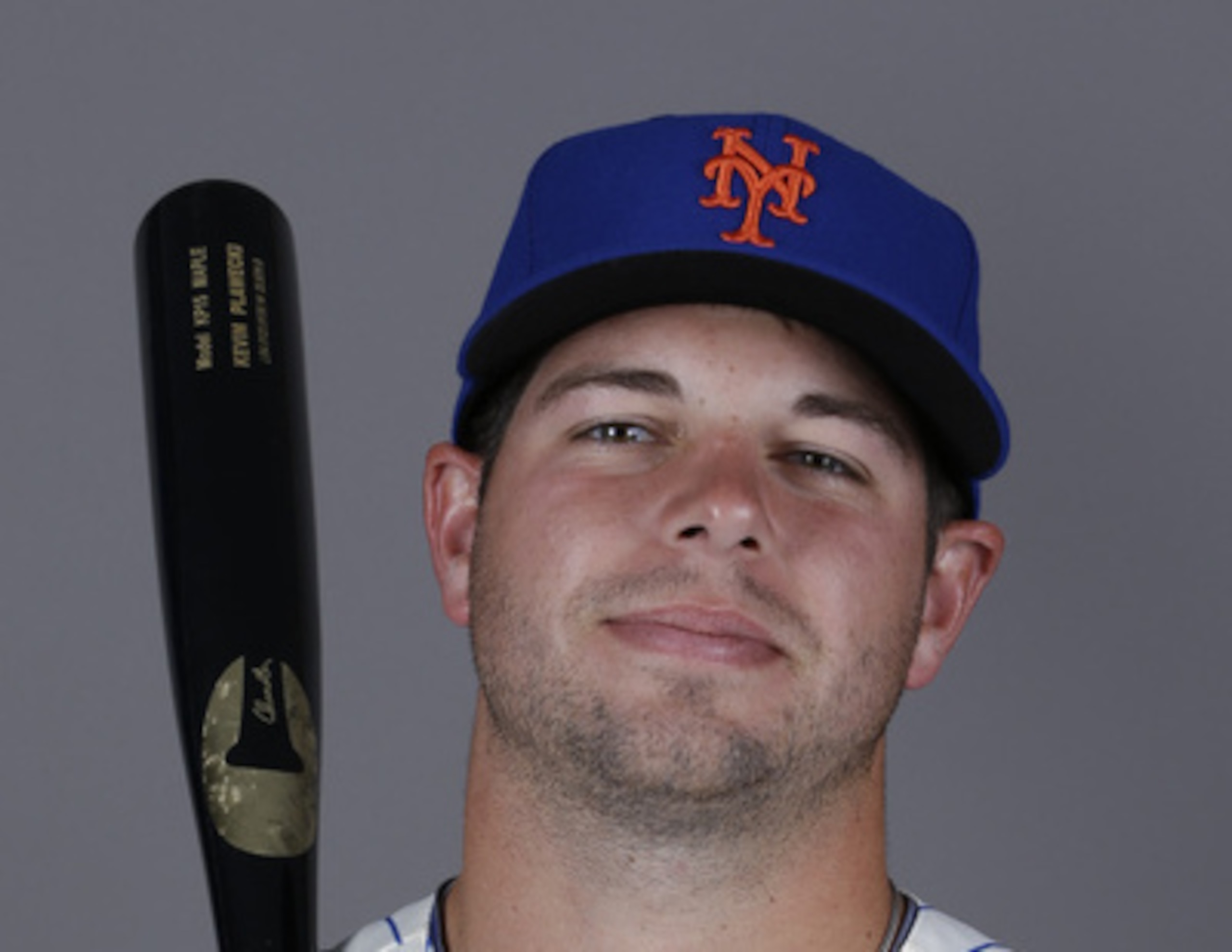
Kevin Plawecki, New York Mets
Comparison: Paul Lo Duca
Explanation: Plawecki’s ability to make consistent contact and use the entire field gives him a chance to be a .270-.280 hitter annually to go along with 25-plus doubles and a double-digit home run total.
Justin O’Conner, Tampa Bay Rays
Comparison: Robinson Chirinos
Explanation: Like Chirinos, O’Conner has swing-and-miss issues at the plate but showcases impressive raw power, even if it’s mostly doubles at present. He also shuts down opposing teams’ running game with one of the strongest throwing arms among minor league catchers.
World: Catchers
2 of 8
Jorge Alfaro, Texas Rangers
Comparison: Ivan Rodriguez
Explanation: Alfaro has the tools and athleticism to be an impact player like Rodriguez. Specifically, he possesses plus raw power, good speed and an 80-grade arm behind the plate, though his overall game is still incredibly raw and will need serious refinement in the minor leagues.
Christian Vazquez, Boston Red Sox
Comparison: David Ross
Explanation: Vazquez has been viewed as one of the better defensive catchers in the minor leagues for the last few years, and he should hit enough to at least hold down a backup role at the highest level.
US: Infielders
3 of 8
D.J. Peterson, 3B, Seattle Mariners
Comparison: Derek Lee
Explanation: While he’s a third baseman at the present, Peterson’s potential for plus hit/power tools and projection as a middle-of-the-order run producer would support a move to first base.
Peter O’Brien, C/1B/OF, New York Yankees
Comparison: Chris Carter
Explanation: O’Brien has enormous raw power, but his high strikeout rate and lack of a true defensive home could limit his role in the major leagues.
Sean Coyle, 2B, Boston Red Sox
Comparison: Todd Walker
Explanation: Coyle is an undersized (5'8", 175 lbs), bat-first second baseman who offers an intriguing combination of power and speed from the left side of the plate.
Micah Johnson, 2B, Chicago White Sox
Comparison: Tony Womack
Explanation: Like Womack, Johnson’s game is rooted in his plus-plus speed and ability to impact games on the basepaths.
J.P. Crawford, SS, Philadelphia Phillies
Comparison: Edgar Renteria
Explanation: Crawford profiles as a long-term shortstop thanks to his potential plus hit tool, advanced approach, on-base skills and slick defensive chops.
Corey Seager, SS, Los Angeles Dodgers
Comparison: Michael Young
Explanation: Seager is one of the purest hitters in the minor leagues, with a pretty left-handed swing and mature approach that enables him to drive the ball with authority to all fields.
Joey Gallo, 3B, Texas Rangers
Comparison: Chris Davis
Explanation: Gallo boasts the best raw power in the minor leagues, period. The left-handed batter hits balls out of the park unlike anyone else, except for maybe Crush Davis.
Kris Bryant, 3B, Chicago Cubs
Comparison: Troy Glaus/Mark Trumbo
Explanation: Bryant is right behind Gallo in the raw-power department, as the 6’5” right-handed batter effortlessly jumps the yard to all fields and consistently puts together quality at-bats.


World: Infielders
4 of 8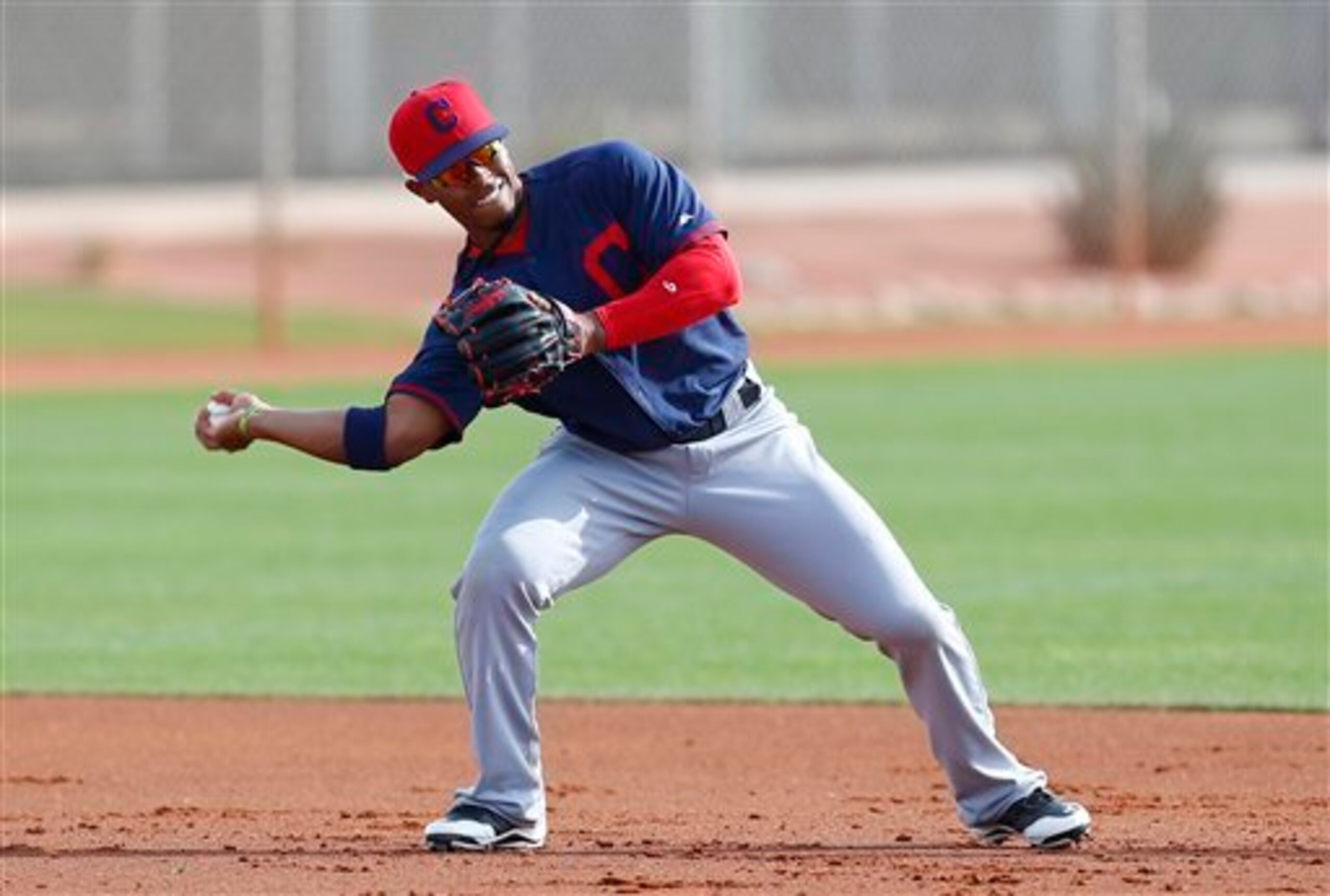
Kennys Vargas, 1B, Minnesota Twins
Comparison: David Segui
Explanation: A switch-hitting first baseman, Vargas’ advanced approach and knack for working counts should help him to hit for average and decent power as Segui did during his 15-year career.
Maikel Franco, 3B, Philadelphia Phillies
Comparison: Pedro Alvarez
Explanation: Franco isn’t a left-handed hitter and doesn't possess as much raw power as Alvarez, but he has a similar overall profile as a slugging third baseman with swing-and-miss issues and at times shaky defense.
Jose Peraza, 2B, Atlanta Braves
Comparison: Jose Altuve
Explanation: As an undersized second baseman (6'0", 165 lbs) like Altuve (5'6", 175 lbs)—though not nearly as short—Peraza’s game and overall top-of-the-order potential similarly is rooted in his ability to consistently put the ball in play and utilize his plus speed.
Jose Rondon, SS, Los Angeles Angels
Comparison: Cesar Izturis
Explanation: Rondon has an advanced approach for his age (20) to go along with good contact skills, but he’s unlikely to offer more than gap power at maturity.
Javier Baez, SS, Chicago Cubs
Comparison: Jose Bautista
Explanation: Baez’s aggressive approach and shaky recognition of secondary offerings will detract from his batting average and on-base rate, but the right-handed hitter’s explosive bat speed—which is often compared to Gary Sheffield’s—and potential to crack 30-plus home runs annually could ultimately rival Joey Bats.
Francisco Lindor, SS, Cleveland Indians
Comparison: Omar Vizquel
Explanation: Lindor receives comparisons to Vizquel for his 70-grade defense at shortstop and ability to slow down the game, but it’s his advanced hit tool (from both sides of the plate), on-base skills and above-average speed that could make him one of baseball’s more well-rounded players at maturity.
Rosell Herrera, SS/3B, Colorado Rockies
Comparison: Neil Walker
Explanation: Herrera, a switch-hitter, has split time between shortstop and third base during his minor league career, though I could also see his potentially above-average power/speed package being a nice fit at the keystone.
Renato Nunez, 3B, Oakland Athletics
Comparison: Matt Dominguez
Explanation: Nunez will never offer Dominguez-like defense at the hot corner, if he even stays at the position, but he has the potential to hit 20-plus home runs in a given season, albeit at the cost of a low batting average and high strikeout rate.
US: Outfielders
5 of 8
Josh Bell, Pittsburgh Pirates
Comparison: Milton Bradley/Carl Everett
Explanation: Bell hits for both average and power from both sides of the plate, which drives his projections as a middle-of-the-order corner outfielder at maturity, a la Bradley and Everett.
James Ramsey, St. Louis Cardinals
Comparison: David DeJesus
Explanation: Though he has solid tools across the board, Ramsey profiles as more of a fourth outfielder than an everyday player. That said, he’s also the type of player likely to take advantage of increased playing time.
Hunter Renfroe, San Diego Padres
Comparison: Raul Mondesi
Explanation: Renfroe’s big-time raw power and cannon for an arm make him a clean fit in right field at the highest level, but he’ll need to refine his approach and pitch recognition in order to get there.
Michael Taylor, Washington Nationals
Comparison: Torii Hunter
Explanation: Taylor has one of the more exciting projected power/speed combinations in the minor leagues, and his Gold Glove-caliber defense makes him a lock to stay in center field.
Jesse Winker, Cincinnati Reds
Comparison: Jay Bruce
Explanation: Winker likely won’t offer as much power as Bruce, but he’s posted similar numbers to begin his professional career and appears to be on the fast track to the major leagues.
World: Outfielders
6 of 8
Dariel Alvarez, Baltimore Orioles
Comparison: Dayan Viciedo
Explanation: Alvarez can be compared to fellow Cuban Viciedo, as both players are right-handed hitting outfielders with above-average raw power, a free-swinging approach and fringy pitch recognition.
Domingo Santana, Houston Astros
Comparison: Jesse Barfield
Explanation: Santana’s raw power and arm strength are a clean fit in right field at the highest level, a la Barfield, while his overaggressive approach and propensity to strike out makes the comparison even stronger.
Gabriel Guerrero, Seattle Mariners
Comparison: Vladimir Guerrero
Explanation: Gabriel is actually Vladimir’s nephew, so this comparison might be seen as a little lazy. The 6’3”, 190-pound right fielder has the same build as Vlad as well as 70-grade arm strength in right field, but he lacks the raw power his uncle showed at 20 years old.
Dalton Pompey, Toronto Blue Jays
Comparison: Doug Glanville
Explanation: Pompey stands out for his hitting ability from both sides of the plate and strong defense in center field, while his combination of on-base skills and speed could make him a top-of-the-order threat at maturity.
Steven Moya, Detroit Tigers
Comparison: Marcus Thames
Explanation: Moya, a 6’6”, 230-pound right fielder, possesses 70-grade power from the left side of the plate, but his free-swinging approach and swing-and-miss tendencies are likely to limit its in-game utility at the highest level.
US: Pitchers
7 of 8
Christian Binford, RHP, Kansas City Royals
Comparison: Kyle Lohse
Explanation: Binford’s three-pitch mix is far from overpowering but plays up thanks to plus command and overall advanced feel for pitching.
Lucas Giolito, RHP, Washington Nationals
Comparison: Kerry Wood
Explanation: Giolito has the potential to an absolute monster once fully developed, with two future 80-grade offerings (fastball/curveball) that will allow him to pile up strikeouts like they're going out of style.
Hunter Harvey, RHP, Baltimore Orioles
Comparison: Jordan Zimmermann
Explanation: Still only 19, Harvey’s plus fastball/curveball combination is among the best in the low minors and should help him reach the major leagues ahead of schedule.
Alex Meyer, RHP, Minnesota Twins
Comparison: Randy Johnson
Explanation: I’ll just state the obvious: Meyer is a 6’9” right-hander—yes, I know The Big Unit was a lefty—with a mid- to upper-90s fastball and swing-and-miss slider.
Daniel Norris, LHP, Toronto Blue Jays
Comparison: Scott Kazmir
Explanation: Norris features a deep, four-pitch mix, with each offering grading as average or better, and he knows how to miss bats and avoid hard contact while executing a game plan.
Henry Owens, LHP, Boston Red Sox
Comparison: Chuck Finley
Explanation: Like Finley, Owens is a 6’6” left-hander who will miss bats and eat innings when he’s at his best, which is enough to warrant a projection as a No. 2 or 3 starter.
Braden Shipley, RHP, Arizona Diamondbacks
Comparison: Kevin Gausman
Explanation: Shipley is a highly athletic and projectable right-hander with a good feel for two plus pitches (fastball/changeup) and little mileage on his arm.
Noah Syndergaard, RHP, New York Mets
Comparison: Josh Johnson
Explanation: Syndergaard compares to Johnson for his durable build and power arsenal, both of which should help him realize his potential as a front-of-the-rotation starter.
Robert Stephenson, RHP, Cincinnati Reds
Comparison: Brandon Morrow
Explanation: Stephenson is an athletic right-hander with an absolutely electric arm, as he overpowers opposing hitters with an effortless, upper-90s fastball and piles up strikeouts when he’s around the zone with his secondary offerings.
Jake Thompson, RHP, Detroit Tigers
Comparison: Corey Kluber
Explanation: Thompson, 20, gives me a strong Kluber vibe—which definitely is a good thing—as he’s a 6’4” right-hander with a four-pitch mix that includes two 60-grade offerings in a low-90s fastball and a nasty, swing-and-miss slider.
World: Pitchers
8 of 8
Jose Berrios, RHP, Minnesota Twins
Comparison: Carlos Martinez
Explanation: An undersized right-hander (6'0", 187 lbs), Berrios’ electric arm produces a fastball in the mid-90s as well as a nasty slider with late bite. However, his slight build will continue to raise questions about his long-term durability as a starter.
Edwin Escobar, LHP, San Francisco Giants
Comparison: Hyun-jin Ryu
Explanation: Escobar throws harder than Ryu but has a similar mature arsenal that tends to play up due to his strong command and feel for pitching.
Jorge Lopez, RHP, Milwaukee Brewers
Comparison: Freddy Garcia
Explanation: Lopez reminds me of a young Garcia—before injuries reduced his once-explosive fastball to 84-86 mph sinkers—as he’s a projectable 6’4” right-hander with mid-rotation potential.
Enny Romero, LHP, Tampa Bay Rays
Comparison: Oliver Perez
Explanation: Romero has impressive stuff from the left side, highlighted by a low- to mid-90s fastball, but a lack of command and tentative feel for his secondary offerings could force him to the bullpen.
Luis Severino, RHP, New York Yankees
Comparison: Yordano Ventura
Explanation: Like Ventura, Severino is an undersized right-hander who misses bats with a mid- to upper-90s fastball but also knows how to pitch using his changeup and slider.
Julio Urias, LHP, Los Angeles Dodgers
Comparison: Clayton Kershaw
Explanation: Yes, it’s a bold comparison, but the fact that Urias is only 17 and excelling at the High-A level—in the hitter-friendly California League no less—speaks to his enormous, front-of-the-rotation upside.
*I omitted Domingo German, Tayron Guerrero and Alfonso Alcantara from the article due to my lack of knowledge about them.


.jpg?w=2560 "Commanders OL HEATED After Tie ▶️")
.jpg?w=2560 "49ers LB Suspended for Headbutt")