
Tales of Interest: What Do Baseball and The Youth of America Have in Common?
I figured that I would start to run out of stuff to write about eventually, so I figured that I would re-post my research on baseball fans as a youth subculture. I will post them up in different parts, but each part will have the full works cited as to give credit to those whose research I borrowed.
I wrote this research paper last semester, for an education class titled "Youth Cultures" at the Ambler Campus of Temple University. Please be advised some of the research contains interviews that I conducted, has less than "stellar" language; I will try to edit out most of the bad language.
TOP NEWS
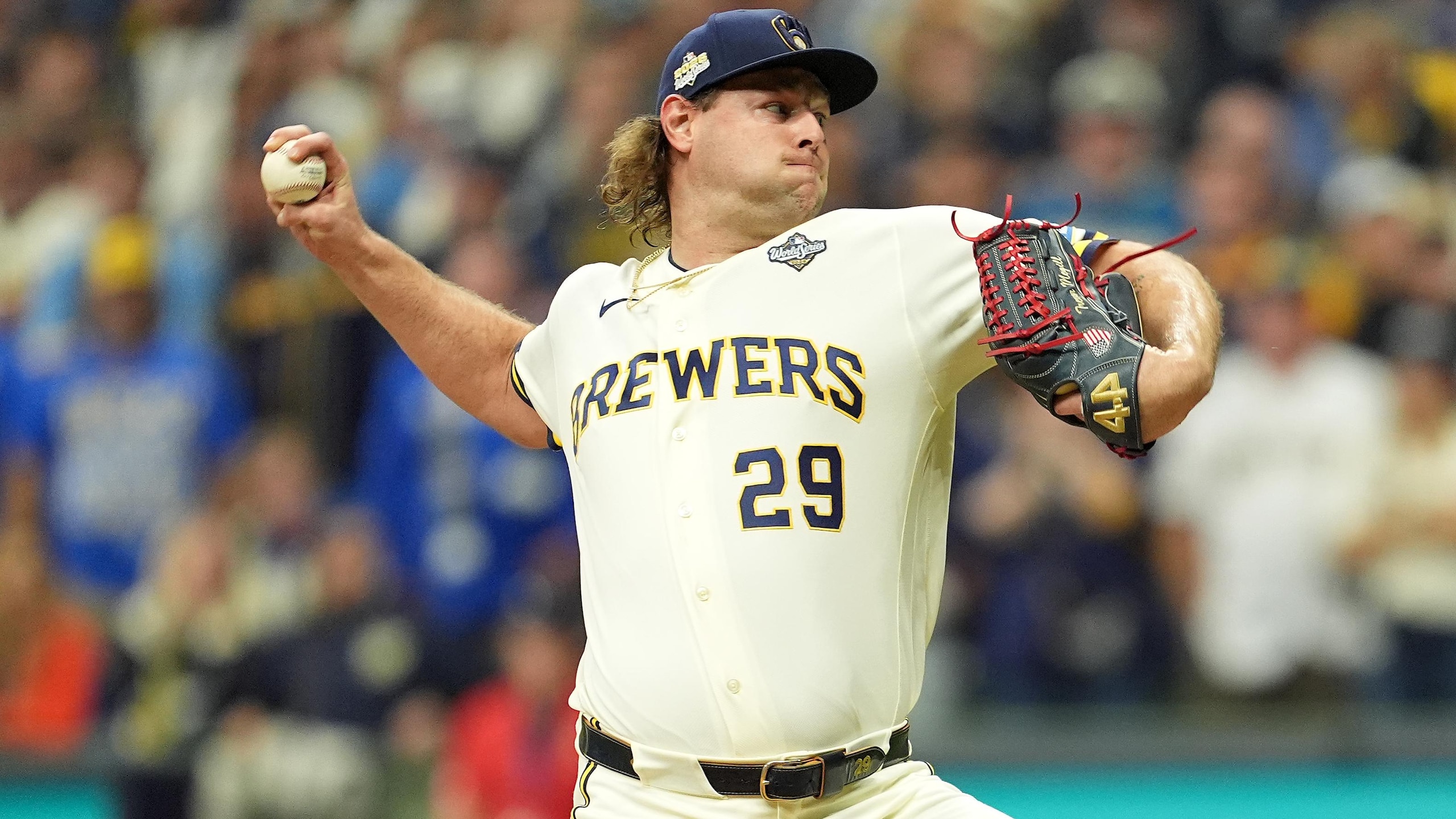
Brewers Closer Blasts Tropicana Field Roof

Latest MLB Trade Rumors 👂
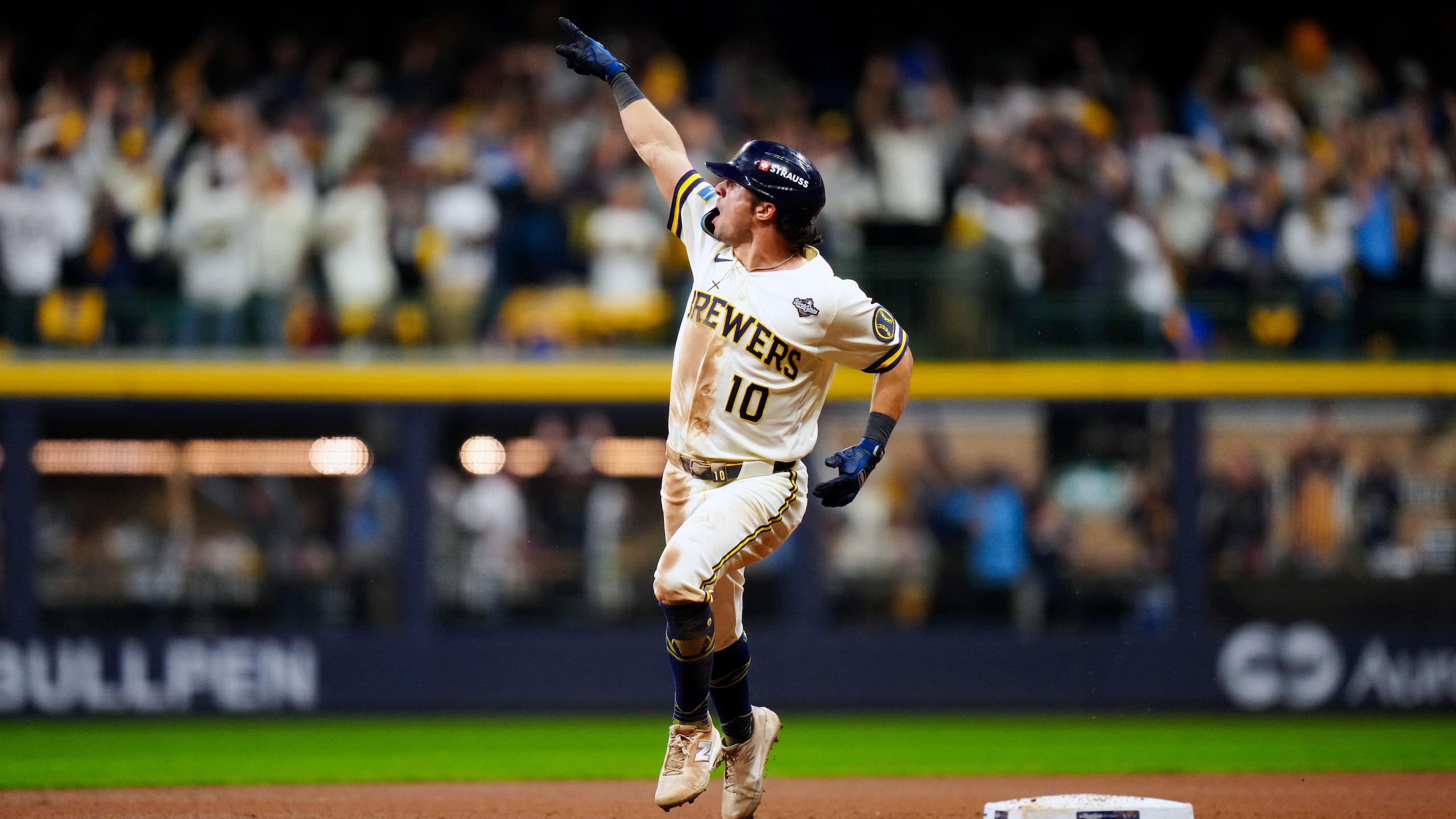
Tying HR Had Bauers Emotional
So with out anymore posturing, on with the show...
To look at the history of baseball as a youth subculture, one would have to look in broader terms: sports, more specifically fandom in sports as a youth subculture. Fandom in sports as the overall, broad picture is based in European football (in the United States and the rest of North America its called soccer).
In the journal article titled Basking in Reflected Glory and Blasting: Differences in Identity-Management Strategies Between Two Groups of Highly Identified Soccer Fans, found the Journal of Language and Social Psychology, Assollant, Lacassagne, and Braddock quote Wann and Branscombe as noting that “Contemporary sport psychologists have found sport team identification—the extent to which an individual feels a psychological connection to a particular team or athlete to be a strong predictor of spectators’ reactions to their team’s performance” (381).
Baseball as sport has its conception in the late 1800s, took off as America’s pastime during the early part of the 20th Century and continues to flourish as America’s Pastime into the early 21st Century. The sport of baseball itself has “evolved from earlier bat and ball games like rounders, town ball, one o’cat” (Morgan 9). Kids have been playing the sport for many generations, and continue to play the sport into the current century.
So how has baseball evolved into a subculture? With the sport’s roots based firmly in fandom, members of a sport’s fan base have “indicated that the level of team identification is a critical factor in determining which strategy will be adopted; it provides limited insight into the diverse range of highly identified fans’ reactions to their team performances” (Assollant, Lacassagne and Braddock 382).
Youths while at these sporting events identify themselves with a team and root for that team, but there is contrast between fans of North America and Europe. Assollant, Lacassagne and Braddock note Bodin and Roumestan in their journal article that the:
"Contrast to the casual or traditional North American sports fans, European soccer fans include so-called 'ultra fans' who represent different subgroups following the same team, mainly composed of very highly identified members. Importantly, each of these highly identified ultra fan groups possesses its own culture and identity construction mode, which seems to explain why they do not get along even though they are 'fighting' for the same team" (382).
Capitalism even plays a role in the sports subculture. Jon Kraszewski, a professor at Seton Hall University notes that:
"Sport fan communities operate as neo-tribes, which are loose and fluid social organizations that individuals move in and out of. Neo-tribes, although temporary constructs, replace traditional forms of community such as family and other local networks" (Kraszewski 141).
So, the whole youth subculture of sports fans is self-predicating based on the theories of social identity and self-categorization (Assollant, Lacassagne, and Braddock 381) and that these theories have been proven useful as for “understanding the behavior of people who avidly follow sports— sports fans—whose actions might otherwise seem quite irrational or pointless” (381).
Nowadays, the youth become these “ultra fans” in North America. They follow their team with diligence and outstanding sense of identity. These youths are even willing to get into fights to defend their ideals, beliefs, and their team’s honor as witnessed in the video “Phillies Game Fight.”
More to come.
Works Cited (for this part)
Bernache-Assollant, Iouri, Marie-Françoise Lacassagne, and Jomills H. Braddock. “Basking in Reflected Glory and Blasting: Differences in Identity-Management Strategies Between Two Groups of Highly Identified Soccer Fans .” Journal of Language and Social Psychology 26.4 (2007): 381-388. 26 Nov. 2008 http://jls.sagepub.com/cgi/content/abstract/26/4/381.
Kraszewski, Jon. “Pittsburgh in Fort Worth: Football Bars, Sports Television, Sports, Fandom, and the Management of Home.” Journal of Sport and Social Issues 32.2 (2008): 139-157. 26 Nov. 2008 http://jss.sagepub.com/cgi/content/abstract/32/2/139.
Morgan, Joe. Baseball for Dummies. Indianapolis: Willey, Indianapolis, Wiley, 2005


.jpg?w=2560 "Rodgers Iced Out on Plane 💎")
.jpg?w=2560 "Raiders Could Start Mendoza")
.jpg?w=2560 "🚨 Week 8 AP Top 25 Poll")
.jpg?w=2560 "Mahomes Told Teammate to Leave Meeting")

.jpg?w=2560 "Lamar Being Out Shocked Ravens")

.jpg?w=2560 "Packers Safety Slams Refs 🤬")