
Baseball for 1970s Kids Filled the Day from Morning Until Night: Does It Now?
Somewhere, surely, there was a boy last summer with a baseball glove dangling from the handlebar of his bicycle, on his way to a hastily put together, loosely organized version of our national pastime.
Somewhere a gaggle of fellow boys—friends, acquaintances and even strangers—found an empty diamond and quickly picked teams and went at it under the mid-day sun, and into dusk.
Someone brought a bat, someone brought a ball, right field was out and depending on the rules established, the game was “pitcher’s hand” or “pitcher’s mound.”
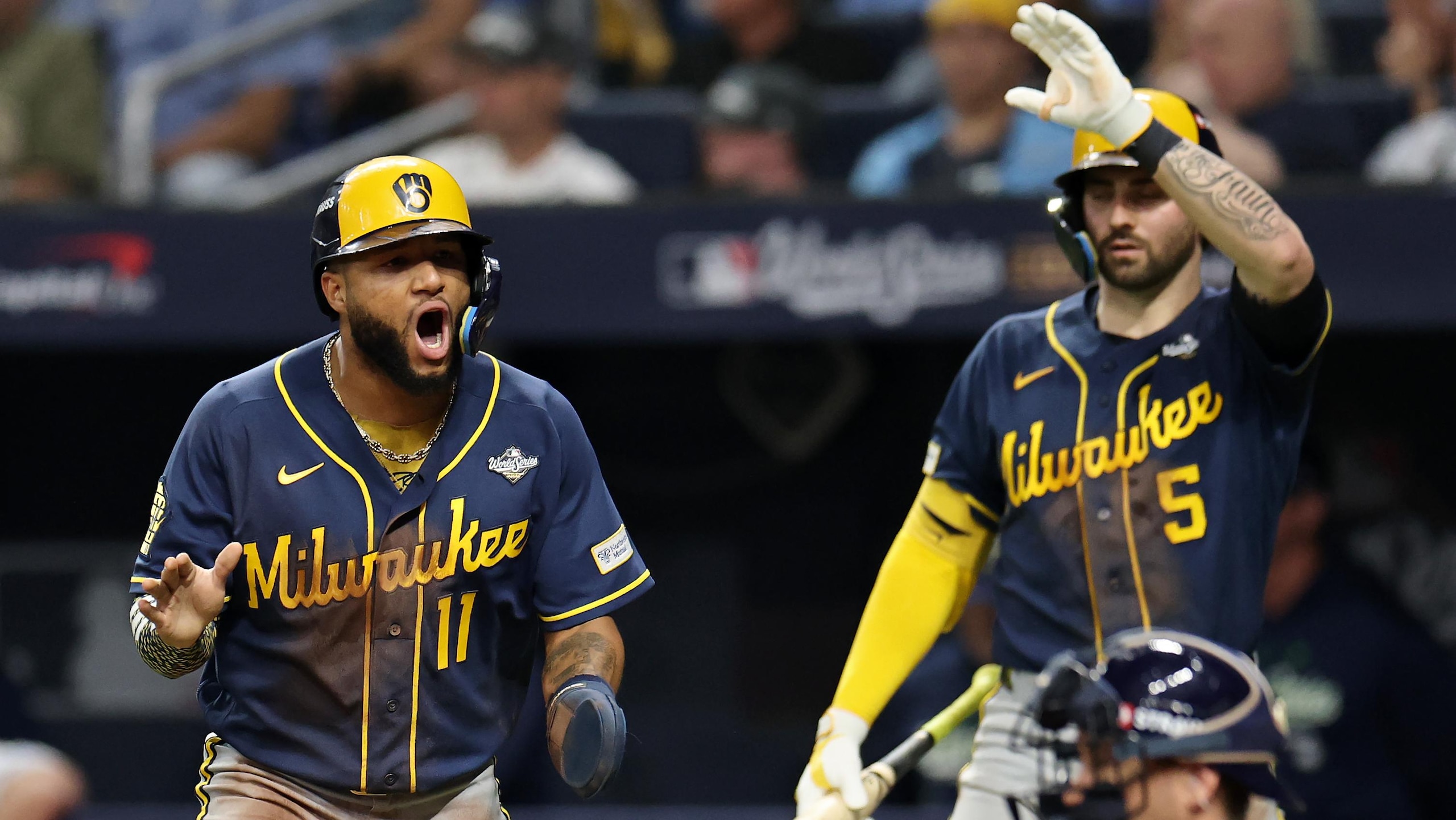
_0.jpg?w=2560 "MLB playoffs")

The games were announced that way, like they do with poker as the dealer shuffles his cards.
“OK, gentleman. The game is Texas Hold ‘Em…”
Perhaps a foul ball on strike three was a strikeout. An empty potato chip bag, held down with a brick, might have been one of the bases.
They played for hours, until the light of day abandoned them, leaving the boys alone on the pebble-filled diamond, giving each other assurances that the interrupted game WILL continue.
This was, of course, in addition to the “real” games that were played under the auspices of Little League—those matches on a Tuesday or Thursday evening, played out before parents on lawn chairs and interested passers by who parked their bikes or wandered over from their nightly walk to take in an inning or two—or more.
Surely this must go on, somewhere in America.
I still see the occasional Little League drama play out as I drive by a local ball field, but I sure am not seeing the kid on his bicycle with the glove on the handlebar.
Tell me that still happens. Lie to me, if necessary.
Baseball season is coming. The boys are down in Florida and Arizona, working out winter’s kinks and engaging in a very grown-up, very business-sheathed version of the neighborhood pickup game.
But you wouldn’t know that it’s all business. You also wouldn’t know how high the stakes are if you look at the images being uploaded from spring training.
Grown millionaires, giggling and rough housing with one another. Smiles from ear to ear as the millionaires take batting practice, whooping and hollering. Sheer joy of the game exuding from their 6’2”, 200-pound bodies.
Prince Fielder, the newest multi-millionaire Tiger, has been positively a darling so far in his new digs in Florida. Fielder signs autographs every day, until writer’s cramp sets in. Then he shakes it off and signs some more. His has one of those ear-to-ear grins.
And it’s not just that he needs a Brinks truck to cash his bi-weekly paychecks that causes all the grinning.
Big league ballplayers have been at it since age five or six, likely. So even as rookies they’ve been playing organized baseball of some sort for about 20 years.
The fun doesn’t go away, apparently. And that’s a good thing.
But WAS there a boy last year, cruising the neighborhood on his bike, looking to scare up a game of mini-baseball?
I sure hope so. Because I didn’t see one last summer. Or the summer before that.
Do boys even own baseball gloves anymore?
Surely they do. But I’m not seeing them.
Growing up in Livonia in the 1970s, before parents had to pray their kids would make it home from school safely, the bicycle for my pals and me was basically a car for kids.
Your bike kind of defined you, as cars do for adults. The bike wasn’t just a mode of transportation. Kids would compare bikes, like the men do when they look under the hoods.
Bikes were accessorized. Pimped, if you will, to use today’s vernacular.
One of the accessories was the old baseball card attached to the spokes with a clothespin thing. You know, so when you pedaled, the card would make a cool sound as it was abused, spoke-by-spoke.
A good summer’s day for us kids meant some sort of truncated, hurried-through breakfast, a brief announcement to mom that you were out the door to play, and oh by the way—I’ll see you around dinner time. Maybe.
And our moms would nod, tell us to be careful and they wouldn’t be worried about our well being for the entire day. Heck, it was one less thing to be bothered with.
We wore many hats at the ball field, we kids did. We were general manager, manager, player, radio announcer and PA announcer. Even trainer.
“Walk it off!” was our usual medical advice.
We were GMs because we had to choose teams (personnel). We were managers because someone had to construct a batting order. We played, of course. And we announced.
“Two outs! Imaginary runner on third! 4-3 you guys!” was a typical announcement when the next batter strode to the plate. The scenario had to be reset, batter to batter.
Speaking of batters, there were two schools of thought when it came to hitting. Some kids had their own batting stance, while others would mimic those of their favorite players. I liked to be Norm Cash, even though he was a lefty and I wasn’t.
Oh, and we were our own umpires, which would cause the occasional spat.
Rarely did we have enough kids to man an entire outfield, so right field was out. Unless a left-handed hitter was up; then left field was out. You hit the ball to a field that was out, and you were…OUT.
No umpiring needed there. No arguments there.
The big decision was, “pitcher’s hand” or “pitcher’s mound”?
Big difference. Big decision.
The former meant that the baseball need only be in the pitcher’s glove (or hand) before the runner reached first base in order to record the out. The latter meant that the pitcher not only needed the ball, but he needed to be standing on the mound as well.
The “mound,” by the way, was simply a rubber slab on flat ground.
Anyhow, the establishment of pitcher’s hand or pitcher’s mound was like whether a poker game was of “hand” or “stud” variety.
Big doings, I’m telling you.
So these loosey-goosey games would carry on all day. Throughout, there was attrition. Churn. A couple guys would leave. A couple more would take their place—stragglers who were cruising the schools and parks, looking for a game. They were like pool hustlers that way.
If you didn’t secure replacements right away, you played shorthanded, which meant that maybe a team would have to provide its own pitcher. It also meant that the bases would be crawling with imaginary runners. A batting order was maybe sliced down to four people.
But it was baseball. It was three outs per half inning, three strikes and you’re out and the umpire was, as former big league arbiter Dave Pallone once told me, “Maybe not always right. But never wrong.”
At the end of the day, when it was too dark to safely see the ball, we hopped back on our bikes and rode home, where mom was waiting with dinner.
“How was the game?” she’d ask.
“What’s for dinner?” we’d reply.
Tell me this still happens.


.jpg?w=2560 "WWE Raw Live Grades 🔠")
.jpg?w=2560 "Chiefs, Steelers Eye WR Trades")

.jpg?w=2560 "🚨Jay-Z Headlining Super Bowl")

.jpg?w=2560 "Multiple NFL Trades Predicted")