

The 2022-23 NHL regular season is officially in the books, so it is time to start looking back at some individual performances.
When the season began, every team and player had some sort of baseline expectation attached to them. Over the course of the 82-game schedule, some met expectations, some exceeded them and others fell short.
It's that latter group of players that we are focussing on today.
There are a lot of reasons why players fall short of expectations. Sometimes it's a result of an injury that either cut their season short or limited their production. Other times, they falter because bad shooting luck, being cast in the wrong role on the wrong team or simply not playing well enough.
Come along as we take a team-by-team look at each squad's most disappointing player from the 2022-23 season.s
Atlantic Division
1 of 4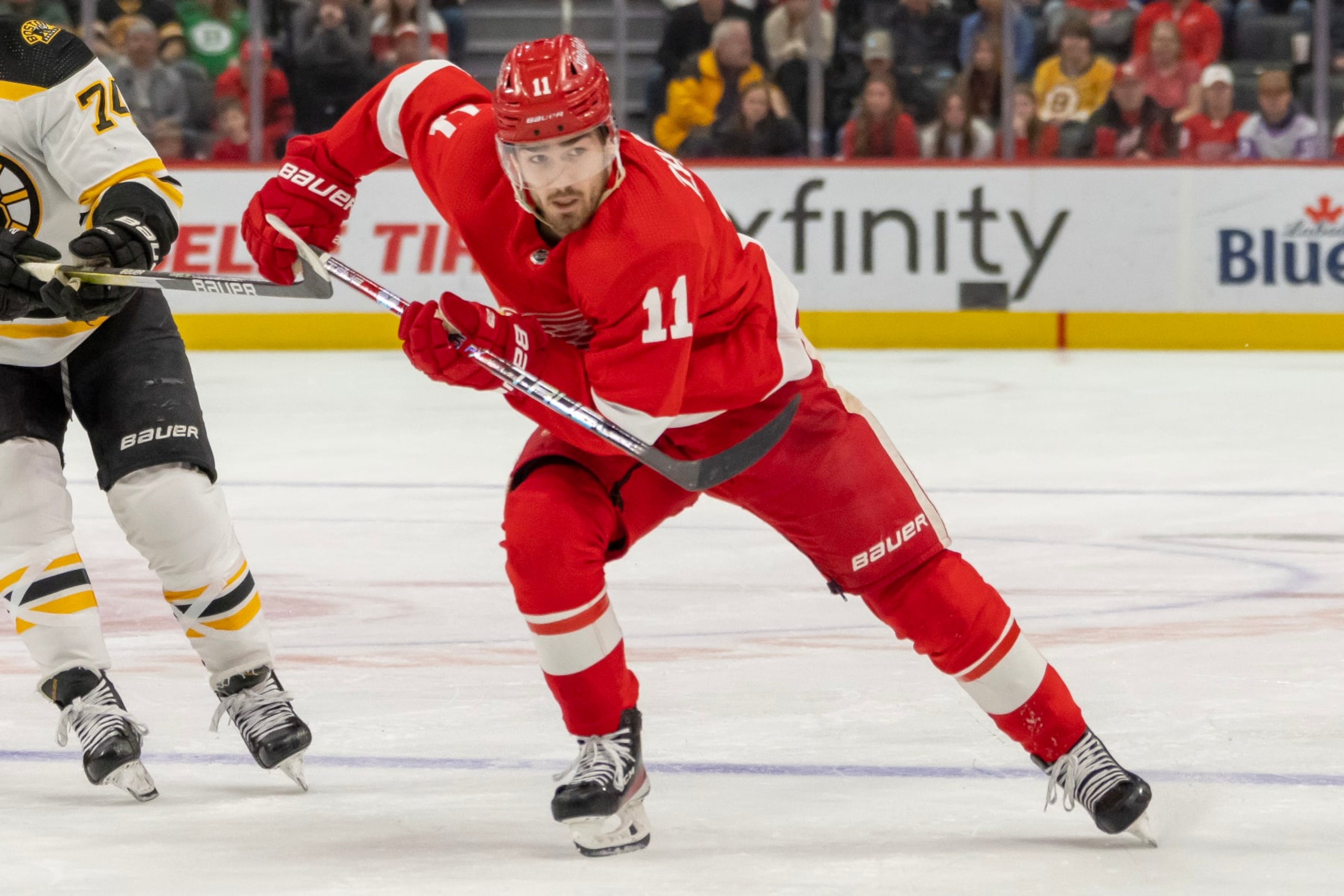
Boston Bruins: Taylor Hall
This is really reaching, because how many disappointing players do you actually have when you set an NHL record for wins in a season and only lose 12 games in regulation?
If anything, most players on Boston's roster exceeded expectations.
But if we had to pick one prominent player that maybe didn't meet expectations, you could probably point to Hall who missed 20 games because of injury and had the worst point-per-game average (0.59) of his career.
Even then, it's not really all that bad. He is just maybe one of the few players on the roster that did not actually overachieve this season.
Buffalo Sabres: Peyton Krebs
The Sabres did not make the postseason, extending their playoff drought to a 12th season. However, make no mistake—they are back, and they are ready to contend next season.
Buffalo has one of the most exciting young teams in the league with a dynamic offense that can score with almost anybody.
But Krebs, one of the key players acquired in last year's Jack Eichel trade, didn't perform up to expectations. He managed just nine goals and 26 total points in 74 games and saw a lot of young players on the roster jump over him in terms of production.
There were some expectation that Krebs could flourish this season, but he really did not shine as much as some of the other young players on the roster.
He still very well might in the future, but it did not happen for him this season.
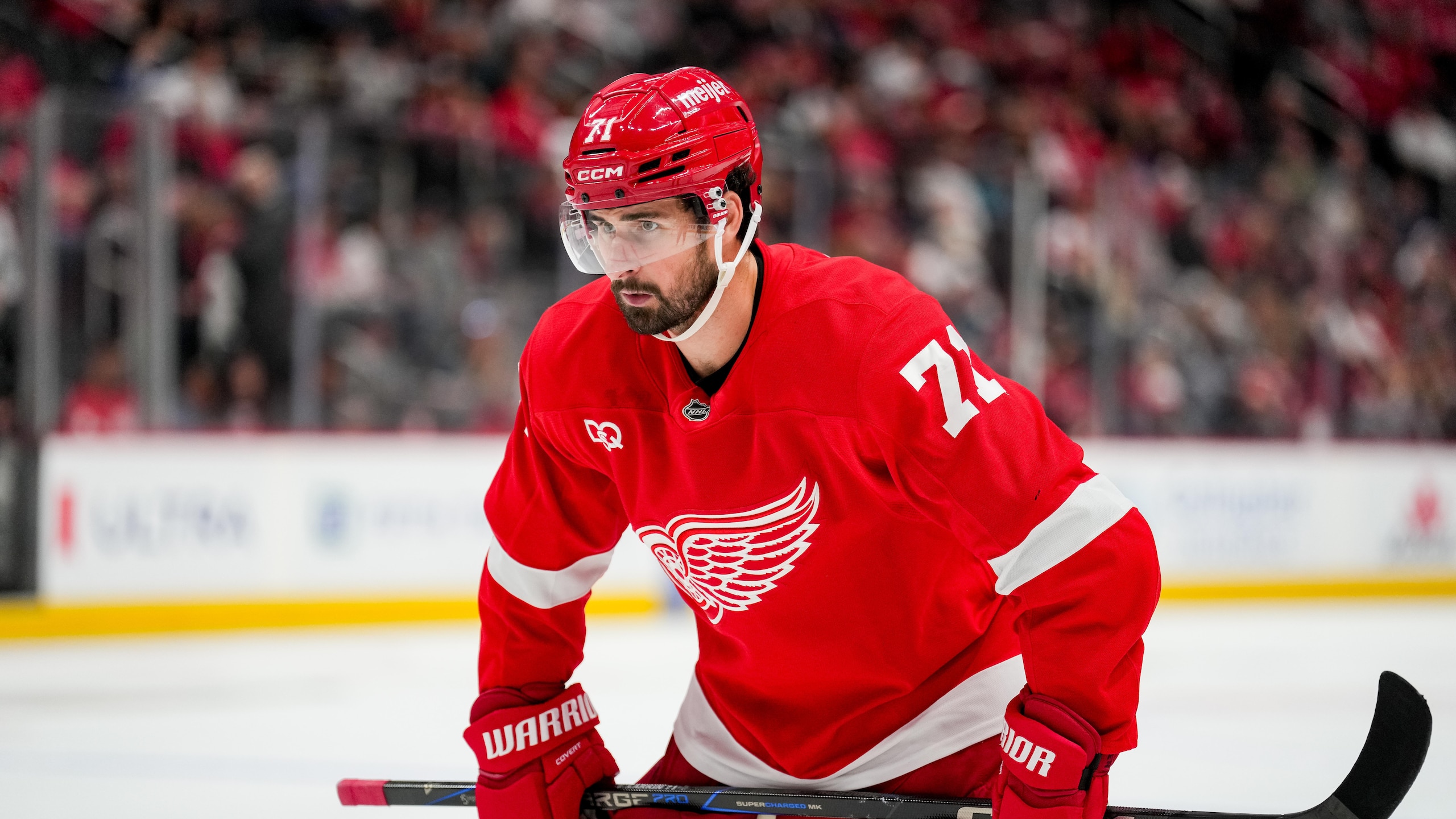
Detroit Red Wings: Filip Zadina
When the Red Wings took Zadina with the No. 6 overall pick in the 2018 draft, he was supposed to be one of the cornerstone pieces of their upcoming rebuild. He was regarded as one of the best pure goal-scorers in his draft class and had the potential to be a top-line scorer in the NHL.
It has not worked out that way at all.
Through the end of the 2022-23 season, he has scored just 28 total goals in 190 games, including only three goals in 30 games this season.
He is going to be entering his age-24 season next year, which is a point at which you expect players to be entering their peak scoring years in the NHL.
At this point, though, Zadina is more suspect than he is a prospect or an established player. The only thing that might give him another opportunity in Detroit is that he is still signed for another two years at a salary-cap hit of $1.825 million per season.
Florida Panthers: Anton Lundell
Lundell did not have a bad season by any means, but it was a definite step backward from a very promising rookie campaign that made him look like he was destined for stardom.
And he still very well might be.
He is only 21 years old and has proven to be a very good NHL forward, but he did go through a bit of a sophomore slump—at least offensively speaking.
He might fall under more of the "bad luck" category of disappointments, because he scored on just 7.9 percent of his shots this season. That is a notable drop from the 14 percent mark during his rookie season. He still had strong possession numbers and generated more shots on goal per game than he did as a rookie, but the puck simply did not go in the net for him.
Montréal Canadiens: Christian Dvorak
In need of a center after losing Phillip Danault and Jesperi Kotkaniemi following the 2020-21 season, the Canadiens traded a 2022 first-round pick and a 2024 second-round pick to the Arizona Coyotes for Dvorak.
Over the past two years in Montréal, he simply has not done much to justify that price on a rebuilding team.
Dvorak has scored just 21 goals in 110 games with the Canadiens, including only 10 in 64 games this season. It wouldn't have been an unreasonable ask for the Canadiens to expect 20 goals and 50 points per season from him, but he hasn't even come close to that kind of production—even worse, he took a small step backward this year.
Additionally, he has missed more than 40 games over his first two years in Montréal.
Ottawa Senators: Cam Talbot
There are multiple layers to this disappointment for Ottawa.
The first is that Talbot simply did not play well as the Senators' starting goalie and helped contribute to a seasonlong problem at the position. After having a save percentage of .910 or better in each of the previous three seasons, he failed to crack the .900 mark this season and saw his overall save percentage decline for the third year in a row.
Even worse, the player he was traded for—goalie Filip Gustavsson—played like a No. 1 goalie in Minnesota and had one of the best save percentages in the league at .931. Given that Gustavsson is 11 years younger and already looks like a better player, this was just a brutal miss by the Senators' front office.
Tampa Bay Lightning: Tanner Jeannot
The Lightning stunned the NHL world at the trade deadline when they traded Cal Foote and five—FIVE!—future draft picks to the Nashville Predators for Jeannot.
The issue was not so much the cost.
Foote is an OK prospect, and the draft picks are not likely to amount to much in the future given that only one of them was a first-rounder (in 2025).
The Lightning have had a great deal of success with trades like this in recent years, identifying a mid-20s forward on a cheap deal that is still under team control. Blake Coleman, Barclay Goodrow, Nick Paul and Brandon Hagel were all similar players that required a significant cost in trade assets and ultimately panned out.
Jeannot did not duplicate that. At least not yet. He had just one goal and three assists in his first 20 games after the trade, and he was then injured late in the season.
He is still under team control next season, so you cannot totally discount the idea of a bounce-back year, but in the short-term, his arrival has been a disappointment.
Toronto Maple Leafs: Matt Murray
The Maple Leafs completely overhauled their goalie position this offseason by letting Jack Campbell walk in free agency, signing Ilya Samsonov and trading for Matt Murray.
It was—and still is—the biggest question mark on an otherwise great team that should be able to compete for a championship.
But while Samsonov exceeded expectations, Murray had another tough year. He was limited to just 26 games because of injuries and posted a .903 save percentage.
Murray is still signed for another season, and it is really hard to know what the Maple Leafs should expect from him.
He has two Stanley Cups on his resume from his time in Pittsburgh, but he has not been that goalie for several years.
Metropolitan Division
2 of 4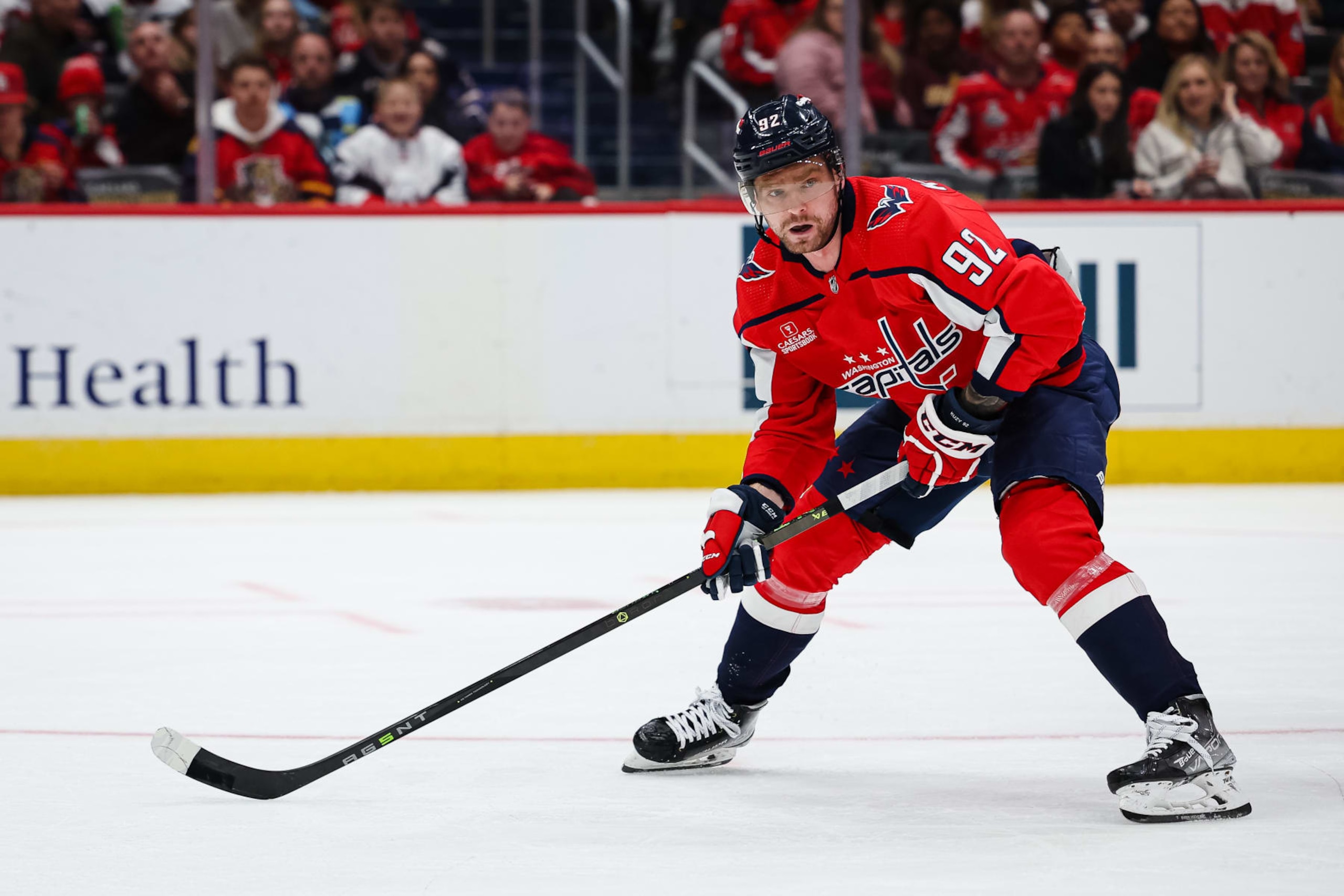
Carolina Hurricanes: Frederik Andersen
This is another team where it is really difficult to find a true disappointment, because very few players—if any—had a truly bad year.
Andersen stands out as a potential disappointment, as his save percentage dropped from .922 a year ago down to .903 this season despite playing behind one of the best defensive teams in the league.
He is still a very capable starting goalie and should be good enough to help lead Carolina on a deep playoff run, but his play regressed this season.
That might be enough to make him the disappointment on this year's roster.
Columbus Blue Jackets: Cole Sillinger
There were a lot of candidates in Columbus, but Sillinger takes the title given his second-year struggles.
He had an outstanding rookie year in 2021-22, scoring 16 goals as an 18-year-old and playing an advanced two-way game for his age. He looked like somebody who was going to be a key part of both the short-and long-term outlook and seemed poised for a big step forward in 2022-23.
He ended up going in the opposite direction and seemed to lose confidence as the season went on. He finished with just three goals and 11 total points in 64 games and regressed across the board.
Sillinger still has the talent to be a top-six center, and his age is still very much on his side, but he absolutely needs a fresh start next year and something to help him regain his confidence.
New Jersey Devils: MacKenzie Blackwood
There was almost nothing disappointing about the Devils' 2022-23 season, as they rapidly emerged as not only a Stanley Cup contender, but also one of the best and most exciting young teams in the league.
This team is loaded for years to come.
The big question mark was always going to be in goal and whether or not they could get enough out of Blackwood and Vitek Vanecek to keep them in contention. Vanecek held up his end of it. Blackwood, unfortunately, did not.
For the second successive year, he failed to crack the .900 mark in save percentage. After looking like the potential long-term answer in net as recently as a few years ago, Blackwood now seems to be a pretty significant question mark with an uncertain future.
New York Islanders: Josh Bailey
Bailey has been an outstanding Islander for more than a decade and has consistently been one of the team's best playmakers.
But this season was one of his worst offensively, producing just eight goals and only 25 total points in 64 games. On a per-game basis, his production was the second-worst performance of his career, narrowly beating out his rookie year in 2008-09 when he was 19 years old.
Given his track record and salary-cap hit ($5 million per year) it was a very disappointing season.
New York Rangers: Vitali Kravtsov
If the Rangers were going to remain a Stanley Cup contender and take the next step in their rebuild, a lot was going to depend on their young players and recent top draft picks becoming better players.
In many cases, that continued to happen, as Alexis Lafrenière, Kaapo Kakko, Filip Chytil and K'Andre Miller all proved to be capable, impactful players.
The one exception was Kravtsov, who continued to struggle to crack the lineup and did very little when he was on the ice.
His lack of production resulted in him being traded to the Vancouver Canucks for a seventh-round draft pick in 2026 and William Lockwood. That's not a great return on the investment of a former No. 8 overall pick.
He has played in just 64 games since being drafted in 2018, scoring only six goals.
Philadelphia Flyers: Tony DeAngelo
Is it really a disappointment if you should have known it was not going to work out? Because that should have been the case with DeAngelo and the Flyers.
Despite DeAngelo's many flaws as a player defensively, the Flyers were still willing to trade three draft picks to the Carolina Hurricanes to acquire him and then signed him to a two-year deal with a salary-cap hit of $5 million per season.
It ended with him being a healthy scratch down the stretch, and that's after he proved to be even worse defensively than anybody could have possibly imagined.
What makes this entire situation even more baffling is the trade and his new contract came just one year after the Flyers traded two of their own draft picks to the Arizona Coyotes to convince the Coyotes to take on the remainder of Shayne Gostisbehere's contract. Gostisbehere is not only a better version of DeAngelo as a player, but he also had a cheaper contract that expired after this season.
Had they just held onto Gostisbehere, they could have saved five draft picks, gained an additional pick by trading Gostisbehere at the trade deadline this year and had $5 million in additional salary-cap space to work with this offseason.
Talk about bad management.
Pittsburgh Penguins: Tristan Jarry
This was always going to be a massive year for Jarry on both a team and personal level.
On a team level, the Penguins needed him to establish himself as a consistent No. 1 goalie they could depend on. Goaltending sabotaged their previous two playoff runs, and they really did not have any other options after failing to address the position this offseason.
On a personal level, Jarry needed this season to show the Penguins he could be depended on in a contract year.
In the end, he left them with more questions than answers.
For the second successive year, he struggled to stay healthy and on the ice, and when he was in the lineup, his play was wildly inconsistent and did not give the Penguins what they needed. From February 1 to the end of the season, he managed only an .890 save percentage and an 8-8-2 record as the team faded and missed the playoffs for the first time in 16 years. Jarry was also benched multiple times during that stretch.
Now the Penguins have to figure out what to do with the position. Jarry is eligible for unrestricted free agency, and they have no immediate in-house option available. The external options are not exactly encouraging, either.
Washington Capitals: Evgeny Kuznetsov
With Nicklas Bäckström sidelined for most of the season and only a shell of his former self because of age and injuries, the Capitals really needed Kuznetsov to have a big year.
In theory, it was a reasonable ask.
Kuznetsov has been a top-line performer throughout his career and had a very strong bounce-back year for the Capitals in 2021-22.
He did not repeat that performance this year.
Along with a massive decline in point production (going from 24 goals and 78 points down to 12 goals and 55 points), he also had a brutal year defensively and was one of the team's least impactful 5-on-5 performers in terms of defense and driving possession.
He still has a massive salary-cap hit, and given his decline and the uncertainty surrounding Bäckström's future, the Capitals have some major issues at center.
Central Division
3 of 4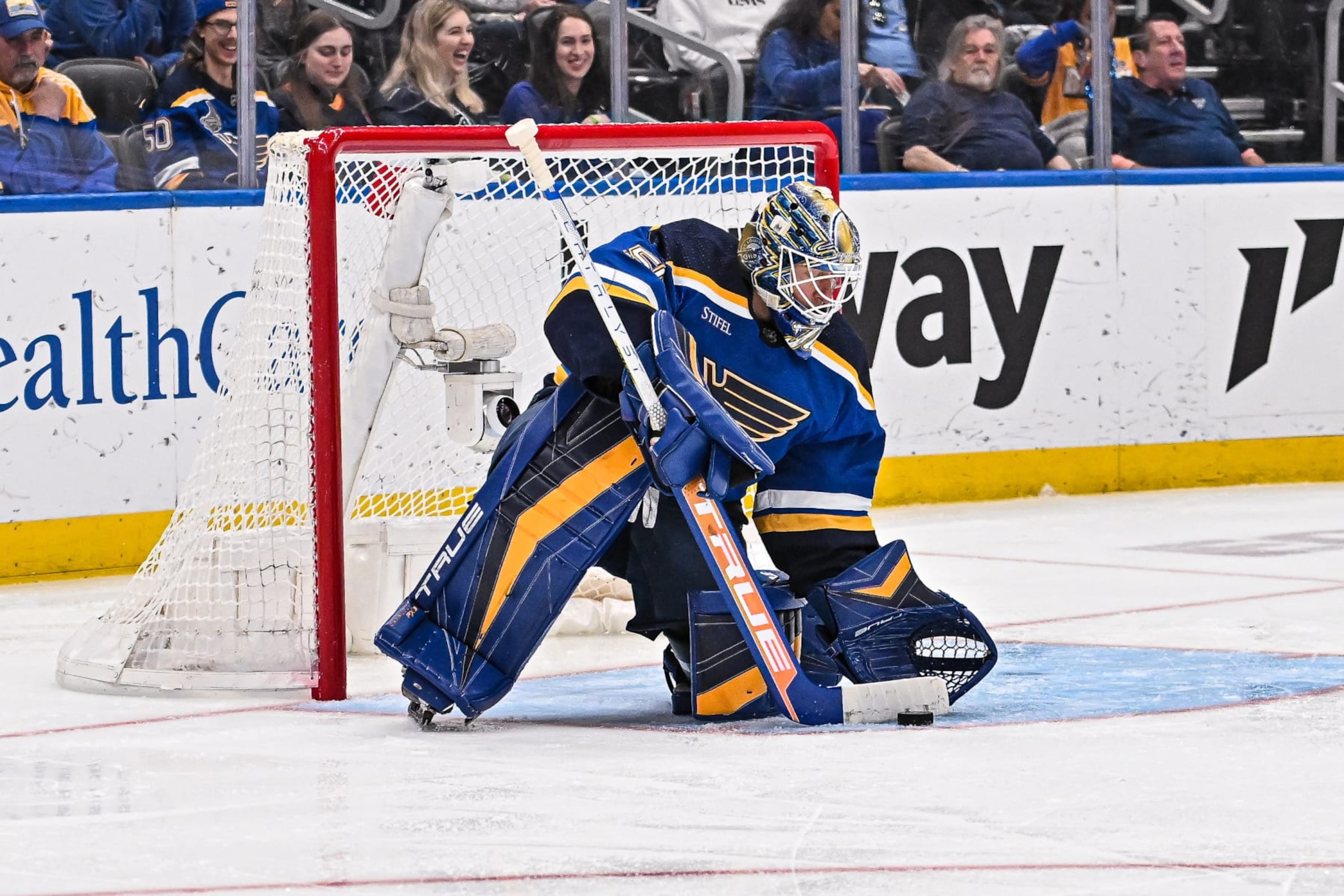
Arizona Coyotes: Jakob Chychrun
OK, hear me out on this.
Chychrun was not a disappointment in terms of what he produced. He was outstanding. He had 28 points in 33 games as a defenseman and was arguably the second-best player on the team after Clayton Keller.
The disappointment is what his time in Arizona represented and how it ended.
It was the fact he was again limited by injuries.
It was the fact that Arizona, in a perpetual state of rebuild, did not have room for an in-his-prime defenseman that is signed for multiple years at a bargain rate against the salary cap, making just a little more than $4 million per season.
It is the fact that when the Coyotes did trade him, they did not get a single top prospect or young NHL player in return, receiving only three draft picks from the Ottawa Senators, only one of which being a first-round pick.
Prior to the NHL trade deadline, there were reports that Arizona was seeking multiple first-round picks, a top prospect, or a young NHL player as part of any trade for Chychrun. They did not get anything close to that.
All of that is a major disappointment for the Coyotes and their fans.
Chicago Blackhawks: Philipp Kurashev
How do you pick out a disappointment on a team that everybody expected to be awful because the roster itself was...well...awful?
Seth Jones is the popular target here because of the outrageous price the Blackhawks paid to acquire him and the ridiculous contract they signed him to, but he had a decent year and is a solid player who just happens to have a terrible contract.
Everybody else did what was expected—play bad and lose.
But if you really wanted to pick out a disappointment, maybe Kurashev fits that description. He is one of the younger talents on the team who could have taken the leap to becoming a consistent contributor. He did not do that, scoring just nine goals in 70 games.
Is he somebody that is going to be a part of the next good Blackhawks team? That is still a question that is up for debate.
Colorado Avalanche: Alex Newhook
With Nazem Kadri leaving in free agency and the Avalanche roster consistently impacted by injuries all year, this seemed like a great opportunity for Newhook to shine.
He did not take full advantage of that opportunity.
His goal and point production took a small dip on a per-game level, and he didn't do much to stand out on a regular basis.
Does that mean he was bad or a liability?
Not at all. He played fine. But as a recent first-round pick (No. 16 overall in 2019) who has shown flashes of being an impact player, it's a little disappointing that he did not do more to become the next Avalanche star.
Dallas Stars: Denis Gurianov
When Gurianov first arrived in Dallas a few years ago, he looked like a potential star.
Consistently one of the fastest players on the ice and an efficient scorer during 5-on-5 play, he always seemed to make the most of his minutes.
He seemed like the type of talent that with an increased role, some power-play time and a bit of luck could be a 30-goal scorer in the NHL.
But this season he rapidly fell out of favor in Dallas, saw his ice time consistently drop and mustered just a pair of goals and nine points in 43 games with the Stars before he was traded to the Montréal Canadiens for Evgenii Dadonov.
The Stars have seen a lot of players come through their farm system in recent years and become cornerstones (Jason Robertson, Roope Hintz, Wyatt Johnson, Miro Heiskanen, Jake Oettinger), but Gurianov was not one of them.
Minnesota Wild: Matthew Dumba
Despite being a regular in the NHL's trade rumor mill, especially as the Wild dealt with a massive salary-cap crunch, Dumba remained in Minnesota all season.
While the Wild may have exceeded expectations and played like a contender, Dumba had one of the worst overall seasons of an otherwise excellent career.
He scored just four goals with 14 points in 79 games, by far his worst performance offensively over a full season. He also posted some of the worst possession and scoring-chance numbers of his career.
Dumba did all of that while costing the Wild $6 million against the salary cap.
He is an unrestricted free agent after this season, and given the Wild's cap issues following last year's buyouts of Zach Parise and Ryan Suter, it's hard to envision a scenario in which Dumba returns to Minnesota.
Nashville Predators: Eeli Tolvanen
The disappointment here might fall more on the team than the player himself.
The Predators had been waiting for Tolvanen to become a star for several years, and they seemingly ran out of patience in December when they placed him on waivers.
He was promptly claimed by the Seattle Kraken and went on to collect 16 goals and 27 total points in 48 games with his new team. That is a 27-goal, 46-point pace over 82 games and a level of production the Predators certainly could have used during their late-season playoff push.
Tolvanen ended his once-promising Nashville career with only 25 goals and 51 total points in 135 games over parts of five seasons.
St. Louis Blues: Jordan Binnington
Binnington was a key player in the Blues winning their first Stanley Cup back in 2019, and nobody can ever take that away from him or the team.
But he's been a mess since then, and the Blues are still on the hook for a $6 million per year cap hit over the next four seasons.
They are not getting anything close to the level of production they are paying for.
Binnington's 2022-23 season hit all sorts of new lows, from an .894 save percentage (the worst of his career), to a series of meltdowns on the ice that saw him nearly get into a fight with Marc-Andre Fleury and get called out by his coach for not focussing on simply stopping the puck.
The Blues are not a particularly good defensive team anymore, and things get even worse when you add bad goaltending into that mix.
Binnington is not the answer they thought he was going to be, and they really do not have many good options when it comes to replacing him.
Winnipeg Jets: Neal Pionk
The Winnipeg Jets have the top-line forwards and starting goalie to be serious Stanley Cup contenders.
The big question in recent years has been on defense.
The good news this season is that Josh Morrissey had a breakout year that saw him put up massive numbers offensively and at least throw his name into the Norris Trophy discussion.
The bad news is that Pionk, one of their more effective defensemen in recent seasons, went backward. While his goal and point totals remained right in line with his usual level of production, he had a tough year defensively and in terms of driving possession, as he finished near the bottom on the team in shot-attempt share, expected goal share and scoring-chance share. They needed more from him.
.jpg?w=2560 "NHL Trade Grades Connor Hellebuyck")
Pacific Division
4 of 4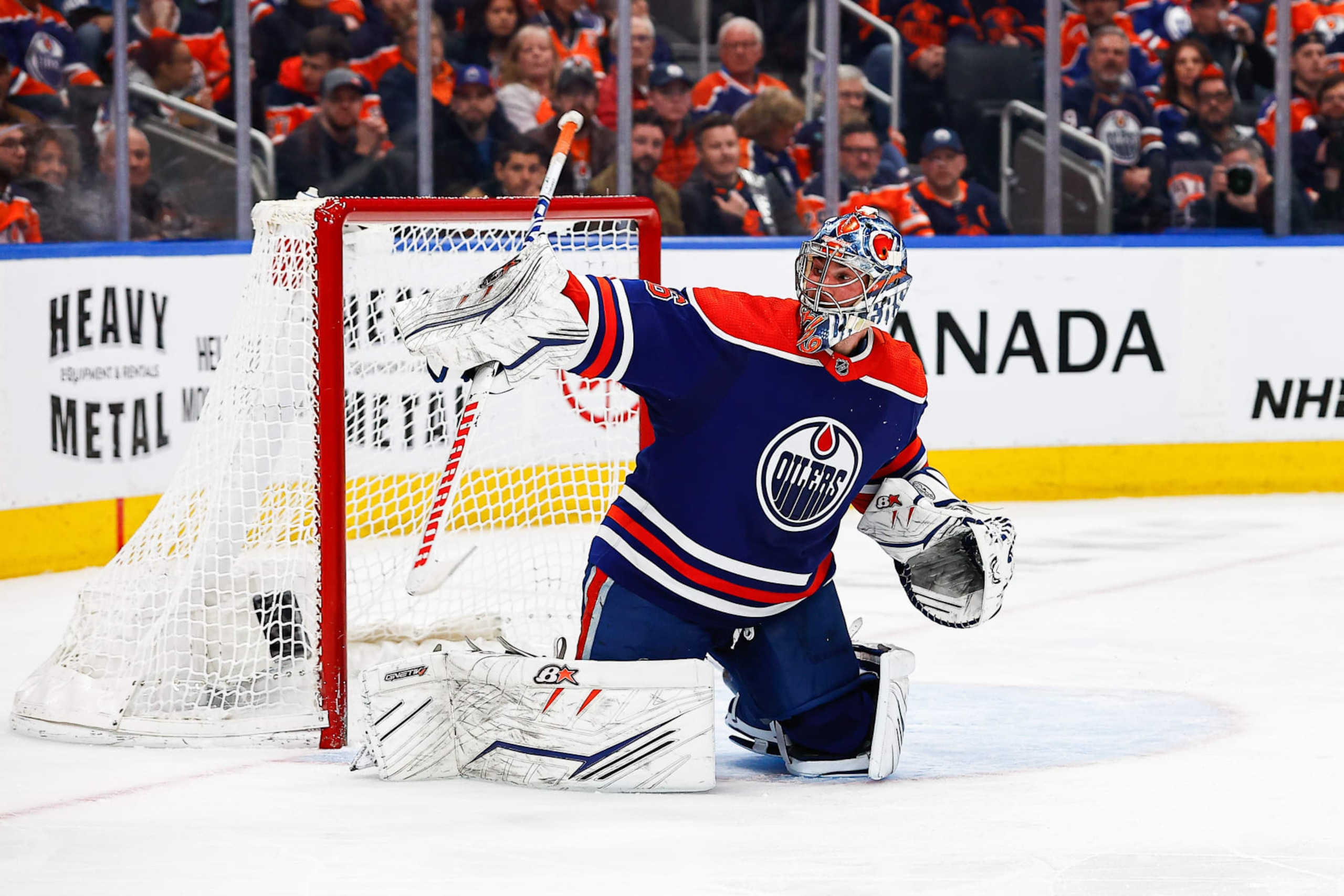
Anaheim Ducks: John Klingberg
Klingberg entered the offseason as the top defenseman on the free-agent market but remained unsigned nearly a month into the signing period.
It was surprising.
It was even more surprising when he finally landed a deal with the Anaheim Ducks on a one-year contract.
Everything about it came out of left field, from only getting a one-year deal, to signing with a team that had no real shot at contending. At best, maybe Klingberg could perform well on a one-year "prove it" deal, give the team a few months of strong production before getting flipped for value at the trade deadline and then Klingberg could take another run at free agency this summer.
While Klingberg's offensive production was about what the Ducks should have expected, he had a dismal year defensively and did not give them a lot of trade value. They eventually traded him to Minnesota for a 2025 fourth-round pick, a prospect and veteran Andrej Šustr.
Klingberg comes out a winner because he gets to play in the playoffs, but he did not really boost his free-agent value. The Ducks, meanwhile, did not get any sort of a significant return in the trade.
Calgary Flames: Jonathan Huberdeau
Even though they lost Johnny Gaudreau and Matthew Tkachuk last offseason, the Flames still looked like a team that should have been a contender or at least a playoff team.
They were not, and one of the biggest reasons why was a stunningly down year from Huberdeau, the main draw of the Tkachuk trade with Florida.
Over the previous four seasons, Huberdeau was one of the top-five point producers in the NHL and a bonafide offensive star. The Flames were so happy with him being the centerpiece of the Tkachuk trade that they quickly re-signed him to an eight-year contract extension worth $84 million ($10.5 million against the salary cap per season).
He responded with one of his worst offensive seasons to date, recording just 15 goals and 40 assists in 79 games.
That is not only disappointing, it is brutal given the lofty expectations, his recent production and the new contract that has not even begun yet.
If he does not bounce back next season, that extension is going to quickly turn into one of the worst contracts in the NHL.
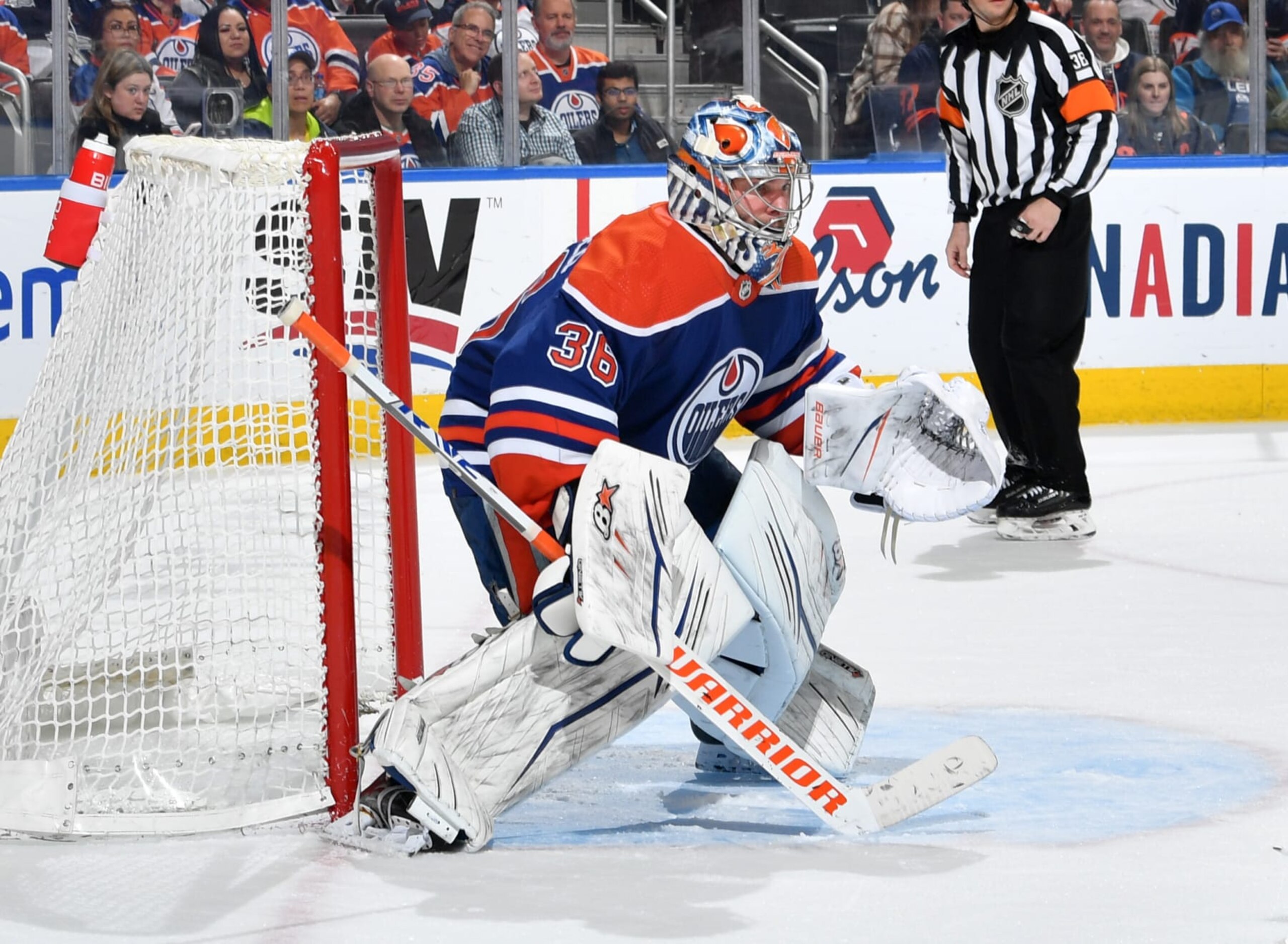
Edmonton Oilers: Jack Campbell
The Oilers knew they needed to do something significant in goal this offseason and spent big money on Campbell, signing him to a five-year, $25 million deal.
It is already looking like a massive mistake.
Not only was Campbell one of the worst-performing goalies in the NHL, but he also ended up losing his starting job to rookie Stuart Skinner.
His .888 save percentage was one of the worst marks in the league and represented the worst single-season performance of his career. Had it not been for the development of Skinner, the Campbell contract could have sabotaged an otherwise great season in Edmonton.
The Oilers have solved a lot of their depth and defensive issues this year, but Campbell did nothing to solve the goalie problem.
Los Angeles Kings: Jonathan Quick
Speaking of goaltending problems, the Kings had their own for much of the season, as Jonathan Quick and Cal Petersen (their opening night duo) were a major point of concern.
Quick's play was so bad that the Kings ultimately traded him to Columbus for Joonas Korpisalo and Vladislav Gavrikov.
This is another situation that included multiple layers of disappointment.
Quick's play was frustrating all on its own. But seeing a franchise icon and a key contributor to two Stanley Cup wins have his time with the team end like it did made the situation all the more disappointing.
San Jose Sharks: Kevin Labanc
At one time, Labanc seemed like a huge breakout candidate who could be a key part of the Sharks' long-term future.
But his development stalled out, and at this point, what you see is what you get.
He's a decent middle-six forward that in an ideal year might have a chance to push the 20-goal mark. Maybe. But he hasn't even done that yet in his career.
It is not necessarily this season particular that is disappointing when it comes to Labanc, but rather his overall development as a player.
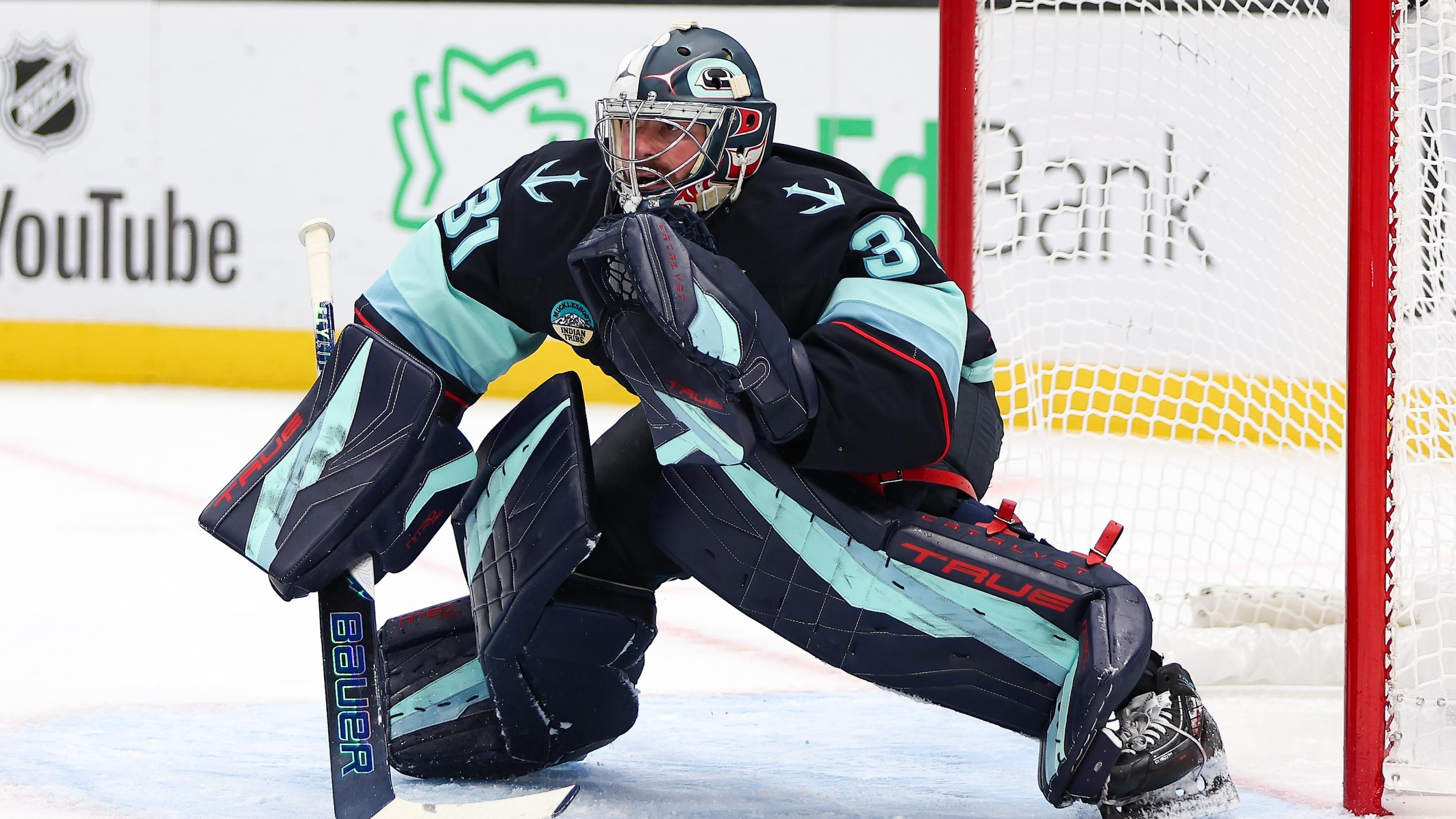
Seattle Kraken: Philipp Grubauer
The Kraken made a huge investment in goaltending when they built their initial roster by taking Chris Driedger in the expansion draft and snagging Philipp Grubauer in free agency.
Grubauer was the bigger signing, not only in terms of money ($35.4 million over six years), but also when it came to expectations.
Before signing with the Kraken, Grubauer was a Vezina Trophy finalist in Colorado and looked like a top-10 goalie—the type of goalie an expansion team might be able to build around.
But in two years with the Kraken, he has not come close to matching what he did in Colorado, managing only an .891 save percentage.
The Kraken as a team exceeded expectations this season and easily qualified for the playoffs. Goaltending might still be the one big thing that holds them back.
Vancouver Canucks: Thatcher Demko
For the second successive year, the Vancouver Canucks finished the regular season strong under a new coach trying to erase a brutal start in the first half of the season.
That is not a recipe for success.
A lot of things went wrong for the Canucks to put them in their early season hole, but one of the biggest factors was a poor year from Demko. He struggled with injuries and consistency, and he simply did not play like the No. 1 goalie the Canucks need him to be.
The good news is he has shown enough potential in his career that there is reason to believe he can bounce back next season with a fresh start and better health, but for this season, he did not play the way the Canucks needed him to play.
Vegas Golden Knights: Alec Martinez
The Golden Knights were able to rebound from the disappointment that was the 2021-22 season to not only return to the playoffs, but also return to being a major Stanley Cup contender in the Western Conference.
However, Martinez had one of his tougher seasons in the NHL—at least offensively.
During his peak, he was a solid defensive player who was also capable of scoring eight or nine goals and hitting the 35-point mark.
He is not anything close to that player anymore, scoring just three goals with 14 total points in 77 games, while the Golden Knights dramatically outshot with him on the ice. He is 35 years old, so some decline is inevitable. That might be a concern for the Golden Knights, as he is still signed for one more year at $5.25 million.
All salary-cap data via CapFriendly.




.jpg?w=2560 "Jonathan Taylor Landing Spots 📍")





