
French Open: Top 10 Roland Garros Upsets Since 1980
The game of tennis can be illustrated by the elegance of Roger Federer's forehand, the audaciousness of Fabrice Santoro, or the unrelenting stroke play of Rafael Nadal.
Yet there's also the sequence of events culminating in a winner and a loser, which makes the game of tennis at times a riveting experience.
The narrative of the underdog or the unexpected is always one which gains attention.
With the clay court of Roland Garros looming, this slideshow will list and discuss the Top 10 French Open Shocks Since 1980
Tathiana Garbin’s Two Minutes of Glory at the Expense of Justine Henin-Hardenne
1 of 10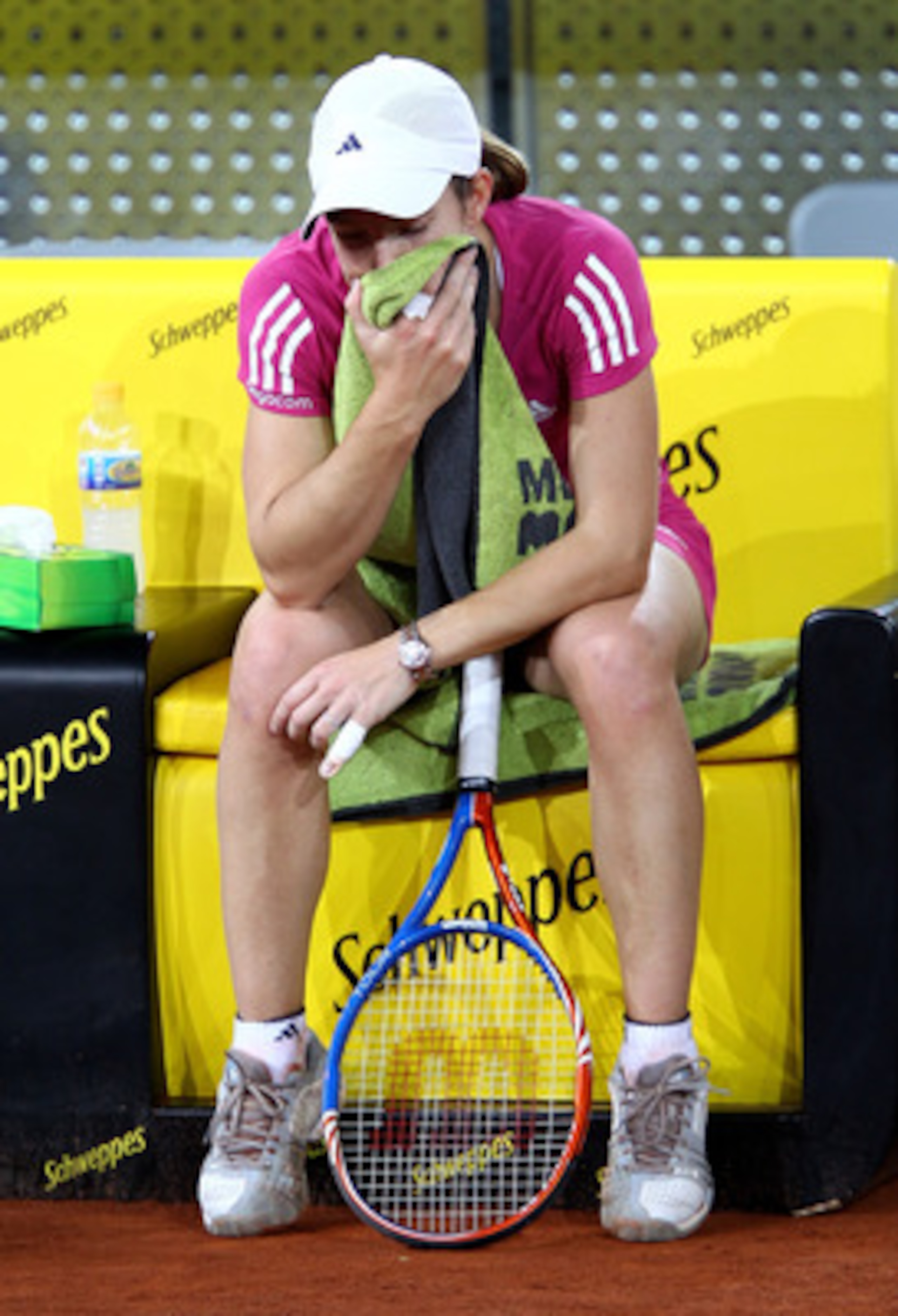
Why was it a shock?
Justine Henin-Hardenne was the world number one, had just won the Australian Open, and was the defending French Open champion.
Tathiana Garbin was a journeywomen, and was just there to make up the numbers.
What happened?
Henin-Hardenne was still recovering from a chronic illness, yet was fit enough to play tennis at a competitive level.
It was second round of the 2004 French Open against Garbin, Henin-Hardenne uncharacteristically gave up 30 unforced errors, double faulted 10 times and botched nine consecutive break point opportunities.
Garbin played a reasonable match, and shockingly knocked out the defending champion 7-5, 6-4.
As reported by the Associated Press, Garbin amusingly stated after the match, “That’s the end of my two minutes of glory.”
Age Is No Barrier as Kimiko Date Krumm Sends Dinara Safina Crashing out
2 of 10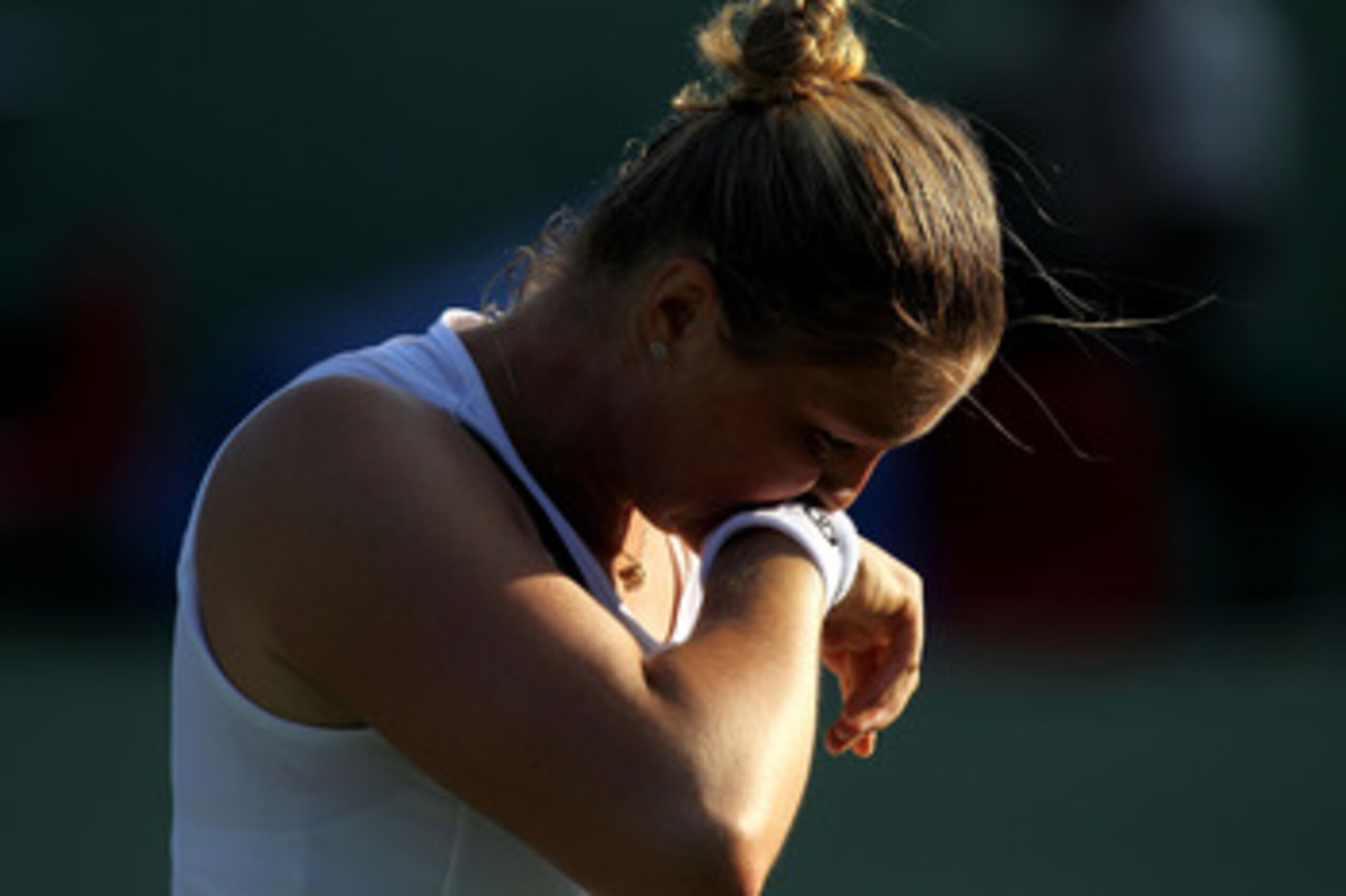
Why was it a shock?
Kimiko Date Krumm had spent 12 years in tennis wilderness having retired at age 25, before making a comeback in 2008, at age 37.
During those 12 years, Dinara Safina trained and dreamt of success like her brother, Marat Safin.
Safina was the ninth seed, was ranked number one the year before, and had reached two consecutive French Open finals.
What happened?
It was the first round of the 2010 French Open, and Safina was expected to overpower Krumm let alone resorting to using her 16 year age gap to outun her 39 year old opponent.
During the match, Safina was timid, almost willing Krumm to hit an unforced error. Whilst Krumm did give up 63 unforced errors, Safina hit 25 less winners and double faulted 17 times.
Safina’s shock 6-3, 4-6, 5-7 loss to Krumm precipitated a downward spiral. She has since announced an indefinite break from tennis.
Krumm was comprehensively beaten in the second round by wild card and naturalised Australian Jarmila Groth.
Gaston Gaudio’s Fighting Win, or Guillermo Coria’s Laborious Choke?
3 of 10Why was it a shock?
Leading into the 2004 French Open, Gaston Gaudio was 13-13, unseeded, and had never gone past the third round at the French Open.
Meanwhile Guillermo Coria was 28-7, the third seed, and had reached the French Open semifinals the previous year.
Coria’s clay court season leading into French Open was superb; winning in Buenos Aires and Monte Carlo.
In fact, Coria’s form was so good that he reached the final of the hard court tournament in Miami—somewhat of a shock, given Coria was a clay court specialist and had been knocked out in the first round of the Australian Open.
Rewind back to the 2004 French Open final. Gaudio is down 0-6, 3-6, would you even have contemplated about Coria losing in five sets?
What happened?
World No. 49 Rafael Nadal was nursing a stress fracture.
First seed Roger Federer had only won two Grand Slams, and had yet to find his mojo at the French Open.
Perennial Wimbledon semi-finalist Tim Henman reached the French Open semi-finals!
The 2004 French Open was an era post-Björn Borg, yet pre-Nadal; so unconventional winners like Albert Costa, Michael Chang and Yannick Noah popped up.
In the final, it was a matter of when, not if Coria would beat Gaudio.
Seemingly Elena Dementieva’s passionless and static performance in the women’s final had rubbed off on Gaudio.
Yet what ensued was perhaps the biggest French Open choke since Gabriela Sabatini somehow managed surrender a 6-1 and 5-1 lead and lose to Mary Joe Fernández.
Coria fluffed a two set lead, two match points and countless breaks; and in the process handed Gaudio a shock French Open triumph.
It was Gaudio’s first and only Grand Slam.


Gustavo Who?
4 of 10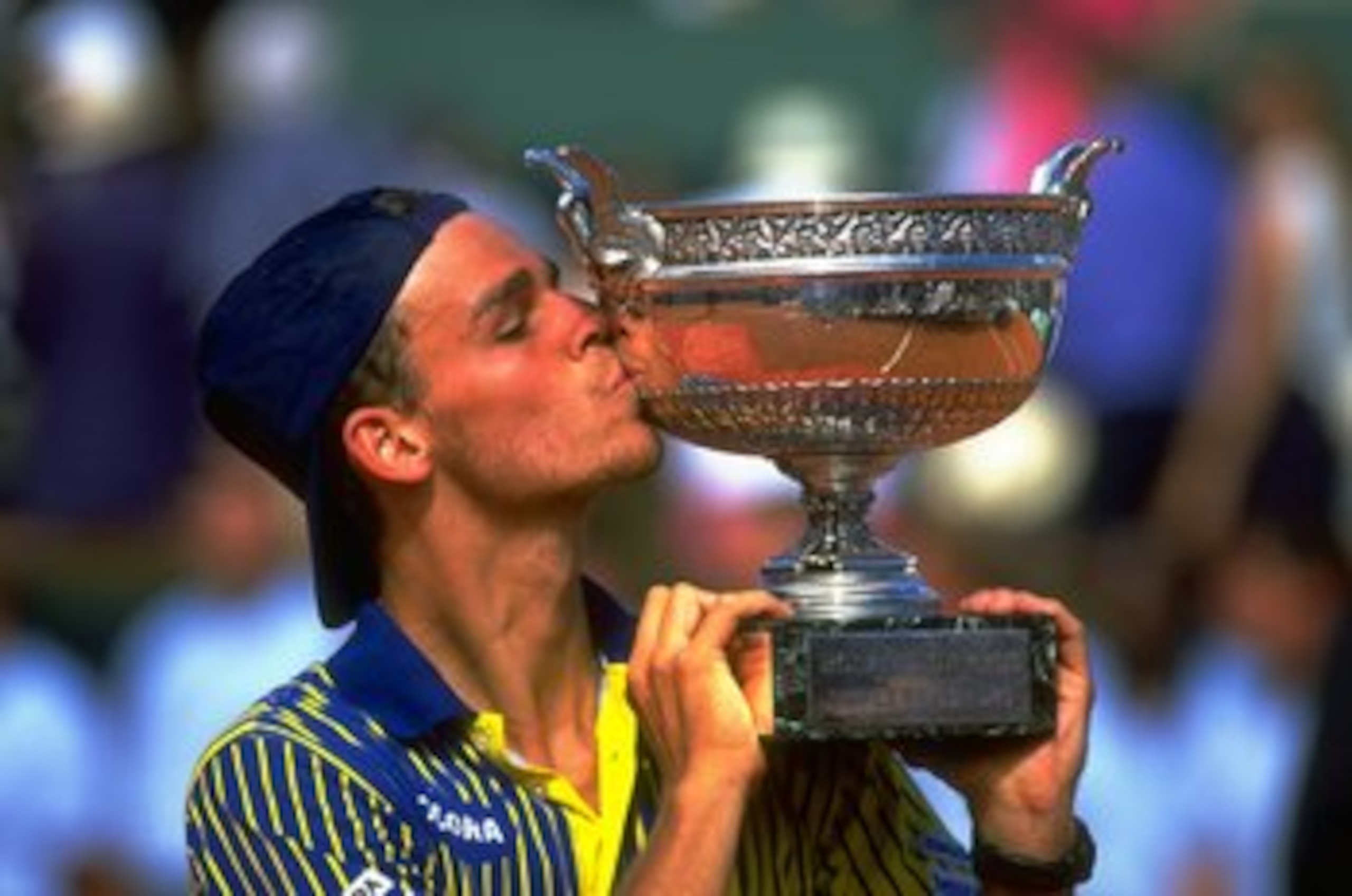
Why was it a shock?
To reiterate the title, Gustavo who?
Leading into the 1997 French Open, Gustavo Kuerten won a warm-up tournament in Curitiba, though the highest ranked player that he defeated was 154th.
He didn’t have any credentials which earmarked him as a Grand Slam contender, let alone winner.
Clay court maestro Thomas Muster, the Spanish contingent led by Àlex Corretja, defending champion Yevgeny Kafelnikov, and even Pete Sampras were at better odds than Kuerten to win the French Open.
What happened?
It was the 1997 French Open and Kuerten began to raise some eyebrows when he knocked out Muster and then Kafelnikov.
To that point, people had just noticed Kuerten’s very distinguishable grunt, a peculiar serve, and a catchy nickname—Guga.
Two-time French Open champion Sergi Bruguera was the lowest Spanish seed, yet he was the one who reached the final.
In the final, the unseeded 20 year old Kuerten easily beat Bruguera 6-3, 6-4, 6-2.
What was so shocking was at the time, Kuerten was the second lowest ever ranked player to win a Grand Slam.
What followed for Kuerten was a love affair with the French Open, as he triumphed two more times in 2000 and 2001.
The Youngest Grand Slam Winner Ever—Michael Chang
5 of 10Why was it a shock?
Surely a 1.75m tall 17-year-old American Chinese, would stand no chance against nine-time Grand Slam winner, and three-time French Open winner Ivan Lendl.
What happened?
It was the 1989 French Open fourth round; 15th seed Michael Chang was 4-6, 4-6 down against Lendl.
Struggling with cramp, and exhaustion; Chang adopted the unorthodox tactic of lobbing the ball up, hoping for Lendl to hit an unforced error.
Shockingly Lendl who was known for his ice cold expressions cracked, and ended up losing 6-4, 6-4, 3-6, 3-6, 3-6.
A week later, Chang became the youngest Grand Slam winner ever by defeating Stefan Edberg 6-1, 3-6, 4-6, 6-4, 6-2.
It was Chang’s first and only Grand Slam.
Before Lleyton Hewitt, Chang was the picture definition of winning on heart rather than power or finesse.
Iva Majoli Majorly Upsetting Martina Hingis
6 of 10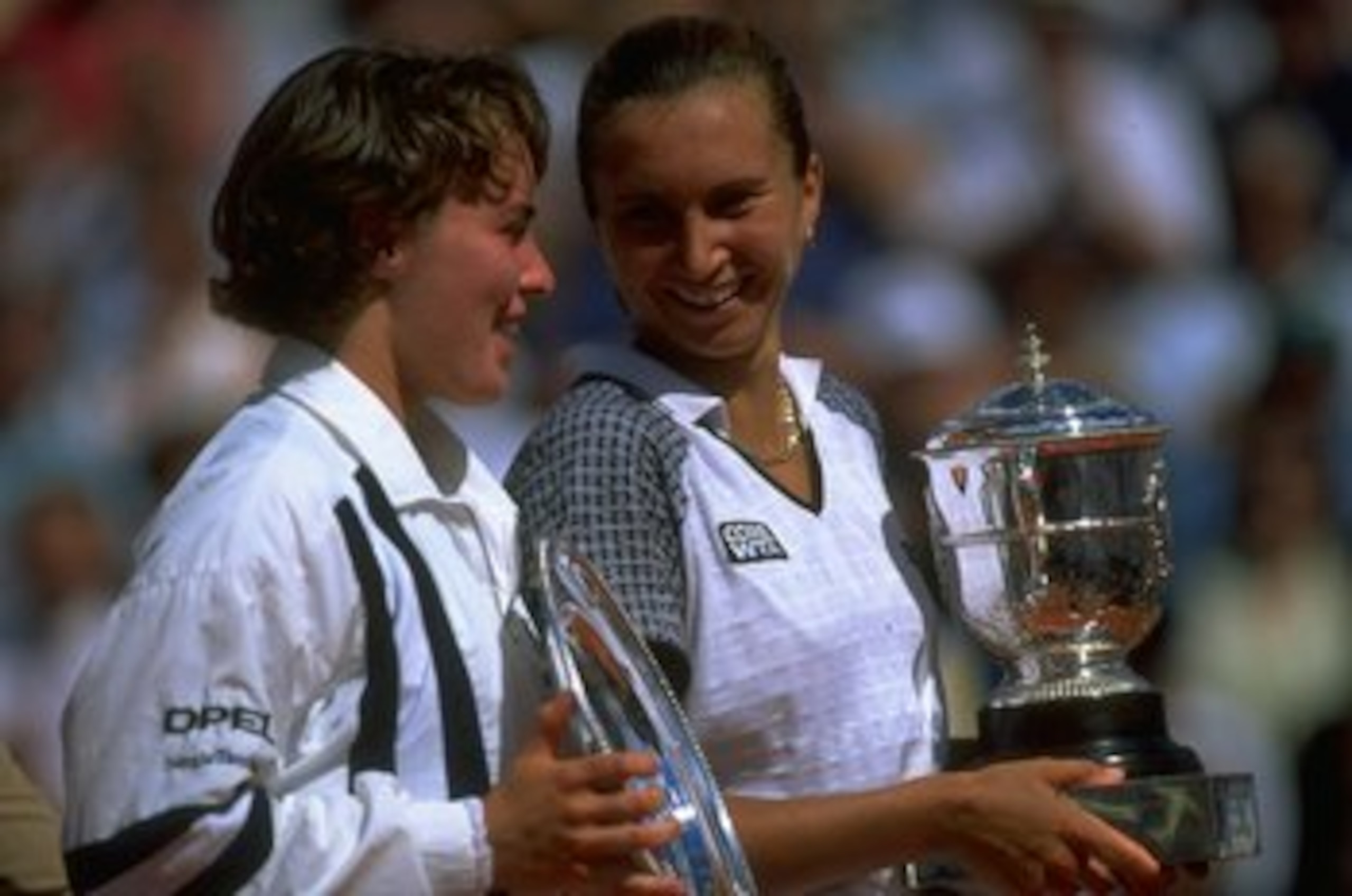
Why was it a shock?
Iva Majoli and Martina Hingis were both child prodigies, except Hingis was better technically, stronger mentally, and projected to have a historic career.
Hingis was the world No. 1 at just 16, and was set to replace Monica Seles (she was never the same after being stabbed in 1993) as the heir apparent to Steffi Graf.
Majorli was even overlooked as the most talented youngster after Hingis; which was then fresh faced 19-year-old Lindsay Davenport.
So what chance did Majorli have of winning the French Open?
What happened?
On route to the 1997 French Open final, Majorli had knocked out Amanda Coetzer who knocked out Graf. Whereas Hingis had extinguished any hopes of a comeback from Seles.
It seemed inevitable that with a 37 match winning streak, Hingis would add the French Open to her Australian Open triumph. Yet Majorli comfortably won 6-2, 6-4.
Julie Cart at the Los Angeles Times reported Hingis stating after the match, “I'm kind of at the end of my power”.
It was as if Hingis was talking like a 29-year-old retiring; though she’d go onto win Wimbledon and the U.S Open that year.
If she had defeated Majorli, Hingis would have become a Grand Slam winner at just 16!
It was Majorli’s first and only Grand Slam.
Mats Wilander Showing “balls” in 1982
7 of 10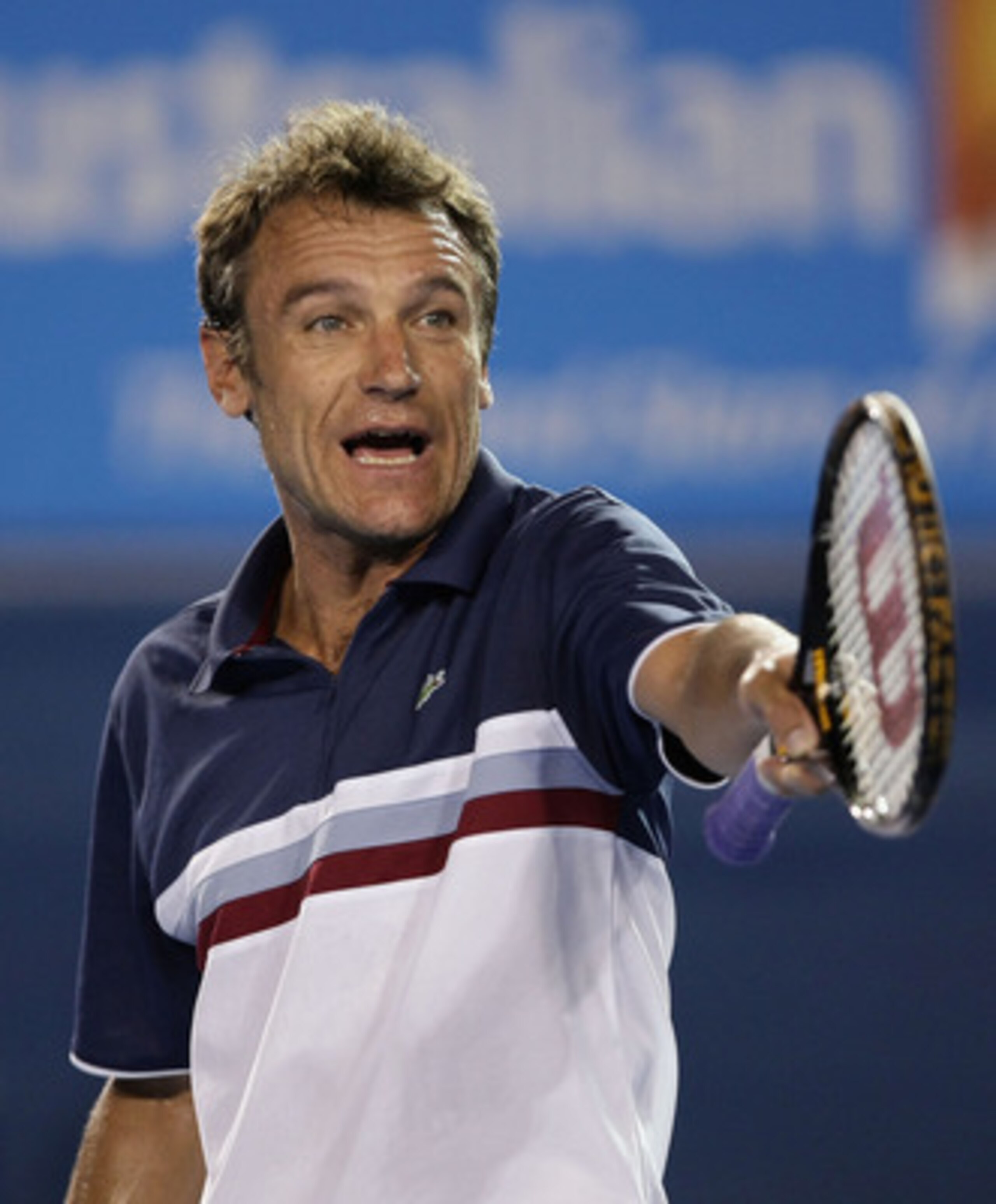
Why was it a shock?
If you were wondering, the title is an allusion to Mats Wilander claiming Roger Federer didn’t have any balls as reported by Linda Pearce at the age.com.au.
Wilander was just 17 years old and unseeded, amidst the likes of Guillermo Vilas, Ivan Lendl and Jimmy Connors.
What happened?
It was only until the fourth round against second seed Lendl did Wilander encounter resistance. Five sets later, he was into the quarter-finals against fifth seed Vitas Gerulaitis.
Four sets later, Wilander was into the semifinals against fourth seed José Luis Clerc.
Four sets later, Wilander was into the final against third seed and four-time Grand Slam winner Guillermo Vilas.
Four sets later, Wilander had become the French Open champion, and in the process knocked out the second, third, fourth and fifth seed.
A year later, Wilander’s Swedish compatriot Stefan Edberg completed the boys single Grand Slam.
Arantxa Sánchez Vicario Vivaciously Taking Down Steffi Graf
8 of 10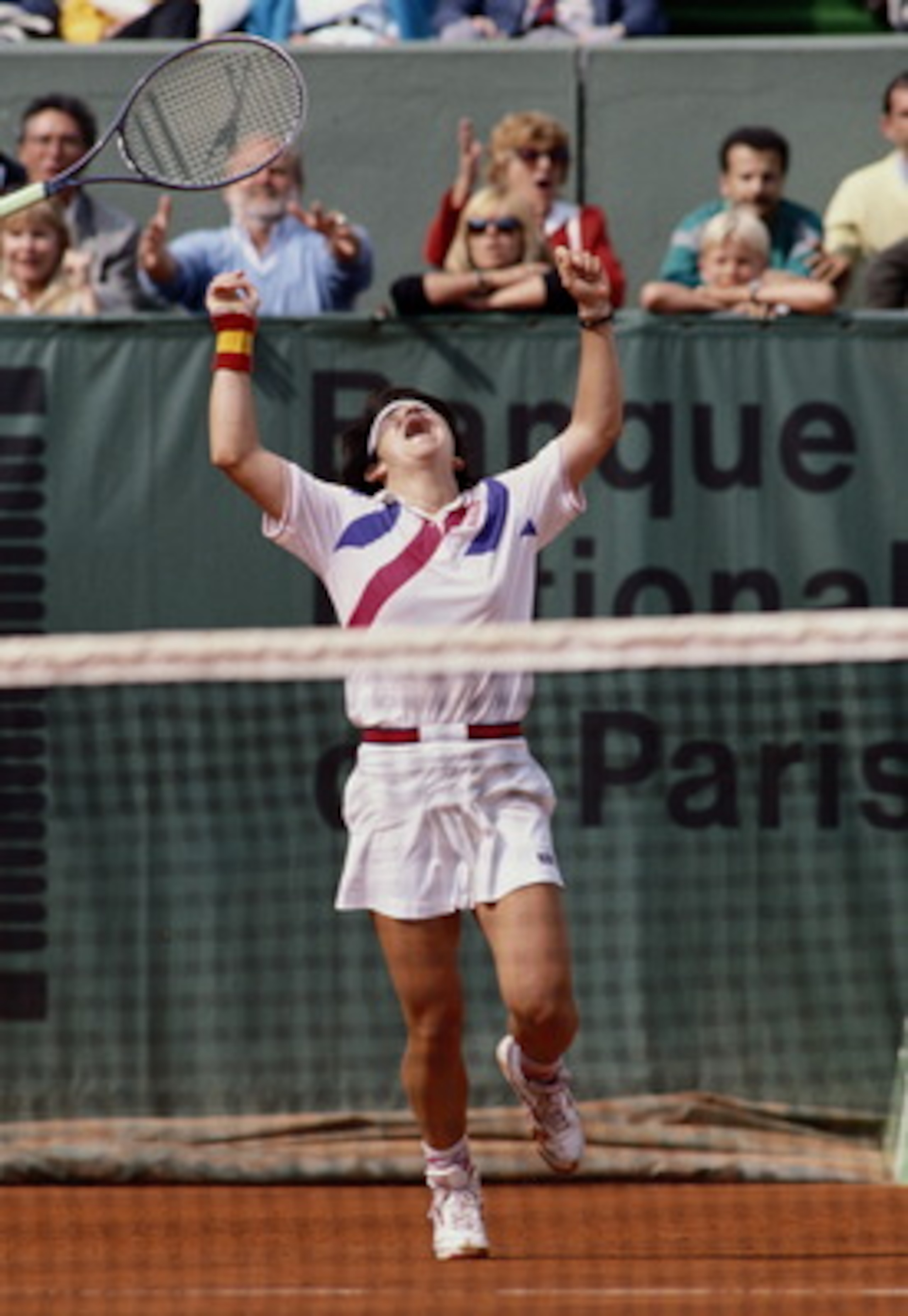
Why was it a shock?
Steffi Graf became the first tennis player since Margaret Court to win the Grand Slam. Graf had just won the Australian Open, and 117 of her last 121 matches.
Graf was up against prodigious yet industrious 17-year-old Arantxa Sánchez Vicario, who would you hedge your bet on?
What happened?
It was the 1989 French Open final, both Graf and Sánchez Vicario had only dropped one set in the final. So something had to give.
For a player whose mental fortitude was so resilient, Graf certainly read over the manual of choking by Jana Novotná.
Graf’s 71 unforced errors, failing to serve out the match with a 5-3 lead in the third set, allowed Sánchez Vicario into the match.
Sánchez Vicario would shockingly win 7-6, 3-6 and 7-5, thus at becoming a French Open champion at 17 years old.
Martina Navratilova’s Only Blemish in 1983 – Kathleen Horvath
9 of 10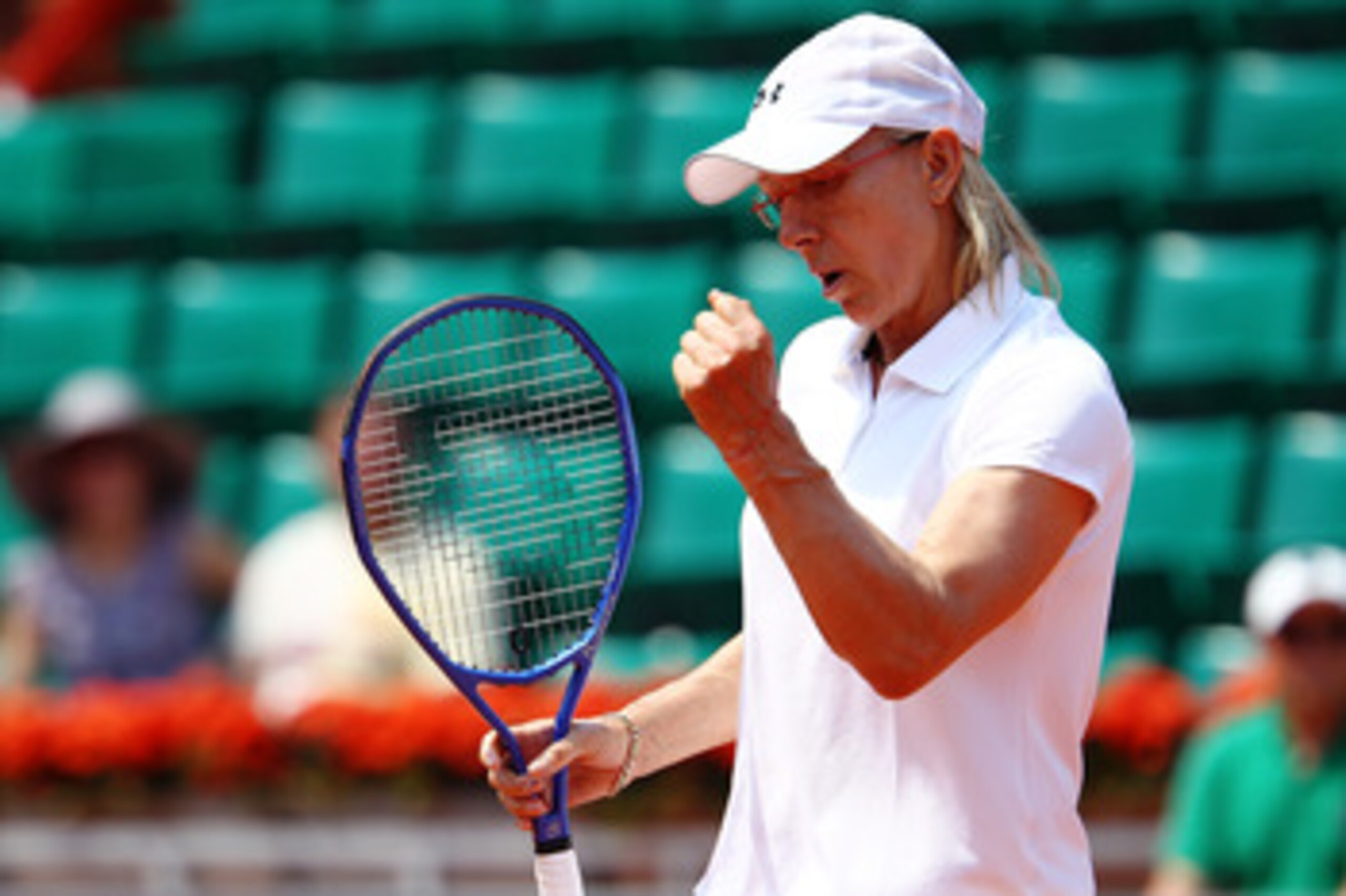
Why was it a shock?
After Margaret Court and before Steffi Graf, there was Martina Navratilova.
Navratilova was the world number one, the defending French Open champion, and 10 time Grand Slam winner.
Kathleen Horvath was just an 18-year-old.
What happened?
It was the 1983 French Open fourth round, and Horvath shocked the tennis world when she beat Navratilova 6-4, 0-6, 6-3.
Horvath didn't show the same fight against Mima Jaušovec in the quater-finals as she lost 1-6, 1-6.
Navratilova went onto win three of the four Grand Slams, and compiled an 86-1 record in 1983—losing to Horvath was her only blemish.
Robin Söderling Usupring Rafael Nadal as the King of Clay
10 of 10Why was it a shock?
Not since Björn Borg had there been a player so remarkably dominant at the French Open. Not since Thomas Muster set 40 and 37 match winning streaks on clay, had there been a player in recent memory so dominant on clay.
Rafael Nadal was aiming for his fifth consecutive French Open, he was 31-0 at the French Open, and seemingly everyone overlooked Robin Söderling.
Söderling’s booming serve and powerful game on both sides, theoretically suited grass courts. One would of logically deducted his game would have been undermined by the slow, bouncing and rough and tear courts of Roland Garros.
What happened?
Following Nadal’s marathon five day rain interrupted 6-4, 6-3, 6-7, 4-6, 7-5 win over Söderling, Liz Clarke at the Washington Post reported Rafael Nadal stating Söderling was “very strange.”
It was the 2009 French Open fourth round, and surely Nadal’s history would have no influence against Söderling.
It certainly didn’t when Nadal embarrassed Söderling 6-0, 6-1 earlier in Rome.
The Roland Garros clay courts played into Söderling’s hands, as Nadal’s heavy topspin was easily negated by Söderling’s 1.94m frame.
Unlike Federer who struggled to handle Nadal’s overarching top spin forehand into his one handed backhand.
It became more of a question, how efficient can Söderling be with hitting winners and giving away unforced errors?
Nine aces, 61 winners (27 of which were at the net), and three-and-a-half hours later; Söderling gave Nadal his first taste of defeat at the French Open.
Söderling would go onto lose to Roger Federer in the final, allowing Federer to complete the career Grand Slam.