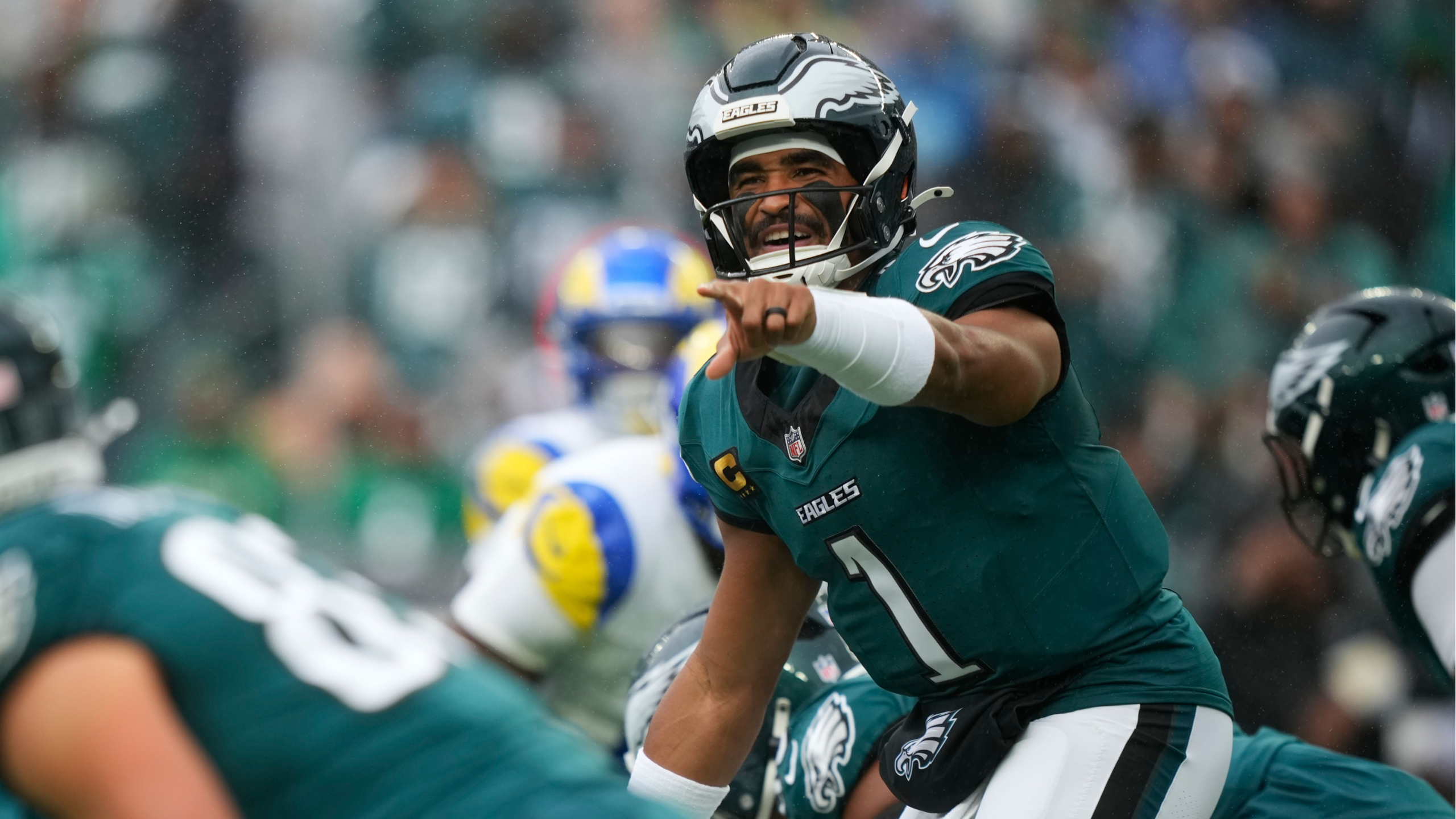
Monday’s defensive X’s and O’s…
Let’s look at a zone blitz.
First of all, a blitz is defined as being a defensive front where the defense rushes more players than can be blocked by the offensive team. The offense will normally have the five down linemen and possibly a back blocking on an offensive play. Depending on what personnel grouping is currently in the game (Personnel=TE & RB), zone blitzes will be called to stop a pass in 11/10 personnel -one RB, one TE-, and to stop the run in other personnel groupings. Zone blitzes are brought from either side of the offensive formation (strong or weak), up the middle or from both sides simultaneously.You will be able to recognize the zone blitz by the movements of the defensive backs and linebackers. A zone blitz coverage will be seen as 3 over the top players and 3 underneath players. The deep players will be the free safety and the two corners, while the strong safety and two non-rushing linebackers will be playing the underneath routes. (The underneath players in coverage will differ depending on where the blitz is coming from.)
TOP NEWS

New NFL contenders starting to emerge after Week 4
.jpg?w=2560 "Cardinals Giants Football")
NFL investigating 2 referees for separate viral exchanges

Deion Playbook Found at Hotel
With only six players in coverage, they have to depend on the rush getting to the quarterback quick enough to disrupt the offense’s timing. If the blitz is picked up, there are numerous seams and soft spots in the coverage to exploit. The most significant of which are the “flats” and the “seams” (short outside throws and up the hash marks). A knowledgeable coordinator uses zone blitzes sparingly or when a stop is desperately needed (Please reference the last few plays of the 07′ TCU game.) Zone blitzes are also effective against a team with a good running game.
Zone blitzes do a good job of plugging all the running lanes, forcing the offense to leave a defensive player running loose. If the D-coordinator “guesses” the right direction to bring the blitz, the blitz could be coming directly into a ball carriers path. If not, hopefully the backside players are staying home so the ball carrier can be tackled for a short gain. The safeties can also help cover directional blitz mistakes by understanding where the blitz is coming from and where the running back could end up. This means if the ball busts through opposite the zone blitz, a safety can be waiting as if he were expected to clean up the mess.
Zone blitzing is somewhat risky, but if used correctly and in the right situations can stop a drive in its tracks. Some teams will zone blitz very often, and consiqently give up large chuncks of yardage hoping for a large loss or a misguided throw. I would say on average, a prudent D-coordinator will zone blitz -depending on the flow of the game- 20-30%.
.jpg?w=2560 "Hill Injury Update Football")
.jpg?w=2560 "Titans Giants Football")
.jpg?w=2560 "Tyreek makes another cryptic post amid Chiefs rumors")