

No matter how sordid a team's history is, they're bound to have icons.
Even the Detroit Lions.
These are the guys whose names are synonymous with Lions football (in a good way). When you think of one, the other immediately pops into your head.
Maybe they gave their careers to the Lions, had their numbers retired or just plain dominated while in a Honolulu-blue uniform.
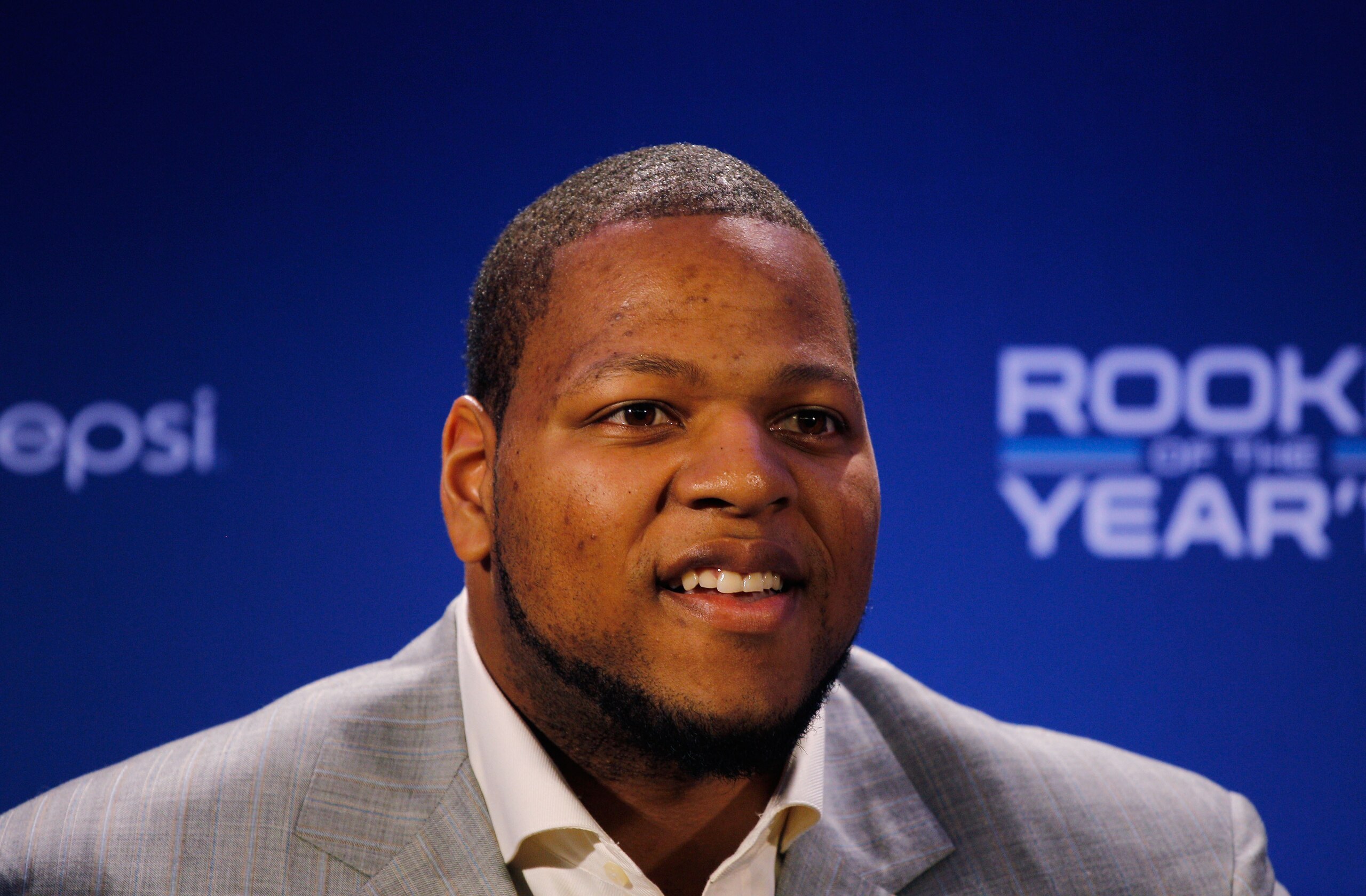
Ndamukong Suh can't really be considered for any "All-Time" Lions lists (aside from those having to do with performances by a rookie), but should he remain a Detroit Lion and continue on the path he's on, he could very well top a list like this someday.
He's certainly one of the most loved Detroit Lions right now.
But let's take a look at the most loved Detroit Lions of all time.
11.Cory Schlesinger
1 of 11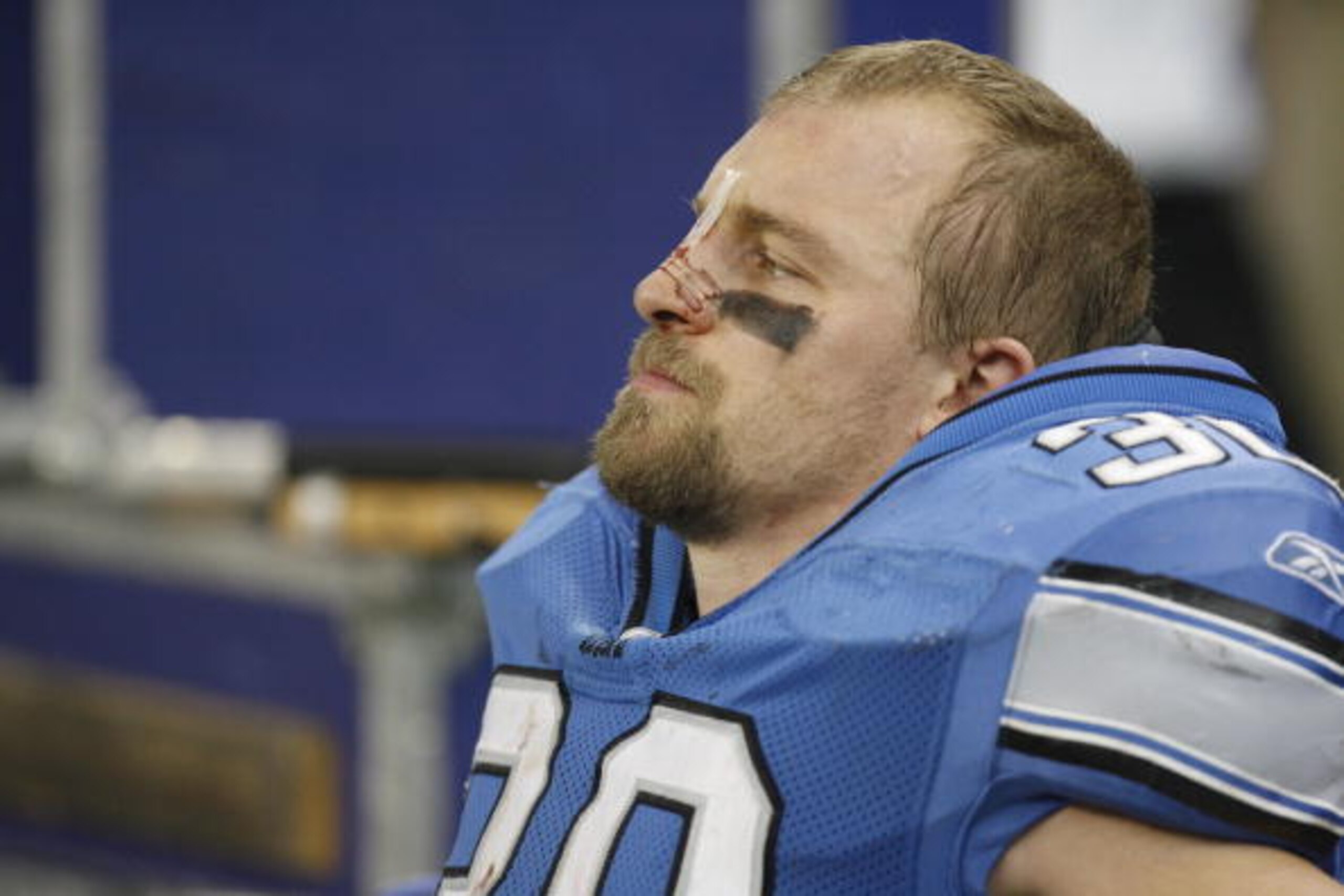
See that bleeding nose?
That pretty much sums up Cory Schlesinger's career with the Lions.
Nicknamed "Anvil Head" by his teammates, Schlesinger is best known for his (literally) hard-nosed style of play, which saw him break over 200 facemasks over his career ("about 20 a season," according to Schlesinger himself).
Schlesinger never backed down from anyone during his playing days, and that's part of what made him so great to have on the team. A late-round pick who personified gritty play and hard work, he was a true blue-collar reflection of the face of Detroit as a city.
Maybe that's why a guy who rushed for less than 500 yards over his entire career is still memorable and adored in Lions' history.
10. Doak Walker
2 of 11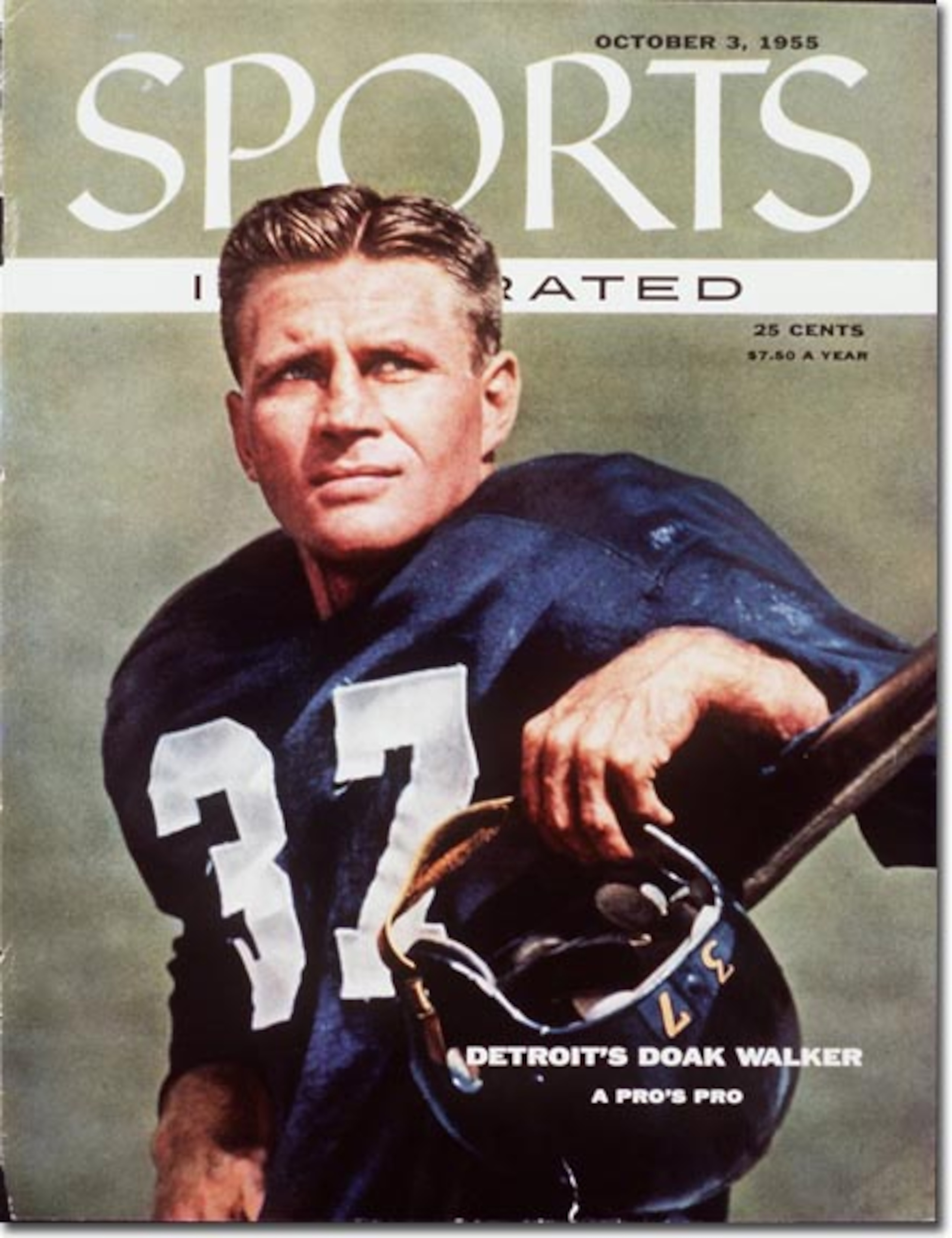
Anytime a guy has awards named after him, you can bet he's probably a pretty big deal.
Granted, the award named after Doak Walker is given to the nation's best collegiate running back, not the best professional running back. That being said, one might surmise that Walker's best days were in college.
While it's true that Walker was a dominant college player at SMU (he was the first junior to win the Heisman Trophy), he carried that dominance through his playing days in Detroit.
Though Walker played professional football for only six years, his list of accolades seem to stretch on for miles.
In addition to his 1948 Heisman Trophy, Walker was the MVP in back-to-back Cotton Bowls (1948 and 1949), NFL Rookie of the Year in 1950, a five-time Pro Bowler, four-time All-Pro, part of the NFL Champion Detroit Lions teams in 1952 and 1953, a member of the Pro Football Hall of Fame and his No. 37 jersey has been retired by the Lions.
When asked in 1986 (Walker's HoF induction year) by the Detroit News' Jerry Green about retiring in the prime of his career, Walker responded, “I’d been on three division champions, two world champions, I’d been to five Pro Bowls, I’d been All-Pro four times. What else was there to do?”
As if all that wasn't enough, Walker also took on placekicking duties during his time in Detroit, and as a result is still fifth on the Lions' all-time scoring list.
9. Dick LeBeau
3 of 11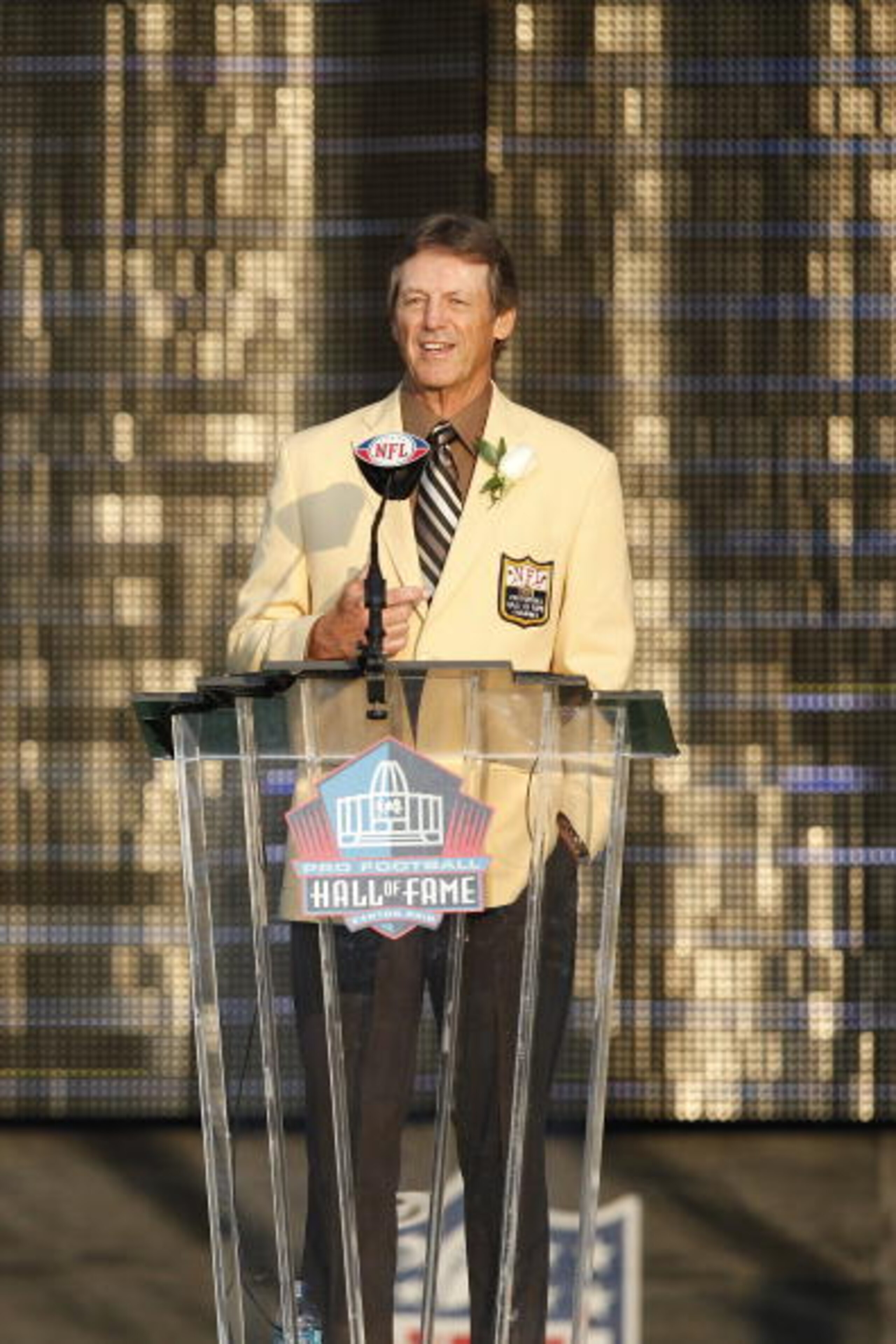
To this day, Dick LeBeau is still the all-time leader in interceptions for the Detroit Lions.
What he has to show for it (other than a Hall-of-Fame career) is a part in George Plimpton's masterpiece Paper Lion, and a front-row seat to the Lions' first decade of mediocrity.
It's not fair, really.
LeBeau was drafted in 1959—two years after the Lions' most recent championship—and did nothing but perform. He was an outstanding defensive back for 14 seasons, but just barely missed the boat on the Lions' dynasty of the 1950s. After that fateful Bobby Layne trade, following the 1957 season, the Lions were never the same, no matter how well LeBeau played.
But when he did play, he was one smooth operator. A playmaking corner his entire career, LeBeau's greatest asset was his ability to read, anticipate and break on a route.
That's the kind of ability that led to 62 career interceptions.
LeBeau was also an NFL iron man. His 171 consecutive games played as a cornerback is still an NFL record.
.jpg?w=2560 "Colts Football")
.jpg?w=2560 "Commanders 49ers Football")
.jpg?w=2560)
8. Chris Spielman
4 of 11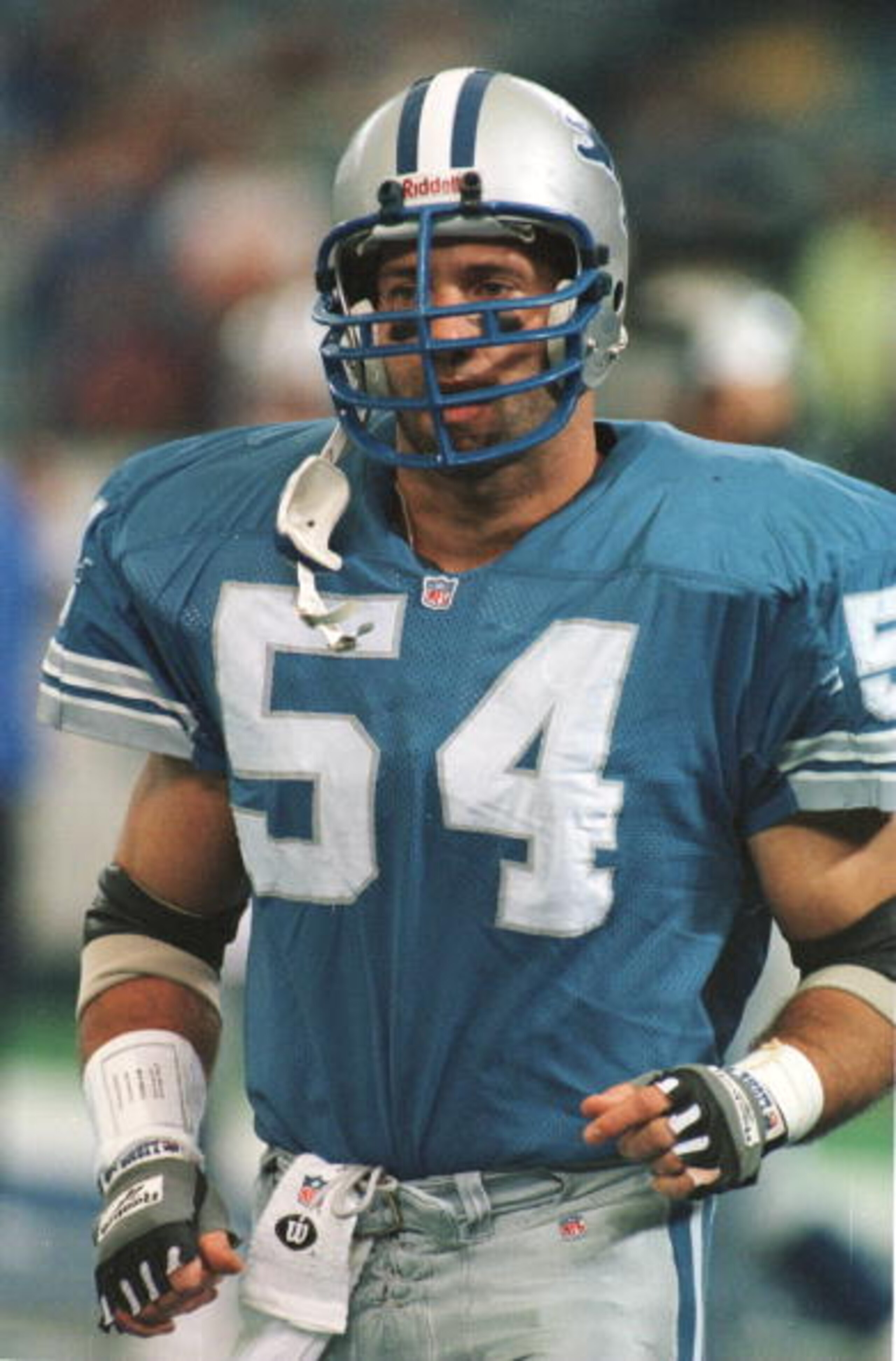
Sadly, sometimes good things do come from Ohio State.
LeBeau was one such thing. Chris Spielman was another.
Spielman, in his prime, was one of the most feared players in football. He was a mean, old-school, "back down from no man" type of player, whose work ethic and and toughness endeared him to the city of Detroit.
Sure, the Lions allowed Spielman to leave after the 1995 season, and he ended up finishing his career with Buffalo. His career was cut somewhat short by neck and spine injuries, but he did play eight seasons in Detroit. Four in which he made the Pro Bowl, and three in which he made the playoffs.
Spielman was a tackling machine in Detroit and has brought down more ball carriers than any other player to wear a Lions jersey, since tackles were officially recorded in 1973.
He is also the only player to lead the Lions in tackles for seven consecutive years, and holds the team's highest single-season tally with 195 (posted in 1994).
7. Herman Moore
5 of 11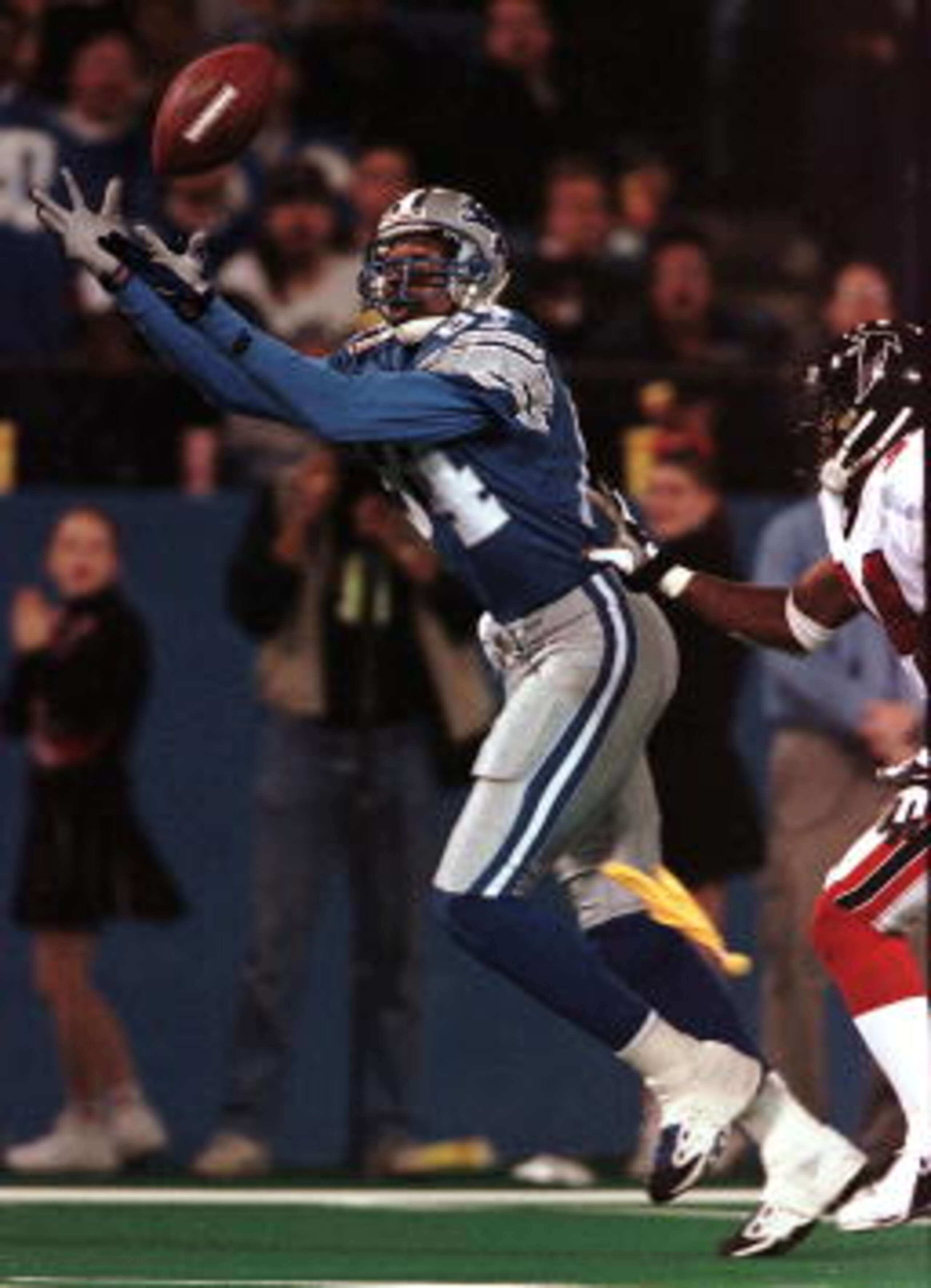
Legend has it that Herman Moore could jump forever. He could just take off, flat-footed, and fly up to the rafters of the Pontiac Silverdome.
Okay, that's not true. But the man could out-leap anyone on the field. He still owns the school record in the high jump at the University of Virginia.
And one legend that Moore did prove true was that the Detroit Lions were once able to pick a receiver in the first round of the draft and have him stick.
And Moore didn't just stick after being picked 10th overall in the 1991 draft, he re-wrote Detroit's record books.
Still the Lions' all-time leader in receptions, yards and touchdown catches and the single-season record holder in receptions (his 123 receptions in 1995 were an NFL record before Marvin Harrison eclipsed it in 2002) and receiving yards, Moore was one of the best receivers in the NFL over his 10 years with the Lions.
He was also an integral part of the 1991 Lions squad that won the franchise's only playoff game of the Super Bowl era.
6. Alex Karras
6 of 11You may know him as "Mongo" or George Papadapolis, but through most of the 1960's, opponents knew him as one of the most fearsome defensive tackles in football. And not just because he was skilled, but because he was mean and intimidating.
Karras was the master of mental play and would frequently get into his opponent's heads, either by way of his play (characterized by some of his opponents as less-than-clean) or with trash talk.
Karras, like his teammate Dick LeBeau, was prominent in Plimpton's Paper Lion, even though Karras wasn't with the Lions (he was banned from the NFL in 1963 for his involvement in illegal gambling) during the time Plimpton spent with the team.
If that doesn't speak to Karras' impact on the Lions during his tenure, then perhaps his former teammate can.
Karras is No. 8 on the NFL's "Top 10 Players not in the Hall of Fame" list, on which LeBeau said of Karras, "I'll always remember Alex Karras as one of the very, very best inside football players who ever played the game."
5. Charlie Sanders
7 of 11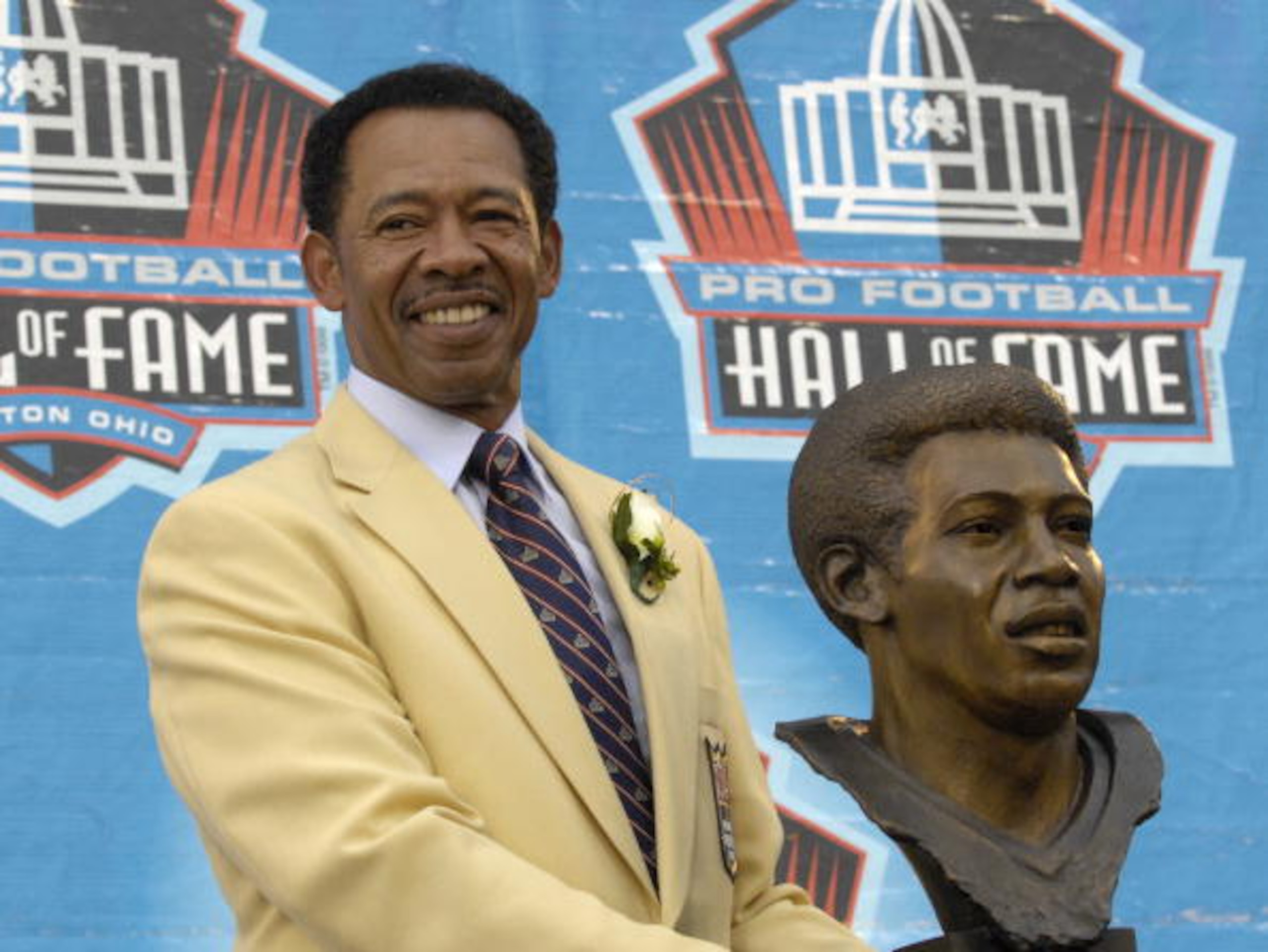
Charlie Sanders was a tight end who was ahead of his time.
In a time when tight ends were primarily considered auxiliary blockers, Sanders was one of the first to become a consistent weapon in the passing game.
Much like the star tight ends of today, Sanders exhibited big, soft hands, elusiveness in the open field, strength and speed. He also played college basketball, much like Tony Gonzalez and Antonio Gates, which afforded him great leaping ability.
In Sanders' day, tight ends were supposed to look a lot like slightly smaller offensive tackles. Sanders became the team's "secret weapon," and he set a Lions' record of 336 career receptions, which he held for two decades before Herman Moore topped it in 1996.
Sanders has remained involved with the Lions organization as an Assistant Director of Pro Personnel and runs/is involved with a number of Detroit-area charities, including the Family2Family Foundation of Michigan and the Charlie Sanders Scholarship Foundation.
4. Bobby Layne
8 of 11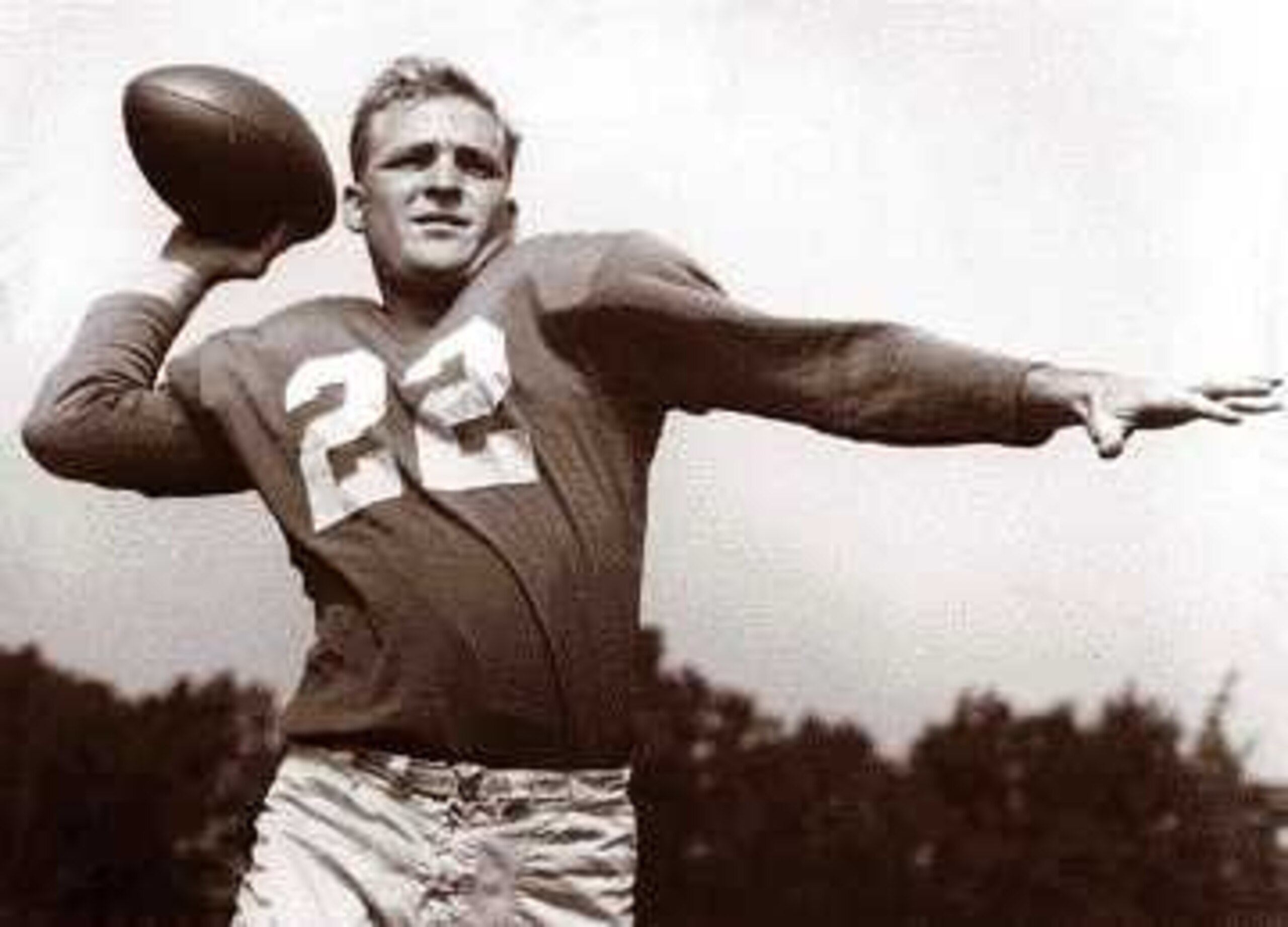
I might be barking up the wrong tree on this one.
Bobby Layne is still revered as the greatest quarterback in Lions history, but then again, there's also a curse named after him.
Where does that leave us? Love or hate? Revered or feared?
Do Red Sox fans still love the Babe? Do Cubs fans still love goats and Steve Bartman? Do Raiders fans love Al Davis?
The point is, Layne helped the Lions winning three of the franchise's four championships, and he was a very good quarterback in the process. But the Lions traded him to Pittsburgh and that seemed to leave a bad taste in fans' mouths.
So weigh in on this one. Does Layne make the list as a beloved Lions icon, or should he be left off it on account of the curse that followed his departure.
The question Lions fans is do we still love Bobby Layne?
3. Joe Schmidt
9 of 11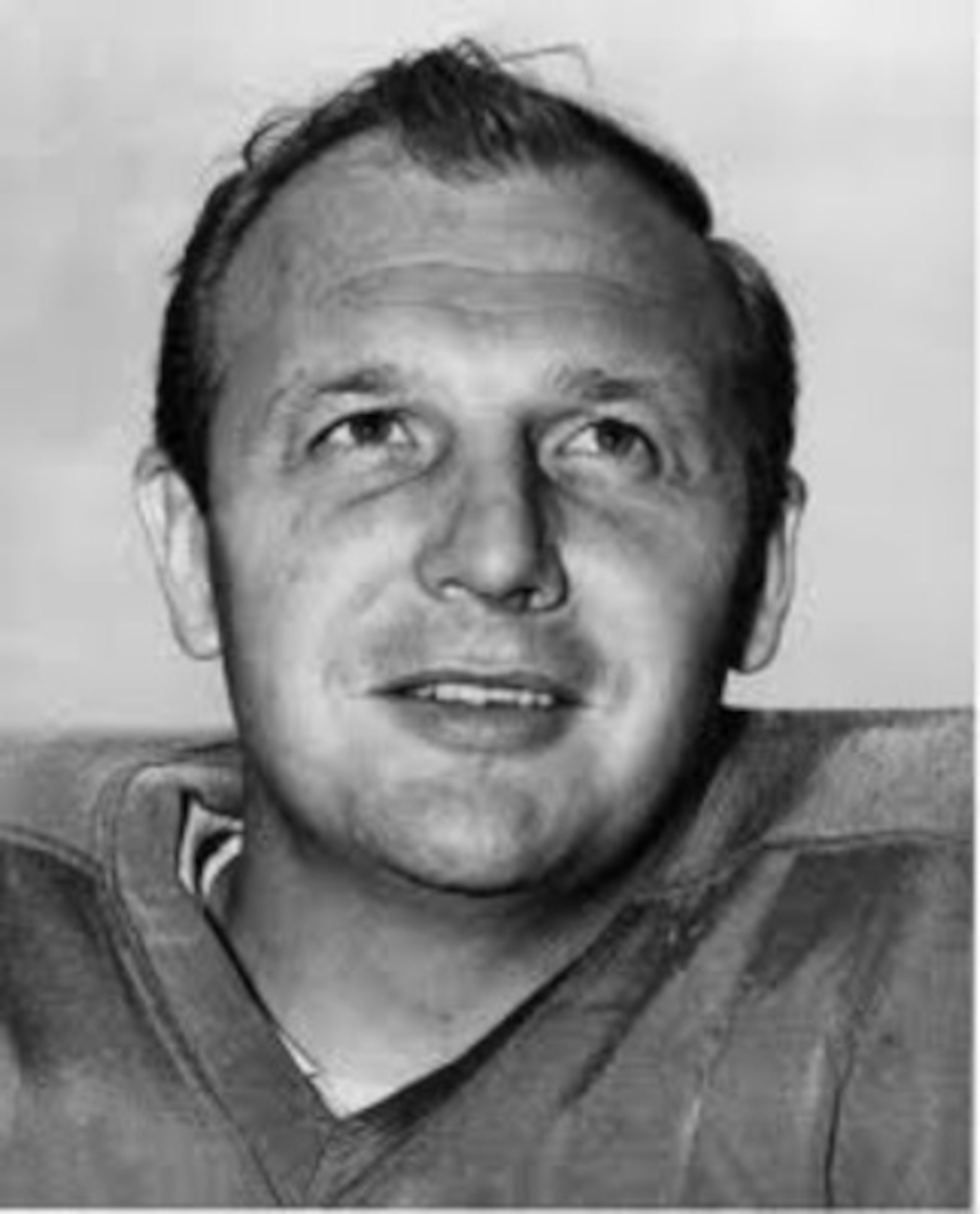
When Joe Schmidt came onto the scene in 1953, expectations were fairly low.
Schmidt was very small for the linebacker position, and no one was sure if his college success would translate to the next level.
The Pro Football Hall of Fame says that it did.
Schmidt was a leader, both vocally and by example, during his 13 seasons with the Lions. He made the Pro Bowl in 10 of those seasons (1954-1963), and won championships with the team in 1953 (his rookie year) and 1957.
Schmidt used his intelligence and toughness to revolutionize the middle linebacker position, becoming one of the most dangerous defensive players of his era and a hard hitter who was feared throughout the league.
But Schmidt wasn't just about carnage. He became so well-versed in the game that he transitioned to head coach for the Lions within months of his retirement as a player.
To this day, Schmidt is the last head coach to leave the Lions with a winning record after at least one full season.
2. Jason Hanson
10 of 11
Get a good look while you can. This will be the last time you see a jersey with this color and number.
Hall of Fame credentials aside, and they're there, believe me, Jason Hanson will be entering his 20th season with the Detroit Lions in 2011, and he has been perhaps the team's only steadying presence through years of ups, downs and bottoming out.
He has been a Pro Bowl-caliber player for most of his career but was only elected to two Pro Bowls and two All-Pro squads (all in different years). He has received, essentially, no league-wide recognition for his accomplishments in the last decade, but that's due to the decline of his team, not his performance.
Hanson has stuck with the Lions through all their hardships, even though the Lions' only playoff win in the Super Bowl era came during his final year at Washington State in 1991, a few months before he was drafted.
Throughout his career, Hanson seems to have only gotten better with age.
Hanson had a career year in 2008, tying Morten Andersen's record of eight 50+ yard field goals in a season as well as going an unprecedented 8-for-8 from that range. In doing so, he also passed Andersen's all-time mark for 50+ yard field goals in a career. He missed only one field goal and one extra point during that season, both of them blocked.
Over Hanson's 19-year career, he has missed only eight PATs (573/581 lifetime), five of which were blocked.
Hanson currently sits seventh on the NFL's all-time scoring list, but he is the highest-ranked active player on that list, assuming the 47-year-old John Carney doesn't sign up for another run.
However, Hanson scored 88 points in 2008 and 2009 and should he come back from his 2010 injury and finish the last two seasons of his contract averaging the same number of points in 2011 and 2012, he will pass Carney, George Blanda, Matt Stover and Jason Elam and move into third all-time behind Morten Andersen (first) and Gary Anderson (second).
He will also become the longest-tenured player with a single team in NFL history.
If that's not enough reason for a number to be retired, nothing is.
1. No. 20
11 of 11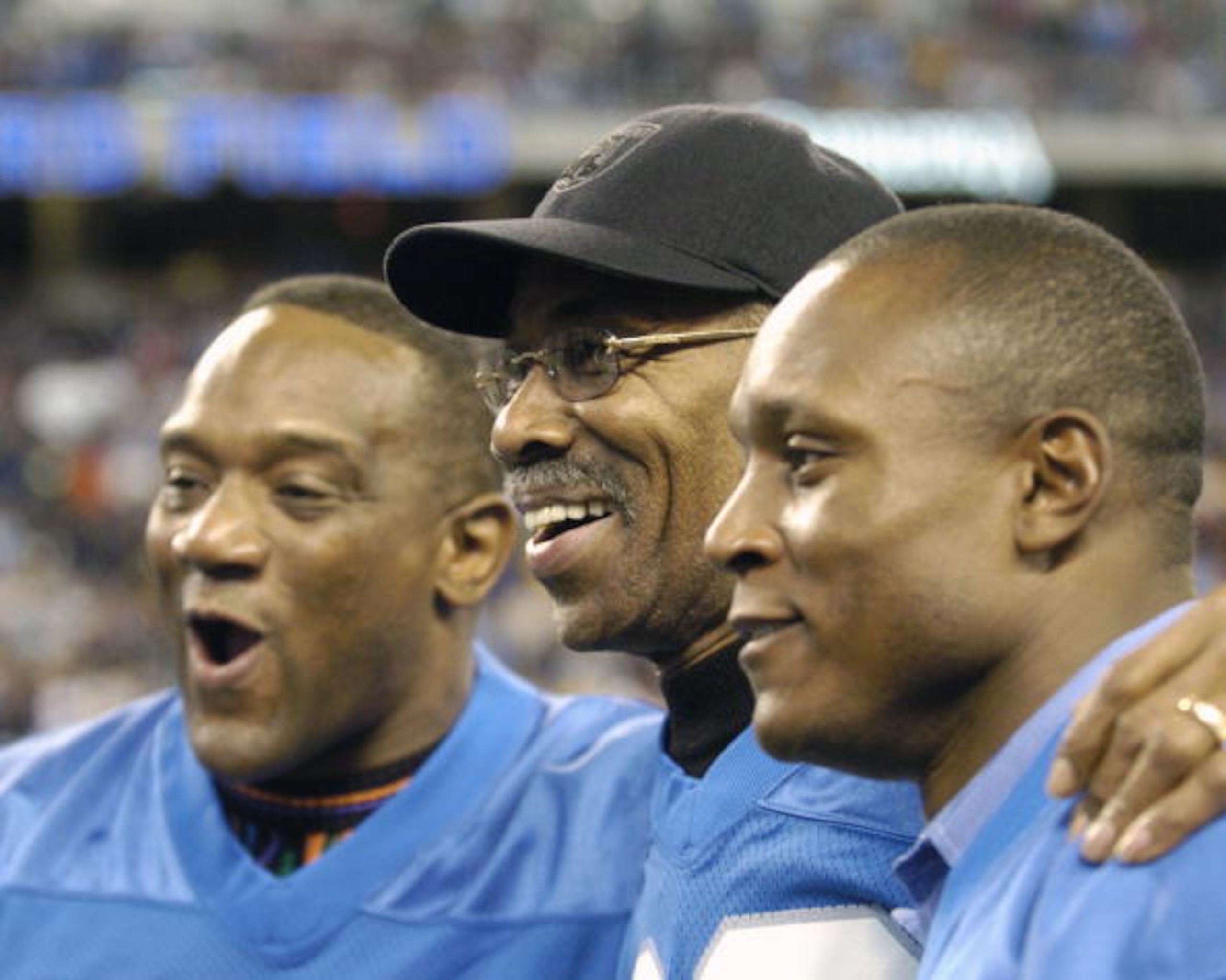
Who do you think of when I say No. 20?
Most likely it's Barry Sanders; he certainly deserves the top spot on this list, so you're not wrong. In a way, he has it.
But in actuality, the No. 20 jersey has been a special number to the Detroit Lions since Lem Barney wore it in 1967.
Barney quickly established himself as one of the dominant cornerbacks in the league (in the final game of his rookie season, Barney intercepted three passes in one quarter and ran one back for a touchdown) and sits second behind Dick LeBeau on just about every team record pertaining to that position. He played 11 seasons—his entire career—in Detroit and spent a good portion of that time as a solid return man, as well.
Barney was inducted to the Hall of Fame in 1992, making him the fifth cornerback to earn the honor.
Barney retired in 1977, freeing up the number for Billy Sims, the next great No. 20.
Sims was Sanders' predecessor, and it's almost eerie how the two match up.
Sims set every Lions rushing record in the span of about four-and-a-half seasons. He was dominant, powerful, shifty, creative and everything else the term "featured running back" entails.
Tragically, Sims' tenure in Detroit was cut short by a career-ending knee injury in 1984, but what he accomplished in that short time was still enough to set a number of Lions' rushing records, including a number of rookie records.
That is, until 1989 when the latest and greatest No. 20 joined the team.
Barry Sanders shattered every Lions rushing record, set the league on fire and would be definitely be the league's career leading rusher by a wide margin had he not abruptly retired in the summer of 1999.
Sanders will always be remembered for his ability to electrify the crowd every time he touched the football, but he should be equally remembered for his selfless attitude.
Whether it was his willingness to allow a teammate to play garbage time when he needed only 10 yards to lead the NFL in rushing as a rookie, or his modest, deferential Hall of Fame induction speech, Sanders has never been the type to relish the spotlight, no matter how much of it he got.
Even Sanders' controversial decision to retire reflects his "team-first" attitude in a way.
If winning and losing weren't so important to him, he could have continued to rack up stats in pursuit of individual records, money and accolades. If he wanted to go to a different team, he could have half-heartedly played out his contract and signed with another team.
Instead, he committed to the Detroit Lions so heavily that when it became clear the organization wasn't as committed to winning as he was, it crushed his spirit to the point where he had no choice but to retire. That's a move that in many ways echos fans' sentiments about the Lions over a long period of time.
Regardless of who you think of when you see a No. 20 jersey in Honolulu blue, there can be no doubt that the number itself represents, collectively, the most beloved icons in Detroit Lions history.
.jpg?w=2560 "DOLPHINS-AIKMAN")




.png?w=2560 "Week 8 Winners & Losers 📊")