Is MMA Trying to Kill the “Closed Guard?”
In an interview following UFC 109 by Mike Straka, Jon Fitch stated that the closed guard in MMA was “dead.”
He added that unless you are Shinya Aoki or Demian Maia, the fighter needs to get back on his feet or suffer a beating by a strong wrestler.
I have heard this argument before, when a recent study revealed only 21.5 percent of UFC fights dating back to July 11, 2009 have ended in submission, as opposed to the 31.5 percent by TKO and 46 percent by decision.
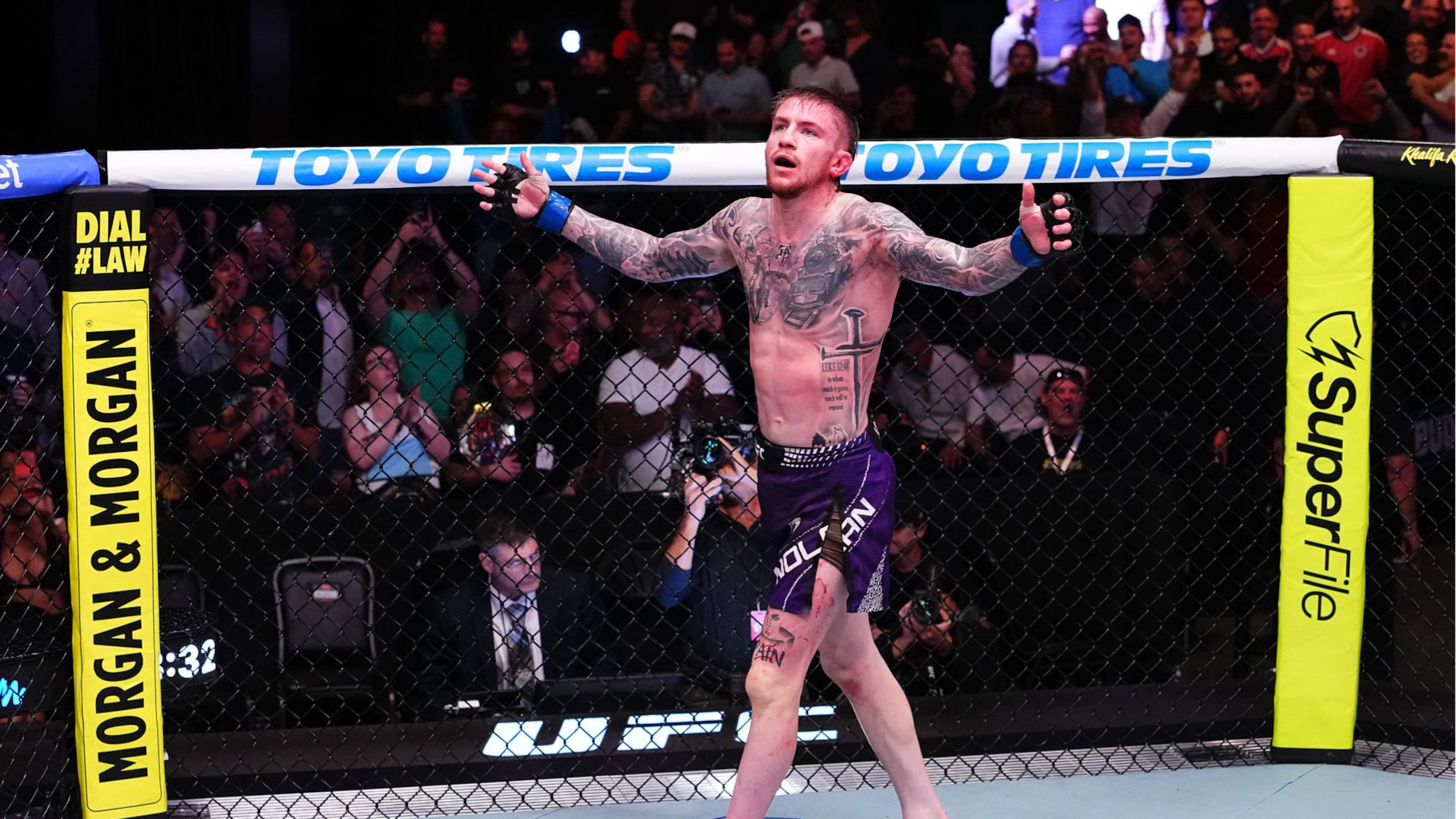
I believe that it’s important to remind everyone that this study targets only Ultimate Fighting Championship bouts and not other major promotions.
This fact is important because Dana White doesn’t seek out stars of jiu-jitsu fame to add to his rosters. The UFC roster is filled with wrestlers who like to ground-n-pound or knockout specialists. If a fighter wins two fights in a row but the bouts were considered “boring,” and he won with strategic submission from the bottom without any flare, he will not be back.
However, if the fighter went down swinging and got knocked out twice in two exciting fights, he would be back for a third fight. It’s not about who the better fighter is; it’s about who is the most exciting.
I understand that knockouts are more appealing to the general public. You don’t need to be an “educated fan” to determine that the fighter landing more of the punches is winning.
The unified rules in the United States do not favor the guard game. The referee would likely stand up the fighters if the bottom fighter doesn’t attempt a submission immediately. Also, judges do not put as much merit in a fighter attempting several submissions from the bottom.
The judges seem to favor a wrestler holding down an opponent; they like to call this “octagon control.” This is the reason why jiu-jitsu superstars struggle in MMA. They seem lose a lot of judges’ decisions after three rounds of schooling someone from his back. The present-day MMA wants to minimize the submissions and push for the knockouts.
The rules still don’t negate the fact that the guard is still dangerous. That is why fighters choose to stand with UFC middleweight champion Anderson Silva, as they know he is a jiu-jitsu black belt. It’s the same story with UFC light heavyweight champion Lyoto Machida. So regardless of their famous hands, fighters are still willing to trade punches rather than to fall in their guards.
Kimbo Slice is a good striker, but his ground game is horrible. This causes him to be destroyed by anyone with decent jiu-jitsu.
Nate Marquardt being badly beaten by Chael Sonnen after securing his guard in UFC 109 spurred all this nonsense. Tito Ortiz made a career using the ground-n-pound since the early days, so I don’t understand all the debate now. The closed guard is as effective as the day Royce Gracie walked into his first octagon.
The closed guard cannot be left out of a fighter’s repertoire, as the ability to defend from your back is essential to succeeding in MMA.
Ladies and gentlemen of the jury, I believe the prosecution has provided enough evidence to indeed find MMA guilty in attempted murder of the closed guard.