

Wayne Rooney: Manchester United Legend but Still a Perfect Vehicle for Hate
David Winner examines the motivations of Manchester United fans who continue to throw shade at Wayne Rooney, one of their club's greatest players. Could it be the same mentality responsible for Trump and Brexit is evident in a new breed of football fan, driven by resentment and anger?
Manchester United fans have tweeted some choice remarks about one of their greatest players this season: "Rooney is a disgrace to the No. 10 jersey." "Rooney is poison." "Wayne Rooney you complete liability."
It doesn't matter that Rooney is United's all-time record goalscorer or helped them win five Premier League titles and the Champions League.


.jpg?w=2560 "Cardinals Giants Football")
Most United fans don't talk this way. But venom on social media has become ubiquitous and nurtured a strange new phenomenon: fans who like to whip up hatred of their own clubs' heroes.
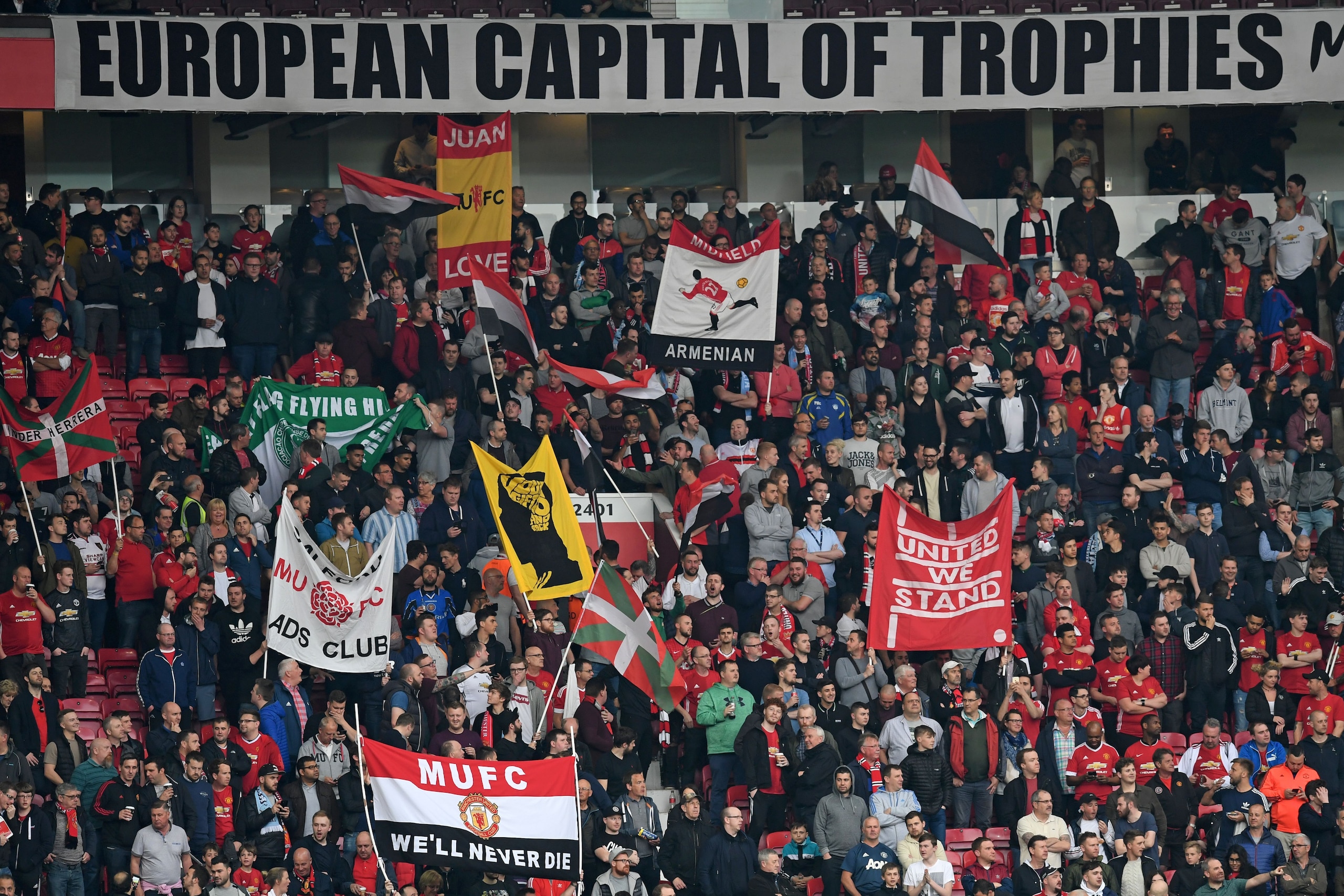
Ever since the Nazis, scholars have been trying to understand how one of the most sophisticated and cultured countries in the world fell under the spell of a hate-filled death cult.
In the same spirit, future historians will surely puzzle over the sudden lurch toward authoritarian nationalism in the once-stable liberal democracies of the United Kingdom and the United States.
Anyone studying the rises of Brexit and President Trump could do worse than focus on the relatively trivial arena of football fandom.
Early stirrings of a dark new discourse became visible at the beginning of this decade. This new culture combined resentment of a perceived elite with the triumph of emotion over reason. Trolling replaced civility. There came a tidal wave of resentment and anger.
This anger was not the cry of the oppressed or a response to intolerable circumstance. It was more like the Two Minutes Hate from George Orwell's 1984 but as entertainment. Anger for fun. Even, on occasion, anger for money.
Fans have been getting worked up about football since the dawn of the game. It has always been an outlet for venting personal frustration.
When Nick Hornby's ode to the travails of following Arsenal, Fever Pitch, appeared in 1992, devotees of other clubs identified with its wry central observation that a fan's life was meant to be miserable. Later, fanzines and the early internet message boards also cheerfully subscribed to the idea that nothing was more admirable than to be a long-suffering fan.
But fandom has changed.
The most telling sign is that in any stadium you're now as likely to see spectators checking their phones as watching the match.
John Foot, Arsenal fan and author, observes: "Now everybody can watch every game live and comment on it all the time, and that becomes what matters. This creates narcissistic tendencies. So people aren't really talking about Arsenal or Liverpool or whatever. It's about 'me' and 'my view' and 'what will Piers Morgan tweet?'"

Conversations and feelings once confined to the match and the stadium are now endless and have spread everywhere. In this new environment, players and managers are judged and found wanting at all levels of the game at all hours of the day. Fans feel entitled to express their contempt.
Rooney has been booed in person and abused online by supporters of the two teams he captains. With England, it's been going on since 2010; at Manchester United, it's happened since 2011. With both teams, he has been the scapegoat for relative decline. Fans also seem to resent him for failing, largely because of injuries, to fulfill all the youthful promise he showed when he exploded onto the scene in 2004.
The contrast with treatment of past heroes could hardly be more stark. When players like Bobby Charlton, Bobby Moore and Stanley Matthews aged, they were treated with love and respect—even by fans of rival clubs. Brian Clough's final years as manager at Nottingham Forest were marked by alcoholism, increasingly erratic behavior and relegation, but no one wished him injury or death.
Rooney and other victims of the new cult are entitled to wonder, as Don Corleone did, "What have I ever done to make you treat me so disrespectfully?"
Well, not much.
Antipathy to Rooney, expressed in the stadium by occasional booing and relentlessly on Twitter and other social media, is rooted in a similar sense of entitlement and grievance divorced from perspective.

An outsider might expect United fans to love Rooney, even if he's no longer an automatic first-team choice. He is, after all, the club captain and record goalscorer. He was the usually thrilling figure in a decade of United dominance. He scored more than 30 goals in two separate seasons. Alongside Cristiano Ronaldo and Carlos Tevez, he was part of one of the most powerful and potent forward lines ever to march on European football.
Naturally, Rooney is no longer as explosive as in his prime. But as former team-mate Rio Ferdinand has observed, that's mainly because of the wear and tear inflicted by Rooney's selfless, hard-working style, which has left the 31-year-old with a body more like that of a 40-year-old.
Anti-Rooney United fans still complain bitterly that he flirted with the possibility of leaving for rivals Manchester City in 2010.
At the time, United were being outspent by Chelsea and City, and anger toward the Glazer family, United's unpopular owners, was intense. Rooney's manoeuvre to secure a lucrative new contract was a standard negotiating tactic—John Terry did much the same at Chelsea in 2009, for example—but was regarded as disloyal and mercenary.
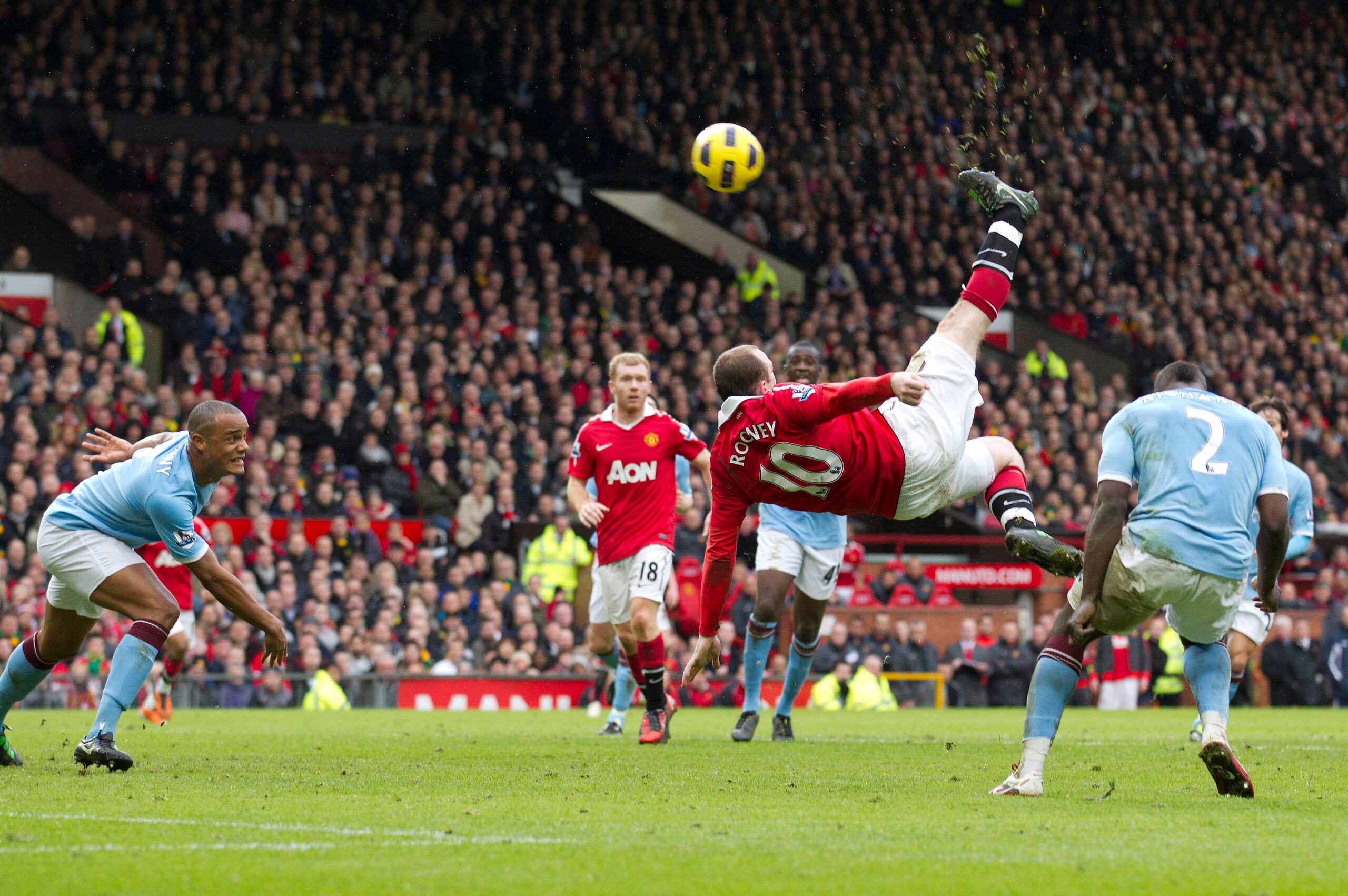
Rooney not only stayed but helped United win another title. He even scored against City in February 2011 with a goal later voted the best ever seen in the Premier League. In 2013-14, he was a symbol of continuity and played well in a disintegrating team during during David Moyes' brief tenure.
For some fans, though, the damage was done. As writer and United fan Musa Okwonga tells Bleacher Report: “There are some people who just won't forgive him for asking to leave—and not just once but on two occasions.”
But would those fans themselves have acted differently? "You'd be mad to turn that down," Okwonga says. "No one can really have a go at Rooney for taking the money because, frankly, any of us would take £300,000 per week."
There are other factors in play too. As writer Daniel Harris observes: "There are some United fans who will never like him because of his [Liverpudlian] accent. That's football. There are some people who think 'a Scouser has got no business captaining United.'"
Rooney also suffers by comparison with the long list of charismatic geniuses in the United pantheon, such as George Best, Charlton, Ronaldo, Roy Keane and David Beckham. "It's also a class thing," Harris says. "He isn't polished, so people interpret him as being aggressive. He has had a lot of competitive charisma but is not a very charismatic bloke, much though the other players like him."
Tellingly, though, the antipathy toward Rooney on social media is far more intense than in the stadium.
"My impression is that there is a lot more patience for him in the ground, even when he isn't playing that well," Okwonga says. "That's the nature of social media, which is about extremes, memes and snap judgements. It's a quite cruel form of engagement."
Most of the cruelest comments about him these days are on private message boards and chatrooms. But plenty are visible on Twitter. One of the darkest timelines was that of "Zar," who tweeted as @unknownsock_zar and whose followers included respectable United fans and journalists.
Zar doesn't just dislike Rooney. He seems to want him dead. When Rooney tweeted his shock at waking up to news of the Chapecoense air disaster, Zar commented: “Sadly you woke up.” At Christmas, he asked his more than 4,000 twitter followers which public figure they hoped would drop dead. Thirty per cent voted for Rooney.
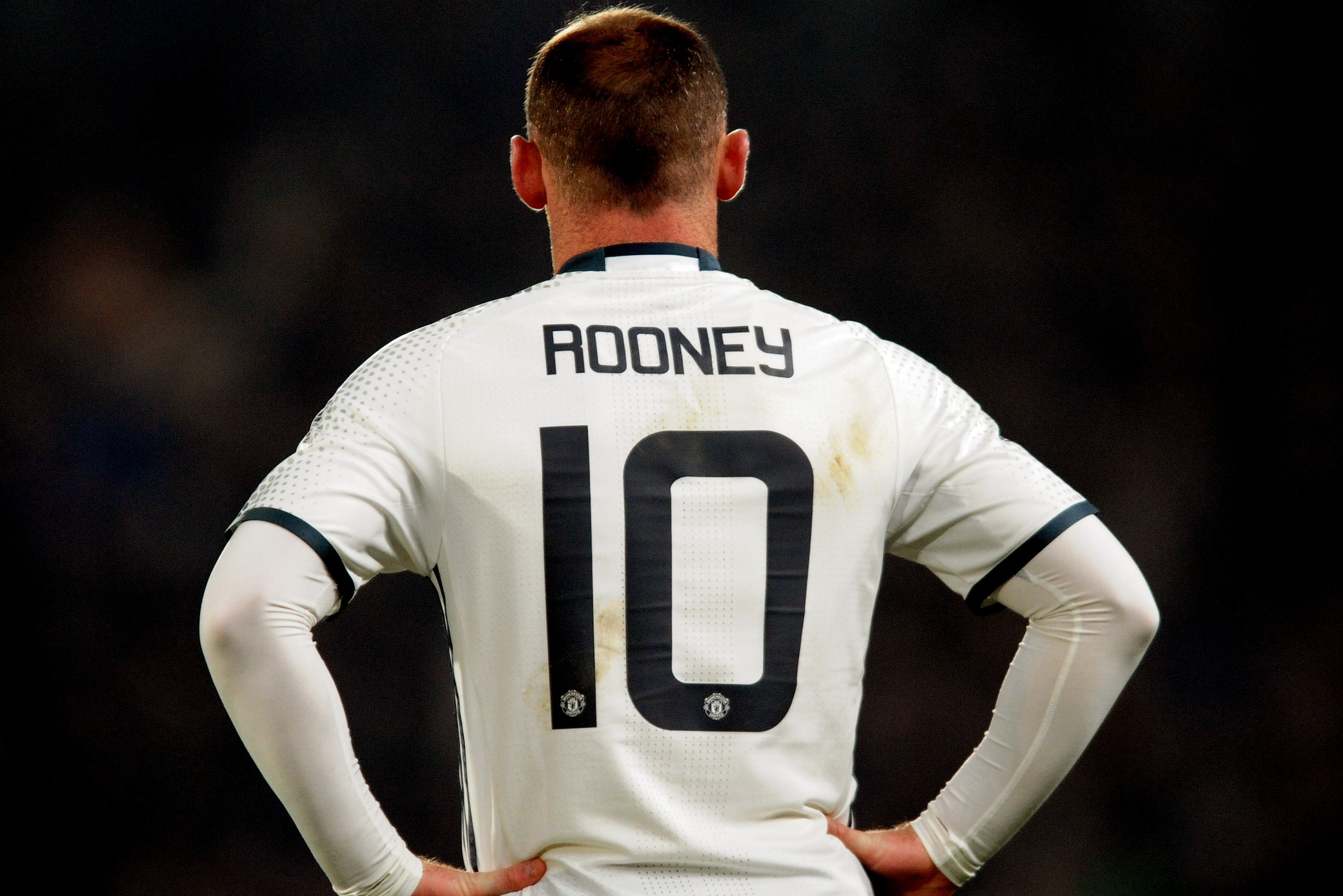
Zar often mused about people he'd apparently like to die. "Sadly Will Smith hasn't had a heart attack." "Sadly Bob Geldof is still alive." He retweeted a comment on Steven Gerrard: "I hope someone throws a toaster in while he's having a bath" and hoped that overseas United fans "get Ebola." And Rooney is by no means the only United player he's hated.
Memphis Depay, Tom Cleverley, Anderson, Darron Gibson, Marouane Fellaini and Jesse Lingard have also felt his wrath.
It is not isolated to Zar. Twitter timelines this season have seen incredulous insults aimed at England's all-time leading goalscorer.
"[It's] going to be like having a tumour removed the day that scouse c--t f--ks off." "Rooney is the biggest cancer football has ever seen. Why can't someone break his leg?" "An utter f--king disgrace." "Pathetic fat bastard."
Simon Kuper, Financial Times columnist and author, suggests there is nothing fundamentally new in social media aggression and that Britain's tabloids have been finding scapegoats for decades: "There's been a viciousness in football writing for a long time, in always saying the manager is a complete failure and has to go. And this was paralleled in the complete lack of nuance in tabloid writing about politics: all politicians are in it for themselves and completely useless. Now, thanks to social media, the average Joe can be toxic too. It's just made it more democratic."
Kuper believes attacks on leading football figures chime with the zeitgeist: "Anti-elitism has been the winning political narrative of the past year. Absurdly, it's done by elitists like Donald Trump and Nigel Farage, but it's incredibly potent. There is this very deep dislike and suspicion of the political elite, the intellectual elite—and the football elite as well."
Another underlying problem is that Brits have little sense of the greatness of their finest public figures. To that end, Kuper compares Rooney's treatment to the media bile directed at Paul McCartney in the 1990s. "These people have contributed to our lives," he says. The only saving grace is they're typically recycled as "national treasures" in their later years as the bitterness washes away.
In 2012, a study of social media's "psychological pathologies" by German academics Anja Lorenz and Christian Schieder revealed how its platforms can worsen pre-existing psychological, social and political problems. Social networks, particularly where users remain anonymous, encourage bullying and tend to lead to extreme forms of expression of opinion. There was, Schieder and Lorenz concluded, an urgent need to understand "the transformational force of social media and especially its potentially negative side effects."
As Mark Perryman of the University of Brighton observes, football is a perfect vehicle for hate: "You see fans taking out resentment and frustration of their lives and projecting it on to the stage in front of them. In the early '90s, on the cusp of the Premier League era, there was no Twitter, no Facebook, no email and no blogs, but we had the fanzines. I don't think I'm too misty-eyed when I say they were humorous but trying to create social change.
"I'm not saying that doesn't exist in social media. It does. But it's overwhelmed by a tidal wave of, I wouldn't quite call it post-truth Trumpism, but it's angry white blokes. Someone linked the other day to an angry Spurs fan, and it was just a tirade of abuse about Arsenal. I thought 'God, this is just appalling.'"

Five years on, the potential Lorenz and Schieder identified has been realised. We live in a world transformed by demagogy, fake news and the explosive growth of every form of intolerance. Football fans have moved on from delivering anonymous insults. They now do it in full view via the medium of YouTube.
Here, for example, are the words of Andy Tate, the best-known contributor to FullTimeDEVILS, a Manchester United fan channel, complaining after defeat in the Manchester derby in September 2016: “Wayne Rooney. He's yesterday's news. What does he do to deserve to be on the pitch and be the captain of this team? Is it in his contract? Because, I'm sorry, but he set up goals, like, for Hull City and against Southampton, but he did...he did f--k all today. All he does is pump it in. He's useless.”
This, though, is sweet, good-natured gentility compared to some of the abuse dished out by the market leaders in the field, such as ArsenalFanTV. One infamous clip on that channel, entitled "Most Famous Ever Football Fan Rant," went viral to the tune of 1.15 million views and counting.
Angry ArsenalFanTV videos get up to 10 times as many viewers as low-key ones and are helpfully signposted on the channel's homepage with the words "rant" and "explicit." Many mainstream Arsenal fans are appalled by these antics and call these videos "hate speech." It's easy to see why.
But here's the weird thing: A lot of people love this stuff. If Trump's election campaign revealed a market for rambling, hate-filled demagogy, then football has a number of outlets happy to supply the product.
Meanwhile, there's plenty of complicity between the angry fans and the mainstream media. Tabloid newspapers, for example, report fan rants as if they were news. "West Ham fan REALLY loses it." "Fan goes berserk following Southampton loss." "The Claret and Blue supporter almost turned his club's colours with rage as he exploded in a profanity-fuelled rant." "'Fix up or f--k off!' Angry Man United fan lays into Wayne Rooney and Paul Pogba during epic rant."
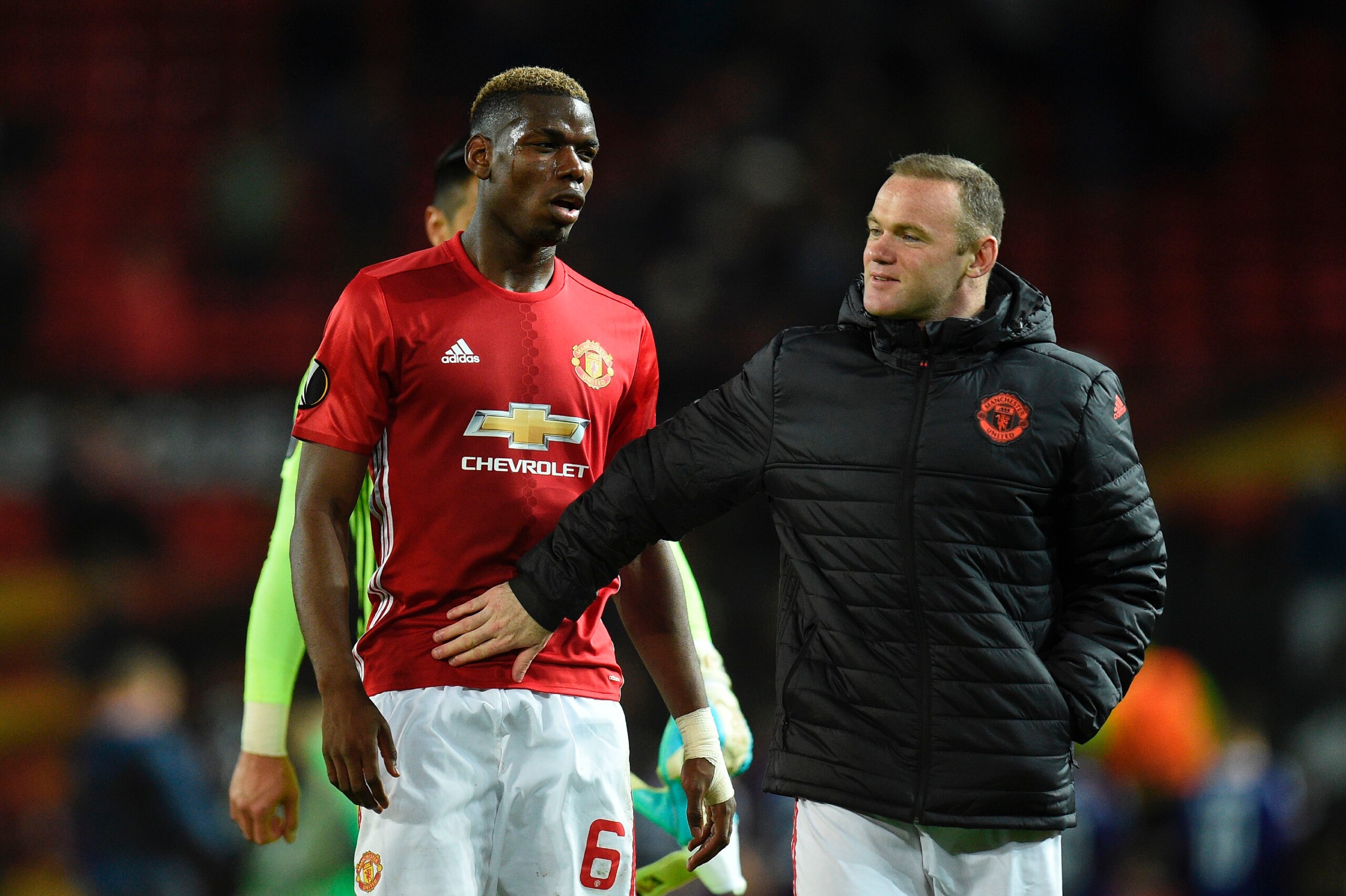
In a sense, the ranters are only doing an extreme version of what we hear, see and read from traditional media outlets every week.
Print journalists follow each other herd-like to vilify the same player before moving to a new target. The BBC's phone-in show 606 ("the nation's biggest football debate") puts fans on air to demand managers be sacked, stars sold and new players bought. Sky's long-running Soccer Saturday features retired footballers emoting as they watch matches on screens the viewers cannot see. Player X is having an absolute 'mare! Ref Y missed a stonewall penalty! Pundit Z's prediction was hilariously wrong!
But these shows lack the central emotional element that fuels the darker fan channels. Pankaj Mishra, author of Age of Anger, cites Nietzsche's concept of resentment to describe its essence: "A whole tremulous realm of subterranean revenge, inexhaustible and insatiable in outbursts."
There's also a political element. Most activist fans are probably on the left, but like plenty of Brexit and Trump voters, the angry fans see themselves as outsiders and rebels against the establishment.
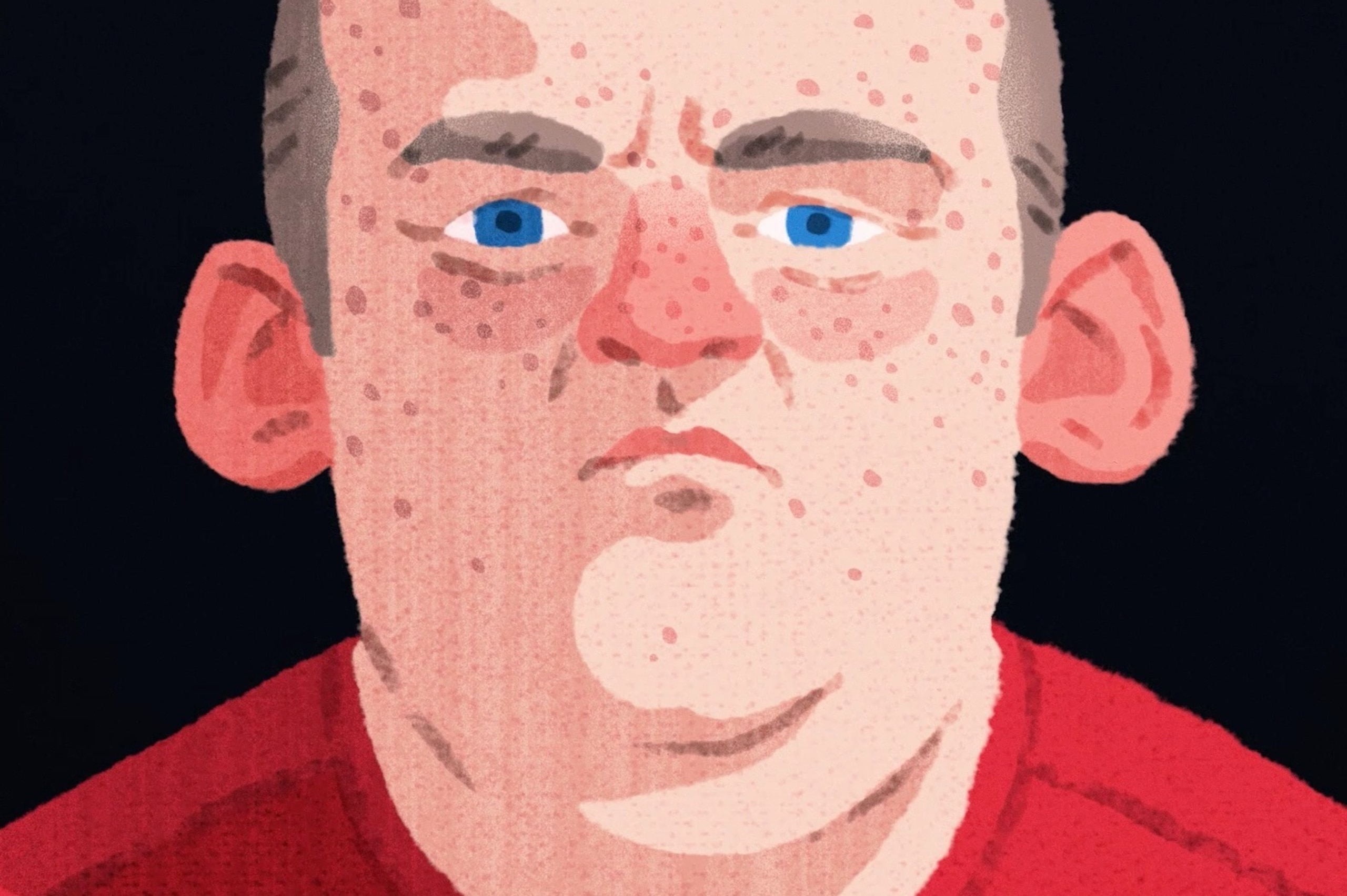
In his 1967 book The Revolution of Everyday Life, the Belgian situationist and philosopher Raoul Vaneigem seemed to predict the age of the ranting fan. Denied a leading role in anything, the "man of resentment," said Vaneigem, demands "the best seat in the spectacle" and "chews on the most insignificant information." But this anger is the opposite of revolutionary. It is reactionary and easily manipulated; the powerful give the powerless "successful men to hate" in order to serve their own interests.
The more fundamental issue is where this increasingly hysterical and poisonous fan discourse might be taking us. It's unlikely to be anywhere good. As Sir Richard Evans, the eminent historian of the Nazi period has warned: "One of the worrying things is the poisoning of political and public discourse through lies and insults. That's very similar to the early 1930s in Germany."
Without some measure of civility, civilization itself cannot function. Back in our small world of football, what happens when Rooney eventually stops playing?
Who will the Rooney haters find to hate next?
.jpg?w=2560 "Tyreek Deal May Come Soon")


.jpg?w=2560 "Ward Nearly Walks Out of Presser ▶️")