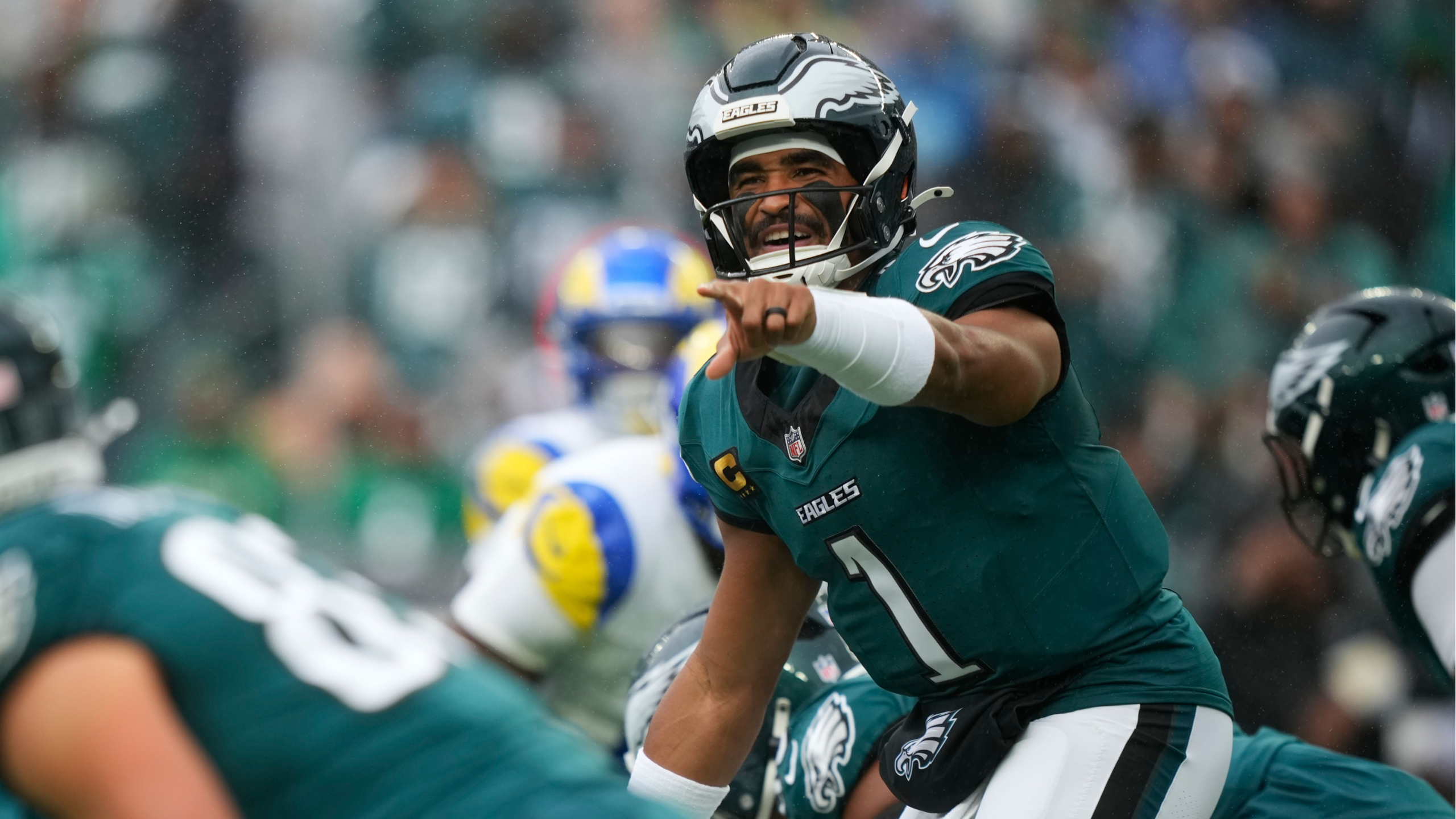
Brock Lesnar Will Be Drug Tested Before UFC 200, but Concerns Still Linger
At least one person close to the situation is weighing in on the decision to excuse Brock Lesnar from a mandatory drug-testing period so he can fight at UFC 200.
Mark Hunt, who will be Lesnar’s opponent at the event on July 9, isn’t thrilled.
“I think it’s rubbish,” Hunt told Fox Sports’ UFC Fight Week on Thursday. “I don’t think anyone should be exempt from testing. If they’re trying to clean the sport up this is a bad way to do it … I think he’s juiced to the gills—and I still think I’m going to knock him out."


Hunt is right to feel a little sore over the whole thing.
When the UFC announced last June it would enact stricter performance-enhancing drugs testing, one of the crucial aspects was the company’s partnership with the United States Anti-Doping Agency. Bringing the USADA on board lent the new program a whiff of legitimacy and provided a vitally important separation between the promotion and the testing.
In accordance, both entities were roundly cheered for their efforts.
Now that we know the UFC can bend the rules when it sees fit, it’s tough to feel quite so bullish.
But let’s not get hysterical. After Lesnar officially signed his new UFC contract, the company told Yahoo Sports' Kevin Iole that he will be "subject to all of the anti-doping rules" and has been "formally educated by USADA on the policy, procedures and expectations."
Iole indicated on Wednesday that the process is already underway:
So that all seems good and above board.
As for what Lesnar has been up to since walking away from the UFC back in 2011, we can only guess. He’s been under contact with WWE for much of that time and assumedly was subject to the wrestling promotion’s wellness policy. Lesnar, however, didn’t keep a full-time schedule with WWE, and it’s hard to know how much scrutiny he was paid while there.

What we do know for sure is that, generally speaking, the USADA demands that athletes planning to come out of retirement notify the agency four months in advance to allow for a proper period of drug testing before they compete.
Turns out, however, that the UFC has the power to circumvent that rule “in exceptional circumstances or where the strict application … would be manifestly unfair to an athlete,” via Iole.
In the organization’s view, those exceptional circumstances certainly applied to Lesnar.
"While conversations with the heavyweight have been ongoing for some time, Lesnar required permission from WWE to compete in UFC 200 and only agreed to terms and signed a bout agreement last Friday,” the UFC wrote. “He was therefore unable to officially start the Anti-Doping Policy process any earlier.”
And—let’s be honest—the UFC really, really wanted him to appear at its gala bicentennial.
You’ll note in the UFC’s statement no acknowledgement whatsoever of the notion that Lesnar might simply fight at a different event. If strict adherence to the USADA rule were required, he might have just fought at UFC 203 or UFC 204 a few months from now.
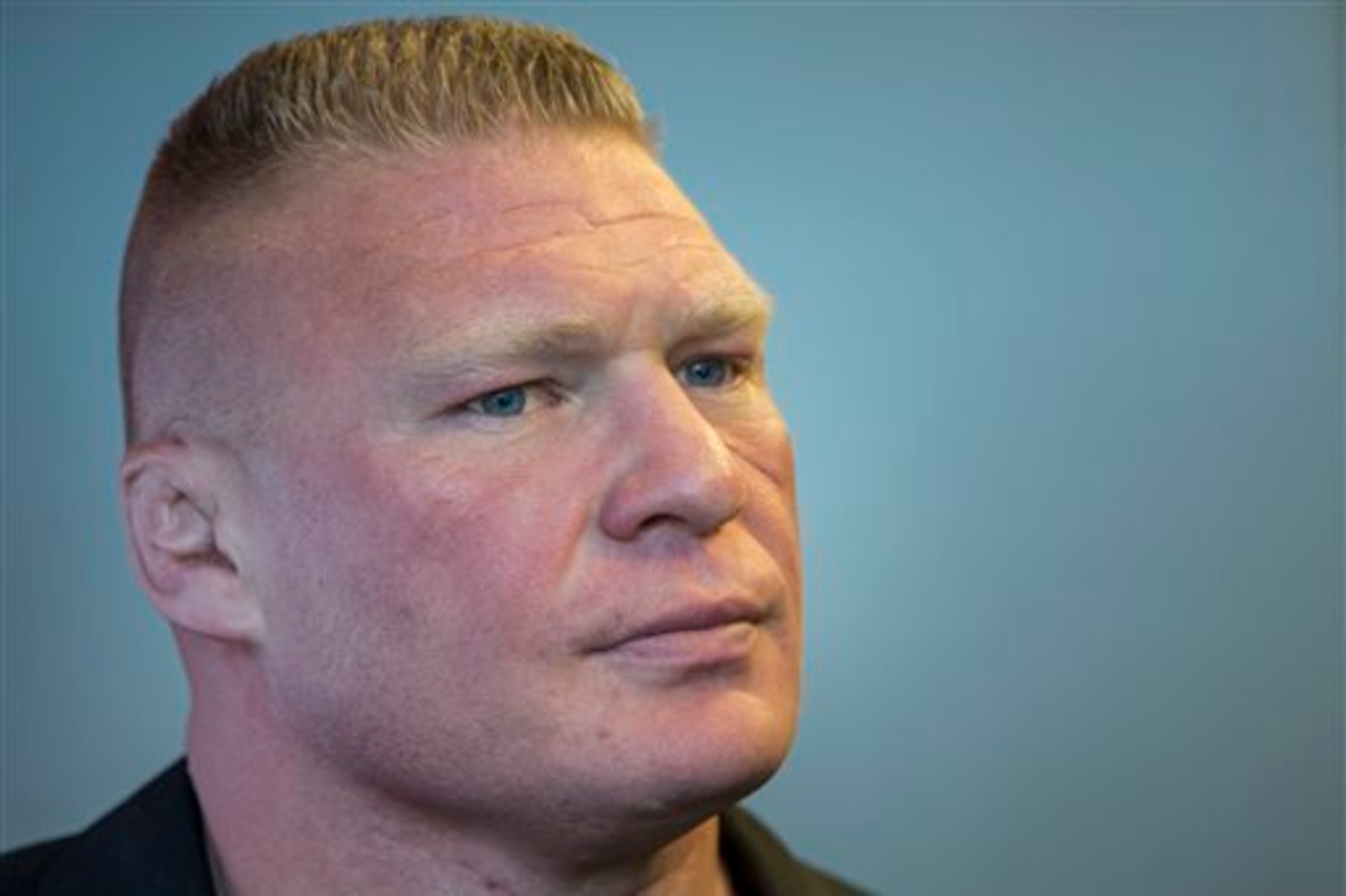
But UFC 200 is expected to be the promotion’s biggest card of the year and—now with Lesnar on the bill—maybe even its biggest event of all time. There’s a lot of money to be made by having the big fella there, and perhaps the added financial oomph of a spot on UFC 200 was instrumental in getting Lesnar to agree to return in the first place.
There hasn’t been any confirmation yet whether this comeback will be a one-time thing or if the former heavyweight champion will consider a full-time return to the Octagon. If it’s the former and Lesnar feels he’s got only a single bout left in him then, yeah, “exceptional” would definitely seem to apply.
Even the strictest anti-doping pundits must admit that.
Maybe not like it, but admit it.
Still, there’s something unsettling about knowing the UFC has the power and the willingness to suspend its own drug-testing rules if the money is big enough. As MMA Junkie’s Ben Fowlkes wrote this week, that just doesn’t seem right:
"The UFC should not be the one to decide when circumstances are “exceptional” enough to merit ignoring the rule ... That should be USADA’s decision. That seems obvious to me.
What we have here is a professional wrestler who is about to jump straight from that notoriously drug-fueled world and into this (let’s be generous and say formerly drug-fueled) world, and the one rule that’s designed to ensure he carries minimal baggage from one to the next is the rule that the UFC gets to decide to selectively ignore.
"
Which brings us back to Mark Hunt.
He’s the one, after all, who will have to go out there and fight whichever version of Lesnar shows up after just four weeks of USADA drug testing.
Fair or not, that could turn out to be a tall order.
Self-confidence notwithstanding.
"I don’t give a rat’s what you take,” Hunt said, “I’ll knock your face off, that’s what I’ll do. I’ll teach you for taking that s--t anyway.”


.jpg?w=2560 "NFL investigating 2 referees for separate viral exchanges")

.jpg?w=2560 "Report: Chiefs Contact Hill's Agent")
.jpg?w=2560 "OBJ Calls Out Giants 😳")
.jpg?w=2560 "Tyreek makes another cryptic post amid Chiefs rumors")