LeBron James Is Right: Not All Great Teams Win Championships
LeBron James knows what it's like on both sides of the line separating incomprehensible success and devastating failure.
Winning and losing multiple times on the biggest stage has given him a unique perspective on what NBA greatness really means—a perspective that's nuanced, informed by a wider breadth of experience than any player in recent memory.
"It'll make you forget," James says in a recent Uninterrupted video feature for Bleacher Report. "If you don't know the history of the game, you'll forget how many great teams didn't win championships. And that doesn't mean they weren't great."
TOP NEWS

LeBron's Special Helicopter Deal

MJ Makes Record-Setting Donation 🙌
'Over-Under' Predictions for Every NBA Team's Final 2026-27 Record
That was part of his reaction to watching the 2000 Western Conference Finals between the Los Angeles Lakers and Portland Trail Blazers, a series that showcased younger versions of Shaquille O'Neal, Kobe Bryant, Rasheed Wallace and Jermaine O'Neal along with prime or aging versions of Glen Rice, Robert Horry, Arvydas Sabonis, Ron Harper, A.C. Green, Steve Smith, Scottie Pippen and Detlef Schrempf.
That Lakers team won 67 games during the regular season. Portland won 59 and fell in seven games to the eventual purple and-gold champs in that series.
James was just making a small point, mostly about the quality of this particular Blazers team and how failing to get past those mighty Lakers didn't mean Portland was a Capital "F" Failure. At the same time, James also highlighted the remarkable perspective his peak-and-valley-riddled career has given him.
Greatness Is In the Eye of the Beholder
Whether it's entire teams or individual players, the definition of NBA greatness often depends on the experiences of whoever's doing the defining.
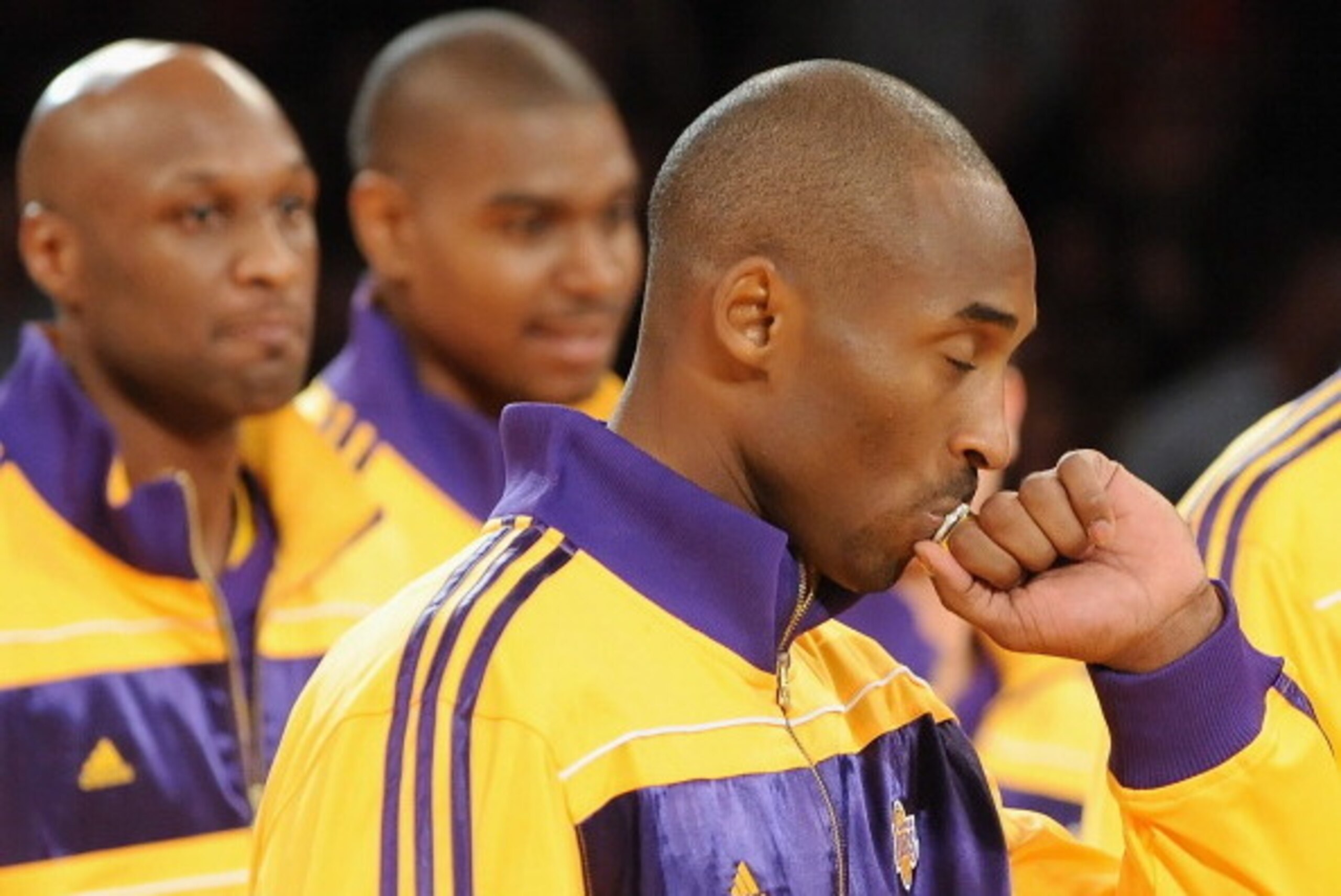
In 2013, Michael Jordan justified picking Kobe Bryant over James with some simple championship math: "If you had to pick between the two, that would be a tough choice, but five beats one every time I look at it."
James has two championships now, but by Jordan's calculation (and those of a great many observers who share his ring-centric view of greatness), Bryant remains comfortably ahead. No surprise, then, that Kobe agreed with Jordan's assessment.
"I don't understand what the big hype is. It's real. It's real talk. I mean, we're in it to win championships, period," Bryant told Justin Termine and Sam Mitchell of SiriusXM's Off the Dribble (via the Los Angeles Times).
That's one side of the greatness debate (as it pertains to players anyway). Karl Malone occupies the other.
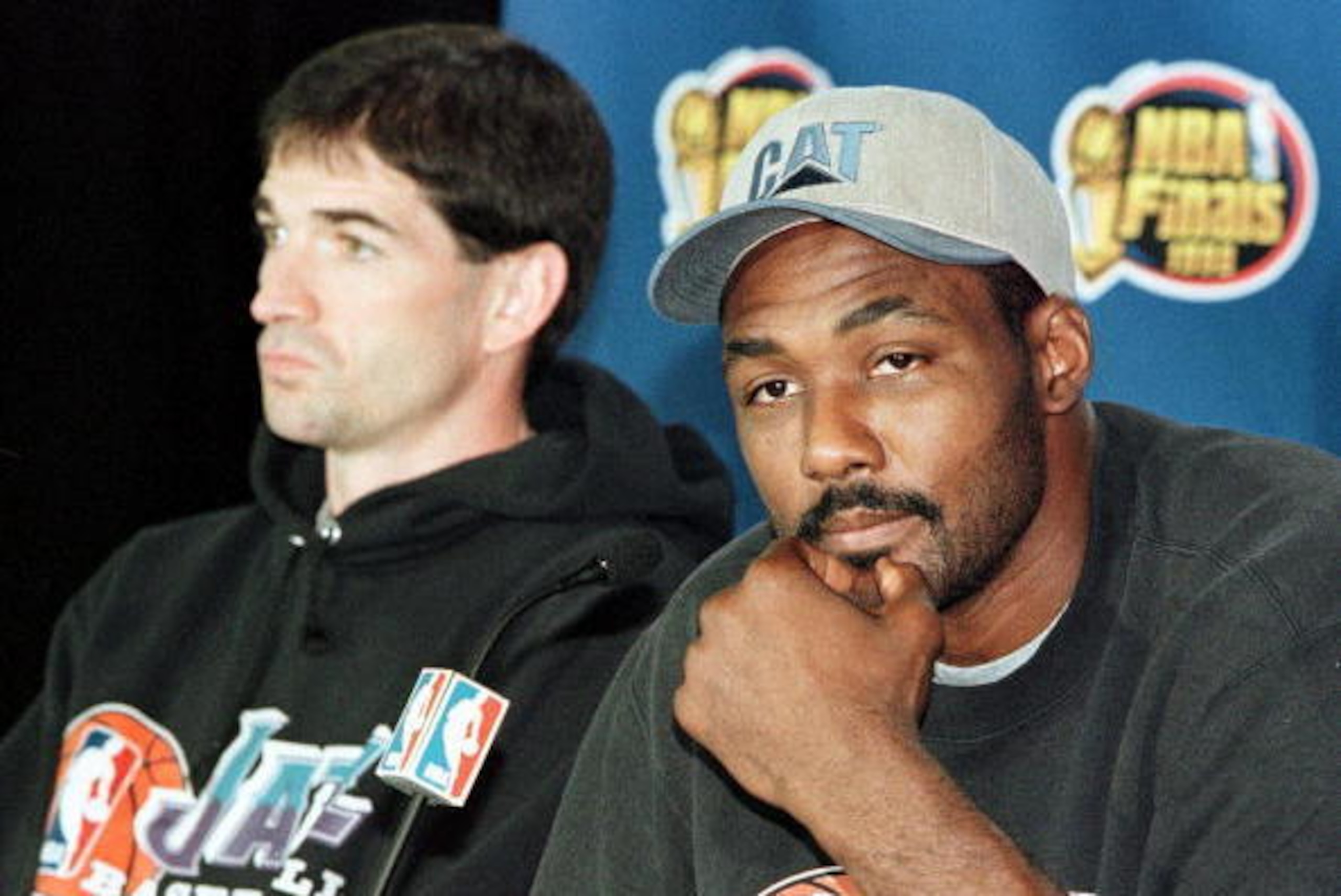
In his retirement announcement, Malone, arguably the greatest player to never win a championship, expressed regret about never finishing the season with a title. But he also said: "People talk about rings? I have six rings. They're my wife and kids."
Funny how falling short of the ultimate goal lends perspective, isn't it?
Jordan, Bryant and Malone are examples of how both sides are biased—and a little self-serving. Of course players with rings would define greatness that way. And of course players without them wouldn't.
James' opinion resides somewhere in the middle, and it's particularly compelling because he's walked in both worlds. He probably wouldn't have it if he'd come up in an organization like the Lakers, where championships were expected. Or if he'd collected rings in his first two trips to the Finals.
He has his pair of titles, and he might be the best player we've ever seen. But he's also lost in the Finals four times, including his first two visits to that stage. He's glimpsed the mountaintop on an almost annual basis for the past few years, but he's learned the hard way that there are unavoidable, uncontrollable obstacles blocking the final steps of the ascent.
James has been on his share of great teams that didn't win championships.
Not Champions, Not Forgotten
His 2008-09 Cleveland Cavaliers went 66-16, but they lost in the Eastern Conference Finals to the Orlando Magic. His 2013-14 Miami Heat ran into the buzzsaw that was the San Antonio Spurs in the Finals, falling in five games. Toss in Finals defeats to the Dallas Mavericks, Golden State Warriors and Spurs (again), and you've got a brilliant resume dotted with conspicuous failures.
Leaving James behind for a moment, there are plenty of other examples of great teams that didn't finish the drill.
Gary Payton's Seattle SuperSonics were a 64-18 squad but couldn't get past MJ in the 1996 Finals.
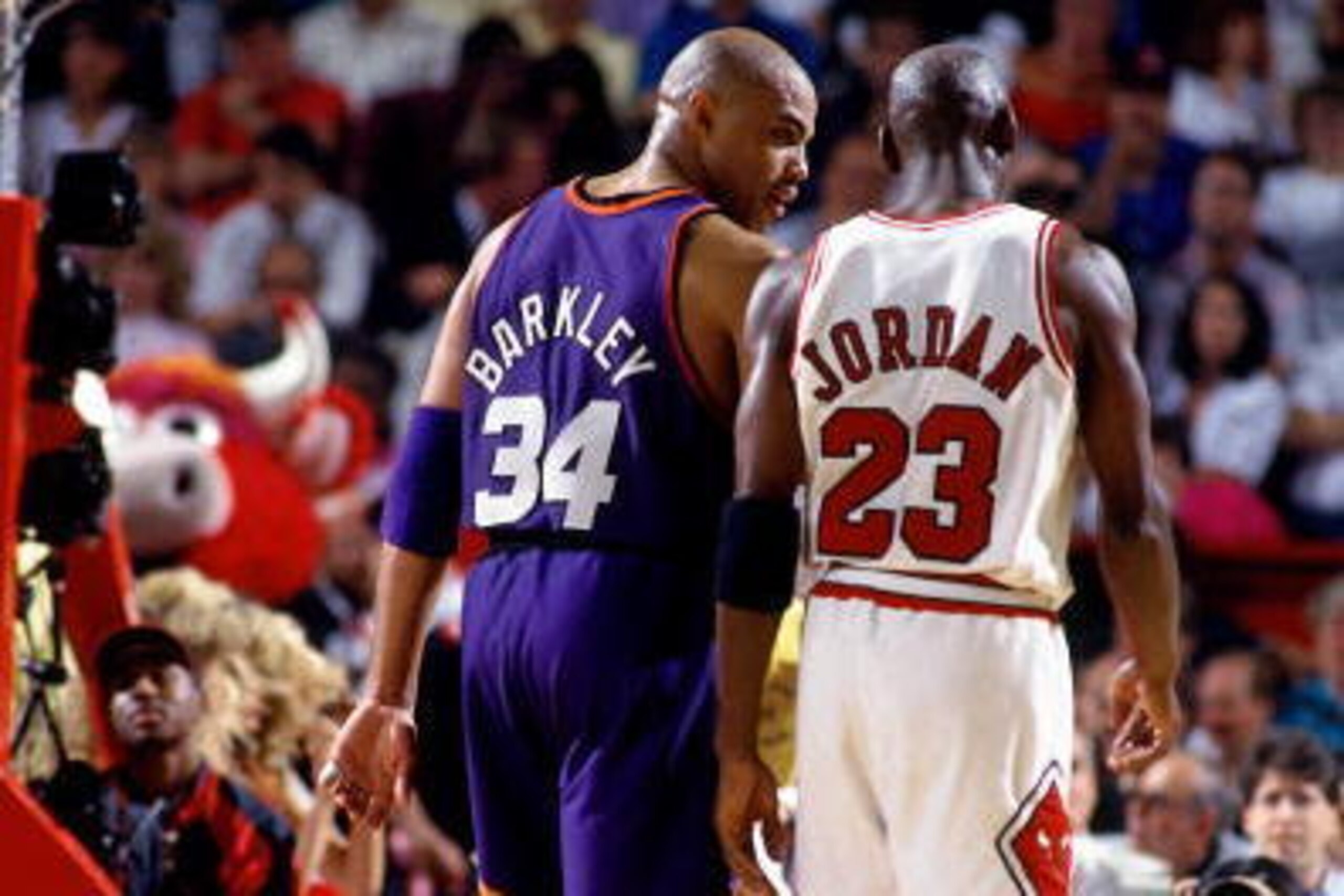
Charles Barkley's Phoenix Suns won 62 games in 1992-93 but ran out of gas against Jordan in the Finals as well.
What about the 2001-02 Sacramento Kings, a team that won 61 games with some of the prettiest offense in memory? They fell in seven games to the Los Angeles Lakers in the conference finals.
The list goes on.
And the longer you study it, the more you realize fickle factors like timing, injury and pure luck have influenced championship results.
James lived through the most recent reminder of that fact. His Cavs lost Kevin Love in the first round of last year's playoffs, then saw Kyrie Irving go down in the Finals. Worse still, James and his remaining teammates ran into a historically great Warriors team in that series.
Who knows how that series would've played out if a few things broke differently? Irving seemed convinced that the result wouldn't have been the same.
And you can play that asterisk game forever. The Oklahoma City Thunder made the NBA Finals in 2012 but then saw their next three very viable title shots ruined by injury. If Malone didn't sprain his MCL in 2004, maybe he would've won that elusive ring with the Los Angeles Lakers.
Maybe Steve Nash's Suns would've gotten past the Spurs and cruised to a championship in 2007 if Amar'e Stoudemire and Boris Diaw didn't get suspended for (just barely) leaving the bench in Game 4 of the Western Conference Semifinals.
The toughest opponent for most would-be champions isn't the team on the other bench. It's pure, unsentimental luck.
Heed the King
We want to believe the NBA is a straight meritocracy. That its annual champion is inherently, intrinsically worthier than every other team striving for the same goal. It's part of what makes sports a good escape from the real world—the winners and losers are clearly defined.
It's simple.
The best team often wins. Anyone studying the stats from last year would agree that the Warriors were the class of the league for virtually the entire 2014-15 season. Their triumph had a justice-was-served feel to it.
But the truth James alluded to in his initial comments also has to be acknowledged: Sometimes, there's more than one great team vying for a prize that can't be divided up. And while we should absolutely still celebrate the teams that come out on top (otherwise, what's the point?), we have to do it while understanding that falling short of a title doesn't mean falling short of greatness.
Follow Grant Hughes on Twitter @gt_hughes.

.jpg?w=2560 "Grading WWE Raw 🔠")

.jpg?w=2560 "Viral Rams Coach Vid 🖕")