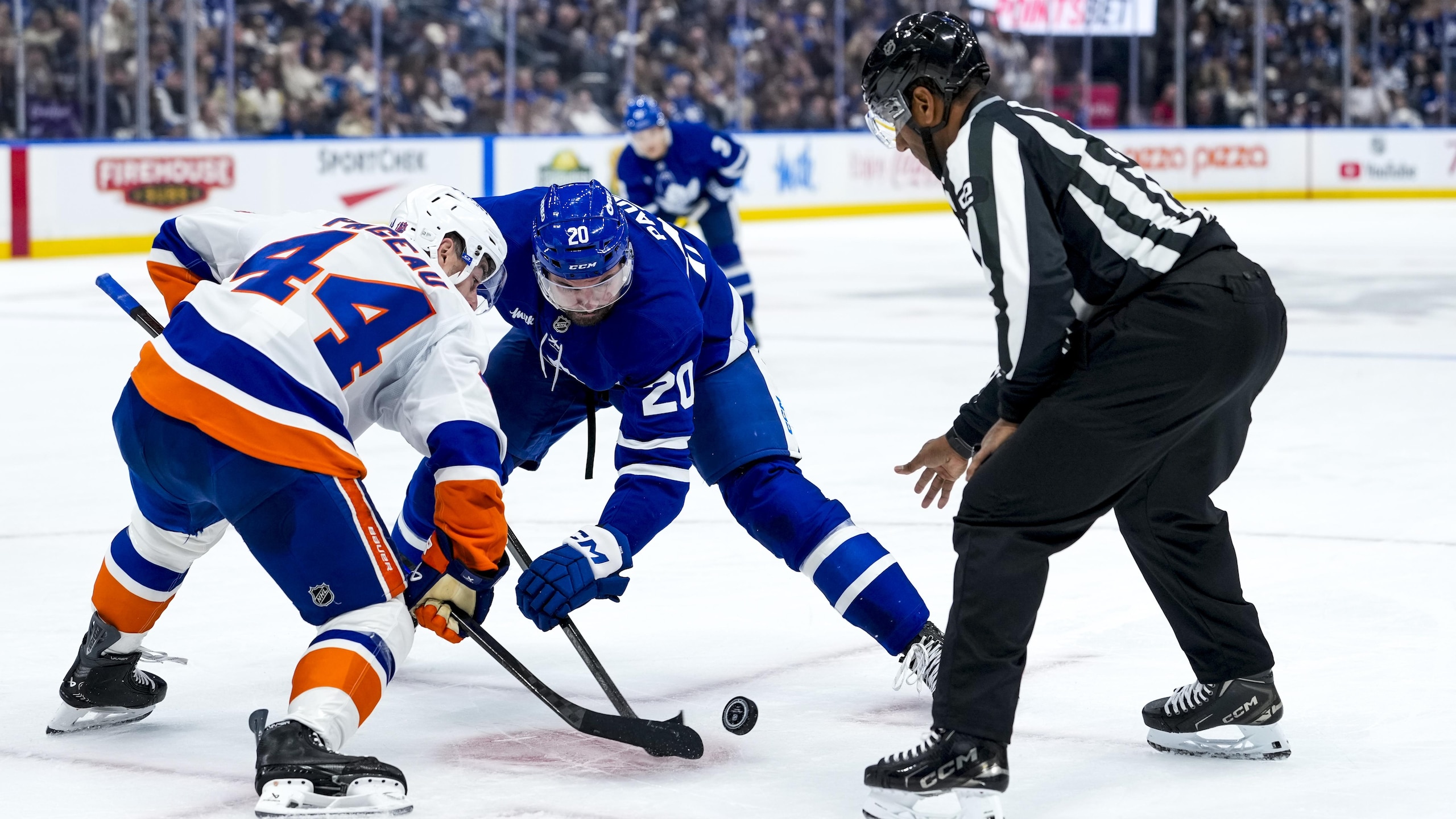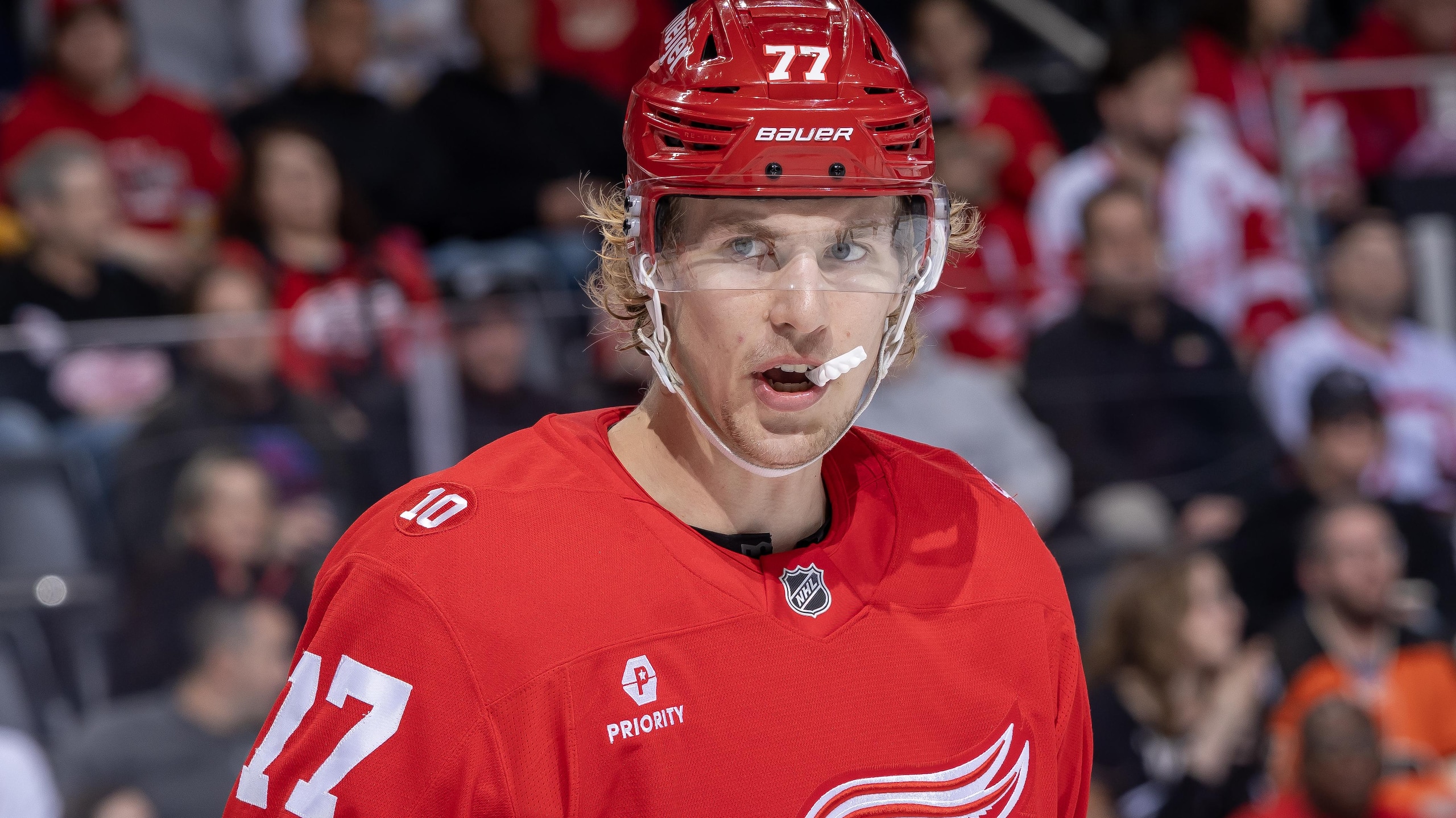


We've all seen the discourse stirred up by Simon Edvinsson's trade request. But the situation has also brought other trains of thought into the station, including—how would we select the 2021 NHL draft class now?
With a re-draft you're not selecting solely based on skill set, but factoring in team need as well. Still, sometimes a team's situation means that the best player available is far more needed than someone who fills the gap in their roster than fans or front office staff may fixate on.
We've also got a significant benefit of five years of hindsight; that's five seasons and some change, counting what we've seen so far this year, many of those seasons spent in different leagues at different levels of hockey.
Even so, often in a re-draft one player rises to the top, and 2021 is no different.
1. Buffalo Sabres: Wyatt Johnston, Center
1 of 10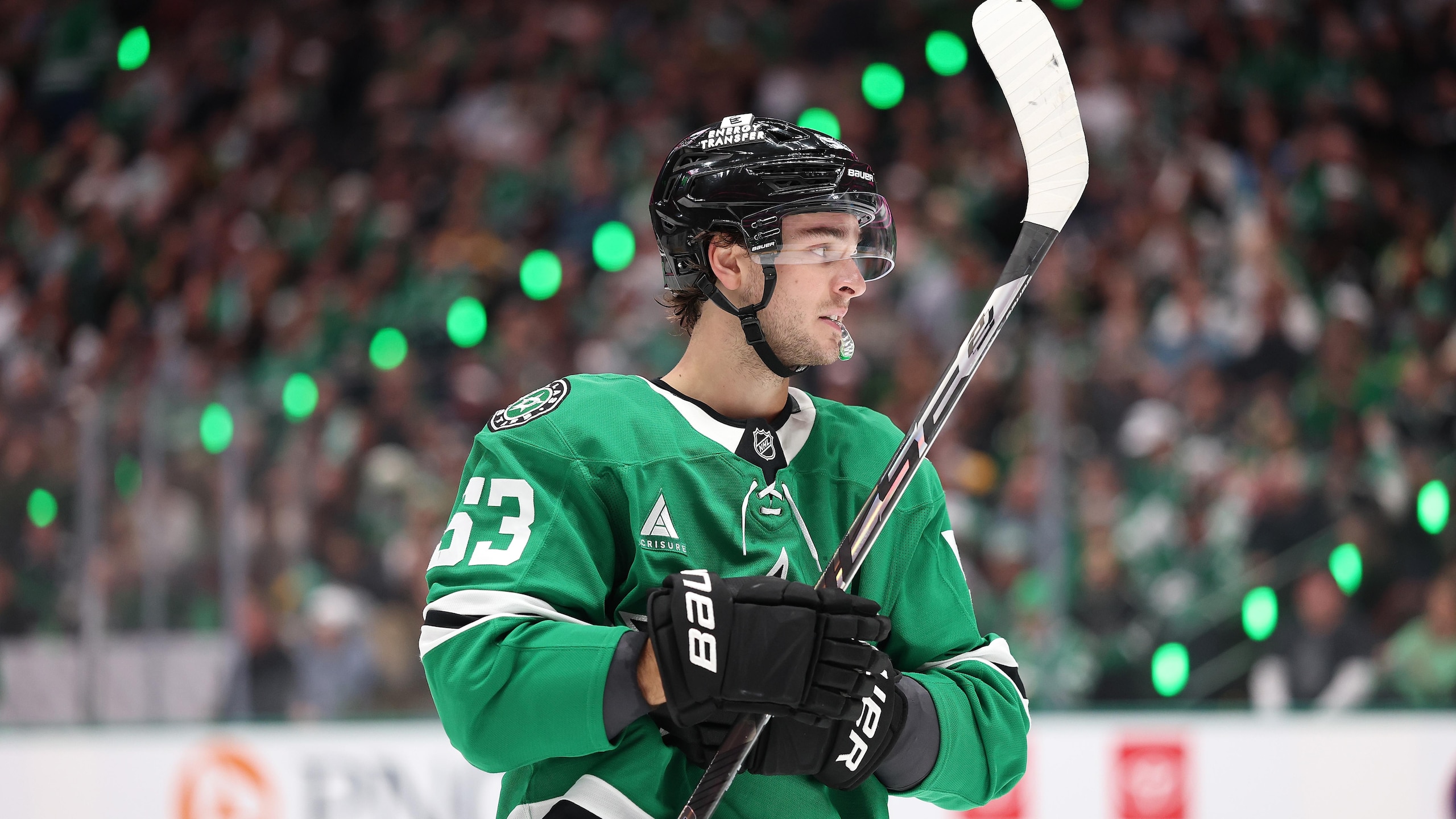
Original Selection: Owen Power
Obviously there was no other choice for our re-drafted first overall pick than current Dallas Stars center Wyatt Johnston. The Buffalo Sabres initially selected a defenseman (Owen Power, still a member of the team), but were not in a place in 2021 to turn out a highly-skilled center, either. Johnston being the standout of the class became apparent so quickly after he made his NHL debut; more importantly, that has remained true over the years since.
If we're looking solely at points scored (not always the best singular method, as context is key, but obviously important), Johnston tops the list of 2021 drafted players easily with 283 points in 348 games. He also easily clears the points-per-game list with 0.813. So why wasn't he picked first overall at the time? He missed his entire draft season in the OHL. Hard to get a good read on a guy when you only see him in seven tournament games.
Would drafting Wyatt Johnston have singlehandedly fixed all of the Buffalo Sabres' problems? Of course not, But it's hard to deny that it would've given them a much-needed boost at the time.
2. Seattle Kraken: Matty Beniers, Center
2 of 10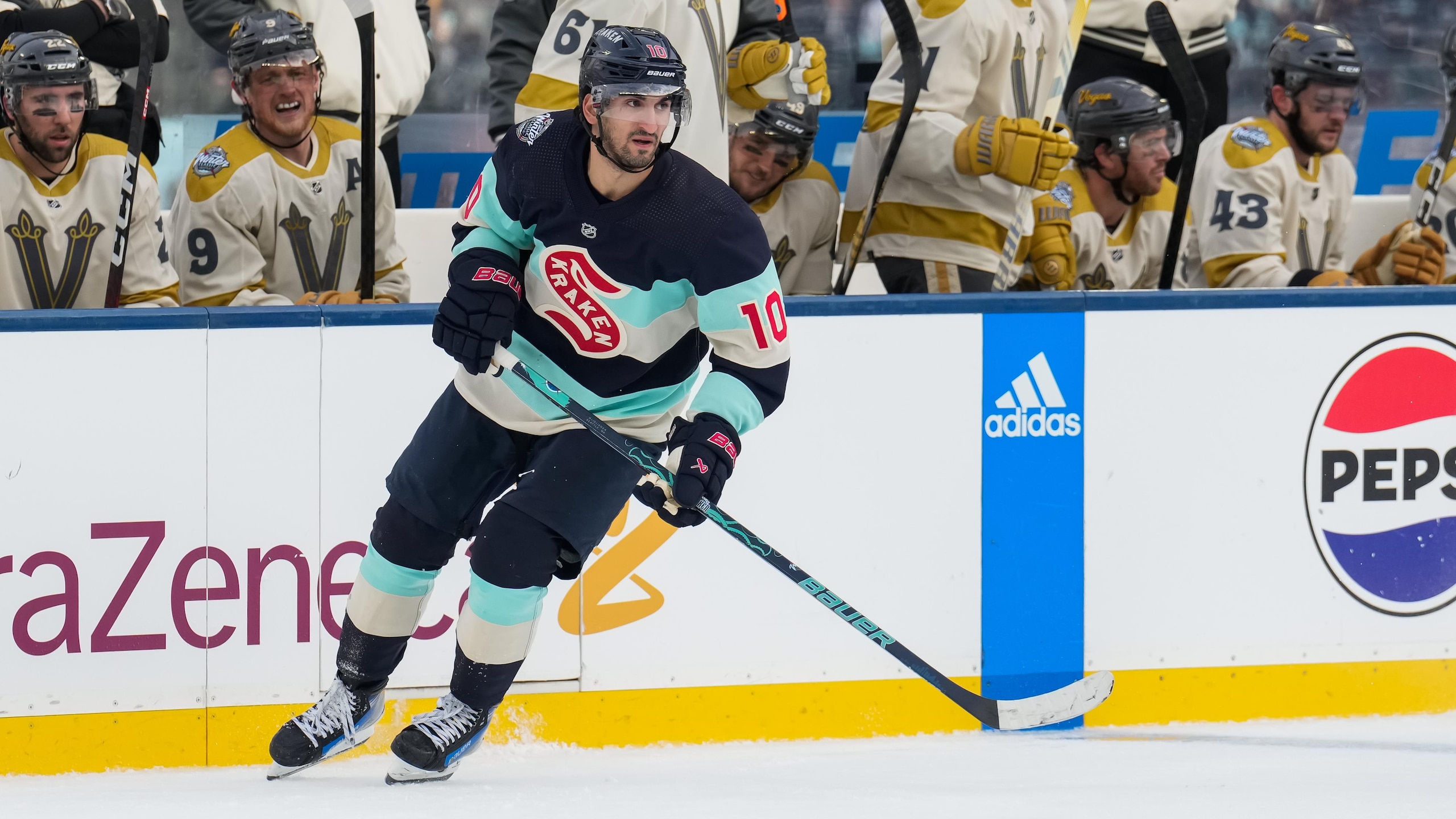
Original selection: same
Much like it's difficult to argue not drafting Johnston first overall, it's also difficult to find a convincing argument for pulling center Matty Beniers out of the second overall slot. The Seattle Kraken have undoubtedly underperformed in the intervening years, but their lack of success does not negate the fact that Beniers is a highly skilled and reliable player.
There are other players you could make an argument for picking in this spot; Beniers kicked off a drafting trend of the Kraken taking oh-so-many centers and it's an interesting thought experiment to consider what might've changed if they'd taken a defenseman, for example. The next few players on this list fall into a very similar tier talent-wise. Defenseman Simon Edvinsson and winger Matthew Knies are both excellent picks in a vacuum, and if this were a ranking they might jump Beniers on the list.
But because it's a re-draft, as a tiebreaker, consider who you'd pick if you were building a team from scratch, knowing that this is only your first pick. My gut says Beniers because he's a solid, defensively-gifted center with more scoring capability than we've seen in our universe, so here we are. It's a foundation that should've been built on differently than it has.
3. Anaheim Ducks: Simon Edvinsson, Defenseman
3 of 10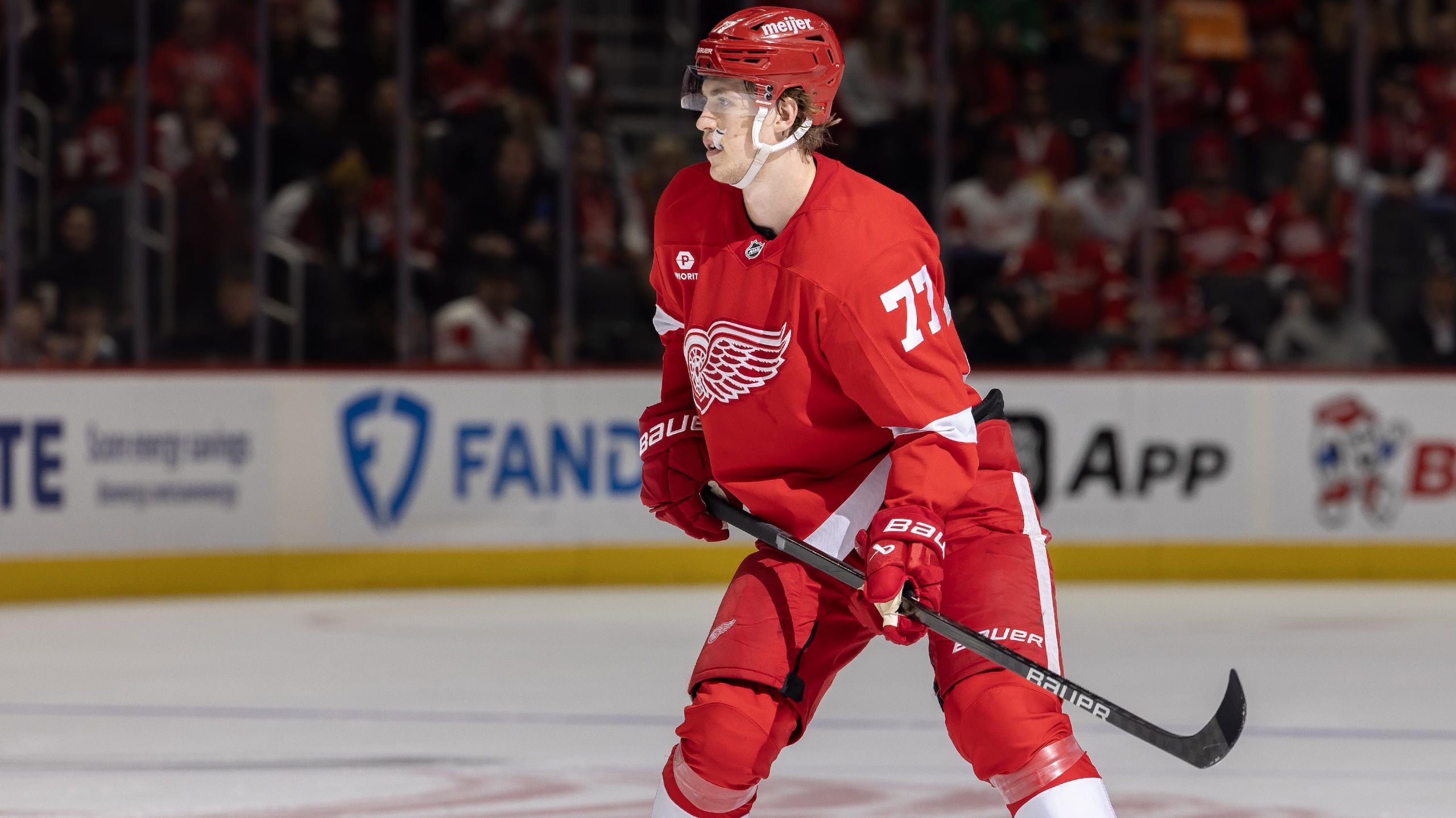
Original selection: Mason McTavish
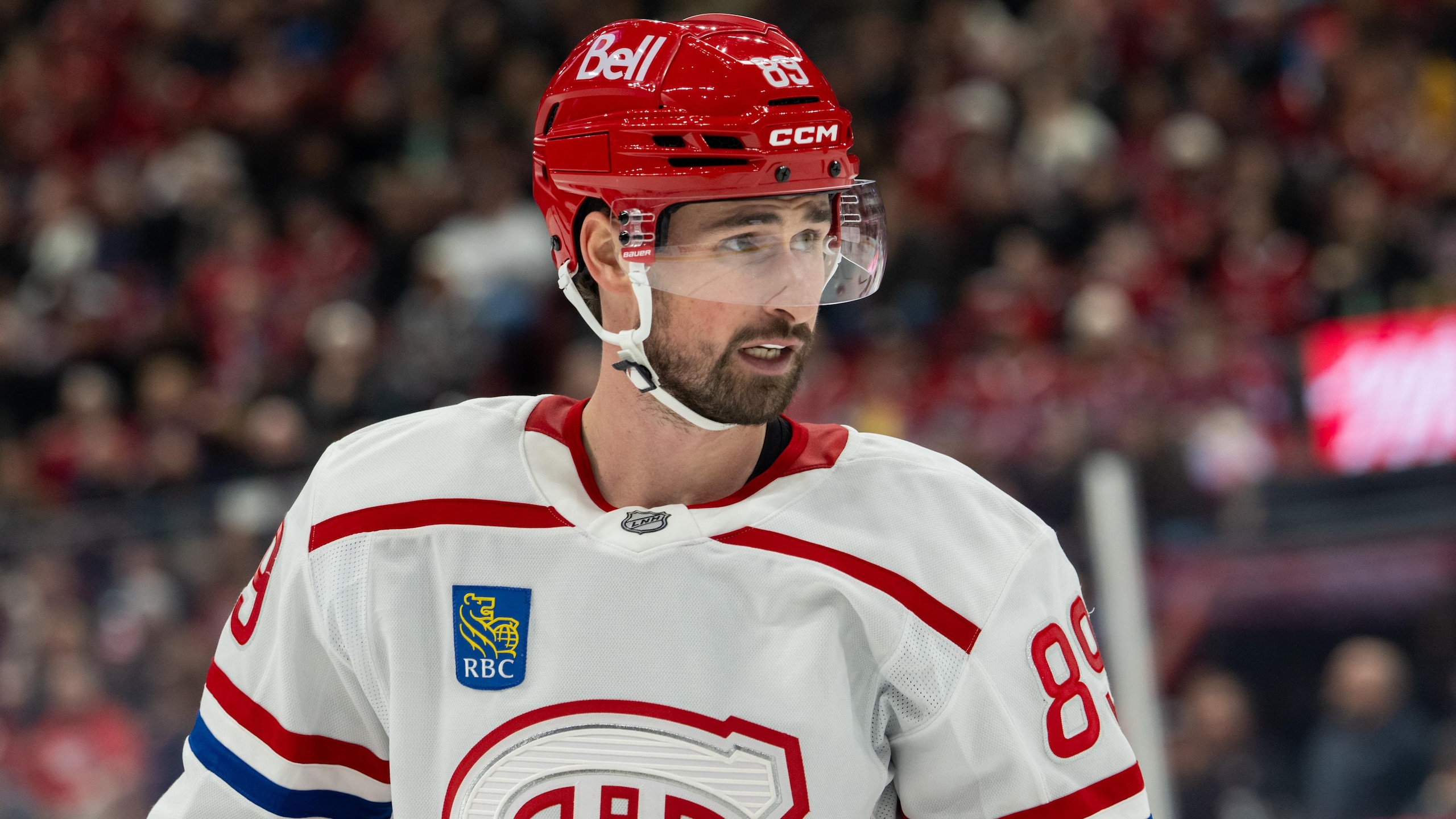
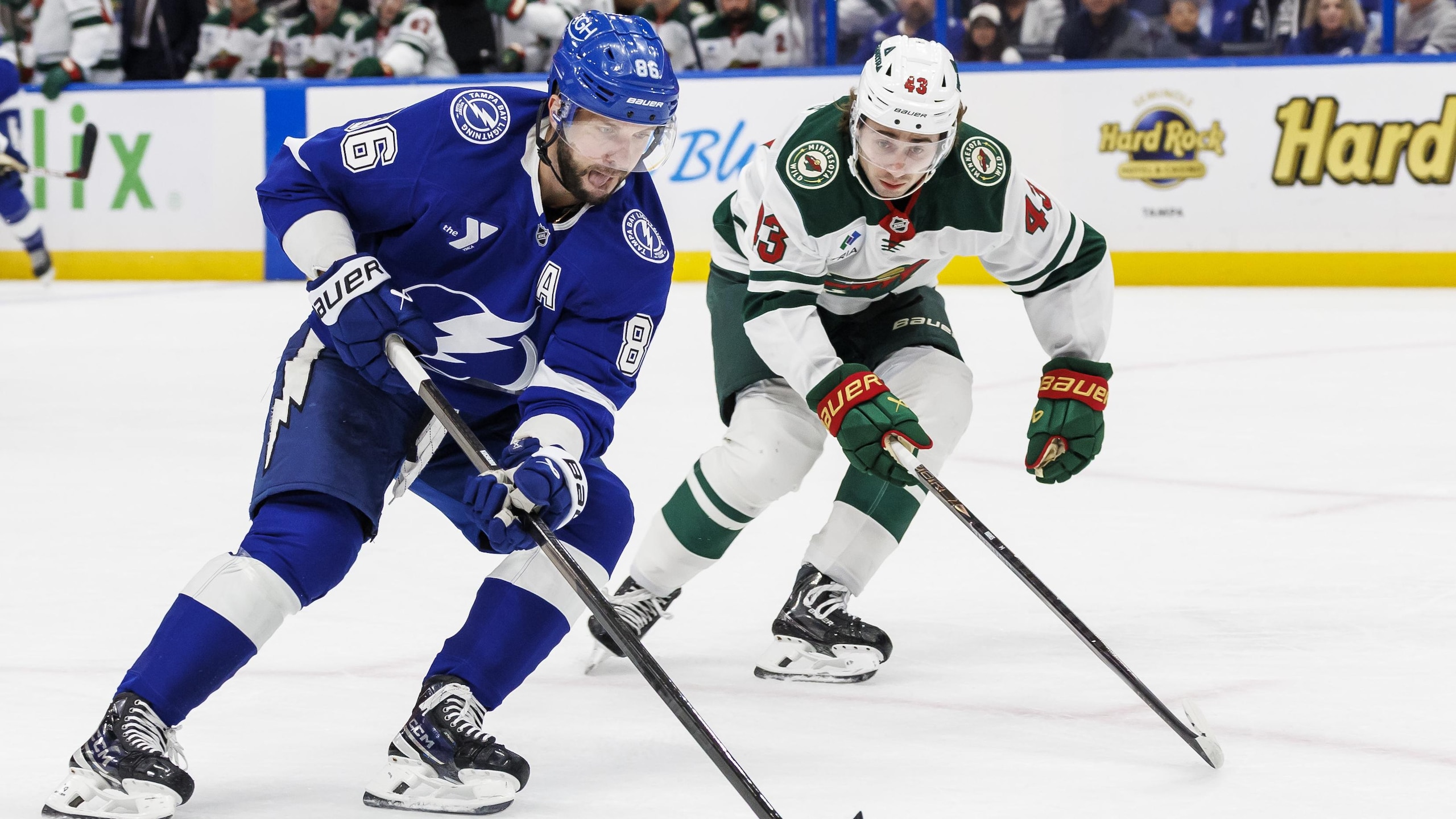
Ah, the man who started the conversation. Let's get this out of the way: Simon Edvinsson's trade request is not a product of him thinking too highly of himself.
He is highly skilled. One of the foundations of his game was creative, extremely active playmaking. Because he was young and had the puck a lot, that didn't just show up as high-event, it showed up as high-mistake. It happens.
With time, though, Edvinsson has refined his game, growing into his skill set and adapting to his opponents. His decision-making has improved as he's shed many of his less-effective on-ice tendencies, becoming a player who contributes at both ends of the ice.
If the Detroit Red Wings weren't completely going through it they'd have a great defenseman on their hands. In this universe it's the Anaheim Ducks who have that blessing, and who would've ended up taking defensemen with both of their highest picks that year (the other being Olen Zellweger, who would eventually be traded to the Buffalo Sabres).
Whoever gets him in our world at the end of the day has a mobile, agile, two-way defender coming their way.
4. New Jersey Devils: Matthew Knies, Left Wing
4 of 10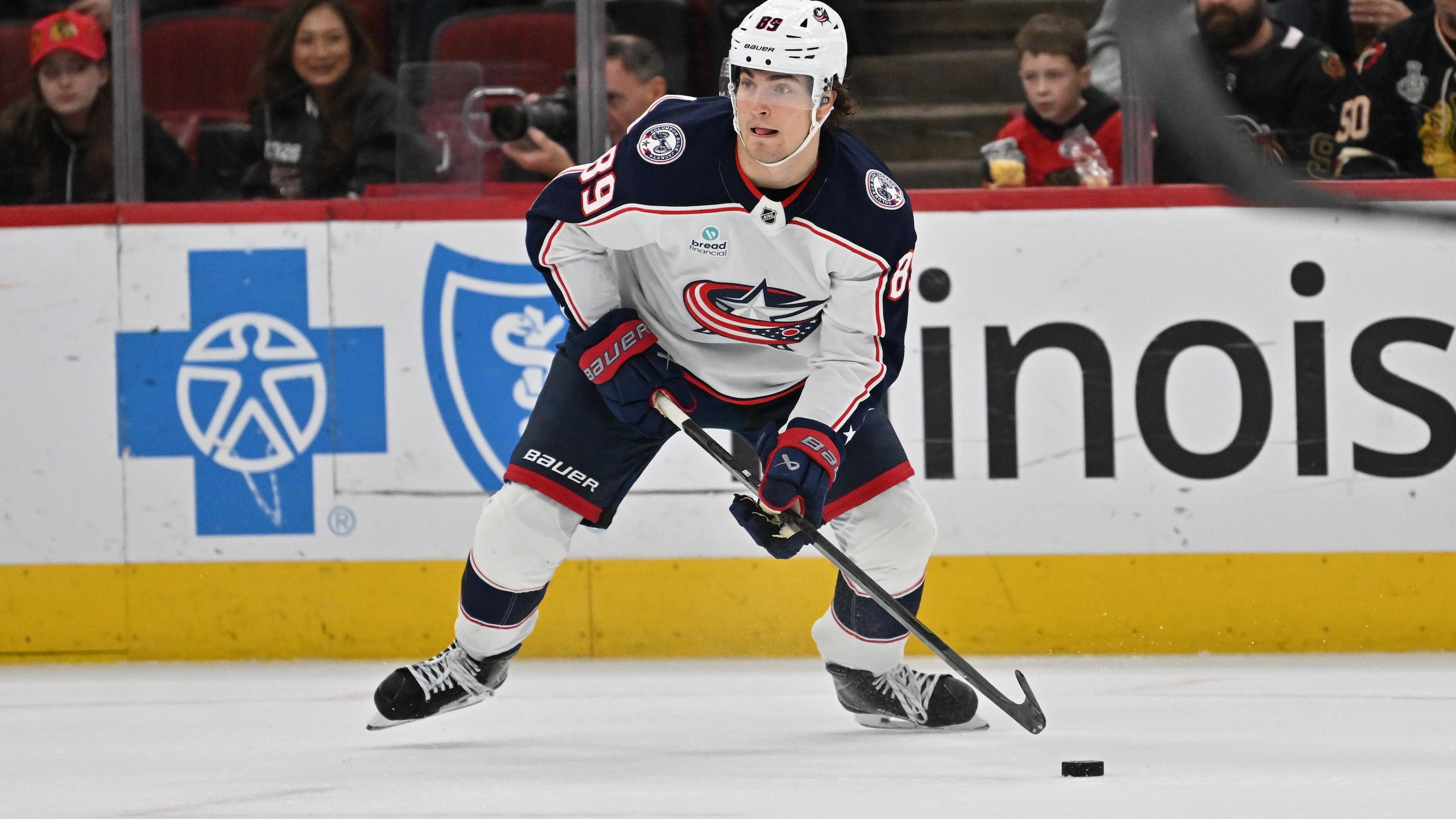
Original selection: Luke Hughes
Left wing Matthew Knies would've served the New Jersey Devils far better than defenseman Luke Hughes overall, but particularly at fourth overall. Since the Toronto Maple Leafs traded him the day before the season opened, Knies has scored 14 points in 21 games with the Columbus Blue Jackets, including a recent key goal against the Leafs. He's definitely more someone who is going to complement elite players better than driving play himself—which is why he's the perfect choice here.
Imagine Knies with Jack Hughes. Imagine Knies with Nico Hischier. He's very good at anticipating what his linemates are going to be doing and where they'll be, and he's an excellent playmaker and puck retriever. The thought of pairing his skill set with either one of theirs is extremely appealing, and frankly would've given the team much more of a boost than Luke Hughes on defense. Hughes is one of those players I outright admit that I got wrong in his draft year; I overrated his abilities and how they would transfer to the NHL, and I wasn't the only one either. Knies, conversely, was underrated by many people in both the public and team sphere.
5. Columbus Blue Jackets: Dylan Guenther, Right Wing
5 of 10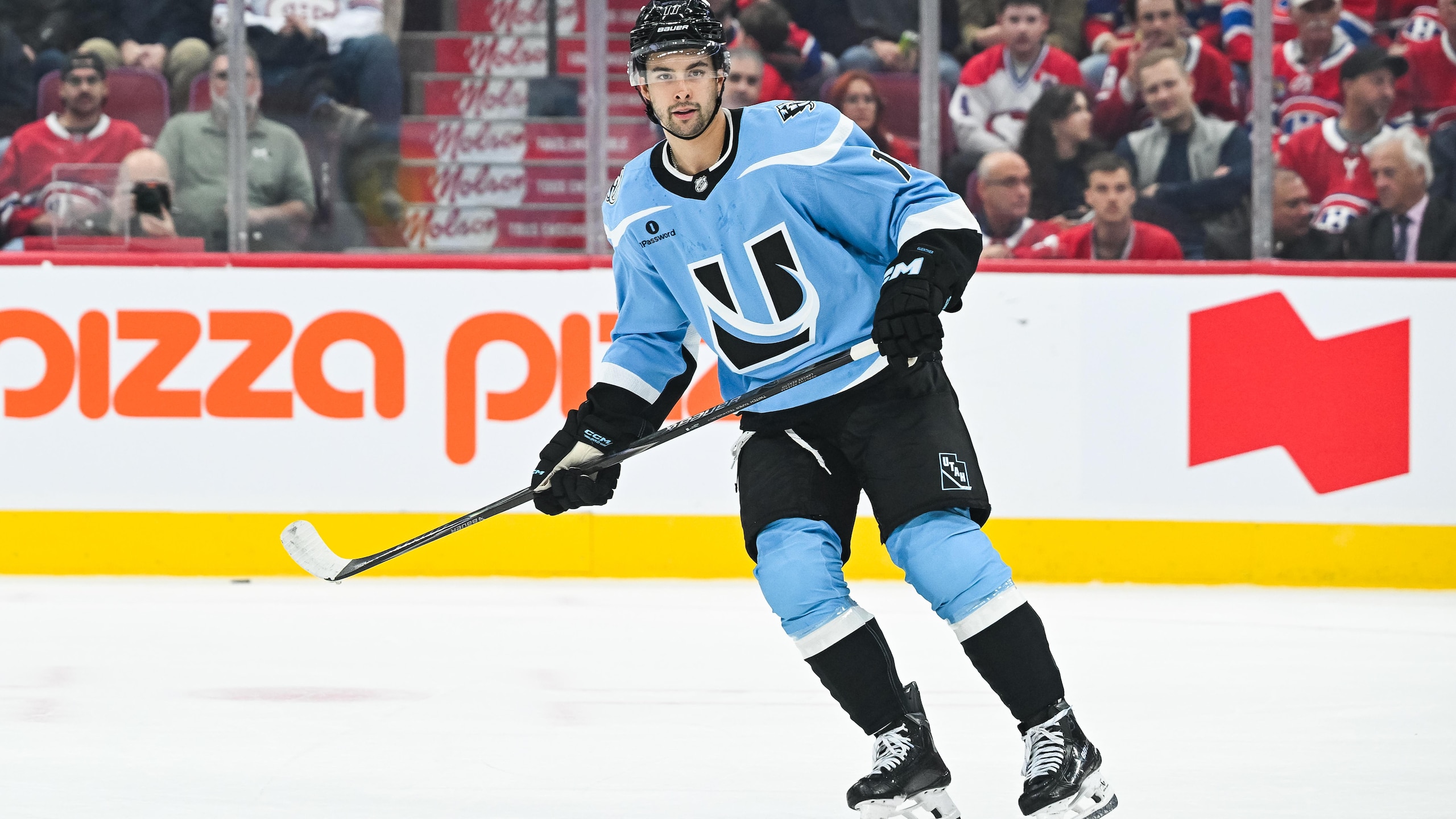
Original selection: Kent Johnson
Zero shade whatsoever to Kent Johnson, who is still a solid NHLer and has just been passed by other players from the 2021 class, but Dylan Guenther has really surprised me. At the time of his draft year I knew he'd be valuable, but I did not necessarily expect him to be so consistent and durable. The guys ahead of him on this list are only there by virtue of their individual skill sets being less easy to acquire elsewhere, and better for the teams in question. There are absolutely arguments to be made for Guenther to jump higher on this list.
In this universe where he is selected by the Columbus Blue Jackets it is a no-brainer to say that the aforementioned consistency and durability would've served the Blue Jackets better than Kent Johnson. His game hasn't really changed much since his WHL days, but the key is that it hasn't needed to; he's found success by sticking to what he's good at. And what he's good at is keeping it simple, getting to the net and finding good shooting opportunities on offense and ensuring that he is in the right spot to shut down opportunities on defense, night in and night out.
6. Detroit Red Wings: William Eklund, Left Wing
6 of 10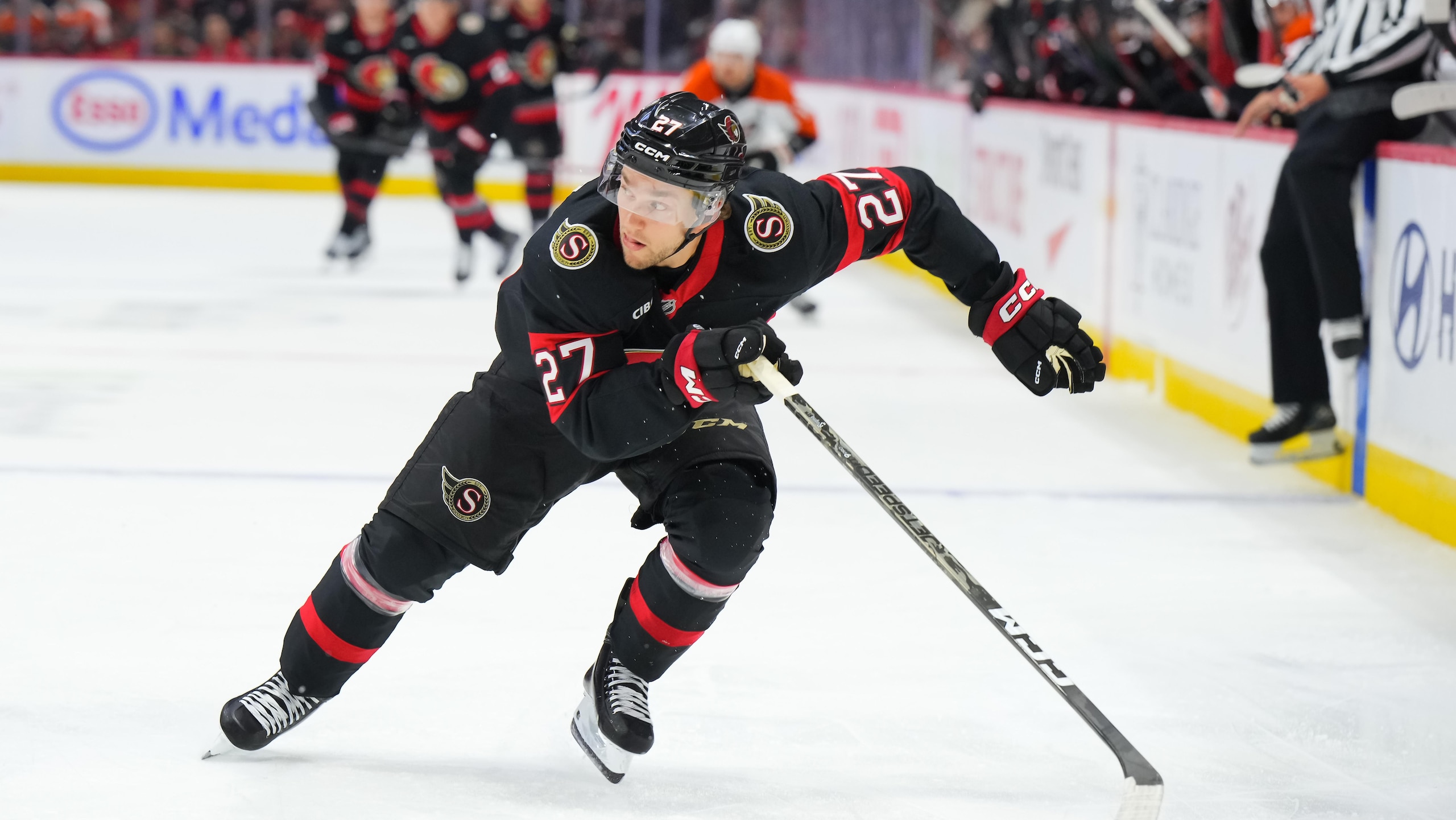
Original selection: Simon Edvinsson
While his development was a slower one than some other players on this list, left wing William Eklund—traded at the NHL Draft in June from the San Jose Sharks to the Ottawa Senators, though he's currently out with a serious ankle injury—has definitely turned out to bring first-round value every time that he steps onto the ice. He did that by refining areas of his game that were already strengths and addressing weaknesses (his skating, for example).
What would his career look like now if the Detroit Red Wings had drafted him instead of defenseman Simon Edvinsson? Would Eklund be the player asking for a trade now, or would he have managed to find a place to fit? The Red Wings take prospect development slower (when they do it), so perhaps the longer runway Eklund required would've been a better fit here. His intelligence is nothing to sneeze at, and he's a great playmaker. He might not evade defenders the way that we hoped in his draft year, but he's found ways to use his hockey sense to drive play and minimize how much of a concern that lack of manipulation can be.
7. San Jose Sharks: Owen Power, Defenseman
7 of 10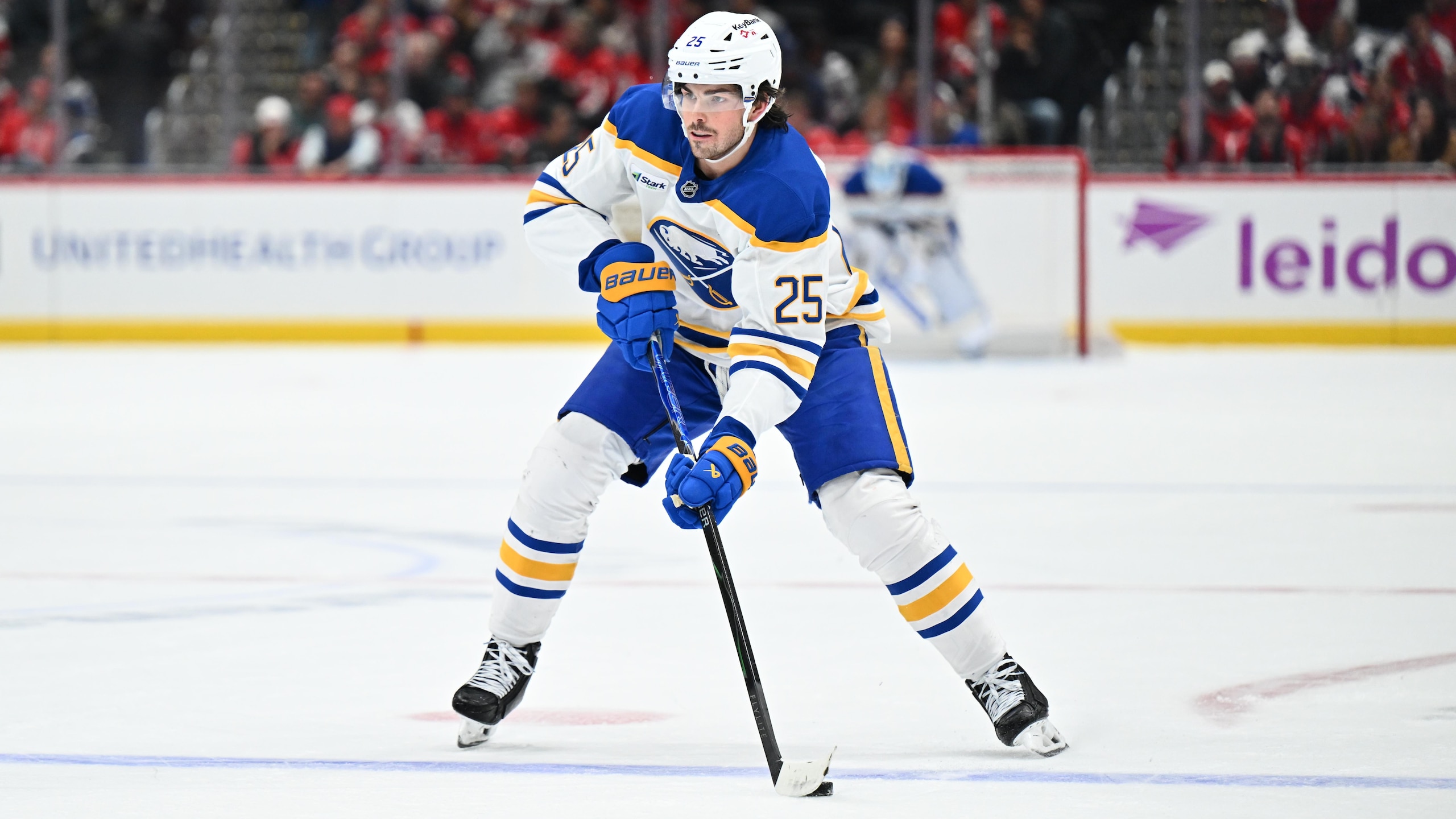
Original selection: William Eklund
With Eklund already off the list, this pick was an intriguing puzzle piece to try and select. The middle of this top ten feels more like a tier than a strict ranking in terms of talent, so even more than usual this pick leans on fit and team need. Selecting Owen Power, the real-life first overall, was a no-brainer when looking through that lens.
Power is such a reliable, rock-solid defender that a team can grow around. He's gotten outpaced by some others in this draft class, but the last few seasons in particular have really seen growth from him when it comes to imposing his will on the flow of the game, driving play at a high level and developing his anticipation even further. Everyone wants a defenseman they can utilize like a forward until they actually try to do so; Power is a player where you can take that opportunity in certain situations and not worry as much about the outcome.
It's fascinating to imagine what the San Jose Sharks' rebuild would look like right now if they'd gotten Power instead of Eklund. It's not that Power is a better player (though their point totals are inching closer together with Eklund 8 points ahead right now), but that he fills a very different kind of role. How different would things be if they'd acquired Power in 2021, several years sooner than drafting Sam Dickinson in 2024?
8. Los Angeles Kings, Mason McTavish, Center
8 of 10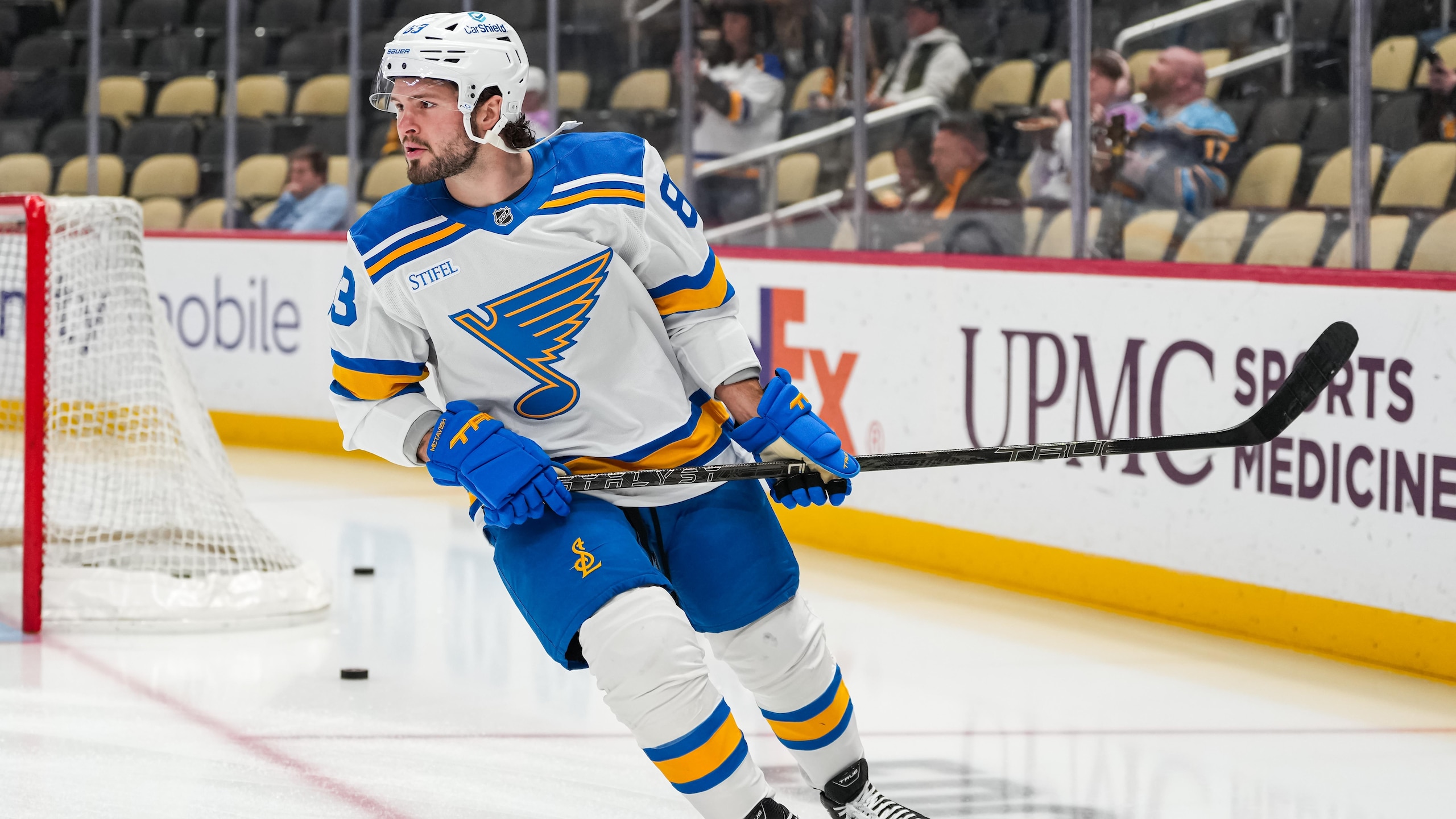
Original selection: Brandt Clarke
While he wasn't as much of a reach as some high picks, Mason McTavish was probably not third overall material even at the time. Here at eighth feels about right; anywhere from about eight to thirteen seems fair in a vacuum. When we're taking team needs into consideration, it's an interesting mindset shift to take the Los Angeles Kings from selecting a defenseman to a center. They obviously fill very different needs. But every team needs more centers (unless you're the Seattle Kraken).
McTavish hasn't really lived up to his draft year hype and it's for several of the reasons that concerned me at the time; were his playmaking abilities going to translate to the NHL, and was he going to be a strong, annoying checking force? The answer to both of those questions was closer to no than yes. That being said, he's still an effective player; he just hasn't figured out his identity yet. Maybe a different team and different development environment would change that and he'd be forced to identify and utilize his strengths sooner than later.
9. Arizona Coyotes: Brandt Clarke, Defenseman
9 of 10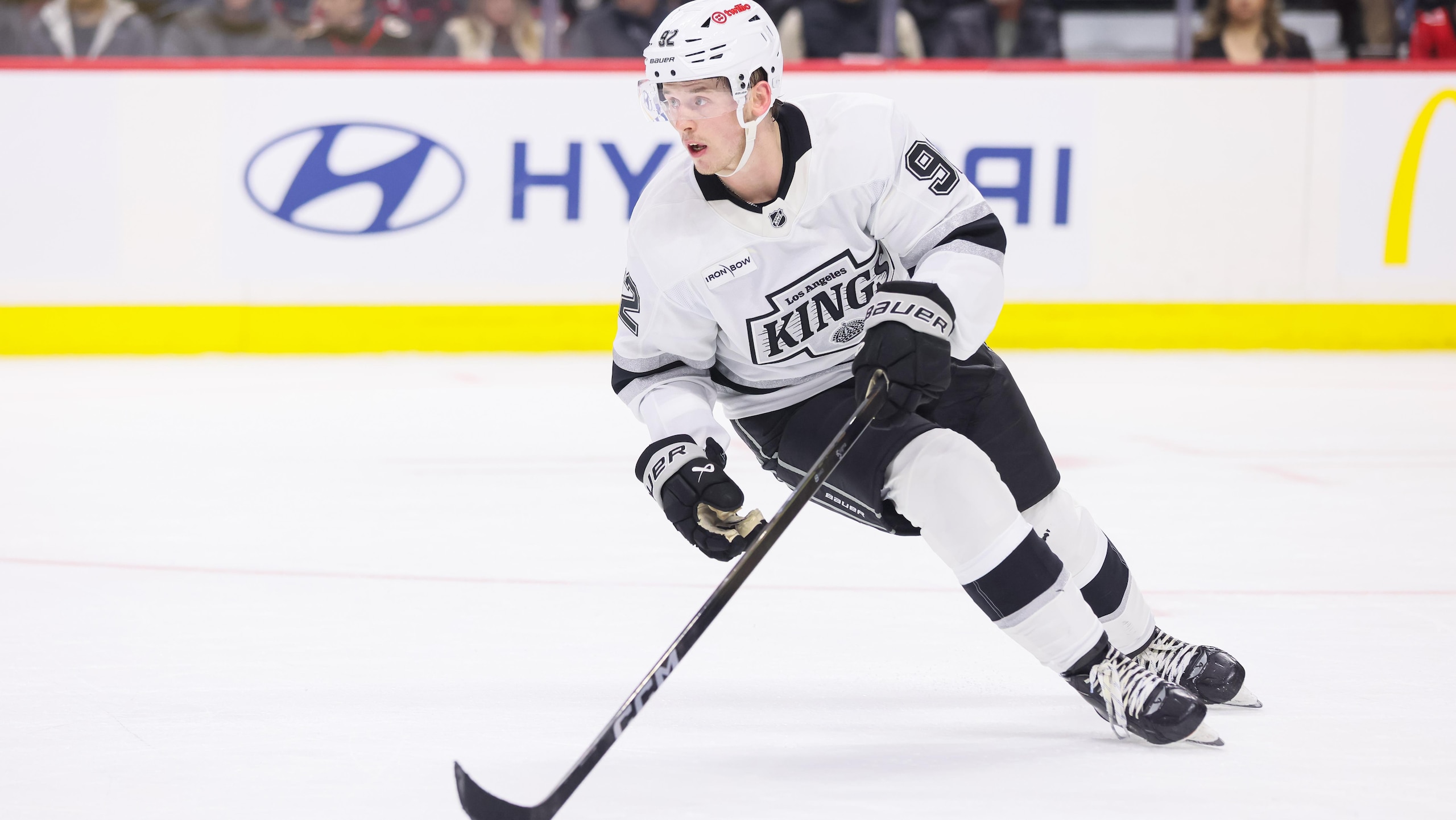
Original selection: Dylan Guenther
The artists formerly known as the Arizona Coyotes and currently known as the Utah Mammoth initially selected Dylan Guenther with this pick. He's long gone off the board. Who to select?
Brandt Clarke is such an interesting and intelligent player, and it's easy to pronounce that with the state of the Coyotes at the time, he would've gotten more NHL games more consistently and sooner than he did with the Los Angeles Kings. And that's such a double-edged sword. One of the biggest concerns about Clarke was his skating at the time; he doesn't really have the best technique. But that was also the loudest concern; discussion of his consistent activation and deception were just as loud, as he looked like a player who would anchor a power play for a long time.
We're really starting to see that these days with the Kings. The question in the air is whether that would remain true if he'd been thrown into the Coyotes (and then the Mammoth) as a development environment or if his skating might've undermined him more. Whether or not the franchise would've been good for him, though, Clarke would've been an excellent add for the franchise.
10. Ottawa Senators: Logan Stankoven, Center
10 of 10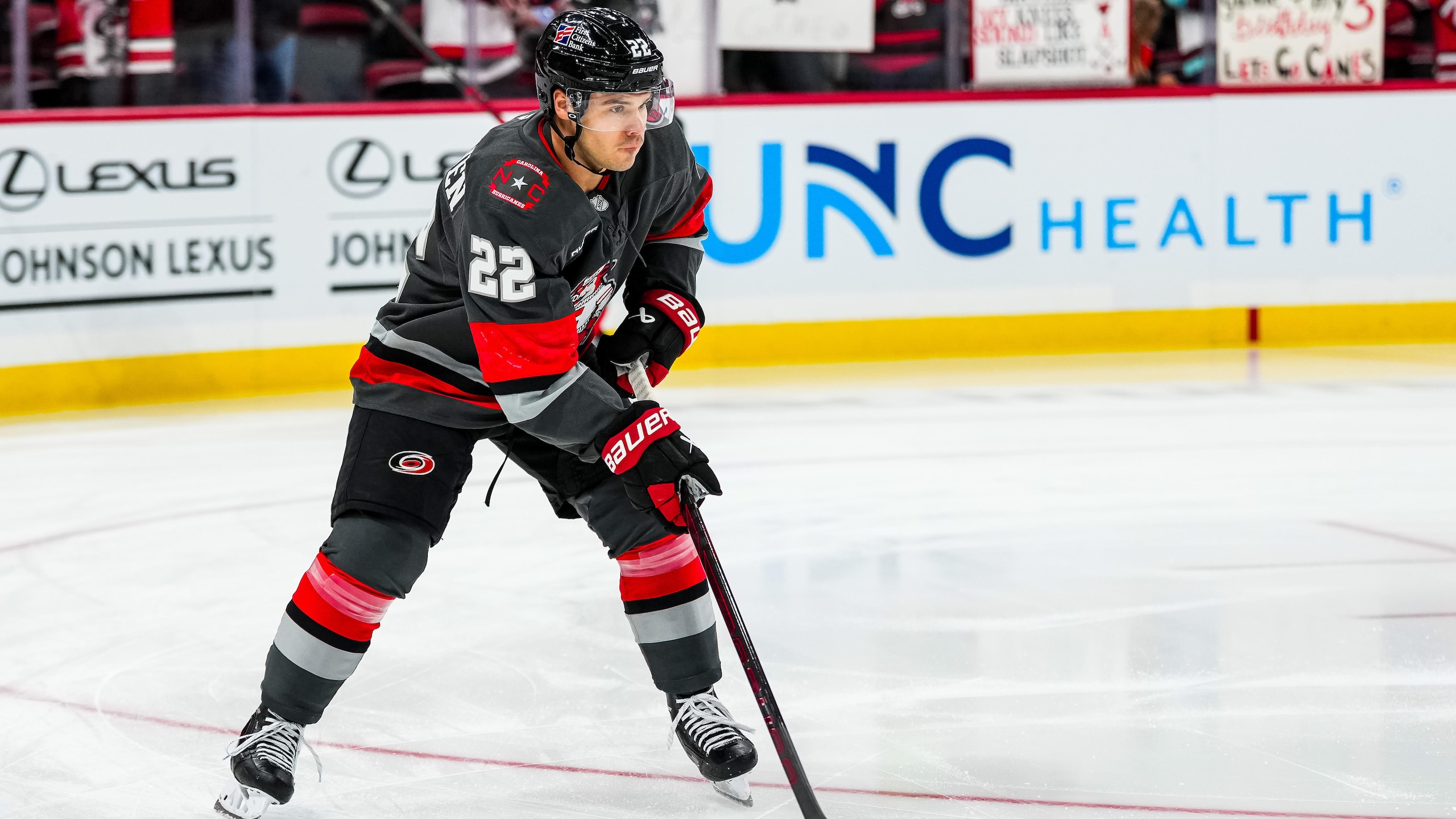
Original selection: Tyler Boucher
Current Carolina Hurricane and recent Stanley Cup Champion Logan Stankoven, originally a Dallas Stars draft pick, was obviously overlooked for size reasons. Thank god we have the benefit of hindsight to confirm that his size did not, in fact, end up being a problem. When looking at this draft, Stankoven could honestly go anywhere from here at 10th overall to about 15th, but when taking team need into account—well, the original pick, Tyler Boucher, has only played two NHL games.
The Ottawa Senators were reaching selecting Boucher at 10th at the time—this wasn't a true bust situation per se—so a better comparison would be someone like Kent Johnson, who we did briefly consider for this spot, or the next few players on the list like Cole Sillinger or Matthew Coronato. Decent arguments could be made for any of them, but in the end Stankoven felt like the right choice for two reasons: his relentless, never-quit motor and the fact that he's able to impact play at nearly every turn, refusing to keep the puck on his stick too long and doing everything but sticking to the perimeter. A guy like Stankoven is a really useful tool to have in your metaphorical belt.