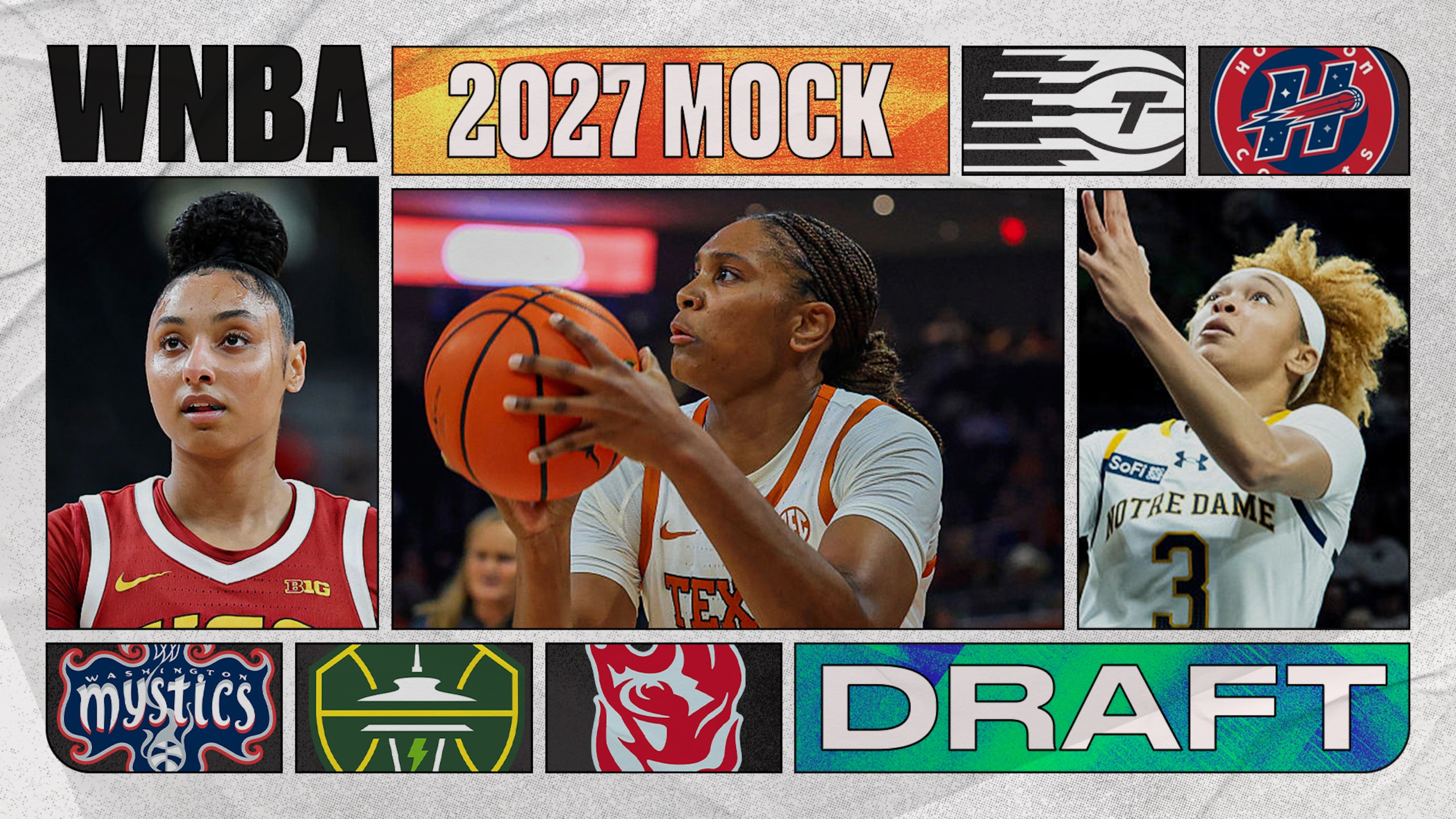

2027 WNBA Mock Draft Predictions after Toronto Tempo Wins JuJu Watkins Lottery
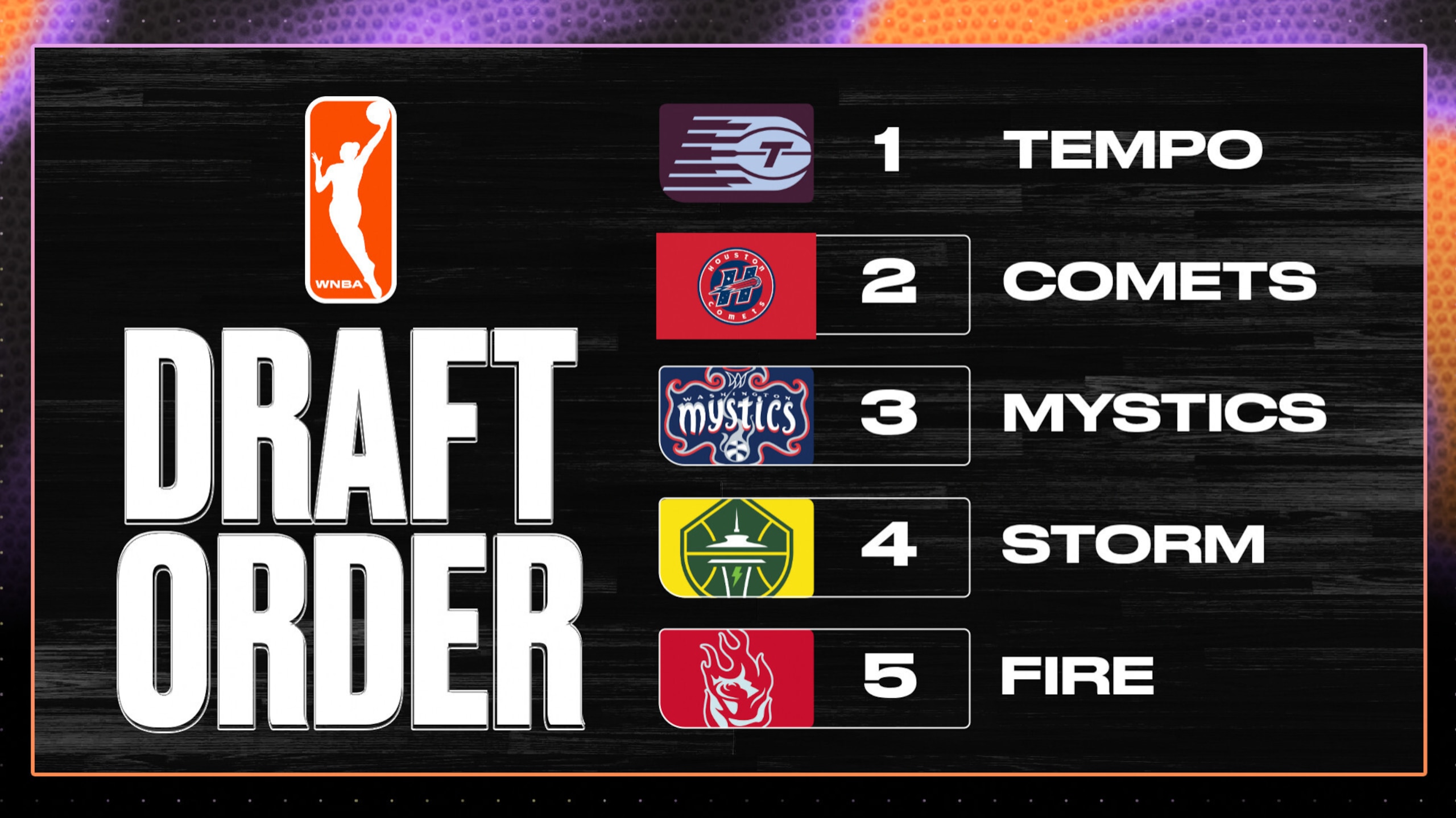
The 2027 WNBA Draft Lottery has come and gone. The Toronto Tempo hold the first overall pick. Houston, Washington, Seattle, Portland, and Los Angeles (2x) round out the lottery order. Each of these teams will look to add a franchise-changing talent come April.
While JuJu Watkins remains the projected No.1 overall selection, there are a handful of potential stars at the top of this draft. After the lottery, several prospects have strong chances to carve out impactful rotation roles in the league.
As NCAA action and international play continue to roll along, all of these players will look to cement their position as first-round talents. We won't know who's officially in the draft until early 2027, when most prospects declare, but for now, we'll assume that all eligible players are in the field. With that in mind, let's predict how every pick in the first round could shake out.
1. Toronto Tempo: JuJu Watkins, USC
1 of 15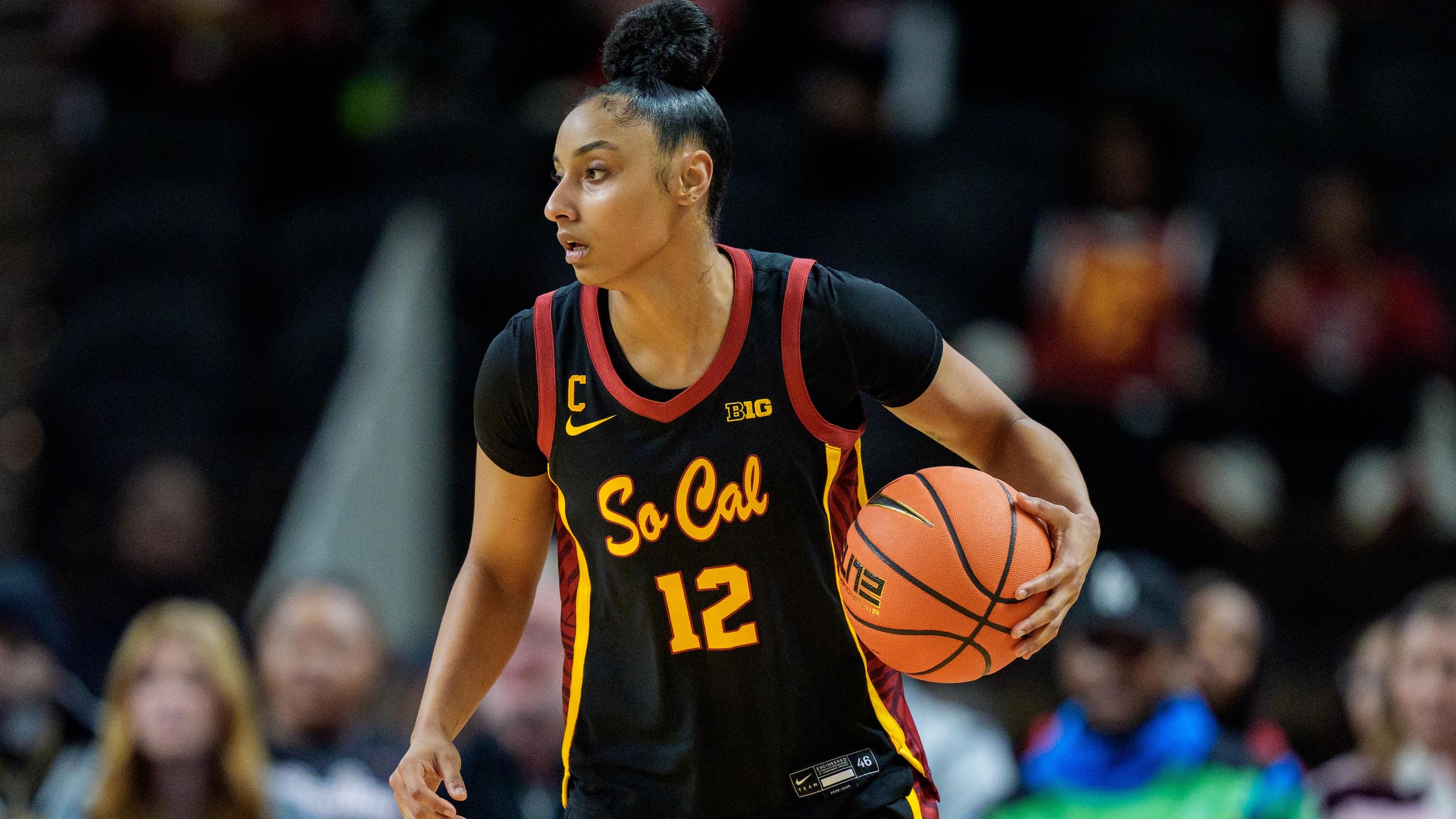
Position: Wing, Size: 6'2", Age: 21
Pro Comp: Tamika Catchings
JuJu Watkins returned to the court after a year-long recovery from ACL surgery. She still looks like the best prospect in this draft. Despite a somewhat rough showing against No.1 South Carolina, no one should sell their Watkins stock; this is still a future WNBA MVP. Toronto is a great landing spot for Watkins, too. Her potential fit with Kiki Rice and Marina Mabrey is really fun to think about.
Watkins is an unreal two-way force, averaging 25 points per game and able to guard the opposing team's best player. Her tenacity and effort on defense are astounding for a player with such a large offensive load. Watkins is one of the better help defenders we've ever seen on the perimeter. She can legitimately protect the rim from the weak side.
Offensively, few players have the combination of handle, bag, and creativity that Watkins boasts. She can create any shot she wants. Her 6'2" size lets her shoot over most perimeter defenders. For all her offensive gifts, Watkins could improve as a three-point shooter and decision-maker. At times, she gets tunnel vision and ignores open teammates; this happened a lot against South Carolina. While Watkins isn't a bad shooter, her three-ball is still a pretty big question mark.
Watkins is not a perfect prospect. The flaws in her game could matter if she doesn't improve them at the pro level. That said, there isn't a single prospect who can match her two-way upside. If she hits her ceiling, she will go down as one of the greatest WNBA players of her generation. You take that player No.1 every single time.
2. Houston Comets: Madison Booker, Texas
2 of 15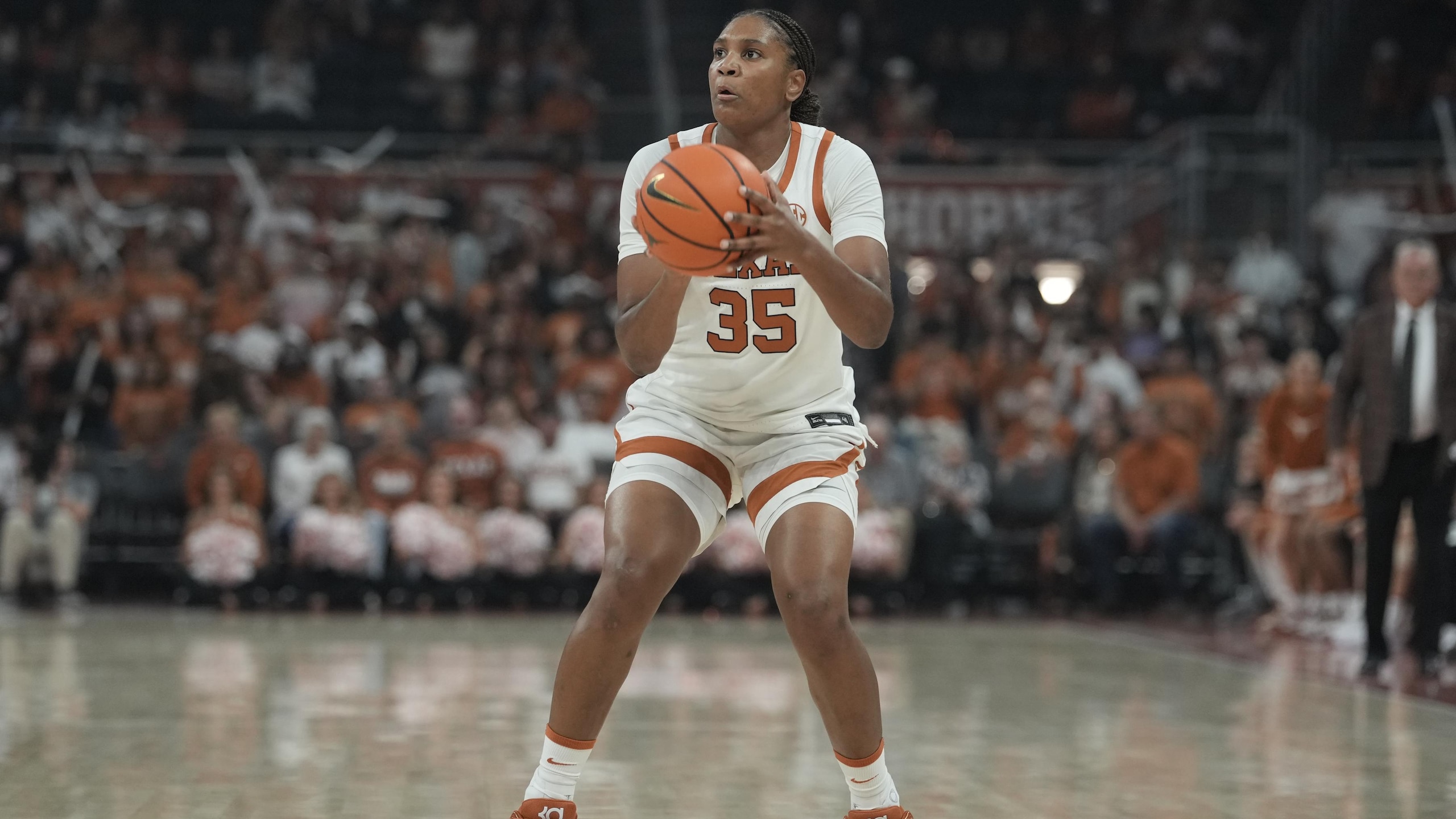
Position: Wing, Size: 6'1", Age: 21
Pro Comp: Jackie Young
In many drafts, Booker would be an easy No.1 pick. She has everything you want in a modern WNBA wing: size, length, shooting ability, ball-handling, playmaking, and defensive versatility. Booker is a potential superstar and a perfect franchise talent for Houston to pair with Leila Lacan.
Booker's best offensive skill is her midrange scoring. Her brilliance from that area rivals that of Courtney Williams or Paige Bueckers. She hit 47.7% of her pull-up twos last season (per Synergy). But like those players, Booker's midrange scoring can become a bit of a crutch. There's no reason to think that Booker can't become an elite three-point shooter; we just haven't seen that in Texas coach Vic Schaefer's three-suppressing system. Booker could also stand to put her head down and get to the basket more, because she's a good finisher and playmaker out of drives.
On defense, Booker can guard anyone on the perimeter. She's great at the point of attack, can hang with quick ball handlers, and she's big and long enough to defend wings. If she adds some muscle, she should be able to switch onto fours and fives, too. Booker has All-Defense potential. When you combine that with her plentiful offensive talents, you get a superstar worth building your franchise around.
3. Washington Mystics: Mikaylah Williams, LSU
3 of 15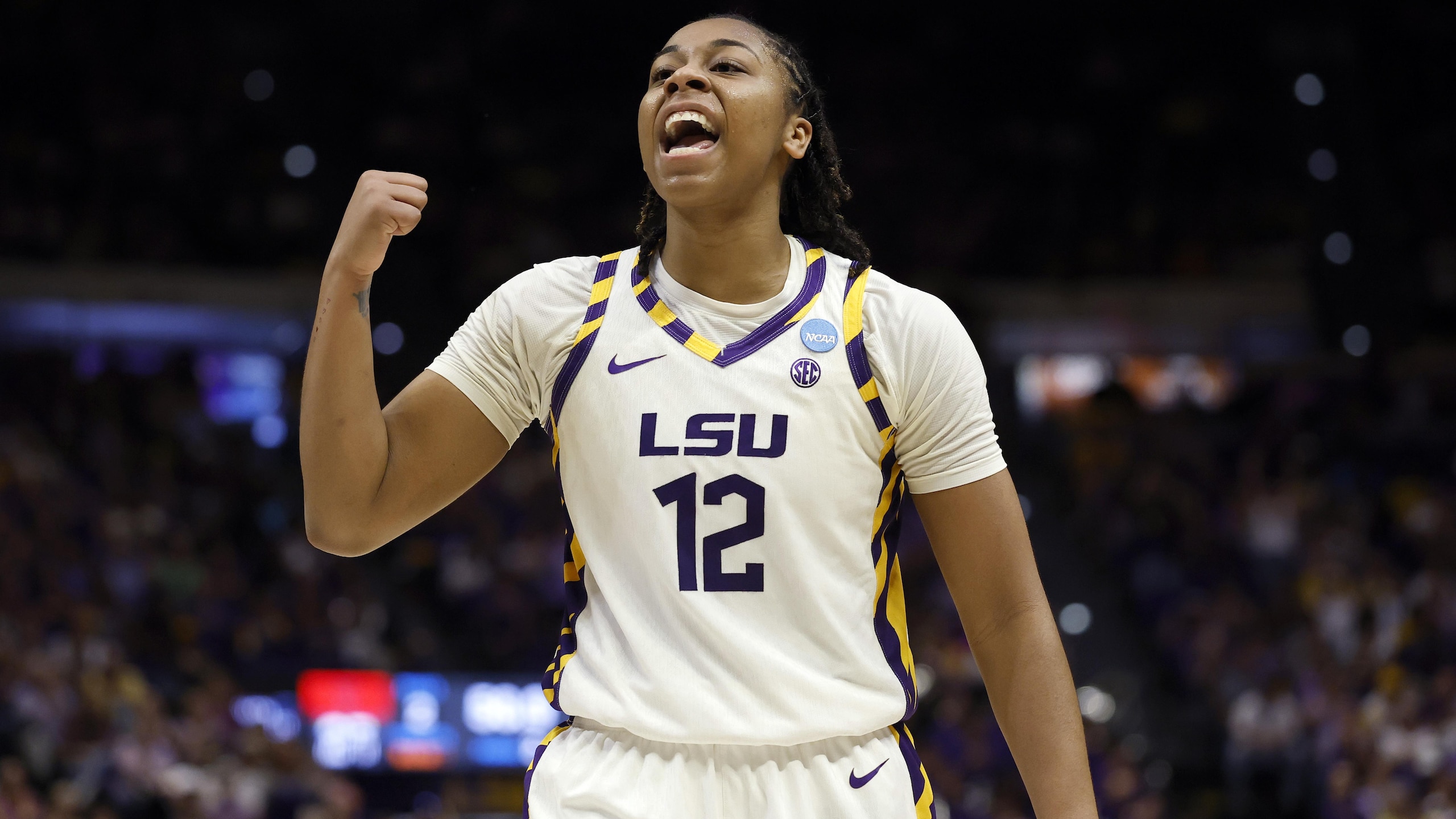
Position: Shooting Guard/Wing, Size: 6'0", Age: 21
Pro Comp: Marina Mabrey
Williams is likely the best offensive player in this draft: a smooth three-level scorer with plus playmaking ability. LSU has played its typical cupcake non-conference schedule so far, but Williams has been on a tear to start this season, averaging 19 points and 5.5 assists per game on 68% true shooting. Williams is exactly what Washington needs. Her fit with Sonia Citron on the perimeter is a dream.
The shooting is what really sets Williams apart; she's automatic from everywhere. She can hit pull-ups from both two and three; she's great off the catch, and she finishes well at the rim. Williams's tight handle and good positional size allow her to get to her spots and create good shots out of nothing.
Williams is also a fantastic playmaker who can make advanced reads out of the pick-and-roll. While Williams isn't a true point guard and probably won't be able to hold up at the one in the WNBA, she's as good as it gets as a playmaking wing and secondary ball handler. A 6'0" player who can dribble, pass, and shoot is a potential star in today's game.
If Williams is to reach her ceiling, she'll need to improve on defense. She's not the best athlete and often struggles to stay in front of good perimeter creators. Her effort both on and off the ball can come and go. Williams' subpar athleticism also limits her as a driver. She doesn't get to the rim as often as you'd want from one of your top scoring options.
Even with those weaknesses, Williams is a tremendous prospect with a real case to go as high as No. 2 in this draft. Washington is a perfect scenario for Williams. They have the defensive infrastructure to insulate her. They can also develop Williams as a primary creator.
4. Seattle Storm: Hannah Hidalgo, Notre Dame
4 of 15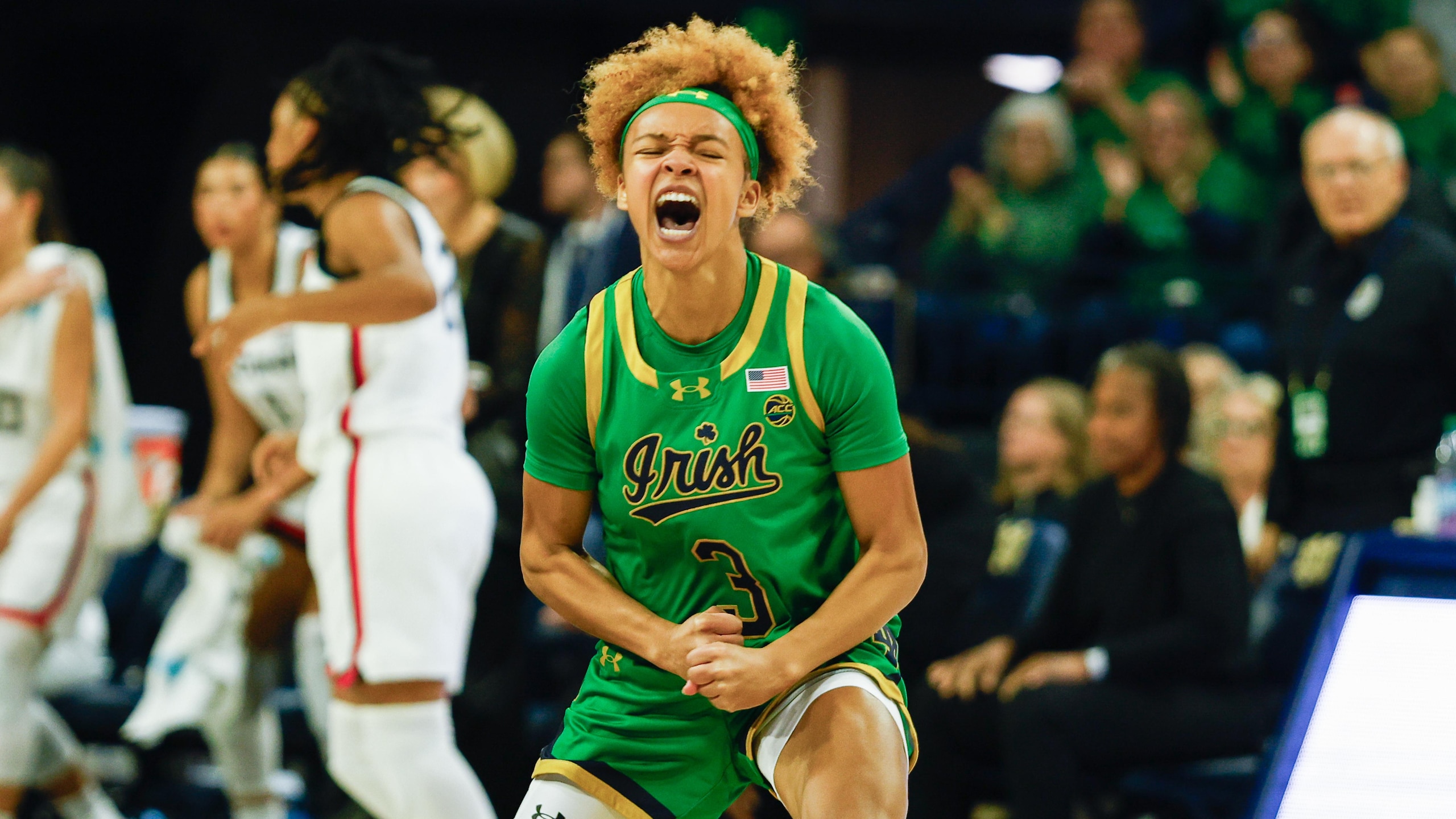
Position: Combo Guard, Size: 5'6", Age: 21
Pro Comp: Turbo Aari McDonald
Hannah Hidalgo is having a typical Hannah Hidalgo start to this season, stuffing the stat sheet with averages of 28.3 points, 7.5 rebounds, 5.5 assists, and 4.8 steals through her first four games. Over the past 3+ years, you could argue that no player in college basketball has been better than Hidalgo. She contributes in so many areas on both ends of the floor. No one can match her relentless motor and desire to win. Seattle would be thrilled to get Hidalgo at No. 4 as a perfect complement to their talented young frontcourt.
Why isn't Hidalgo being discussed in No. 1 pick conversations? She has the production, the pedigree, and the two-way impact of a top prospect, after all. All that said, there are issues that make Hidalgo unique and a tricky evaluation at the top of the draft.
For starters, Hidalgo's 5'6" height works to her disadvantage. Players that small usually need to be good pull-up shooters to return elite offensive value. Hidalgo's jumper has been inconsistent and unreliable, especially from three. Here are Hidalgo's three-point percentages by year: 34%, 40%, 25%. This year, she's 6-for-15 (40%) so far. College season samples can be wonky, but it's hard to know if we can project Hidalgo as a good shooter in the WNBA. Hidalgo's handle is also mediocre. Her playmaking rarely goes beyond basic reads. If she can't play point guard full time, her offensive upside is a bit limited.
Defensively, Hidalgo is an elite point-of-attack menace and one of the most disruptive on-ball defenders of all time. She also plays much bigger than her size, with explosive vertical athleticism and intense physicality. Hidalgo should be a great defender in the league, but there are questions as to how much her size limits her against WNBA athletes. If Hidalgo is simply a good defender instead of an All-Defensive one, how high is her ceiling? Whoever drafts Hidalgo will have to weigh all of those outcomes.
5. Portland Fire: Clara Strack, Kentucky
5 of 15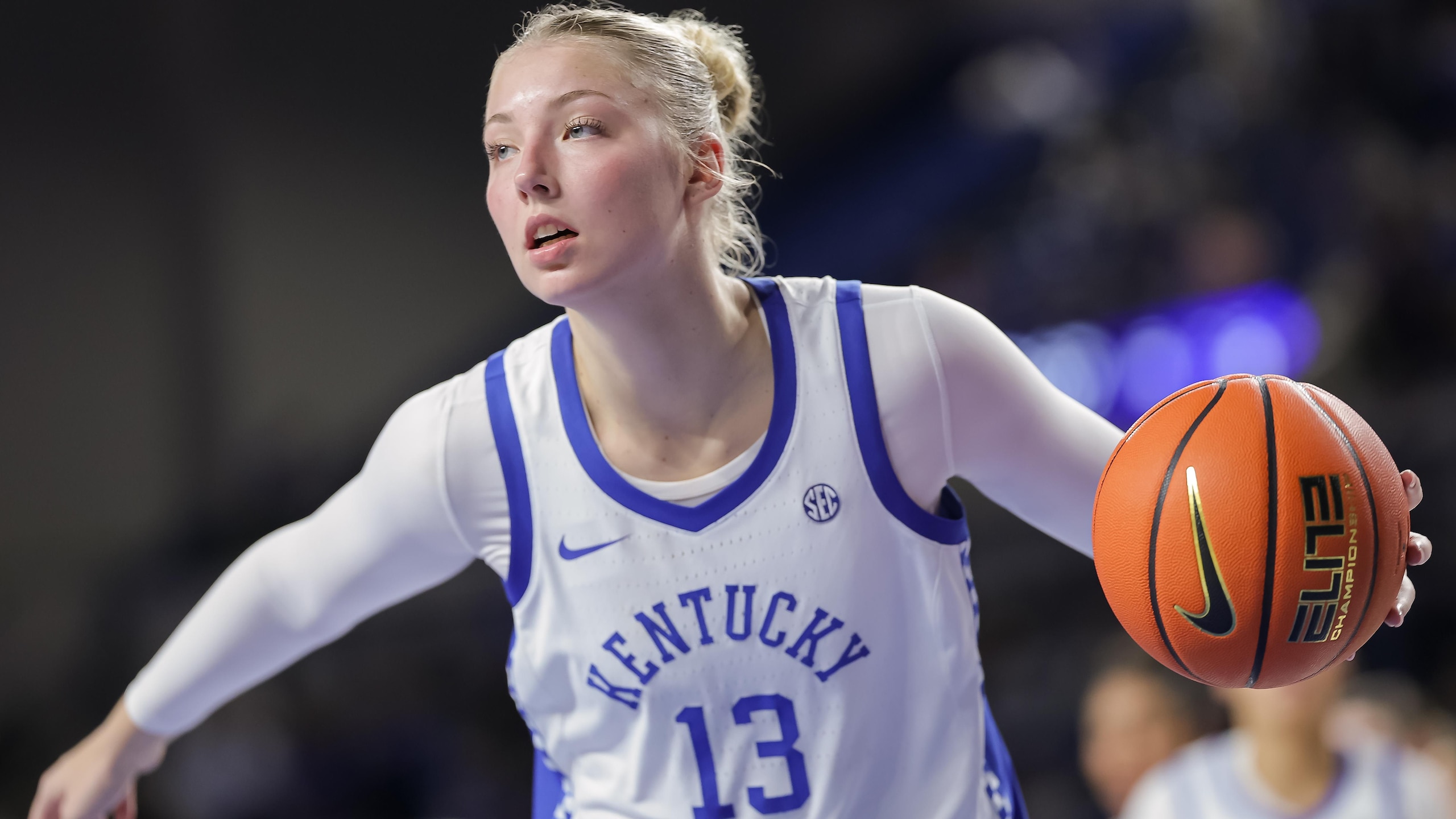
Position: Big, Size: 6'5", Age: 20
Pro Comp: Dominique Malonga with less athleticism
Strack might not be the fifth-best prospect in this draft, but she's a perfect fit for what the Fire are building. The 6'5" big has enjoyed a strong start to her senior season, averaging 18.4 points, 9.6 rebounds, and 3.8 blocks through five games.
With the league valuing stretch bigs more than ever before, Strack is a tantalizing option for teams picking in the mid-to-late lottery. Strack's shooting has been largely theoretical throughout her college career, though she did put up a respectable 2.8 three-point attempts per game last season. This year, she's bumped that up a notch; Strack is 8-for-21 on threes so far. She's taking four per game. She missed her first seven attempts and is 8-for-14 since.
If Strack can reliably stretch the floor, her ceiling as a player would grow substantially. Strack is a bit of a "jack of all trades, master of none" player on offense. She's a decent screener and roller, not a great one. She can hit post fades and make some decent passes out of doubles, but she's not someone you can build a post-up offense around. Strack isn't quick or skilled enough with the ball to take defenders to the basket. So she really needs the three-point shooting to open up all of these other areas.
Strack can make a real impact on defense, though. She's the best rim protector in this draft class by a wide margin. Her mobility is good enough to hold up in non-drop coverages. If the offense comes together, Strack could be a good starter on competitive teams. Portland also has the developmental infrastructure and coaching to get the most out of Strack's talent.
6. Los Angeles Sparks: Tessa Johnson, South Carolina
6 of 15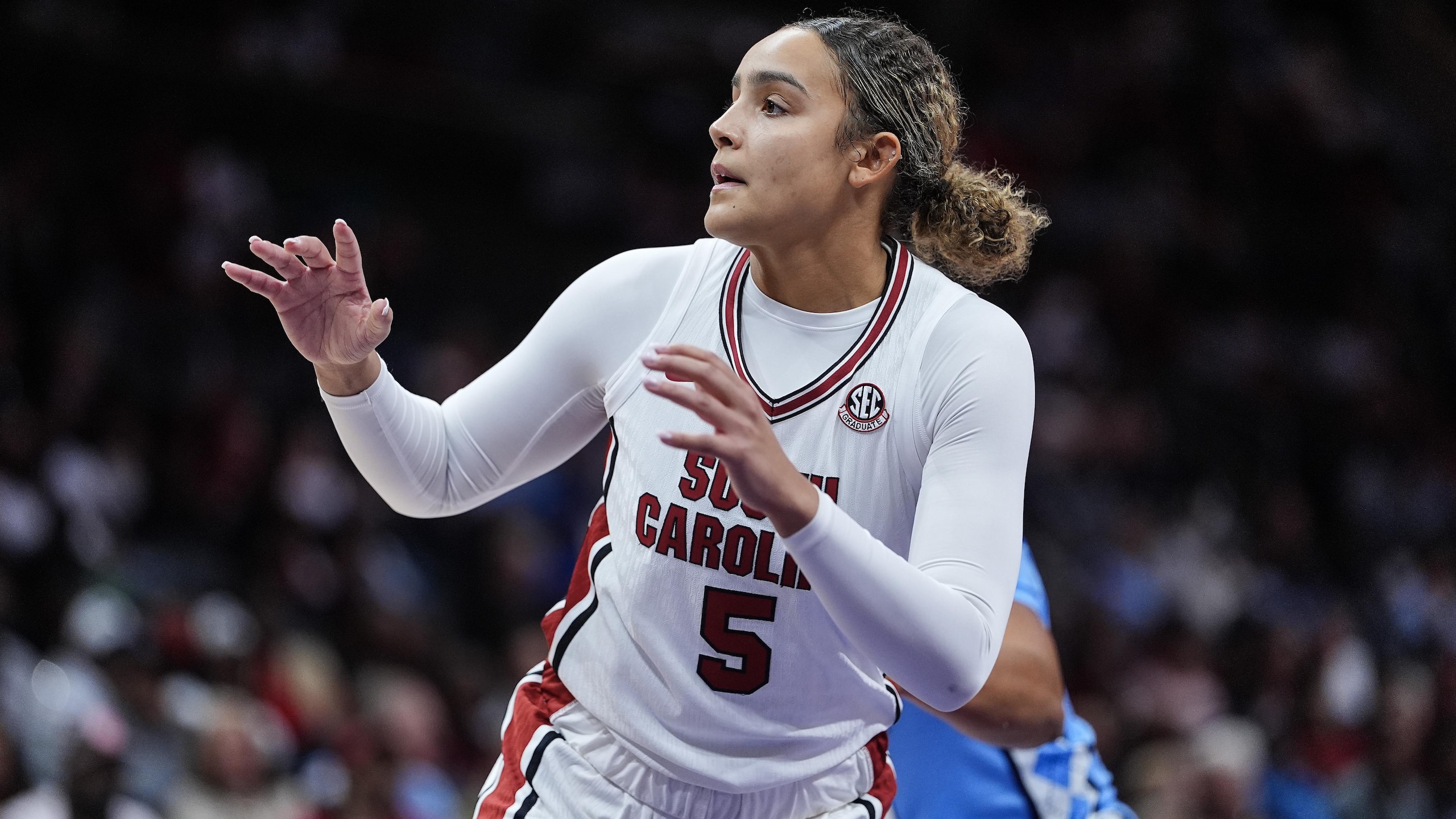
Position: Shooting Guard, Size: 6'0", Age: 21
Pro Comp: Azzi Fudd
Every WNBA team could always use more three-point shooting. Johnson is as automatic as it gets as a spot-up threat. She's a career 43.9% shooter from deep in her time at South Carolina. That skill gives her one of the safest floors in this draft class. The Sparks were toward the bottom of the league in three-point shooting last season. Johnson would inject some offensive life into their young core.
Although shooting is the primary selling point for Johnson, she's not an entirely one-dimensional player. She has a strong pull-up middy to attack closeouts with. She's even flashed some driving ability here and there. Johnson also moves well without the ball and does a good job of cutting and relocating off screens. Her ceiling, however, is limited by a poor handle and burst and a complete lack of pull-up shooting from three. In her college career, Johnson has just 43 off-the-dribble three-point attempts, hitting 16 (37%). That's not a bad percentage, but the volume is alarmingly low.
Defensively, Johnson should be able to stay afloat as a solid team defender who plays with good physicality and awareness. But she does struggle a bit at the point of attack, where her slender frame and lack of quickness impede her against ball handlers. There are enough tools to avoid becoming a target on defense. The offensive value Johnson provides with her shooting gravity and movement should yield a positive overall impact.
7. Los Angeles Sparks (from Phoenix): MiLaysia Fulwiley, LSU
7 of 15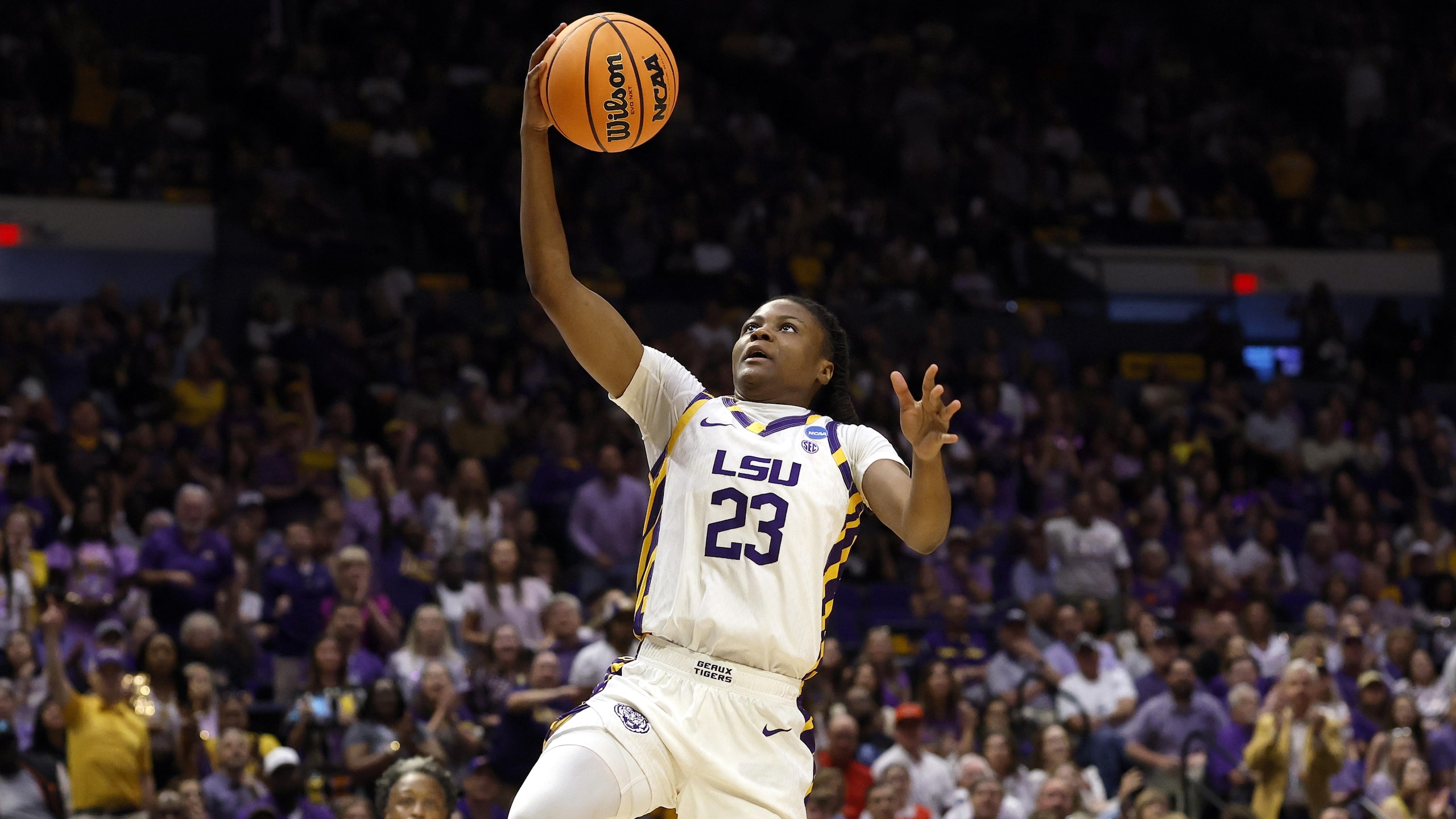
Position: Shooting Guard, Size: 5'10", Age: 21
Pro Comp: Brittney Sykes
If Fulwiley could put everything together, she might end up as the second-best player in this draft. She's that talented, with outlier skills that make it easy to overlook all of the question marks. The Sparks need upside in their guard room, so Fulwiley feels like the perfect player to take a swing on at the end of the lottery.
Fulwiley is a wizard with the basketball, equipped with one of the best handles in the game. Combined with her burst and athleticism, that gives Fulwiley special creation potential at either guard spot. Fulwiley is at her best in transition, where she can leverage her breakneck speed and ball skills to create easy opportunities in the open court.
The issue is that Fulwiley usually plays far too out of control. Through her first three college seasons, the game has yet to slow down for her. As a result, Fulwiley's decision-making often gets her into trouble. This affects her shot selection, playmaking, and finishing. There is no deceleration game to speak of. Fulwiley often predetermines what she'll do on drives instead of reading the defense. When she does get to the basket, she's a horrible finisher. Last year in half-court offense, Fulwiley was just 25-64 (39%) at the rim against P4 opponents (per Synergy). She's also an inconsistent shooter without much off-ball utility.
Even with the issues on offense, Fulwiley projects as a special defensive weapon. Her vertical athleticism is special, as she's one of the rare sub-6-foot players who can function as a legitimate secondary rim protector. Fulwiley is also a menace at the point of attack, preventing drives and creating turnovers with regularity. These skills give Fulwiley a decent floor as a change-of-pace energy guard, even if she doesn't figure things out in half-court offense.
Note: Fulwiley is involved in a pending legal incident that could affect her draft stock. This was written independently of that.
8. New York Liberty: Oluchi Okananwa, Maryland
8 of 15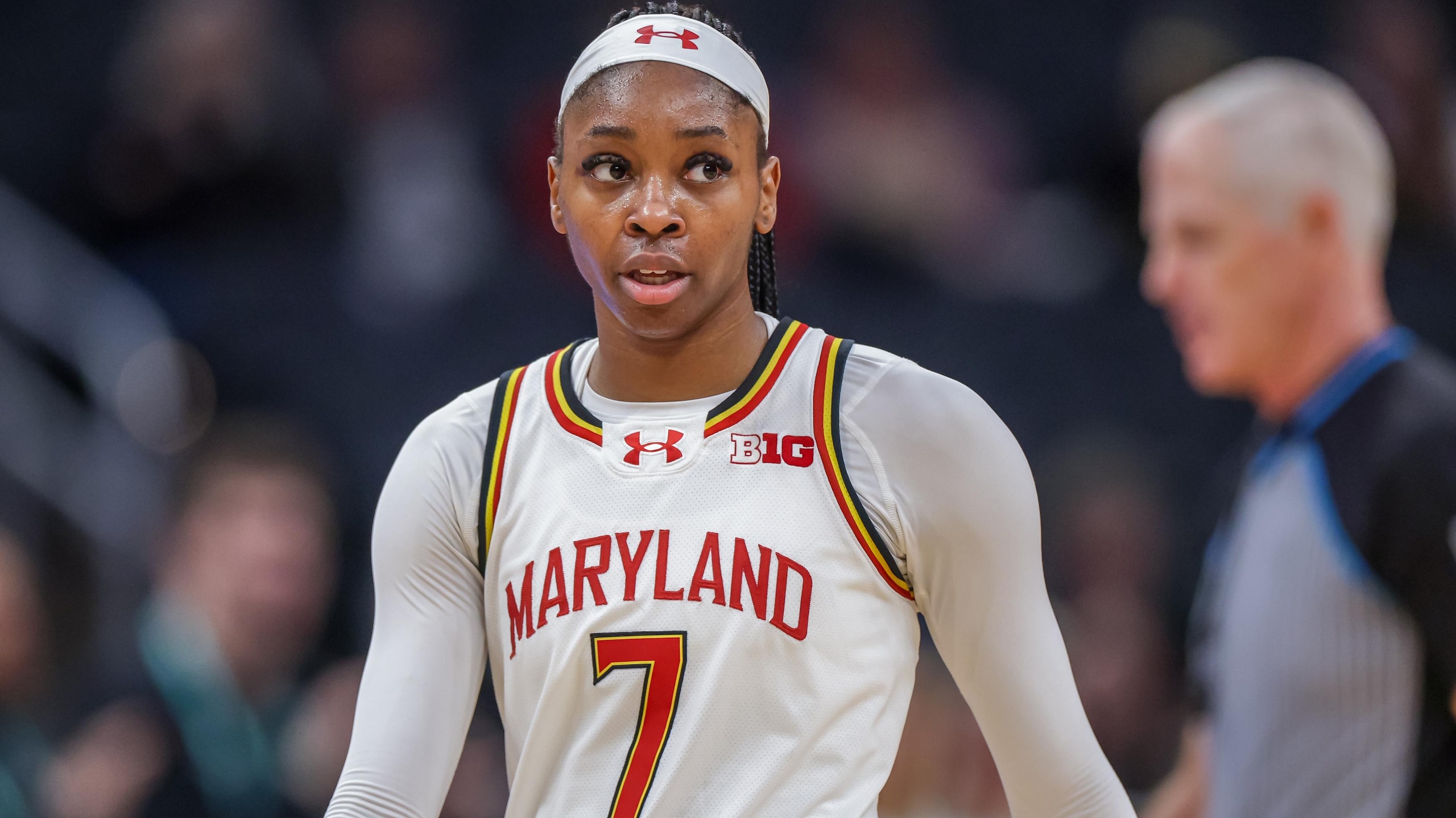
Position: Guard/Wing, Size: 5'10", Age: 22
Pro Comp: DiJonai Carrington
It can be tough to build around non-shooting two guards under six feet, but Okananwa has enough winning skills to work around those red flags. The Liberty have a ton of offensive firepower and could use a defensive-minded athlete like Okananwa to complement their core.
Okananwa is an elite point-of-attack defender with a relentless motor. The comparison to DiJonai Carrington is uncanny here, as both players play bigger than their size and wreck games on defense. In addition to her defensive prowess, Okananwa is the best offensive rebounding guard in college basketball. Last season, Okananwa posted an offensive rebound rate of 16.7%, 95th percentile in all of Division I (per Her Hoops Stats).
Offensively, there's less to be excited about. Okanawa's jumper doesn't go in. It looks bad, too. She's also not a very good passer; it's tough to envision Okanawa succeeding, even as a tertiary playmaker in the league. But Okanawa is a strong driver who gets to the free-throw line. Her rim finishing has improved, too: in 2024-2025, Okanawa converted just 45% of her rim attempts in the half-court (per Synergy Sports). Last year, that number jumped to 61%.
Okanawa had a rough showing in her first game of the season against No. 1 South Carolina, shooting 5-for-14. She bounced back with a strong performance against Georgia Tech, so hopefully she can build on that and secure a spot in the first round of this draft.
9. Dallas Wings: Chloe Kitts, South Carolina
9 of 15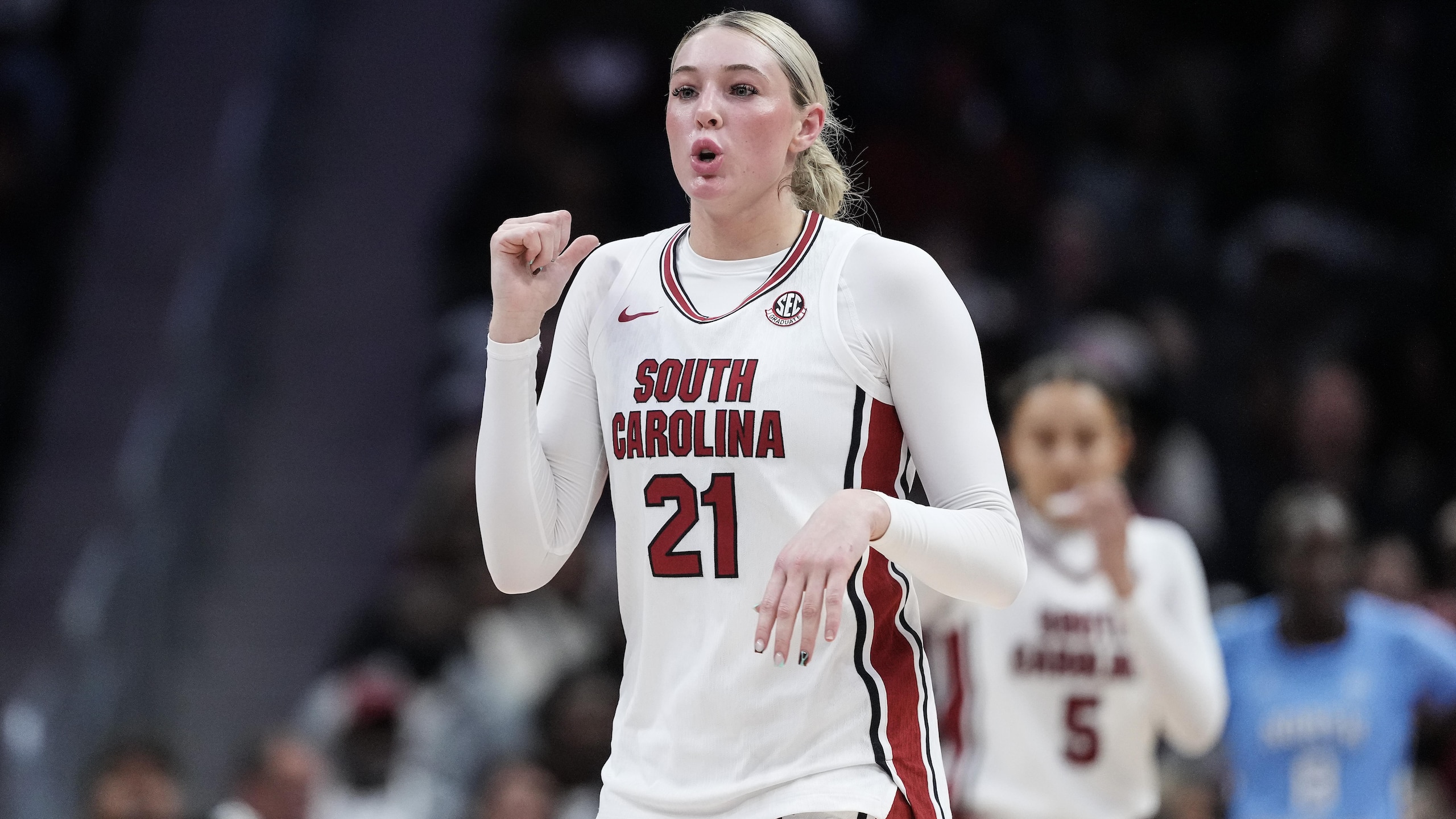
Position: Forward, Size: 6'2", Age: 22
Pro Comp: Myisha Hines-Allen
Kitts returned to the floor after a year-long recovery from an ACL tear and hasn't missed a beat. The 6'2" forward is averaging 13 points and 10.2 rebounds per game through No. 1 South Carolina's first three contests on 52.9% shooting from the field. The Gamecocks have played three ranked opponents, making Kitts' early production all the more impressive.
There's nothing flashy about Kitts's game, but she's the kind of connective player who helps teams win. If you put a smaller player on her, she can post up and score. If you double the ball handler off a Kitts screen, she can catch the pass and find the open player. When a shot goes up, Kitts crashes the offensive glass. Kitts has a knack for stacking plays like this throughout a game.
Defensively, Kitts is incredibly versatile and smart. She has some of the best help instincts of anyone in this class and plays with tenacious physicality. While the athleticism leaves a lot to be desired, Kitts is mobile enough to switch and big enough to defend post players.
The swing skill for Kitts is her jump shooting. She doesn't take threes, as her form looks a bit wonky. However, Kitts shot 37-for-72 (51%) on two-point jumpers in her junior year, so there's hope she can expand her range and become a real shooter. If she does, she'll be a good role player for a long time. Dallas needs better frontcourt players who can guard. Kitts fits the bill.
10. Indiana Fever: Talaysia Cooper, Ole Miss
10 of 15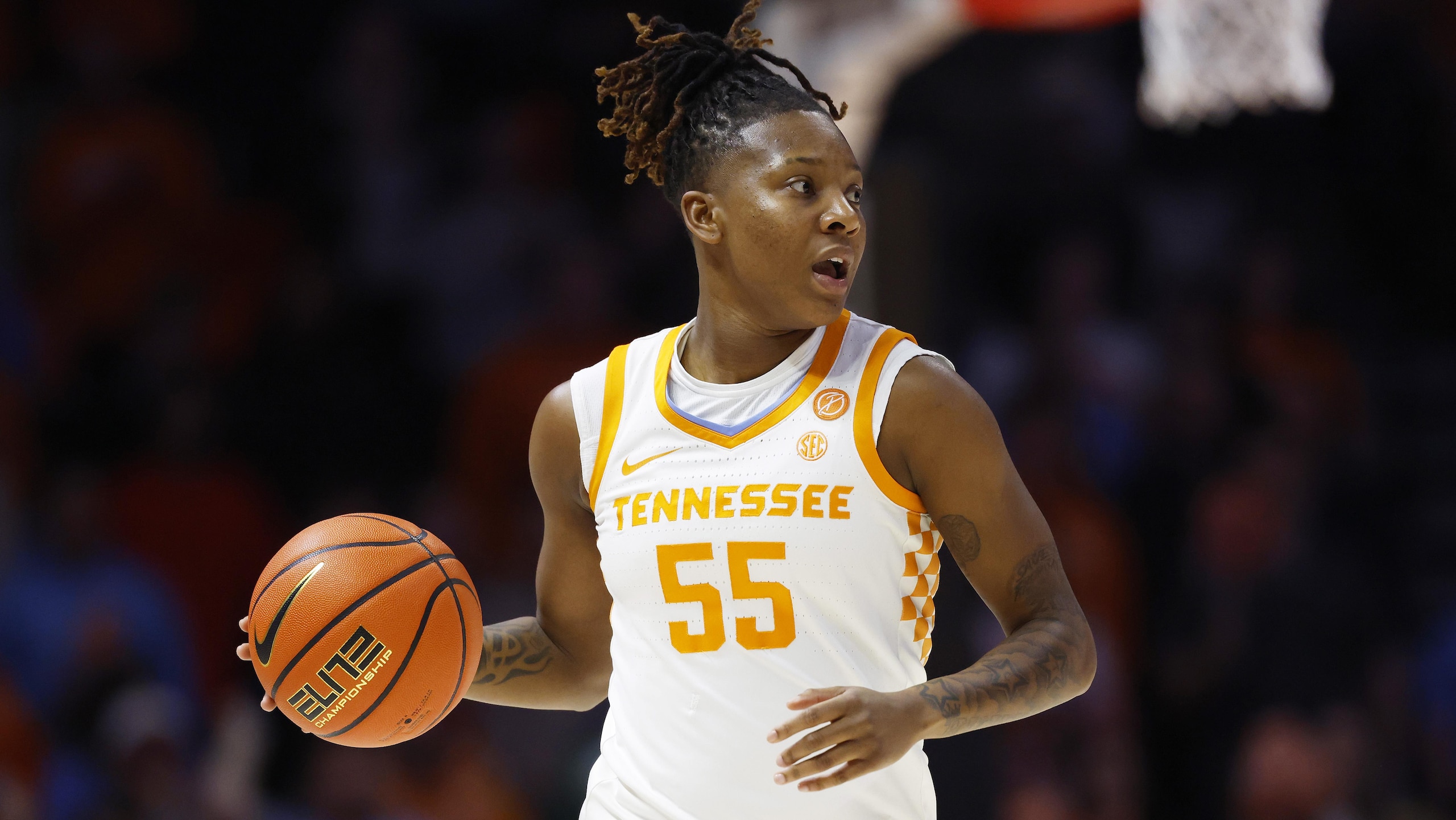
Position: Wing, Size: 6'0", Age: 22
Pro Comp: Diamond Miller
Cooper has had a very strange start to her season at Ole Miss. The Tennessee transfer got benched after a mediocre opening game and scored just 5 points on 2-10 shooting against North Alabama in game two. Then, one game later against Albany, Cooper exploded for 29 points and seven made three-pointers. Go figure!
Throughout her college career, Cooper's calling card has been her length and athleticism. She's an explosive player with quickness and strength who could be an impact defender at the next level. For all her athletic gifts, Cooper doesn't really get to the rim, finish or draw fouls. As a result, she's turned to three-point maxing as a way to return offensive value (.415 three-point rate last year and .600 so far this year).
Is Cooper a good shooter? Not really. The mechanics don't look great. The touch indicators and free-throw percentage (64% career) aren't encouraging. But there is value in being willing to take threes, and Cooper isn't shy. One thing to monitor this year: Cooper looks like she's added a good amount of muscle to her frame. Watching her first few games, she looks a good deal slower and less explosive than before. We'll see if that added strength helps her in other ways as the season goes on.
There's undeniable upside with Cooper. A team like Indiana could use stronger, athletic players on the wing. There's a good floor for Cooper as a versatile defender, but questions about her feel and offensive role could hold her back from breaking through in the league.
11. Chicago Sky (Washington Swap): S'Mya Nichols, Kansas
11 of 15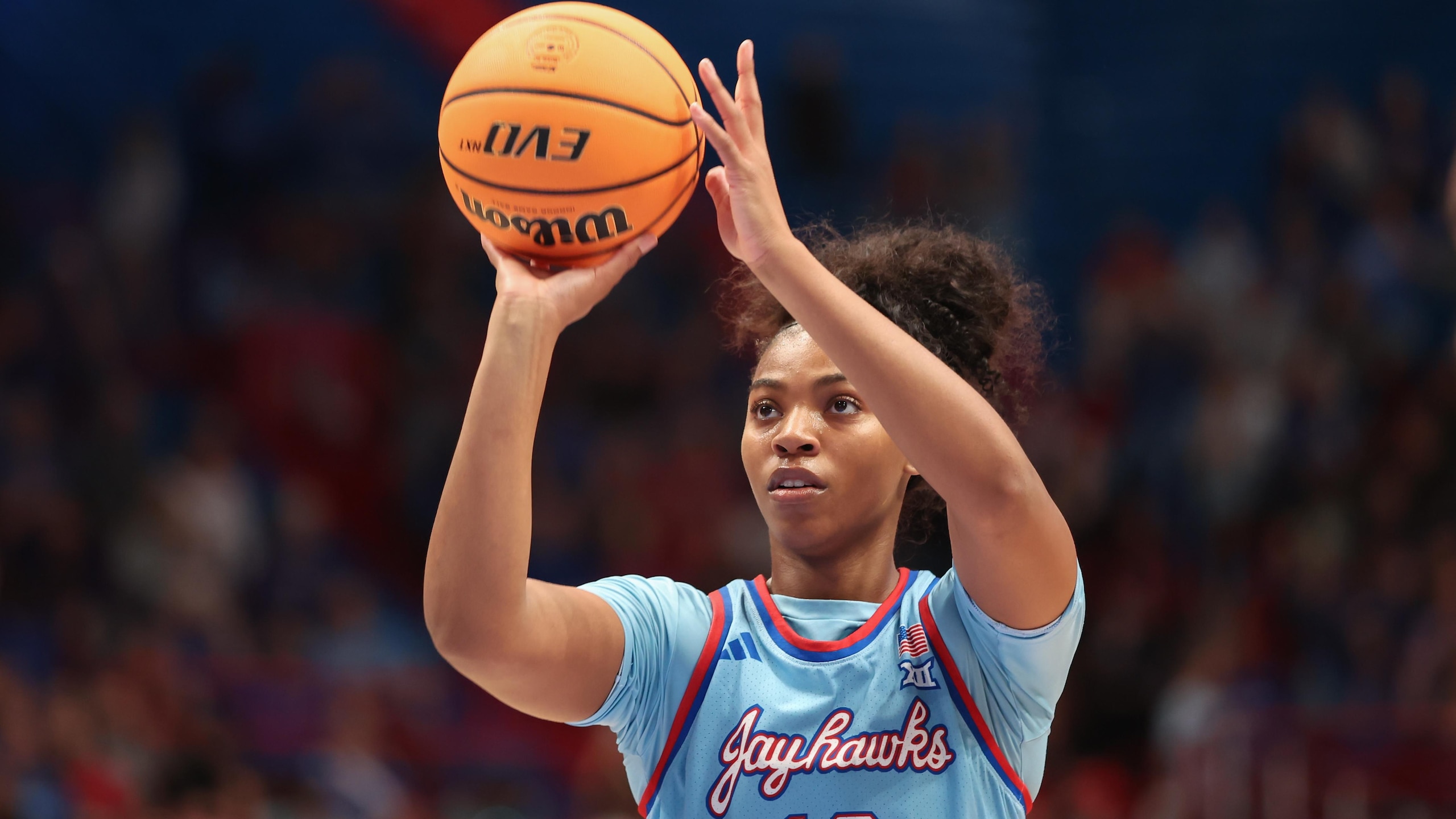
Position: Guard/Wing, Size: 6'0", Age: 22
Pro Comp: Tiffany Hayes
Nichols is a prolific ball-screen operator with some of the craziest foul-baiting prowess of any prospect ever; her career .721 free-throw rate will raise the eyebrows of any talent evaluator. When she isn't barreling into the lane and getting whistles, Nichols leans on savvy playmaking with good vision and passing skills. In a league increasingly moving toward heavy pick-and-roll offense, Nichols' strengths are incredibly appealing.
So, what's the catch? Well, for starters, Nichols hasn't faced much elite competition in her college career. It's great to beat up on bad Big 12 teams and mid-majors in non-conference, but can Nichols get her game on against the sport's best? There's not enough data to know.
The ancillary skills are also a question mark. Nichols has great three-point shooting percentages, but she's only taken 246 threes in 102 college games. For an extreme high-usage guard who shoots 39%, that's alarmingly low. Nichols's jumper has a lot of moving parts and a slow release. She may struggle to shoot against WNBA players. Her two-point scoring is also suspect, because when she isn't getting to the line, she doesn't really score from anywhere else.
Nichols is also projected as a mediocre-to-bad defender. If she can't guard, can't score from two, and can't really shoot threes, what does she do in the W when she isn't running a bunch of ball screens? And is she good enough at that to build your offense around? These are all questions teams have to answer when considering Nichols. Chicago needs offensive talent at the guard spots, though, so they'd be a good team to roll the dice if she falls.
12: Chicago Sky (from Atlanta), Ashlyn Watkins, South Carolina
12 of 15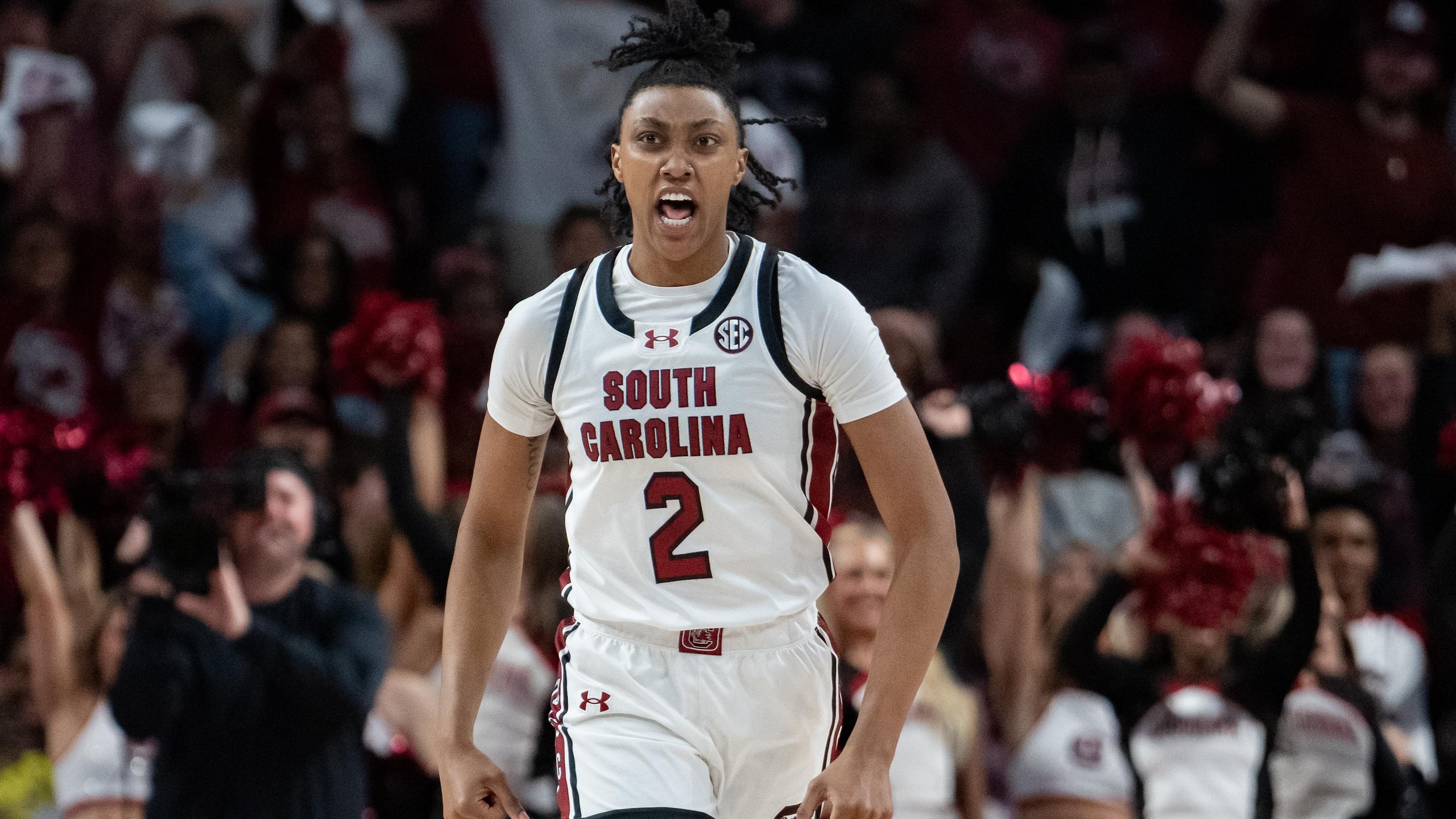
Position: Big, Size: 6'3", Age: 23
Pro Comp: Rayah Marshall
Like her teammate Kitts, Watkins is also returning from a torn ACL. Watkins, however, took nearly two years off from basketball before rejoining South Carolina this year. She's looked predictably rusty through three games and hasn't done much offensively, but there's still enticing upside.
Watkins is the best athlete in this draft class with an incredibly rare blend of verticality, quickness, and size. She's thrown down multiple in-game dunks, making it look easy. Those athletic tools make Watkins a fearsome defender who can play any coverage and anchor a defense.
But offensively, Watkins is a bit of a nothingburger; she's scored just seven total points in three games this year. She is coming off the bench, buried in the offensive pecking order, and working her way back from injury. But even with those caveats, Watkins projects as a below-average offensive player. There just aren't a lot of projectable skills on that end.
Despite those offensive concerns, Watkins will likely be drafted in the first round. The potential fit with Chicago is intriguing, as Watkins could act as a nice change-of-pace option behind fellow Gamecock Kamila Cardoso.
13. Dallas Wings (from Las Vegas): Kymora Johnson, Virginia
13 of 15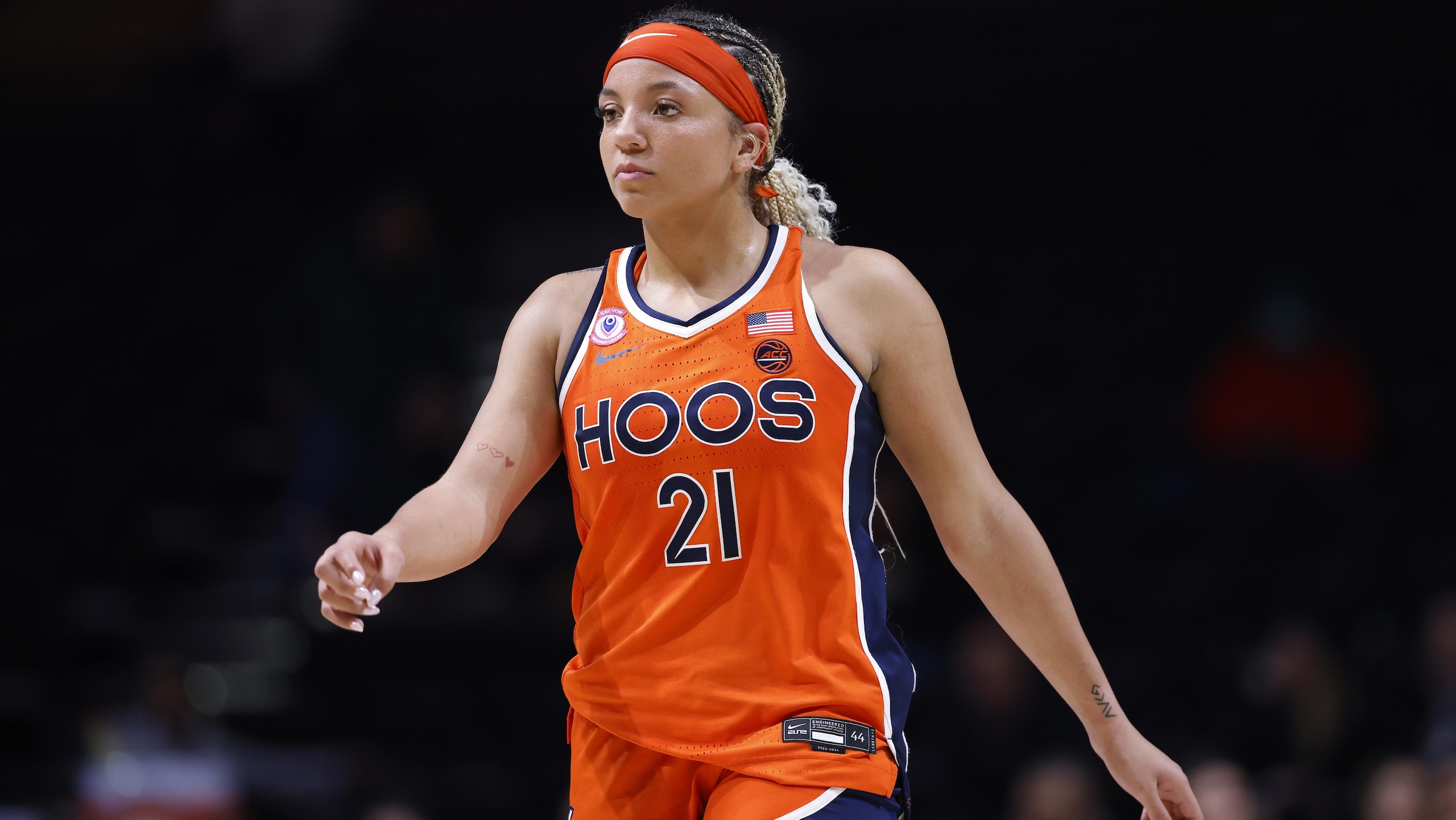
Position: Point Guard, Size: 5'7", Age: 21
Pro Comp: Georgia Amoore
You may be thinking, "another undersized guard for the Wings?" That sentiment is understandable, but Dallas has a hole at backup point guard. Odyssey Sims likely isn't coming back, and she didn't play well last year anyway. Enter Johnson, who has the point guard traits teams look for in the modern WNBA.
Well, most of them, anyway; Johnson is listed at 5'7". Though vertically challenged, Johnson is a terrific ball-screen operator who is looking to shoot threes first and find teammates later. She's better off the catch than pulling up (37% vs. 34% last year, per Synergy), but her career three-point shooting sample is legit. Johnson's playmaking is a solid complement to her score-first game, though she isn't a tier-one passer and can get a bit turnover-prone.
The most concerning thing about Johnson is her lack of rim pressure and finishing. Last year, just 19.5% of her field goal attempts in the half-court came at the rim. She finished at a ghastly 47% clip (per Synergy). The Wings desperately need guards who can get to the basket. Johnson is decidedly not that. But there aren't any players who can at this point in the draft, so penciling in Johnson to hold down the backup point guard spot is as good as they can hope for.
Johnson has been incredible to start the season, even if it's been against weaker mid-major teams. Her first big test will be on November 23rd against Oklahoma.
14. Golden State Valkyries: Sarah Cisse, France
14 of 15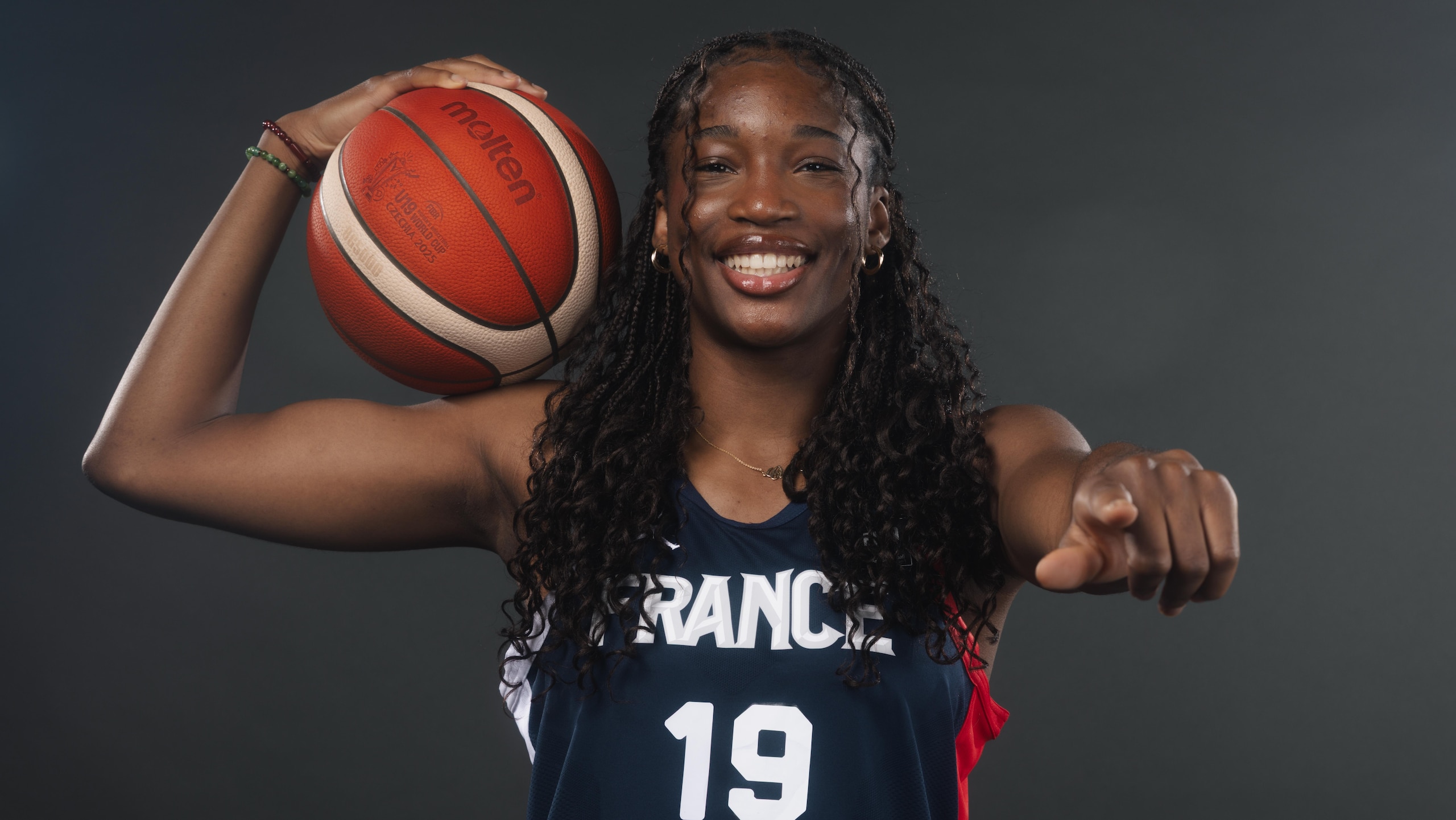
Position: Big, Size: 6'2", Age: 19
Pro Comp: Anastasiia Olairi Kosu
The Valkyries add another baguette to the basket and expand their monopoly on French players here. Cisse, currently playing for BLMA in the top French league (La Boulangère Wonderligue), would be a compelling draft-and-stash piece for the reigning champs. She fits well with how they want to play. It's hard to imagine a better developmental context for the talented (but raw) big.
Cisse is an undersized 4/5 who is coasting on athleticism right now. BLMA has played some pretty poor teams in EuroCup competition recently. Cisse is feasting on mismatches, offensive rebounds, and post seals. All of that is great, but we'll see how she looks once she has to face the best of LBW.
A player of Cisse's build is always going to face tweener issues, so she really needs to add a somewhat reliable jumper to round out her offensive utility. Her form looks pretty good, though; she just needs to get more comfortable taking them.
Defensively is where Cisse will make her money. She possesses incredible lateral quickness and should be able to capably switch onto WNBA guards. Cisse's vertical athleticism and strength are also good enough to provide strong secondary rim protection. Her defensive ceiling is through the roof. That's worth drafting in the first round, even if the offense never really comes together.
15. Minnesota Lynx: KK Arnold, UConn
15 of 15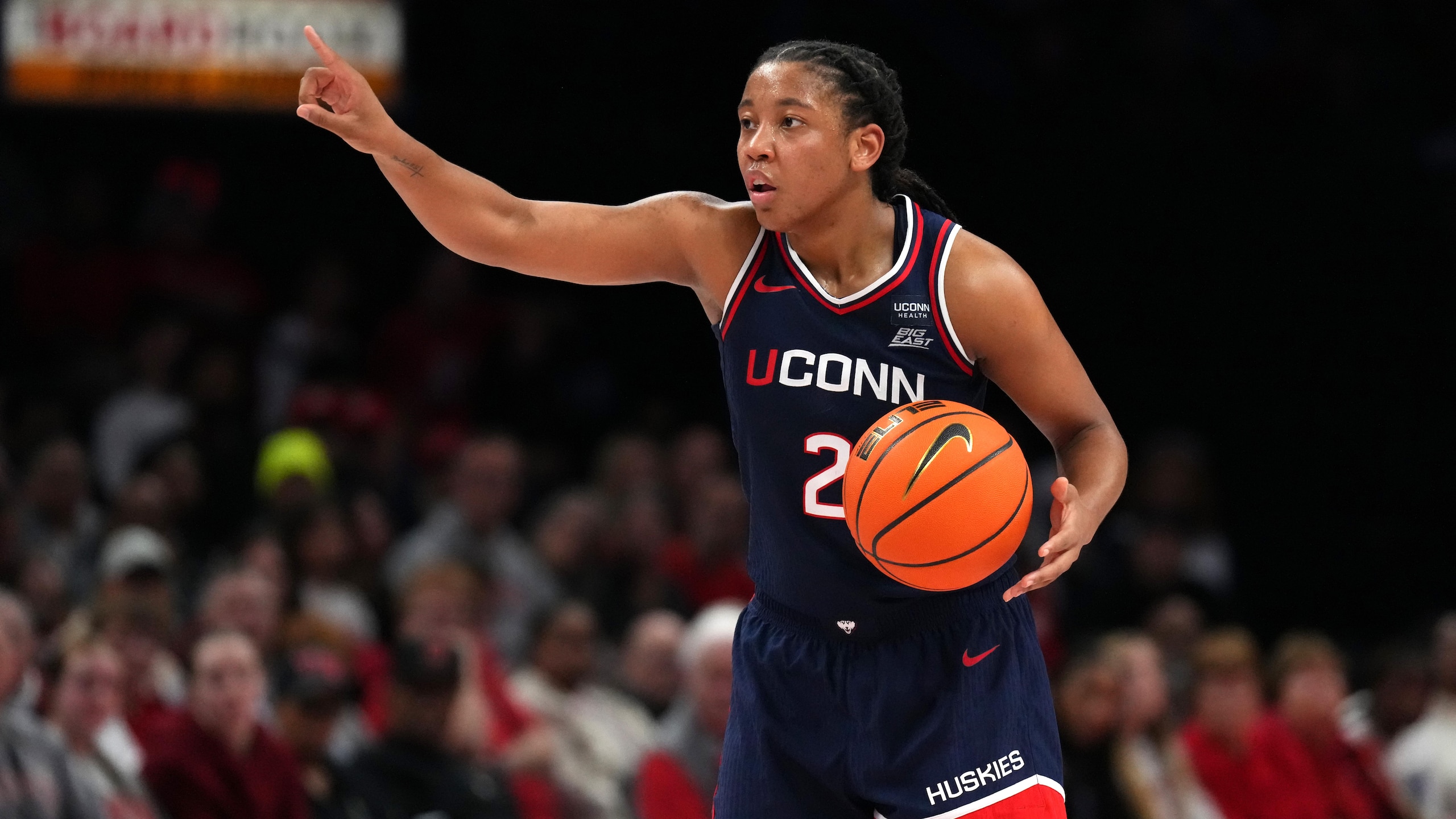
Position: Point Guard, Size: 5'9", Age: 21
Pro Comp: Alicia Flórez
Arnold screams "prototypical WNBA backup point guard," and playing for Cheryl Reeve in the Minnesota system would be a perfect fit. You know what you're getting with Arnold: energy, pesky point-of-attack defense, smart passing, and the occasional drive-and-finish.
Sure, Arnold is never going to score 30 points in a game or make any All-Star teams. But there's a lot of value in a spark-plug guard who can defend, pass, and finish at the rim. If Arnold's three-point shooting improves, she might even grow into a positive offensive player. Through three games this season, Arnold is 4-for-10 from three, so the hope is she can keep up the volume and make them.
If the shot does start drawing closeouts, Arnold's passing and rim pressure will flourish. In that situation, this is the ideal backup guard, one that can make a Kaitlyn Chen-like impact or a title team. You could certainly do a lot worse with the very last pick of the first round.