
Re-Drafting the 2026 WNBA Draft Class: Where Do Azzi Fudd and Olivia Miles End Up?
The 2026 WNBA Draft featured some of the most shocking twists and turns of any class we've seen.
Draft night featured controversy over the first pick, a confusing trade, and unexpected selections from teams that seemed to break completely with most mocks. Despite this group lacking a consensus can't-miss top prospect, a handful of players emerged as surefire stars in their rookie seasons.
Olivia Miles, the second overall pick, took home unanimous Rookie of the Year honors while finishing second in MVP voting. Players like Azzi Fudd, Awa Fam, Kiki Rice, and Flau'jae Johnson looked like future All-Star talents. And many other selectees showcased real WNBA talent, setting the stage for long and productive careers.
With the 2027 Draft Lottery days away, now is a good time to look back on the 2026 draft and evaluate how these players fared in year one. How much would things change if teams could do it over again? Let's redraft this class and see where everyone ends up.
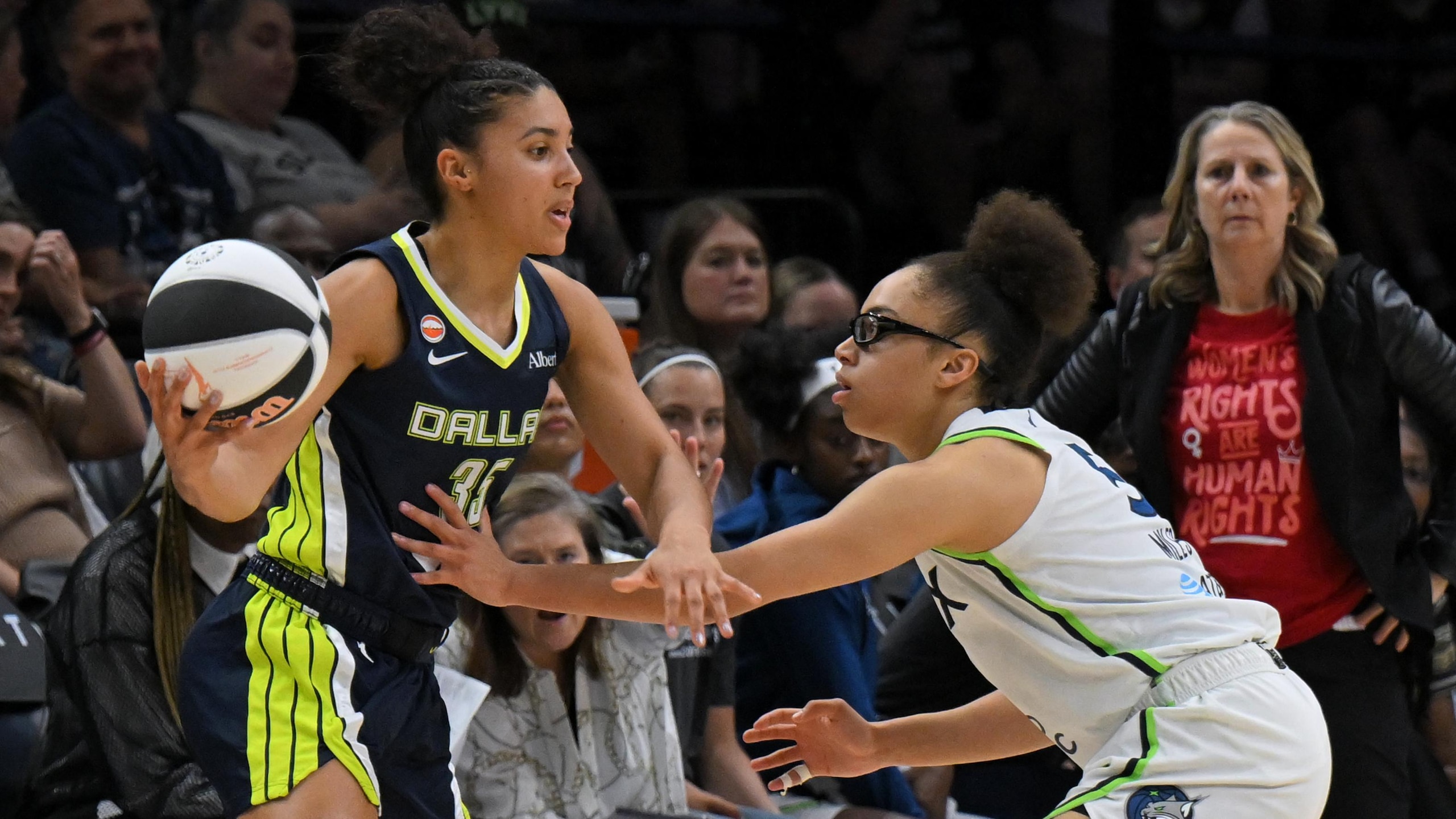
1. Dallas Wings, Olivia Miles
1 of 15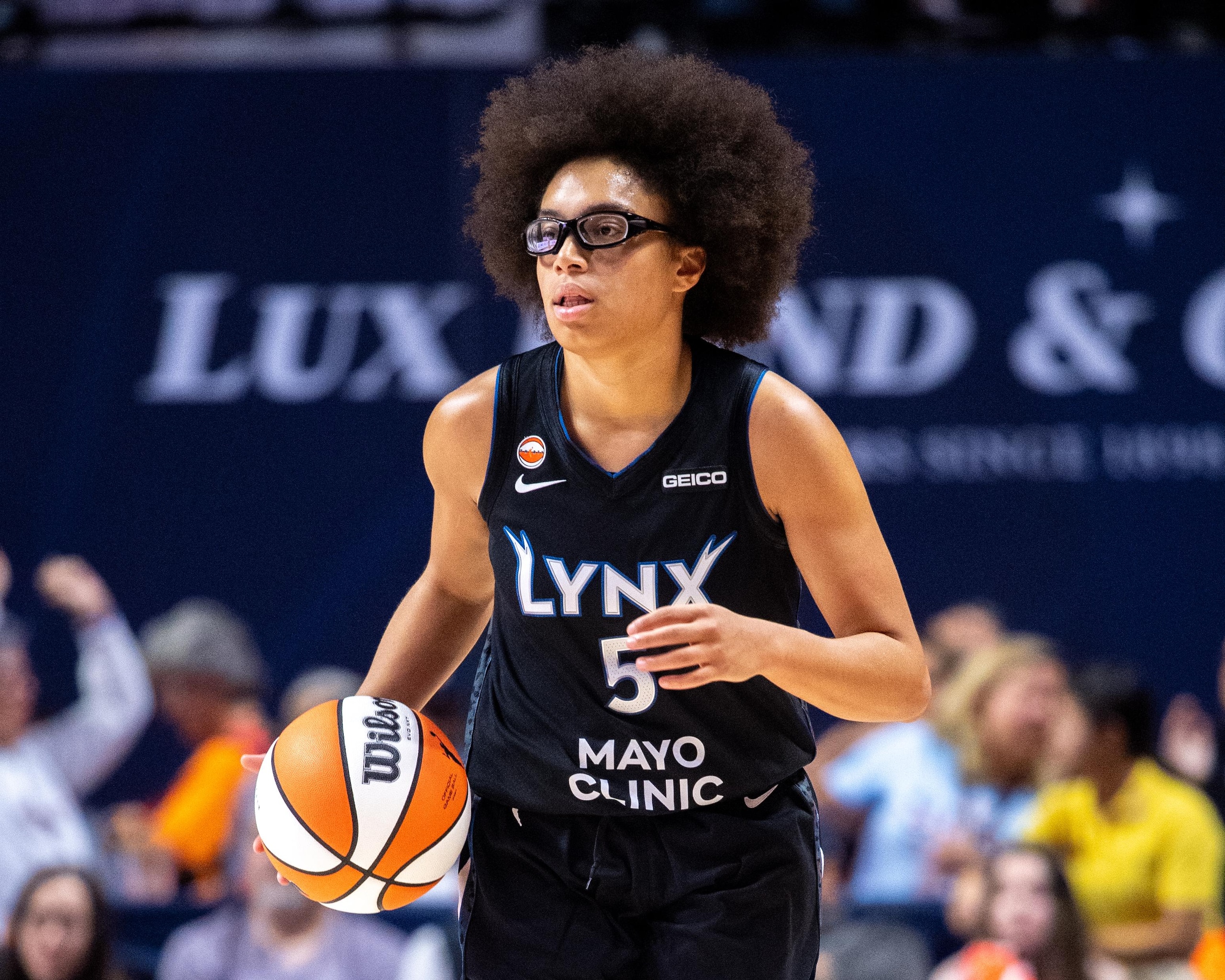
Original Pick: Azzi Fudd
Miles' Original Draft Position: No. 2
Miles entered the 2026 draft with clear superstar upside, yet she was never really considered a serious option for the Wings at No. 1. There were concerns about Miles' fit with Paige Bueckers, her defensive shortcomings, and her two-point scoring at the WNBA level.
By the Wings' own admission, Azzi Fudd was their sole focus with the top overall pick. While Fudd enjoyed a fantastic rookie season before she hurt her knee, it's fair to wonder whether the Wings regret that decision.
Miles' rookie season was historic in every sense. She broke countless records and became the sixth rookie to make the All-WNBA First Team, averaging 19.8 points, 4.7 rebounds, and 6.0 assists per game. Despite questions about her jumper and efficiency, she posted those numbers with a sparkling .606 true shooting percentage. Miles finished second in MVP voting, the best rookie finish since Candace Parker won the award in 2008.
Unfortunately, Miles finished 2026 on a sour note, with two disastrous playoff performances that culminated in the top-seeded Lynx being unceremoniously swept by New York. Miles wasn't ready for the moment, as all her weaknesses were fully exploited. She needs to add an in-between game and develop midrange/floater counters, be more confident firing from three, and become a threat moving off the ball.
Miles still goes No. 1 here because she's the best talent in the draft. Concerns about her fit with Bueckers have always been overblown; Bueckers loves playing off-ball. There is no doubt that the two players would have formed a dynamic, synergistic backcourt in Dallas.
2. Minnesota Lynx, Awa Fam
2 of 15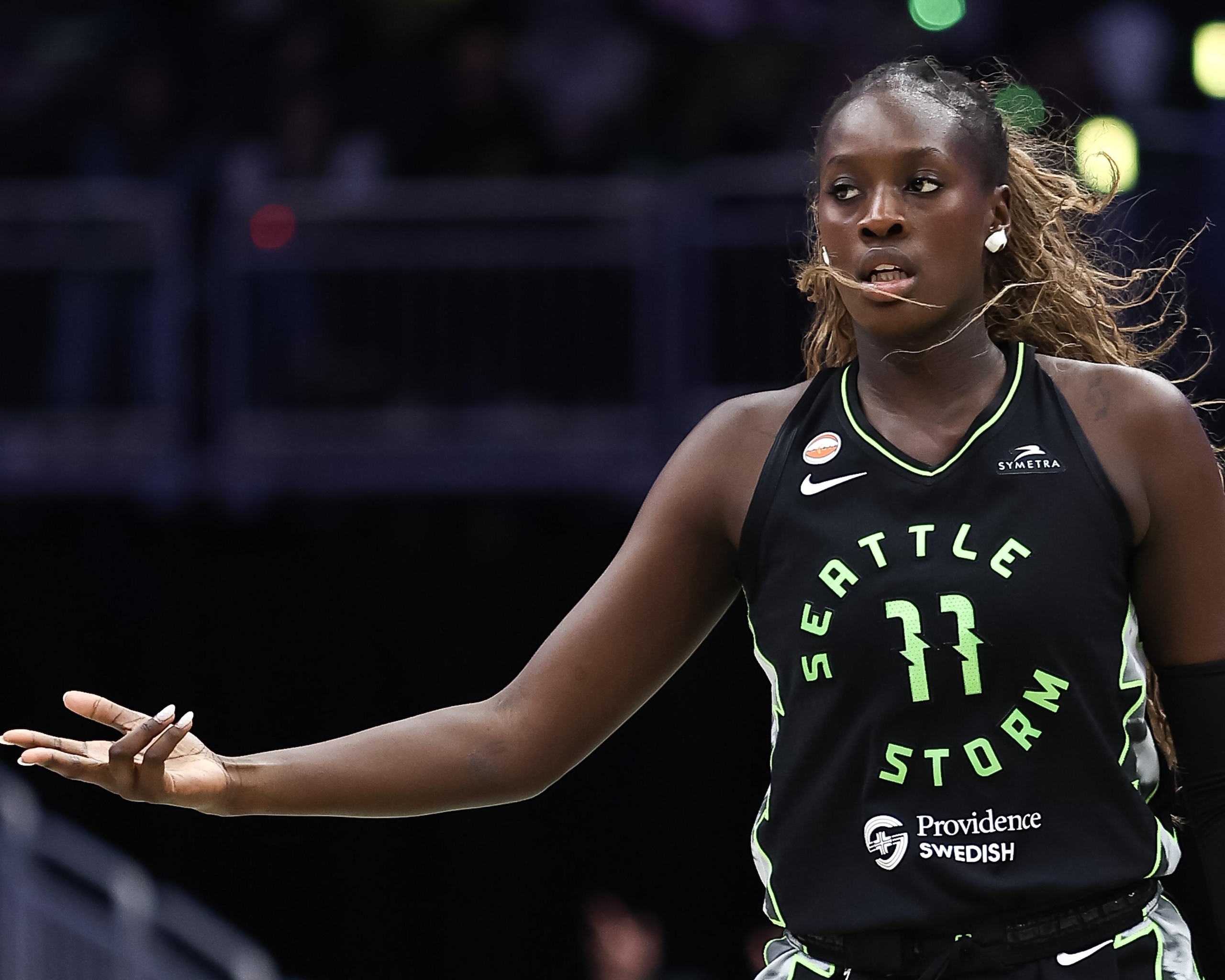
Original Pick: Olivia Miles
Fam's Original Draft Position: No. 3
Minnesota passed on Fam in real life after Miles fell into their laps, but they took her here as a bet on massive upside for the future. Fam entered the draft as a 19-year-old big with tons of professional experience in top European leagues and national competitions.
As a prospect, Fam's calling card was her advanced screen-and-roll ability. In addition to her uncanny understanding of timing and angles, Fam displayed tantalizing skill as a playmaker out of short-roll situations. She continuously made advanced reads and was comfortable calling her own number to score when she had an advantage. Those skills, combined with her athletic, 6'4 frame and fluid mobility, made her a candidate for the top prospect in the draft.
Fam's rookie season was effective but somewhat odd. While she flashed shooting potential as a prospect, Fam's three-ball was considered more of a work in progress coming into the league. But in Seattle last year, Fam was deployed almost exclusively as a five-out spacer, hitting a solid 35% of her threes on 4.3 attempts per game. The fit with Dominique Malonga and Ezi Magbegor (when healthy) wasn't always the cleanest. Head coach Sonia Raman didn't put Fam in positions to showcase many of the skills that made her a great prospect. It certainly doesn't help that Seattle had one of the weakest guard rooms in the league (and no true point guard to speak of).
Apart from fixing her role, Fam needs to improve her defensive rebounding, rim protection, and handle. She made strides as a defender in her rookie season, so the hope is that those other areas can follow. Fam still has limitless potential. Minnesota gets her here as a core piece for both the present and future.
3. Seattle Storm, Kiki Rice
3 of 15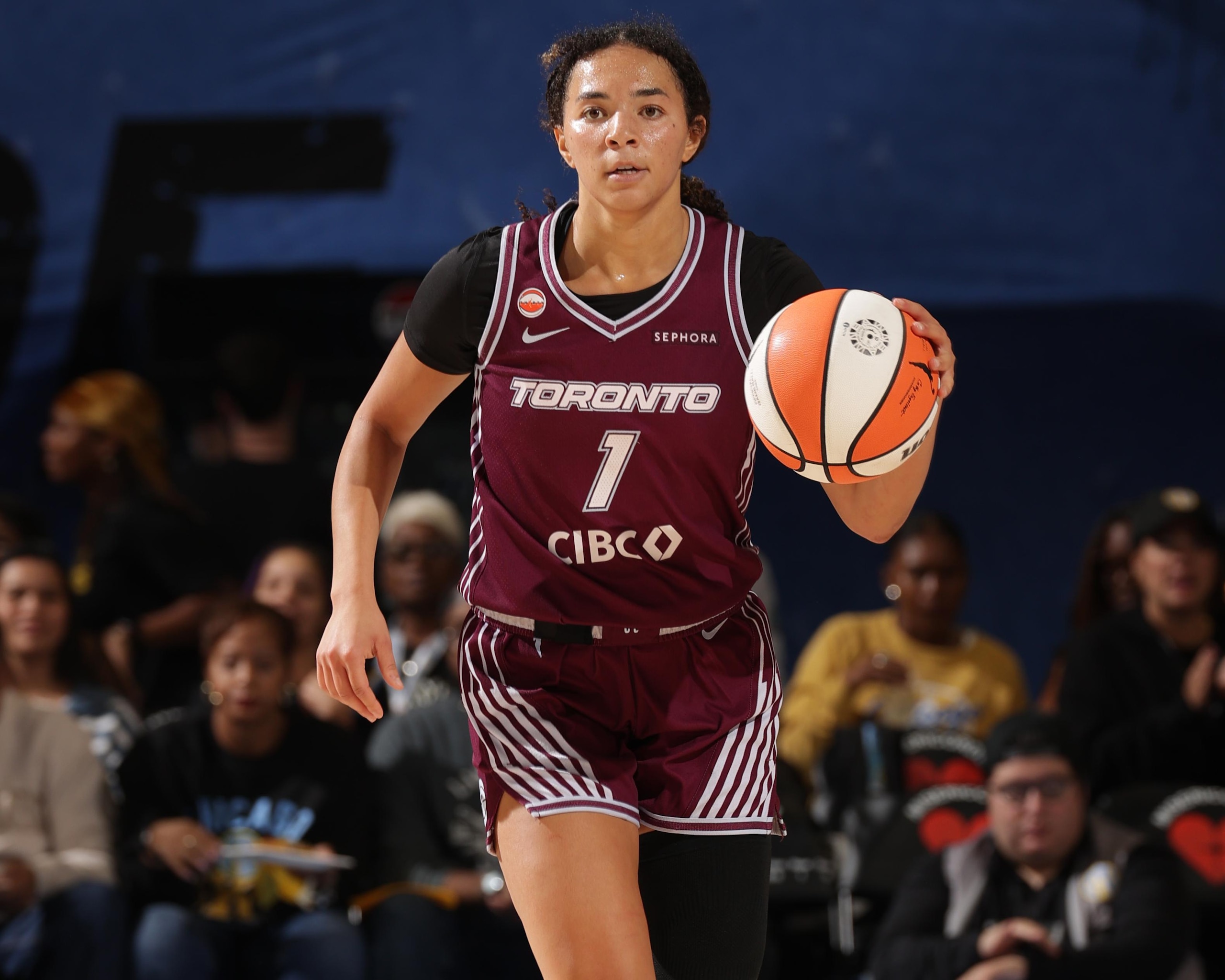
Original Pick: Awa Fam
Rice's Original Draft Position: No. 6
Kiki Rice falling to No. 6 never made any sense. She was clearly a top-3 prospect in this draft, and Toronto likely couldn't believe their luck when they secured her services outside the lottery. The 5'11 UCLA guard proved her doubters wrong in year one, as she has a strong argument for going as high as No. 2 overall in a redraft.
Rice started her rookie season strong before an ankle sprain forced her to miss 16 games. When she returned, Rice picked up right where she left off and ultimately earned All-Rookie team honors. As good as Marina Mabrey was in her first year for the Tempo, Rice proved that she's their franchise player of the future. Coach Sandy Brondello said as much verbatim.
Many Rice skeptics point to her lack of a signature skill. But here's the truth: Rice is good at everything. She can handle the ball and play both guard spots; she's a good spot-up shooter; she's a strong playmaker with good vision and instincts. Rice pressures the rim and finishes well, and she's improving as a pull-up scorer from both the midrange and three-point range.
Defensively, Rice has a lot of room to grow. She was a very good point-of-attack defender at UCLA, but that wasn't the case last year. Rookie guards almost always struggle to adjust to WNBA speed and physicality, though, so Rice should improve there. It's fascinating to think about how she'd fit with Seattle in this spot. The fit with Malonga, Johnson, and Magbegor would be undeniably compelling.

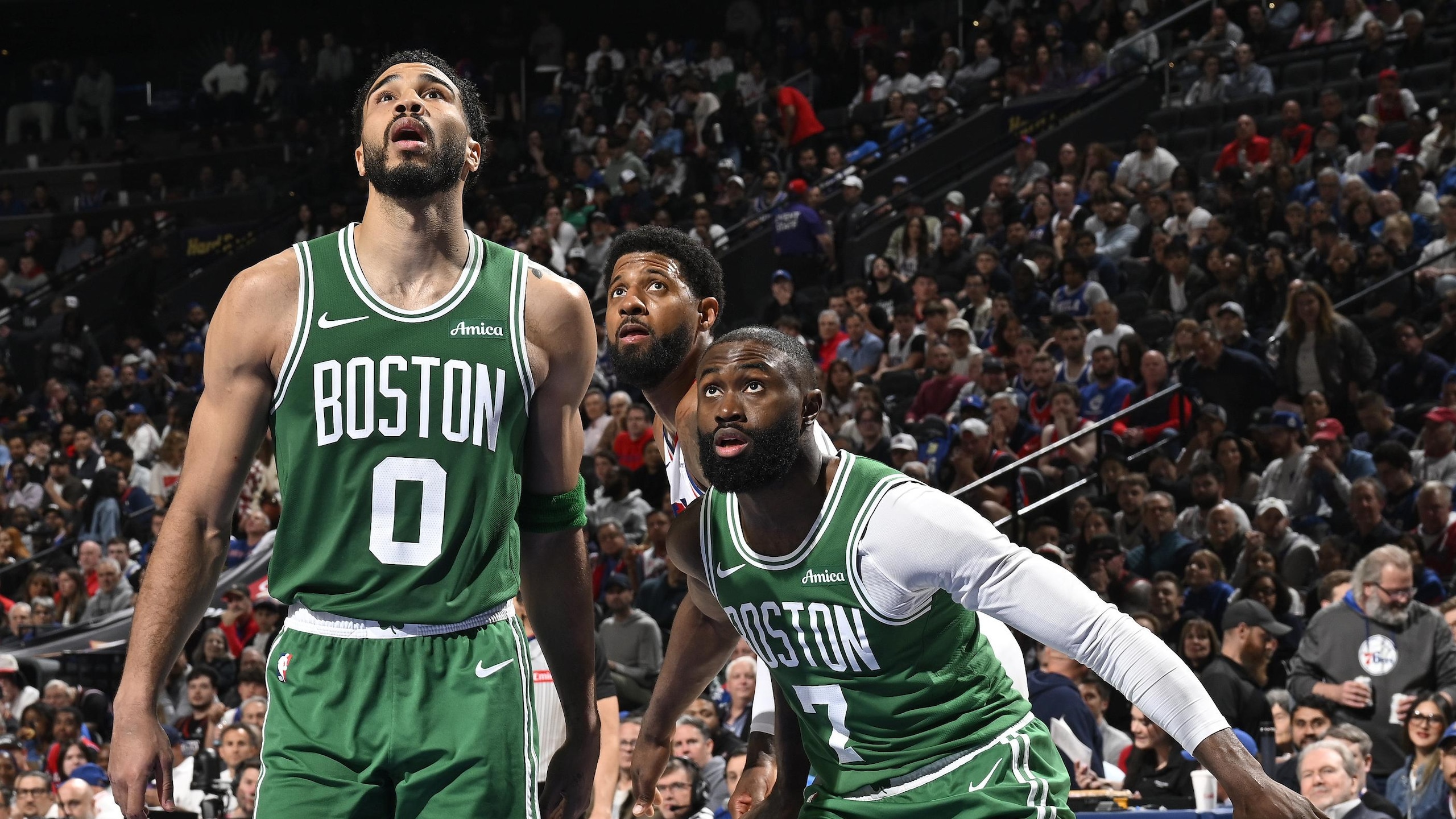
4. Washington Mystics, Azzi Fudd
4 of 15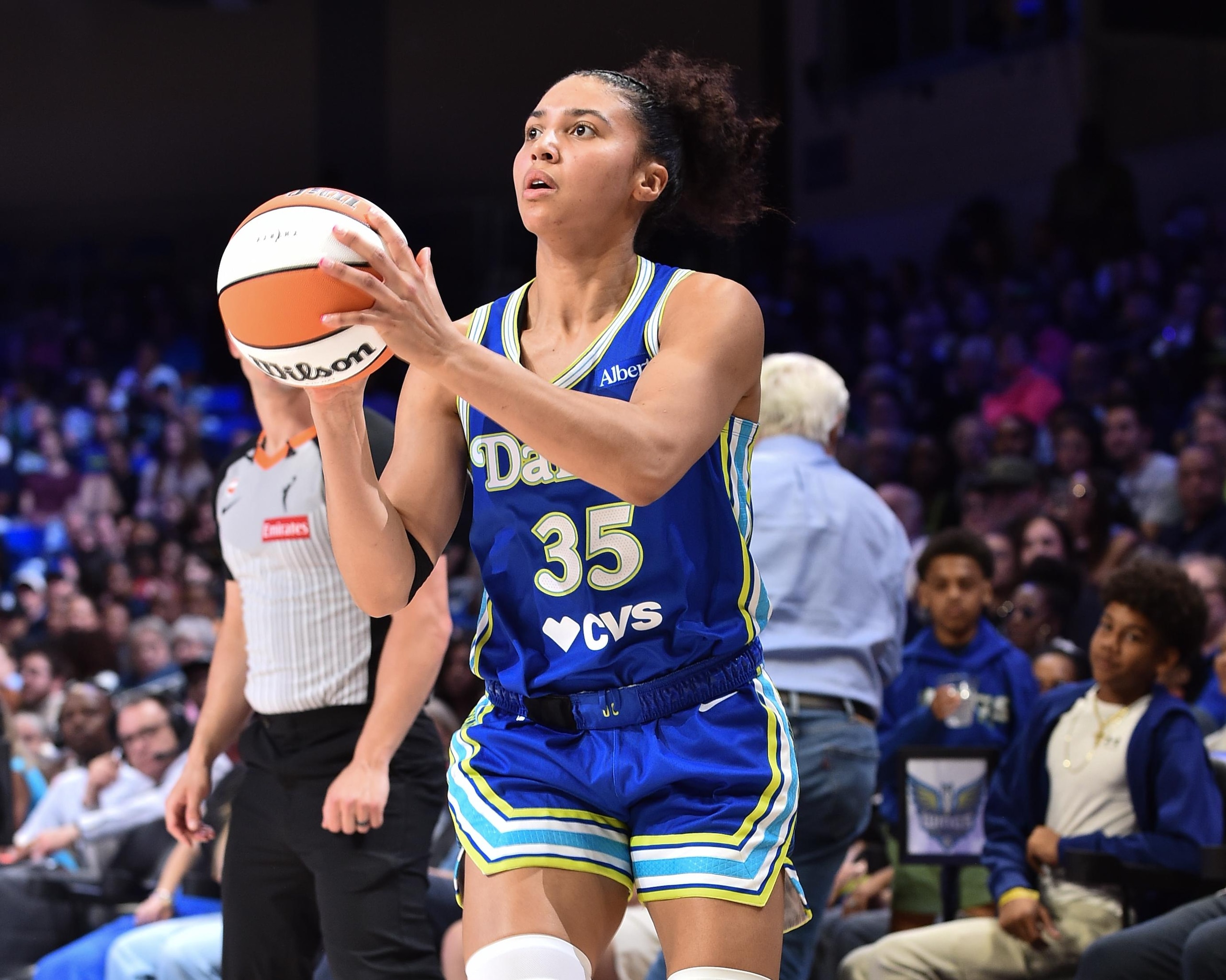
Original Pick: Lauren Betts
Fudd's Original Draft Position: No. 1
It's hard to imagine a team more in need of Fudd's skills than the Washington Mystics. Washington finished 12th in the WNBA in three-point percentage in 2026 and dead last in three-point attempts in each of the last two seasons. This team desperately needs the elite three-point shooting Fudd brings to the table. They'd be thrilled to get here at fourth overall.
Fudd showed promise in her rookie year as one of the premier "3-and-D" players in the league. Her defensive playmaking was fantastic, averaging 1.7 steals and 0.8 blocks per game as a 5'11 guard. Fudd's slick hands and smart instincts in help led to a positive defensive impact despite some issues at the point of attack, where she often struggled to stay in front of quick guards.
The shooting and gravity from Fudd also shone, though 39.7% on 5.2 three-point attempts per game were both a tad underwhelming for a player of Fudd's marksmanship. Fudd often turned down semi-contested threes to shoot one- or two-dribble pull-up middies. She took 2.8 long midrange shots per game, third in the WNBA among rotation players, and hit those at a blistering 49.4% (per Databallr).
Such proficiency from midrange is great, but Fudd needs to turn at least half of those long middies into threes. It would also be nice to see more self-creation and driving from Fudd, but that probably isn't likely to materialize. As long as she increases her three-point volume and continues to make an impact on defense, she'll be a great player for a long time, provided she stays healthy.
Fudd had arthroscopic right knee surgery in August, ending her season. That knee has now sustained four surgeries and at least four other issues that caused Fudd to miss time. Hopefully, this latest procedure cleaned some things up so Fudd can get healthy and minimize future issues.
5. Chicago Sky, Flau'jae Johnson
5 of 15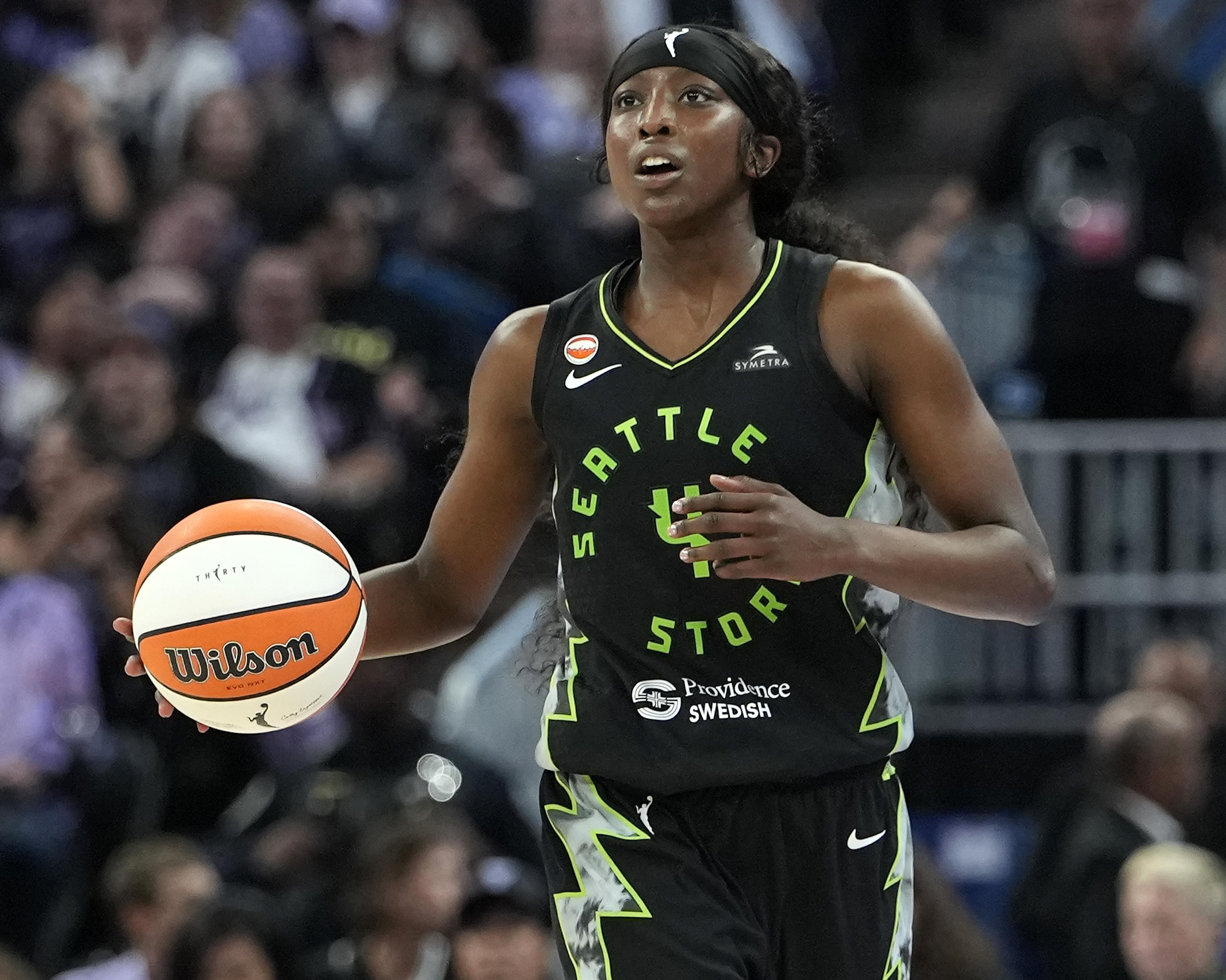
Original Pick: Gabriela Jaquez
Johnson's Original Draft Position: No. 8
Chicago could have selected Johnson (and Kiki Rice!) for real on draft night, but opted for Jaquez instead. Johnson was then involved in one of the more confusing trades in WNBA Draft history; Golden State took her at No. 8 and traded her to Seattle a half hour later for No. 14 and a future second-round pick. It's still unclear why Golden State did this, but hey, they won the title.
Whatever the Valkyries were cooking, it greatly benefited the Storm, as Johnson had a terrific rookie season. Johnson was second to Miles in rookie scoring at 14.9 points per game. She had a positive impact on both ends for a horrible Storm team. Seattle posted a -4.1 net rating with Johnson on the floor compared to a -15.7 mark with her off. So, while Johnson didn't make the Storm a good team, her presence at least made it not historically awful.
Johnson is a talented bucket-getter with a great handle, elite athleticism, and a pretty jumper. She flashed legit two-way upside in her rookie season, but she still has a ton of room to grow. Johnson must improve her efficiency, as she wasn't particularly effective from any area of the floor. The three-point shooting (29.6%) was baffling, although that should bounce back in a big way next year. Johnson also tends to avoid her left hand entirely at the rim, leading to poor finishing. Apart from the shooting struggles, Johnson's overall processing and decision-making leave a bit to be desired.
It sounds like Johnson has a lot to improve on, which is true. But her raw skills and physical profile are special. She performed admirably on a bad team en route to All-Rookie honors in 2026.
6. Toronto Tempo, Lauren Betts
6 of 15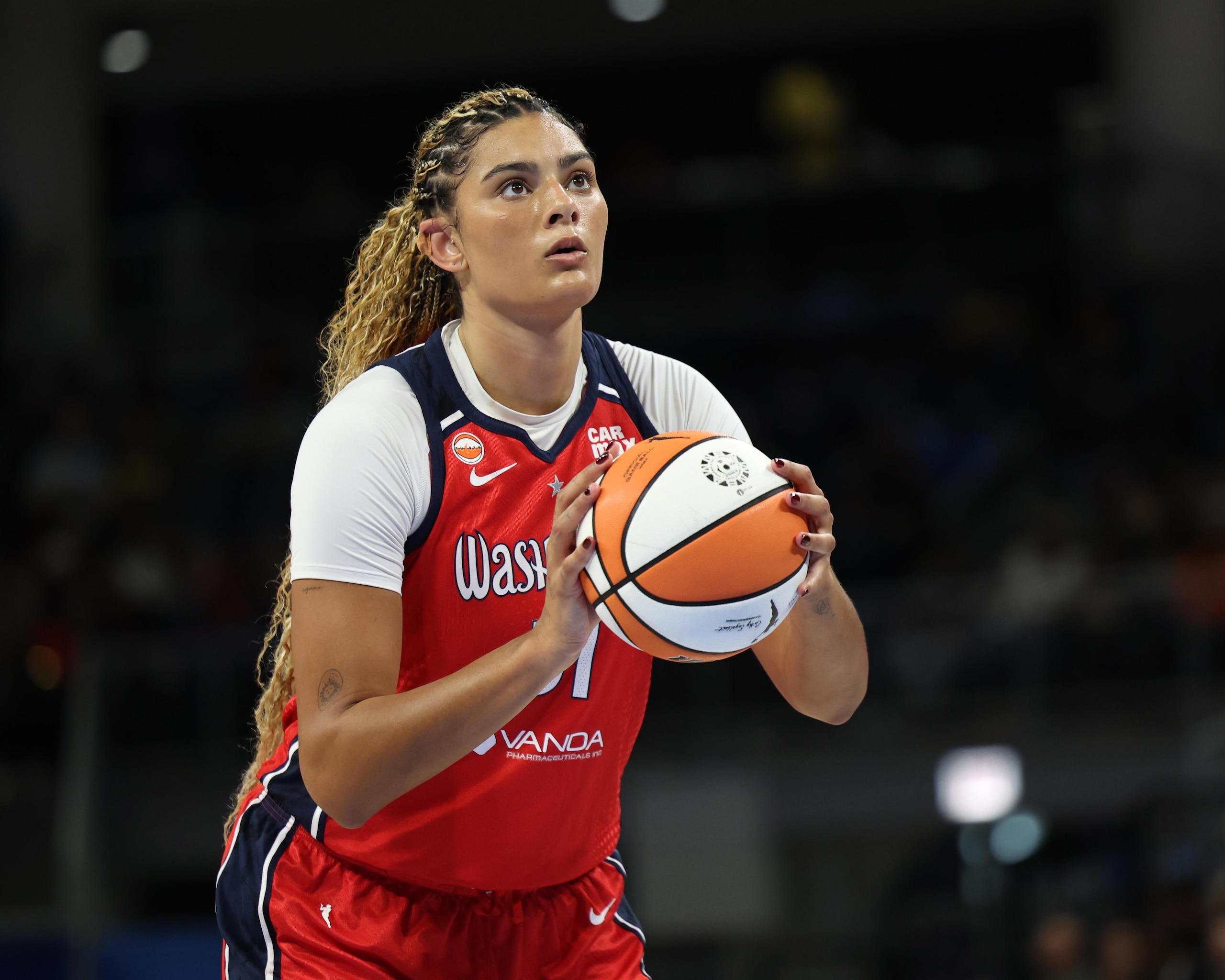
Original Pick: Kiki Rice
Betts' Original Draft Position: No. 4
The Mystics took Betts fourth overall, despite a crowded frontcourt situation, because she was the best available player on their board. As a result, Betts played a reserve role as a rookie behind stars Shakira Austin and Kiki Iriafen. In this redraft, Betts gets to join a brand-new expansion team and start at center.
Betts performed adequately as a rookie backup, providing solid post scoring, rebounding, and defense. Washington posted a suffocating 97.8 defensive rating with Betts on the floor, the best mark of any rotation player on the team. The skills that made Betts such a dominant college player were on full display, as Washington didn't overexpose her in year one.
Betts still struggles as a screen-and-roll player and needs to find a way to add value there. It's great when she can score on a deep seal or offensive rebound, but to be a plus offensive player in today's game, the screening needs to come along. The jumper could be a lost cause, though Betts doesn't need to shoot to be a good player.
The defensive upside for Betts remains sky-high. She has some of the best rim-protecting instincts in the league, while her mobility isn't bad for her massive height. If the offense comes around, star outcomes are still on the table.
7. Portland Fire, Iyana Martín
7 of 15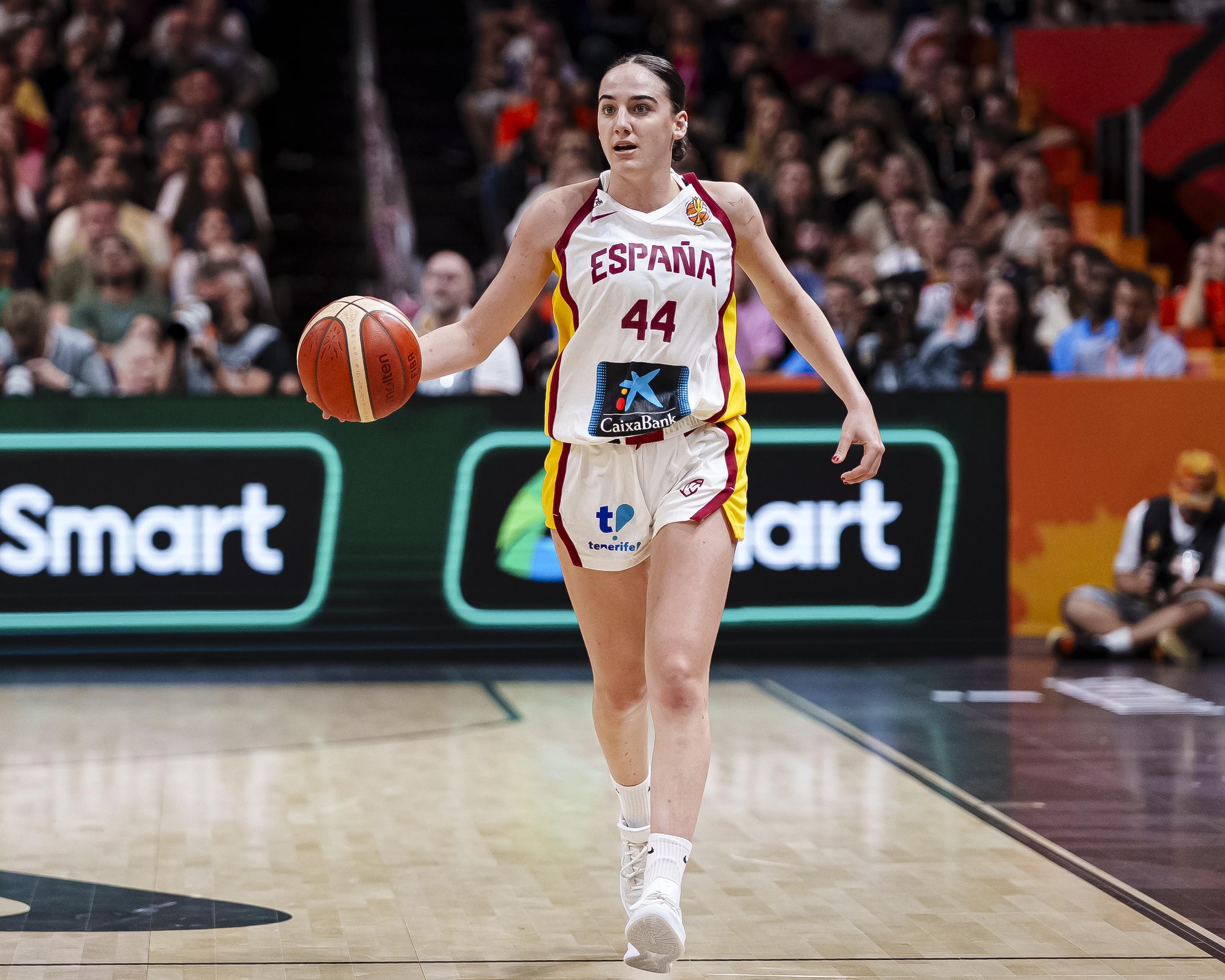
Original Pick: Iyana Martín
Martín's Original Draft Position: No. 7
Nothing changes here; Portland has reportedly been enamored with Martín for a long time. She's also the best talent on the board. Martín is a 20-year-old Spanish point guard with a lot of flair to her game. She didn't play in the WNBA last year, opting to stay in Spain and play for Avenida.
The mainstream basketball world was introduced to Martín in a big way during the 2026 FIBA World Cup, as she enjoyed a massive breakout tournament. Martín averaged 17.5 points and 4.2 assists per game on 55/45/90 shooting splits and was likely the best player in the entire competition. Spain earned the bronze medal with Martín leading the charge.
Martín is a dynamic 5'9 guard with incredible vision and passing ability. She's at her best maneuvering out of ball screens, using her live dribble and vision to find open shooters and drive when there's an advantage. Martín has been up-and-down with the jumper. Her finishing needs improvement, but she's easy to project as a valuable offensive player with a rare set of creation skills.
Defensively, Martín's size and extremely slender frame create issues. She is also a pretty poor athlete who struggles to contain dribble penetration. It's hard to imagine Martín avoiding becoming a liability on that end, though she does compete.
In Portland, they already employ a high-usage, pick-and-roll-spamming point guard with a streaky jumper and questionable defensive utility. It's fair to wonder how Carla Leite and Martín can coexist, or if they can share the floor for extended stretches. Still, even with those concerns, Martín has too much talent not to heavily factor into Portland's future plans.
8. Golden State Valkyries, Gabriela Jaquez
8 of 15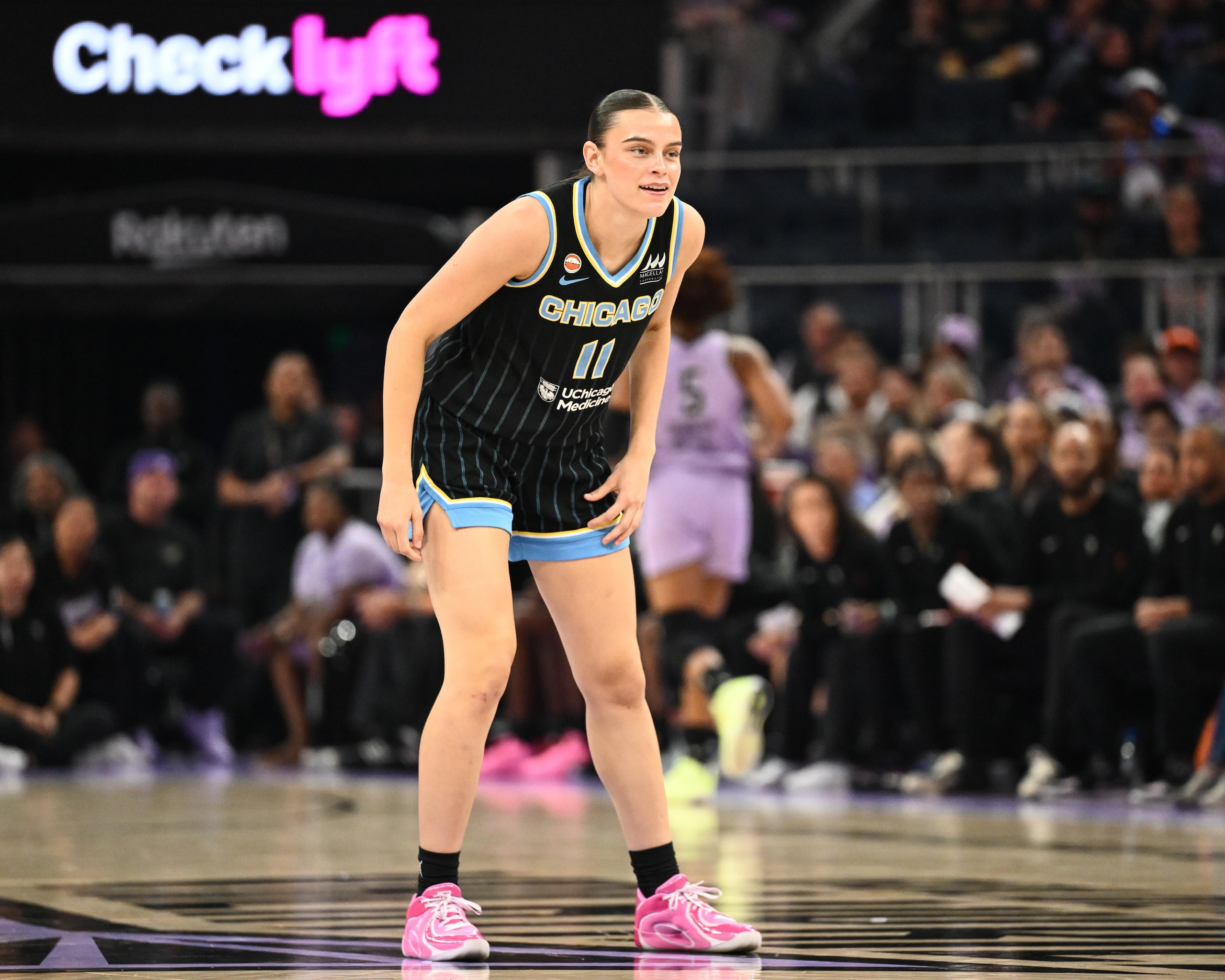
Original Pick: Flau'jae Johnson
Jaquez's Original Draft Position: No.5
Jaquez was connected to Golden State a lot in the pre-draft process; most saw this spot as the highest she would go on draft night. Of course, the Chicago Sky shocked the world by taking Jaquez fifth overall. Golden State responded by punting their first-round pick altogether.
Much of the industry considered the Jaquez pick a reach. A year later, it's safe to say they were correct. Even so, the 6'0 wing is a solid basketball player who contributes in many areas. It starts with her motor; Jaquez is always going to play harder than most other players on the floor. Everything she does is with intention-- she cuts hard, plays physical defense, and sprints up and down the court.
All of that effort adds up to winning plays on both ends. At the same time, Jaquez struggles with many macro skills of the game. She isn't a real shooter (27% from three on just 1.8 attempts per game last year), which is her biggest downfall. If Jaquez could be relied upon to knock down threes, she'd have a much more viable role.
But without the shooting threat, there isn't enough offensive skill to go on. Jaquez isn't a creator with the ball. She's not tall or strong enough to bang with WNBA wings. She isn't an efficient scorer from anywhere. While Jaquez adds some defensive value with her effort and activity, she's not good enough on that end to make up for the offensive shortcomings.
If Jaquez got drafted to Golden State, she'd probably shoot six threes per game at a 36% clip in Natalie Nakase's system. In fact, it wouldn't be shocking to see her end up there eventually and become the perfect plug-and-play utility wing. Until then, we'll see if she can take a step forward in Chicago next season.
9. Washington Mystics, Raven Johnson
9 of 15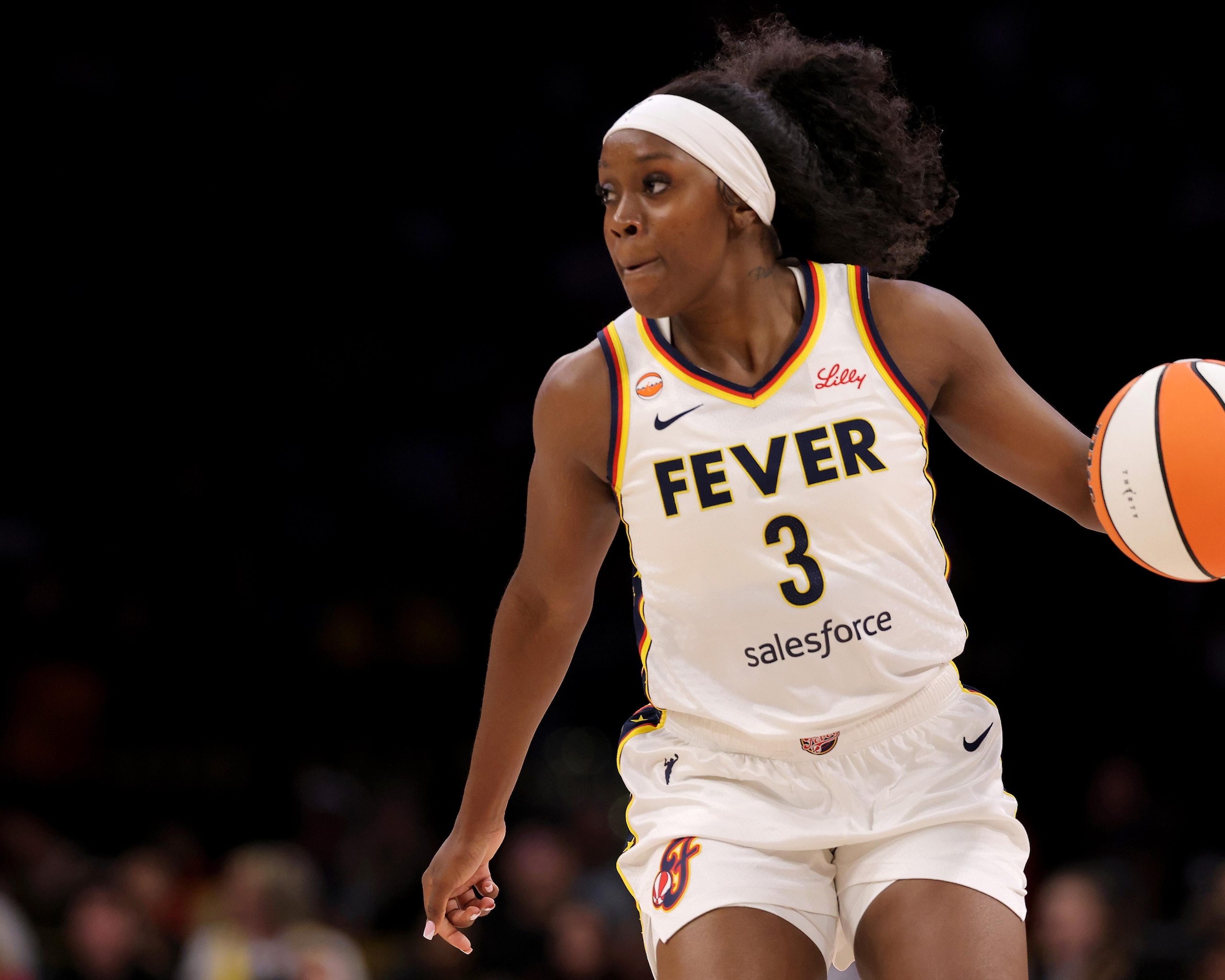
Original Pick: Angela Dugalić
Johnson's Original Draft Position: No. 10
Washington could have taken Johnson on draft night, but reached for Dugalić instead. Although Johnson didn't have a particularly strong statistical rookie season in Indiana, she flashed the winning qualities that make her such a unique player.
Glance at Johnson's averages last year and you might think she doesn't even deserve to be drafted in the first round here. She averaged just a touch over 3 points per game and shot 23% from three as an undersized point guard. So, what gives? How is she any good?
Well, Johnson may be 5'8, but her near-6'3 wingspan makes up for much of that size deficit. Combined with her strength and athleticism, that lets her wreak havoc as a point-of-attack defender.
While her offensive profile raises genuine concerns, Johnson doesn't need to score to be effective. She's out there to find teammates, move the ball, and attack the gaps. At the same time, you'd like her to hit an open three or pressure the rim out of ball screens. If those skills develop, Johnson will play for a long time in this league. If not, she should carve out a role as a defensive-minded gadget player.
In last year's playoffs, Johnson elevated her game, averaging 7.3 points per game on 59% shooting from the field against the Aces. Johnson also stepped up in big games throughout her college career because she's a winning player who shines in pressure moments. As Johnson continues to improve, we'll see if the statistics start to catch up with the intangibles.
10. Indiana Fever, Charlisse Leger-Walker
10 of 15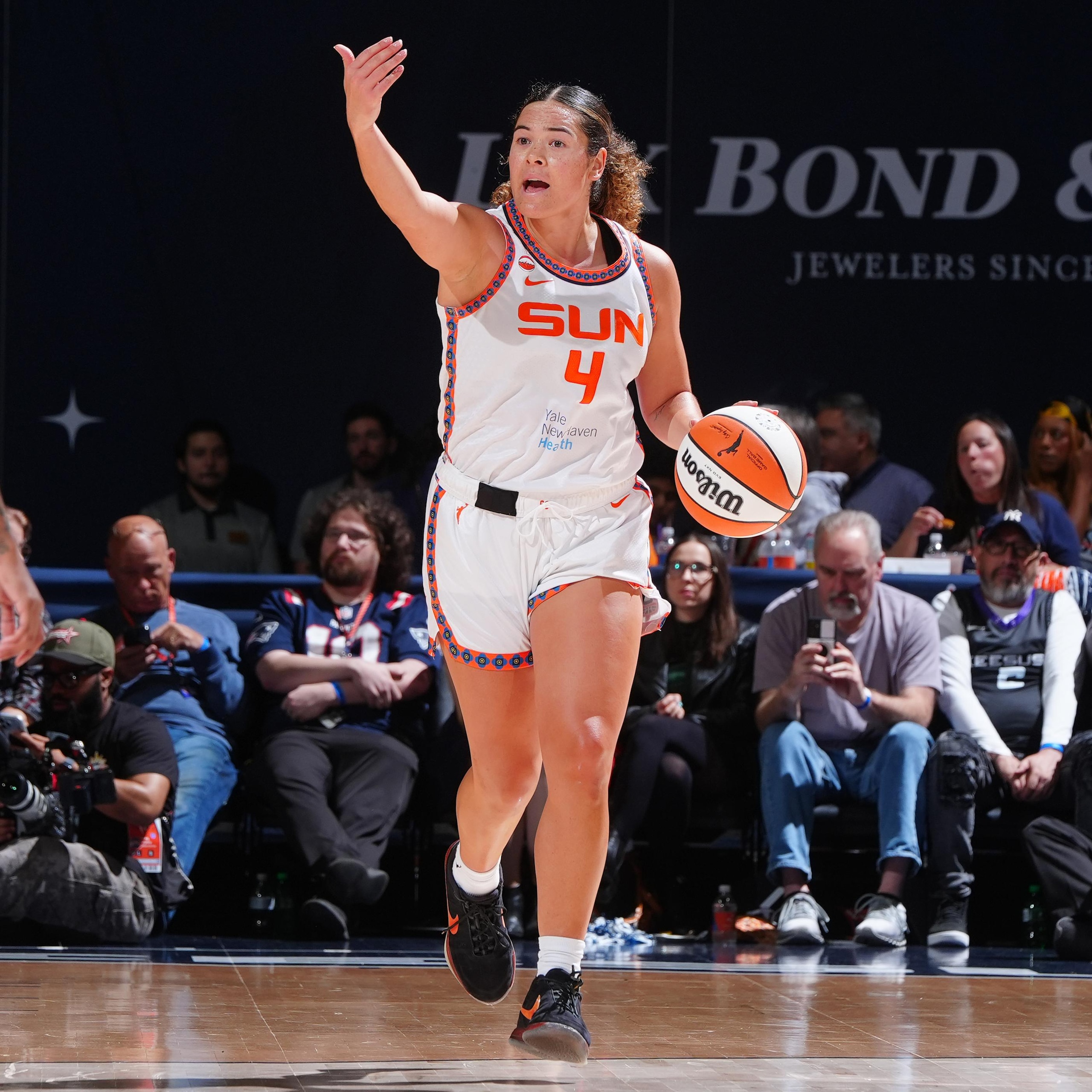
Original Pick: Raven Johnson
Leger-Walker's Original Draft Position: No. 18
The Team Formerly Known as the Connecticut Sun scored a big-time steal with Leger-Walker in the second round of this draft. CLW had a solid rookie year on an awful Sun team and looks like a legitimate backup point guard for years to come. Here, she goes to Indiana to give their bench a boost behind Caitlin Clark.
Leger-Walker's value starts with her playmaking and processing abilities. She plays at her own pace and makes smart reads out of ball screens, organizing the offense and setting up teammates. Leger-Walker isn't much of a scorer. Her three-ball was streaky in 2026, but she adds just enough juice to keep defenses honest.
As a poor athlete at 5'10, Leger-Walker isn't giving you much on the defensive end. She does grab the occasional steal (0.8 per game last year) and is strong enough to compete against mismatches. As she matures, she should be able to become a neutral presence on defense.
While there isn't a ton of upside with Leger-Walker, there's a good chance she settles into a backup point guard role for whichever team needs one. For a second-round pick, that's a very positive outcome.
11. Washington Mystics, Madina Okot
11 of 15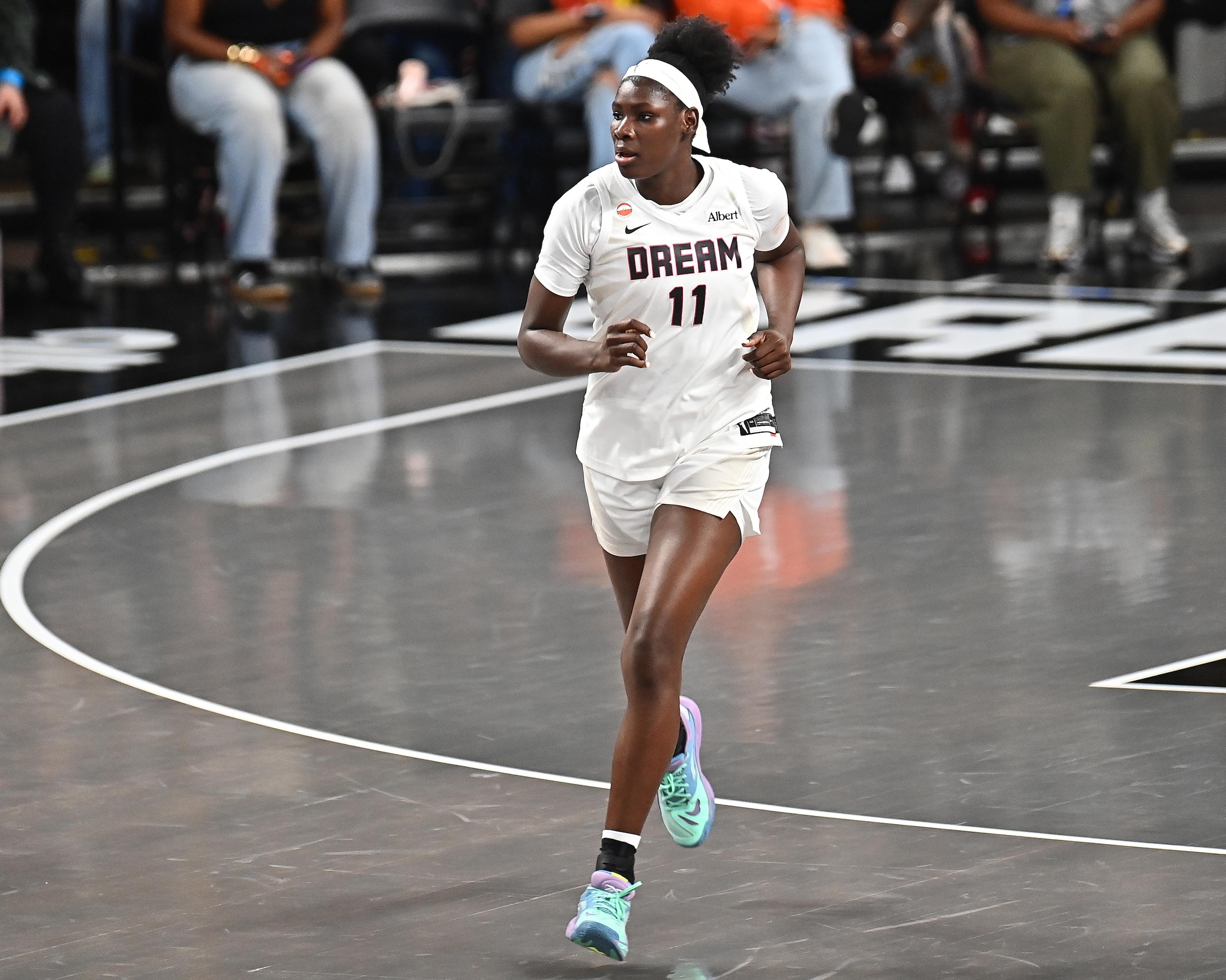
Original Pick: Cotie McMahon
Okot's Original Draft Position: No. 13
Since Washington misses out on Lauren Betts in this redraft, they snag their backup center in Okot here. The 6'6 South Carolina big had a solid rookie season in Atlanta, showcasing the athletic tools that made her such an intriguing prospect.
Okot was used sparingly for the Finals-bound Dream, but there were some encouraging signs. Her 22.1% rebounding rate was in the 99th percentile league-wide (per Her Hoops Stats). She provided some much-needed rim protection in her sporadic playing time.
Apart from those positives, Okot couldn't stay on the floor because of poor processing on both ends. She struggled with turnovers and decision-making in college at South Carolina. That continued in her rookie year. Okot stops the ball too often and doesn't react well to the defense. On the other end of the floor, Okot didn't hold up defending in space and fouled too much.
Okot didn't start playing basketball until 2020, so she's a bit behind the developmental 8-ball. There's every reason to believe she can develop into a very solid pro, especially with her elite physical traits.
12. Connecticut Sun (Houston Comets), Nell Angloma
12 of 15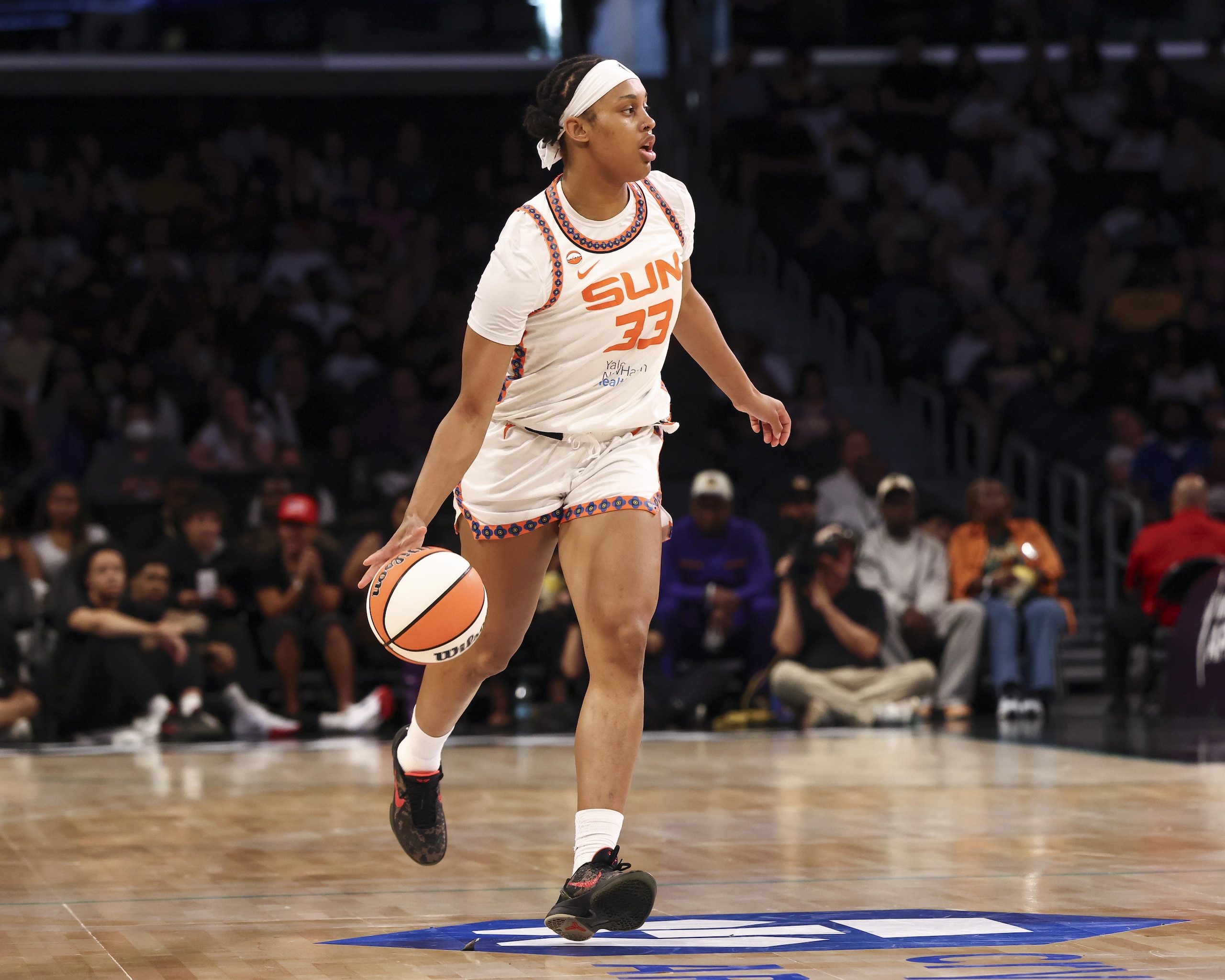
Original Pick: Nell Angloma
Angloma's Original Draft Position: No. 12
Another pick remains status quo, as the young Angloma still makes perfect sense for the rebuilding Sun/Comets at this spot. At 21 years old, Angloma retains a ton of enticing potential after a largely uneventful rookie season.
Angloma came over from France and played the full season in Connecticut, averaging a meager 4.4 points and 1.9 rebounds per game in a reserve role. As a prospect, the sell for Angloma was this: a strong, physical defender who gets downhill and draws fouls. Sure, she can't shoot at all, and the overall feel is a bit worrisome, but her standout skills offer a pretty safe floor.
In year one, Angloma's strengths were on display, albeit in a diminished capacity. Connecticut's defensive rating was 3.2 better with Angloma on the floor. She posted a stellar .436 free-throw rate. Angloma is a decent finisher at the rim with a strong left hand, so there's some hope she can leverage that into more consistent offensive production off drives. If the three-ball ever comes around to even average levels, this is a real player. There aren't many wings her size with this combination of strength and quickness.
13. Atlanta Dream, Frieda Bühner
13 of 15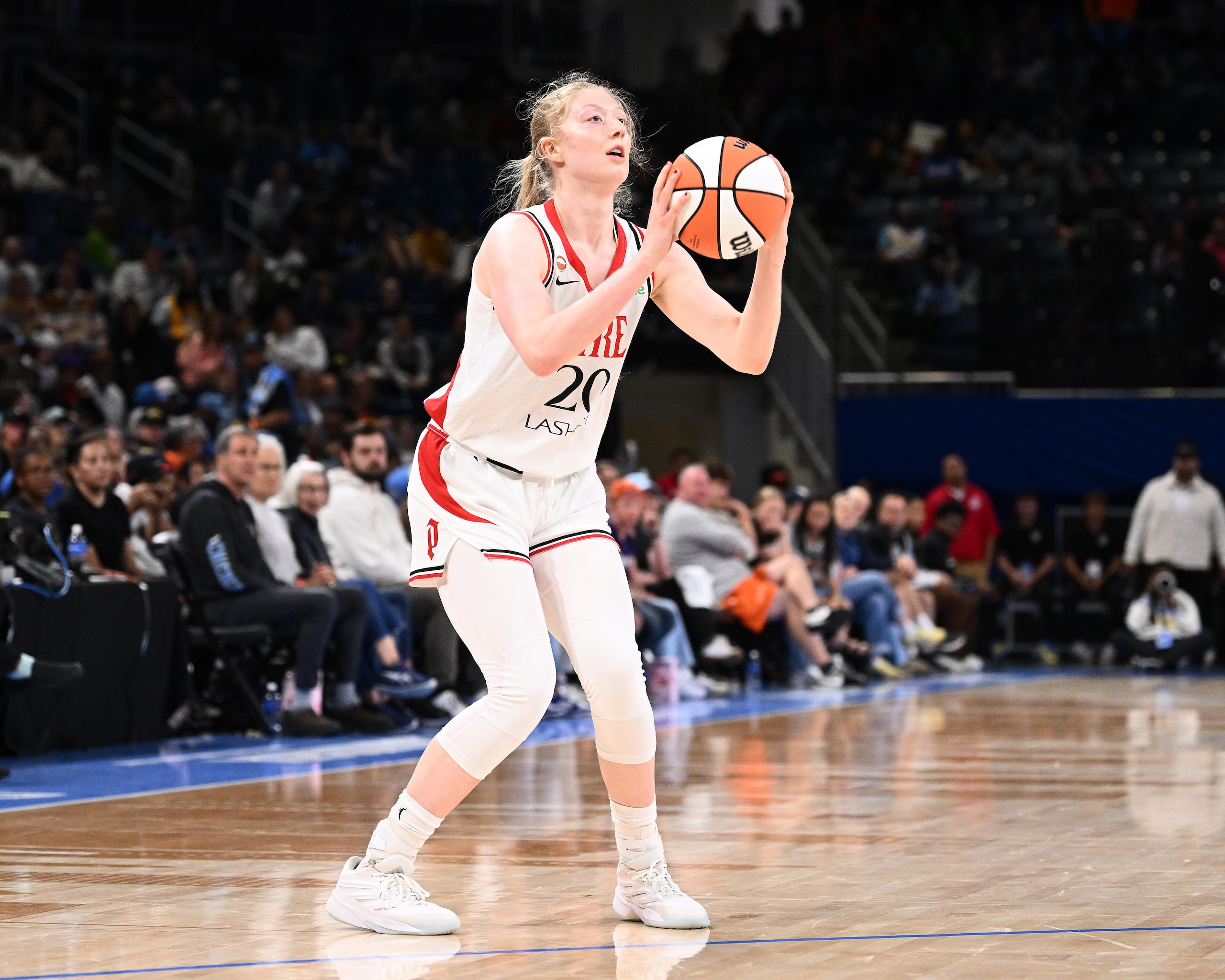
Original Pick: Madina Okot
Bühner Original Draft Position: No. 17
Bühner had a nice rookie season in Portland after initially signing a development contract as a second-round pick. The 22-year-old German international was rewarded for her solid play with a full-time deal in early May and became a rotation fixture for the upstart Fire.
Bühner is a classic finesse forward who likes to operate as an offensive hub and score in the intermediate areas of the floor. Though her three-point shot was considered a question mark as a prospect, Bühner hit a respectable 35% of her attempts from distance in 2026. Even better, she posted a .503 three-point rate, demonstrating a willingness to act as a spacer. Drawing closeouts opens up the floor for Bühner to showcase her craft and court vision, as there were glimpses of that throughout year one.
Athletic limitations and tweener size limit Bühner on defense, but she's pretty strong and did a decent job playing her role in Sarama's scheme. In this redraft, she's a nice complement to Atlanta's physical, defensive frontcourt room.
14. Seattle Storm, Tonie Morgan
14 of 15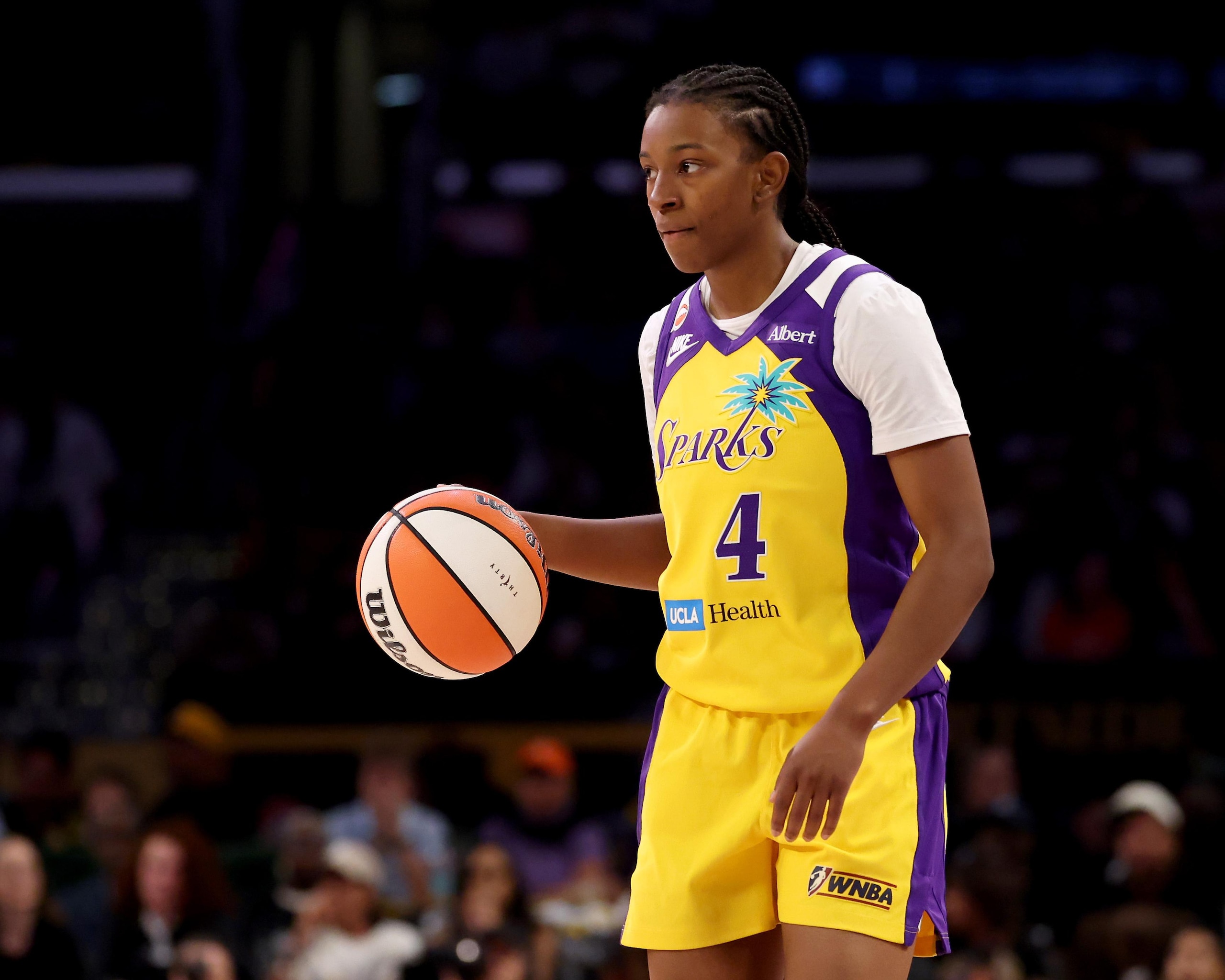
Original Pick: Taina Mair
Morgan's Original Draft Position: No. 32
That's right, we've got a third-round pick crashing the redraft party. Morgan was a better point guard prospect than real-life selection Taina Mair. It doesn't make sense that she fell to the third round. After the Chicago Sky selected her, they cut Morgan in training camp before she eventually worked her way into a development contract with the Sparks. In August, Los Angeles converted that into a standard deal, as Morgan had a nice run of games to close the season.
Morgan is a savvy playmaker with good athleticism and vision. She gets to the rim, finishes at a high level, and finds teammates off drives. There's not much else to her game. She can be a little turnover-prone, but there's value in a competent creator who can pressure the rim and organize the offense.
If Morgan can add a somewhat respectable jumper and avoid being targeted on defense, she should stay in the league. The fit with Seattle here makes a ton of sense, as that group desperately needs a floor general to set things up for their dynamic bigs.
15. Connecticut Sun (Houston Comets), Shay Ciezki
15 of 15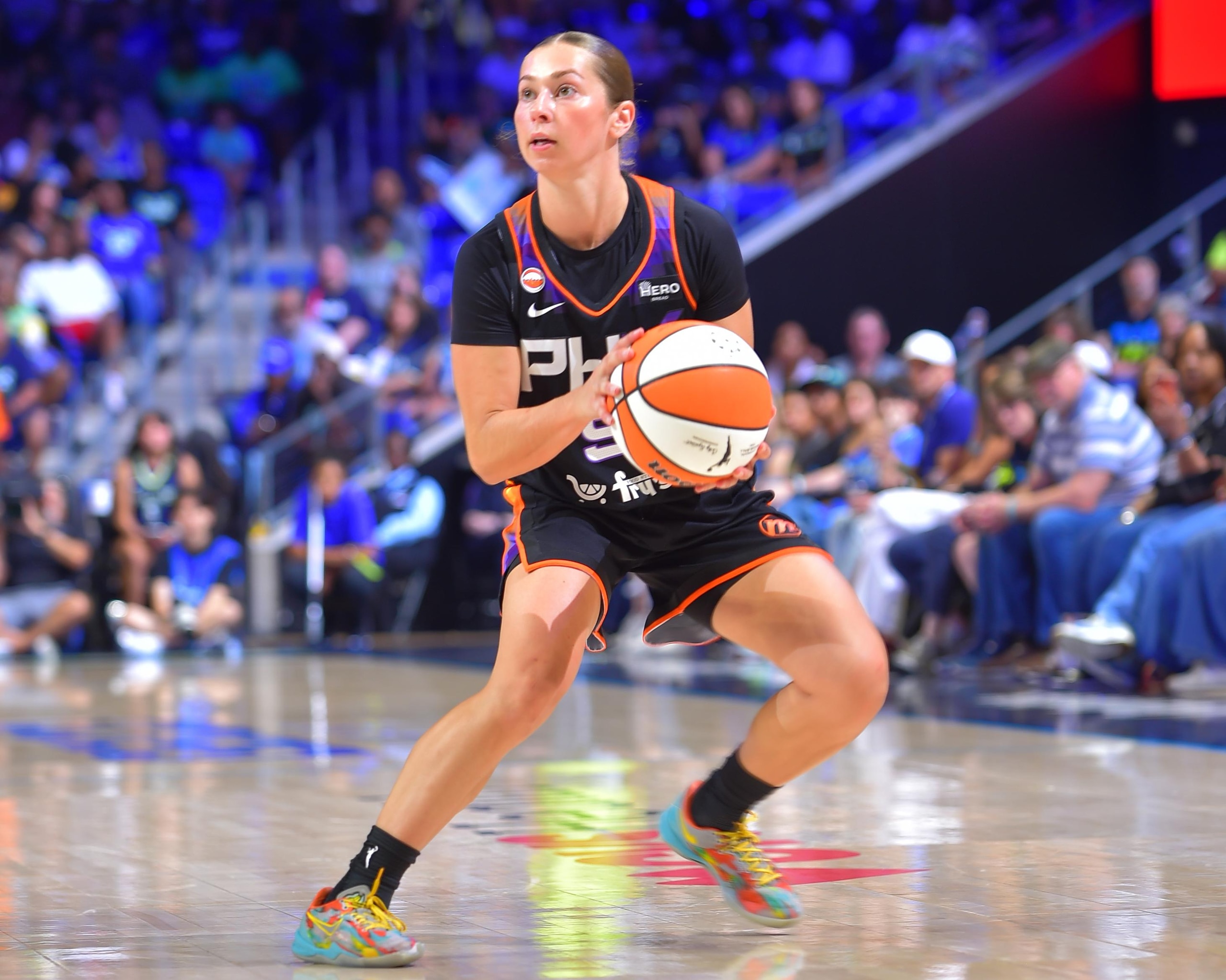
Original Pick: Gianna Kneepkens
Ciezki's Original Draft Position: Undrafted
Forget the third round; we're closing things out with an undrafted gem. It turns out being a 5'7 off-guard works against your WNBA prospects, as Ciezki learned the hard way on draft night. However, none of that is Ciezki's fault. All she did her senior year was put up one of the most efficient, high-volume scoring seasons in college basketball history. The Mercury signed her to a development contract post-draft, cut her a month later, and then ultimately brought her back on a standard deal to close out the season.
Ciezki took 652 three-pointers in college and hit 264 of them (40.5%). A large percentage of those shots were self-created. Ciezki showcased that ability in her WNBA cup of coffee. Ciezki can also hit catch-and-shoot threes and midrange shots, making her one of the most complete jump shooters in the sport. Pair that with a good handle and creativity in the pick-and-roll, and you've got a dynamic combo guard with explosive offensive potential.
Sadly, Ciezki's size remains an issue. She will always have to be schemed around on defense. Her height also limits her playmaking on the other end. Still, there aren't many shot-making talents like Ciezki in the league. That should allow her to hang around as a bench sparkplug for a bit.