
Voting on MLB's 2026 Awards for AL and NL MVP, Cy Young, Rookie of the Year, More

Before we can officially close the book on Major League Baseball's 2026 season, one key hurdle remains: Awards Week.
Gold Gloves have already been handed out, but the Rookie of the Year announcements will come on Monday night. Manager of the Year follows on Tuesday. Cy Young and Reliever of the Year Awards will be announced on Wednesday. And then the MVP ceremonies take place on Thursday.
For each of those 10 awards (five per league), we know the three finalists. And, for the most part, we can already say with 99 percent (or more) confidence who the winner will be.
But let's address them all, in chronological order.
AL Rookie of the Year
1 of 10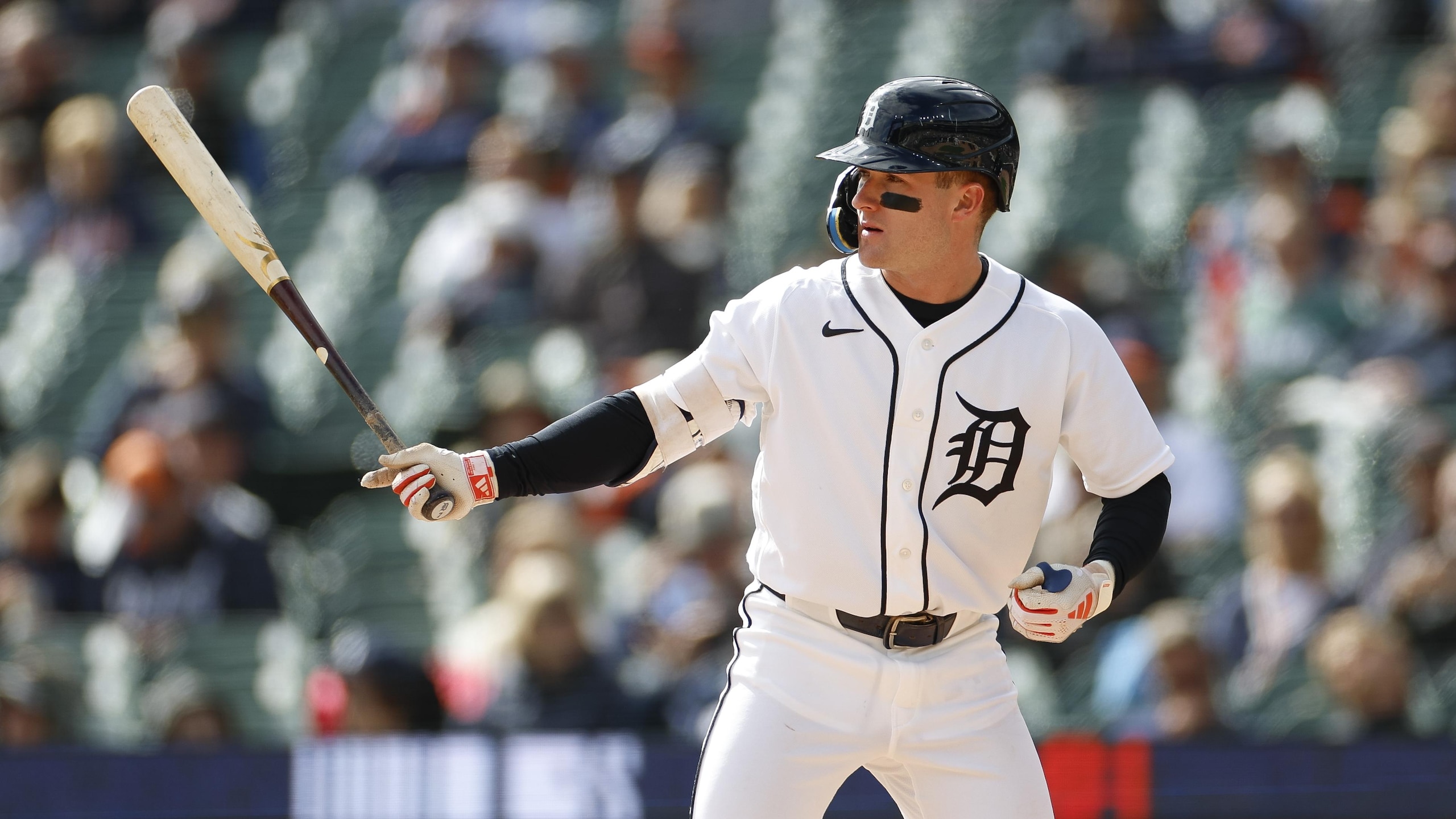
The Three Finalists (announcement on Nov. 9)
Kevin McGonigle, Detroit Tigers (.278/.376/.430, 18 HR, 72 RBI, 12 SB, 7.1 bWAR)
Parker Messick, Cleveland Guardians (186.1 IP, 2.56 ERA, 3.07 FIP, 1.06 WHIP, 9.3 K/9, 6.3 bWAR)
Payton Tolle, Boston Red Sox (148.2 IP, 3.03 ERA, 3.04 FIP, 1.10 WHIP, 10.4 K/9, 2.9 bWAR)
Expected Winner: Kevin McGonigle
If I didn't know the betting odds where McGonigle is the massive favorite, or if I didn't know that McGonigle basically had this race wrapped up by the All-Star Break, I would expect this one to be a photo finish between the Tigers infielder and the Guardians ace, if not a clear victory for Messick.
(Unless this year's voters filled out their ballots based upon who they would most want to just hang out with for a day, in which case Tolle wins in unanimous fashion.)
Please don't misconstrue any of this as McGonigle slander. He is a special young talent who played basically every day, posting one of the best on-base percentages in the majors while oscillating between two demanding positions on defense. He is a deserving Rookie of the Year.
But Messick became just the sixth rookie pitcher in the past 50 years to log at least 170 innings with an ERA of 2.67 or better. The five who preceded him on that list were Fernando Valenzuela (1981), Orel Hershisher (1984), Dwight Gooden (1984), Hideo Nomo (1995) and José Fernández (2013).
In other words, it hadn't been done in more than a decade, it has now been done just twice in the past three decades and it has only been accomplished in the past half-century by instant sensations.
Moreover, Messick was the most important player on a team that wouldn't have made the postseason without him, while McGonigle was stellar for an 86-loss Tigers team this year.
I know we've evolved beyond the days of handing MVP awards to the player who had the most RBI on the team that won the most games, but shouldn't team success matter at least to some extent? That the Guardians needed Messick in a tight playoff race and that they went 18-3 when scoring at least three runs in games where he was the starter?
McGonigle is going to win, possibly in unanimous fashion. But the fact that Messick is also one of three finalists for AL Cy Young speaks volumes to how impressive he was.
NL Rookie of the Year
2 of 10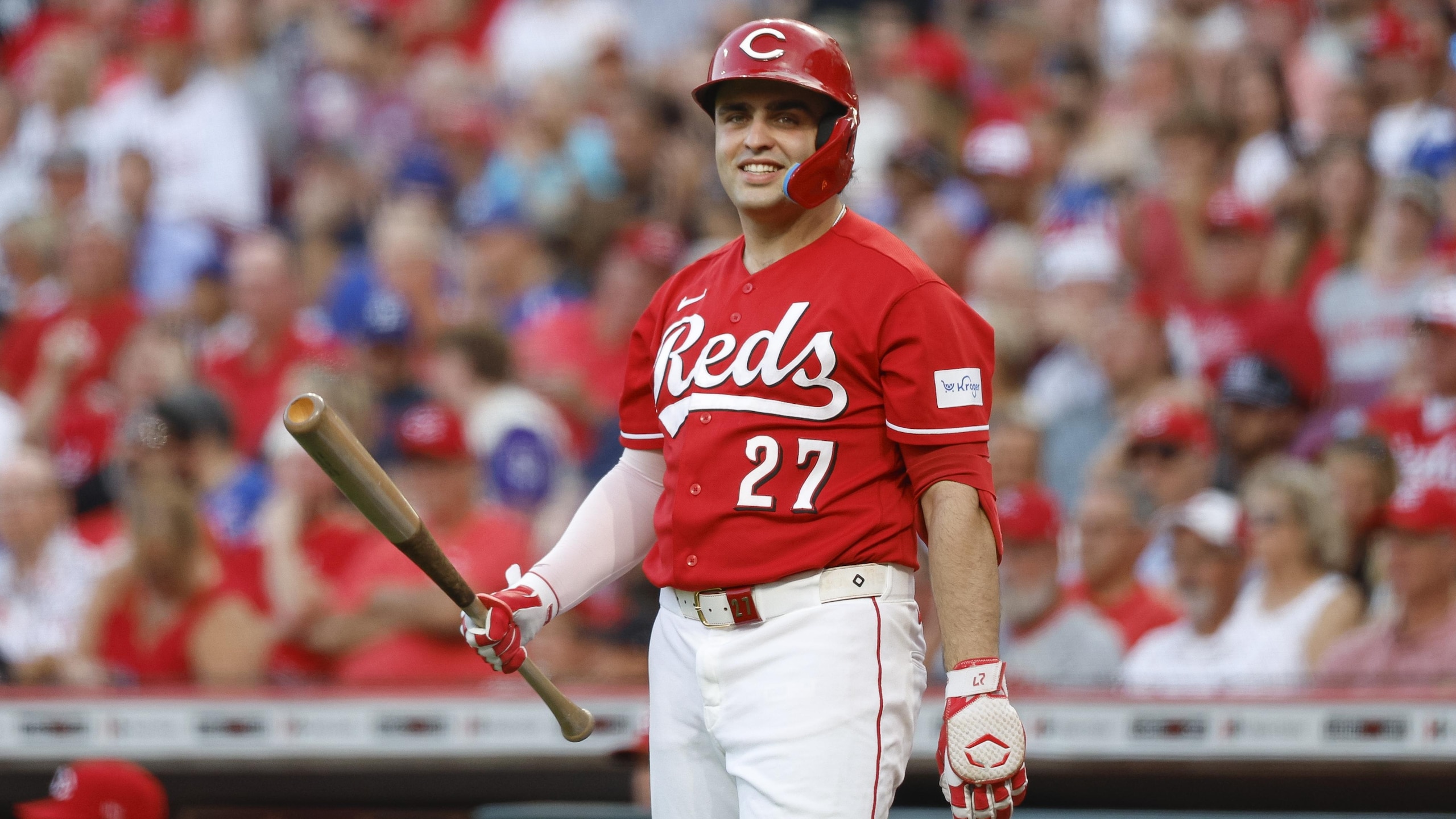
The Three Finalists (announcement on Nov. 9)
Carson Benge, New York Mets (.282/.346/.430, 20 HR, 65 RBI, 22 SB, 4.3 bWAR)
Sal Stewart, Cincinnati Reds (.263/.330/.457, 32 HR, 112 RBI, 15 SB, 1.8 bWAR)
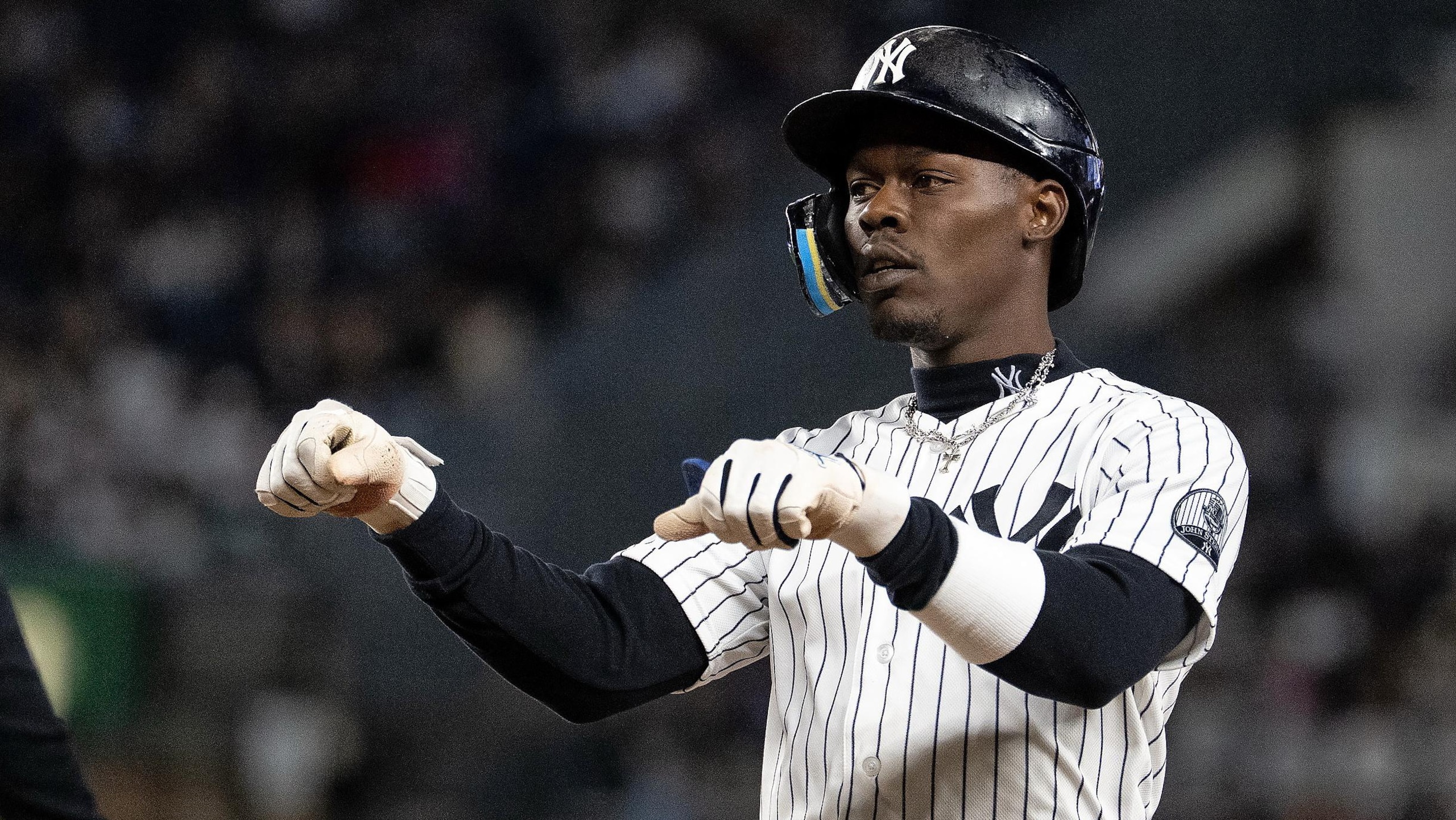
JJ Wetherholt, St. Louis Cardinals (.242/.339/.365, 17 HR, 51 RBI, 14 SB, 4.5 bWAR)
Expected Winner: Sal Stewart
For as much as we talk about Wins Above Replacement on a daily basis, you would think that Stewart has no chance whatsoever of winning this one.
Gold Glove finalists Benge and Wetherholt smoked the Silver Slugger finalist in the WAR department, both per Baseball-Reference and per FanGraphs.
What's more, Benge did so with an OPS+ of 118 that actually bested Stewart's mark of 117. Wetherholt was no slouch at the dish, either, with 17 home runs. It's not like we're comparing light-hitting defensive phenoms Ozzie Smith and Omar Vizquel to David Ortiz here.
Stewart repeatedly delivered in big moments, though, and that narrative kind of outweighed everything else in the end.
While Benge had a .652 OPS with runners in scoring position and Wetherholt had a .639 OPS in high-leverage situations, Stewart's marks were .924 and .976, respectively, as he almost became the first rookie to lead the majors in RBI since Walt Dropo in 1950.
Unlike the AL ROY conversation, team success couldn't possibly factor into this vote, as the Cardinals, Reds and Mets suffered 85, 87 and 88 losses, respectively. But Stewart was probably one of the most clutch players to ever play for an 87-loss team.
AL Manager of the Year
3 of 10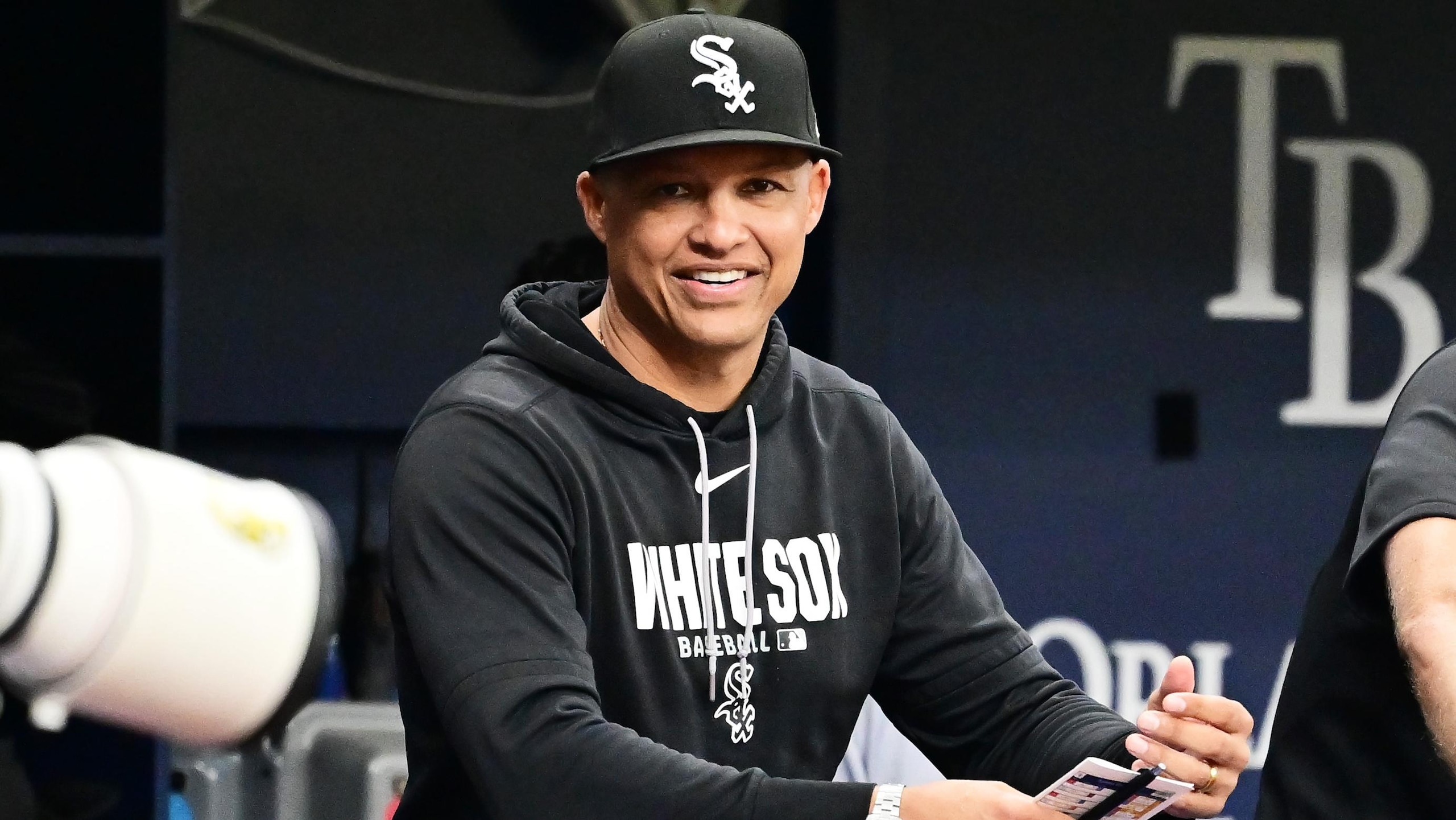
The Three Finalists (announcement on Nov. 10)
Kevin Cash, Tampa Bay Rays (98-64)
Chad Tracy, Boston Red Sox (87-75; 77-58 after he took over)
Will Venable, Chicago White Sox (84-78)
Expected Winner: Will Venable
Quite the variety of options here, each of whom presents a compelling case.
Tracy inherited a 10-17 mess when Boston fired Alex Cora, but he turned it into a No. 5 seed. He did so despite Garrett Crochet not making a single regular season appearance while Tracy was the manager and despite losing Roman Anthony for nearly four months. That 32-5 run the Red Sox went on from late June into early August was legendary.
Cash's Rays were the biggest overachiever in all of baseball, at least as far as preseason win totals are concerned. They were 'supposed' to win 76.5 games, but they actually won 98, securing the AL's No. 1 seed with room to spare. In any normal year, he'd be the easy pick.
Venable's White Sox made history, though, and emphatically so.
Not only did they become the first team to win at least 71 games in a season immediately after three consecutive years of at least 100 losses, but the White Sox got to 84 wins and a spot in the postseason that simply no one had forecasted headed into the season, even in an AL Central that was expected to be wide open for the taking.
If they had actually won the division and secured a first-round bye, this would be even more of a no-brainer selection. As is, though, it'd be a bit of a shocker if Venable doesn't win it.
NL Manager of the Year
4 of 10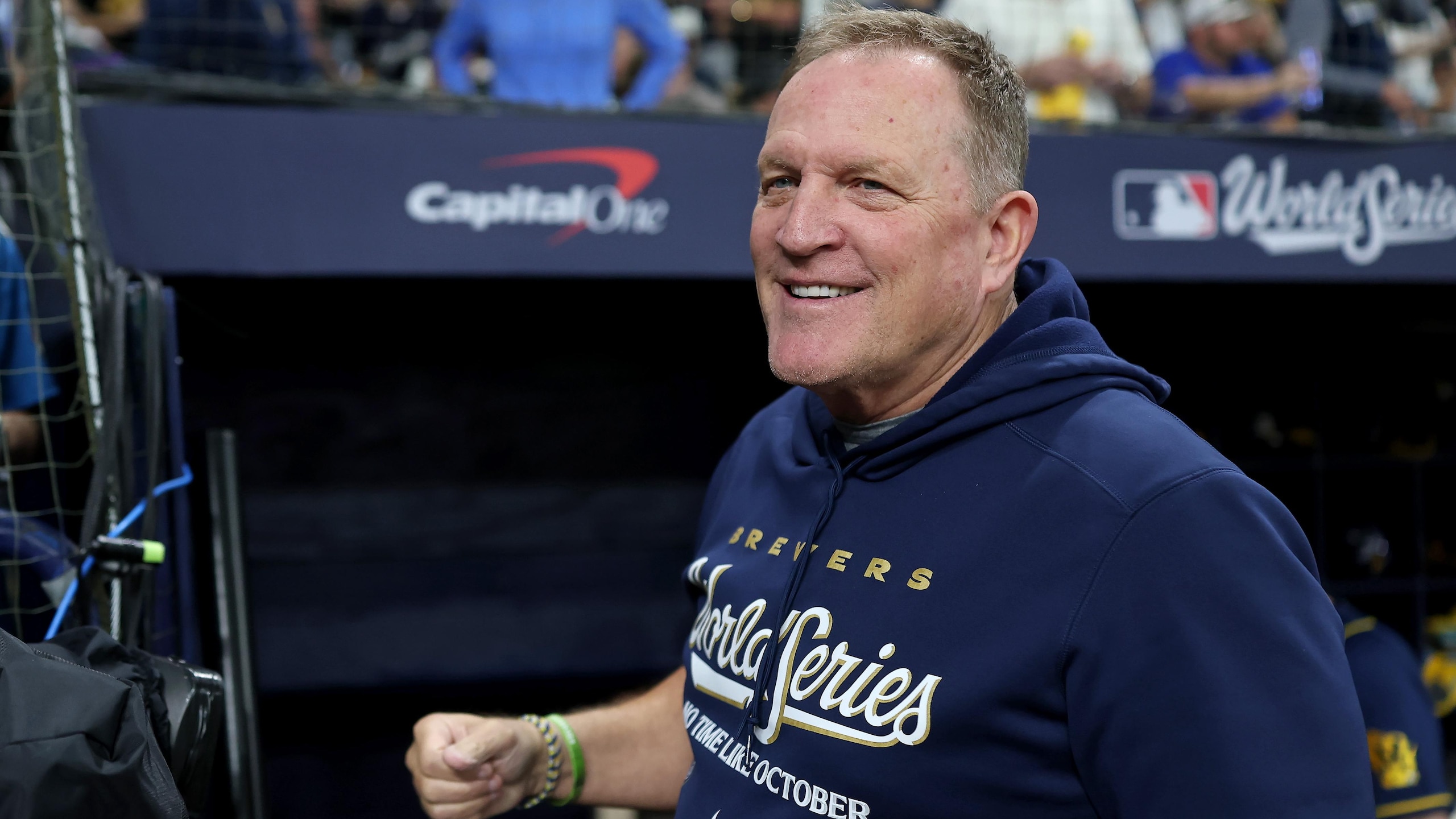
The Three Finalists (announcement on Nov. 10)
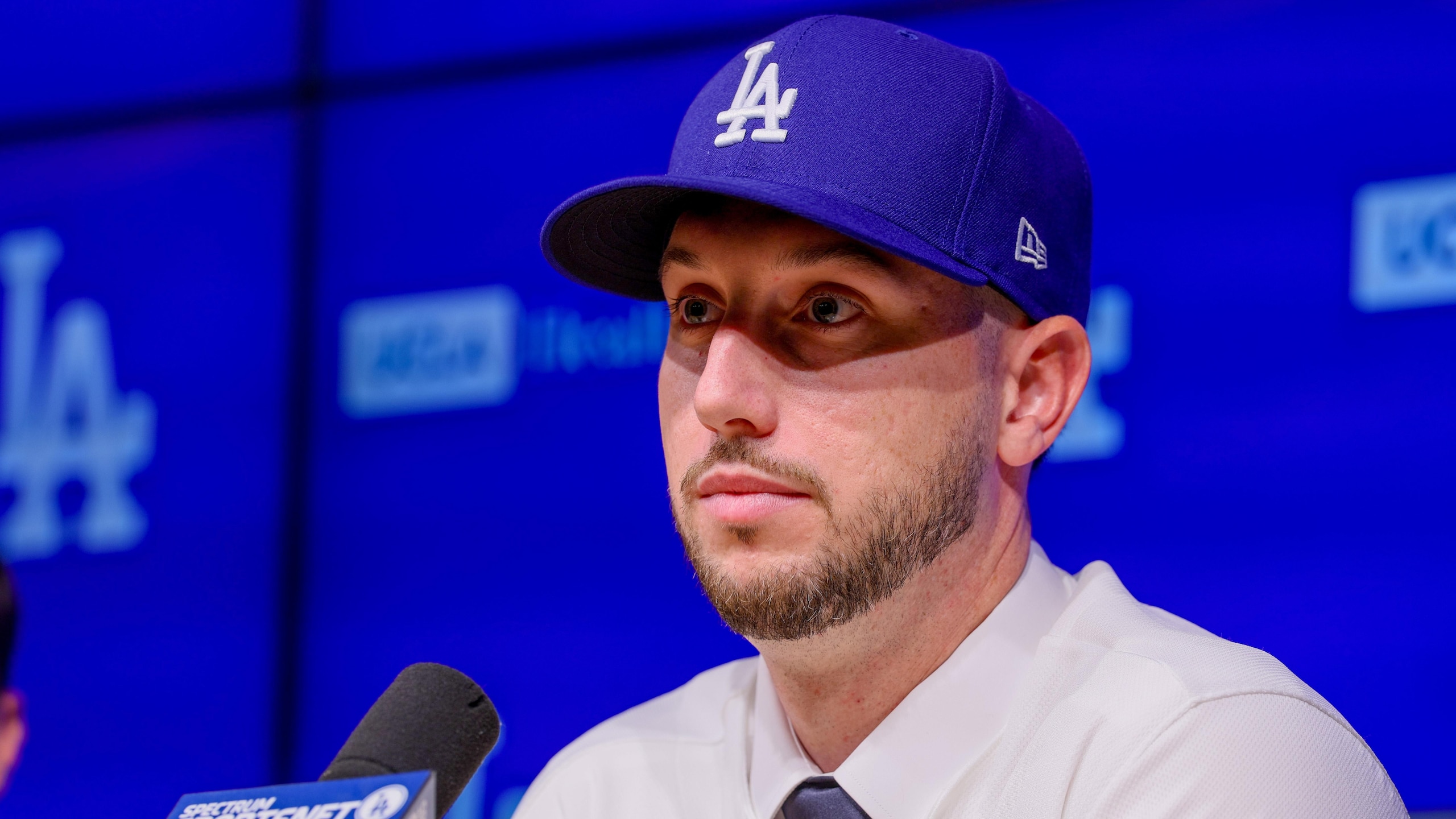
Don Mattingly, Philadelphia Phillies (88-74; 79-55 after he took over)
Pat Murphy, Milwaukee Brewers (103-59)
Walt Weiss, Atlanta Braves (94-68)
Expected Winner: Pat Murphy
Early in the season, this looked like Weiss' trophy to lose. Not only did the Braves have the best record in all of baseball in early June (45-21; three games ahead of the Dodgers) but they were doing so with a new manager, fresh off a disappointing 76-86 end to Brian Snitker's tenure.
From that point forward, however, the Braves were the textbook definition of average (49-47, zero run differential) while Mattingly led the Phillies back from their early grave and Murphy steered the Brewers to new heights yet again.
What Mattingly did—posting a .590 winning percentage en route to the postseason after taking over a team with a .321 winning percentage—was remarkable stuff.
He merely brought the Phillies back to the level of competence that they were supposed to be at all along, though, with a fair amount of thanks due to Zack Wheeler, who made his season debut in late April before likely pitching his way to a Comeback Player of the Year award.
Meanwhile, Murphy led the Brewers to an MLB-best (and franchise-best) 103 wins. He did so with a team that not only had a middling payroll, but got very little from the two players on the roster who did have an eight-figure cash salary—Christian Yelich and Brandon Woodruff.
Even though he has already won this award in each of the past two seasons, it almost has to go to Murphy yet again.
AL Cy Young
5 of 10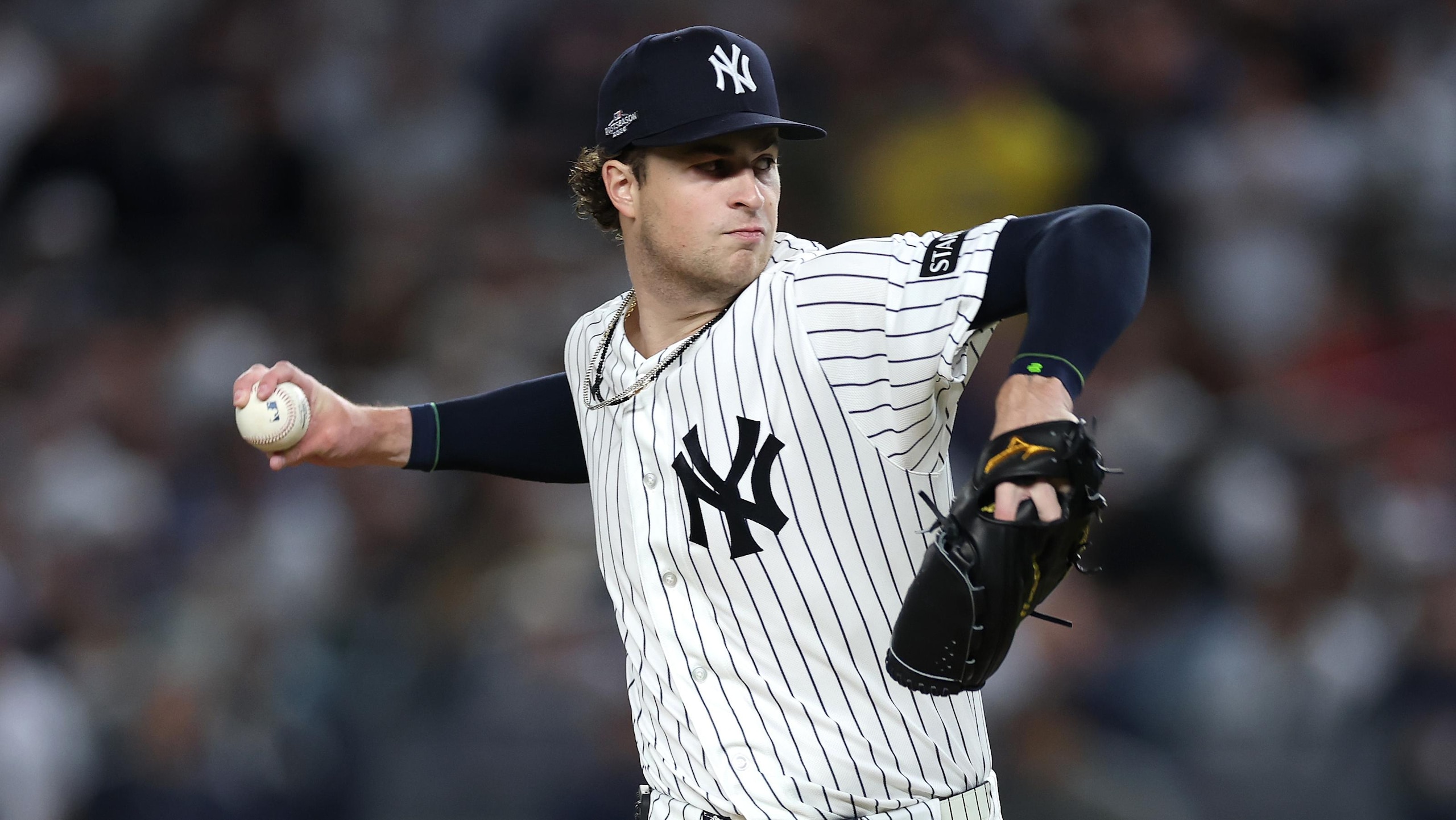
The Three Finalists (announcement on Nov. 11)
Dylan Cease, Toronto Blue Jays (169.0 IP, 2.40 ERA, 2.56 FIP, 1.10 WHIP, 12.7 K/9, 5.5 bWAR)
Parker Messick, Cleveland Guardians (186.1 IP, 2.56 ERA, 3.07 FIP, 1.06 WHIP, 9.3 K/9, 6.3 bWAR)
Cam Schlittler, New York Yankees (193.2 IP, 1.95 ERA, 2.56 FIP, 0.92 WHIP, 11.1 K/9, 7.0 bWAR)
Expected Winner: Cam Schlittler
This was one heck of a race between Schlittler and Cease for several months.
On Aug. 6, Cease tossed seven shutout innings against the Cubs, lowering his ERA to 2.28. Three days later, Schlittler allowed a solo home run in seven otherwise masterful innings against the Braves, lowering his ERA to 2.21.
At that point, it truly could have gone either way.
But while Cease somewhat limped to the finish line before missing his final start with shoulder inflammation, Schlittler only got stronger, posting a 1.15 ERA across his final eight starts.
As a result, he ended up with the eighth season in the past 30 years of at least 190 innings pitched with both a sub-2.00 ERA and sub-1.00 WHIP.
Of the other seven members of that club—Jacob deGrom in 2018, Jake Arrieta and Zack Greinke in 2015, Clayton Kershaw in 2013 and 2014, Pedro Martínez in 1997 and 2000—five won the Cy Young in landslide fashion, while Arrieta and Greinke basically split the NL vote in 2015.
Expect another landslide victor here, as Schlittler ran away with it down the stretch.
NL Cy Young
6 of 10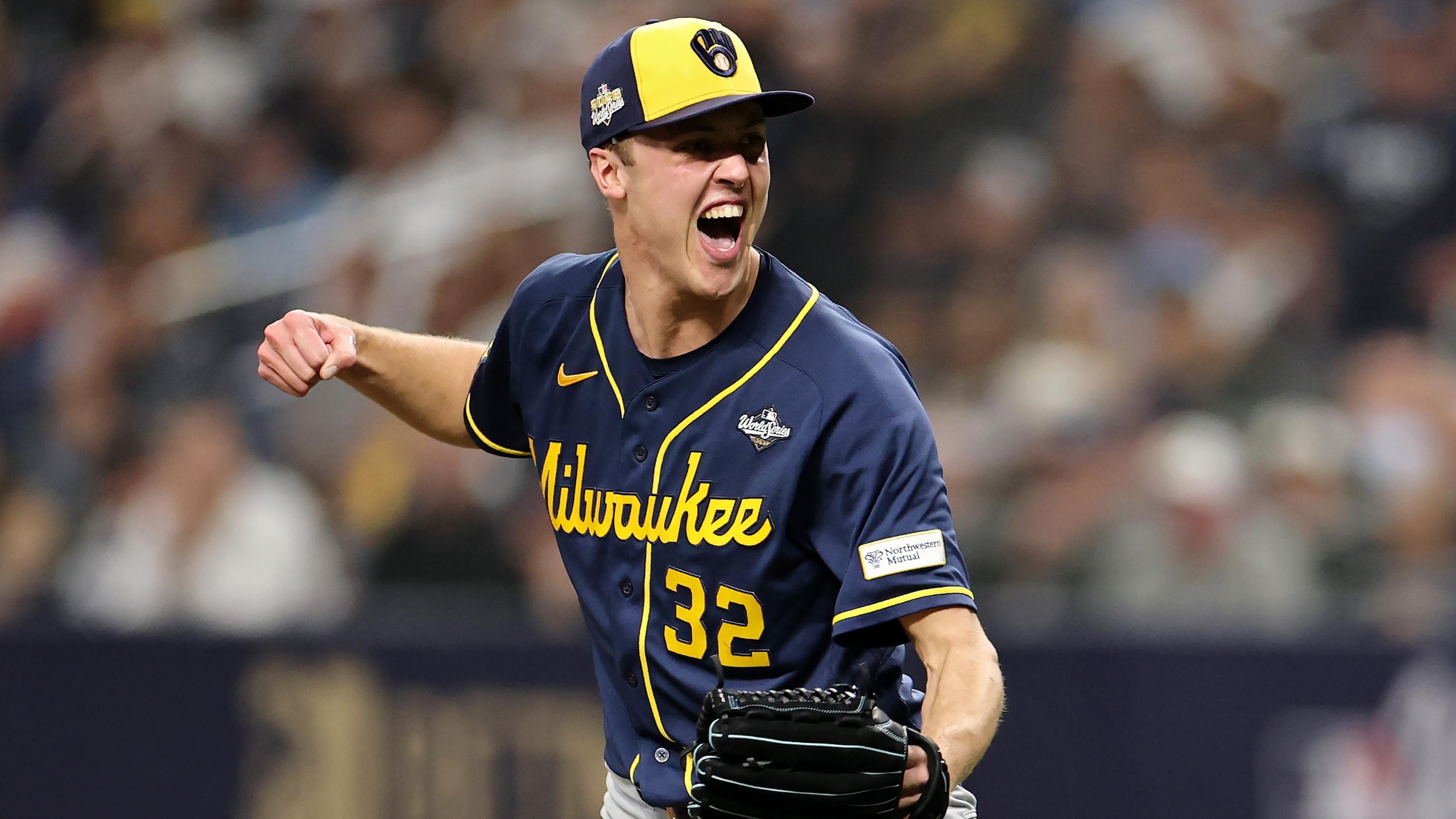
The Three Finalists (announcement on Nov. 11)
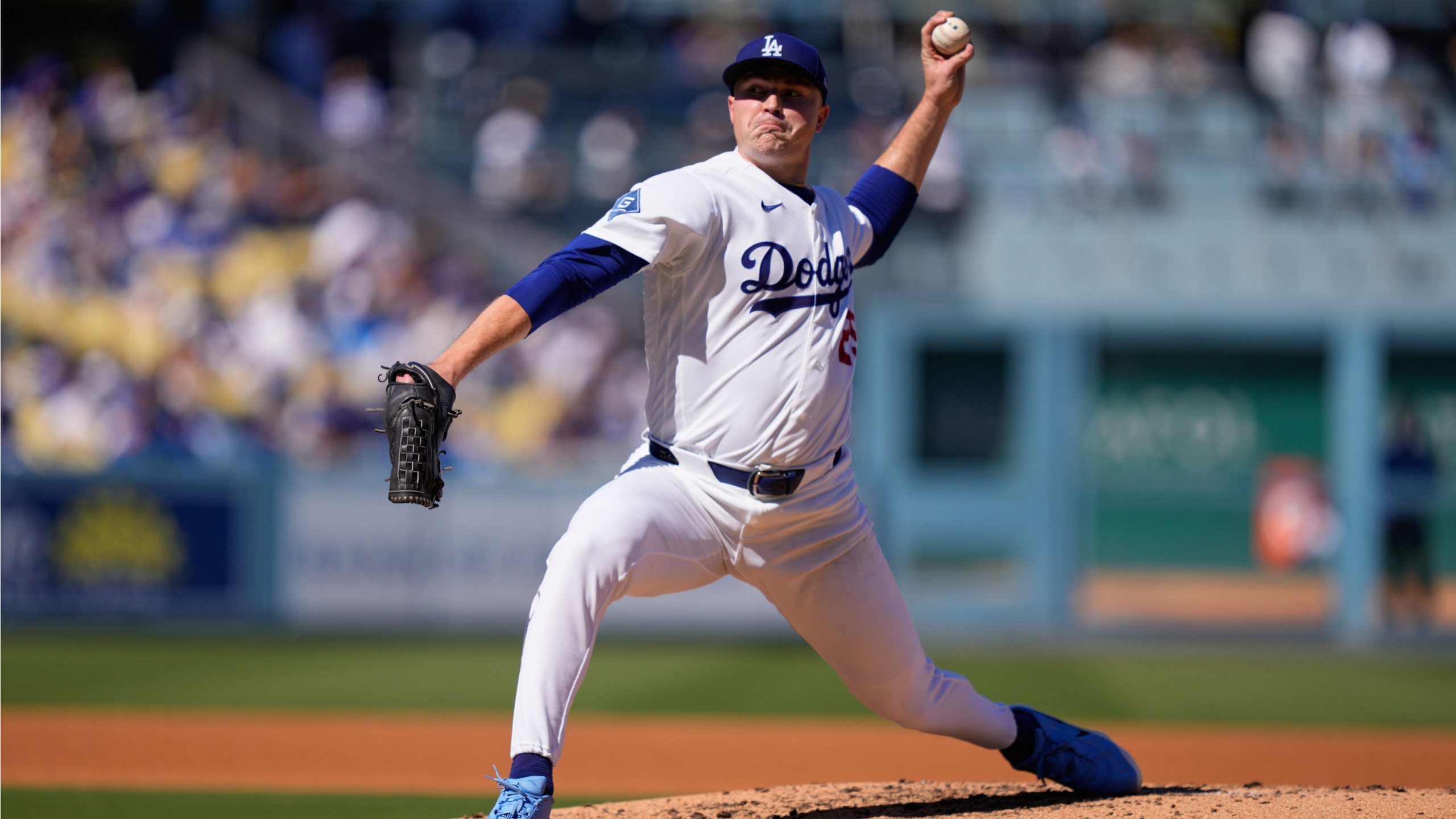
Jacob Misiorowski, Milwaukee Brewers (174.2 IP, 1.80 ERA, 2.17 FIP, 0.80 WHIP, 13.0 K/9, 6.5 bWAR)
Chris Sale, Atlanta Braves (162.2 IP, 2.16 ERA, 2.29 FIP, 0.98 WHIP, 11.1 K/9, 5.5 bWAR)
Cristopher Sánchez, Philadelphia Phillies (207.0 IP, 2.91 ERA, 2.80 FIP, 1.20 WHIP, 10.0 K/9, 8.1 bWAR)
Expected Winner: Jacob Misiorowski
Sánchez had a fantastic season, featuring an historic stretch of 50.2 consecutive scoreless innings pitched. For the second consecutive year, he ended up with an 8.1 bWAR that led all pitchers. (Certainly one of the better two-year runs we've ever seen from a starting pitcher, even though it's going to result in zero Cy Young awards.)
Sale was also marvelous, reaching 200 strikeouts in spite of Atlanta consistently giving its 37-year-old ace extra rest en route to just 27 starts. Among qualified pitchers, he led the majors in both K/BB ratio (6.45) and home run rate (0.55 per nine innings pitched).
But, you know, thanks for playing, southpaws, as the flame-throwing Misiorowski is likely to win this one in unanimous fashion.
Pretty much every baseball fan agrees that Pedro Martínez's 2000 campaign was one of the five greatest seasons of all-time. He had a 1.74 ERA, 0.74 WHIP and an 11.8 K/9. It was (until this season) one of just two cases in MLB history of at least 160 innings pitched with a sub-2.00 ERA and a sub-0.90 WHIP. (The other came in Clayton Kershaw's MVP and Cy Young season in 2014.)
Misiorowski's numbers ended up almost identical to Martínez's, albeit in 42.1 fewer innings pitched.
The velocity is what made every single one of his starts go viral. But it was the dominant efficiency that made this one of the most impressive seasons ever.
AL Reliever of the Year
7 of 10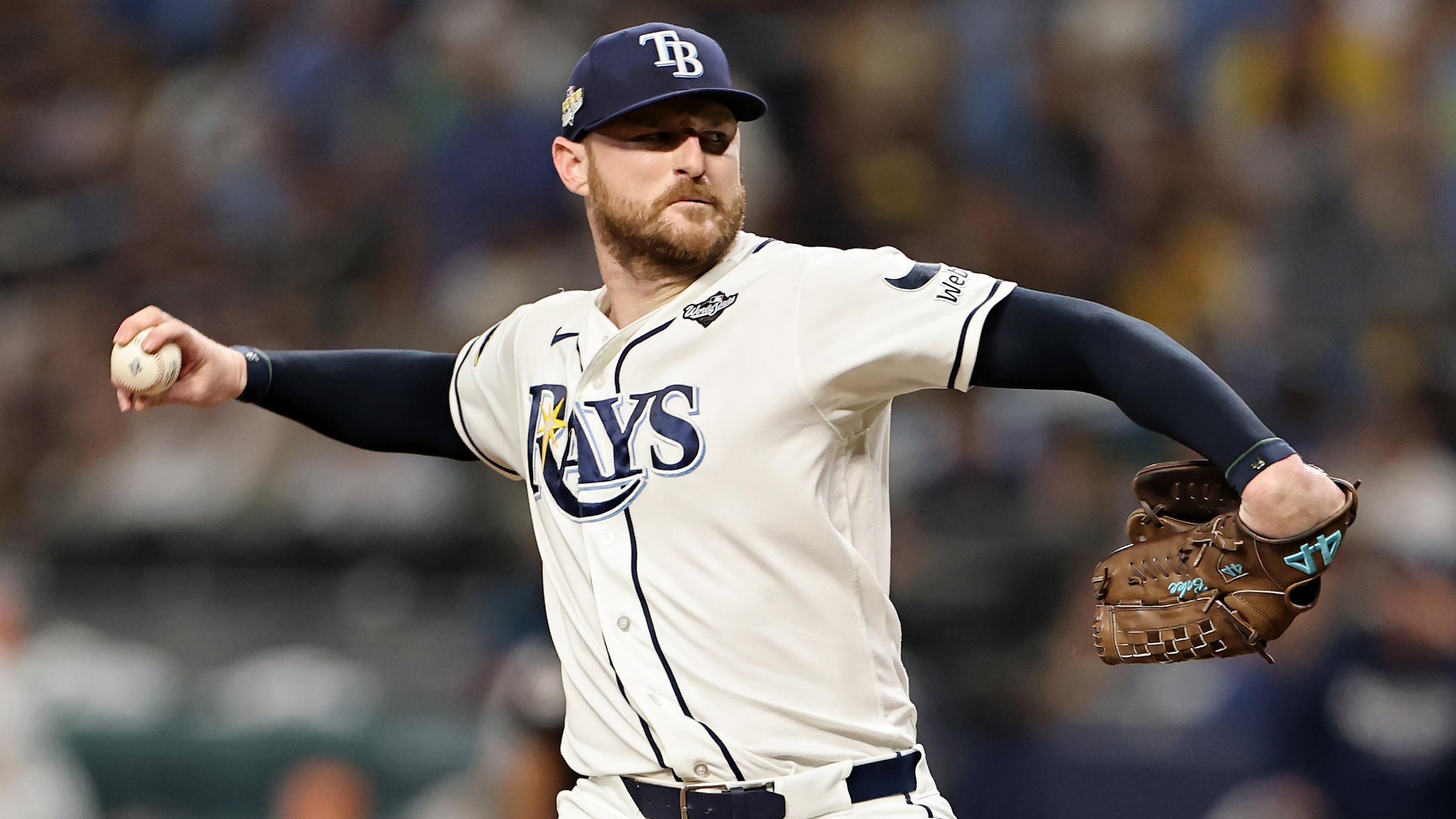
The Three Finalists (announcement on Nov. 11)
Bryan Baker, Tampa Bay Rays (41 saves, 62.1 IP, 1.44 ERA, 3.07 FIP, 0.91 WHIP, 9.1 K/9, 2.9 bWAR)
Cade Smith, Cleveland Guardians (41 saves, 74.0 IP, 1.95 ERA, 2.18 FIP, 0.96 WHIP, 13.0 K/9, 2.9 bWAR)
Louis Varland, Toronto Blue Jays (35 saves, 78.0 IP, 1.27 ERA, 1.83 FIP, 1.00 WHIP, 11.2 K/9, 3.6 bWAR)
Expected Winner: Bryan Baker
Before we try to project a winner in this biggest toss-up of the 10 awards, could we just marvel for a moment at the sheer unexpectedness of two of the three players on this list?
Baker entered 2026 with a career 3.86 ERA and just four saves. Last July, the Orioles traded him to the Rays for a draft pick, fresh off a disastrous "four batters faced, four earned runs allowed" performance in a loss. He ended up blowing six saves that season, despite pitching in just 22 save/hold situations.
Varland's ascension to dominance was even more improbable, entering this season with a 4.66 ERA and nary a save in his career. The Blue Jays turned to him in darn near every game during their 2025 postseason run, but he was never expected to become their closer.
Throw Texas' Jacob Latz in there, too, as the unofficial No. 4 pitcher on this list. The only save he had prior to this season was one of those "pitched the final three innings of a blowout" situations, but he also became an All-Star closer out of nowhere.
Even Smith only became a closer last season because of Emmanuel Clase's expulsion from MLB, and he merely went 13-for-17 in save situations with a 2.79 ERA after inheriting the job.
Without further ado, though, we'll go with Baker. Because while Varland had arguably the most dominant season of the bunch, Baker was the impenetrable force for the American League's best squad.
He had a few blown saves early in the year, all three coming in situations where he entered in the eighth inning. He converted each of his final 30 save chances, though, with a 0.82 ERA from May 17 onward. (Not even including his postseason run of 10 scoreless innings with two hits allowed.)
NL Reliever of the Year
8 of 10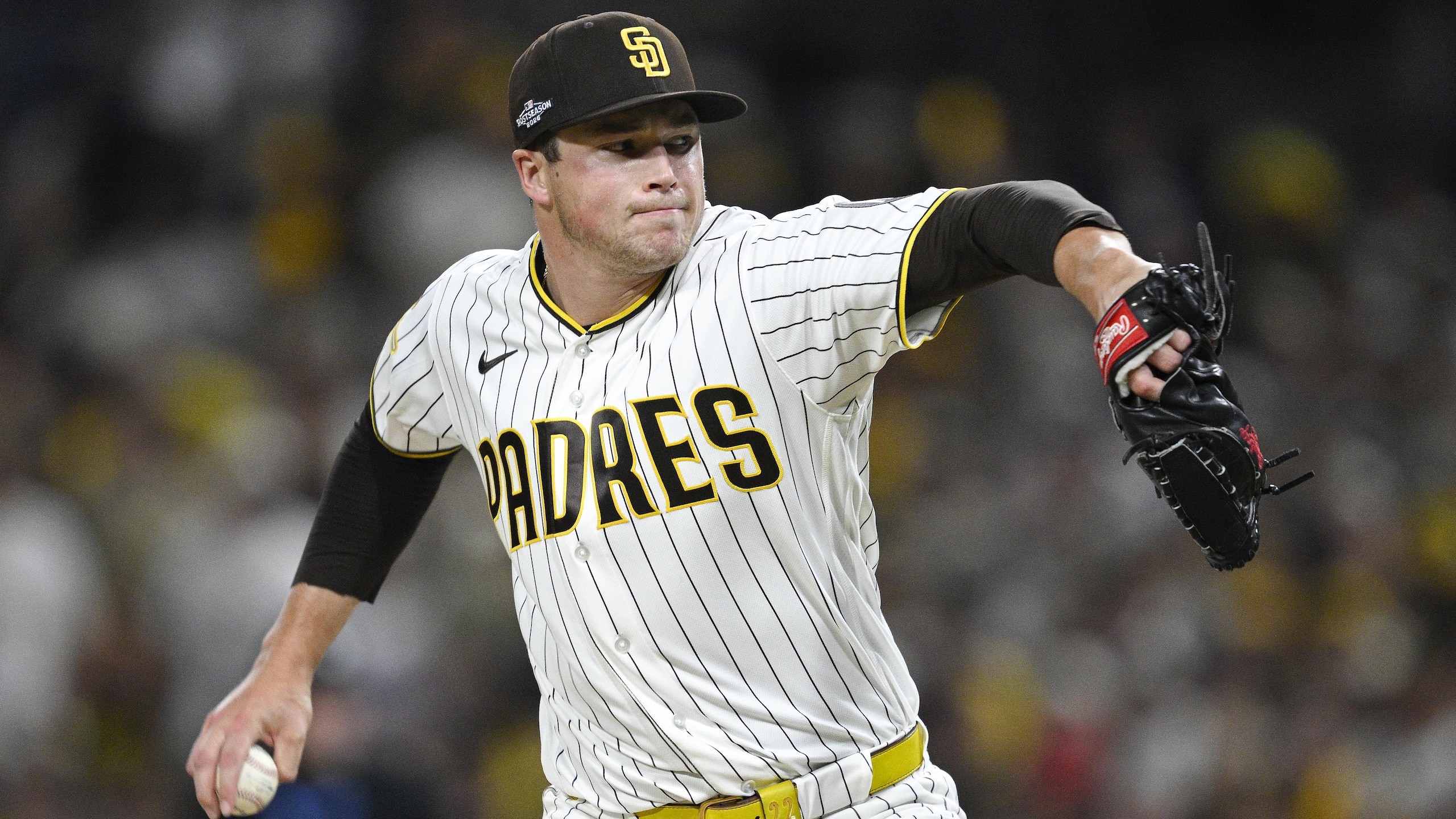
The Three Finalists (announcement on Nov. 11)
Jhoan Duran, Philadelphia Phillies (33 saves, 59.1 IP, 1.82 ERA, 1.41 FIP, 0.99 WHIP, 12.7 K/9, 3.4 bWAR)
Trevor Megill, Milwaukee Brewers (30 saves, 61.2 IP, 2.63 ERA, 1.85 FIP, 0.89 WHIP, 10.1 K/9, 1.8 bWAR)
Mason Miller, San Diego Padres (38 saves, 70.0 IP, 1.67 ERA, 1.17 FIP, 0.90 WHIP, 16.6 K/9, 3.1 bWAR)
Expected Winner: Mason Miller
Had the season ended on August 24, Mason Miller would've had an almost indisputable case for the most dominant season by a reliever in MLB history.
To that point, he had a 0.81 ERA and a 0.64 FIP, striking out 48.1 percent of batters faced without allowing a single home run. And among the more than 28,000 seasons of at least 50 innings pitched, there has never been a FIP lower than 0.78.
Despite allowing three home runs and a 4.91 ERA the rest of the way, Miller still ended up with the fifth-lowest FIP in a season of at least 50 innings pitched in MLB history.
Basically, there's a reason pretty much everyone rushed to assume he must have been tipping his pitches during his disappointing showing in Game 2 of the NLDS against Milwaukee.
Megill and especially Duran had excellent seasons in their own right, but this one isn't going to be close.
AL MVP
9 of 10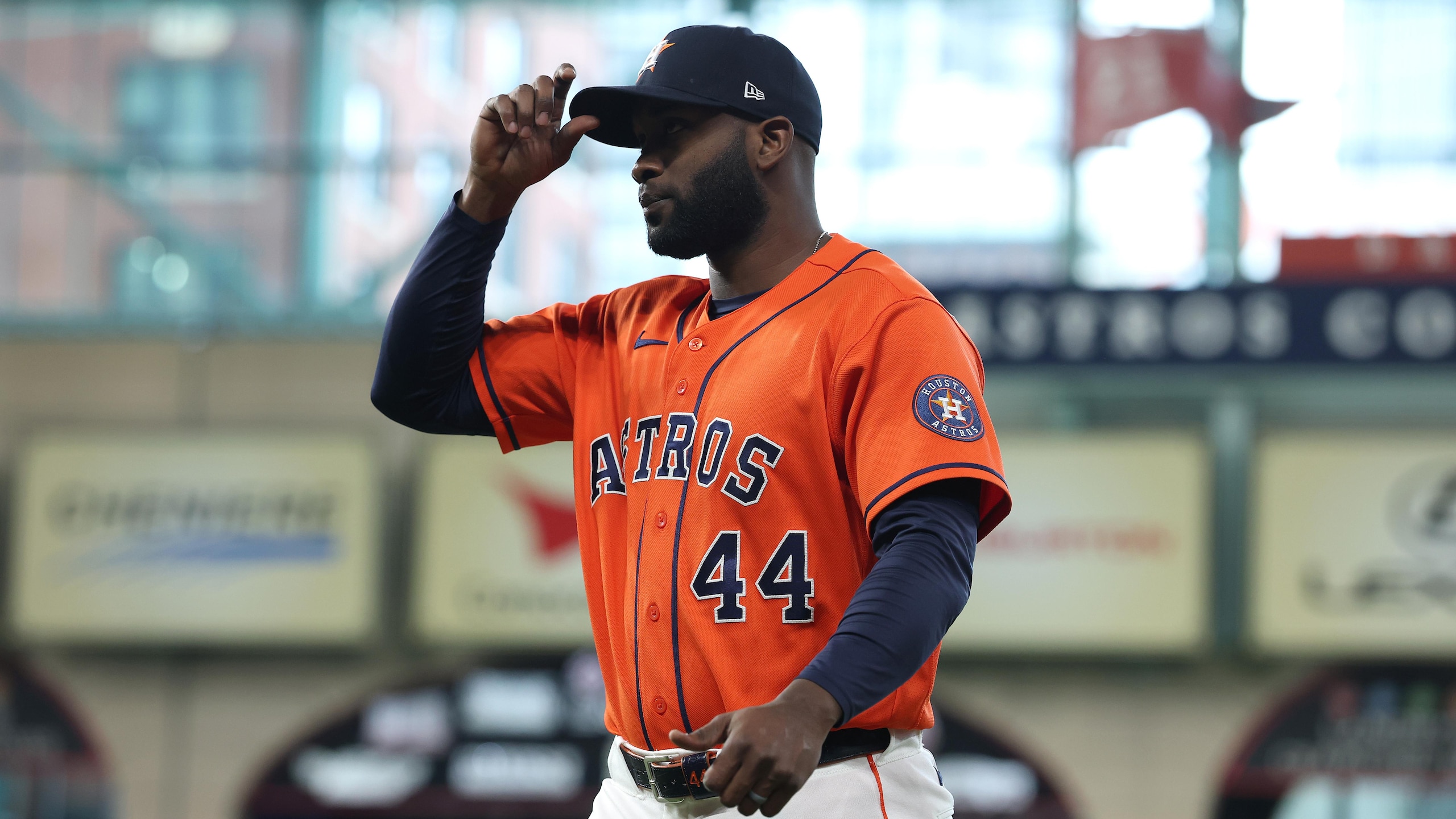
The Three Finalists (announcement on Nov. 12)
Yordan Alvarez, Houston Astros (.316/.432/.601, 42 HR, 106 RBI, 6.8 bWAR)
Junior Caminero, Tampa Bay Rays (.276/.360/.524, 42 HR, 101 RBI, 5.7 bWAR)
Bobby Witt Jr., Kansas City Royals (.281/.359/.441, 18 HR, 54 RBI, 45 SB, 6.7 bWAR)
Expected Winner: Yordan Alvarez
Dating back to Y2K, there have been four instances in which a player led the majors in batting average, on-base percentage and slugging percentage.
Barry Bonds did so in 2002, winning NL MVP unanimously.
Miguel Cabrera did it in 2013, winning AL MVP not quite unanimously, but by a wide margin.
Aaron Judge did it last year, edging out Cal Raleigh's historic 60-homer campaign for AL MVP.
And Yordan Alvarez did it this season, and will be named AL MVP for it.
He fell a bit shy of the Triple Crown goal, sputtering a bit over the final two months and finishing one home run and seven RBI behind Baltimore's Pete Alonso. But he was such a force of nature through the first four months—finishing July with a 1.077 OPS, on pace for 52 home runs and 122 RBI—that he pretty much just needed to stay healthy through August and September in order to secure this hardware.
Caminero did his best to keep things interesting, though. He ended up with the same number of home runs and very similar totals in the runs and RBI departments while actually playing defense on a daily basis—granted, not good defense—for a Rays team that won 17 more games than the Astros.
Maybe someone throws him a first-place vote to keep Alvarez from winning unanimously.
NL MVP
10 of 10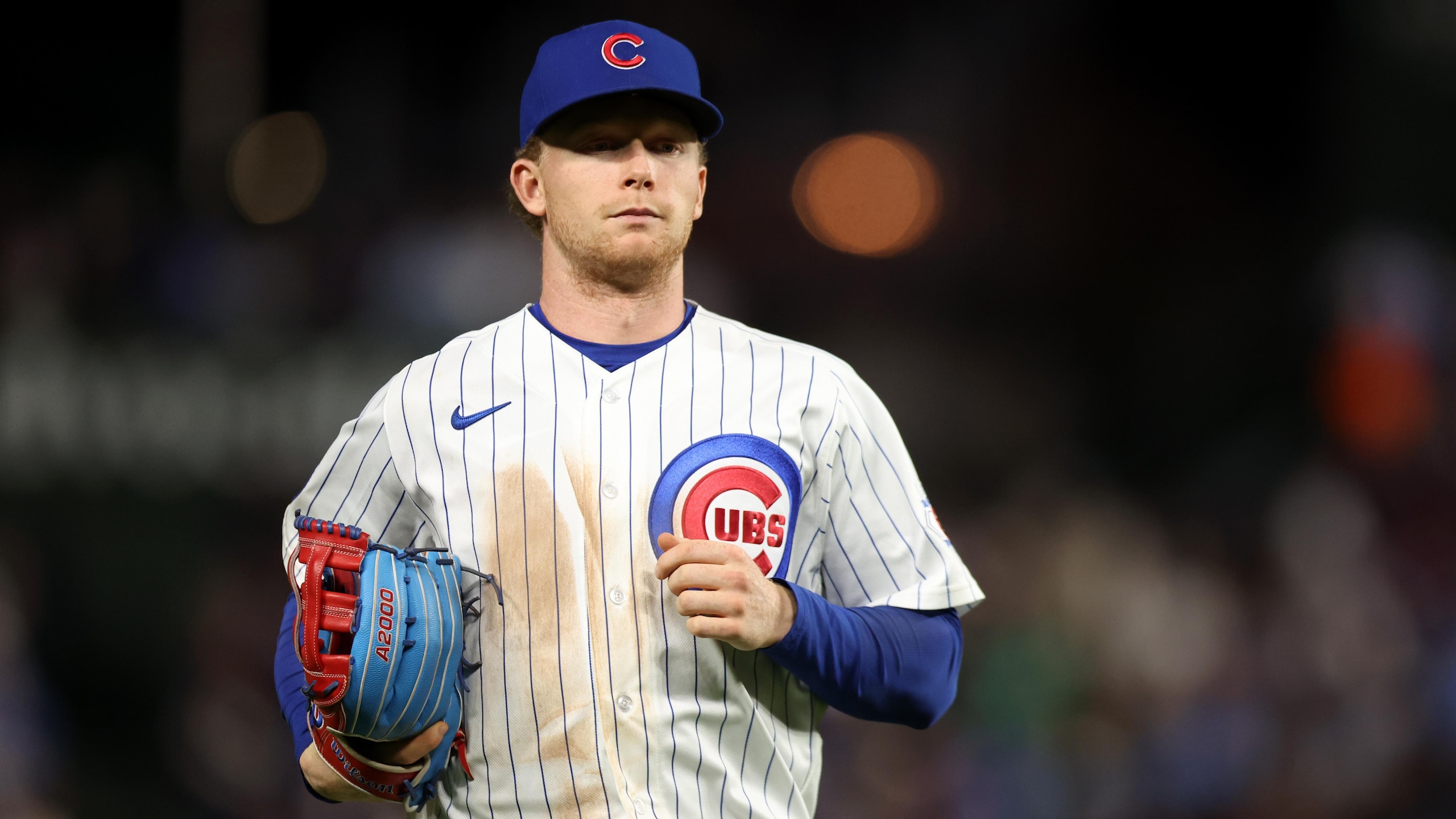
The Three Finalists (announcement on Nov. 12)
Pete Crow-Armstrong, Chicago Cubs (.280/.372/.570, 45 HR, 107 RBI, 41 SB, 9.8 bWAR)
Shohei Ohtani, Los Angeles Dodgers (.275/.377/.512, 30 HR, 81 RBI, 11 SB; 85.2 IP, 1.79 ERA, 2.61 FIP, 0.95 WHIP, 10.0 K/9, 6.5 bWAR)
Brice Turang, Milwaukee Brewers (.268/.366/.450, 21 HR, 100 RBI, 19 SB, 7.3 bWAR)
Expected Winner: Pete Crow-Armstrong
Even more absurd than Crow-Armstrong's historic 40/40 campaign is the fact that we spent the first two months of it wondering if he was OK.
Through 58 games, PCA was making minimal impact on offense. We're talking a .676 OPS with six home runs and 12 stolen bases. Seattle's Josh Naylor was simultaneously sitting at .676, five and 12, respectively, and goodness knows we spent the entire season questioning what happened to him.
From May 30 through to the end of the regular season, however, PCA played out of his mind, posting a 1.076 OPS with 39 home runs and 29 stolen bases—162-game paces of 60.8 and 45.2, respectively.
While also playing sensational defense in center field, we might add. He was officially awarded the Platinum Glove for most valuable defender in the National League on Friday.
FanGraphs tabulated his impact for those 104 games at a 9.1 WAR. The next-closest player was Fernando Tatis Jr. at a 4.9.
While that was going on, the early favorite for NL MVP vanished.
Through 90 games, a fifth MVP for Ohtani looked inevitable, and a first Cy Young award looked plausible. But thanks to the combination of a left knee injury and a right biceps injury, he stopped pitching in early July and stopped producing at the plate in mid-August.
By late August, PCA was already starting to look like the pick for NL MVP. But when he hit five home runs in the span of two games against the Reds, this race was as good as over.