
Dodgers Rotation, Yankees Defense and 2026 MLB Playoffs Winners and Losers
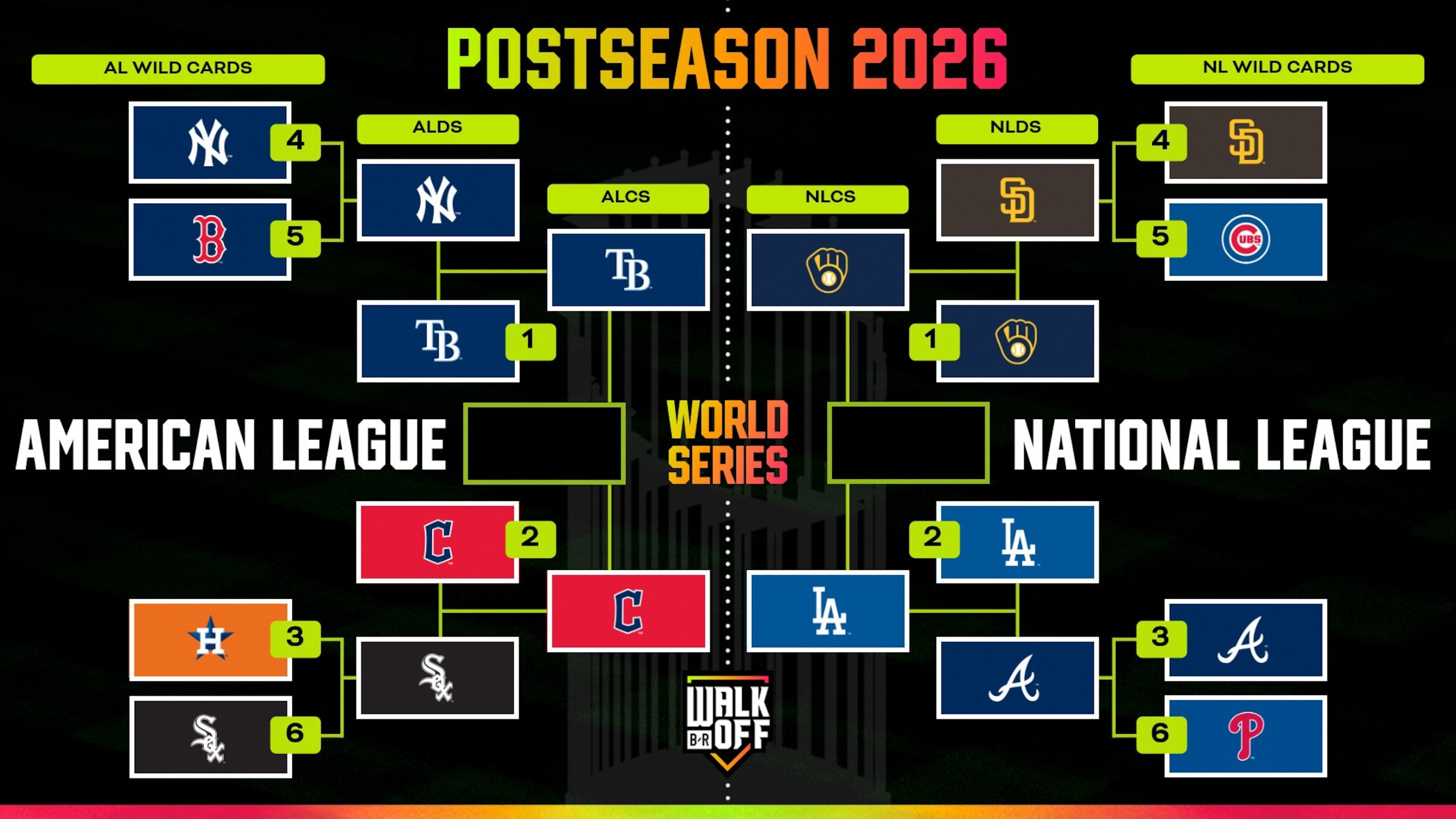
We've reached the midpoint of Major League Baseball's 2026 postseason, with just three best-of-seven series remaining to determine whether the Los Angeles Dodgers can pull off the three-peat.
What began as a 12-team free-for-all has already been whittled down to four, with no shortage of winners and losers along the way.
From dome-field advantage and the low-budget Davids vs. Goliaths to the Cubs' vanishing offense and the Yankees' hapless defense, let's relive the biggest developments from the first two rounds of the playoffs.
Winner: Dome-Field Advantage
1 of 10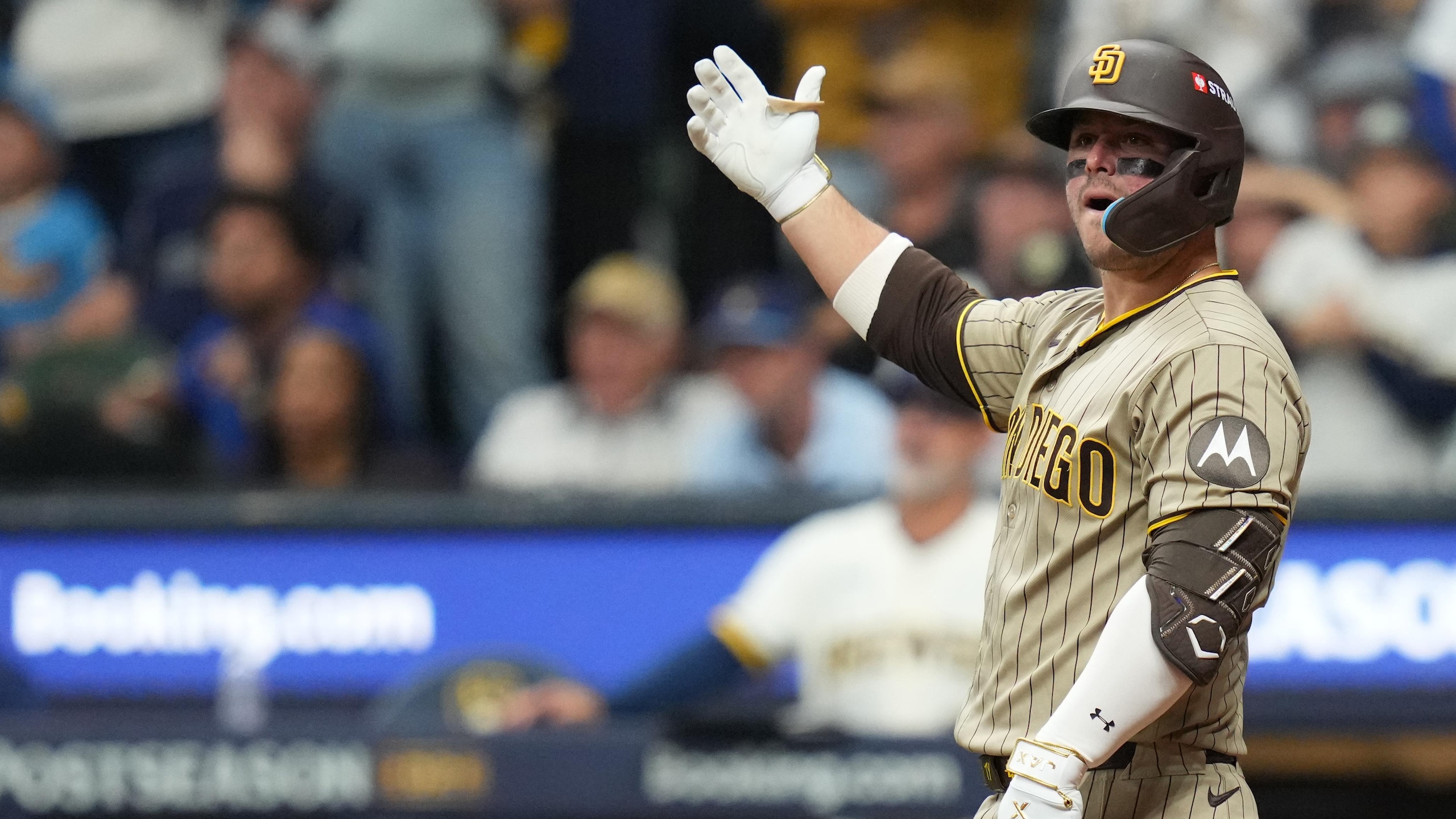
In the ninth inning of Game 1 of the NLDS between the Padres and Brewers, Ty France lifted a high fly ball to left at American Family Field.
Had it been a home run, it would've been a two-run howitzer, giving the Padres a 4-3 lead, and a likely victory in a game started by Jacob Misiorowski.
It looked as though it was going to drift foul, though, which would have meant continuing the AB with a 1-1 count.
Instead, it hit the rafters of the roof and fell harmlessly into Jackson Chourio's glove for the second out of the inning.
You could watch baseball for years without seeing a play like that, and few seemed to have any clue what the ground rule was in such a situation.
But a mere two days later, Spencer Jones lifted one a mile high to center field at Tropicana Ballpark, ricocheting off the catwalk before being caught by Victor Mesa Jr.
That one wasn't as big of a deal, as it was going to be a can of corn for Jonny DeLuca if it hadn't hit anything. Plus, it was in the second inning instead of the ninth inning.
Still, it's almost inconceivable that there were two instances in less than 48 hours in which the literal supports of the dome assisted the home team.
Loser: New York Yankees Defense
2 of 10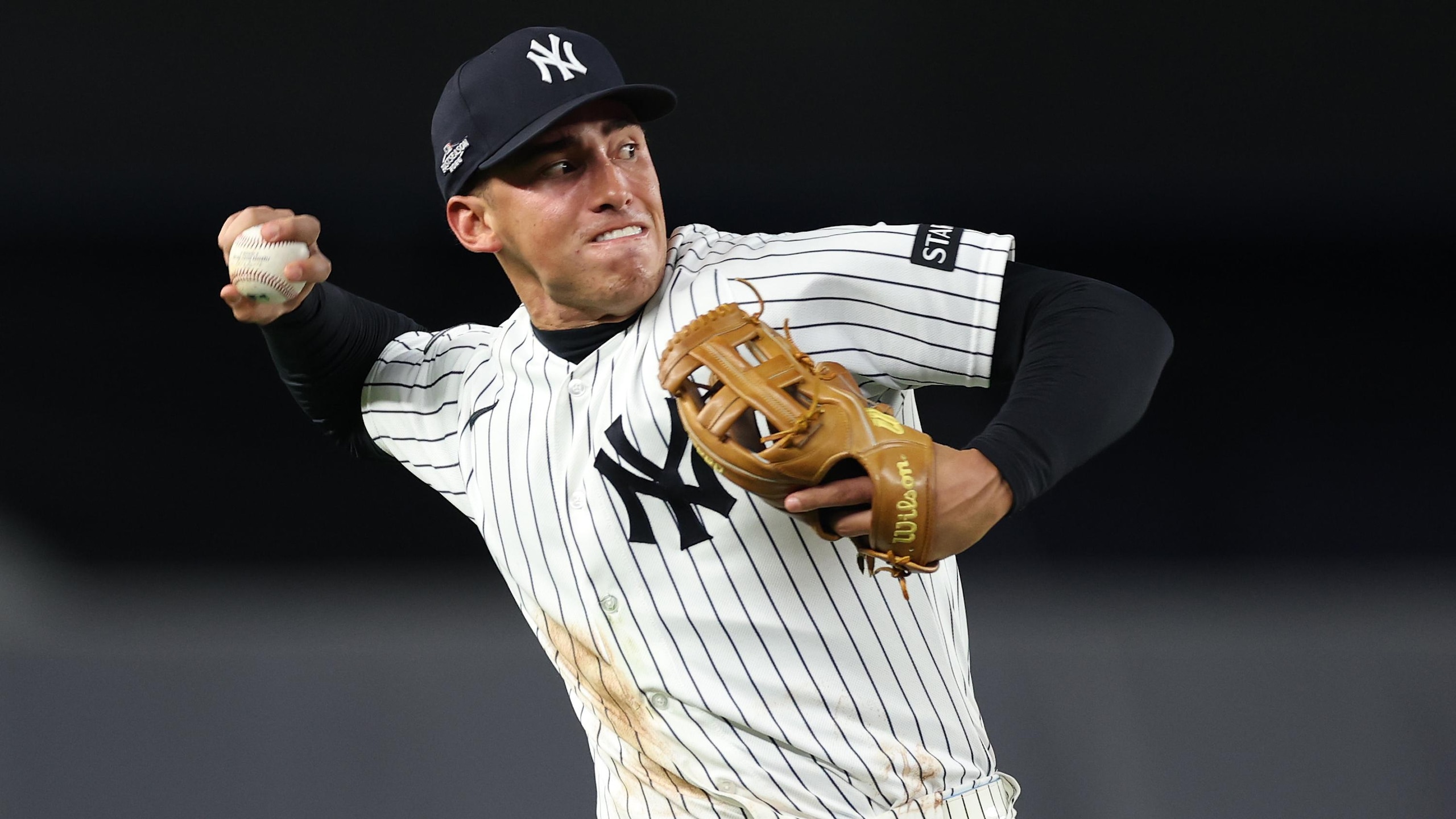
Poor defense has been plaguing the Yankees for years.
Top prospects show up and you would think they somehow made it through the minors without once bringing a glove to the stadium. And every once in a while, a veteran like Aaron Judge makes a fielding gaffe that costs them a World Series.
But their defense in the ALDS against Tampa Bay was a special breed of awful.
Game 2 was the complete and utter disaster. There were three errors within the first four Rays batters and two more botched grounders—one was ruled an infield hit, but it definitely should have been two errors—that contributed to a four-run fifth inning.
And while there were no official errors in Game 3, Taylor Walls' infield single in the third inning (which contributed to a later run) arguably should have been an out. It was a tough play, but José Caballero made it tough by playing that far back on a 2-1 count against a career .200 hitter who went 11-for-31 on bunts this season.
In the following inning, Ryan Vilade's home run literally would not have been a home run in any other ballpark—and 6'7" Spencer Jones should have been able to bring it back anyway.
Such is life in New York, where all the money in the world doesn't necessarily buy you defense.
Winner: (Almost) Every Team That Scores 4 Runs
3 of 10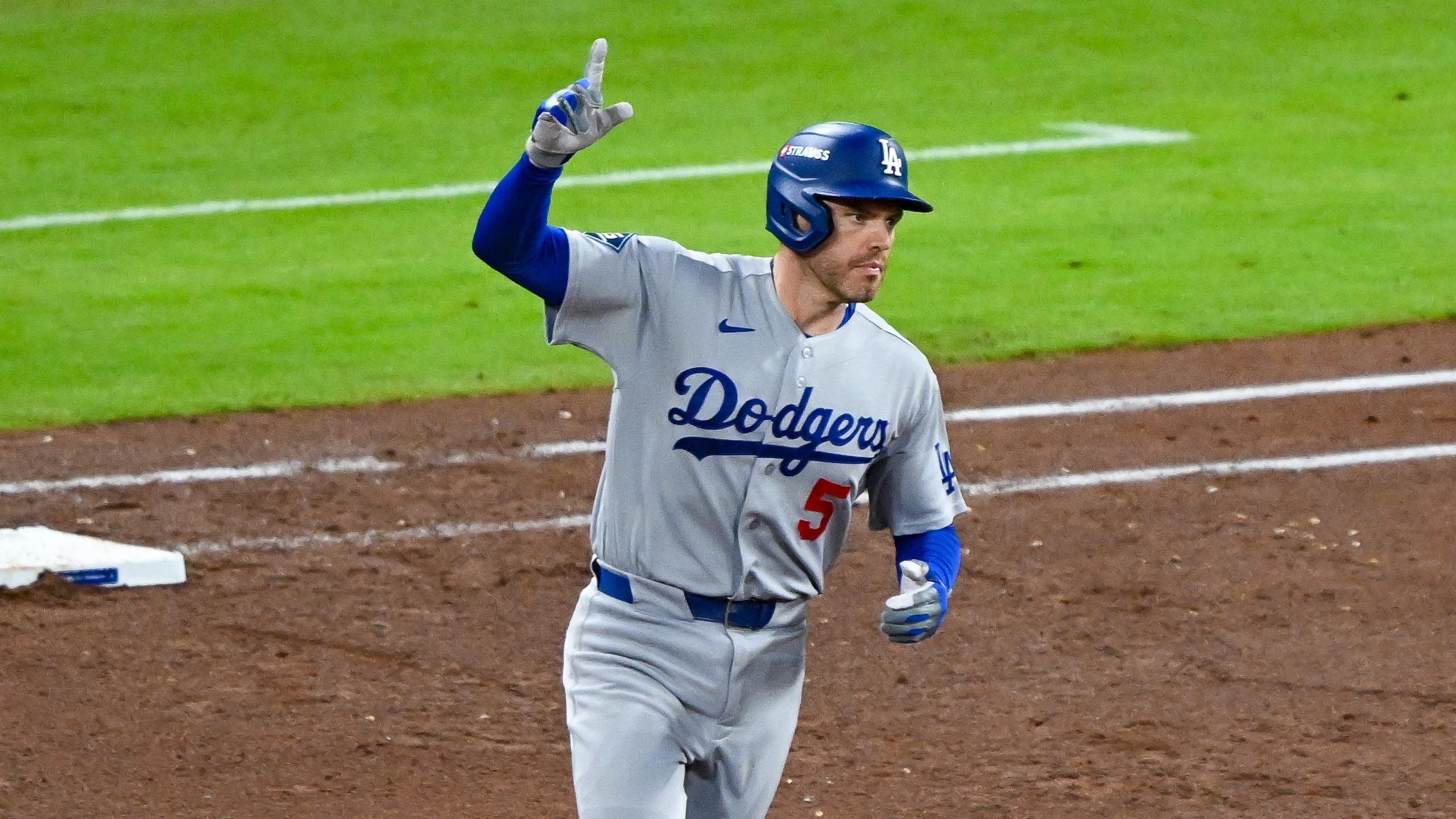
During the final weekend of the regular season, there were a total of 44 games played. In 16 of those contests (36.4 percent), the losing team scored at least four runs.
Through the first 23 games played in this postseason, however, that didn't happen once.
That streak came to an end on Thursday in the back-and-forth battle between the Guardians and White Sox, but what a strange start, right?
To some extent, this is to be expected. Pitching duels are far more common than slugfests in October. Case in point, from 2021-25, there were 8.91 runs scored per regular season game compared to 8.10 during the postseason.
Yet, in each of the past two postseasons, we didn't even make it through the first day of the wild card round before at least one team lost despite scoring at least four runs. And by this point in both the 2022 and 2023 postseasons, there had been a game in which the losing team put up at least eight runs.
This year, though, four has been the magic number.
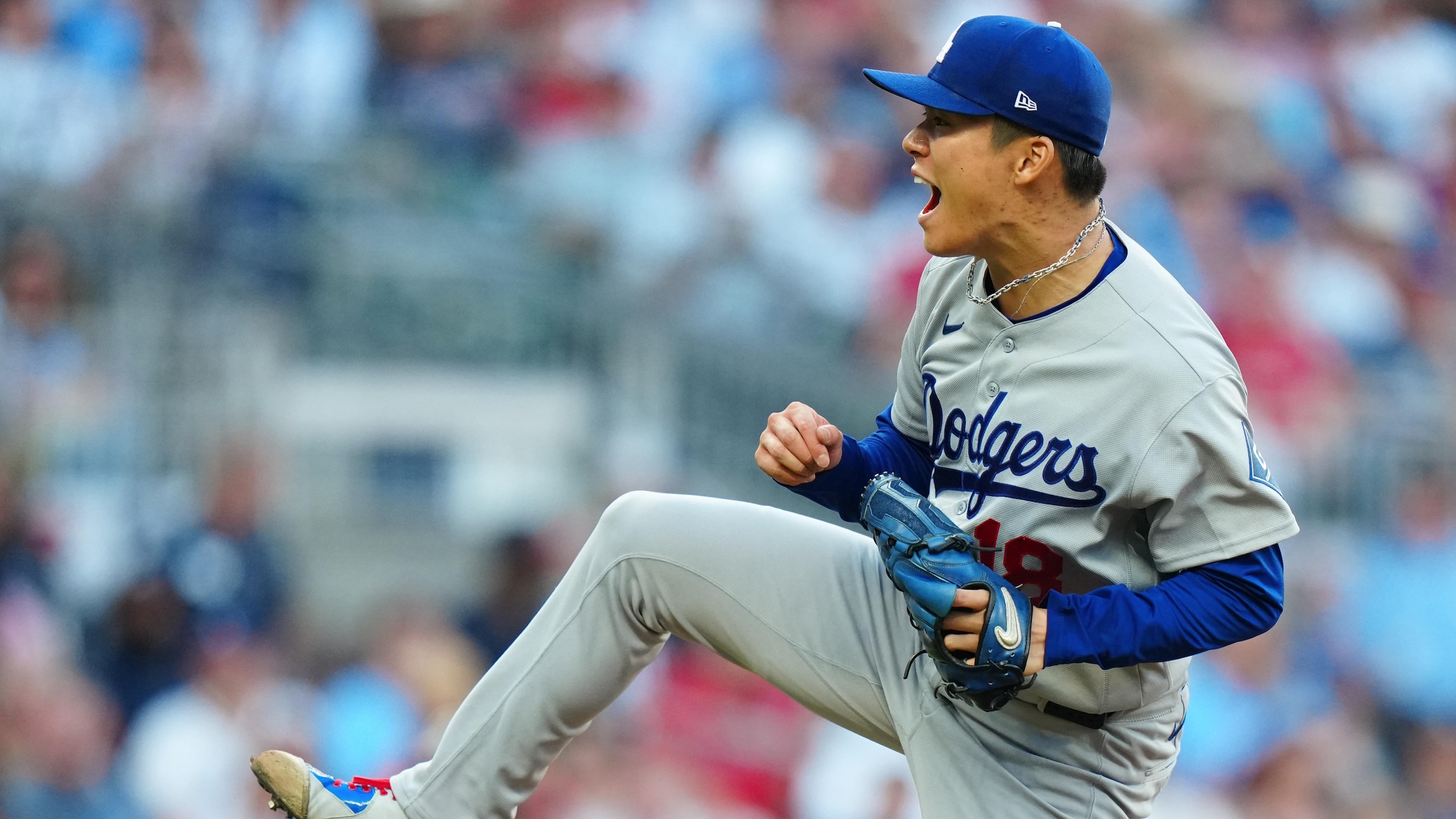
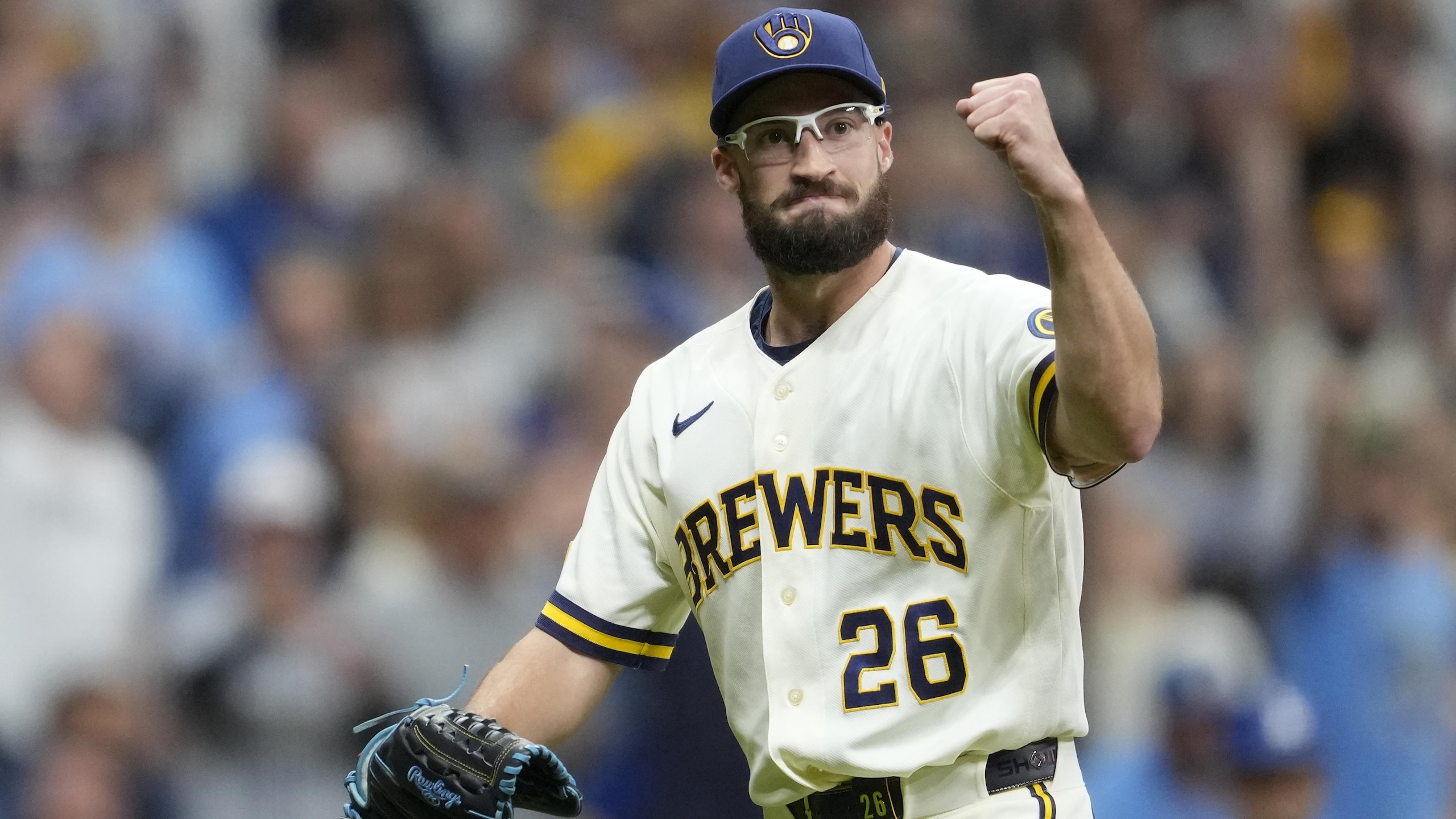
It doesn't matter whether it's Yoshinobu Yamamoto mowing down the competition for seven dominant innings or Anthony Kay recording one out before letting the bullpen take care of the remaining 26, the victors just keep finding a way to hold their opposition to three runs or fewer.

Loser: Atlanta's Well-Compensated Position Players
4 of 10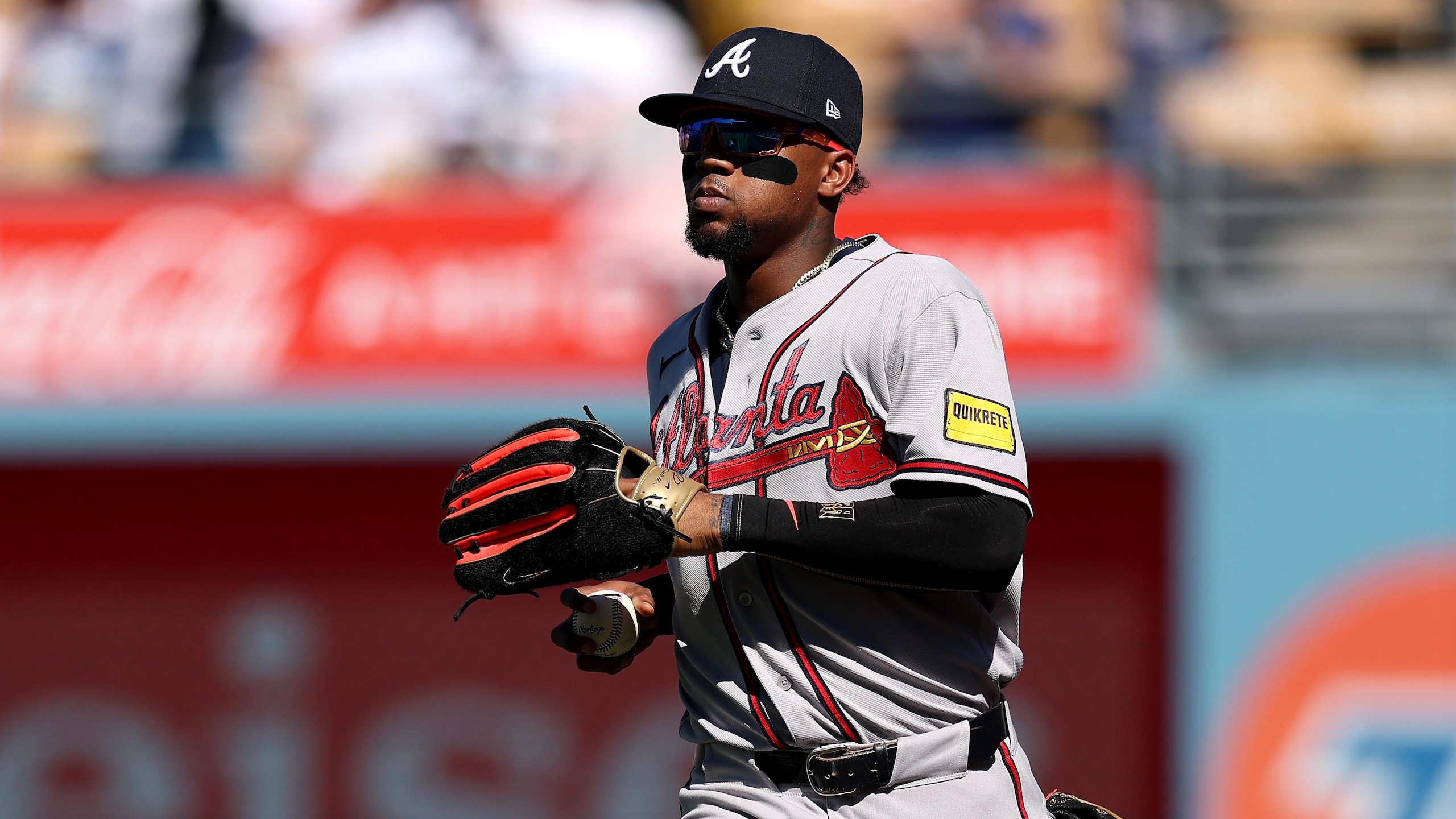
The Atlanta Braves have three players on nine-figure contracts.
Austin Riley (four seasons into a 10-year, $212M deal) had a colossally important three-run home run in Game 1 of the wild card round against Philadelphia, but he went 0-for-13 with six strikeouts while playing every inning against the Dodgers. In both Game 1 and 4, he hit into the final out.
Matt Olson (five seasons into an 8-year, $168M deal) wasn't much better against LA, going 2-for-16 with a pair of singles and six strikeouts. He went hitless in six ABs with at least one runner on base, four of them with a runner in scoring position.
But the biggest disappointment was Ronald Acuña Jr. (final season of 8-year, $100M deal, with two club options remaining).
Acuña had a few singles, runs and stolen bases, but he went 3-for-24 during Atlanta's seven-game postseason run with neither an extra base hit nor an RBI. In fact, he has now gone 16 consecutive postseason games without batting in a single run, and not for lack of opportunity. He went 0-for-5 with runners in scoring position against the Dodgers, including a bases-loaded GIDP in the eighth inning of Game 2.
While Michael Harris II, Chris Sale and overnight celebrity Ray Kerr did everything in their power to keep this season going, Riley and Olson were underperforming and Acuña was sleeping under home plate.
Winner: Dodgers' Well-Compensated Pitching Staff
5 of 10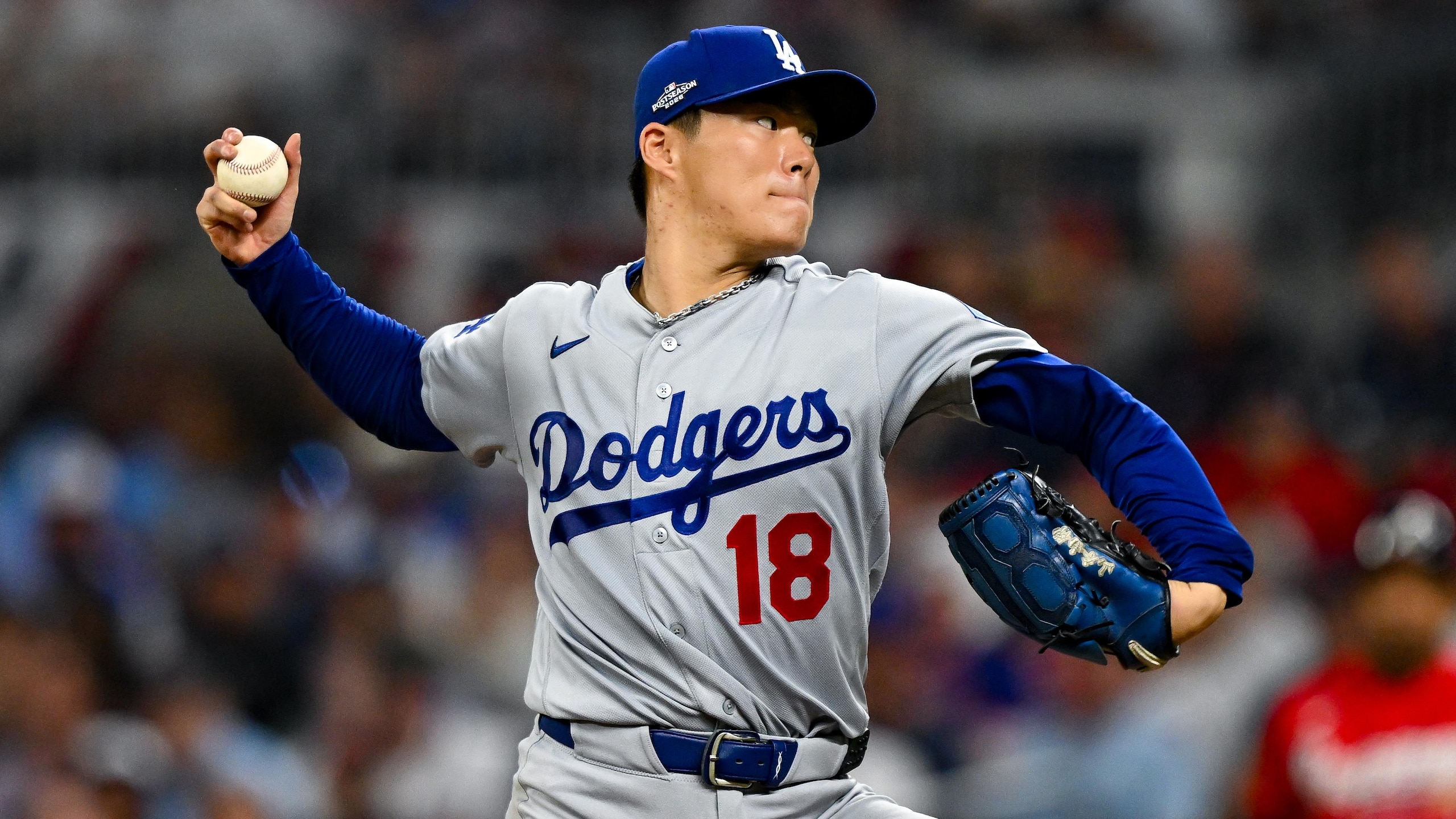
Yoshinobu Yamamoto is on a 12-year, $325M contract—and might be laughably underpaid at this point.
Blake Snell's deal is $182M for five years.
Tyler Glasnow is in the middle of a five-year, $136.5M contract.
Tarik Skubal is making $32M this season before his monstrous, long-term payday comes this winter.
And Edwin Díaz is the highest-paid closer in the sport on a three-year, $69M deal.
That's a combined AAV of just a little under $146M for five pitchers—which is more than the $134M active payroll of both ALCS teams combined, by the way.
But that quintet was worth every single penny in the NLDS against Atlanta.
Snell and Glasnow both struggled with their control, each issuing five walks in their abbreviated starts. But they kept the damage to a minimum, each allowing just one run.
Yamamoto and Snell both dominated in their quality starts, while Díaz allowed just one hit in his three scoreless innings of work.
All told, they went 24.1 innings with a 1.48 ERA and 30 strikeouts.
If you hate with every fiber of your being the Dodgers and the way they've assembled this deferred payroll juggernaut, you most certainly are not alone.
But while four aces couldn't save the Yankees and their $340M+ payroll from being swept—and while the Mets once again spent almost half a billion dollars to watch the postseason from home—this pitching staff makes the Dodgers feel as unstoppable as ever.
Loser: Boston's Bullpen
6 of 10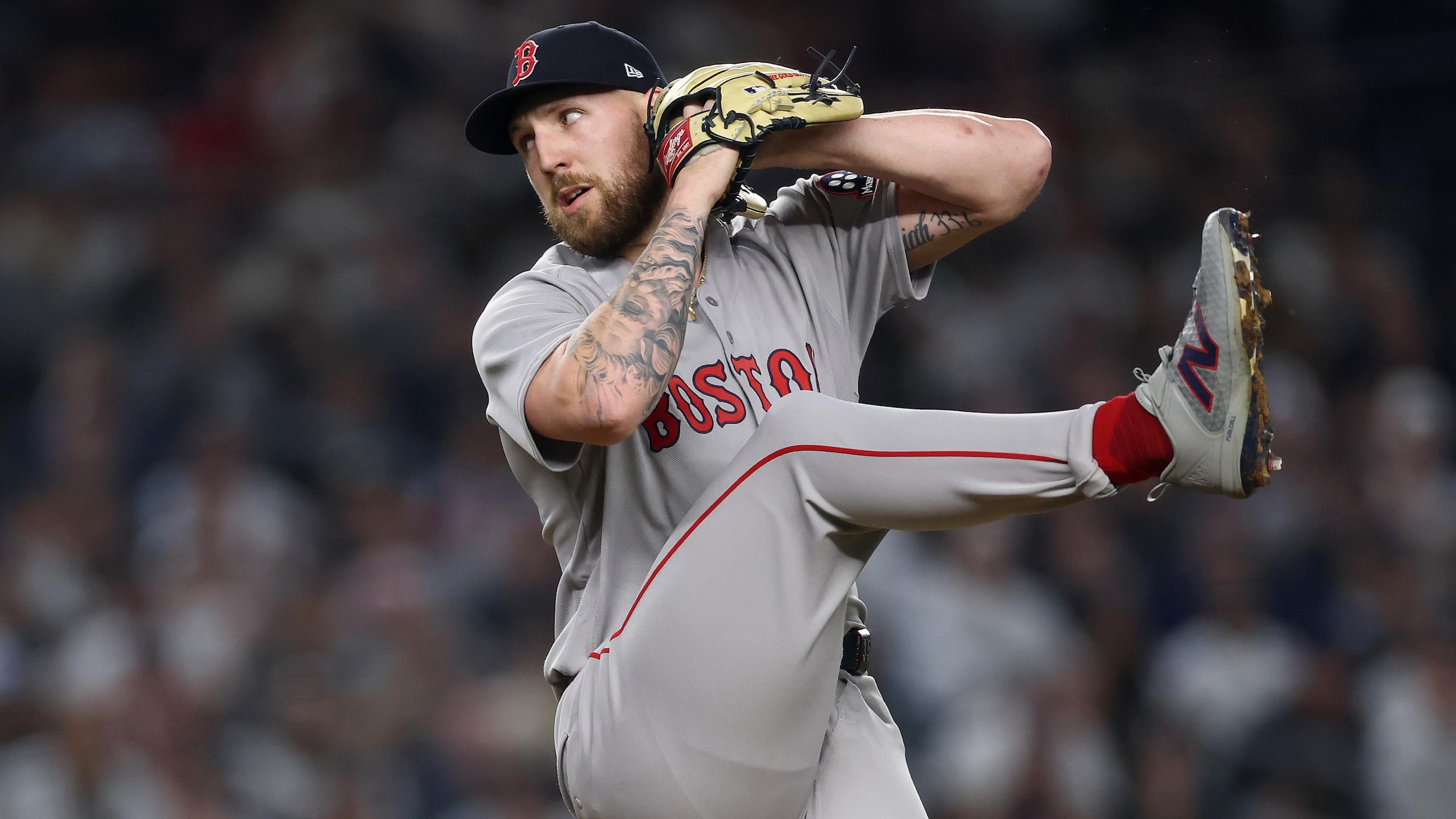
Both Payton Tolle and Sonny Gray pitched admirably in their starts in the wild card round against the Yankees. Each one departed with two outs in the fifth inning, having allowed one run in games that started out as pitching duels.
But then, Boston's bullpen got involved, and things went south in a hurry.
In each game, it was Erik Miller who replaced the starter. He immediately allowed a home run to Ben Rice in Game 1 and immediately gave up two singles in Game 2, with Gray getting charged for the run that scored. All told, he faced five batters and allowed four hits.
The other Red Sox reliever who appeared in both games was Alec Gamboa, and things didn't go any better for him. He did retire both batters he faced in Game 2, but only after failing to sit down any of the four Yankees he faced in Game 1.
Garrett Crochet's triumphant return to the mound was anything but. After Spencer Jones struck out but got to first on a wild pitch, Crochet allowed three straight hits, never officially recording an out.
We'll spare you the pitcher-by-pitcher rundown of the rest of the mess, but the overall line from the eight relievers was: 6.2 IP, 15 H, 15 ER, 7 BB, 5 K.
That's a 20.25 ERA, even with Aroldis Chapman fanning all three batters he faced while pitching with a 9-2 deficit in the eighth inning of Game 2.
Winner: Michael King
7 of 10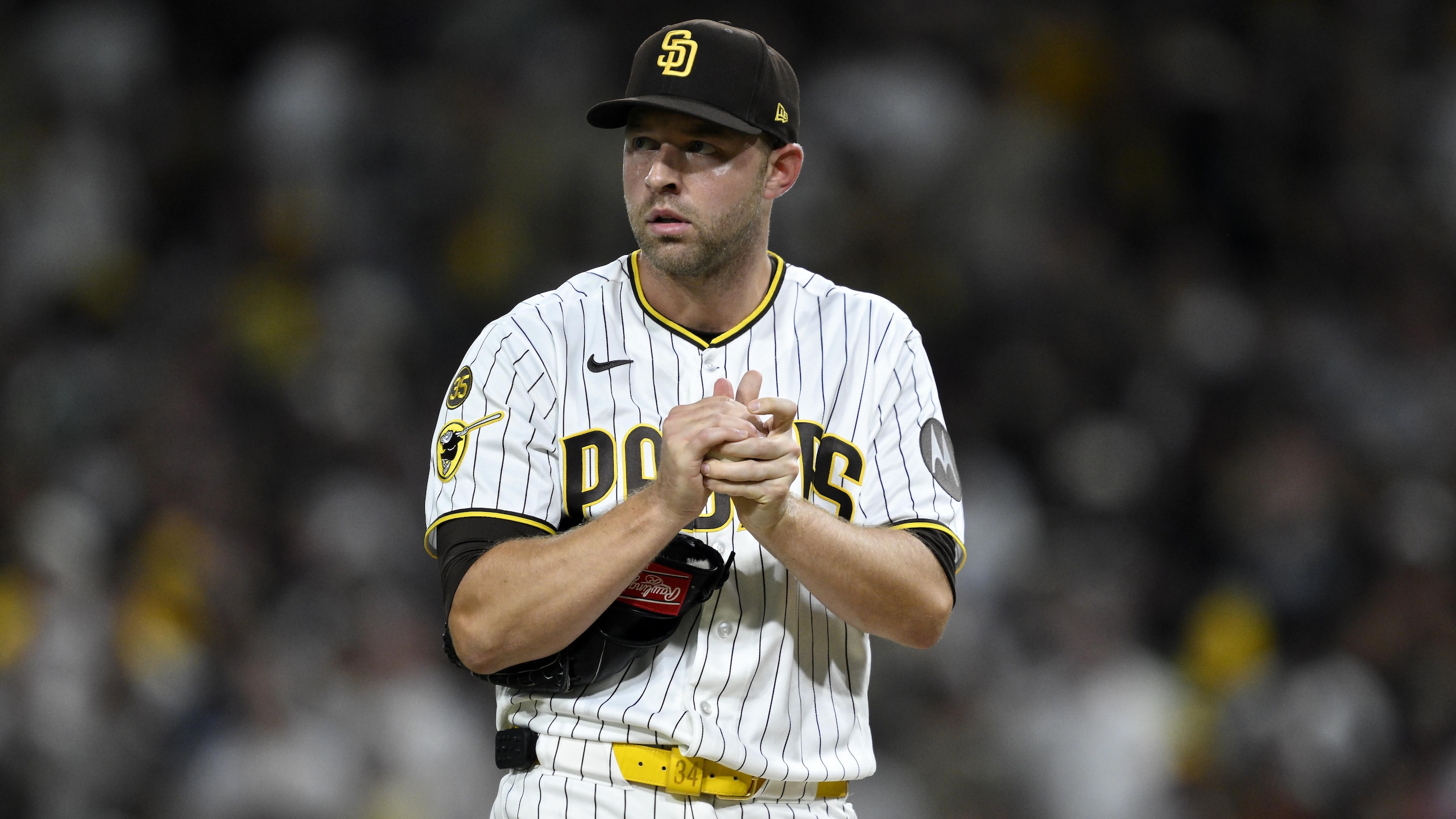
Long before the postseason began, Michael King was probably destined for a nice big payday in free agency.
He was unable to fetch a long-term deal last winter, but after his second fully healthy and highly productive season in the span of three years, it's a near-certainty he will opt out of the two years and $58M left on his contract in pursuit of a much bigger one.
And whatever his market value was two weeks ago, it surely increased with his impressive run through San Diego's brief stay in the playoffs.
King absolutely mowed down the Cubs in Game 1 of the wild card round, carrying a no-hitter into the seventh inning before finally allowing a single to Nico Hoerner. He ended up going seven scoreless innings with eight strikeouts.
Then in Game 2 against the Brewers, King was perfect through 4.2 IP before allowing three hits in the span of five pitches. (That's baseball for you.) He still allowed just one run in five innings of work, putting the Padres in a great position to win that one.
Two days later in a do-or-die game with Mason Miller unavailable (paternity leave), he pitched the final two innings, preserving a one-run lead to keep San Diego alive for one more day.
All told, that's 14 innings with five hits, five walks, one run allowed and 15 strikeouts.
While not quite a "2014 Madison Bumgarner" or "2019 Stephen Strasburg" run through October, it was a real testament to what the 31-year-old ace brings to the table.
Loser: Chicago Cubs' Vanishing Offense
8 of 10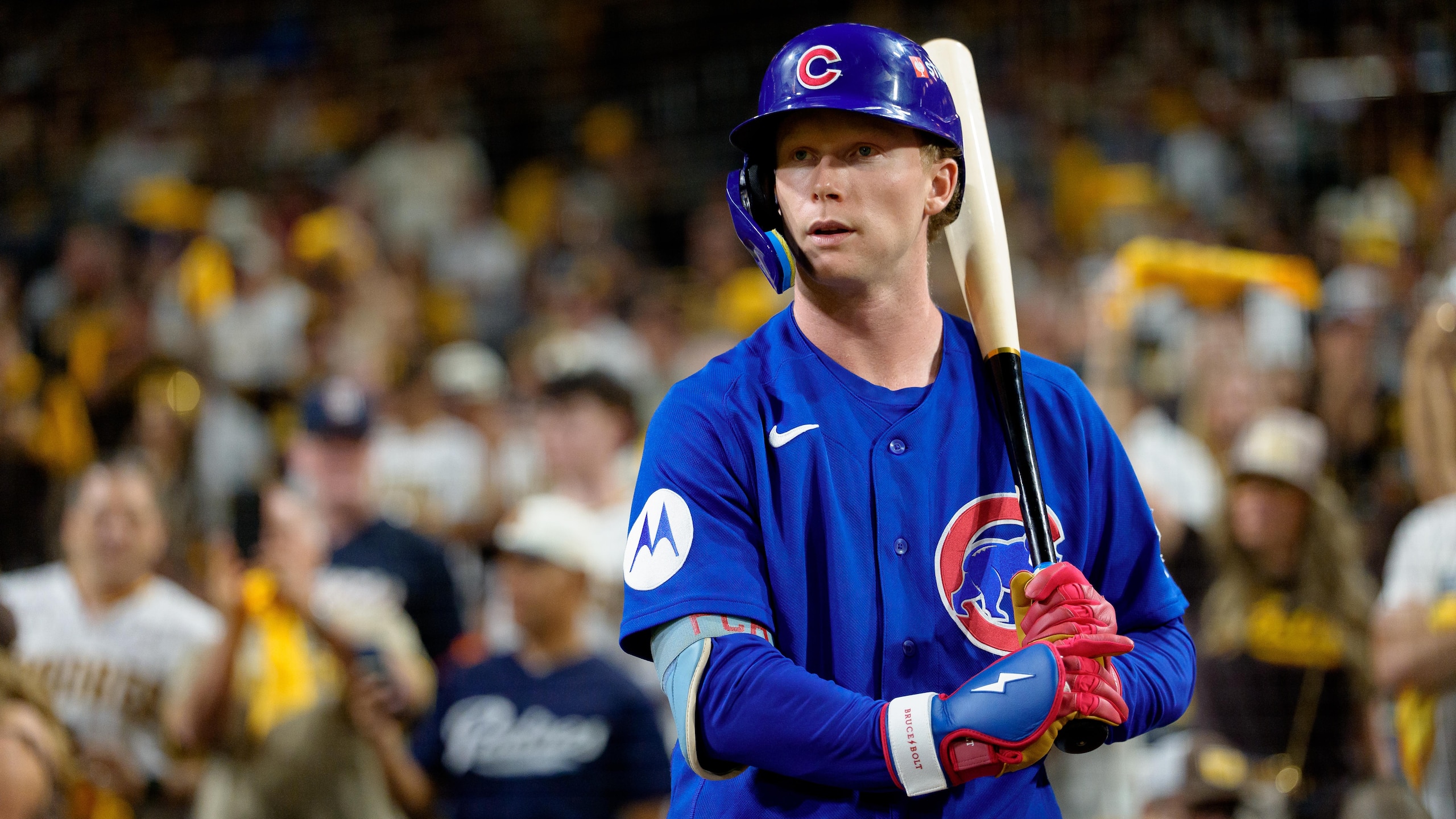
With 850 runs scored, the 2026 Chicago Cubs weren't any sort of all-time juggernaut of an offense, but they did lead the majors in scoring.
Over their final 73 games of the regular season, they scored at least 10 runs on 11 occasions and were held to either zero or one run just eight times—and never in back-to-back contests.
Pete Crow-Armstrong is going to win NL MVP, perhaps unanimously so after racking up 45 home runs and 41 stolen bases. Six other regulars in this lineup hit at least 15 home runs as the season-long question about the Cubs became: Is there enough pitching on this staff to routinely win games by a score of 7-5 in October?
In the end, though, it was a complete lack of offense that left them up a creek without a paddle.
While Nico Hoerner went 4-for-8, the rest of Chicago's lineup went 4-for-54 with no extra base hits or RBI.
PCA drew one walk.
That's it.
He and Alex Bregman went a combined 0-for-15 with eight strikeouts as the Cubs were outscored 12-1.
Winner: Davids vs. Goliaths
9 of 10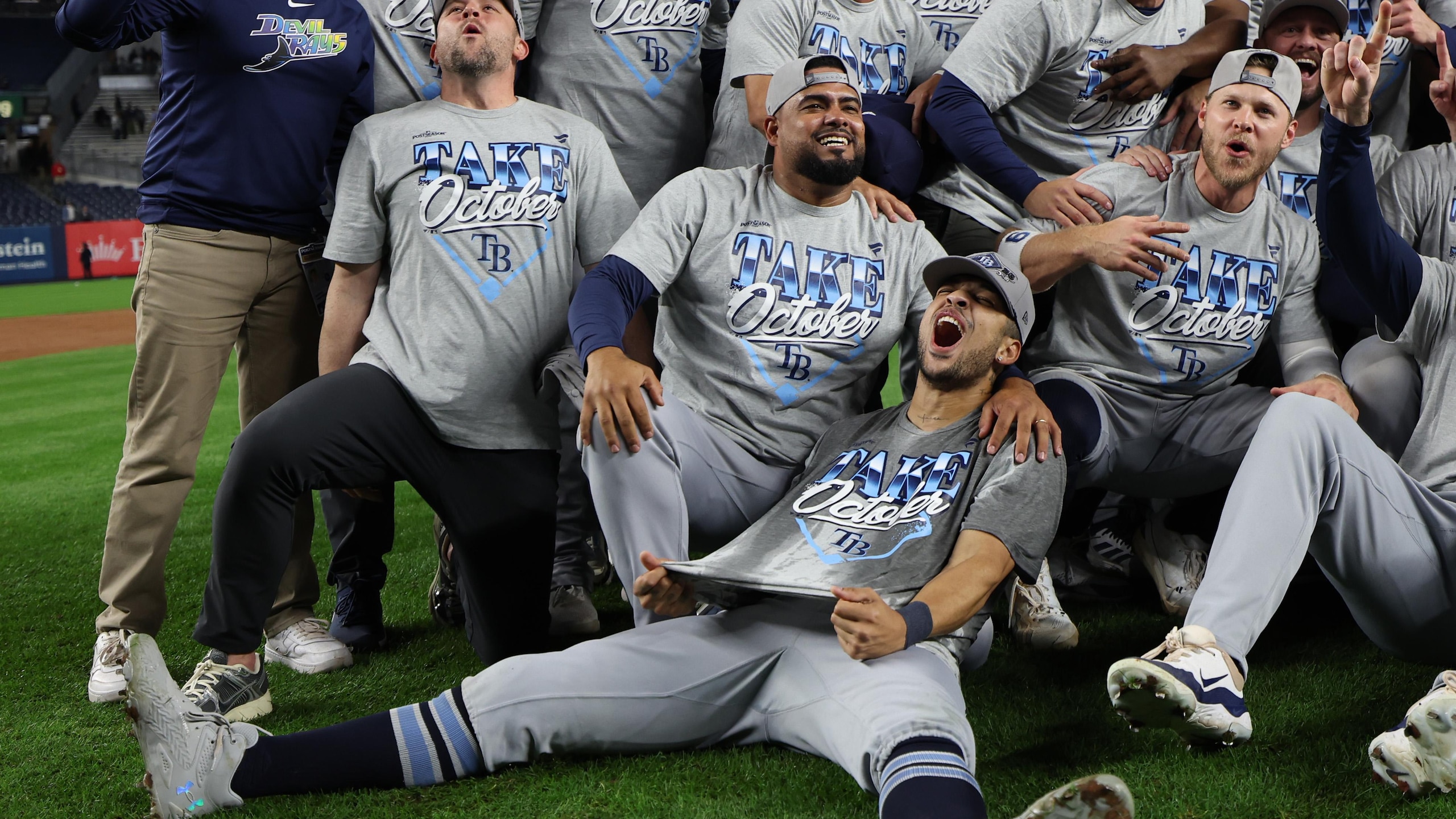
This narrative will go out the window in a hurry if the Dodgers steamroll through the Brewers and whoever wins the ALCS to secure their third consecutive World Series title.
Thus far, however, it has been a fantastic postseason for the penny-pinchers—and, consequently, for the MLBPA's stance that the owners can stick their salary cap proposals where the sun don't shine.
Of the 12 teams who made the postseason, eight did so with an estimated competitive balance tax payroll of at least $230M while the other four ended up at $155M or below.
And when they've clashed, it has been bad news for the big spenders.
In the wild card round, the Chicago White Sox ($117.9M) made quick work of the Houston Astros ($234.7M). Jose Altuve did hit a solo home run for the 'Stros, but their septet of players making at least $18M this season was unable to take down a team with zero such players on its active roster.
In the NLDS, the Milwaukee Brewers ($154.7M) outlasted the San Diego Padres ($265.3M) in what was the most entertaining series of the first two rounds. The highlight of Game 4 was Garrett Mitchell—making less than $1M this season—delivering an RBI single past $25.5M Xander Bogaerts, tripling off $25M Robbie Ray and robbing $25.1M Manny Machado of a game-tying home run.
But the magnum opus for the Davids was the Tampa Bay Rays ($112.9M) sweeping the New York Yankees ($341.8M) out of the ALDS, nearly no-hitting the Bronx Bombers in Game 1 and never trailing for a moment of the series. Sure, Aaron Judge was unavailable, but it almost feels like it wasn't going to matter even if he had been at full strength.
Loser: Rust vs. Rest (Again)
10 of 10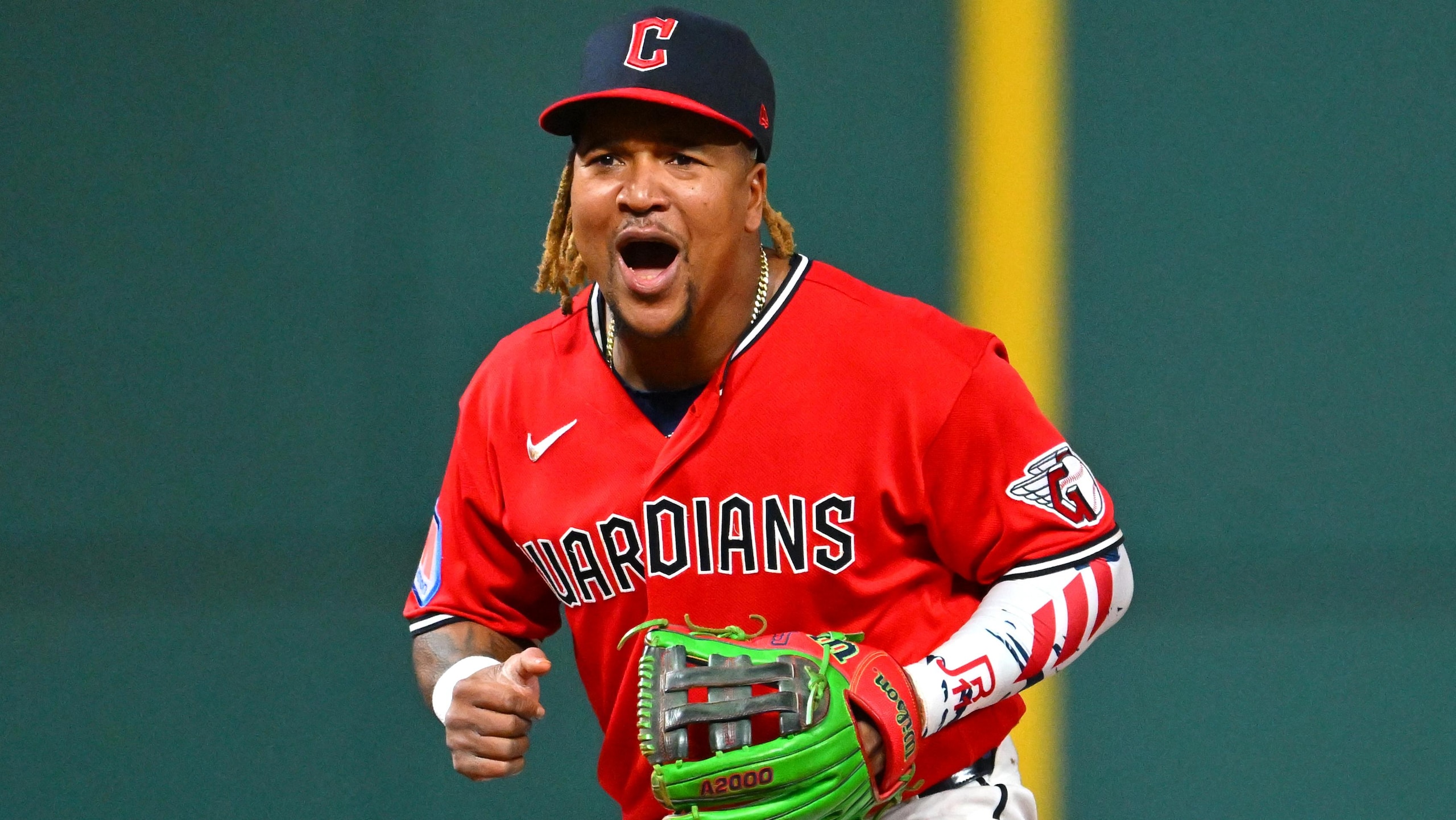
In the first two years of the 12-team postseason format, first-round byes were nowhere near the advantage we expected them to be—especially in the National League, where both the No. 1 and No. 2 seed were immediately eliminated in the NLDS each year.
Quite a few "Rest or Rust?" articles were written in October 2023.
Since then, however, the pendulum has swung completely in the opposite direction.
Save for the No. 2 seed Phillies losing to the $445M New York Mets in 2024 and the No. 2 seed Phillies (again) losing to the $587M Los Angeles Dodgers in 2025, all of the teams with first-round byes have advanced to the LCS round over the past three seasons.
This year, the "Rest" squads went a perfect 4-for-4.
Granted, only the Tampa Bay Rays managed to do so in particularly convincing fashion.
The entire Milwaukee-San Diego series was gripping theatre. Atlanta put up a respectable fight against Los Angeles. And Cleveland had to waken José Ramírez from his season-long slumber in order to rally from a 2-0 deficit against Chicago.
They all got the job done, though, setting up the first 1s vs. 2s penultimate round of the postseason since 2018—which also featured No. 1 Milwaukee vs. No. 2 Los Angeles.
.jpg?w=2560)

.jpg?w=2560 "Cam Ward Says He's Not A Loser")
.jpg?w=2560 "Texans Trade for MHJ")
.jpg?w=2560 "Chargers Fall to 0-5 🤢")
.jpg?w=2560 "Grading MHJ Trade 📝")