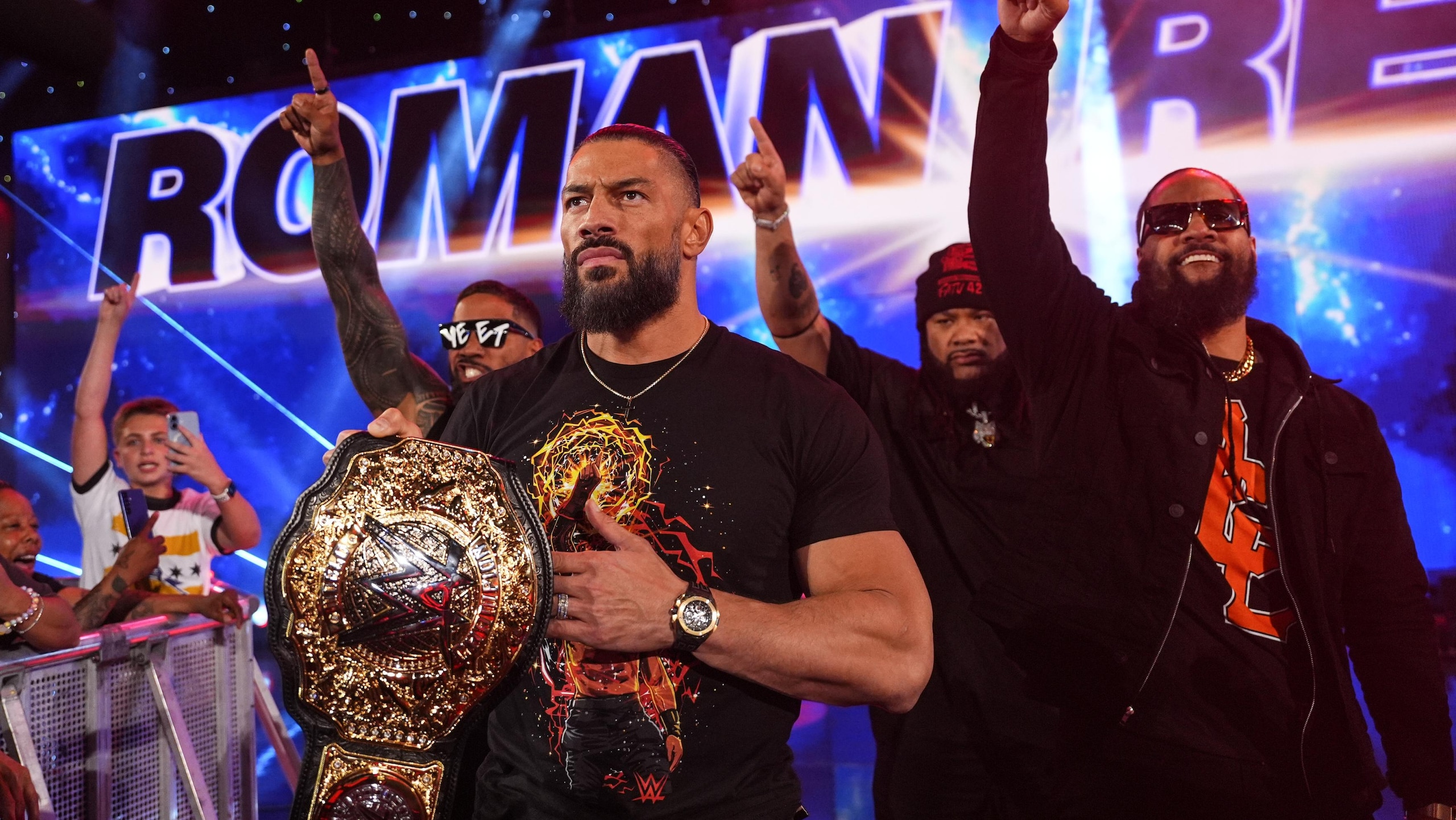


The Bloodline returned to WWE television the night after WrestleMania 42, where Roman Reigns defeated CM Punk to win the World Heavyweight Championship and reclaim his spot as the Head of the Table.
Through four months, though, the spark, excitement, and must-see nature of the group have been noticeably absent, with no indication it will return anytime soon.
The apathy toward this latest Bloodline incarnation can be attributed to two key elements.
A Retread, Not the Next Chapter
1 of 2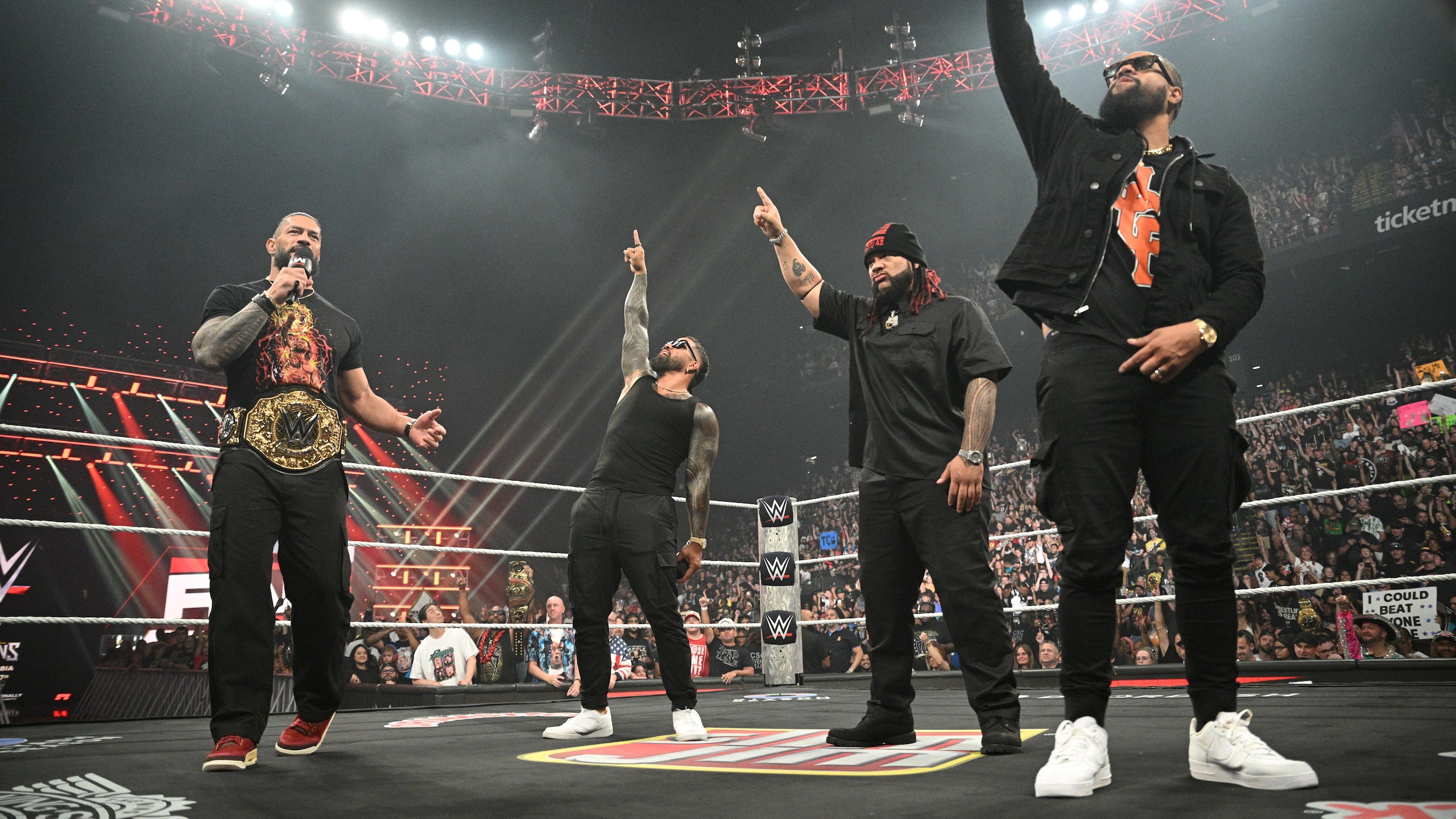
When the Usos fell in line and linked back up with Roman Reigns the night after WrestleMania 42 this past April, they did it not because of some evolving storyline, but because he had captured the World Heavyweight Championship, thus putting the family back on top of the company.
Jey, who had fought to excommunicate himself from the toxic rule of The Tribal Chief by fighting for himself and his own ambitions, blindly followed. Jimmy, the loyal soldier, returned to his cousin's side.
We had seen that song and dance before.
Even the events that followed, with Jacob Fatu being forced to acknowledge the OTC following a high-profile loss at Clash in Italy, were replicated barely three months later on the latest episode of Raw, in which Solo Sikoa lost to Jey and must now rejoin The Bloodline.
Rather than having a natural next chapter for the group, including hesitation on the part of the Usos to blindly throw their allegiance back behind the man who gaslit them and took advantage of their loyalty in the first place, it has literally picked right back up, as if the world title was the infinity stone to Reigns' Thanos and they were nameless minions.
The central figure learned nothing from his first run as the Tribal Chief and has systematically set out to insulate himself, with the sole evolution being his ability to fight his own battles once the bell rings.
Still, that one new caveat benefits the biggest star in the company and, to this point at least.
Ambiguity, Thy Name Is Bloodline
2 of 2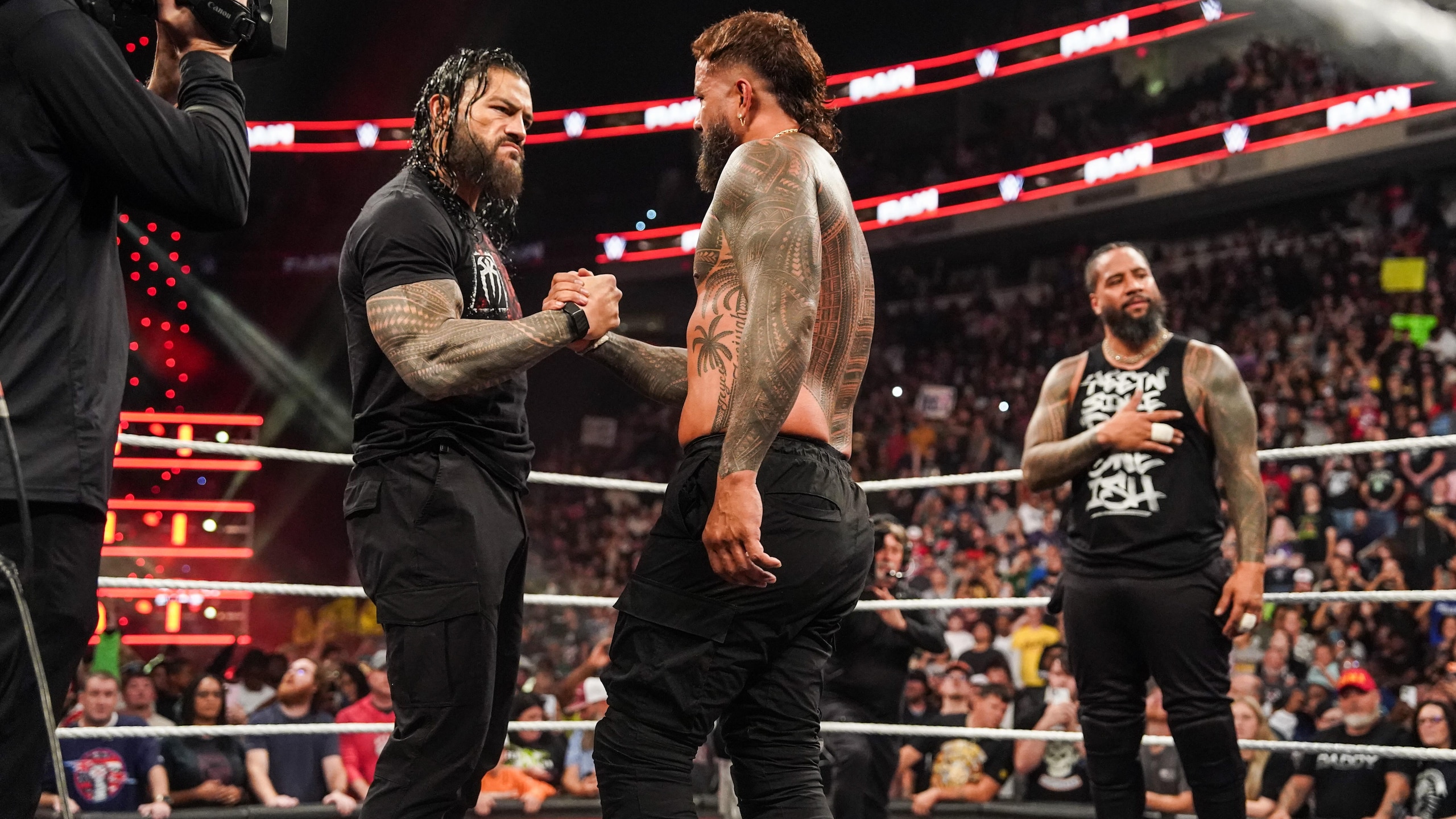
Pro wrestling is at its best when fans can emotionally invest in the characters and stories that unfold on every show. It is a morality play and has always thrived when there are clearly defined babyfaces and heels.
Perhaps that is why the current incarnation of the Bloodline is failing.
Reigns, the Usos, and Fatu are booked like villains most of the time, have promos that include fan-friendly rhetoric, and still play to the audience. They are met with overwhelming cheers, a smattering of boos, or a largely mixed reaction depending on the city or opponent.
The ambiguity of the act, which has yet to pick a side in the first four months of this latest run, has hurt its ability to captivate the audience and make for must-see TV, as it did from 2020 through 2024.
That there are no strong babyfaces developed to combat them, outside of LA Knight, there is no sense of urgency on the part of the creative team to present them one way or the other, either.
The results will be the continued presentation of the Bloodline in the proverbial "shades of grey," an area Vince McMahon once touted ahead of the introduction of the Attitude Era.
Except, even then, the anti-authority "Stone Cold" Steve Austin was clearly the babyface in his battle against the corrupt authority figure.
The Bloodline was at its best when it had strong, likeable, defined babyfaces to combat it. It will thrive, if only because of the equity that Reigns and the Usos have built up with the audience, but it will fail to reach its previous heights until there is a defined role and a clear babyface or heel for them to combat.
.jpg?w=2560)
.jpg?w=2560)
.jpg?w=2560 "Purdy Becomes Highest-Rated QB EVER 🤩")