.jpg?w=2560 "Plum")


The 2026 WNBA trade deadline has passed, and while Kelsey Plum's move to Phoenix is one of the biggest in-season trades ever, the league's top contenders all stood pat.
But that also means rosters are now all but set for the rest of the season, so it's a good time to rank every playoff team based on their championship chances.
History tells us that superstar talent matters more than anything in the postseason. Outside of the 2021 Chicago Sky, every WNBA champion over the past 16 seasons has featured at least one All-WNBA first team selection that year.
As things stand entering August, that group likely includes A'ja Wilson (Las Vegas), Olivia Miles (Minnesota), Paige Bueckers (Dallas), Kelsey Mitchell (Indiana) and either Breanna Stewart (New York) or Caitlin Clark (Indiana) for the final spot.
With that in mind, here's how every playoff contender stacks up heading into the final stretch of the regular season.
15. Seattle Storm (6-26)
1 of 15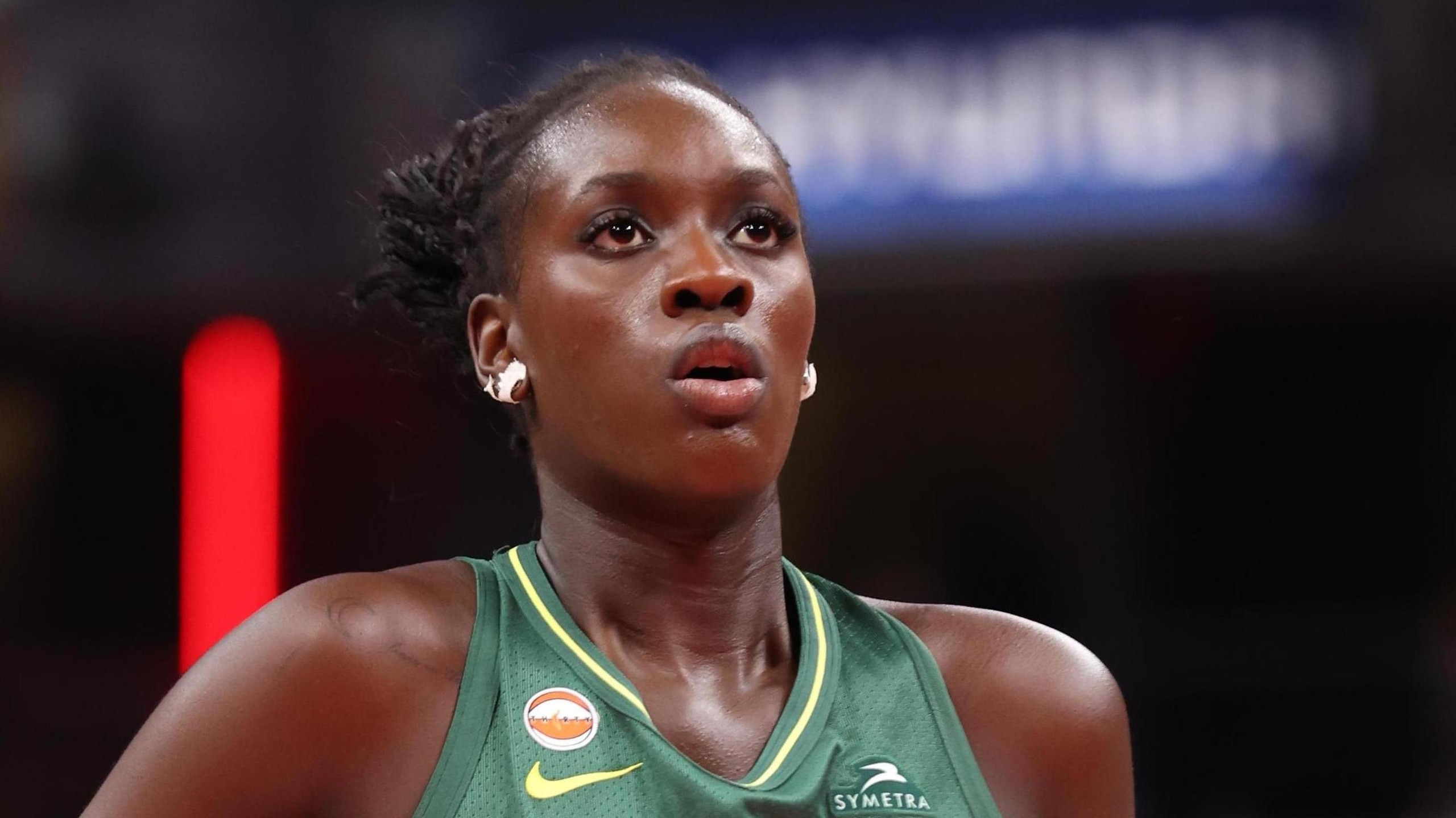
Tier 5: Lottery Lock
Seattle was never expected to win a lot of games this season as one of the youngest teams in WNBA history. The focus was always going to be on development, but it's still remarkable how many close games they've let slip away. During their current eight-game losing streak, every loss has come by 10 points or fewer.
The Storm are now 1-13 in clutch games this season, good for a 7.1 percent winning percentage—the worst mark since the WNBA began tracking the stat in 2006.
That may not be the worst outcome in the long run. This season was always about giving developmental opportunities to Dominique Malonga, Awa Fam and Flau'jae Johnson. On top of that, another high lottery pick could give Seattle an even stronger foundation.
As of now, the Storm own the fifth-best lottery odds, but they could realistically climb as high as No. 3 if Portland and Toronto pick up a few more wins down the stretch. Adding a prospect like Hannah Hidalgo, S'Mya Nichols or Mikaylah Williams would be really fun on this team.
14. Connecticut Sun (7-23)
2 of 15
Tier 5: Lottery Lock
The Connecticut Sun are 6-10 with Brittney Griner in the lineup, including their only win over a Top 8 team this season. Without her, they haven't been very competitive, going just 1-13. That's a big reason they are in this position.
At the trade deadline, Connecticut moved second-year forward Aneesah Morrow to Toronto in exchange for Maria Kliundikova and a 2028 second-round pick. On paper, the return may look light, but Morrow isn't a positive anywhere beyond her elite rebounding.
Kliundikova, who set out the 2026 season to remain in Russia, showed real promise as a defender and roller during her stint with Minnesota last year. If she returns to the WNBA (big if there), that's a pretty solid backup center option for Houston to have.
13. Toronto Tempo (10-19)
3 of 15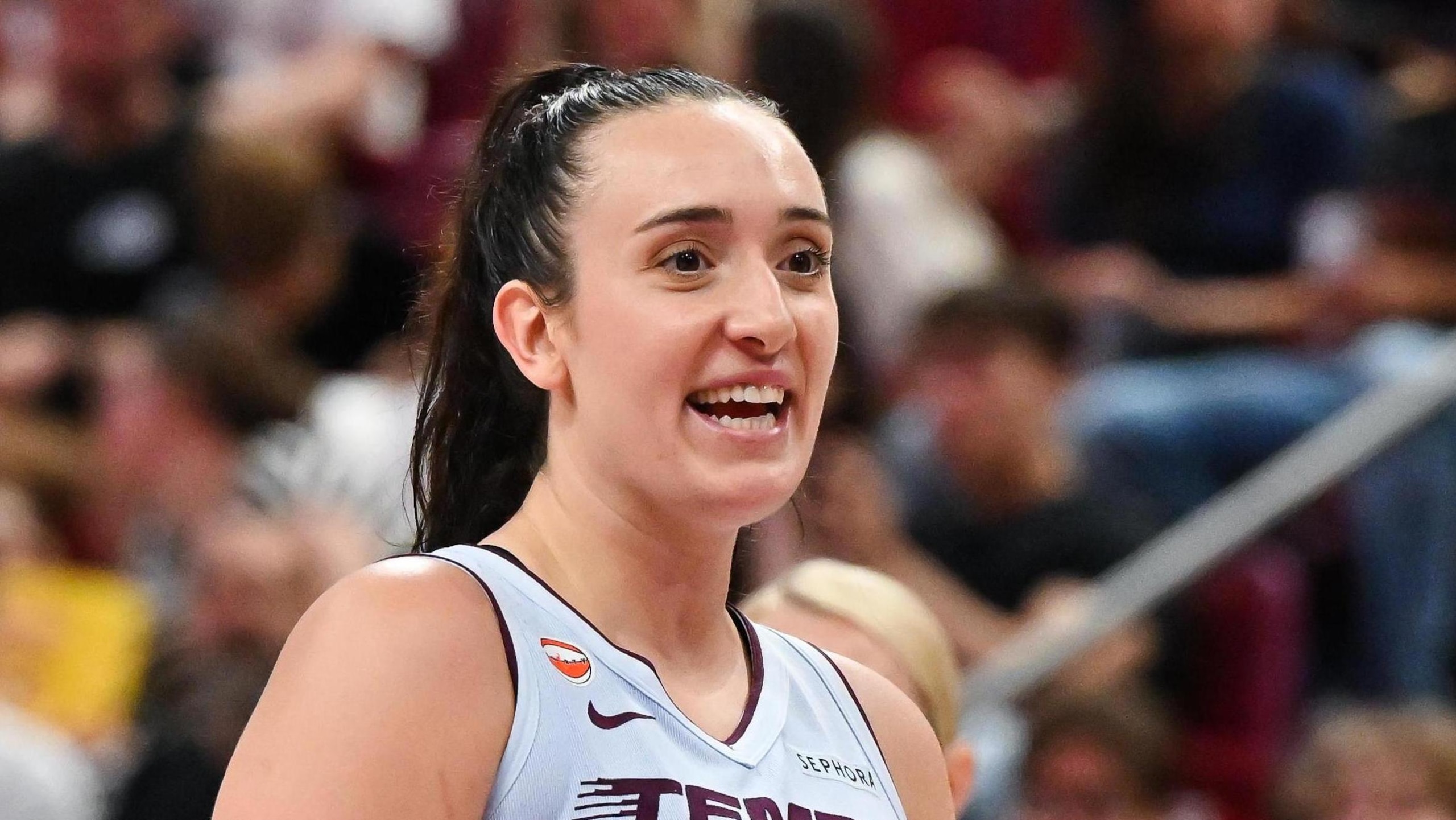
Tier 5: Lottery Lock
At one point, Los Angeles was on pace to be the worst defensive team in WNBA history. Now that title belongs to the Toronto Tempo. Over their last 10 games, the Tempo are 1-9 with a 123.0 defensive rating—the worst defensive rating over any 10-game stretch ever.
Injuries have certainly contributed to those struggles. Brittney Sykes has missed 14 games and hasn't played since June 16, while Kiki Rice and Temi Fagbenle have each missed 13 games.
Without Sykes and Rice, Toronto don't have any positive perimeter defenders, allowing opponents to get into the paint far too easily. Those problems are only magnified by an undersized frontcourt that doesn't provide enough rim protection. The Tempo were also counting on more from Fagbenle after signing her to a $1 million deal last offseason.
Aneesah Morrow won't solve Toronto's size or defensive issues, but she should immediately improve one huge weakness: rebounding. The Tempo rank No. 14 in rebound rate (47.4%), ahead of only Chicago. Morrow's rebound rate is more than seven percentage points higher than any other player on Toronto's roster.
The deal also comes with some upside. Toronto didn't give up much to acquire Morrow, and if they can help develop her jumper similar to Isabelle Harrison's improvements in 2026, the trade could be a major home run.
But right now, there's not much track record for Morrow as a shooter. She's currently shooting 28.4 percent from three on 3.4 attempts per game this season after shooting 24 percent as a rookie and under 25 percent for her college career.


.jpg?w=2560 "Rams Raiders Football")
12. Portland Fire (11-19)
4 of 15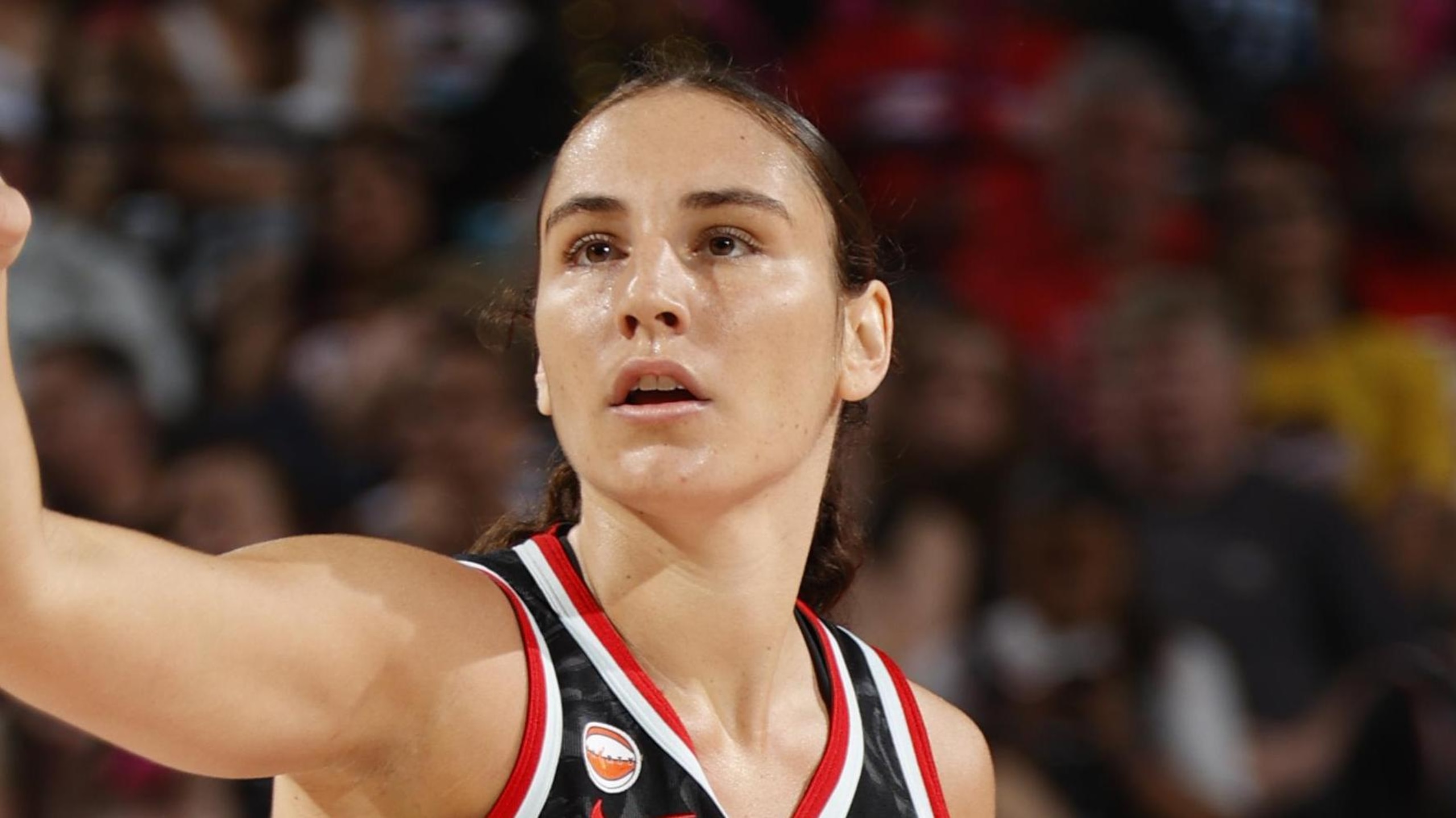
Tier 5: Lottery Lock
Portland's playoff hopes are all but over, but that shouldn't overshadow what has been a positive inaugural season. Carla Leite is a legitimate building block, Emily Engstler can really defend, Sarah Ashlee Barker took a major leap before suffering a torn ACL and even Frieda Bühner has started hitting threes lately.
On the Leite front, her development has been most promising. We know she can generate rim pressure and draw fouls whenever she wants out of pick-and-roll, but now, the shot is coming along, too.
Last season in Golden State, she shot only 12.5 percent on pull-up threes (4-28). This year, she's up to 38.2 percent (13-34), per Synergy Sports. The volume is still relatively small, however, it's still an encouraging sign. If the shot keeps improving, that makes her way more unpredictable out of ball screens.
The next steps for Portland to take a leap in 2027 is to get more athletic everywhere, add some more shot creation and improve defensively at the center position.
11. Chicago Sky (11-19)
5 of 15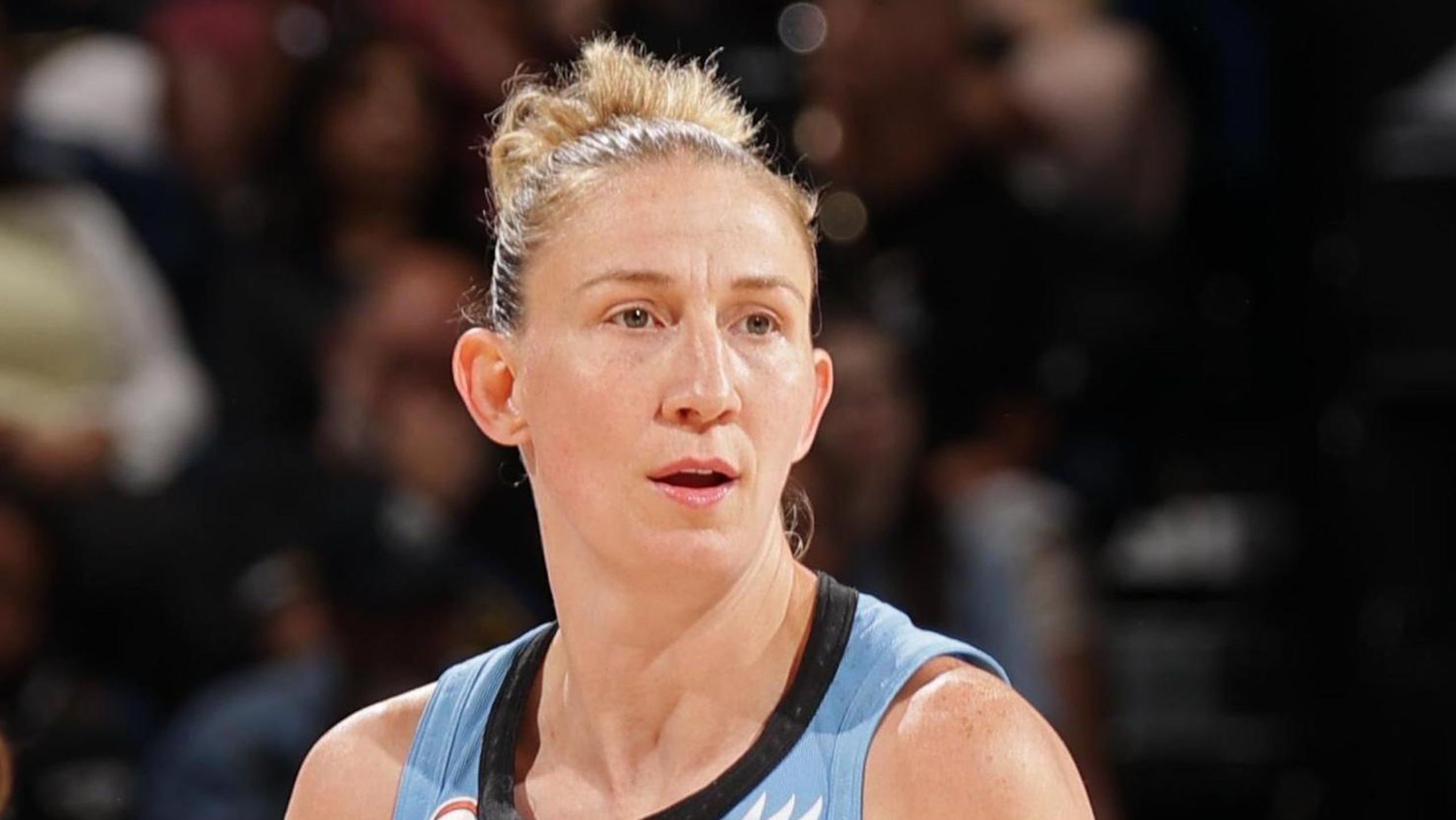
Tier 5: Lottery Lock
Chicago's 2026 season has undoubtedly been a major disappointment, but things have been a lot more positive for the Sky lately, thanks to Sydney Taylor's scoring and Courtney Vandersloot's return from injury.
Since Vandersloot made her season debut on June 26, Chicago is 6-6, with a +0.6 net rating in her 234 minutes. With Taylor and Vandersloot on the court, that jumps to +5.1 in 150 minutes.
Taylor's play has been so impressive, there's a good chance she finishes second in Rookie of the Year voting. She's averaging 18.4 points per game on over 40 percent shooting from three since she became a starter on June 17. Taylor ranks No. 11 in the league in points and No. 4 in threes made over that stretch.
Without a doubt, signing the undrafted guard is the best move Jeff Pagliocca has made since becoming the Sky's general manager. If this level of play continues into 2027, there's serious All-Star potential for Taylor.
10. Los Angeles Sparks (10-16)
6 of 15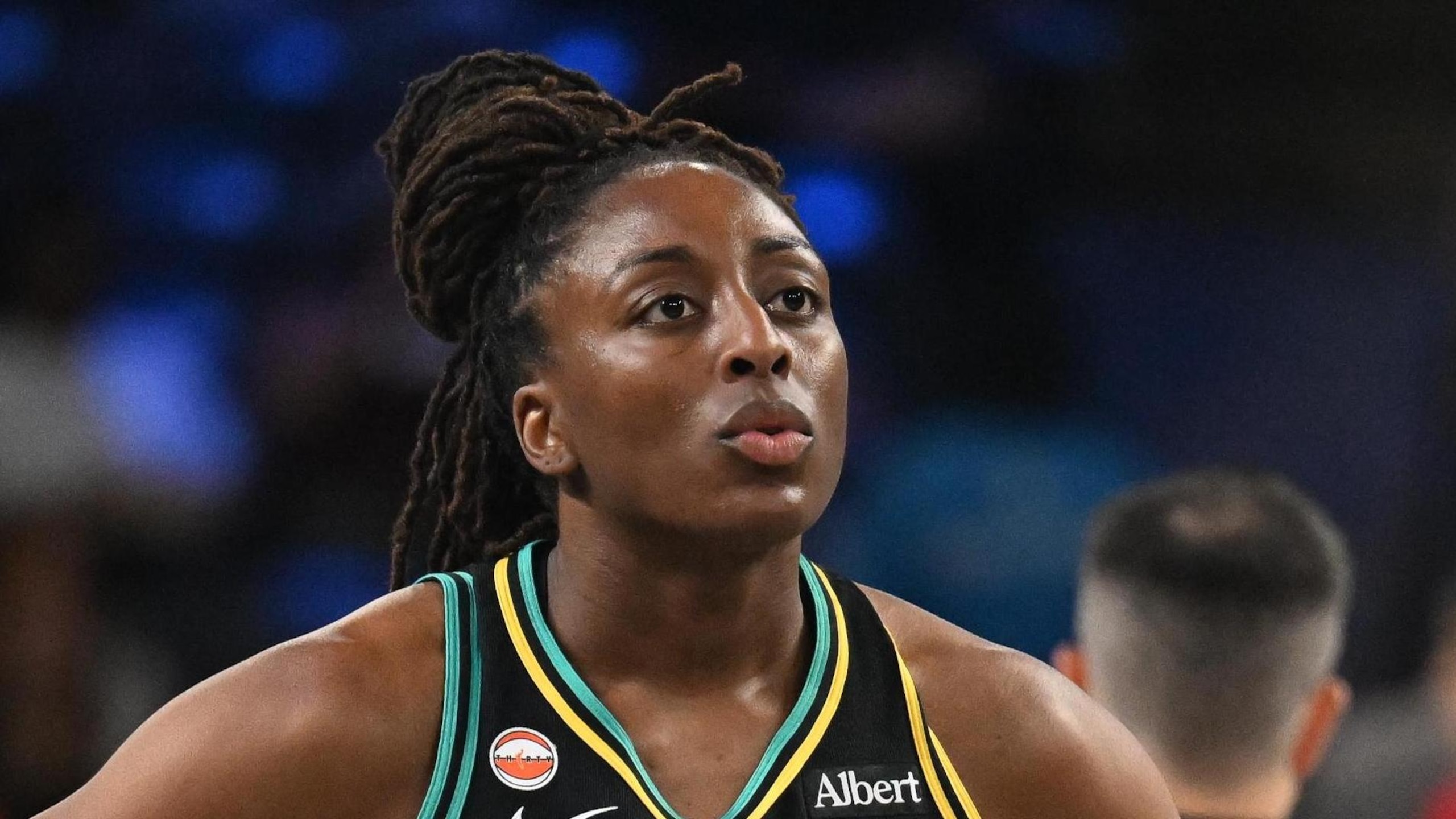
Tier 5: Lottery Lock
Kelsey Plum is no longer in Los Angeles after being traded to Phoenix at the deadline for Monique Akoa Makani, a 2027 first-round pick and a 2028 second-round pick. This is fantastic business from the Sparks, considering Plum was about to walk for nothing in free agency.
Akoa Makani is an elite defender, and the type of player who fits regardless of where the franchise is in their timeline. She can defend both guard spots, knock down catch-and-shoot threes and consistently makes smart decisions with the ball.
Los Angeles is still a long shot to reach the playoffs this season, but this deal just makes a lot of sense for the franchise long-term. Turning an expiring contract into a 25-year-old starting-caliber guard plus what could very well be a lottery pick in the 2027 draft is great value here.
9. Phoenix Mercury (12-19)
7 of 15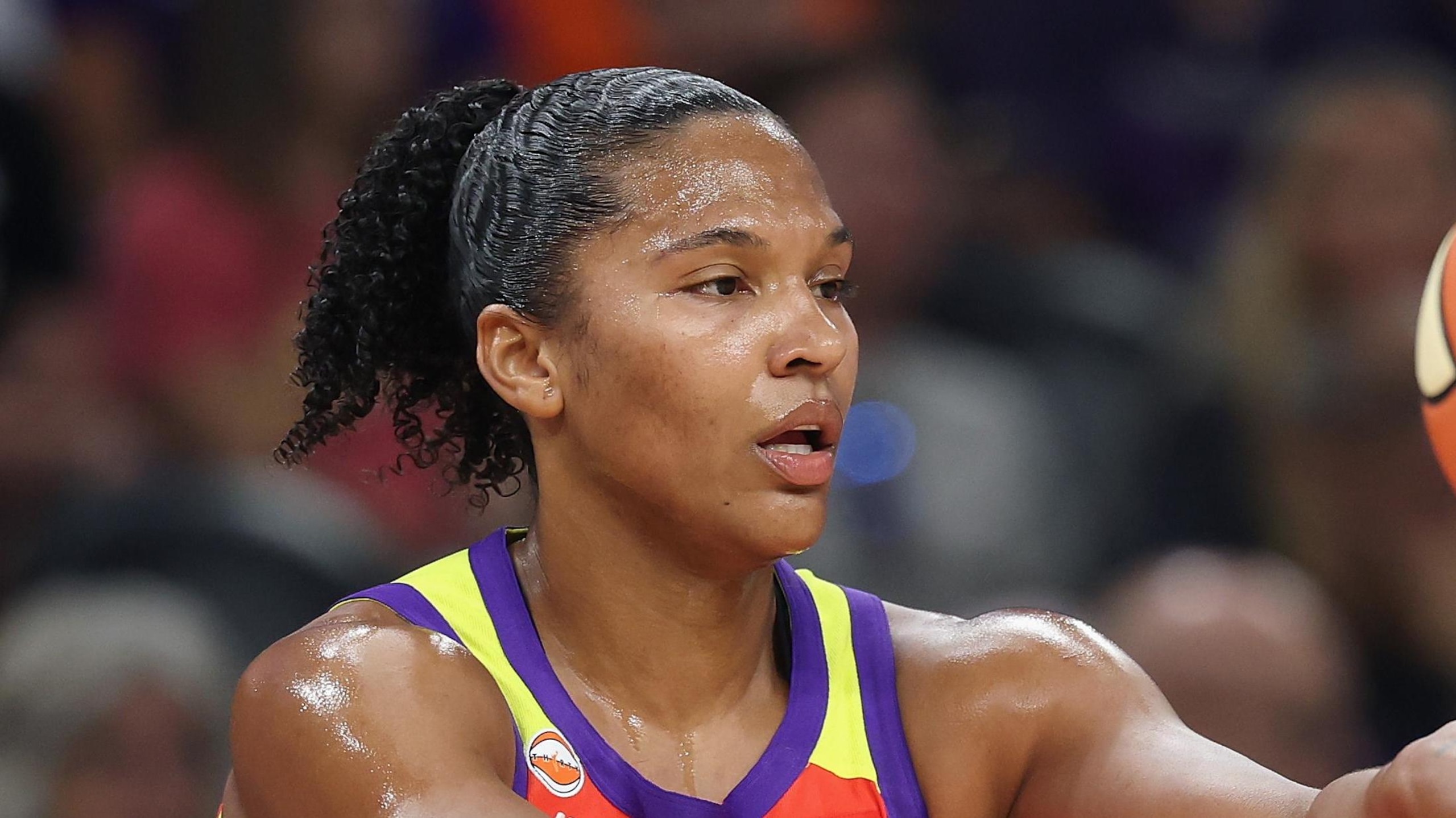
Tier 5: Maybe There's a Chance
The Phoenix Mercury now have a starting lineup of Kelsey Plum, Kahleah Copper, Noemie Brochant, Alyssa Thomas and Natasha Mack. That's pretty scary.
Plum is pretty much the best guard you could possibly pair with Thomas. She can run ball screens, does pretty much anything without the ball and is one of the best screening guards in basketball.
The biggest question is whether Phoenix has enough time to make up ground in the standings. The Mercury are currently six games behind the No. 8 seed with just 14 games remaining, meaning they'll likely need to win their three remaining games against Washington and go 10-4 (if not 11-3) to have a realistic chance.
Even if Phoenix does sneak into the postseason, what are the odds they make a run? Phoenix hasn't been good defensively this year, and now they are worse on that end by swapping Akoa Makani for Plum. They would almost certainly see Minnesota or Las Vegas in the first round, and there's just very little margin for error against this Lynx team, and any series against a team with A'ja Wilson.
Though, if they do make the playoffs, their championship odds are a good bit higher than Washington and Dallas.
8. Washington Mystics (14-12)
8 of 15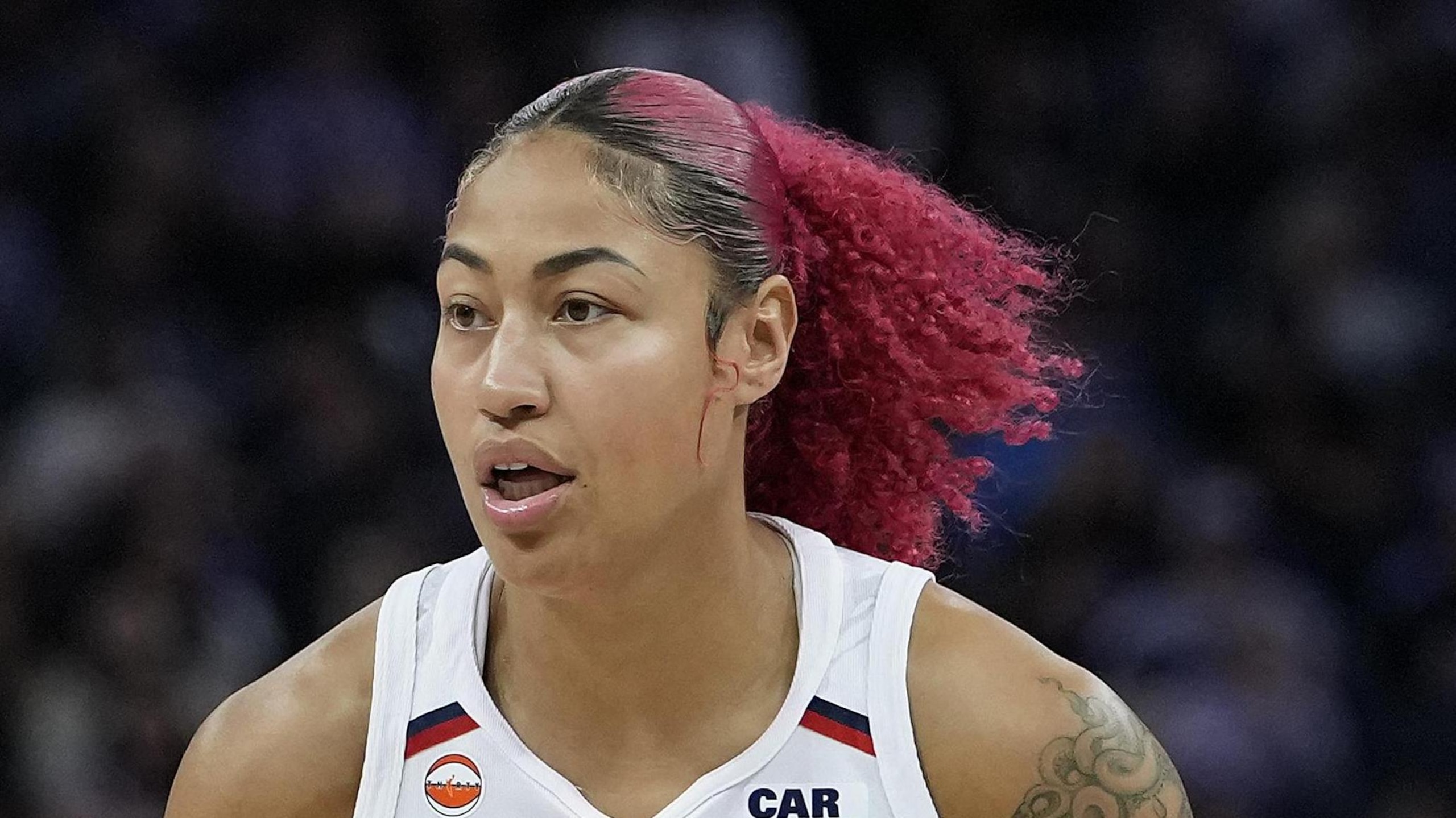
Tier 4: Playoff Team
The Washington Mystics are one of the youngest teams in WNBA history, and despite ranking second-to-last in offensive rating, they've found ways to win. Washington has already beaten every playoff team except Dallas by leaning on their elite defense.
The Mystics are four games over .500, and Shakira Austin deserves a lot of credit for her recent play. After a difficult June in which she averaged just 10.1 points on 34.7 percent shooting, the 6'5" center has since looked like a different player over her last 10 games. Austin is averaging 19.8 points and 9.7 rebounds on great efficiency since the start of July. Washington has gone 7-3 during that stretch.
The Mystics defend at a high level, dominate the glass and consistently get to the free-throw line, but it's still difficult to see them winning a playoff series because of their offensive limitations. Washington ranks last in the WNBA in both pull-up field-goal percentage (27.3%) and catch-and-shoot field-goal percentage (30.6%).
7. Dallas Wings (18-9)
9 of 15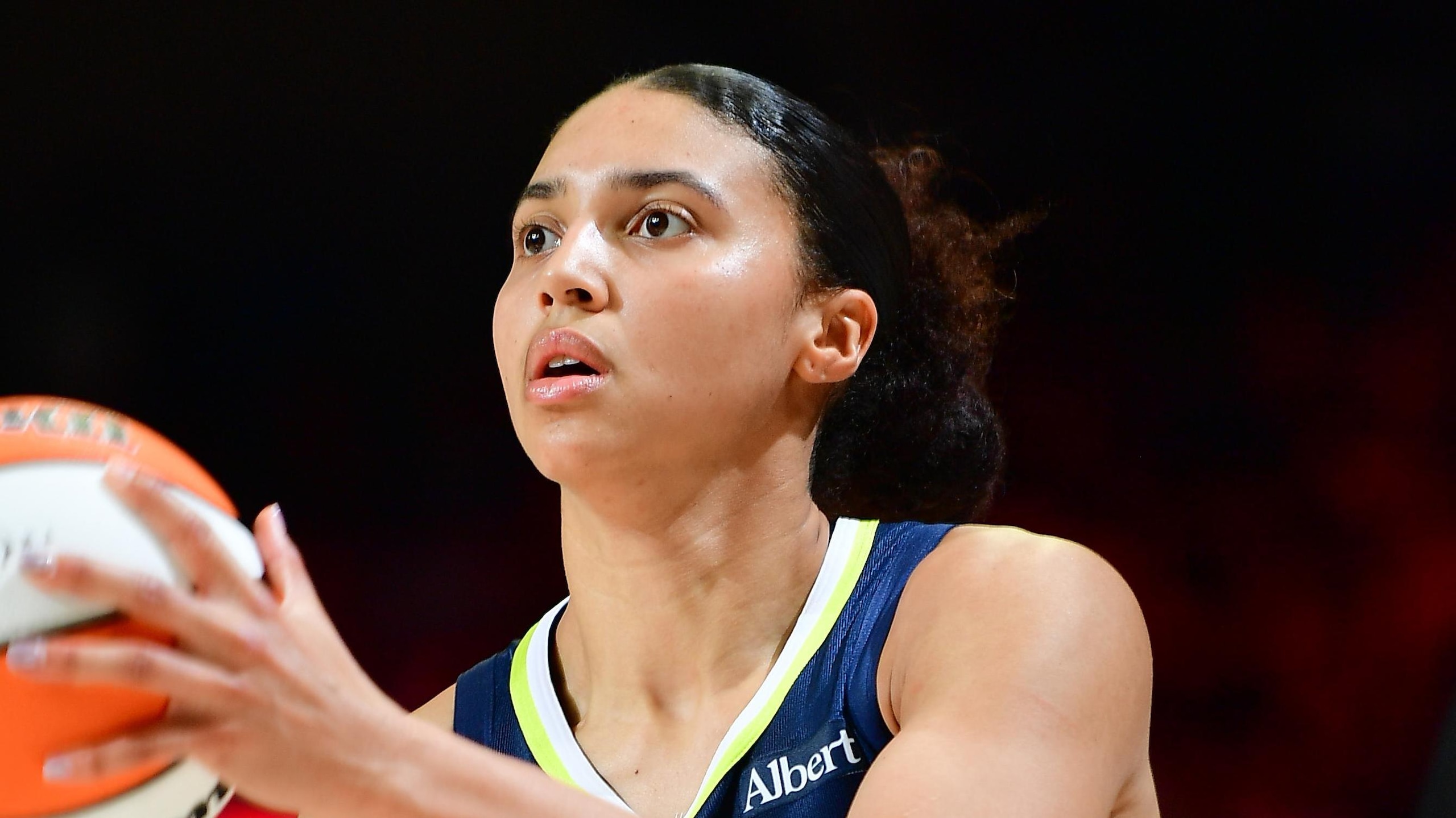
Tier 4: Playoff Team
If the goal were simply to rank the best regular-season teams, yeah, Dallas would absolutely be higher than No. 7. But when you project playoff success, it's difficult to move the Wings up because of a few glaring weaknesses.
For one, they struggle to get to the rim and draw fouls. Dallas ranks last in free-throw rate (24.0%) and No. 13 in rim frequency (33.7% of its shot attempts come at the rim) this season. When the game slows down and gaps become tighter in the playoffs, these are issues.
The defensive end raises just as many questions. Dallas has struggled to contain dribble penetration against pick-and-roll-heavy teams all season, and opponents will likely continue targeting Jessica Shepard in space during a playoff series. Is there any hope for her to not be a gigantic negative on that end?
For the Wings to make a deep run, they'll likely need elite shot-making from Paige Bueckers, Azzi Fudd and Arike Ogunbowale while getting just enough defensive stops to avoid turning every game into a 110 to 105 shootout.
6. Atlanta Dream (18-11)
10 of 15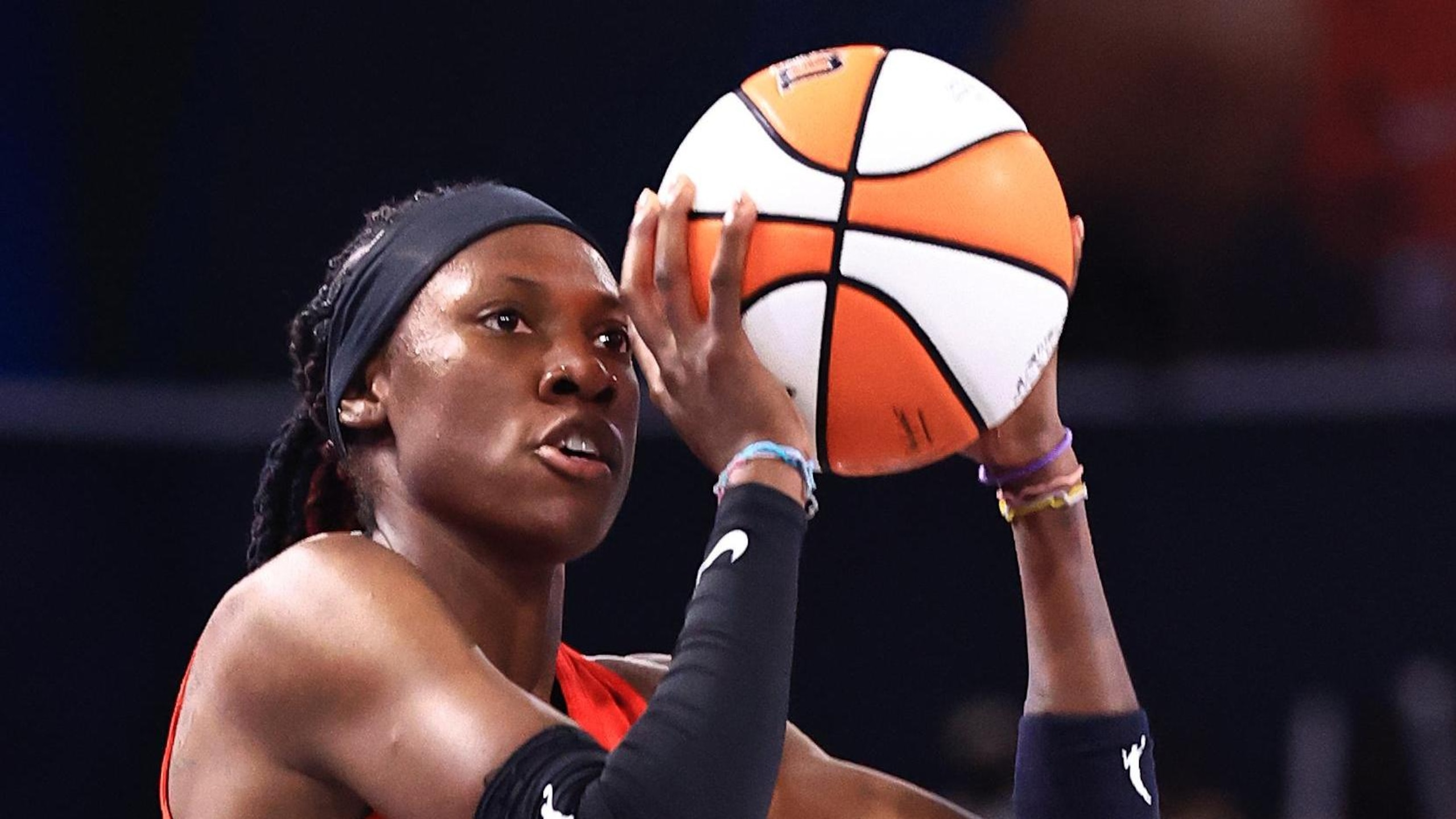
Tier 3: Flawed Contenders
The Dream's postseason ceiling will ultimately be determined by Rhyne Howard. She struggled in last year's playoffs, opened this season playing at an All-WNBA first-team level and has since struggled to hit shots over the last month. Which version of Howard will Atlanta get over this playoff run? That's the big question.
Atlanta ranks No. 6 in offensive rating largely due to their transition attack. Allisha Gray and Howard rank first and second in transition points this season, while Angel Reese is also at No. 10.
The concern comes when the game becomes a half-court battle as shown in those Golden State matchups. The Dream are currently last among the league's title contenders in half-court efficiency at 0.89 points per possession. That's a decline from 0.95 last season.
The biggest difference between those teams is that Jones played all 44 regular season games in 2025, compared to just four so far this season coming off an Achillies injury. Her interior scoring, screening and passing should really help close the game. Given that, we should have a much clearer picture of where the Dream stand in the title race by the end of the regular season.
5. Golden State Valkyries (18-8)
11 of 15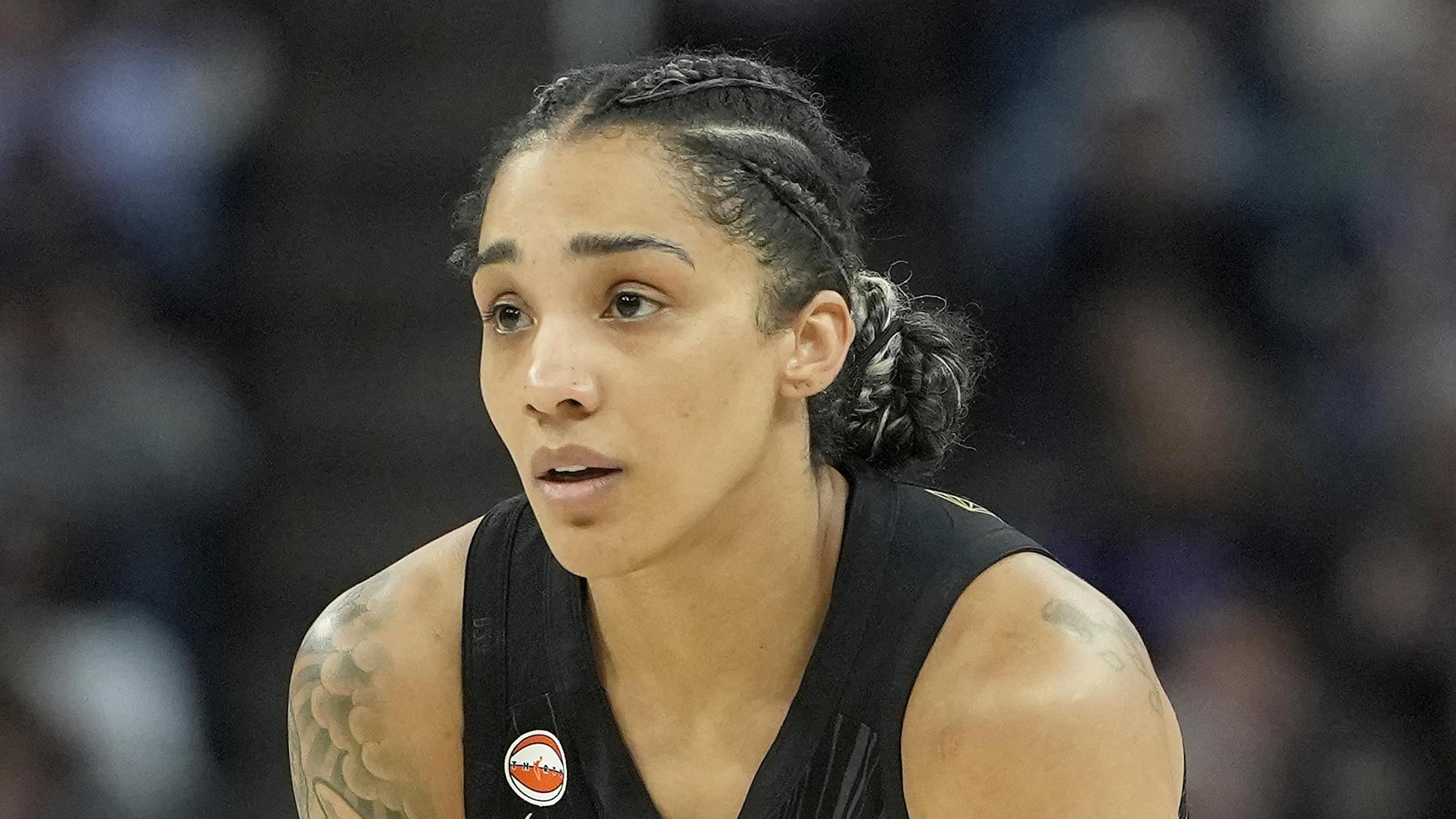
Tier 3: Flawed Contenders
There was a real argument for Golden State becoming a championship favorite if they had landed Kelsey Plum at the trade deadline. Instead, the Valkyries stood pat, and while they remain capable of winning a first-round series, it's difficult to envision a deep playoff run without an elite shot creator who can consistently generate efficient offense.
That weakness has shown up late in games. Golden State's 101.6 offensive rating in the clutch this season ranks No. 12 in the league and the lowest among playoff teams.
The clearest path to a deep postseason run is earning the No. 2 seed. That would likely set up a first-round matchup with Washington before a potential semifinal against Atlanta—if they got by Indiana or Dallas. The Valkyries swept them the Dream in the regular season, albeit without Bri Jones in the lineup.
4. New York Liberty (18-13)
12 of 15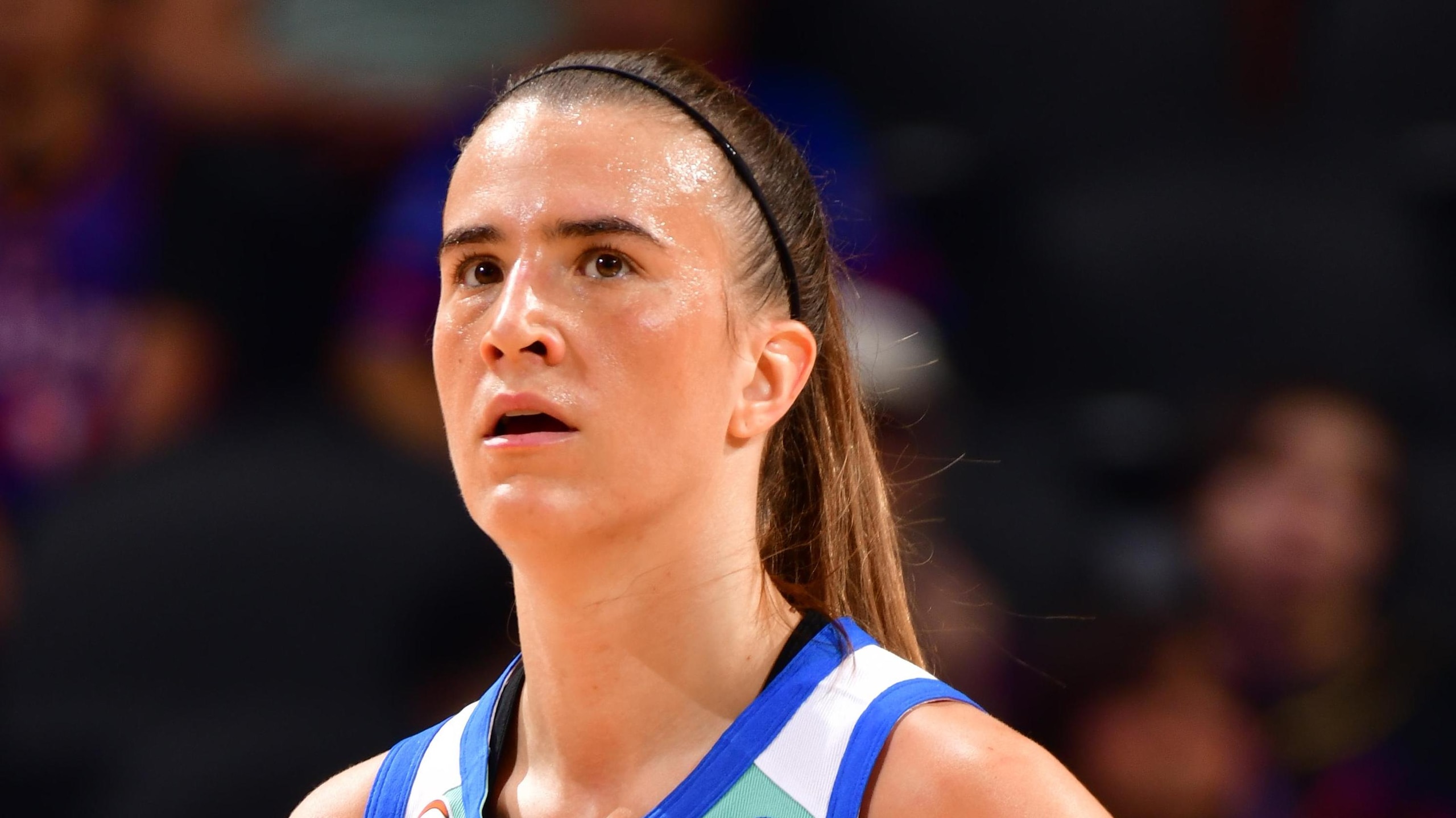
Tier 2: Title Contenders
New York's championship odds come down to whether they can get everyone healthy at the same time. This team is still insanely talented on paper, but for right now, we need to wait and see more.
The Liberty's most talented lineup—Sabrina Ionescu, Leonie Fiebich, Satou Sabally, Breanna Stewart and Jonquel Jones—has only played 25 minutes together this season.
Even if you take Sabally out, the other four returners have only shared the court for 115 minutes. Over the last three seasons, that hasn't been a better four-player lineup combination than that in the entire league. In 634 minutes, they have outscored opponents by 16 points per 100 possessions.
There are legitimate concerns though about this team's athleticism, point of attack defense and even the rim protection has been pretty inconsistent lately. But most of their ceiling comes down to health. If they are all good to go, you can't count New York out against any team in a series.
3. Indiana Fever (19-11)
13 of 15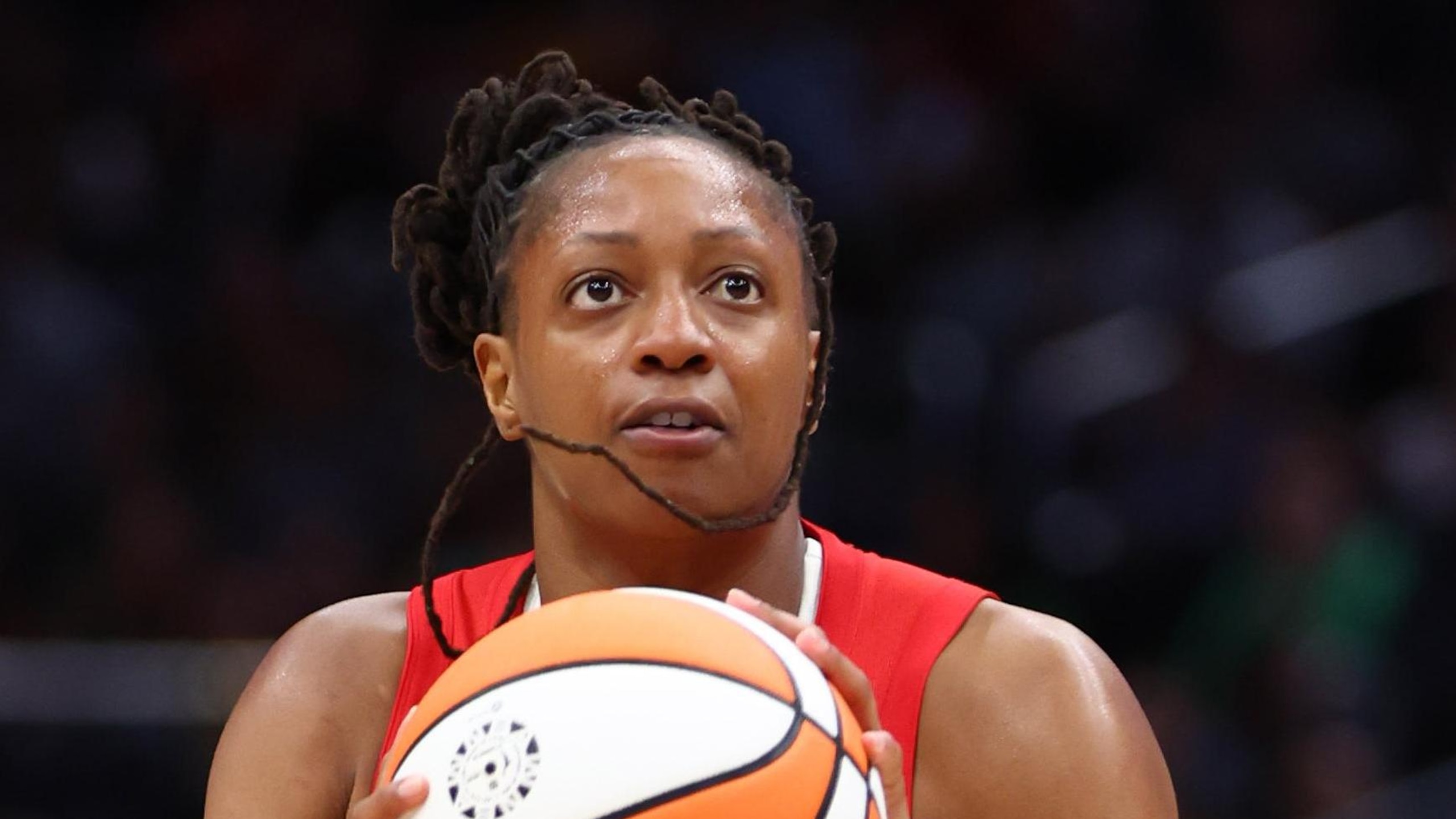
Tier 2: Title Contenders
The Indiana Fever are playing offense at a level we've never seen before in the WNBA. Their offensive rating (11.62) is the highest in league history, with them averaging over 102 points per game over the last 10 games.
Kelsey Mitchell has been on an incredible scoring tear, Caitlin Clark is creating elite offense from every area of the floor, and oh yeah, your third option, Aliyah Boston, is also averaging nearly 17 points per game and hitting threes consistently now. How is that possible?
The defense is still inconsistent, but if Indiana can be even average on that end while sustaining anything close to this offensive level, the Fever have legitimate championship upside.
2. Las Vegas Aces (21-9)
14 of 15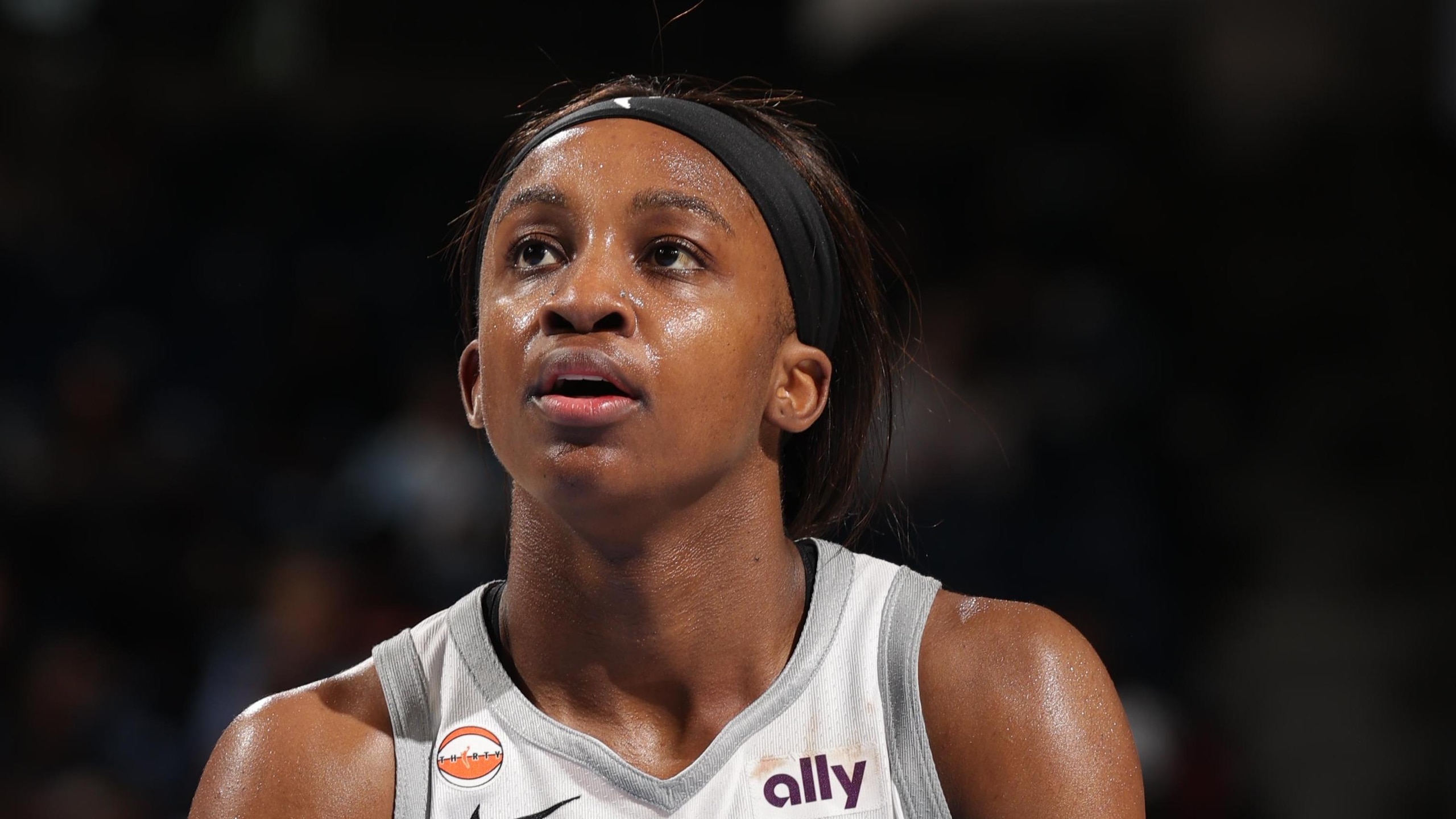
Tier 2: Title Contenders
If you're ranking contenders, you can't put a team with A'ja Wilson lower than No. 2. She isn't playing quite at the same defensive level as in previous years, but her impact and production are undeniable and continuously covers up for many of Las Vegas' team-building issues.
This season, Las Vegas has a +10.2 net rating in Wilson's minutes. When she is off the court, that drops to a -8.5. That's the largest on-off swing by any player in the league outside of her own teammate, Jackie Young.
Those two superstars, plus the way Chelsea Gray elevates her game in the postseason might just be enough to win another championship, but their biggest question right now is with the fifth starter spot.
There's an argument that Stephanie Talbot is the worst starter in the league, and it's hard to feel great about playing her in the playoffs. So will Jewell Loyd figure things out eventually like she did at this time last year? If not, that's a weakness teams will poke at in a series.
In 2025, Las Vegas finished No. 8 in defensive rating in the regular season and were still able to win the championship. Right now, they are at No. 7.
1. Minnesota Lynx (22-6)
15 of 15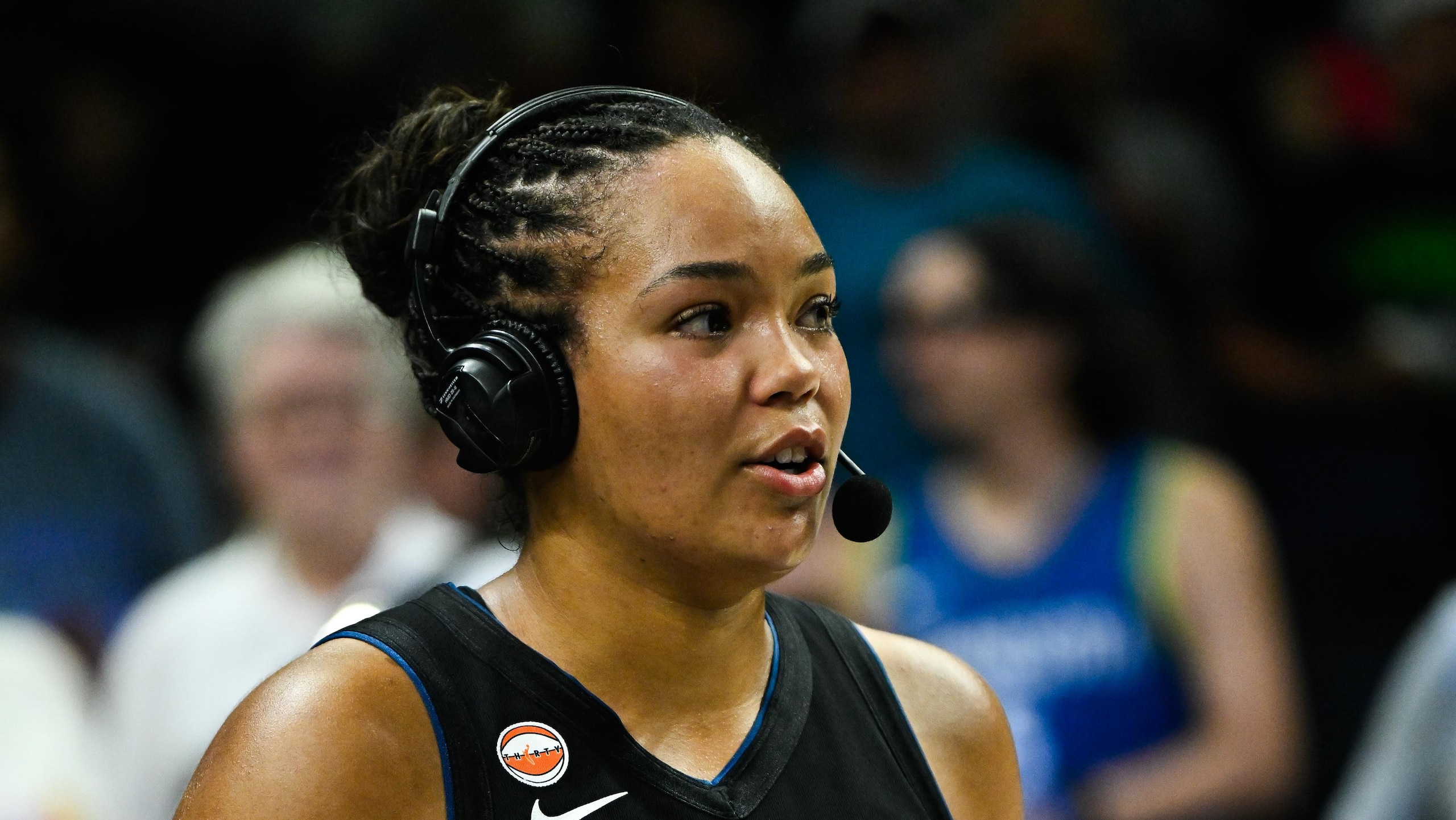
Tier 1: Championship Favorite
The Minnesota Lynx have a top-two offense and a top-two defense, and their best player has played in just four games.
Napheesa Collier already looks like she never missed a beat, averaging 18.3 points and 7.3 rebounds in only 25 minutes per game. Minnesota is 4-0 with Collier so far, and her early returns alongside Olivia Miles have been dominant. In their 64 minutes together, the Lynx have a ridiculous 120.3 offensive rating and 95.3 defensive rating.
It's hard not to view Minnesota as the championship favorite when you add Collier to a roster that already featured four All-Star caliber players (several of whom are playing at an All-WNBA level) plus an All-Defensive caliber backup forward who shoots nearly 40 percent from three.
That doesn't mean Minnesota is an overwhelming favorite, but it's difficult to find many weaknesses. The Lynx have elite pick-and-roll playmaking, shot creation, off-ball shooting, rim scoring and defense. They're just so scary everywhere.


.jpg?w=2560 "Rodgers Iced Out on Plane 💎")

.jpg?w=2560 "🚨 Week 8 AP Top 25 Poll")

.jpg?w=2560 "Packers Safety Slams Refs 🤬")
